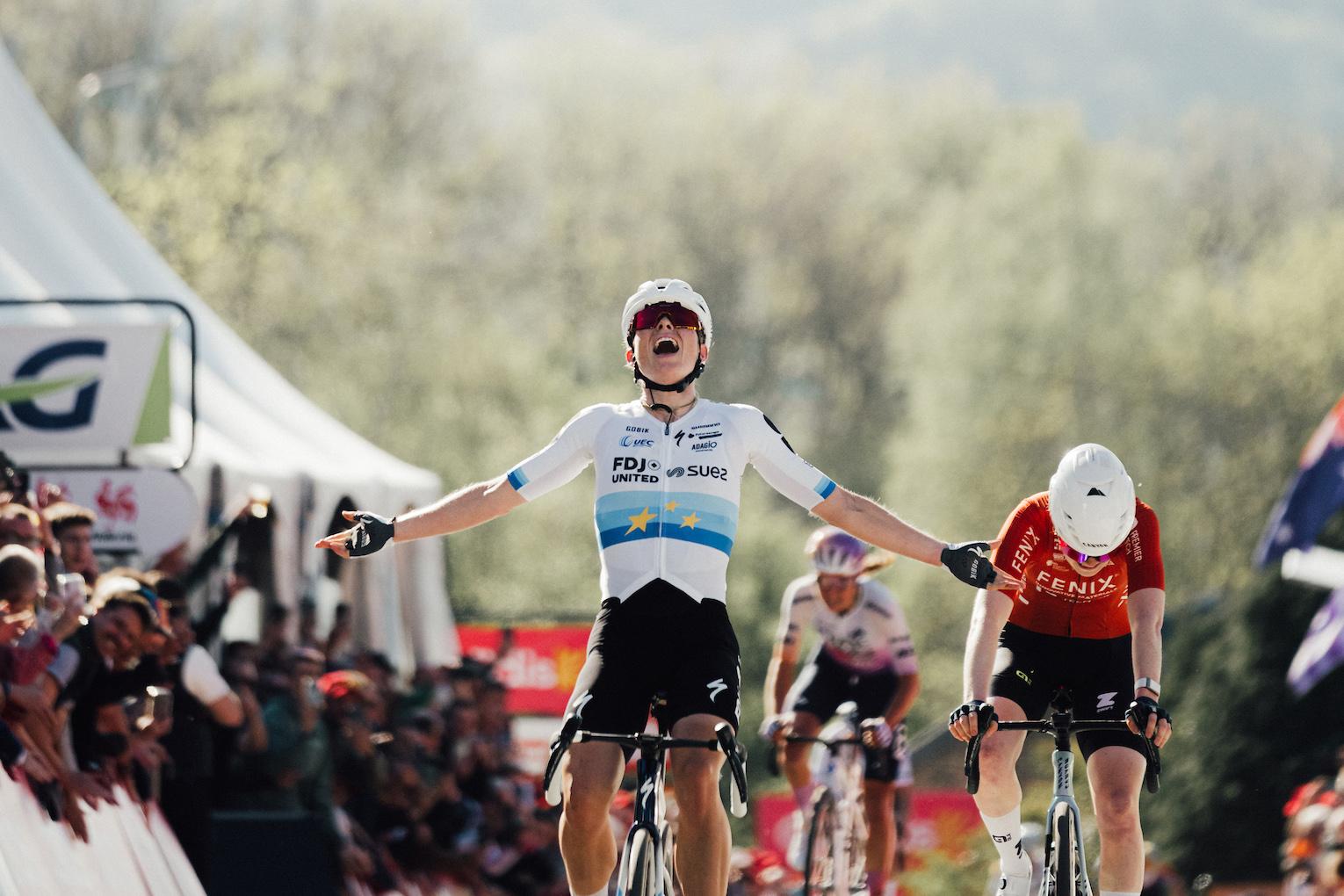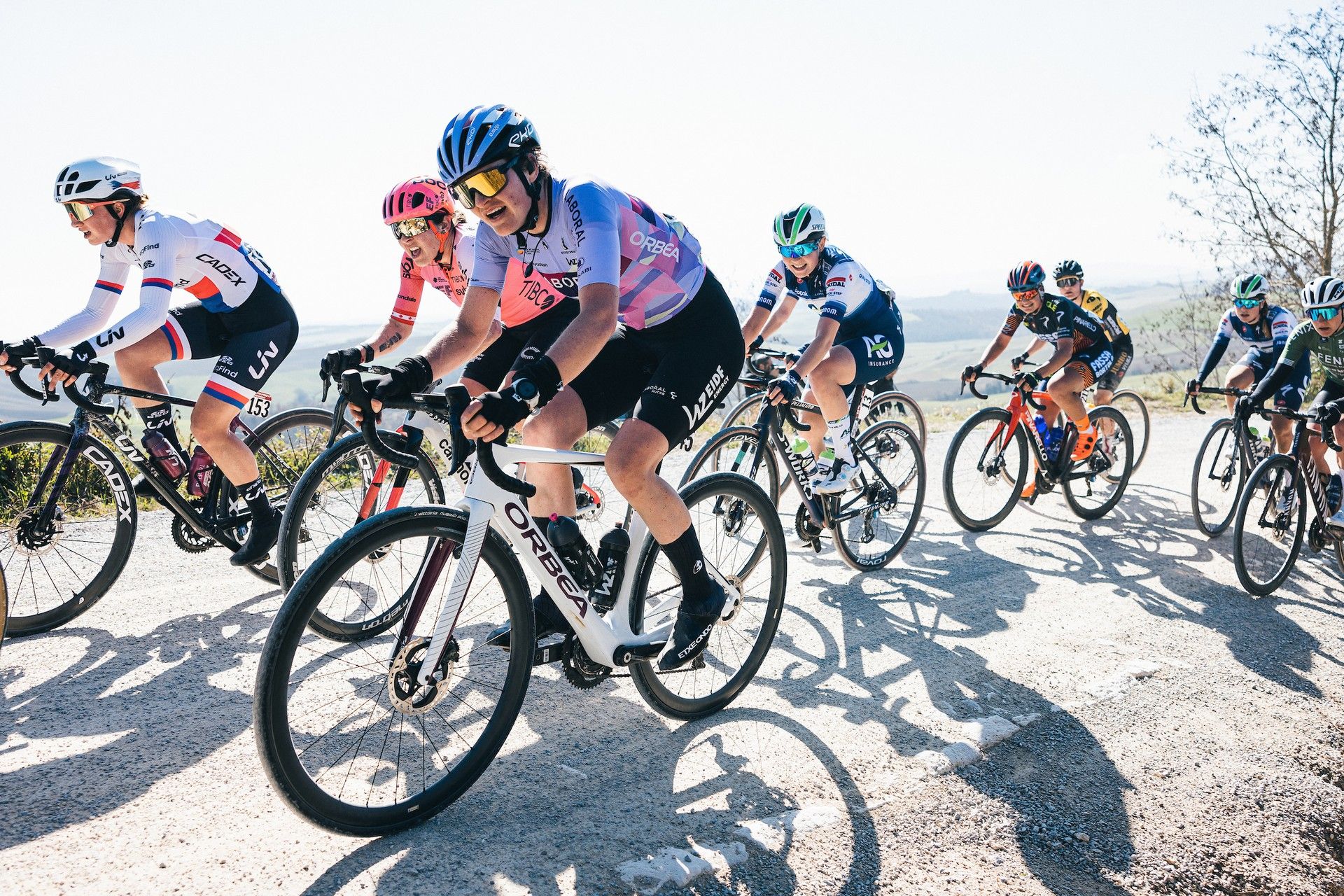
The 12th edition of Strade Bianche Donne arrives on Saturday with a redesigned finale that may prove more decisive than any route change in the race's short history.
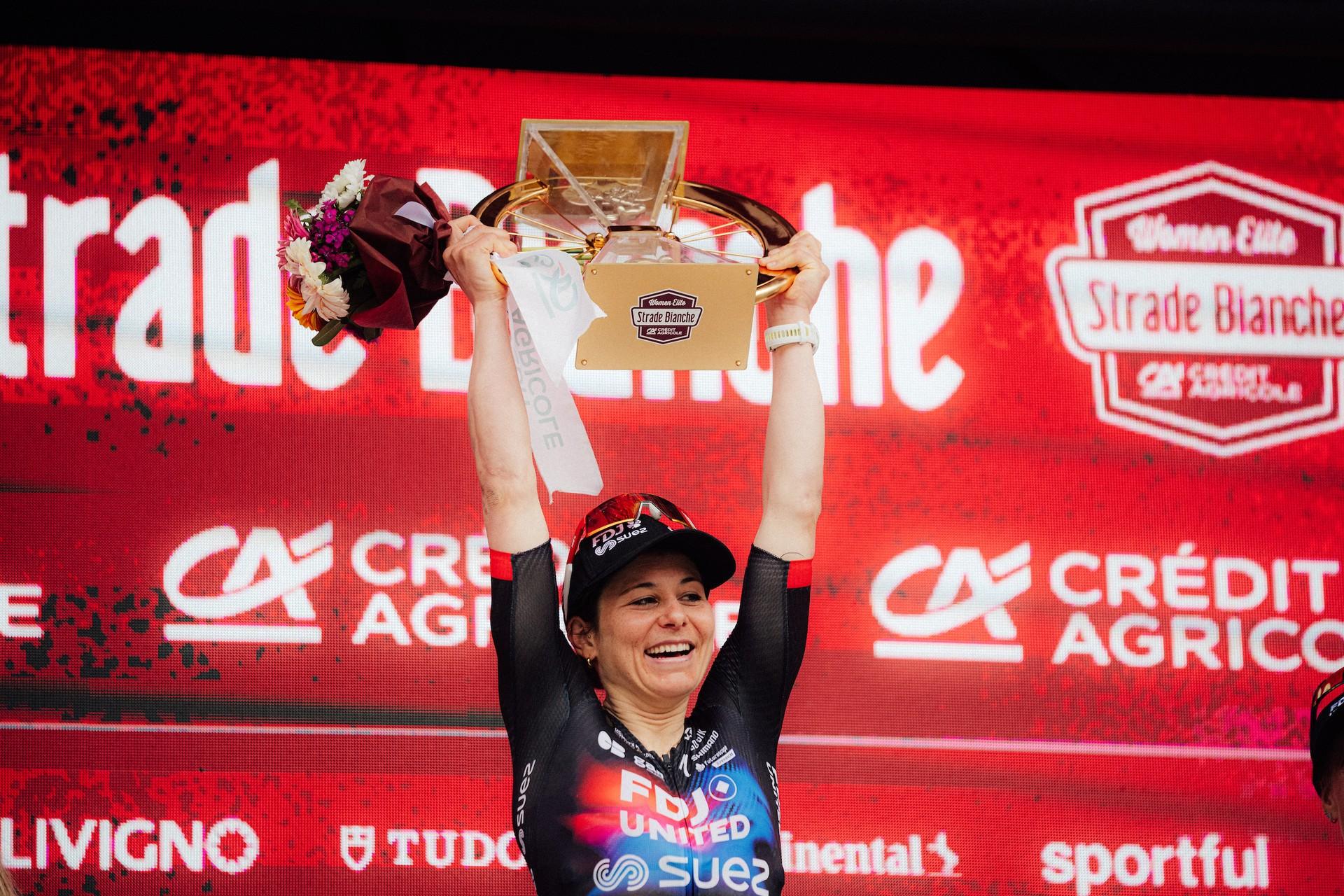
The total sterrato drops to 31.7 kilometres from last year's allocation, yet organisers have concentrated the difficulty into the final 30 kilometres by looping twice through Colle Pinzuto and Le Tolfe, the two sectors most likely to fracture a peloton already thinned by 100 kilometres of Tuscan attrition. The upshot is a race that rewards sustained aggression rather than a single late surge, and it arrives with Demi Vollering (FDJ United - SUEZ) and Lotte Kopecky (Team SD Worx - Protime) each chasing a record third title.
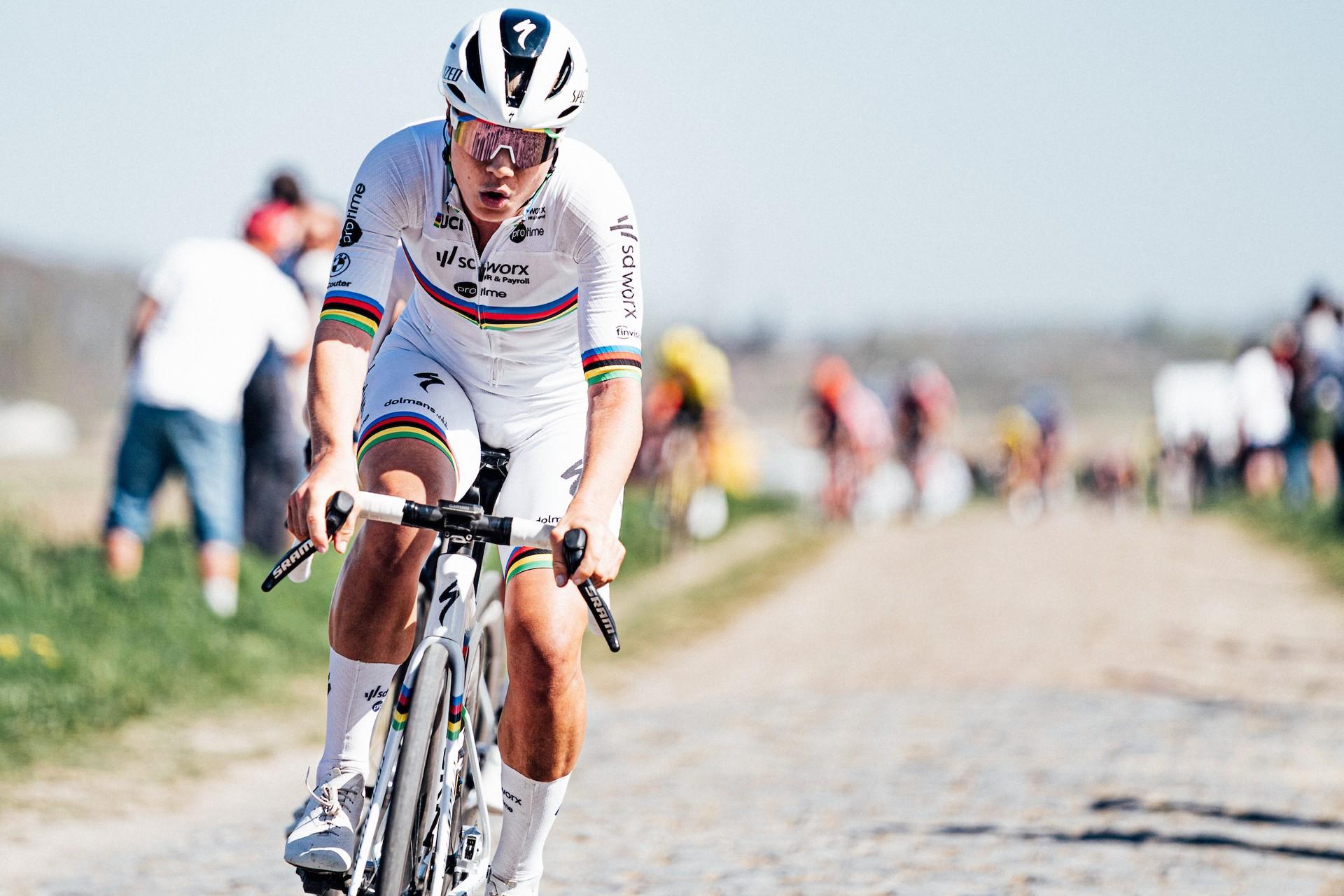
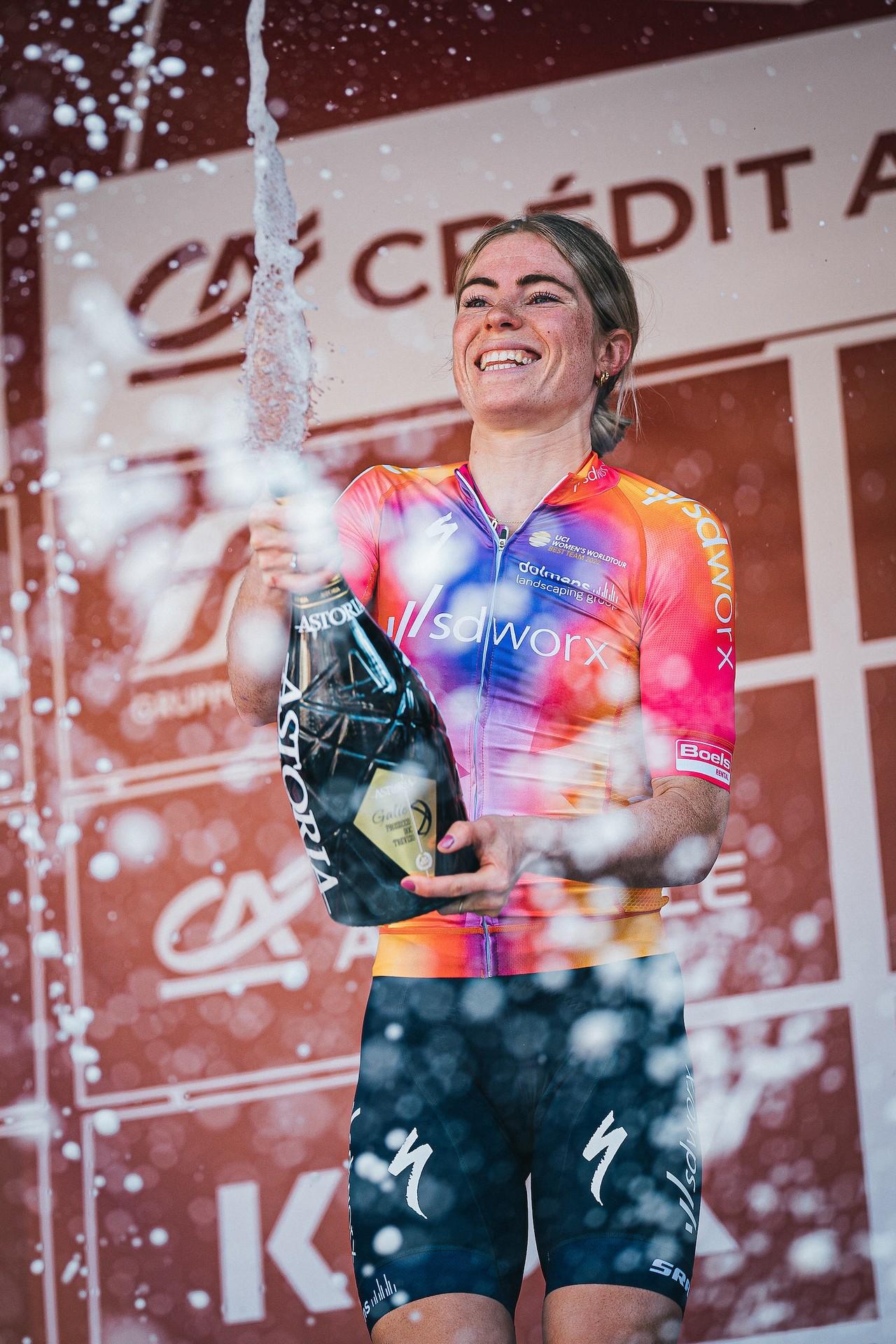
Vollering and Kopecky have alternated victories since 2022, trading the race back and forth in a rivalry that has come to define the women's spring calendar. Both are confirmed starters, and whichever wins on Saturday becomes the first three-time champion in the women's event, surpassing retired Annemiek van Vleuten's two titles.
Route, sectors, and where it splits
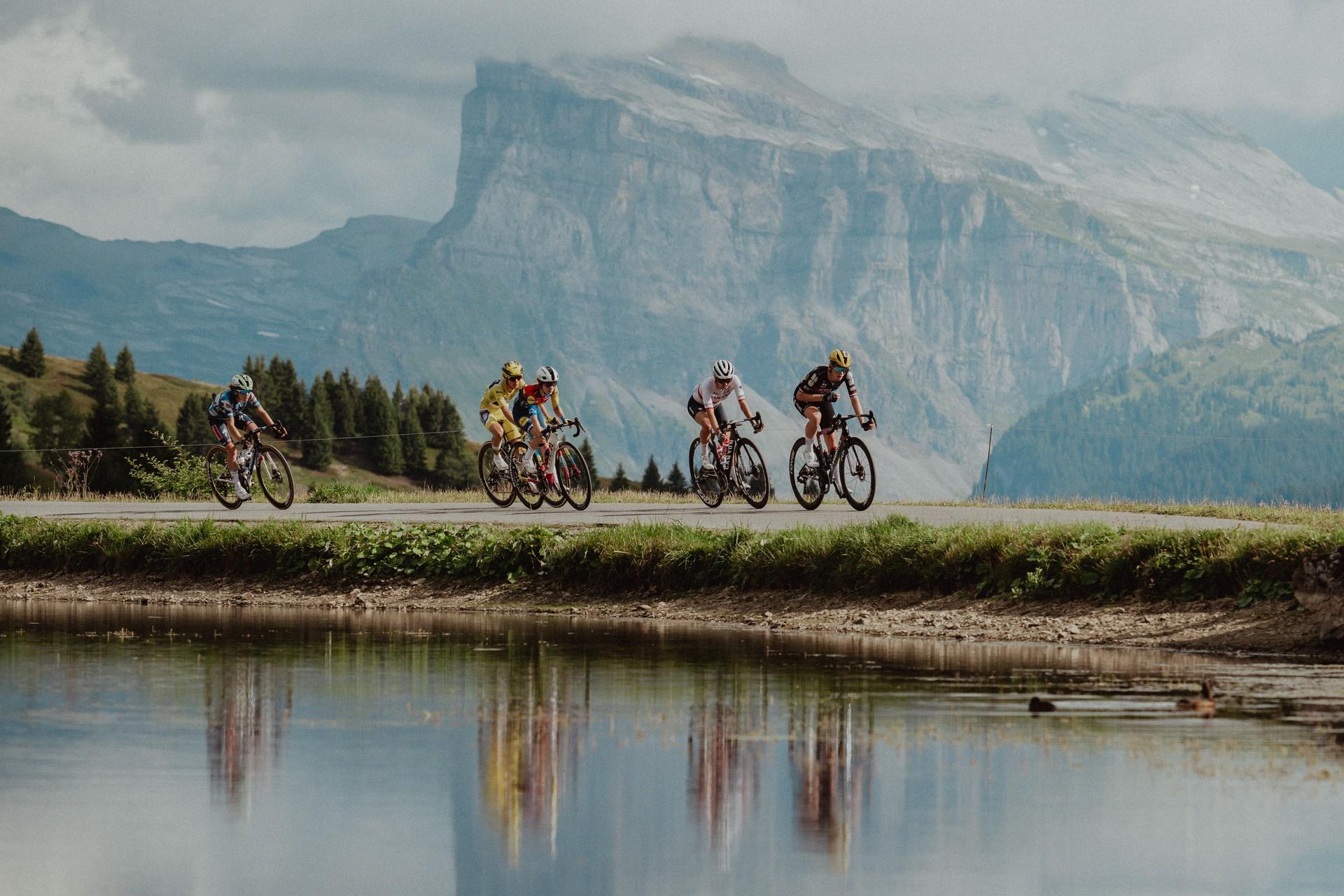
The 133-kilometre route begins and ends in Siena, threading south through Buonconvento, Sovicille and Monteroni d'Arbia before climbing to Asciano. The opening sterrato sectors gradually escalate in severity: sector one is a slightly downhill 2.4-kilometre introduction, but sector two delivers 3.5 kilometres of relentless climbing with double-digit gradients, and sector four – San Martino in Grania – is the longest gravel road of the day at 9.4 kilometres, almost entirely uphill.
The tactical crux, though, is the double passage that offers the race's final shoe-lace style loop into Siena. The first time through Colle Pinzuto, riders face a 2.4-kilometre sector that opens with a 15% ramp. Immediately afterwards, Le Tolfe delivers 1.1 kilometres at gradients touching 18%.
After the final gravel, a rolling 12-kilometre run-in leads to Siena's Via Santa Caterina da Siena, where the road kicks to 12.4% for the final 500 metres before the riders burst onto the Piazza del Campo. The finish suits punchy climbers who can still accelerate after five hours of racing on broken roads.
Strade Bianche Donne Favourites
Vollering enters as defending champion and the rider in the best verifiable form, having already won the Tour of Valencia and Omloop Het Nieuwsblad this season. Her ability to sustain power on long gravel climbs – as demonstrated in her 2023 and 2025 victories – makes San Martino in Grania and the first Pinzuto passage natural launchpads. FDJ United - SUEZ will look to control tempo through those sectors and set Vollering up for a decisive move on the second passage of Le Tolfe. She also notably outpaced a pursuing horse in her 2023 race.
Kopecky suffered mechanical trouble at Omloop Het Nieuwsblad that prevented her from contesting the finale, leaving her current condition slightly harder to read.
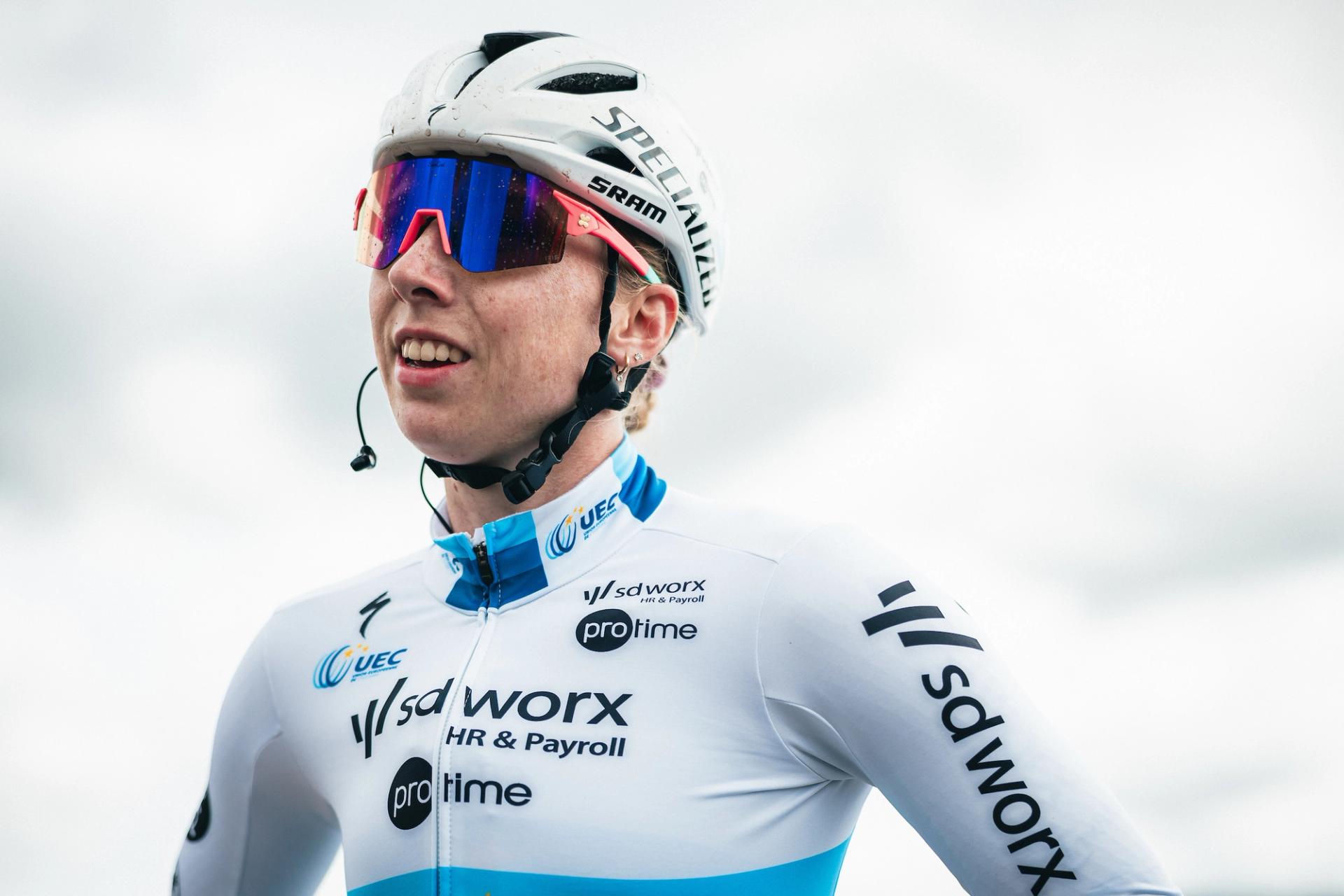
However, the Belgian is a two-time winner here who thrives on the final ramp into the Piazza del Campo, and SD Worx - Protime boast formidable depth with Anna van der Breggen – second here in 2025 and a former winner in 2018 – offering a genuine second card. That tactical luxury may prove decisive if the double-loop burns through FDJ's support riders.
Pauline Ferrand-Prévot (Team Visma | Lease a Bike Women) makes her road-season debut after an altitude camp on Teide, and her third place in 2025 confirmed she has the engine and the bike-handling skills for Tuscan gravel. Her debut form is the largest unknown, though: altitude blocks can produce outstanding fitness or leave a rider slightly flat in the opening days. Teammate Marianne Vos also returns from Teide and adds a tactical wildcard, her experience in positioning through dusty sectors a significant asset.
Elisa Longo Borghini (UAE Team ADQ) won this race in 2017 and knows these roads as well as any rider in the peloton. Now 34, she remains a podium-calibre finisher on punchy terrain. Katarzyna Niewiadoma (Canyon//SRAM Racing zondacrypto) is another persistent challenger whose lightweight climbing profile suits the repeated gravel ascents, while Puck Pieterse (Fenix - Premier Tech) brings cross-discipline bike handling that pays dividends on loose, dusty descents.
Saturday's forecast suggests roughly 17°C with minimal wind and dry sterrato, meaning the dust clouds will reduce visibility and punish anyone caught too far back. Puncture risk rises on hard-packed gravel, and the reduced ability to see through the peloton places a premium on positioning in the first 10 riders through each sector.
Among the outsiders, Noemi Rüegg (EF Education - Oatly) arrives as Tour Down Under winner and showed climbing legs that could translate to these roads. Lucinda Brand (Lidl - Trek) and Shirin van Anrooij (Lidl - Trek) provide Lidl-Trek with two riders capable of featuring in a reduced front group, particularly if the race fragments early on San Martino in Grania.
The race starts at 10:15 CET, with the finish expected around 14:00 CET – ahead of the men's event.
Race Prediction
Vollering's current form makes her the rider to beat. Kopecky, however, is the most dangerous rider if it comes down to the Via Santa Caterina kick, and SD Worx's two-card strategy could force FDJ into an uncomfortable choice between chasing Van der Breggen and marking Kopecky. Ferrand-Prévot is the most likely disruptor if her Teide form has landed correctly.