RiderUAE Team ADQ
Elisa Longo Borghini
2026 wins
3
Race and stage wins
Team
UAE Team ADQ
Nationality
ITA
Age
34
10 December 1991
Longo Borghini grew up in Ornavasso, in the Alpine north of Piedmont. Her mother, Guidina Dal Sasso, was an international cross-country skier, and her brother Paolo raced as a professional cyclist until 2014. She turned professional as a teenager with the Italian team Top Girls Fassa Bortolo, and at twenty took bronze in the elite road race at the 2012 World Championships in Valkenburg, behind Marianne Vos and Rachel Neylan.
She attacked before the Kruisberg with thirty kilometres left to win the Tour of Flanders in 2015, the first Italian winner of the women's race. Strade Bianche followed in 2017, taken in filthy weather by two seconds from Katarzyna Niewiadoma. At Paris-Roubaix Femmes in 2022 she went clear with twenty-five kilometres remaining and reached the velodrome alone.
Most of her one-day wins have looked like that: a move made early, on a course roughened by cobbles, gravel or bad weather, rather than a sprint saved for the line. Flanders in 2024 was the exception, won from a three-up sprint against Niewiadoma and Shirin van Anrooij.
She took bronze in the Rio road race in 2016, outsprinted from a four-rider group by Anna van der Breggen and Emma Johansson. In Tokyo she finished third again, behind Anna Kiesenhofer and Annemiek van Vleuten.
The Giro d'Italia Women went her way in 2024. She won the opening time trial in Brescia, led from the first day to the last and finished twenty-one seconds clear of Lotte Kopecky, with Neve Bradbury third. No Italian had won the race since Fabiana Luperini in 2008.
She joined UAE Team ADQ for 2025, after six seasons with the Trek team, and won the Giro again. Sixteen seconds down on Marlen Reusser going into the penultimate stage over Monte Nerone, she finished second on the climb, took the maglia rosa and won the race by eighteen seconds. The same season brought the UAE Tour overall, Dwars door Vlaanderen from a thirty-kilometre solo and De Brabantse Pijl for the second year running.
She has been among the more outspoken riders on the direction of women's racing, warning that the decline of grassroots racing beneath the WorldTour could eventually destabilise the top level itself.
Latest News
Racing
A 10% climb stands between Vollering and another European title, but Wiebes lurks
2026 UCI Road World Championships
Vollering’s victory was expected but the journey to rainbows wasn’t
2026 UCI Road World Championships
'I was actually happy and then I heard Marlen was coming' – Riders react to women's Worlds time trial
Tour de France Femmes avec Zwift 2026
'I won on Mont Ventoux, I feel like that was the biggest day of my life' - Niewiadoma-Phinney savours Tour podium
Tour de France Femmes avec Zwift 2026
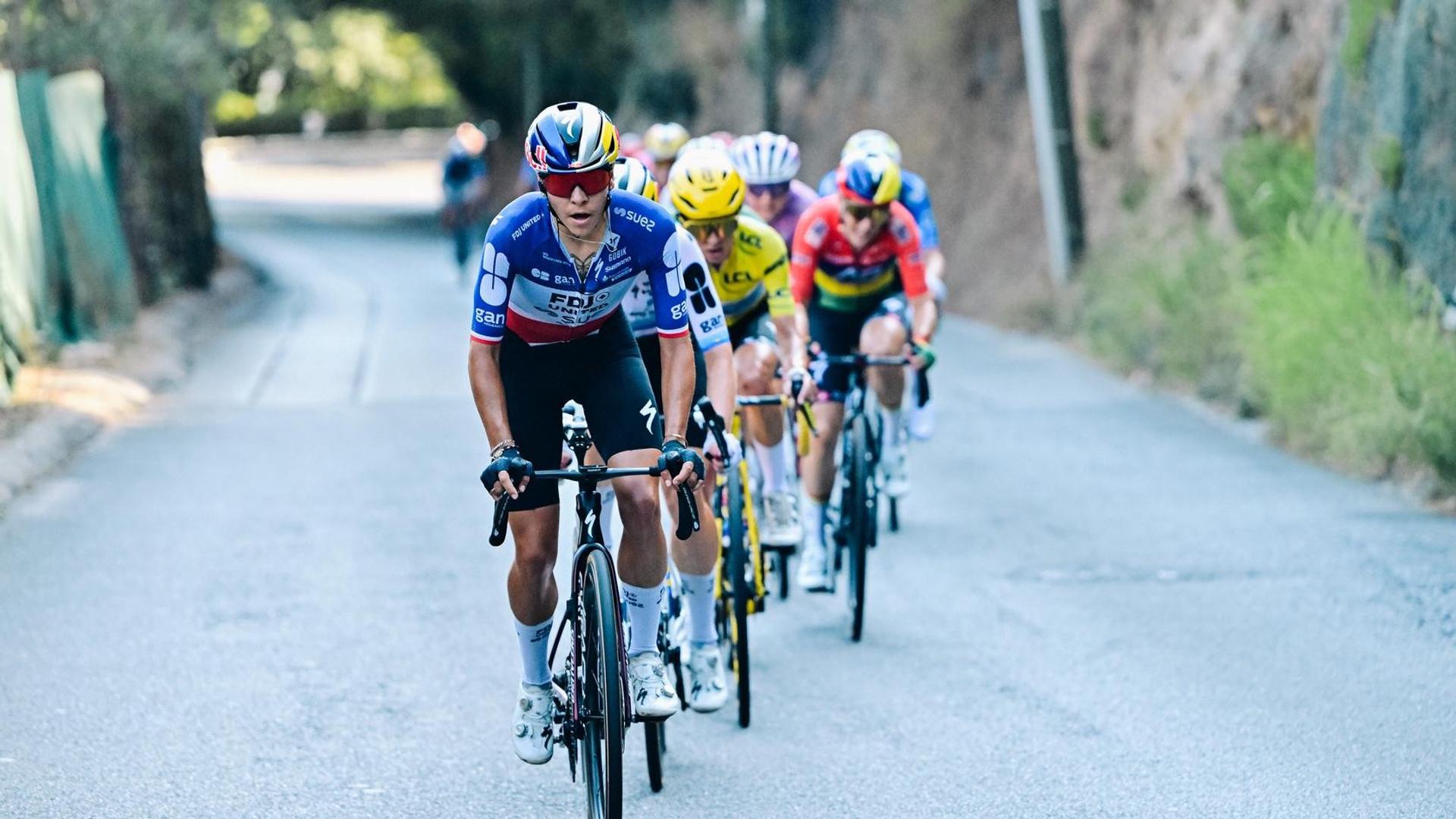
Analysis: 'I lost all my respect for them', but Célia Gery's Tour stage 8 move was hard racing, not a foul
Tour de France Femmes avec Zwift 2026
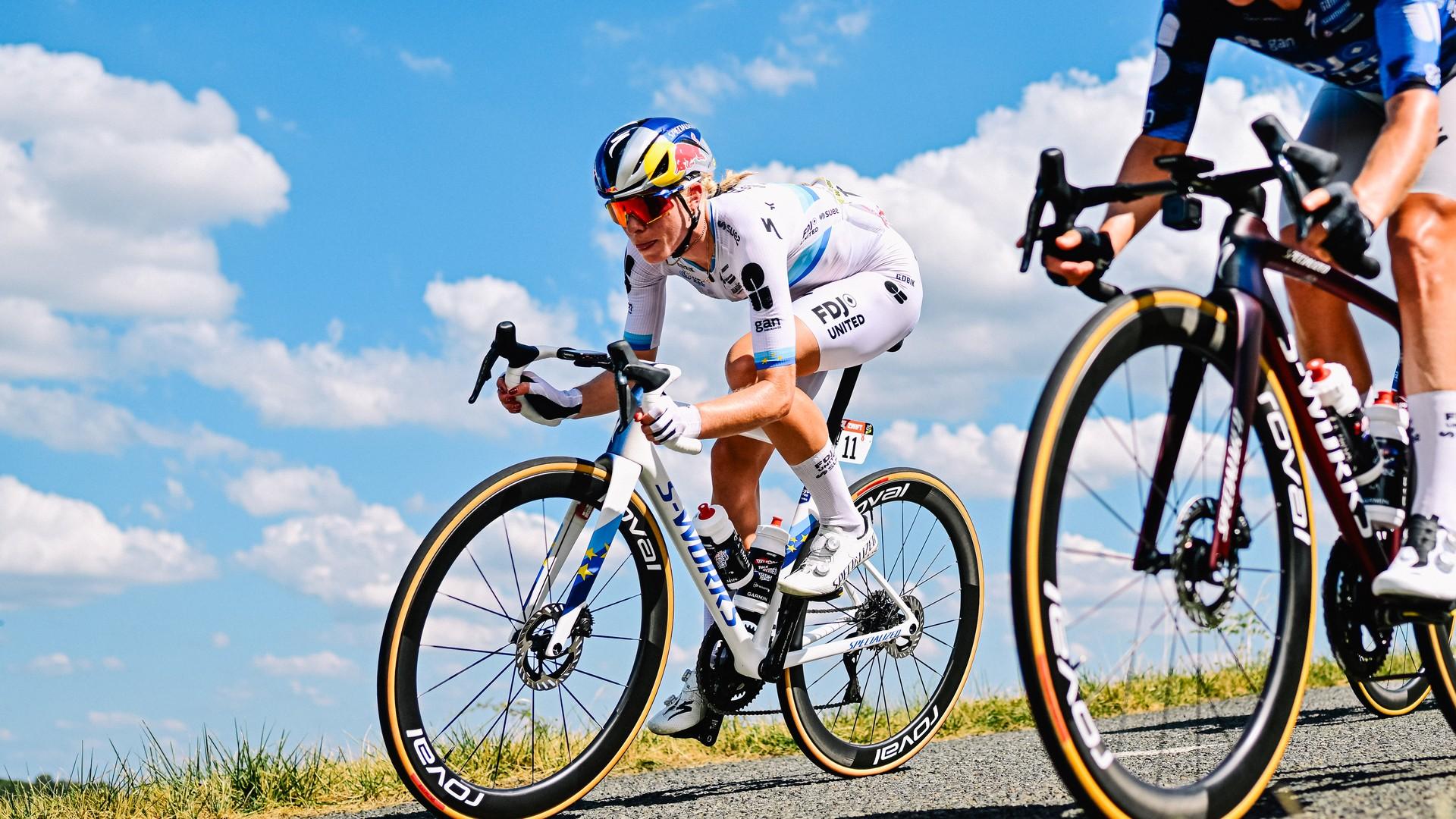
‘This déjà vu came back’ – Vollering turns tables to her favour after seizing Tour de France Femmes lead with stage 8 win
Tour de France Femmes avec Zwift 2026
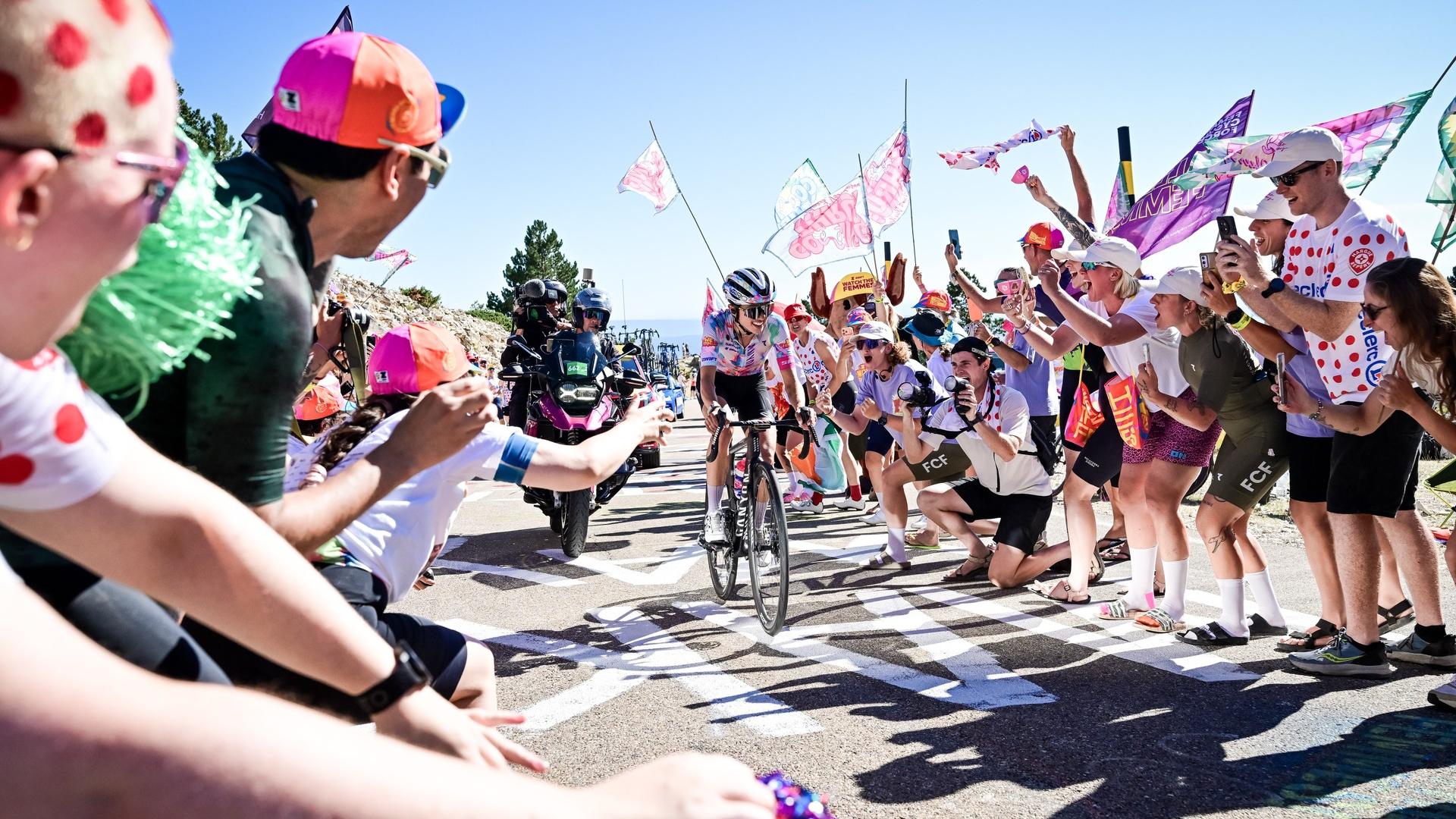
'I just feel so much gratitude' - Niewiadoma-Phinney storms into yellow on Mont Ventoux, but there’s much more racing to come

Tour de France Femmes avec Zwift 2026
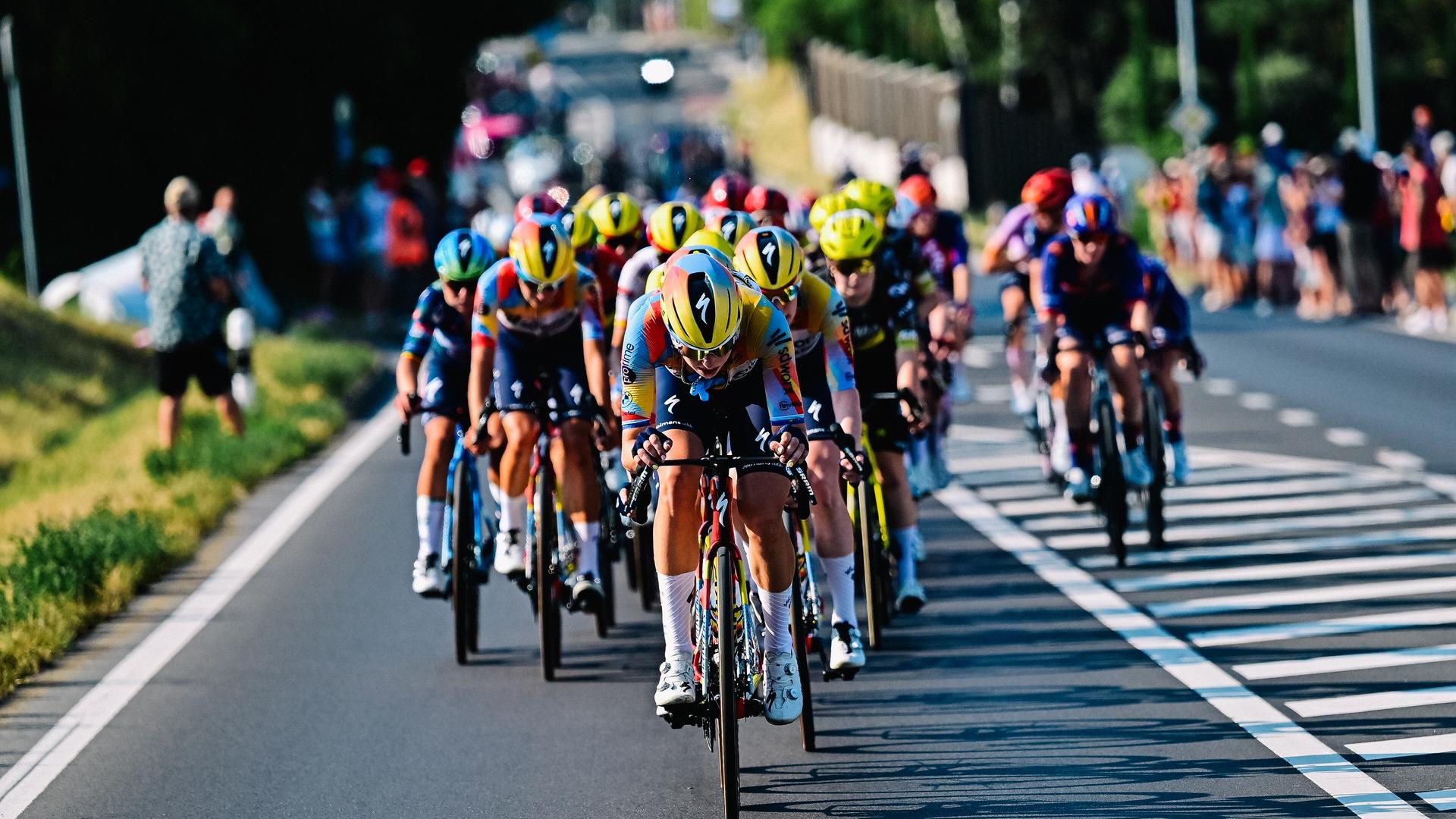
Mont Brouilly leaves the Tour de France Femmes podium race looking like a three-rider contest
Tour de France Femmes avec Zwift 2026
Why Tour de France Femmes stage 5 could break the GC race open
Tour de France Femmes avec Zwift 2026