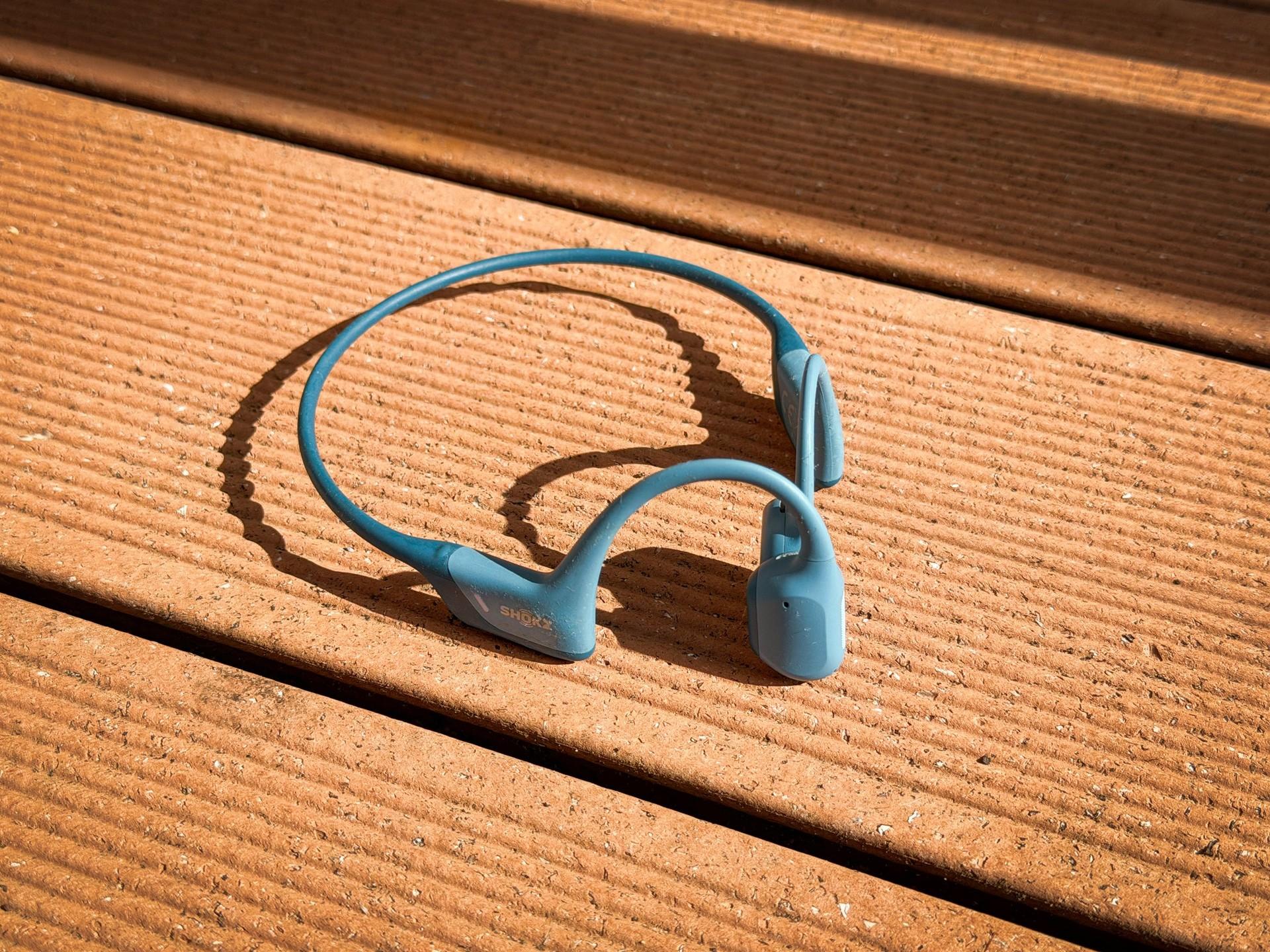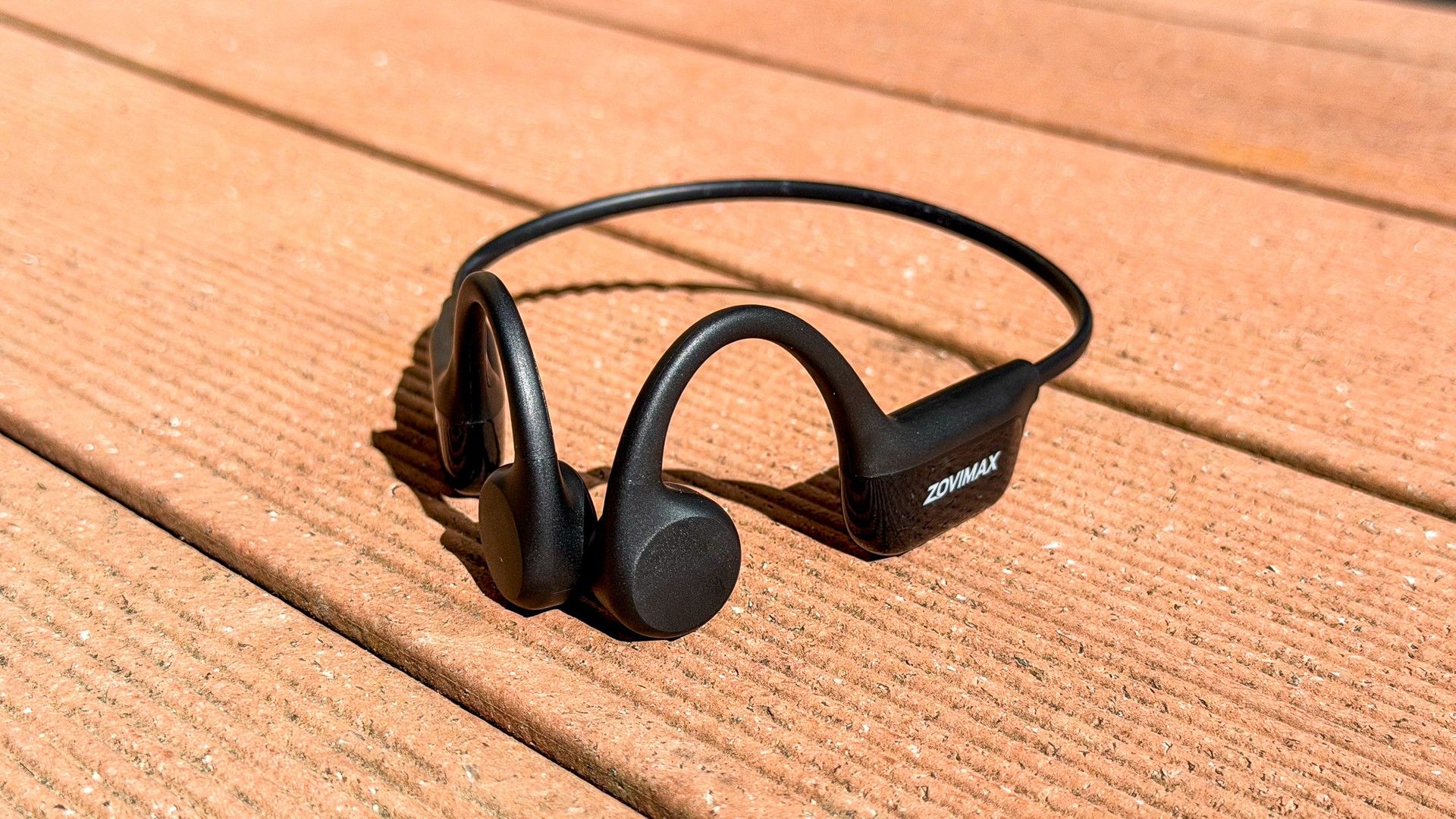
Bone-conduction headphones are a brilliant solution for listening to music safely while cycling. Thankfully, they needn’t cost Shokz or Suunto money. Zovimax offers a budget route in, but how much are you giving up to save on the price?
Zovimax’s bone-conduction headphones get several basics right: they are very easy to connect, feel lightweight and sit comfortably. Calls work surprisingly well, too. Music is the stumbling block, with the tinniest sound of the headphones in this selection.
They have typically been listed at between £35 and £40, putting them well below the higher-priced models we have reviewed. They demonstrate that bone conduction can be inexpensive, while making a persuasive case for spending more if sound quality matters to you.
Velora review
Zovimax bone conduction headphones

An inexpensive route into open-ear headphones, with straightforward setup and good call performance. The very tinny sound makes them difficult to recommend for music.
For
- +Very easy pairing
- +Lightweight and comfortable
- +Surprisingly good call performance
Against
- –Tinniest sound in our selection
Zovimax advertises Bluetooth 6.0, up to 12 hours of battery life, a built-in microphone, an LED display for battery and status information, and IPX7 water resistance. We found the battery life lived up to expectations, though I wasn’t mad about the custom charging point – I prefer a universal, interchangeable USB-C charging setup.
Easy to use, harder to enjoy for music
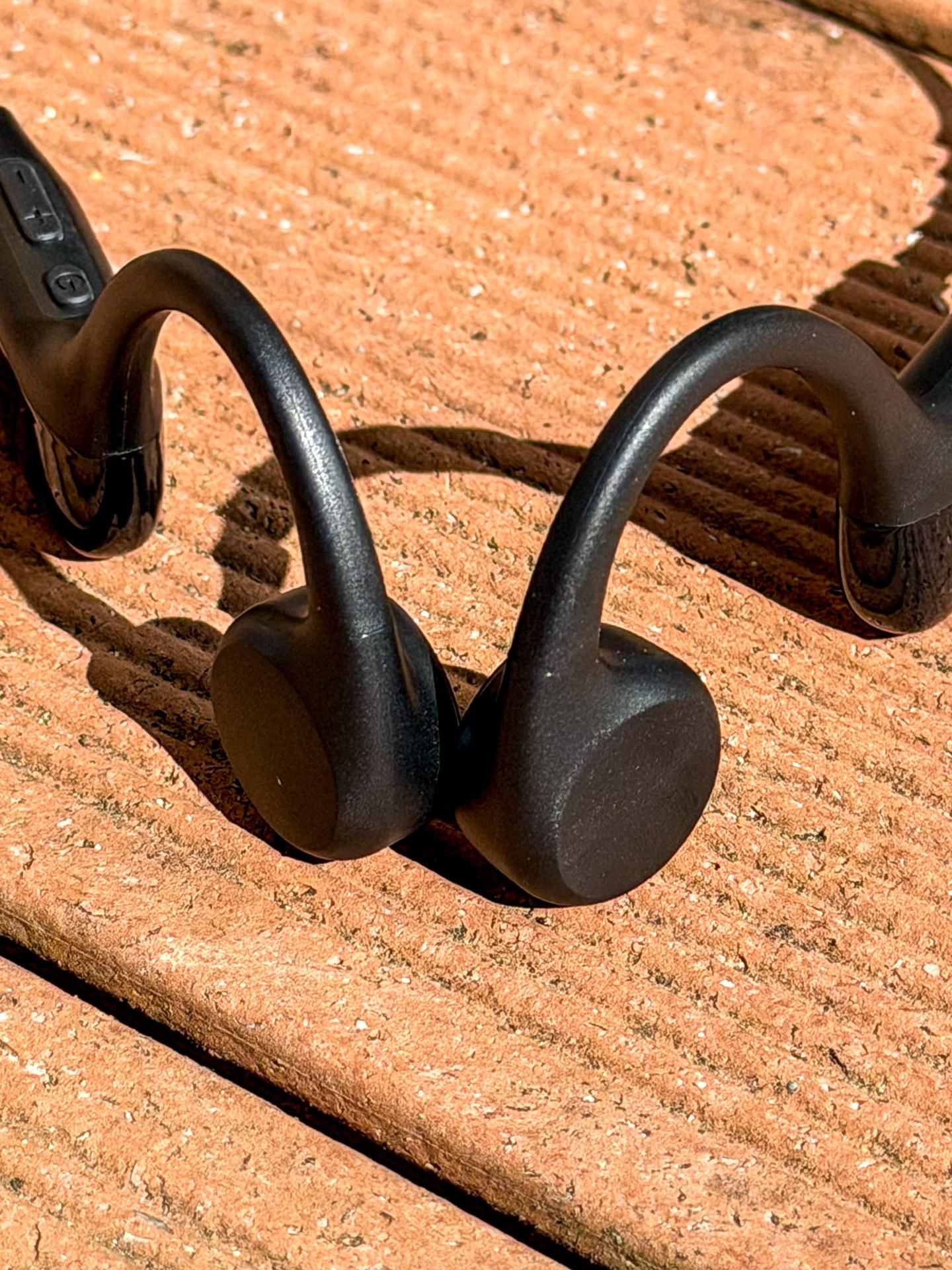
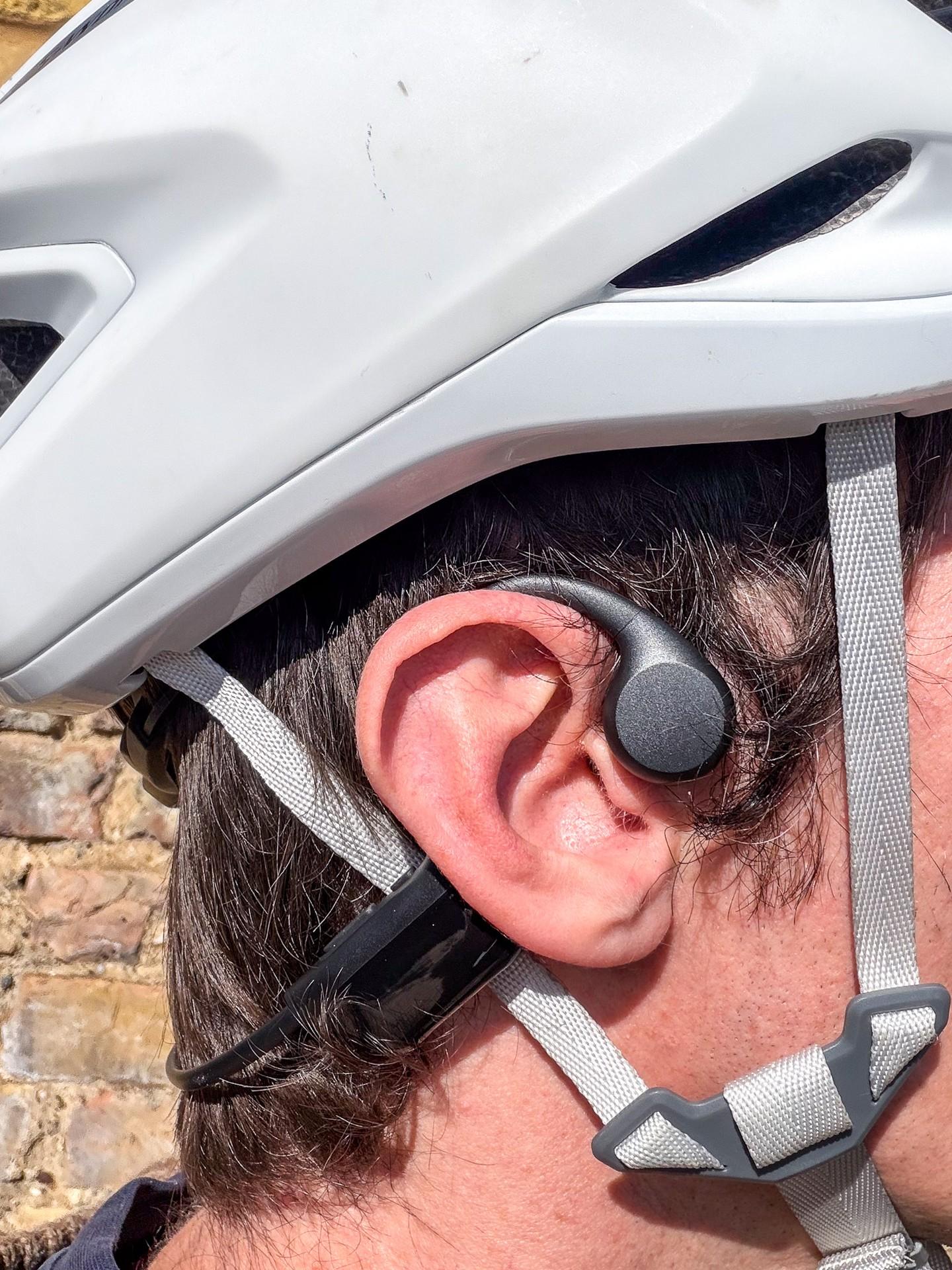
The headphones felt very lightweight and were comfortable to wear. They were a nice fit below my large helmet, and despite the slightly cheap-and-cheerful appearance, they felt relatively robust and showed no sign of damage or wear during our testing. The packaging is minimal, and there’s an intriguing little graphic display.
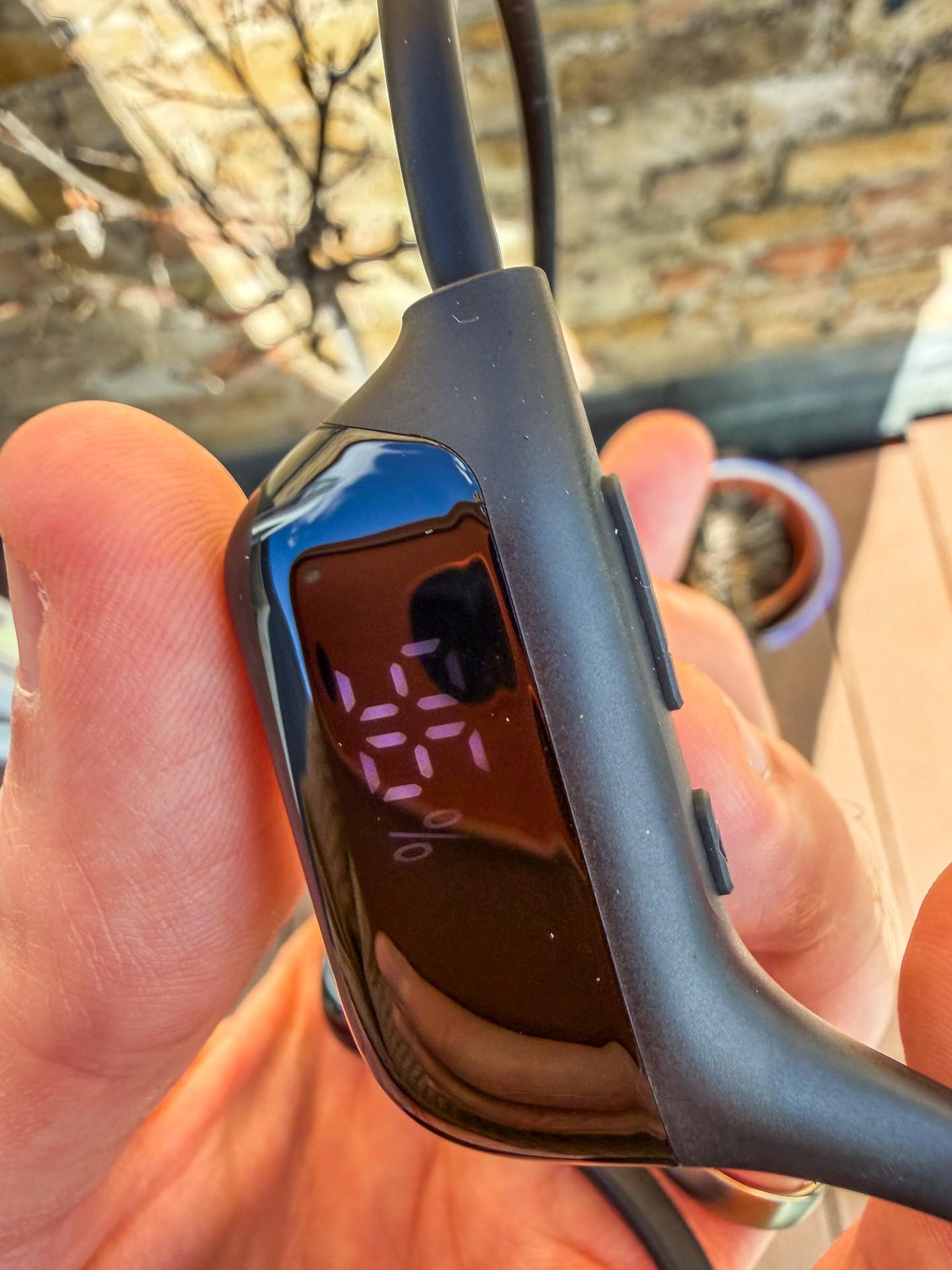
Novel though it may be, I found the battery indication a little pointless. For most headphones, battery indication is shown on iPhones in the Batteries widget, and the likes of Shokz state a battery life prompt out loud when you boot them up. I can’t see what a relatively large display adds over that.
It’s not a big sacrifice in weight or comfort terms, though. Really the main drawback of these headphones is the sound, and that’s where the price gap to the top-tier bone-conduction headphones shows.
The sound was very tinny, the tinniest of all the headphones we tested. For me, the practical strengths cannot compensate when music is the main reason for buying headphones.
At around £149 with a powerbank included, the Suunto Wing 2 produced a rounder, bassier sound that was more audible on rides than the original Shokz OpenRun Pro, particularly at lower speeds. Audio still became less effective at around 40km/h.
The Shokz OpenRun Pro also earned praise for comfort during long-term use, although podcasts were particularly difficult to hear at cycling speeds.
If you are buying primarily for music, I would put the money towards a better-sounding pair: the tinny playback is too central to the experience to overlook. That said, if you’re safety conscious and want access to a set of bone conduction headphones at a more accessible price, and music quality is secondary to general listening, then these could be a solution.
To me, they really showed up why the likes of Shokz and Suunto deserve their price.