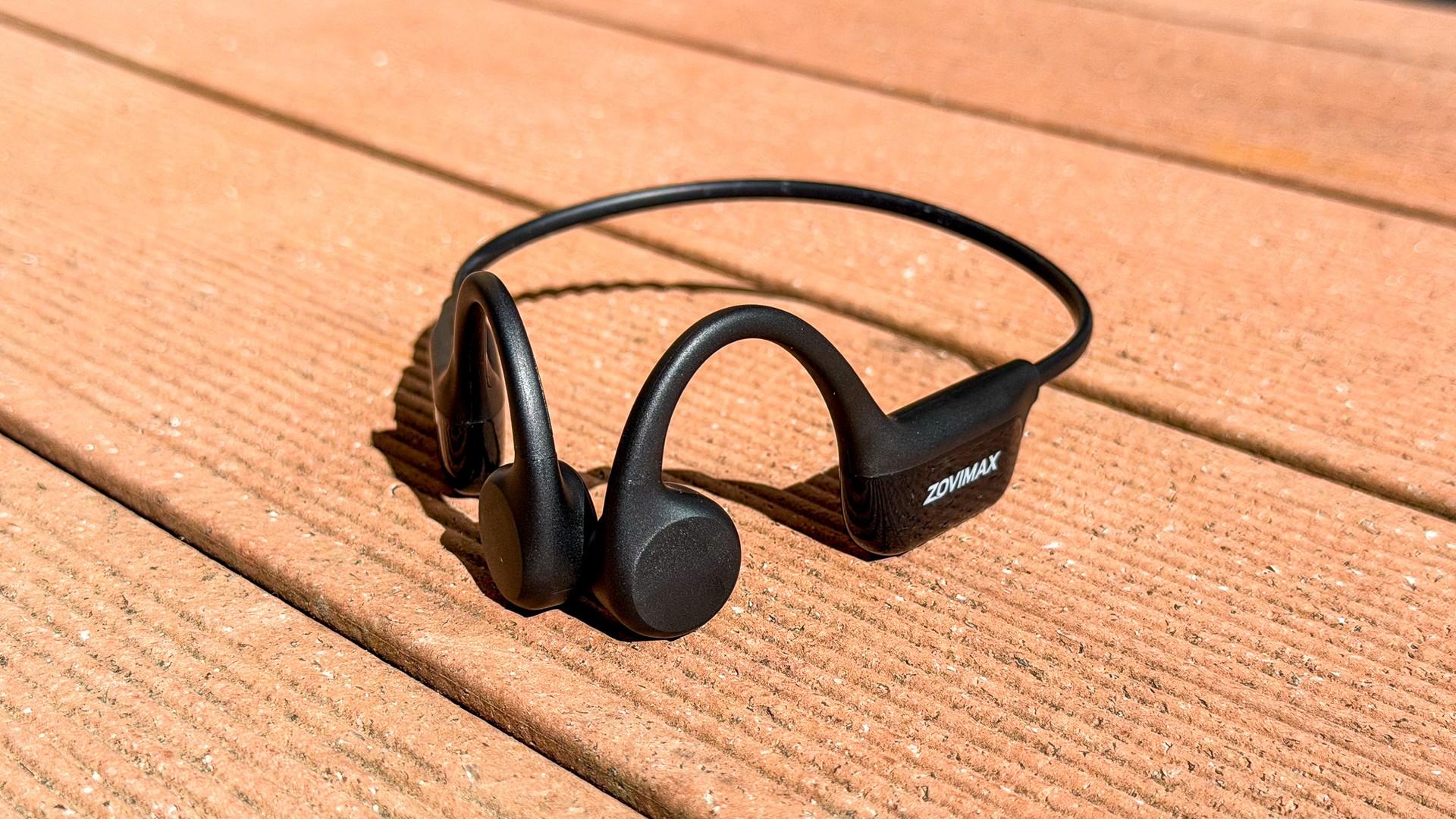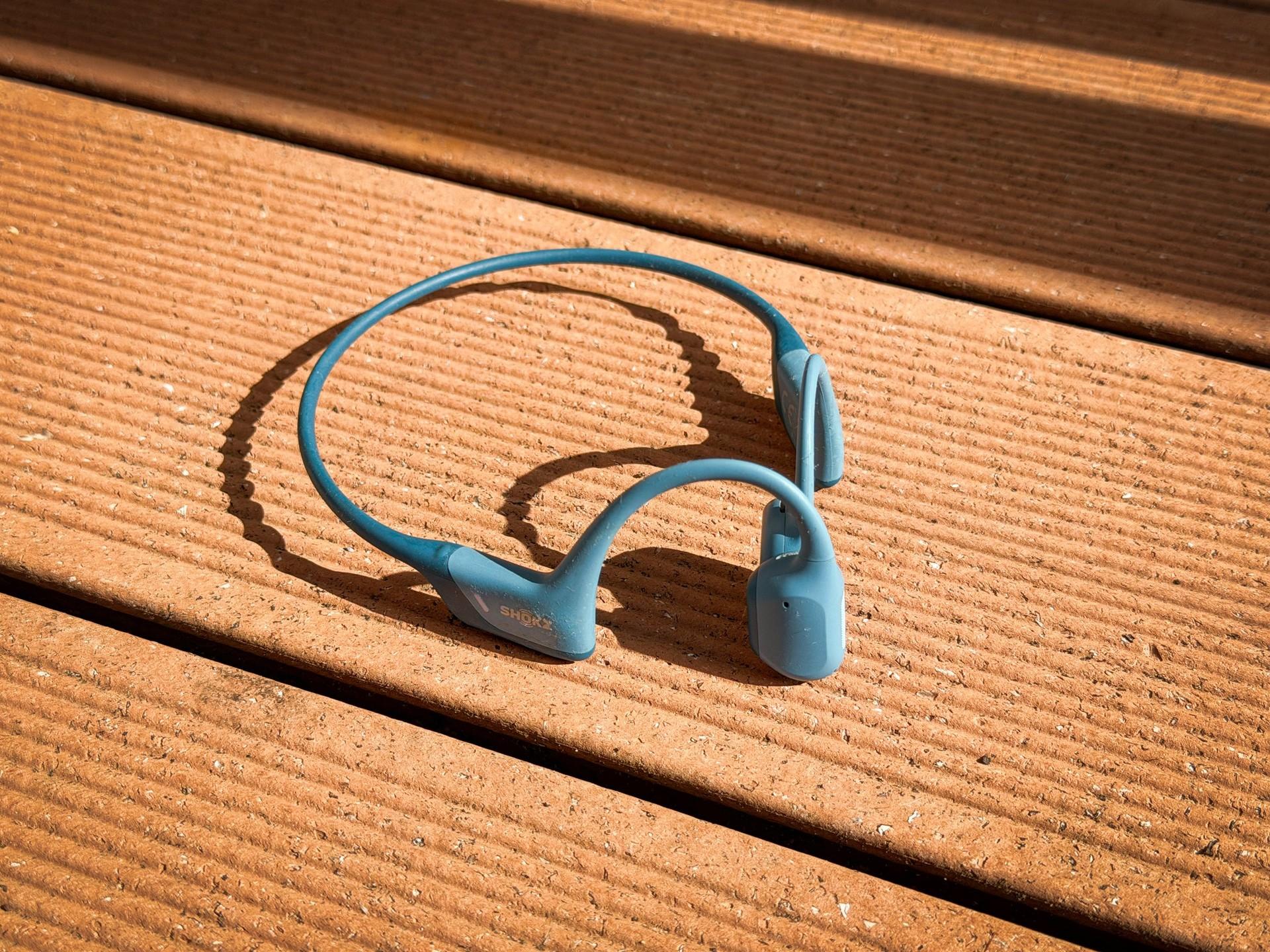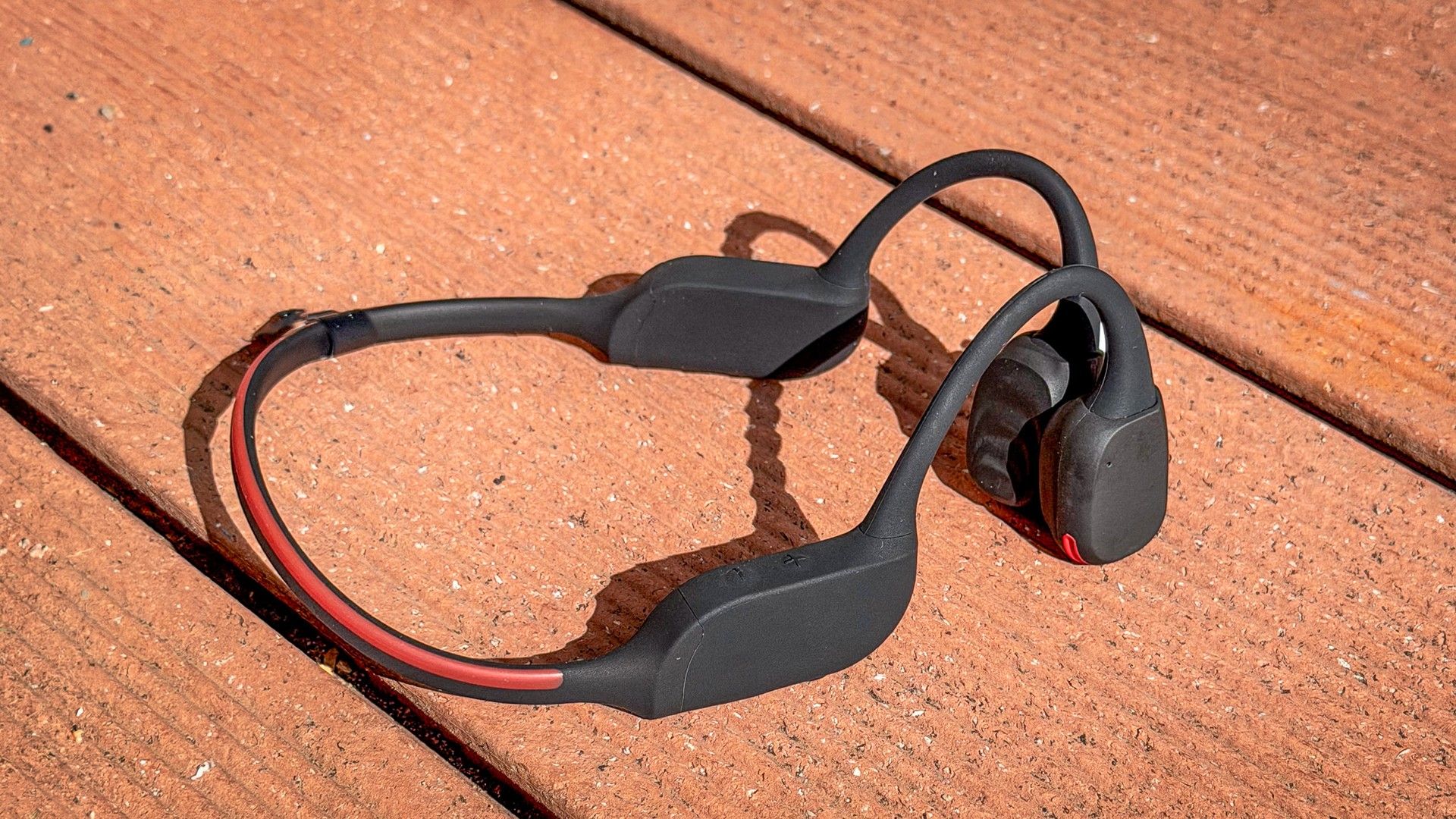
We’ve been testing several sets of bone-conduction headphones over the last few weeks, and Philips' Open-ear wireless sports headphones, model TAA7607BK/00 and also sold as the GO A7607, are an interesting offering.
They are bone-conduction headphones with something most rivals lack: a red LED strip across the back of the neckband – a nice feature for the safety-conscious crowd typically drawn to open-ear headphones.
They launched in the UK at £169.99 and carry IP66 protection. Next to the Suunto Wing 2, they are heavier, less comfortable and noticeably worse to listen to.
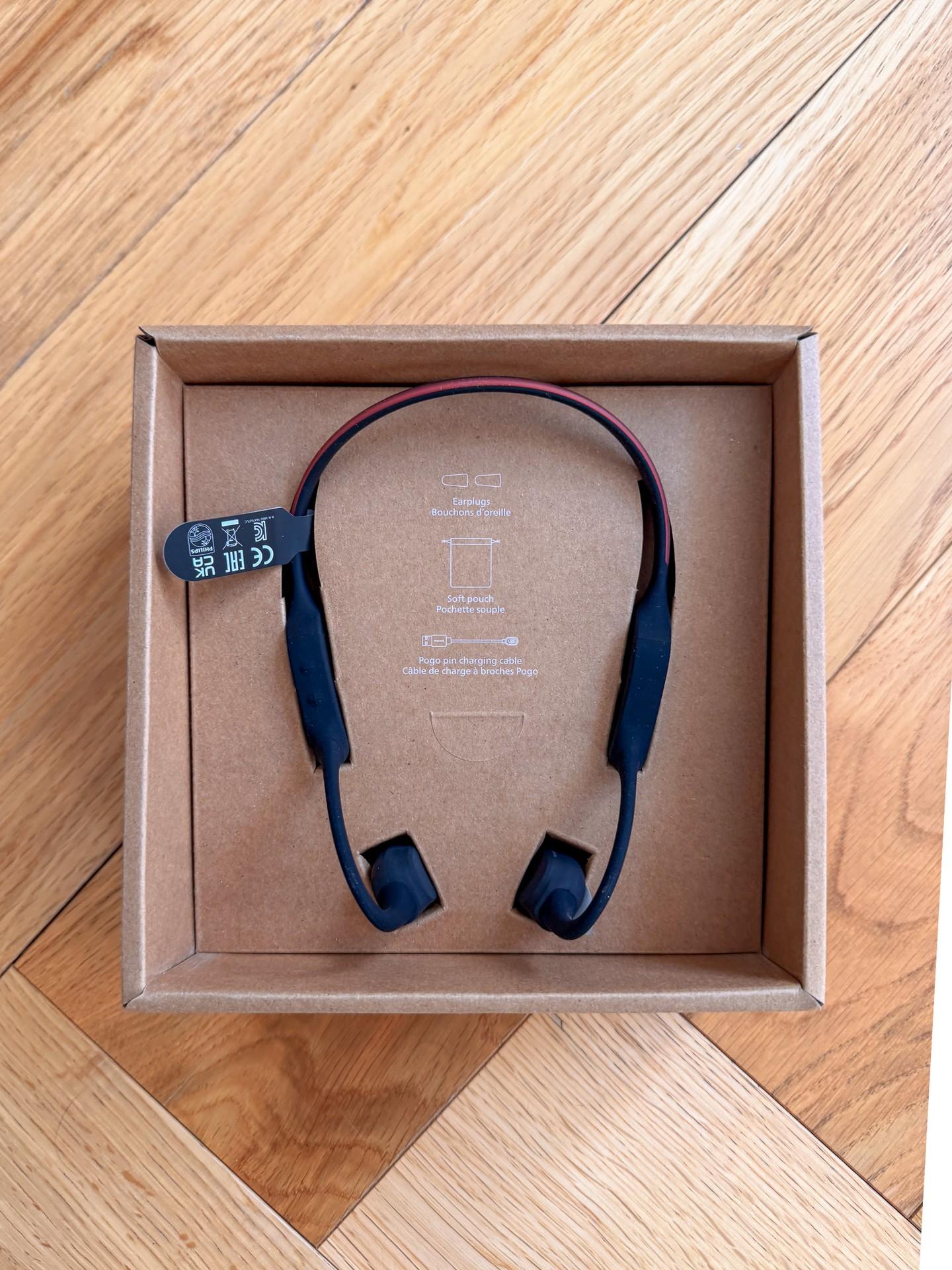
Philips now lists the model as discontinued in the UK, but the set is still common across retailers and well stocked on Amazon, in addition to second-hand stock and imports.
Velora review
Philips Open-ear wireless sports headphones TAA7607BK/00

A well-equipped bone-conduction headset with a rear LED and proper buttons, let down by a heavy, clunky fit and thin, tinny sound.
For
- +Red LED rear light with four modes
- +Physical buttons for volume, tracks and calls
- +IP66 dust and water protection
Against
- –Heavier and clunkier on the head than rivals
- –Tinny sound with little bass
- –No wind setting for listening
Fit and sound
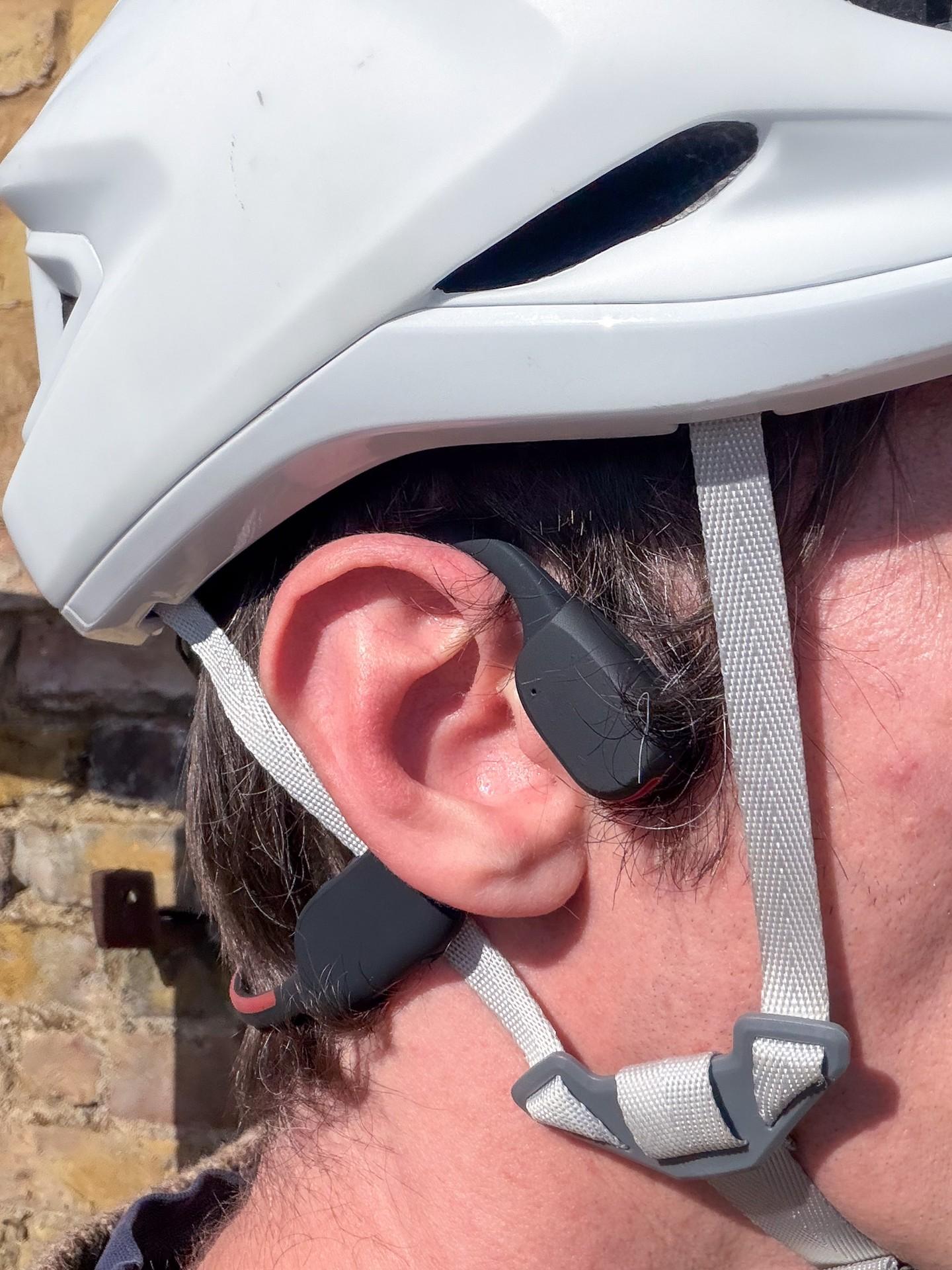
The first thing I noticed was the bulk. The Philips feel much heavier and clunkier on the head than the Suunto, and they are a bit less comfortable. On paper the difference is small: Philips lists 38g, the Wing 2 35g and the original Shokz OpenRun Pro about 28g.
The band is a fixed size, so there is no way to adjust it. The band is also surprisingly heavy, and for me felt loose when cycling or running. Riders with smaller heads should bear that in mind especially as I’m a wide 58cm fit.
Sound is the bigger problem. The quality is much lower than the Wing 2's and much more tinny. I was really impressed by how bassy and high quality the Suunto sounded.
The Philips are much closer to the early-generation AfterShokz Aeropex, the headset that preceded the OpenRun line and that I covered in my long-term Shokz review, and they are not as impressive.
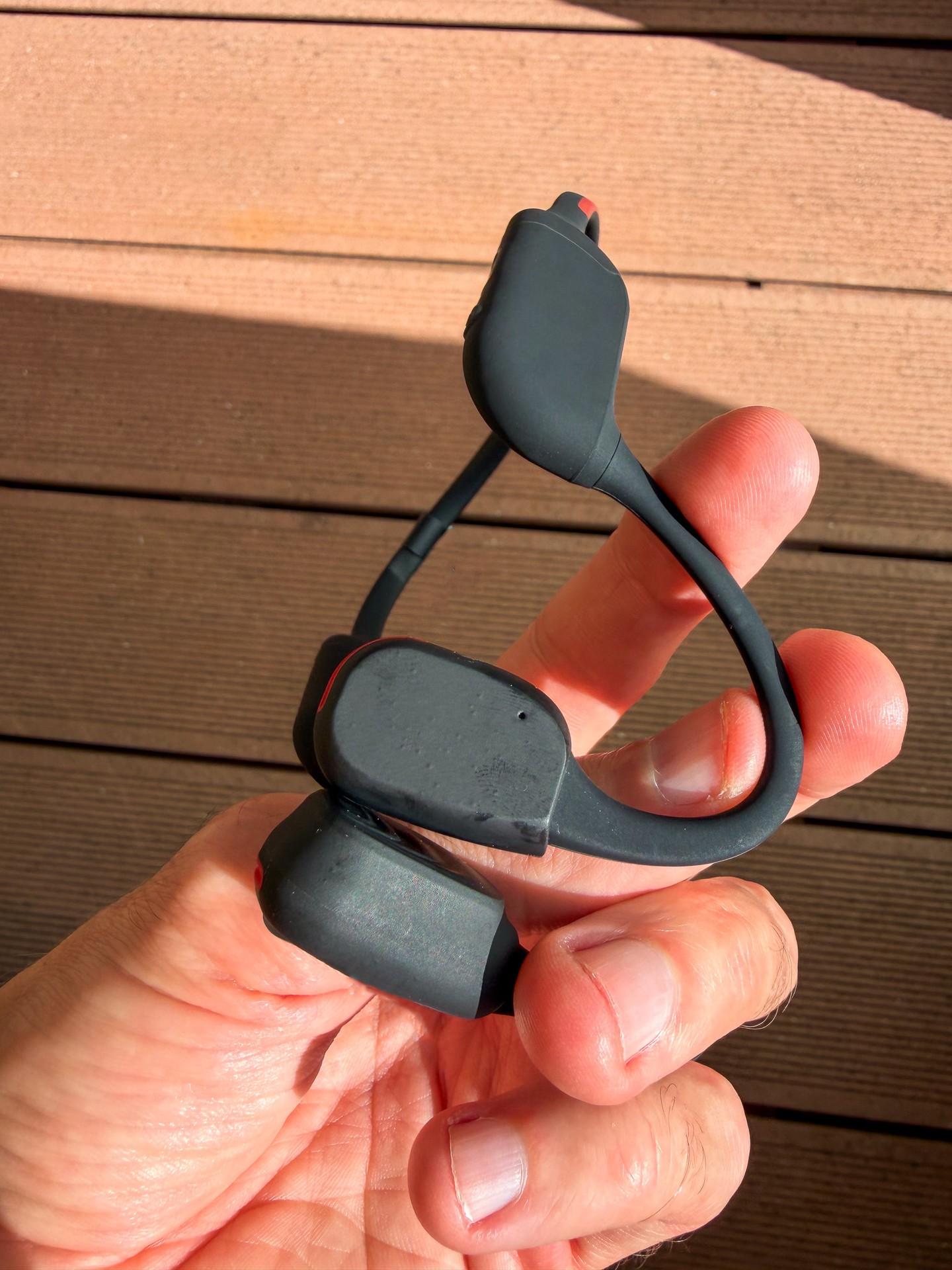
Philips advertises wind-noise reduction, but it applies only to phone calls, through a bone-conducting microphone. A long press of volume-up switches to that microphone during a call, and volume-down switches back to the conventional air microphone. With the bone mic active, the caller's voice plays through the left side only.
Features, battery and buying one now
The rear LED strip has slow-flashing, fast-flashing, steady and off modes, controlled through the Philips Headphones app. It is no substitute for a proper rear light, but it adds some visibility. I see this feature as being better for runners, as on the bike the rear light band was obscured by my hair, jacket collar and helmet when in a riding position. It’s a neat little addition nonetheless, though maybe not worth the minor weight penalty.
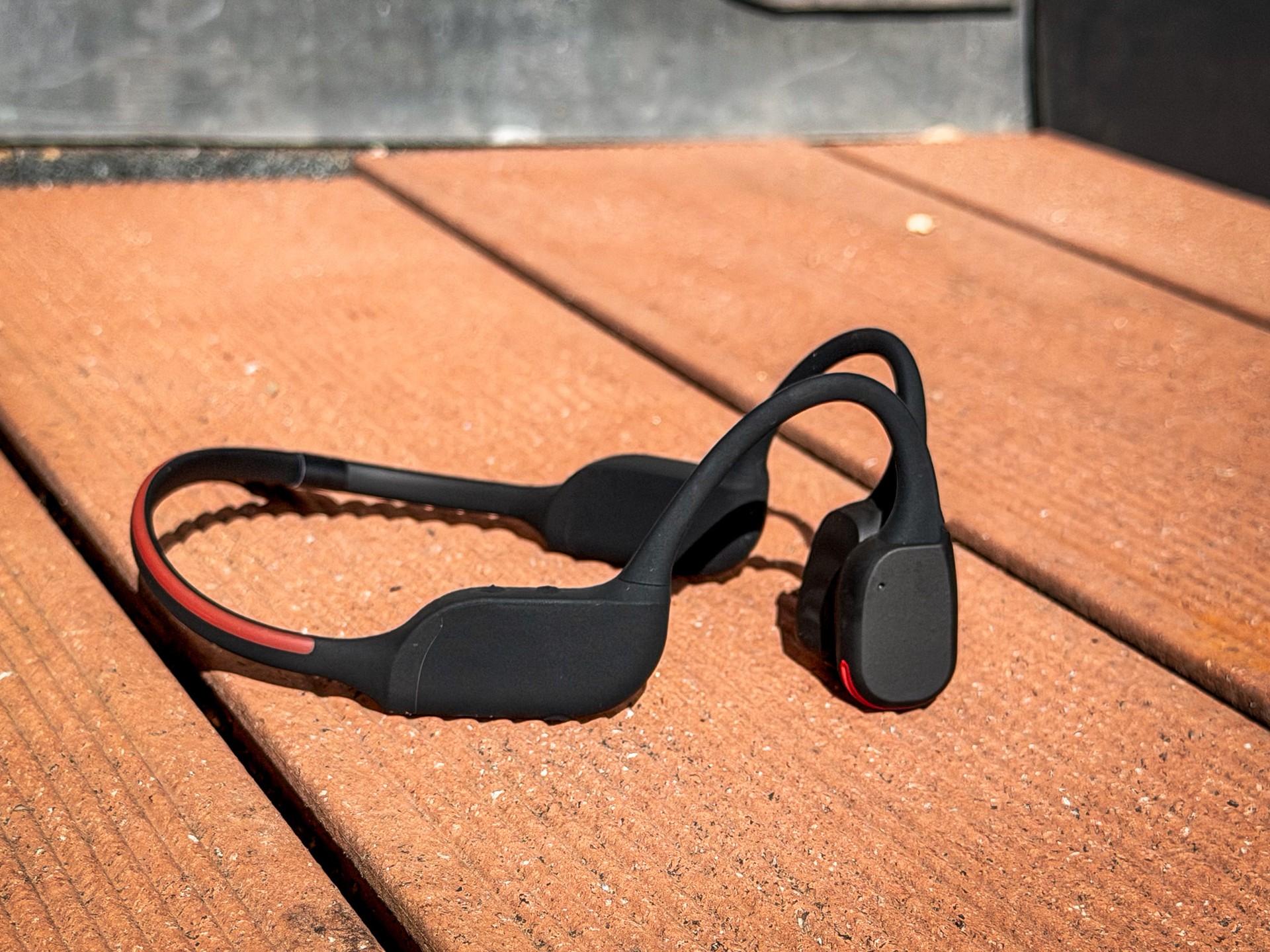
The buttons are physical, which is easier to use with gloves than touch controls. They cover power, volume, track skipping, playback and calls. The headset pairs with two devices at once but plays audio from one at a time. It runs on Bluetooth 5.2.
IP66 protection means the headset is dustproof and resists water jets. Philips' manual says it must not be submerged, and it should be fully dry before charging, but in our experience these were very much up to the challenge of a rainy deluge or a sweaty head.
Philips claims up to nine hours of music, with a 15-minute quick charge giving an hour of playback and a full charge taking two hours. The Wing 2 claims 12 hours and comes with a powerbank.
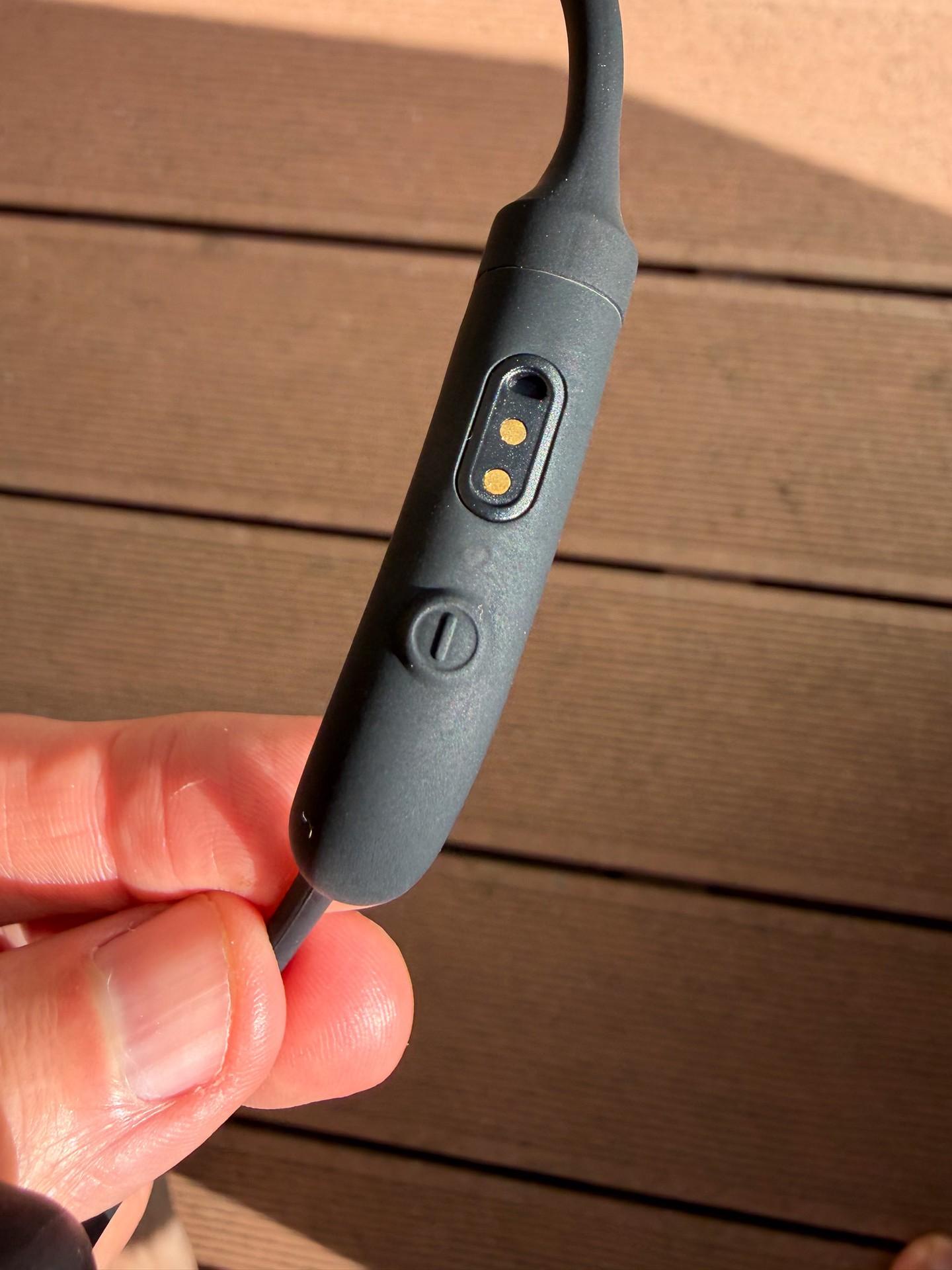
Charging uses a proprietary magnetic cable, which is a real concern on a discontinued product. I was interested to read customer feedback on Philips' product page bemoaning the difficulty of finding a replacement charging cable. Anyone buying second-hand should check the cable is included. I personally never understand why brands deviate from the established USB-C or micro USB standards.
The Suunto Wing 2 costs about £149, weighs less, lasts longer on a charge and sounds far better. If comfort is the priority, the OpenRun Pro is lighter again.