The CatEye AMPP 500S covers streetlit commutes and short sections of dark road, but its attempt to serve both urban and night riding comes with compromises. At £40 / $40, it is larger and more expensive than a basic commuter light, while its narrow beam and 1.5-hour maximum-output runtime fall short of what faster riding on unlit roads demands.
I tested the AMPP 500 alongside five other affordable front lights, riding each on the same unlit route and comparing its beam, construction, controls and mounting system. The CatEye finished at the city-light end of the group, alongside the Magicshine URBO FL. Both illuminated enough of a familiar road to keep moving, but neither provided the coverage needed for confident riding at speed in complete darkness.
Velora review
Cateye AMPP 500

A usable front light for streetlit commuting and short unlit stretches, although its narrow beam and 1.5-hour High runtime limit its value as a night-riding light.
For
- +Enough light for commuting and familiar roads at low speeds
- +Bracket allows the light to be removed without taking the mount off the bar
Against
- –Narrow beam provides little peripheral illumination
- –Only 1.5 hours of runtime at 500 lumens
- –Bulky for a commuter-oriented light
A narrow beam limits speed on dark roads
The AMPP 500 produces a bright central patch rather than spreading its output across the road. That patch illuminated roughly the next 10 metres, but details outside it were difficult to make out. The effect was fine on a known road, but it gave little information about the verges or anything beyond the centre of the beam.
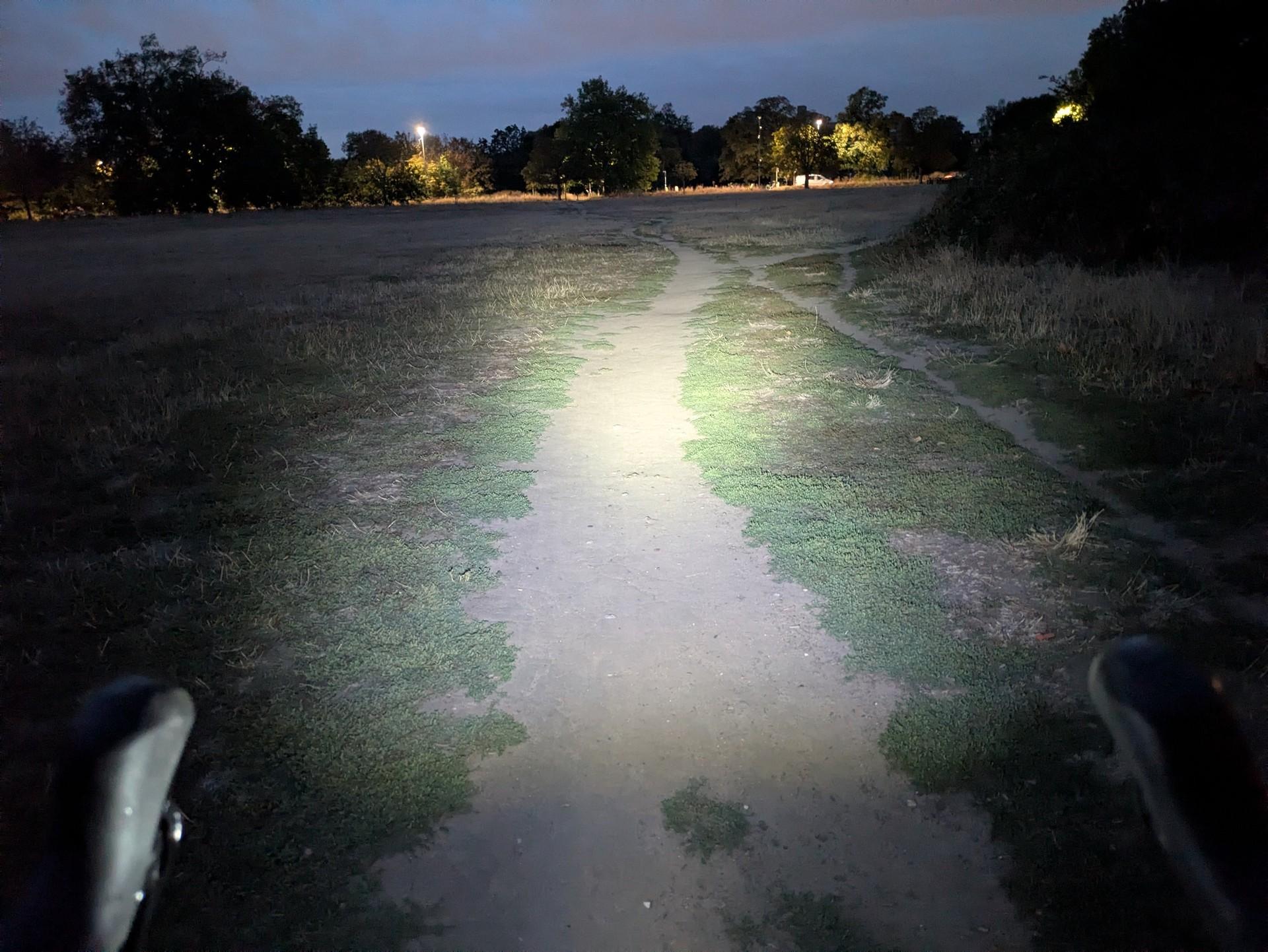
At speeds below roughly 15km/h, there was enough light to ride through unlit sections. Riding faster asked more of the beam than it could provide. The narrow coverage meant I could never ride with full confidence.
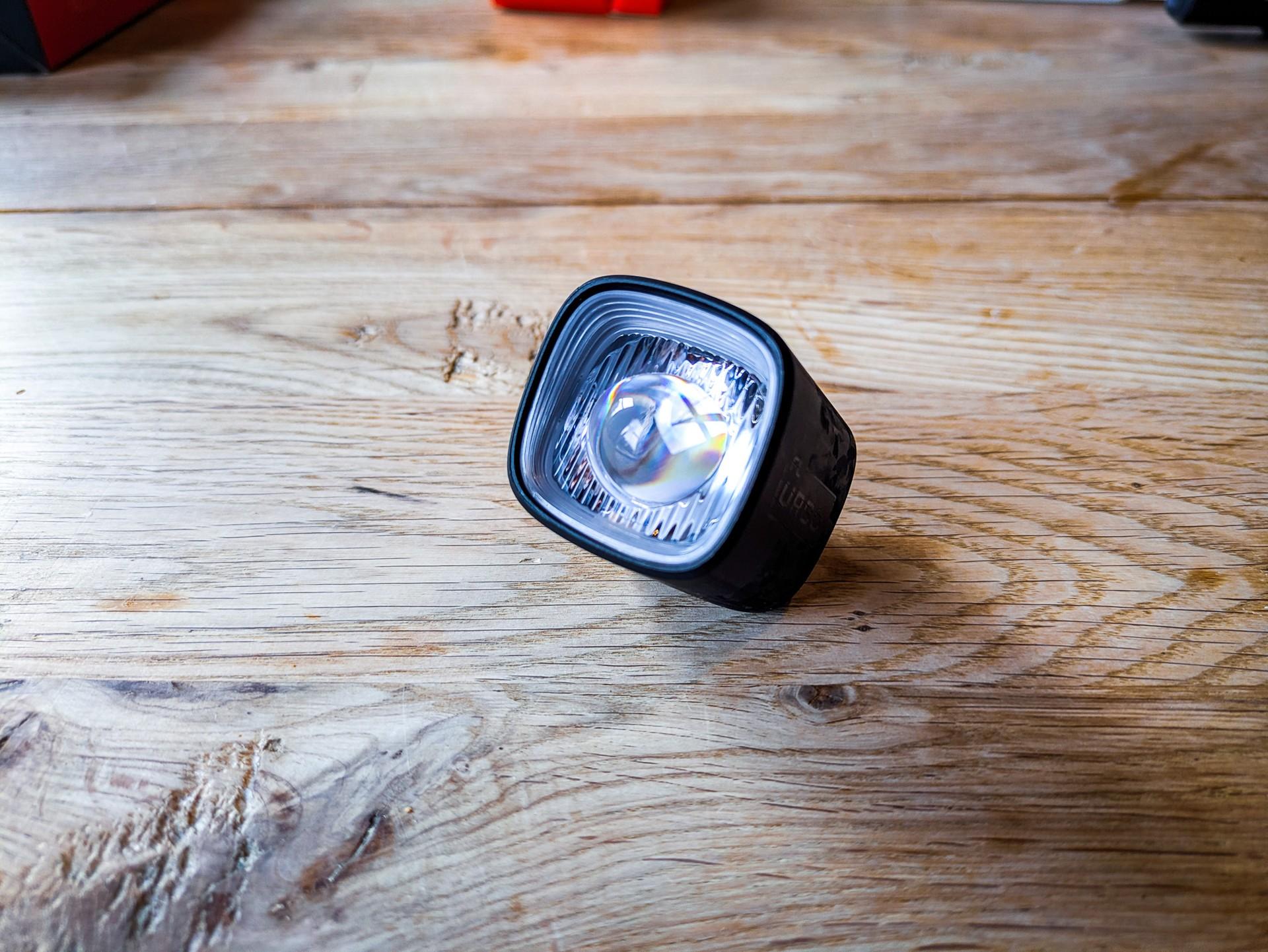
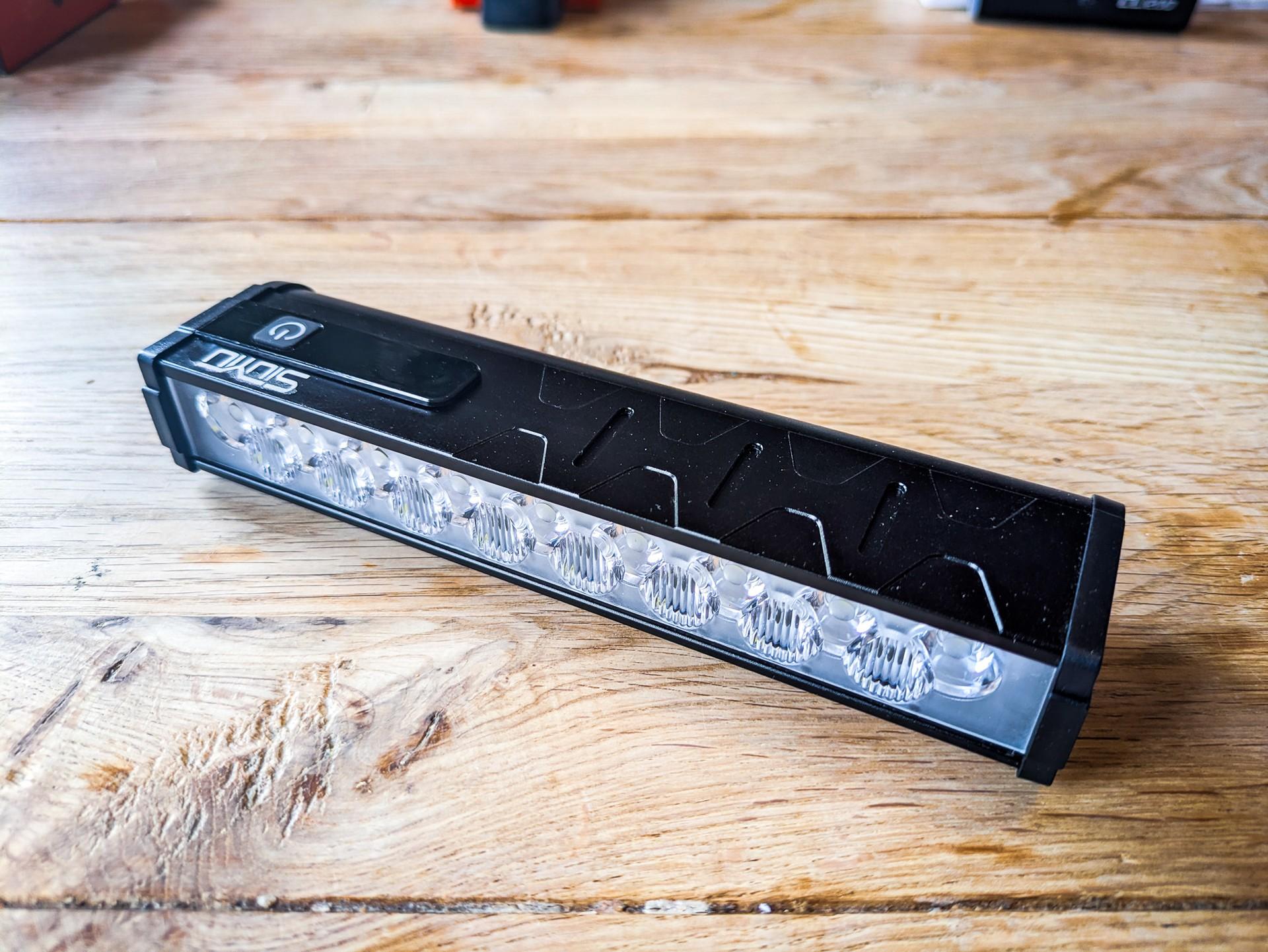
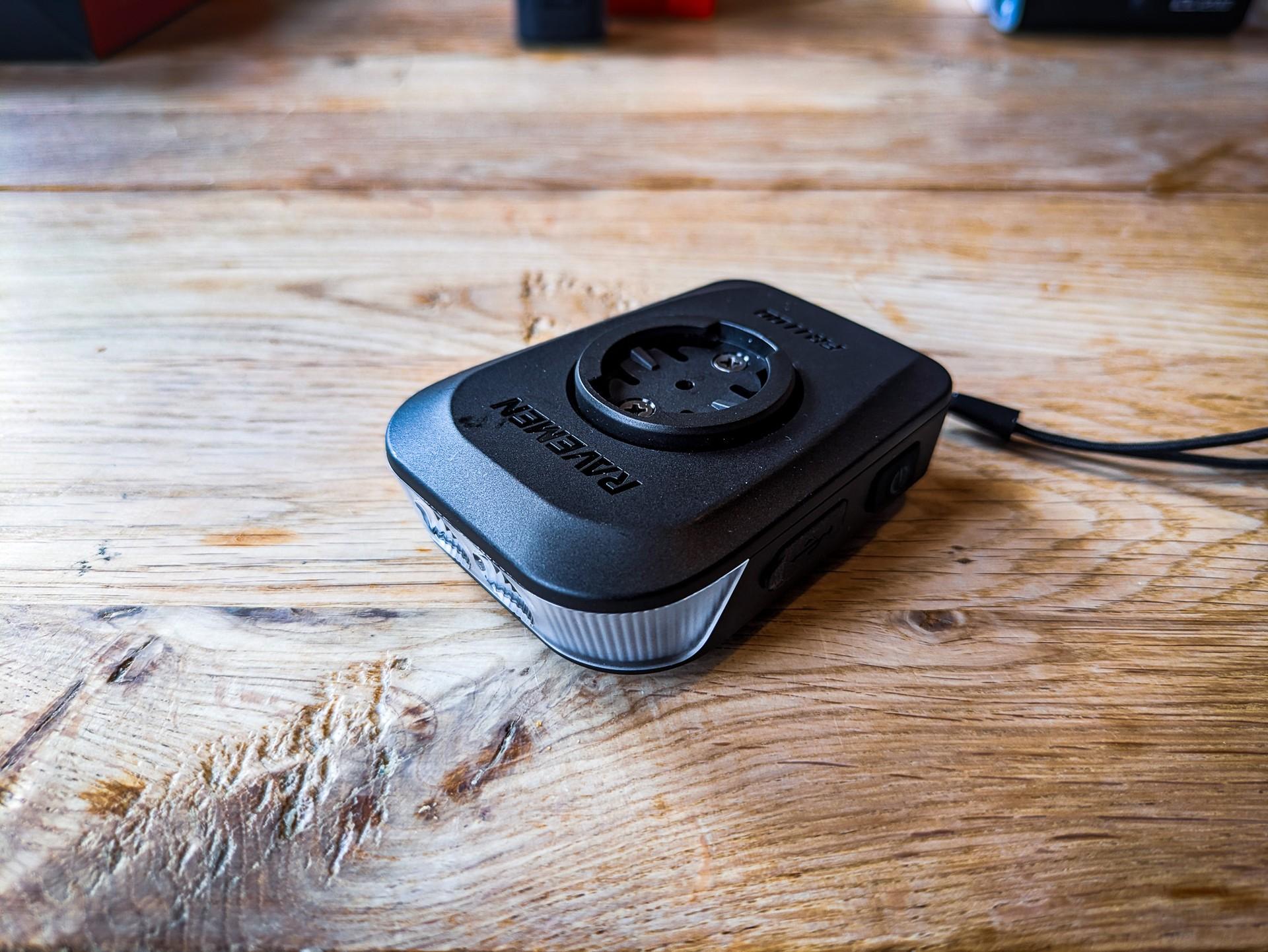
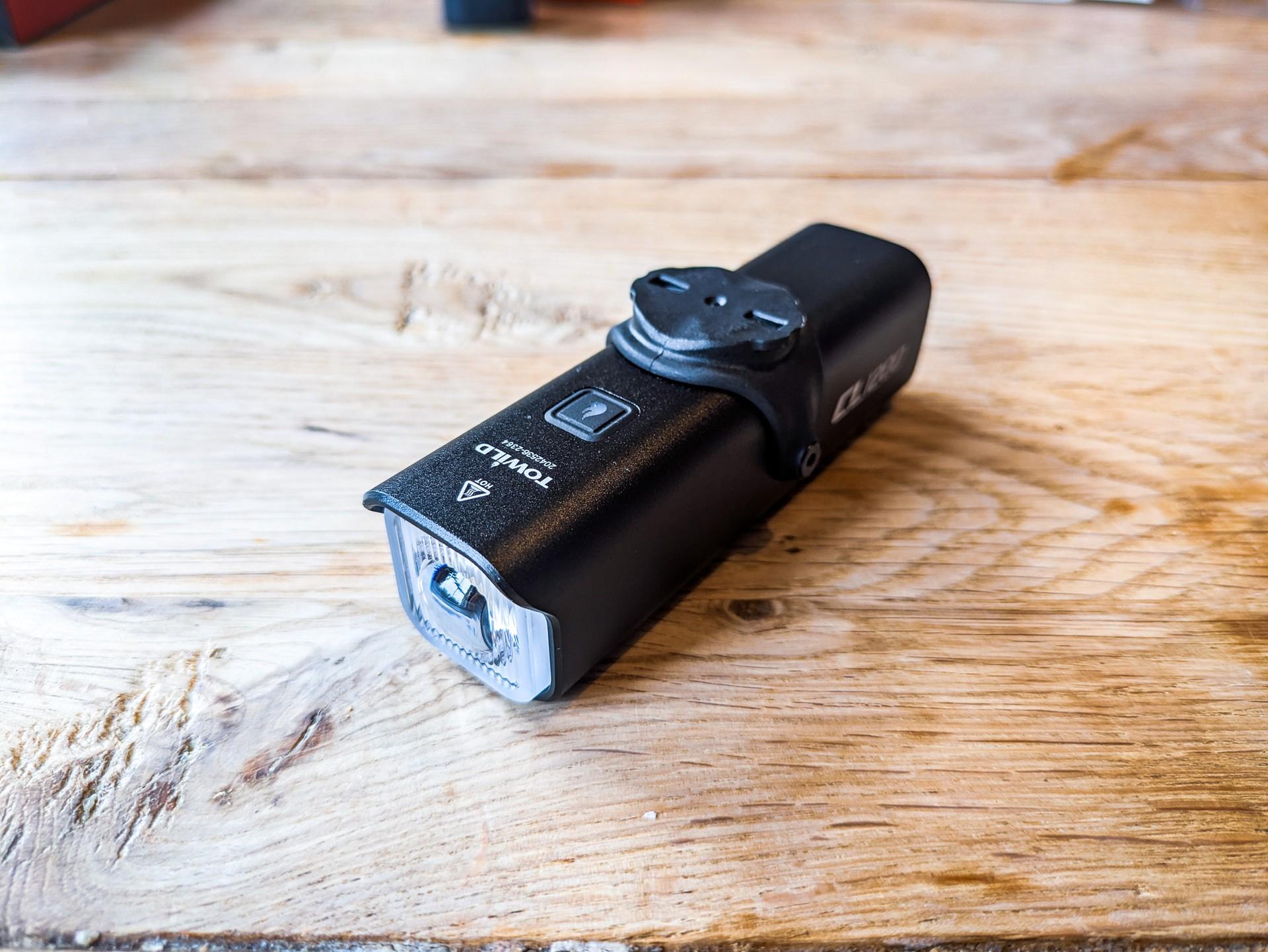
Compared to the other lights, the Ravemen FR 1100 SE produced the best beam among the normal-sized models, closely followed by the Magicshine HORI 1300, with the Towild CL1200 just behind. All three made a stronger case for sustained use away from street lighting.
CatEye gives the AMPP 500 four modes: 500-lumen High, 250-lumen Low, Daytime HyperConstant and Flashing. The High setting lasts a claimed 1.5 hours, while Low extends that to three hours. The flashing mode reaches a claimed 50 hours, but that does little to address the short runtime when the light is being used to see the road.
A 90-minute High setting can cover many commutes, but offers little reserve for a longer evening ride or a delayed journey home. Dropping to 250 lumens preserves the battery, although doing so further reduces an already limited amount of usable road illumination.
Bulk and build weaken the value
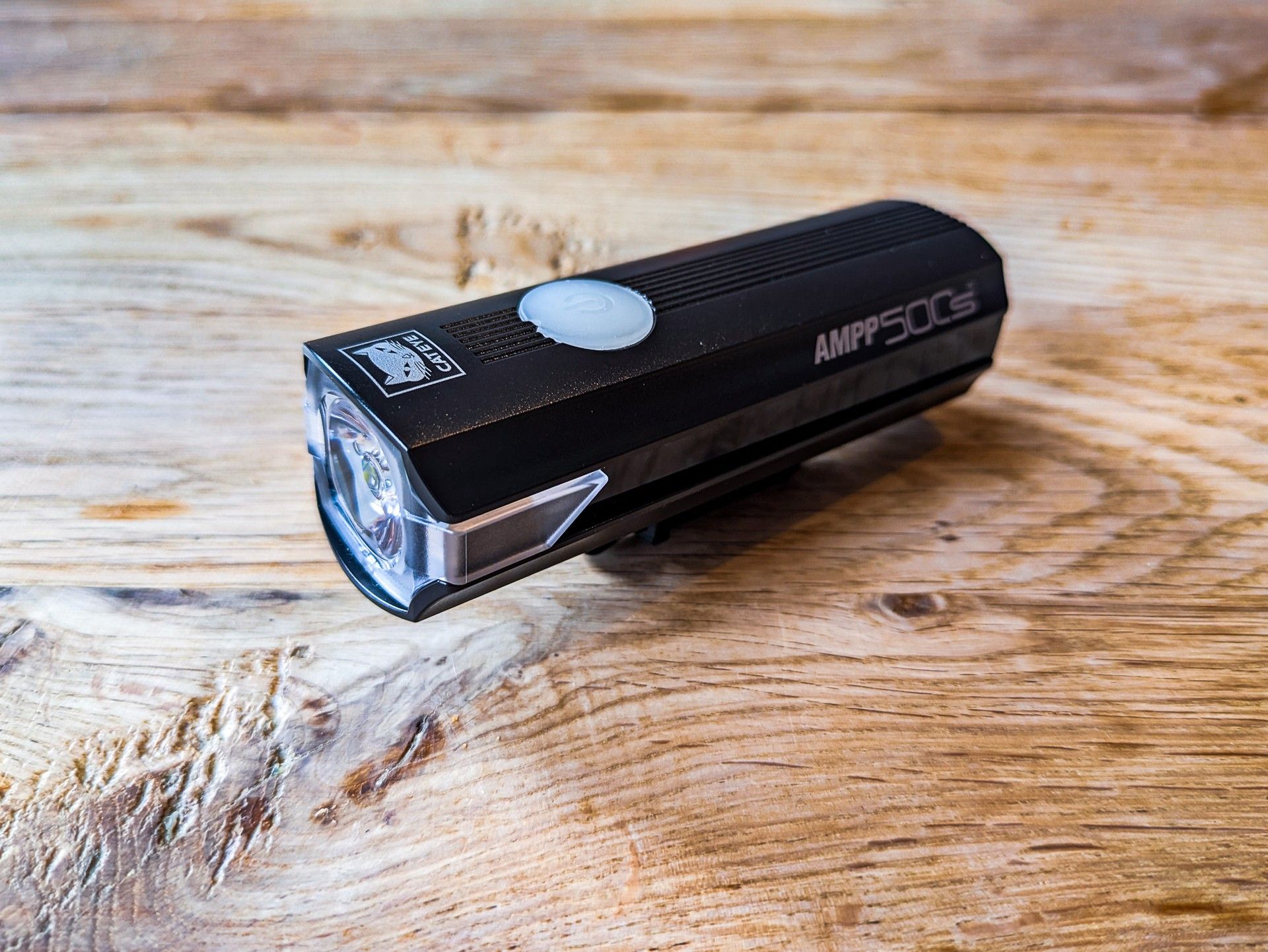
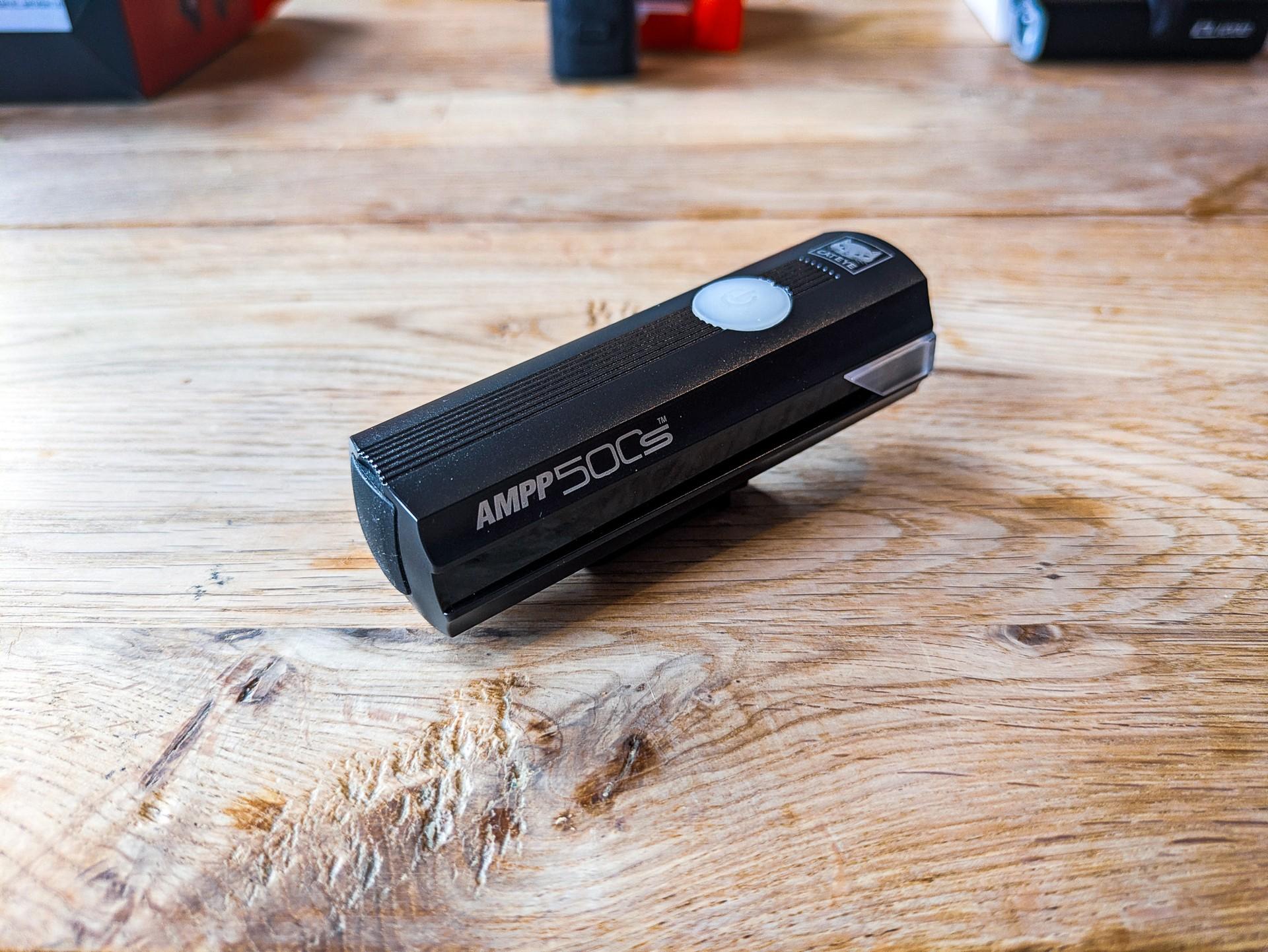
The AMPP 500S weighed 98g on our scales, close to CatEye’s listed 95g. Weight alone is unlikely to trouble a commuter, but the long, torch-shaped body feels bulky beside simpler urban lights. That size would be easier to accept if it housed a longer-running battery or generated a broader beam.
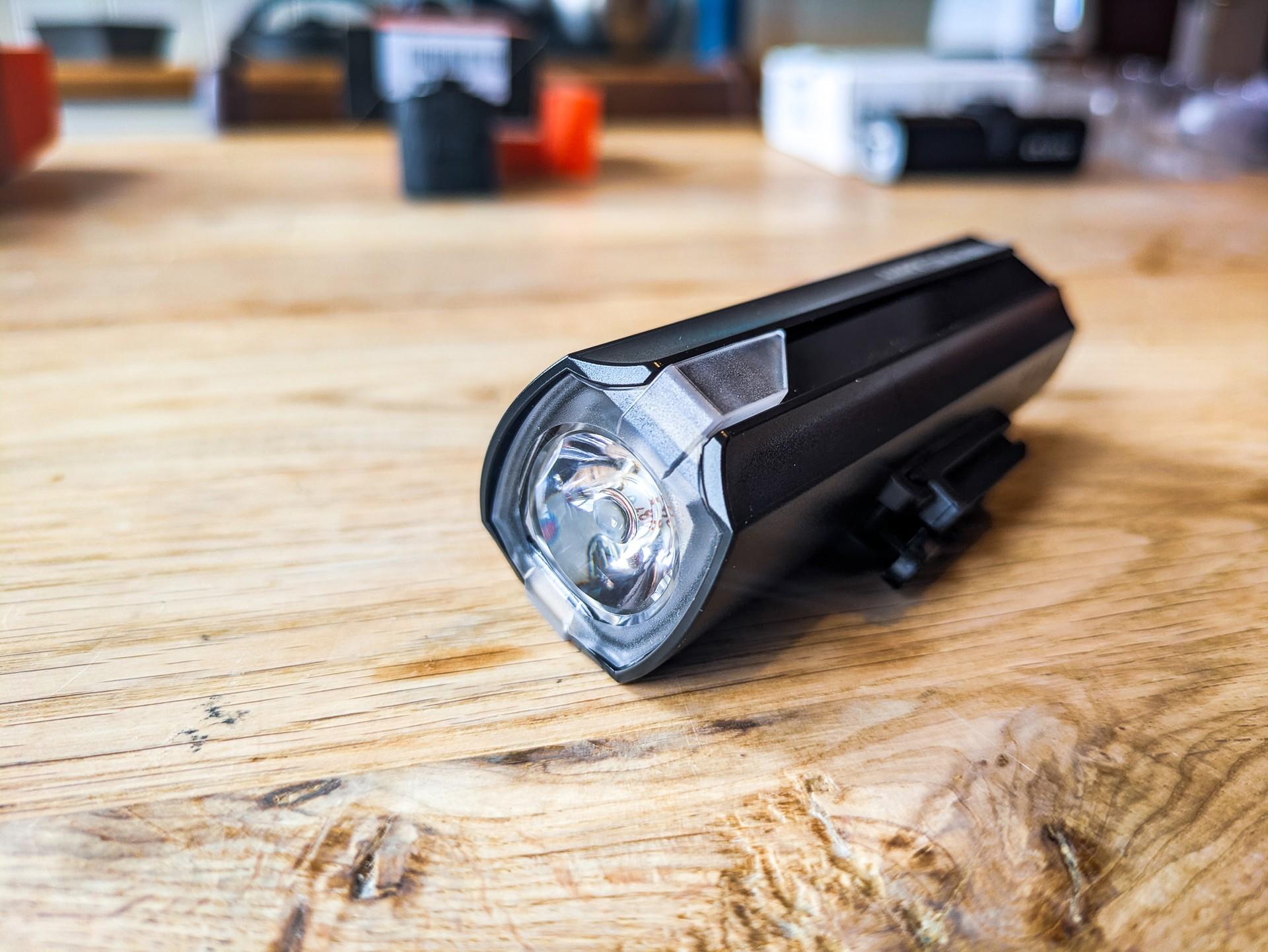
Its matt polycarbonate shell feels plasticky rather than solid. There were no obvious faults, and the light remained functional throughout testing, but the casing and top button lacked the more convincing finish of the Towild CL1200. The button is large and easy to identify by its white surface, although its action feels vague when pressed.
The USB-C port sits beneath a rubber cover at the rear. Pulling the cover aside is fiddly, and its shape can make the port awkward to reach. The flap also needs to be reseated carefully because the light carries an IPX4 rating, which covers splashing water rather than immersion.
CatEye’s FlexTight bracket straps around the handlebar and uses a threaded wheel for adjustment. The light then slides onto the bracket and clips into place. It takes up more space than a small integrated rubber strap, but the separate bracket allows the light to be removed while leaving the mount on the bike.
Final verdict
At £40 / $40, the AMPP 500 occupies an awkward middle ground. Cheaper and smaller commuter lights are easier to carry and provide enough visibility under street lamps. More powerful models such as the Ravemen, Magicshine HORI and Towild tested alongside it gave substantially more useful beams for dark roads.
It is sufficient for an illuminated commute, slow riding on a familiar lane and occasional short sections without street lamps. Riders spending sustained time in darkness should choose a wider and more powerful beam, while dedicated urban commuters can save money and handlebar space with a smaller light.