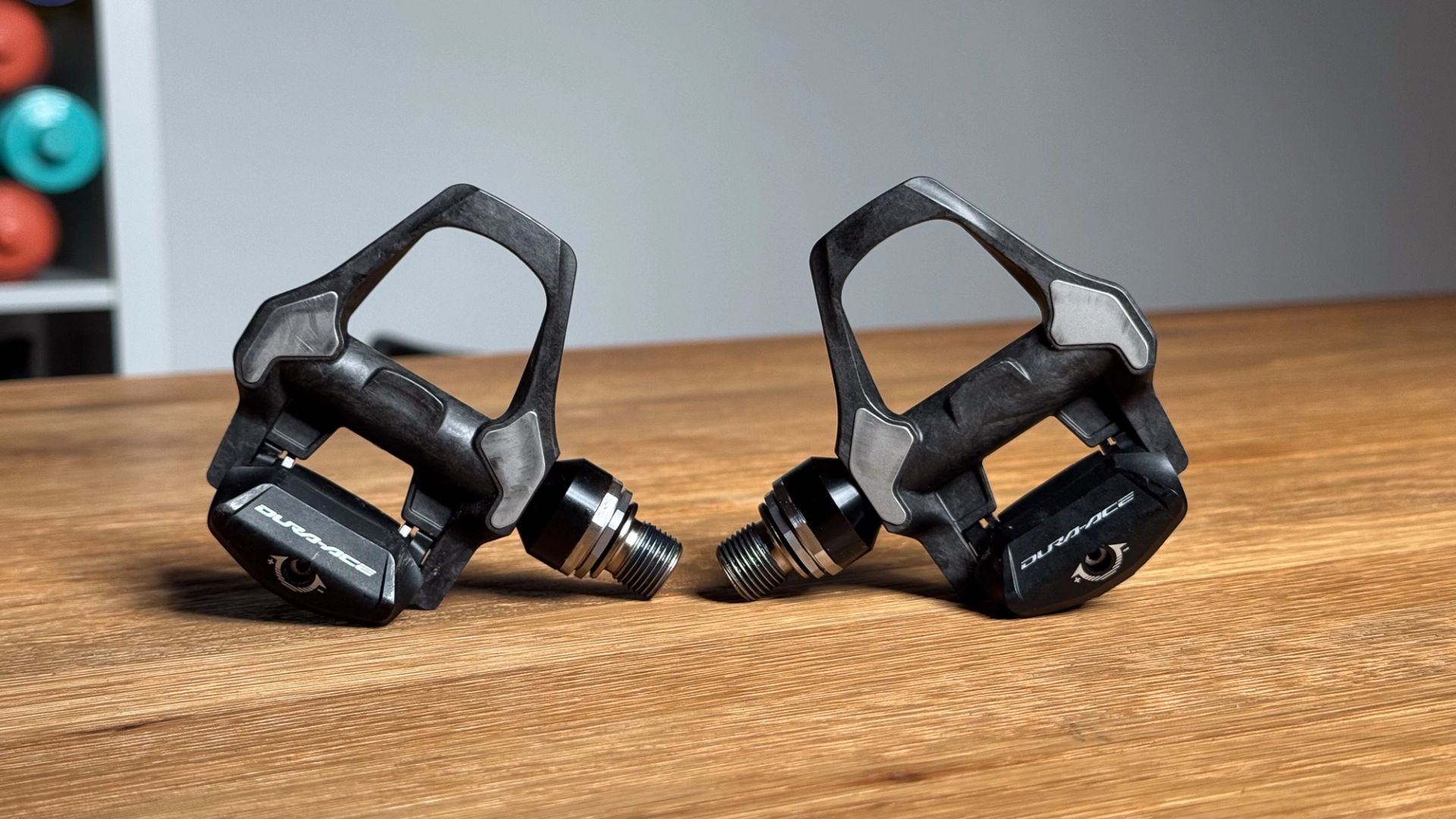
Shimano’s new SPD-SLR pedals have me considering a switch after more than a decade on Look, although moving across means replacing your cleats too.
Launched today, September 17, the Dura-Ace PD-R9300 and Ultegra PD-R8200 cost £199.99 and £139.99 respectively. Both use a new interface that Shimano says lowers the combined height of the pedal and cleat by 2.3mm. Neither accepts existing SPD-SL cleats.
I rode the Dura-Ace pedals with Shimano’s new S-Phyre RC910 shoes at its launch. Shimano hasn’t paid for this review or had editorial input, and I have samples for longer-term testing.
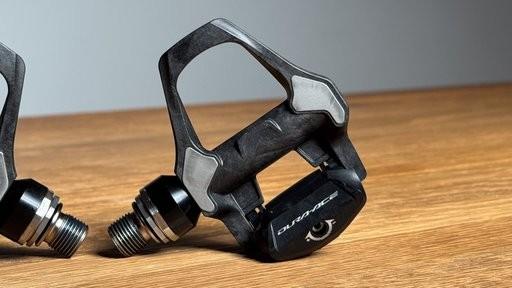
Shimano has widened the catch zone and reduced the engagement angle from 15.5° to 10.5°. The redesigned cleats dispense with rectangular metal washers, contributing to the lower stack and a claimed weight saving of up to 22%.
The pedal weight difference is less persuasive. My scales put the new pedals 1g above the previous Dura-Ace model, effectively unchanged. Shimano makes no specific wattage or speed claim, and I doubt most amateurs could identify the 2.3mm stack reduction in isolation.
Check your shoes before changing cleats
SPD-SLR cleats won’t work with SPD-SL pedals either. The pedal mismatch at Paris-Roubaix already demonstrated how awkward incompatible equipment can become when swapping bikes.
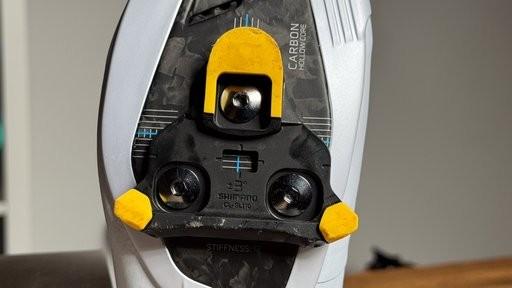
The new cleats fit existing Shimano SPD-SL road shoes, but getting your position right needs more attention. The low-stack versions provide side-to-side movement; fore-aft adjustment depends on the shoe’s mounting system.
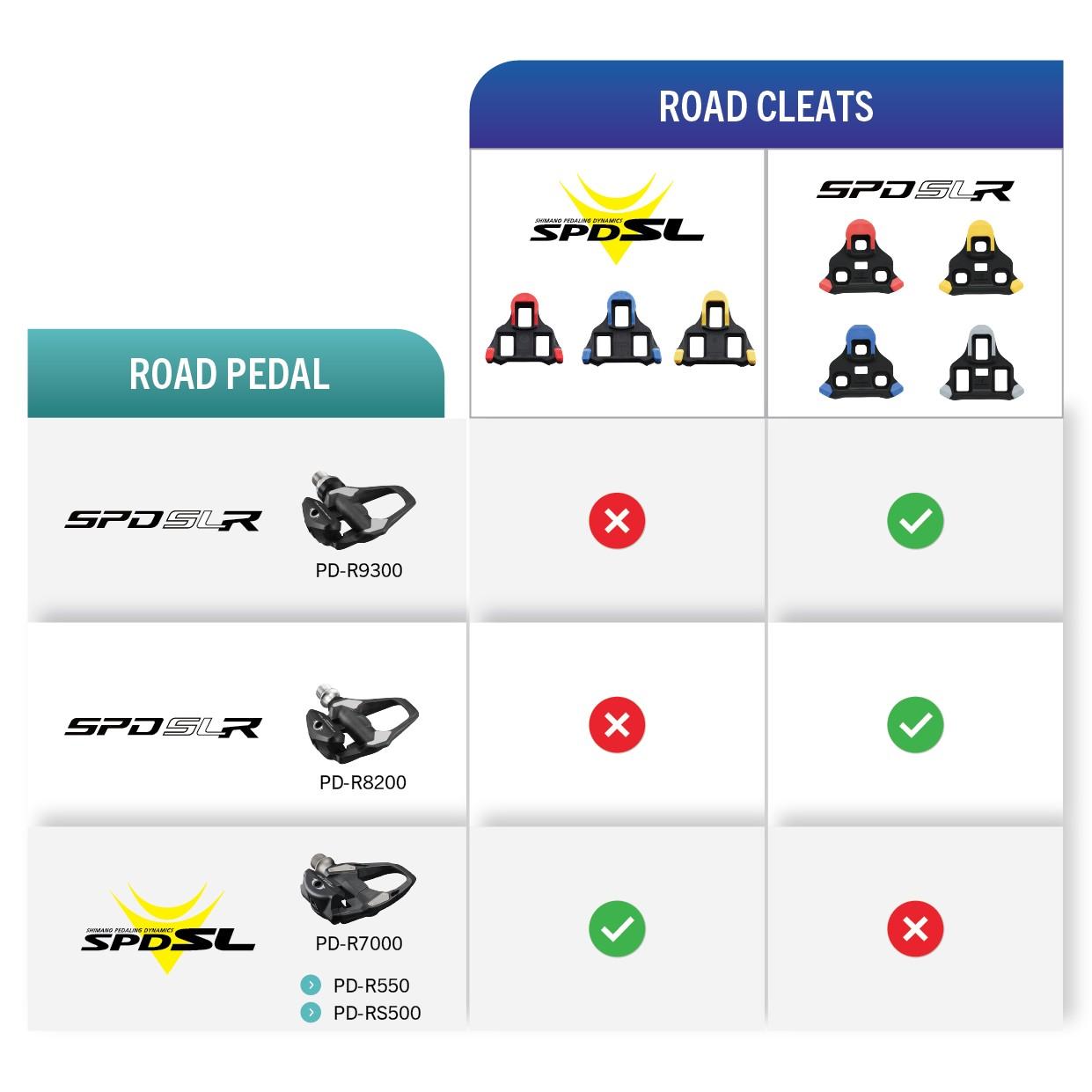
With fixed bolt holes, you may be unable to reproduce your current position. Before buying, check whether your shoes offer enough movement to place the cleats where you need them.
Shimano’s grey CL-SL130 cleat offers additional adjustment for fixed-mount soles, allowing riders to keep those shoes while moving to SPD-SLR pedals. The trade-off is that it is heavier and does not provide the new design’s reduced height. Replacement cleats cost £24.99.
Shimano has also retained the familiar cleat colours, which strikes me as an invitation to buy the wrong replacements. Check the SPD-SLR label rather than relying on colour. Dura-Ace now ships with yellow cleats instead of blue.
Easier engagement was the difference I felt
My comparison is with the Look carbon-blade pedals I’ve used for years, rather than a back-to-back test against Shimano’s outgoing system. Clipping in was immediately easier: I engaged first time throughout the ride and stopped looking down.
Perhaps that says as much about what I’ve tolerated from Look as it does about Shimano’s progress. Either way, it was a useful improvement I could feel without a stopwatch.
The slight rattle and looseness familiar from my Look setup was absent too. The connection felt more secure, without that small amount of vagueness between cleat and pedal.
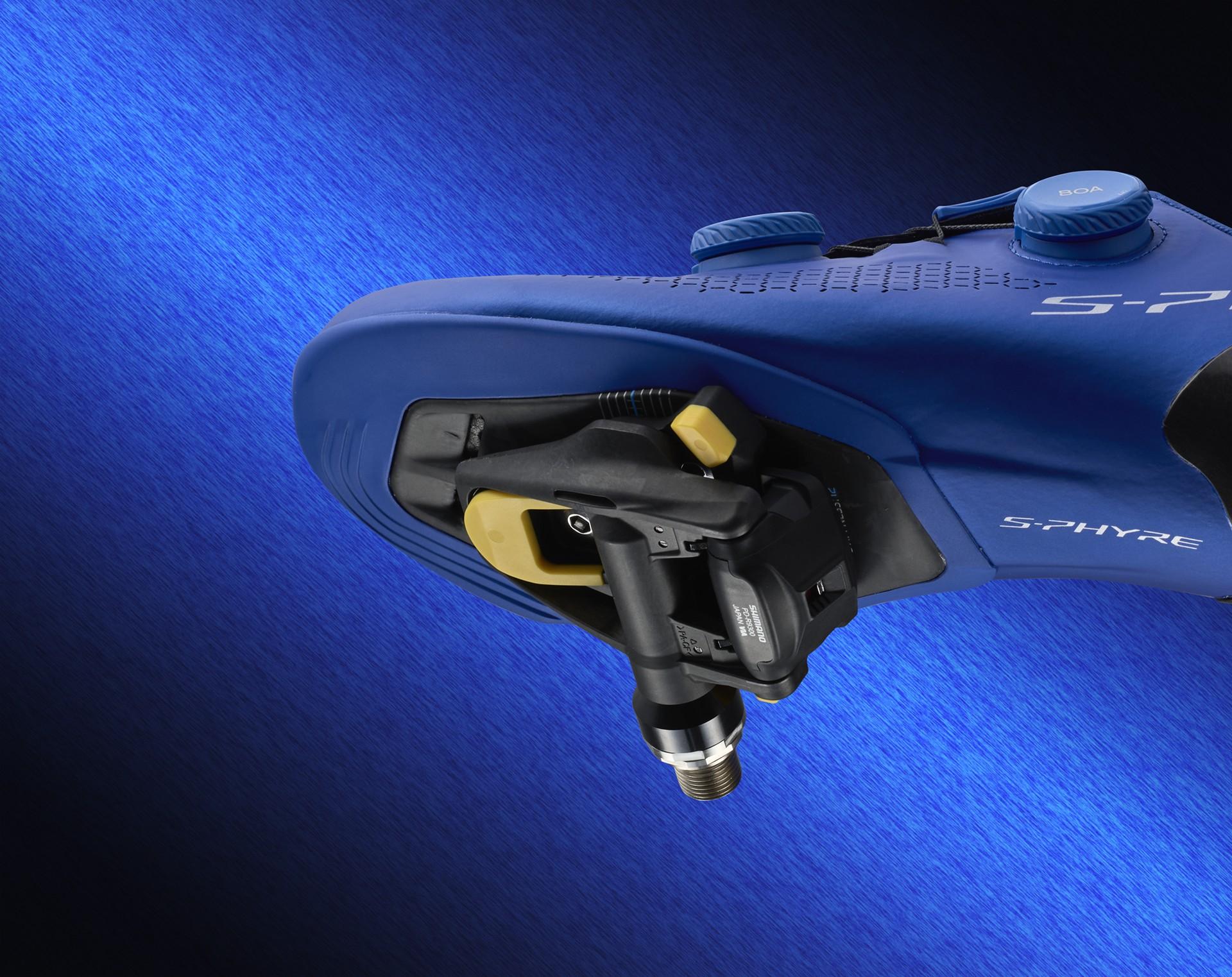
The £389.99 RC910 shoes were comfortable, although I chose the standard fit after finding the revised wide version much too roomy. Shimano says that version is approximately 6mm wider at the toe box. Since I tested the shoes and pedals together, these impressions describe the complete setup.
I wouldn’t rush to replace working Dura-Ace or Ultegra SPD-SL pedals. The cost is substantial for gains that, on this first ride, were chiefly about engagement and feel. For someone moving up from entry-level pedals, SPD-SLR is more appealing.
Ultegra would be my starting point. Shimano says it shares Dura-Ace’s engagement characteristics, and it costs £60 less. I’d happily choose this system over my Look carbon blades, provided I could reproduce my cleat position.
I’ll keep riding the samples to see whether that secure connection survives months of wear. A fresh cleat and pedal interface still has to prove itself over time.