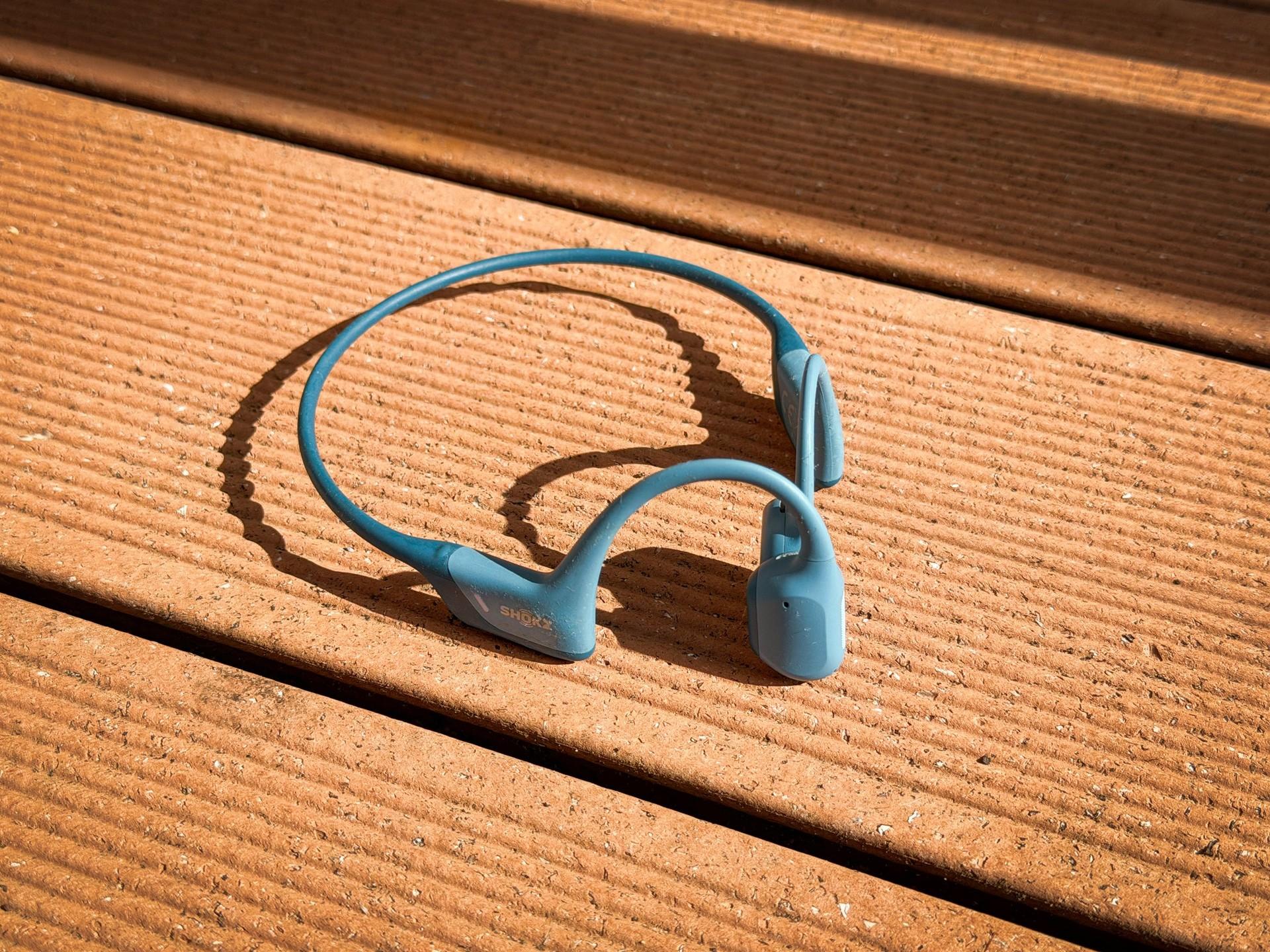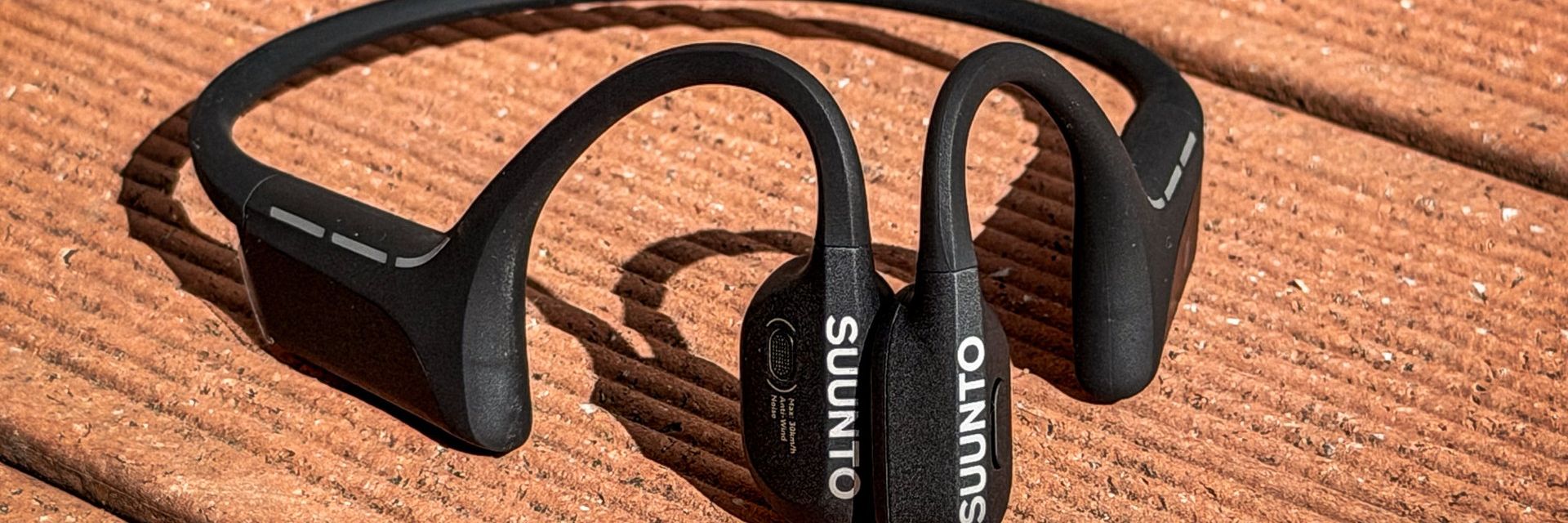
I’m a big believer in giving yourself every advantage when it comes to road safety, and so being able to hear your surroundings is a big appeal for open-ear headphones on the bike. Being able to follow your music or podcast over the wind is the harder part. On my commutes and longer training rides, the Suunto Wing 2 did that better than my original Shokz OpenRun Pro, though it didn’t quite outperform them in wider terms.
Its rounded, bassy sound was a big positive, and a big surprise, for me. At around £149 with a powerbank included, and a very premium feel, the Wing 2 also makes a persuasive value case.
The Wing 2 is comfortable, pairs immediately and has properly tactile controls. I still prefer my OpenRun Pros for comfort and weight, but Suunto has put together an appealing package for riders who want useful audio while keeping their ears open to their surroundings.
Velora review
Suunto Wing 2

Rounded, bassy sound and useful low-speed riding audio make the Wing 2 an appealing open-ear headset at around £149. The included powerbank adds to the package.
For
- +Rounded, bassy sound
- +Music and podcasts worked fairly well at low riding speeds
- +Tactile controls and immediate pairing
Against
- –Audio becomes less effective around 40km/h
- –Less comfortable and slightly heavier than the original OpenRun Pro
- –Voice pickup is adequate rather than outstanding
Sound and fit on the bike
The Wing 2 uses bone conduction, with transducers sitting against the cheekbones and the ear canals left open. Its sound has a pleasing amount of bass and a rounded character, giving music substance despite the absence of a conventional speaker sitting in or over the ear.
My listening ranged from Fleet Foxes through slowcore, shoegaze and rock, alongside podcasts. That eclectic mix left me impressed with the sound overall. The bassy presentation was enjoyable for music, while spoken audio was sufficiently audible to make podcasts worthwhile on slower rides.
Riding speed made a difference. At low speeds, both music and podcasts worked fairly well; at around 40km/h, listening became somewhat less effective. The Wing 2 remained more audible overall than my original OpenRun Pro, but faster riding still reduced how much I could get from the audio.
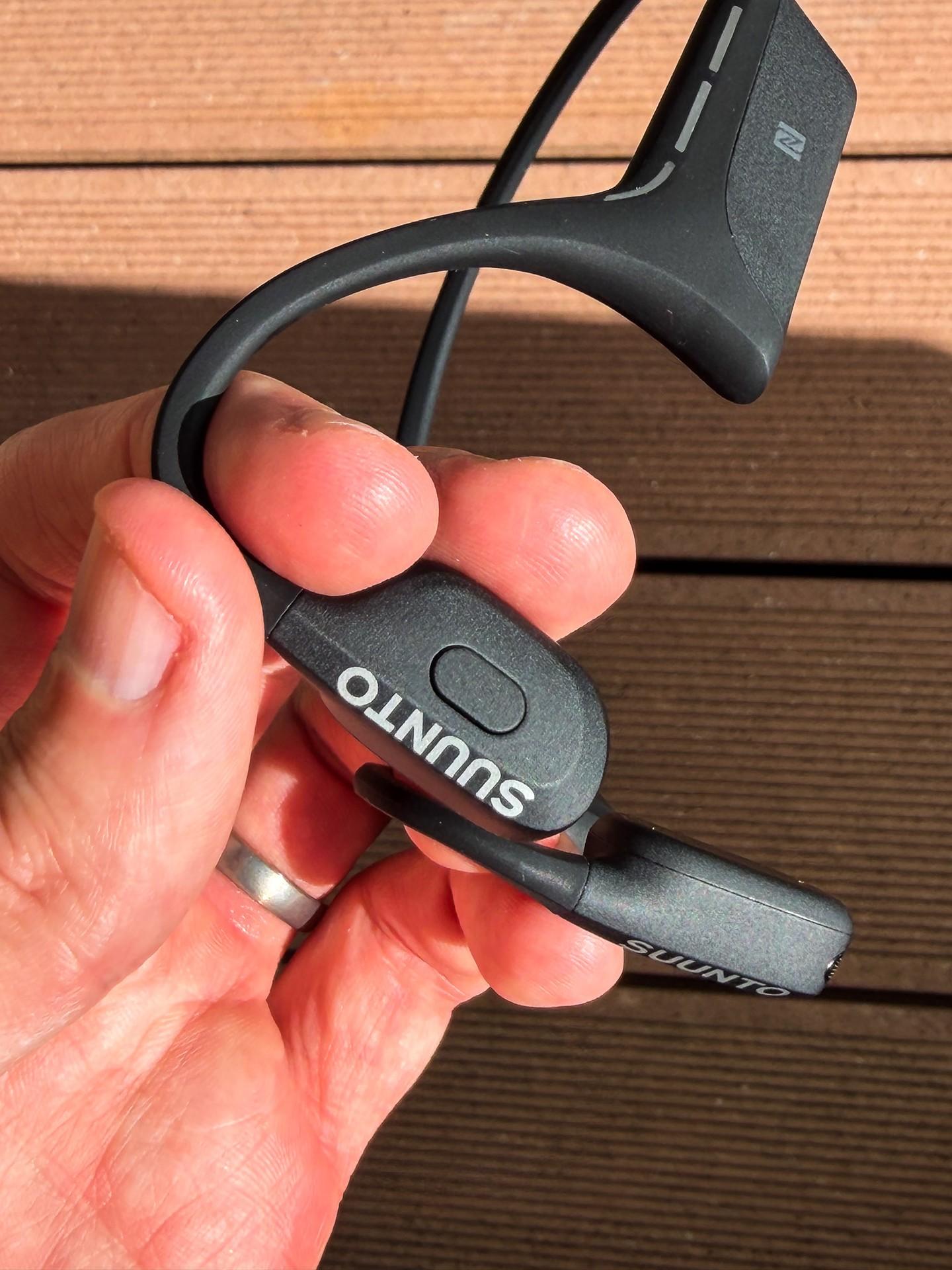
Ambient sounds remained audible while I listened. That is the main benefit of the open ear design, but I personally also prefer riding (or running) without an earbud occupying the ear canal.
The Wing 2 was very comfortable on my head, and I liked its looks. Its listed weight is 35g, however, and it felt slightly heavier and a little less comfortable than the original OpenRun Pro. The difference does not make the Suunto uncomfortable; it does explain why the Shokz remains my preference when comfort and low weight come first. The weight difference is, admittedly, tiny between the two – roughly 28g for the Shokz against 35g for these – but the OpenRun Pros somehow felt more airy and malleable.
Our long-term OpenRun Pro review covers that headset's fit and exceptionally durable construction, as well as the difficulty of following audio in wind and surrounding noise. The Wing 2's more audible playback on my rides is its strongest argument against that familiar benchmark.
Controls, calls and value
Pairing happened straight away, and the physical controls feel satisfyingly tactile.
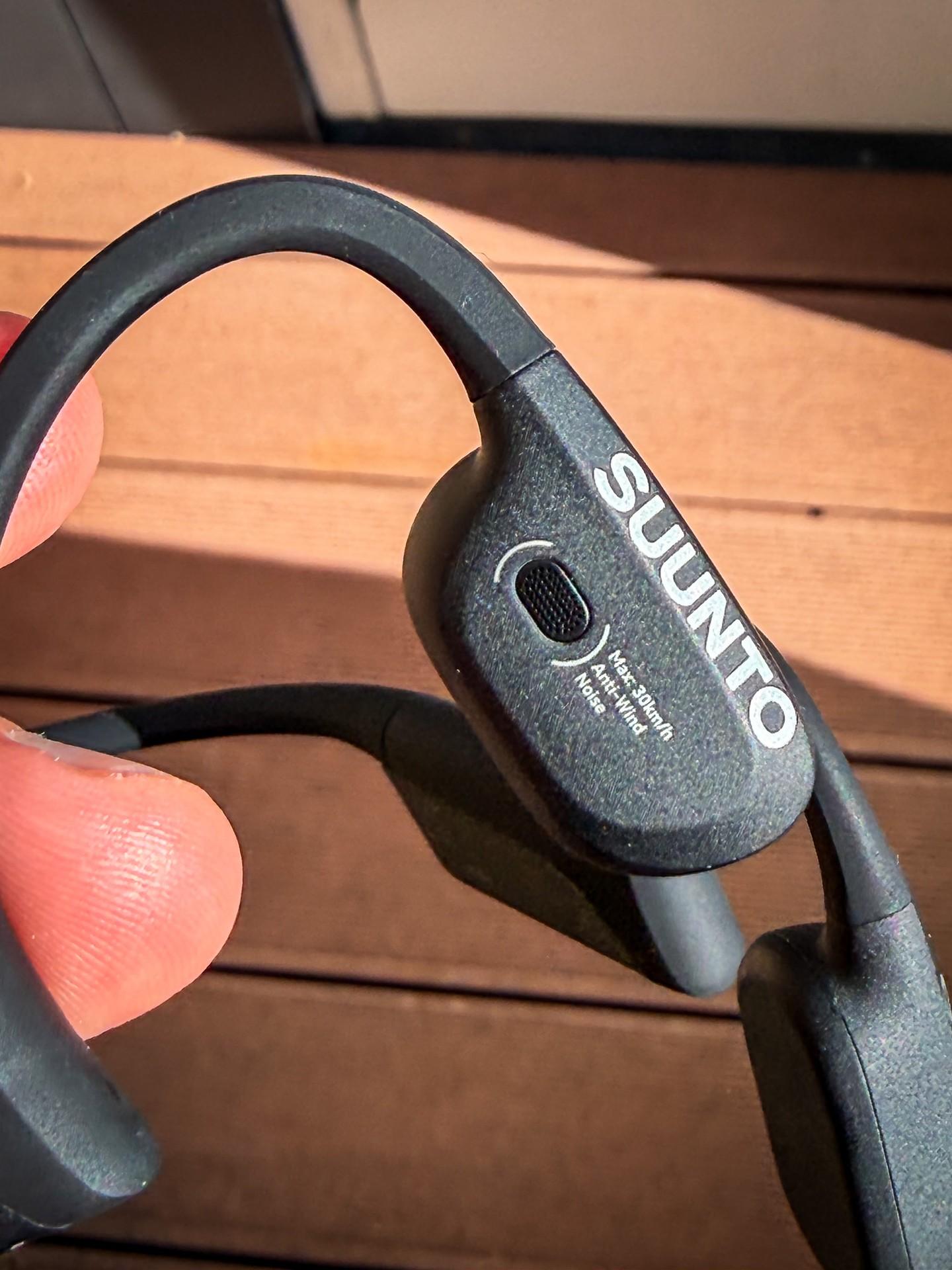
A voice call produced adequate, though not outstanding, voice pickup. Suunto also advertises microphone wind-noise reduction for calls at wind speeds up to 30km/h – this is for calls, not playback, so should not be confused with improved playback audibility while riding – and for my calls I found it surprisingly effective. Admittedly it’s a niche use case and I’m not certain it outperformed a set of Apple AirPods for voice isolation, but it is a smart feature nonetheless.
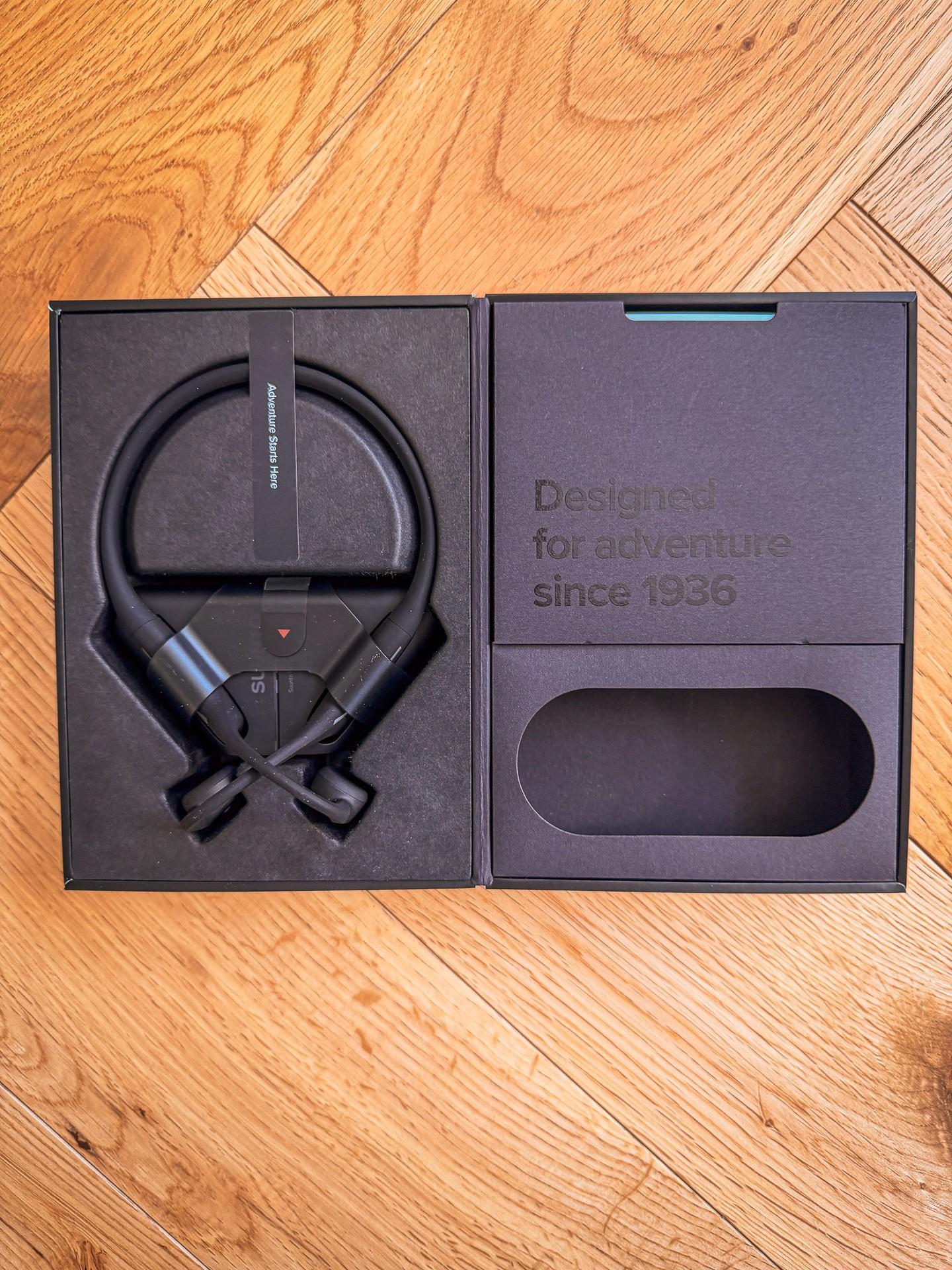
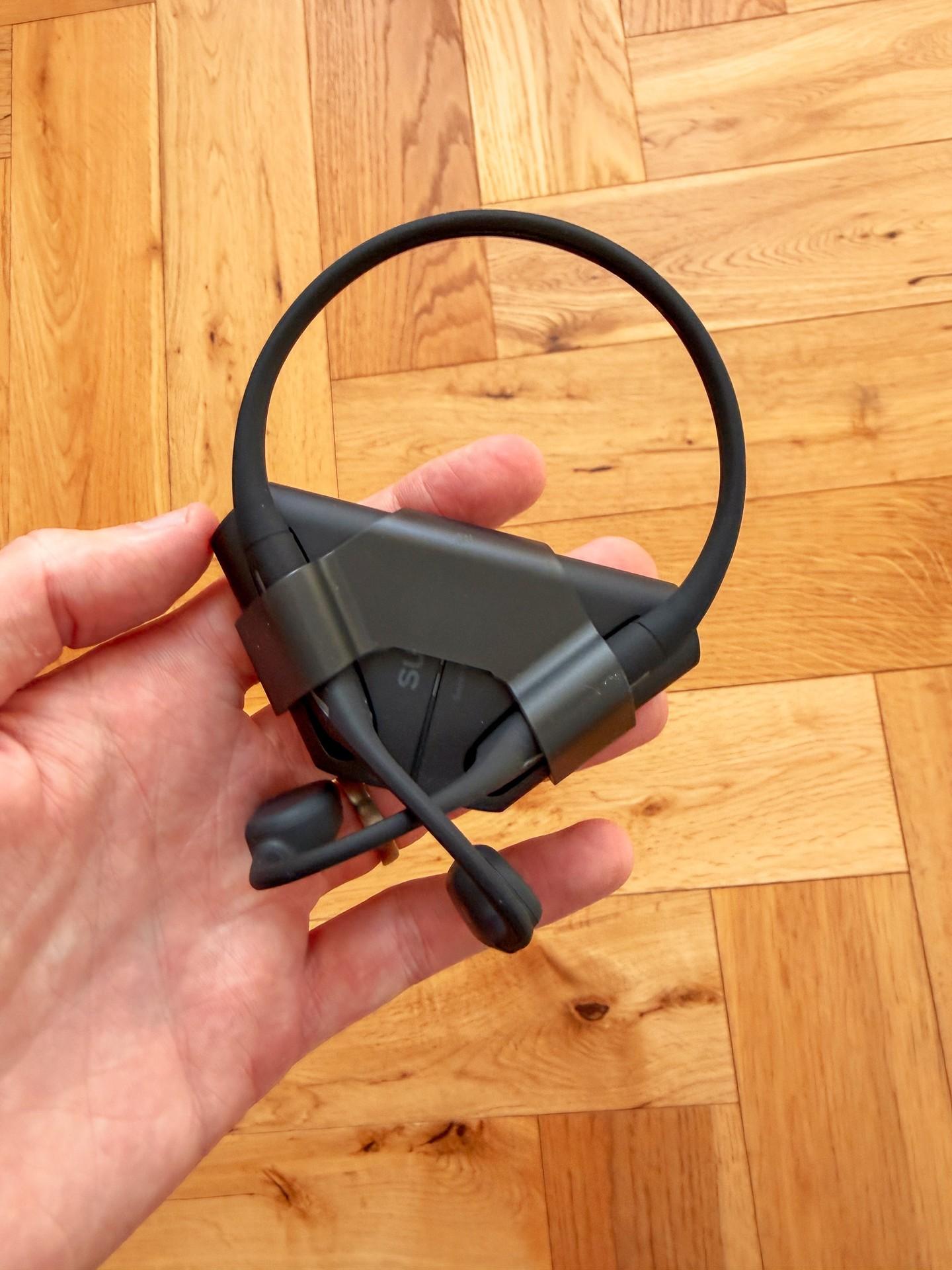
Suunto claims up to 12 hours of music playback from the headphones, with the included powerbank providing a further 24 hours. A full headphone charge is billed as taking one hour, and I noticed both charge time and music playback lining up with stated times. As a general rule of thumb I found myself needing to charge them every third long ride or so, and around once every week amid commuting usage.
There are two ways to charge: connect the supplied USB charging cable directly to the headphones, or slot them into the portable powerbank, which doubles as a charging dock.. The powerbank itself is charged via USB-C, so it lets you top up the headphones on the move without plugging them into a USB power source. I was personally a big fan of this bank as an elegant charging solution, the power bank was an easy fixture beside my riding gear, and I would elect to leave it at home if I was off on a cycling trip and eager to save space.
The specifications also list IP66 weather protection. Alongside the charging accessory, that helps explain what the asking price buys, although the sound, fit and simple controls are the reasons I enjoyed using the Wing 2 on the bike.
At roughly £149, I regard it as the better-value option alongside my original OpenRun Pro, or the updated Pro 2, whose comfort and weight I still prefer, though with the OpenRun Pro 2’s often dipping below the Wing 2s during sale season that would make it a tougher call.
On the whole it’s fantastic to see how far bone conduction headphones have come, and the Suunto Wing 2 is a great contender for the best overall package out there.