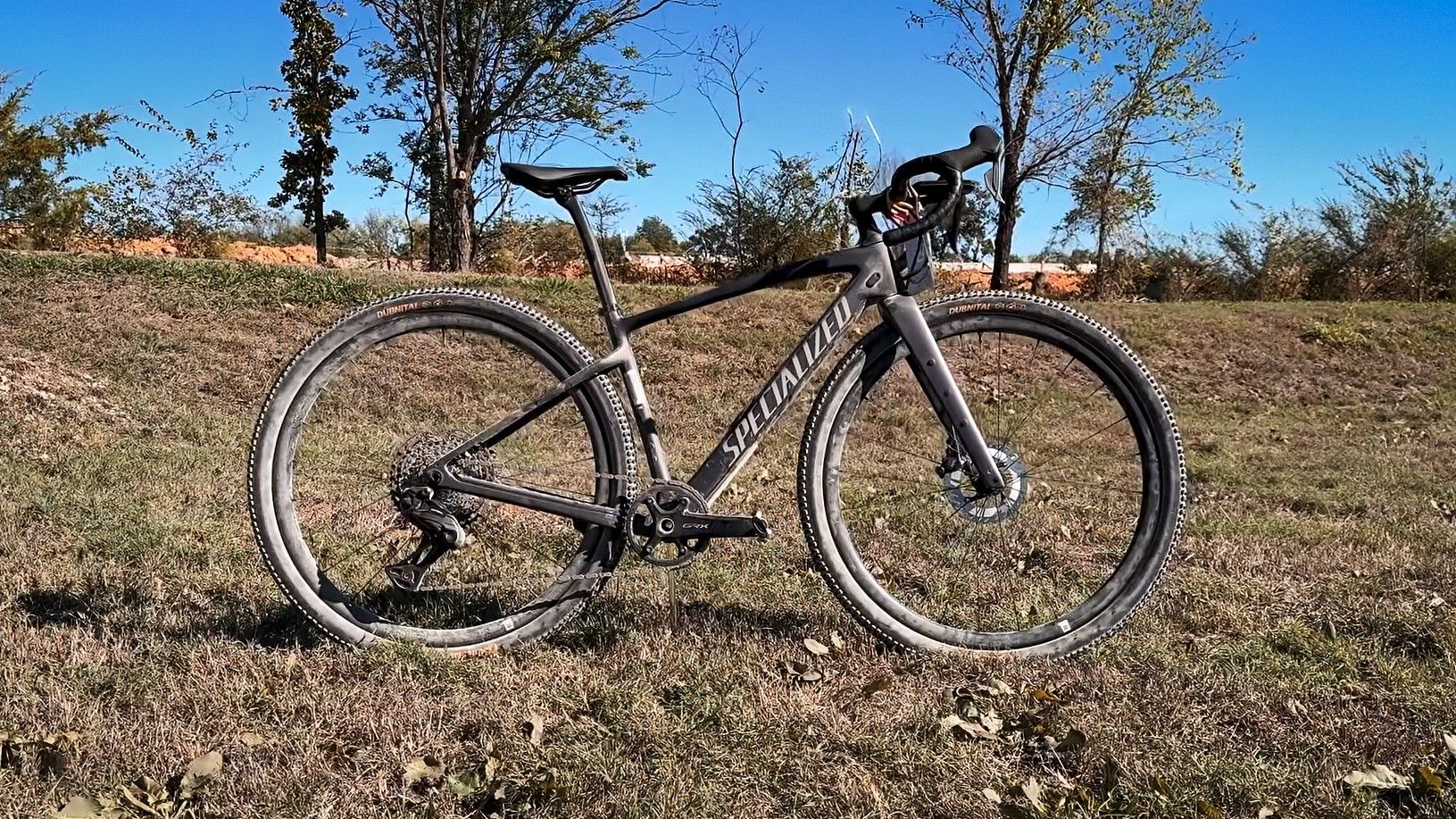
Specialized was producing drop-bar bikes for dirt well before gravel became a popular trend. The Tricross arrived in 2006 as a road and cyclocross-compatible bike suited to pavement, dirt and light touring. Although it differed from today's familiar gravel formula, it paired drop bars with off-road ability rather than being made solely for cyclocross racing. It continued to be made for the better part of a decade, then gave way to the Diverge in 2015.
The Diverge is now in its fourth generation. It launched on September 9, 2025, as a 2026 model with more tyre clearance, revised geometry, a UDH dropout and larger down-tube storage. I rode the Diverge 4 Expert over the 100-mile Big Sugar gravel course, plus a few shakeout rides in the days before.
I picked the Expert on purpose. Most of the bikes I test sit at the very top of a range or right at the entry level. The Expert lands in the middle of the carbon Diverges, at roughly half the price of the S-Works. I wanted to know how a mid-range bike would cope with a rocky gravel race.
Velora review
Specialized Diverge 4 Expert GRX Di2 Gravel Bike


A generalist gravel bike you can point at almost anything. It's worth the premium if you want Future Shock's cushioning on a rigid frame, but it isn't the best value gravel bike for everyone.
For
- +Future Shock takes a lot of the punishment out of rocky, technical descents
- +The 10-51 cassette covered every climb and tarmac section at Big Sugar
- +Frame takes 50mm tyres
Against
- –Noticeable bounce and lost energy on tarmac and hardpack
- –Front end can feel vague in corners
- –£5,499 list price is well above comparable rigid bikes
Size
The Expert I rode uses Shimano's 12-speed GRX Di2 with a 40-tooth chainring and a 10-51 cassette. The wheels are Roval Terra C carbon: 32mm deep, 25mm wide internally, hooked, and laced to DT 370 hubs. Those hubs tell you these aren't the fanciest wheels around, but they're sound. The bar and stem are alloy, and the seatpost is carbon, which turned out to matter once the course got rough. The frame has an internal storage compartment in the down tube, with a tool roll included.
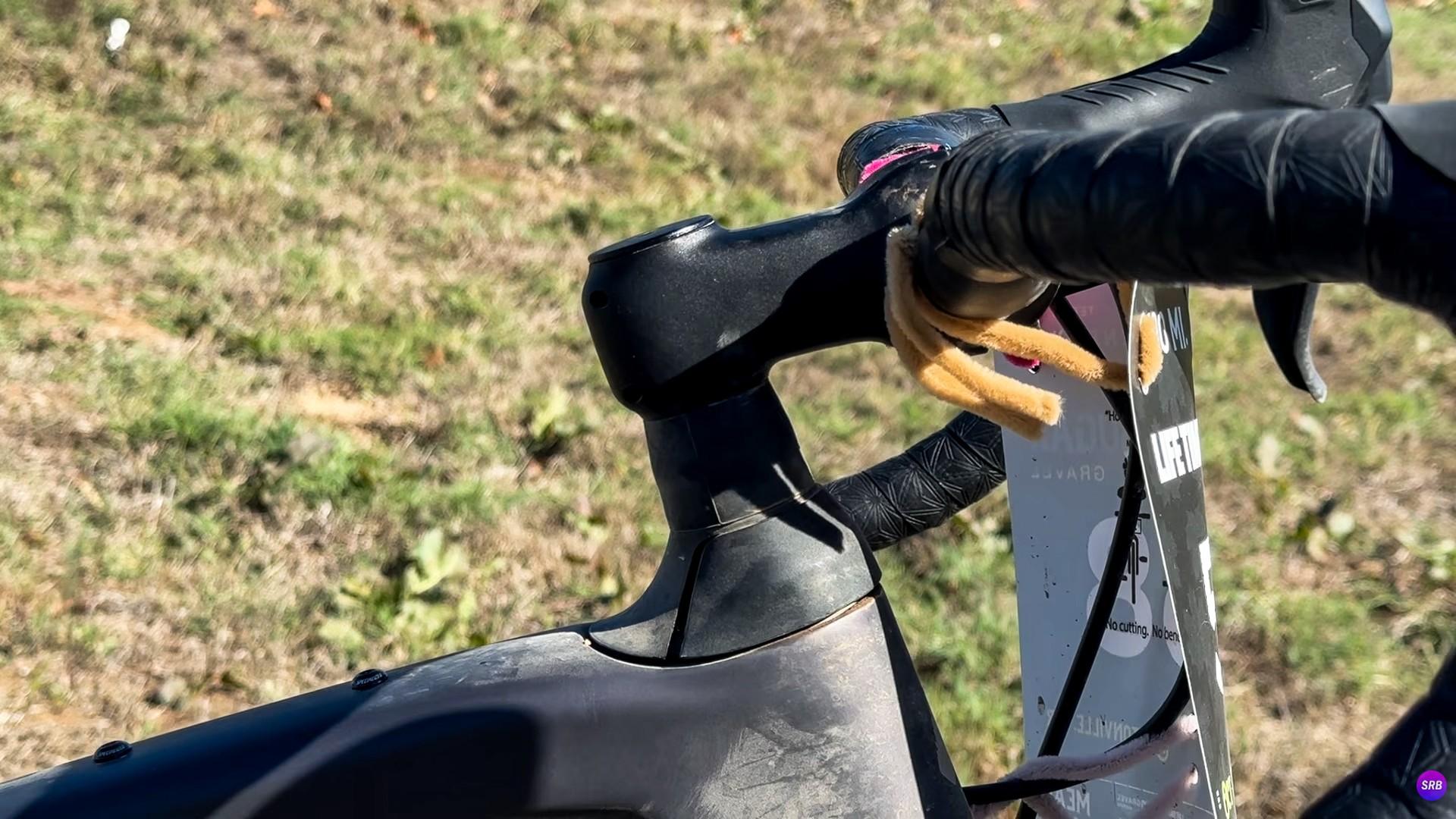
The bike is built around Future Shock, which has defined the Diverge and the Roubaix for the past decade. On this bike it's Future Shock 3.2, a hydraulically damped cartridge between the stem and the head tube. It gives your hands 20mm of movement above a rigid fork. Claimed weight for the Expert is 8.9kg in a size 56. I rode a 52.
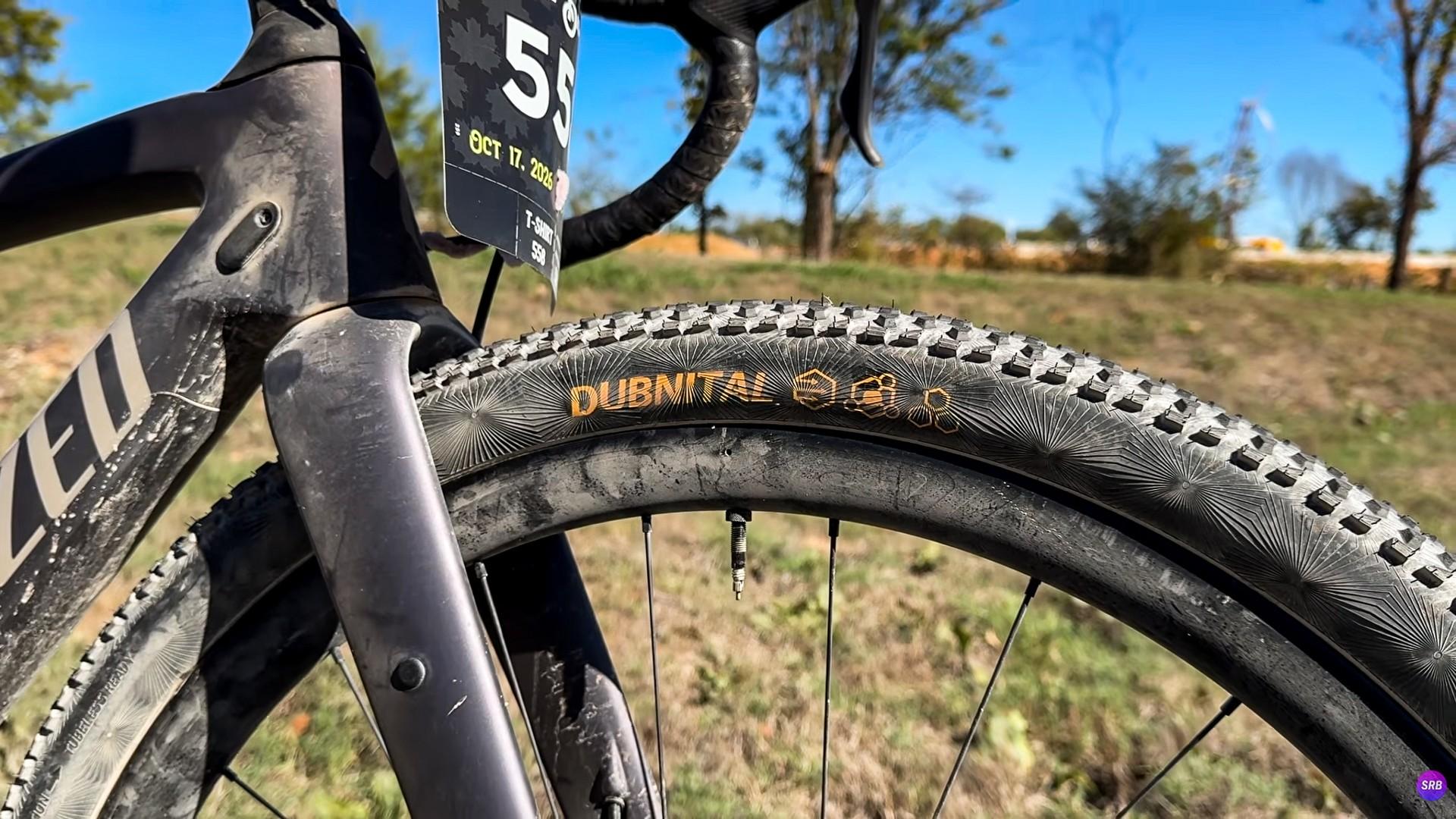
The stock tyres are 45mm Specialized Tracers. For Big Sugar I fitted 50mm Continental Dubnitals, the widest tyres Specialized currently advises for the bike. On a course known for its rocks, maxing out tyre width seemed the sensible choice.
How it rides
My main impression after the race and the shakeout rides is that the Diverge 4 is a blunt tool. I don't mean that as a criticism. You can point it at almost anything and it rolls through. Specialized's Crux, the gravel race bike, is the precision instrument. The Diverge is a generalist, and I think it will suit riders who don't have the most refined technical skills and would like the bike to help them out.
Most of that help comes from Future Shock. It absorbs a huge amount of abuse and limits how much reaches the rider. On rougher, rockier descents, I felt much less rattled than I expected; I could even hear the Future Shock doing its job, which I loved.
The downside is the movement on smoother ground and through corners. On climbs and flat sections I could sometimes feel the front end bouncing and the energy going with it. In corners the movement adds a vagueness to the steering that I didn't like. Even so, the descents were where it mattered most, and on balance I'd rather have Future Shock than not.
The seatpost added more comfort than I expected. I measured somewhere in the region of 10-15mm of flex. My fit plays a part in that. Most size charts would put me on a 54, but I have a short reach for my height, more T-Rex than anything, so I ride a 52, as I've explained in my Canyon Endurace CF 7 review. A smaller frame means more exposed seatpost, and I think that exaggerates the flex I get.
Together, the seatpost and Future Shock made for a plush ride that worked especially well over rough ground. The setup became frustrating on tarmac and hardpack gravel, surfaces where that cushioning wasn't needed. I could tell the bounce and flex were costing me energy. Gravel always involves a compromise; for me, this was it.
If you'd spend most of your time on smoother surfaces, it helps to know that the 3.2 cartridge can be firmed up. Specialized supplies soft, medium and firm springs, and up to five preload washers can be added. There's no external dial on this version, though. That only comes with Future Shock 3.3.
The tyres were perfect all day. I didn't puncture once. I'd guess about half the riders at Big Sugar were on Dubnitals, all of them on the 50mm version. People say the rocks at Big Sugar are bigger than you find at other races, and compared with champagne gravel I'd agree. The 50s dealt with them well. When the course got technical the extra width paid off, and I wouldn't go narrower. A 40 or 45mm tyre would roll better on tarmac and hardpack, but I think you'd struggle more as soon as the surface got loose.
The 10-51 cassette suited the course. That wide range is what we look for in our guide to the best bikes with low gears. I never felt under-geared or over-geared. The 51 got me up the climbs, and the 10 gave me a proper gear to turn over on tarmac. Shifting was smooth, crisp and precise, and it didn't miss a beat all day.
I'd still choose a SRAM build. On this 1x GRX setup, both shift buttons sit on one lever, and I prefer having a button on each side. That's a personal preference, not a fault. As GRX goes, this is a good groupset, and I can't fault the gearing.
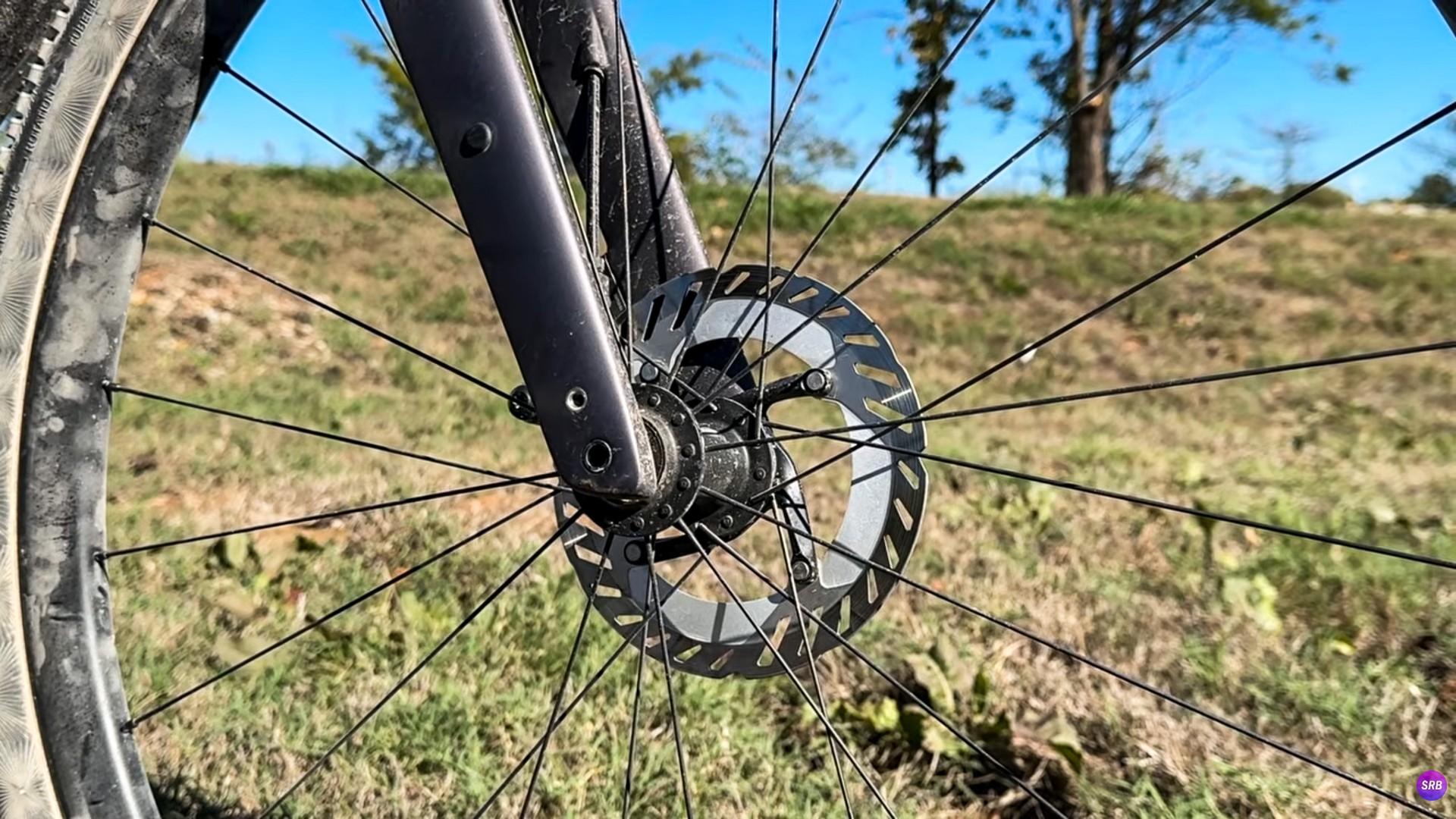
The brakes are similar. I prefer SRAM's brake feel because the extra modulation suits the way I ride, as I found in my Scott Addict Gravel first ride, while Shimano's lever is more on/off. The GRX brakes weren't bad, they just aren't my preference. They worked for me, and I think most riders would be perfectly happy with them.
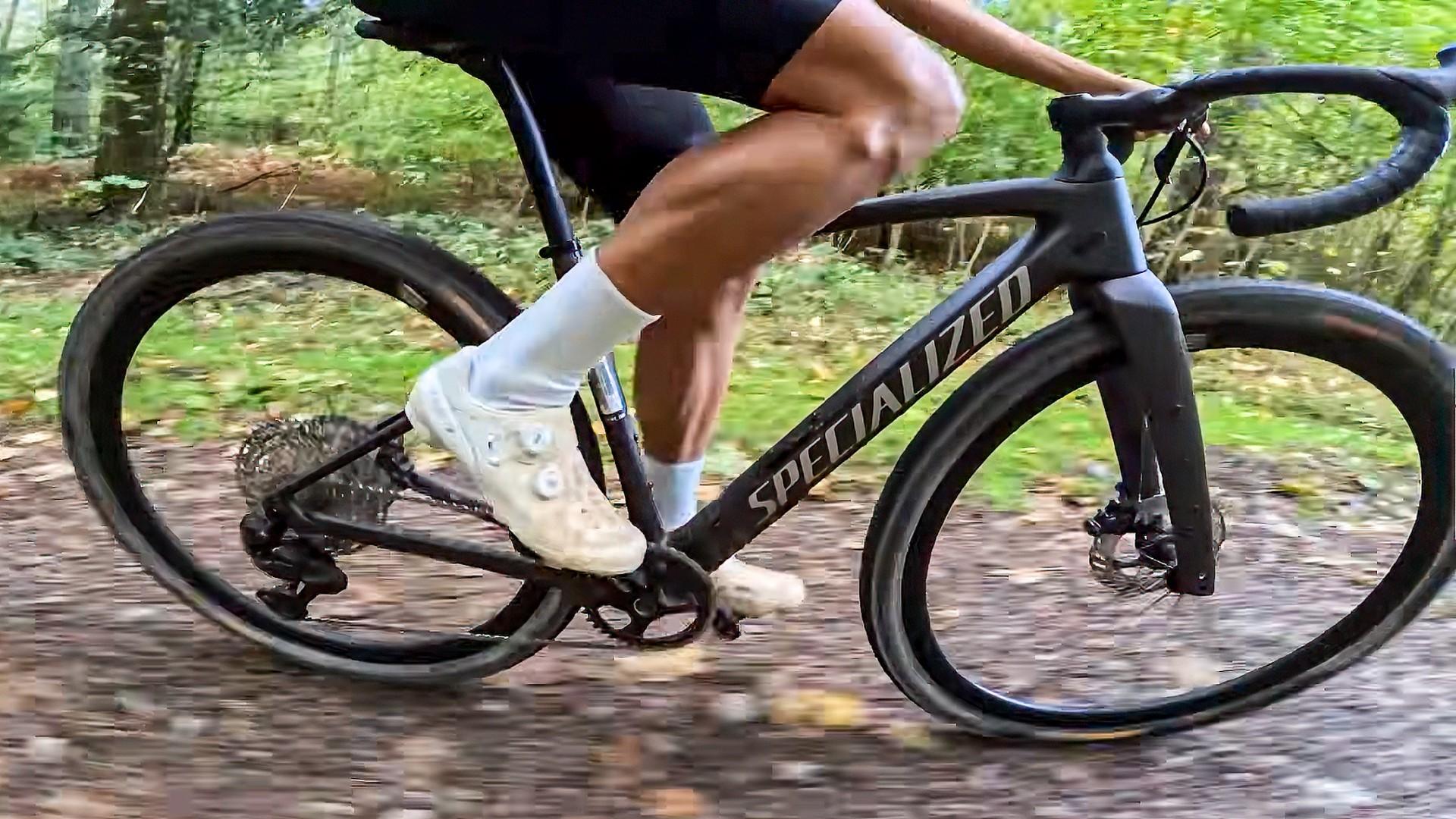
The down-tube storage was great. I packed it with bars, gels and tyre levers, and having a place for all of it inside the frame was a real convenience. I was surprised that my electric mini pump didn't fit, though it was only just too big.
Price and alternatives
The Diverge is expensive, and there's no getting around that. The Expert GRX Di2 lists at £5,499, and there are cheaper bikes covering similar ground.
The obvious rival is the Canyon Grizl CF 8 Di2 at £3,799. The spec isn't identical, but it's close. You get Shimano GRX Di2, carbon wheels, Canyon's SP100 comfort seatpost and 54mm of tyre clearance, which is a little more than the Diverge. Canyon's claimed weight is 9.14kg in a size M, so roughly the same. On paper it serves a similar part of the market for £1,700 less, and that's a lot of money.
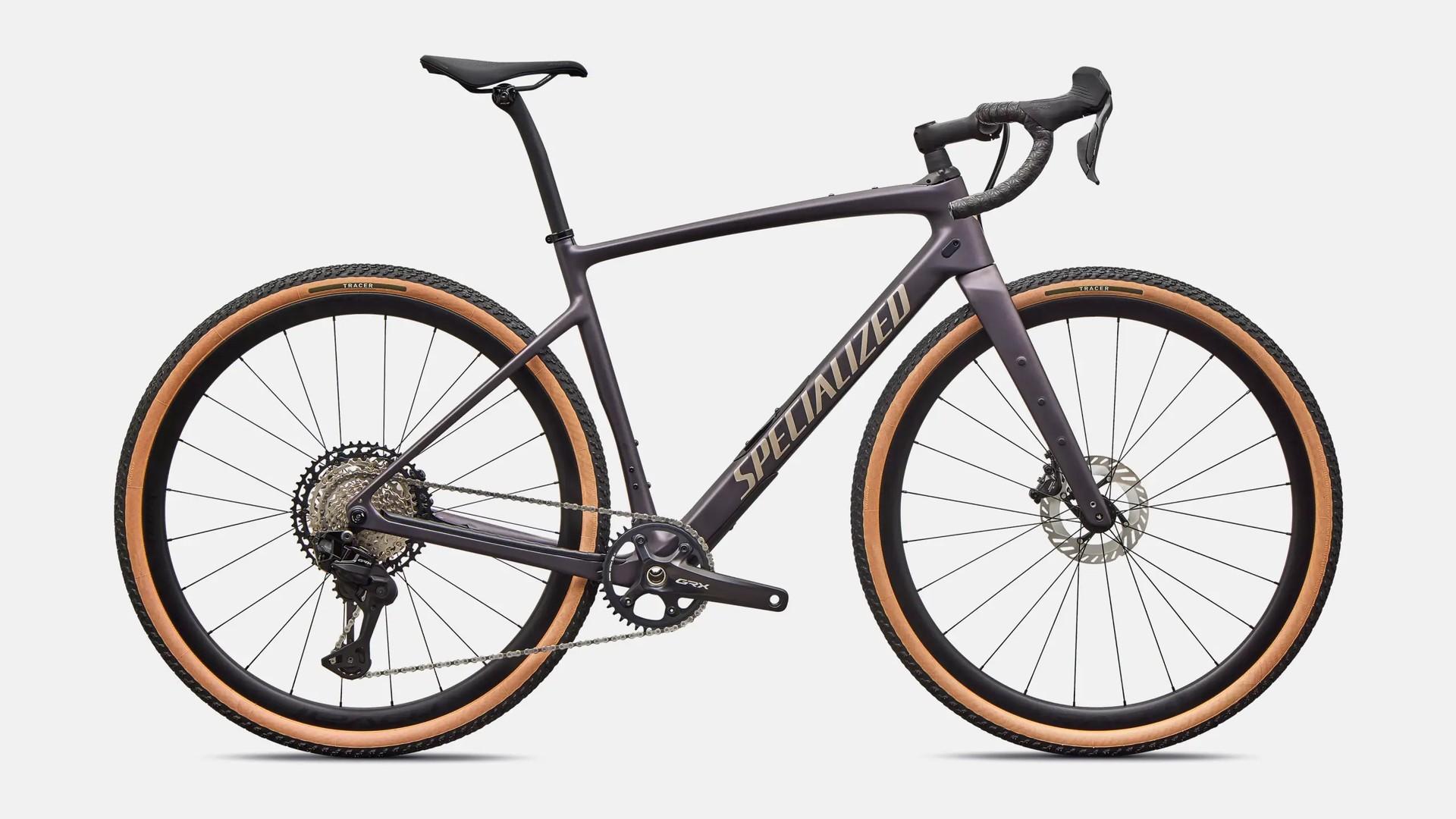
Giant's Revolt Advanced Pro 0 costs £4,999. That buys a SRAM Force AXS groupset, carbon wheels and a D-Fuse seatpost and handlebar designed to add some compliance. There's no suspension, but it's still £500 cheaper than the Specialized.
Both rivals are fully rigid, but both brands also sell versions with suspension forks. Canyon offers the Grizl CF 8 with its RIFT fork, which has 40mm of travel, and Giant offers the Revolt X Advanced Pro. That leaves the Diverge in the middle. Most brands either build a rigid bike with a comfort seatpost or fit a full suspension fork, which adds a lot of weight. Future Shock gives you 20mm of travel and a cushioned front end without much extra weight, on an otherwise rigid bike. If that's what you want, I think it can justify the extra cost.
Retailers may narrow the gap in price, though. At least one UK shop currently lists this build at £4,699. That's still £900 more than the Grizl, but it undercuts the Revolt's list price.
The Diverge 4 Expert isn't the best value gravel bike you can buy, and it isn't a bike for everybody. The Grizl and the Revolt are both excellent and deserve a place on your shortlist. Before you choose, think about the riding you actually do and whether you need Future Shock. There are two good reasons you might. One is that the trails near you are rocky and abusive. The other is that you lack some confidence off-road and would rather the bike absorbed the vibrations and impacts than your arms. If either applies, I think the Diverge does a good job of offering that cushioning on an otherwise rigid bike, and there aren’t many competitors that do it so well.