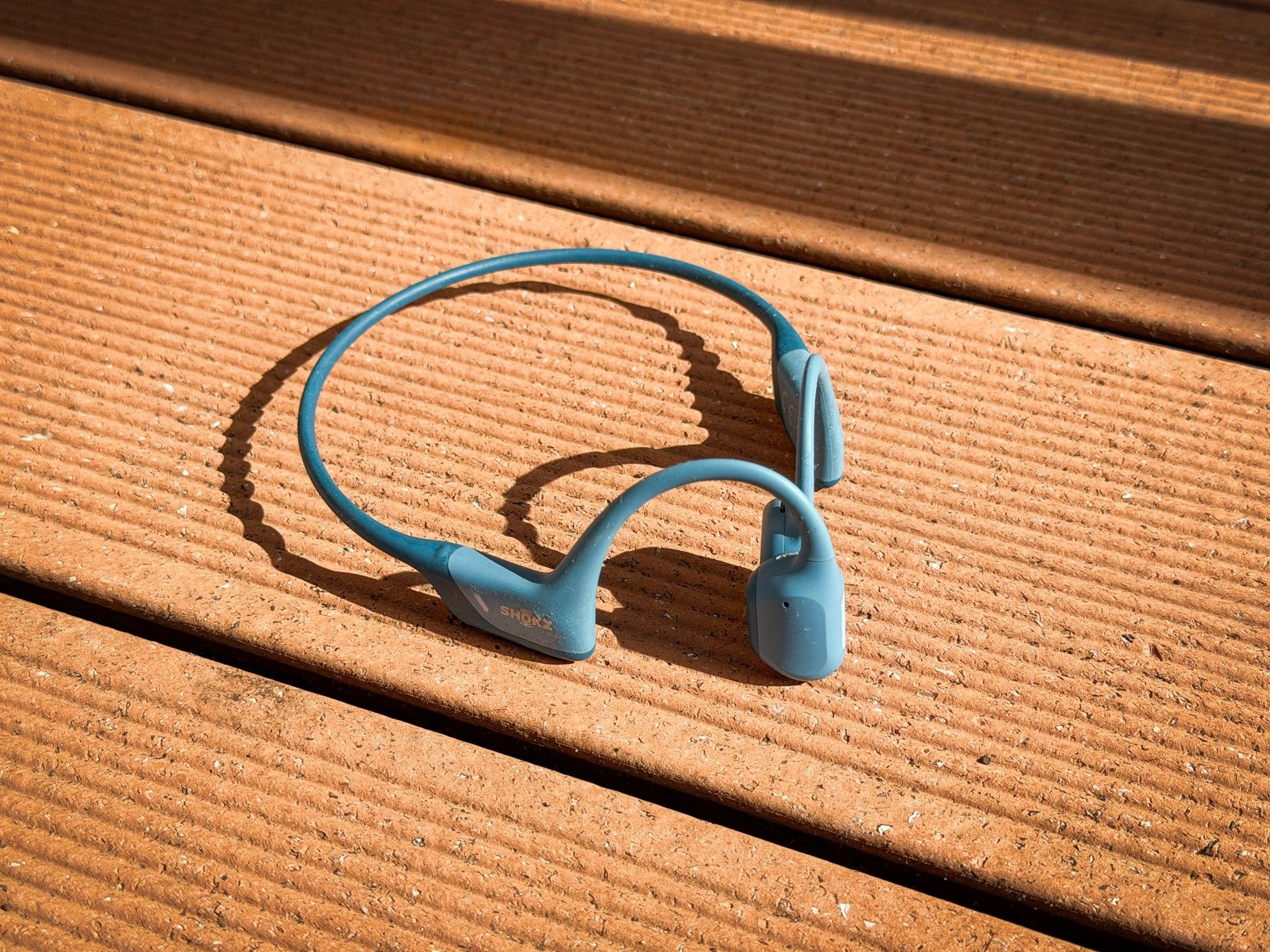
As both a cycling journalist of nearly 20 years and an audiophile, I’ve reviewed a lot of headphones. Of all the samples I’ve reviewed, the Shokz OpenRun Pro was the only set I subsequently bought. After three to four years of ownership, they are still the best cycling headphones I have used, particularly for commuting.
The real appeal is listening to music without blocking your ears – a benefit for road safety, inner-ear hygiene and comfort. The bone-conduction units sit in front of the ears, leaving traffic audible, while the lightweight headset stays comfortable and secure.
That combination of comfort, security and traffic awareness makes the OpenRun Pro the best headphones I have used for cycling or running. But there is one substantial qualification: wind and surrounding noise can overwhelm the audio, especially podcasts. I’m not alone in that observation, and a fellow journalist even used to joke to me that the bone conduction was pure marketing, and the headphones were just speakers sitting far from your ear. They are excellent commuting companions, provided hearing every word is less important than keeping your ears open.
Commuting and wind noise
The OpenRun Pro is easy to wear for long periods. There is little pressure around my ears or head, and the roughly 28g weight helps it stay unobtrusive. I find the headset secure without needing to keep adjusting it, which is useful when riding through traffic.
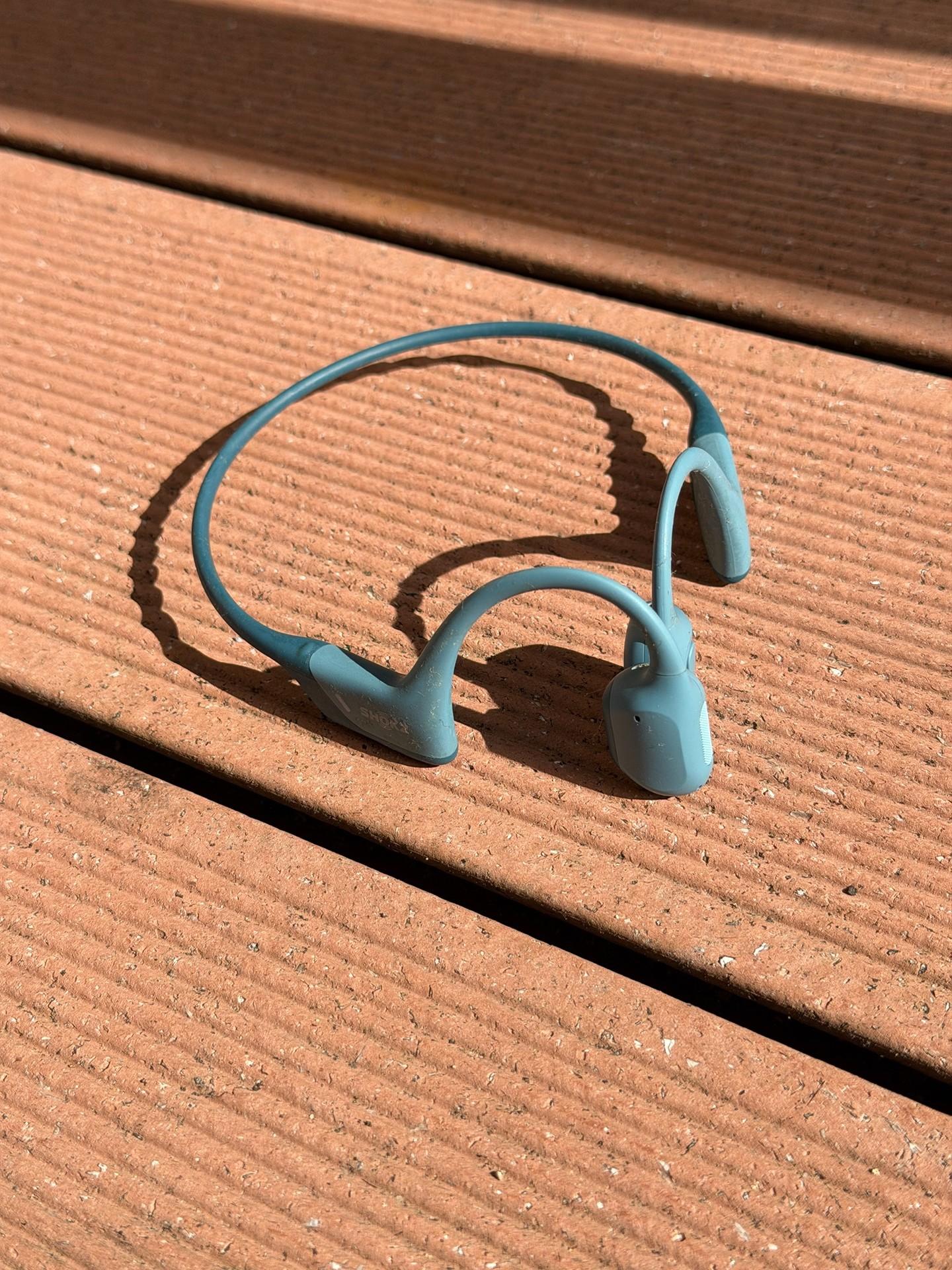
Bone conduction transmits sound through the cheekbones rather than sealing a speaker inside the ear canal. That comfort also makes the OpenRun Pro useful for longer solo rides or laps, when I want some company without wearing conventional earphones.
Wind is the main limit. At cycling speeds, it can become difficult to hear music properly, and spoken audio suffers more. Missing part of a song is tolerable; losing words from a podcast soon makes it hard to follow. The same openness that helps in traffic also lets wind into the audio.
For indoor turbo sessions, I also find them comfortable and useful. There is no road traffic to monitor, but the light fit remains welcome during a workout.
Battery life has held up well throughout ownership and remains a strength after several years. Shokz rated the original OpenRun Pro for 10 hours when new, with a five-minute charge providing around 90 minutes of listening.
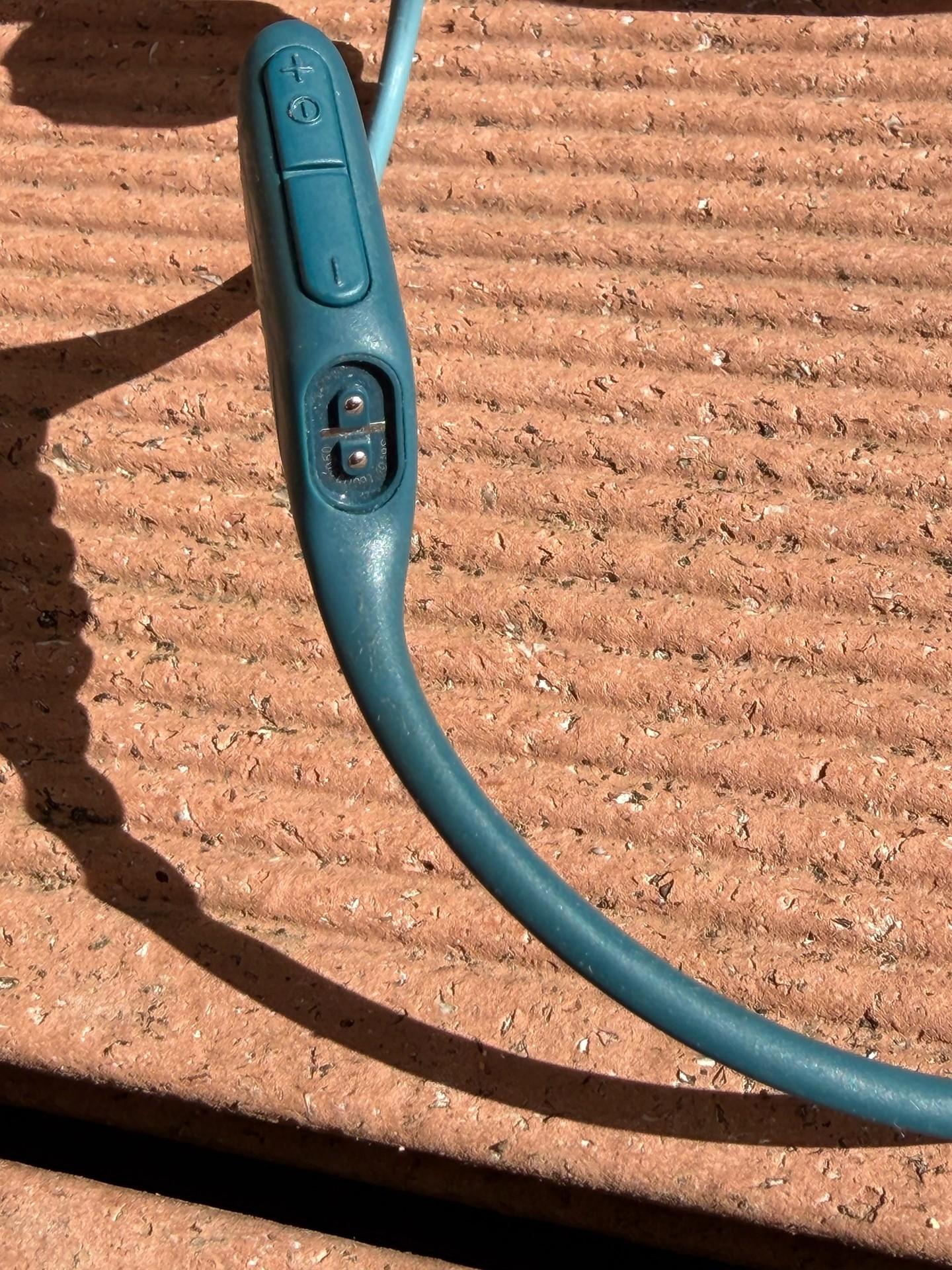
The Pro uses a proprietary magnetic charging cable, while the Pro 2 has replaced it with a USB-C port. There is also no automatic power-off, and on several occasions I’ve wandered off and been confused at the lack of sound from my phone or smartwatch.
Durability and buying in 2026
My OpenRun Pro remains in good condition after three to four years. My longer history with the brand also includes a casing failure, although the damaged red headset pictured is an older AfterShokz Aeropex, not this OpenRun Pro.
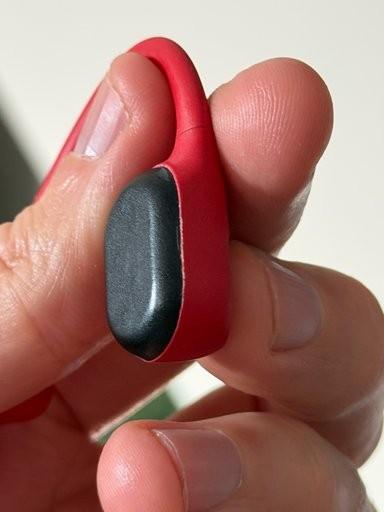
The outer plastic came away from one of that headset’s bone-conduction units. AfterShokz supplied a replacement, but the damaged pair continued working and remains usable. The electronics survived the damage, but the casing did not. The experience cemented these headphones are near bomb-proof in my experience.
The OpenRun Pro’s IP55 rating is lower than the older Aeropex’s IP67 protection. The Pro is water-resistant, not a swimming headset; surviving an accidental dunk would not make it suitable for submersion. This was one set back compared to the predecessor or me, as I often used them in drenching rain or found them drenched in sweat after a 10km run.
For a purchase today, the original needs a worthwhile discount. It launched at about £160, while its successor, the Shokz OpenRun Pro 2, was listed at £169 in January 2026.
Shokz gives the Pro 2 a separate air-conduction bass driver alongside bone conduction, USB-C charging and a claimed 12-hour battery life. Five minutes of charging is rated for 2.5 hours of listening. Water resistance remains IP55. Those changes make the original difficult to justify at close to the successor’s price.
The OpenRun Pro remains the best cycling headset I have used because comfort, security and open-ear awareness matter more to me than perfect audio. Mine remain a permanent fixture in my jersey pocket, and a discounted pair remains persuasive for commuting. But for someone buying primarily to follow podcasts on fast outdoor rides, wind interference may be a compromise too far, though there are few alternatives that solve this.