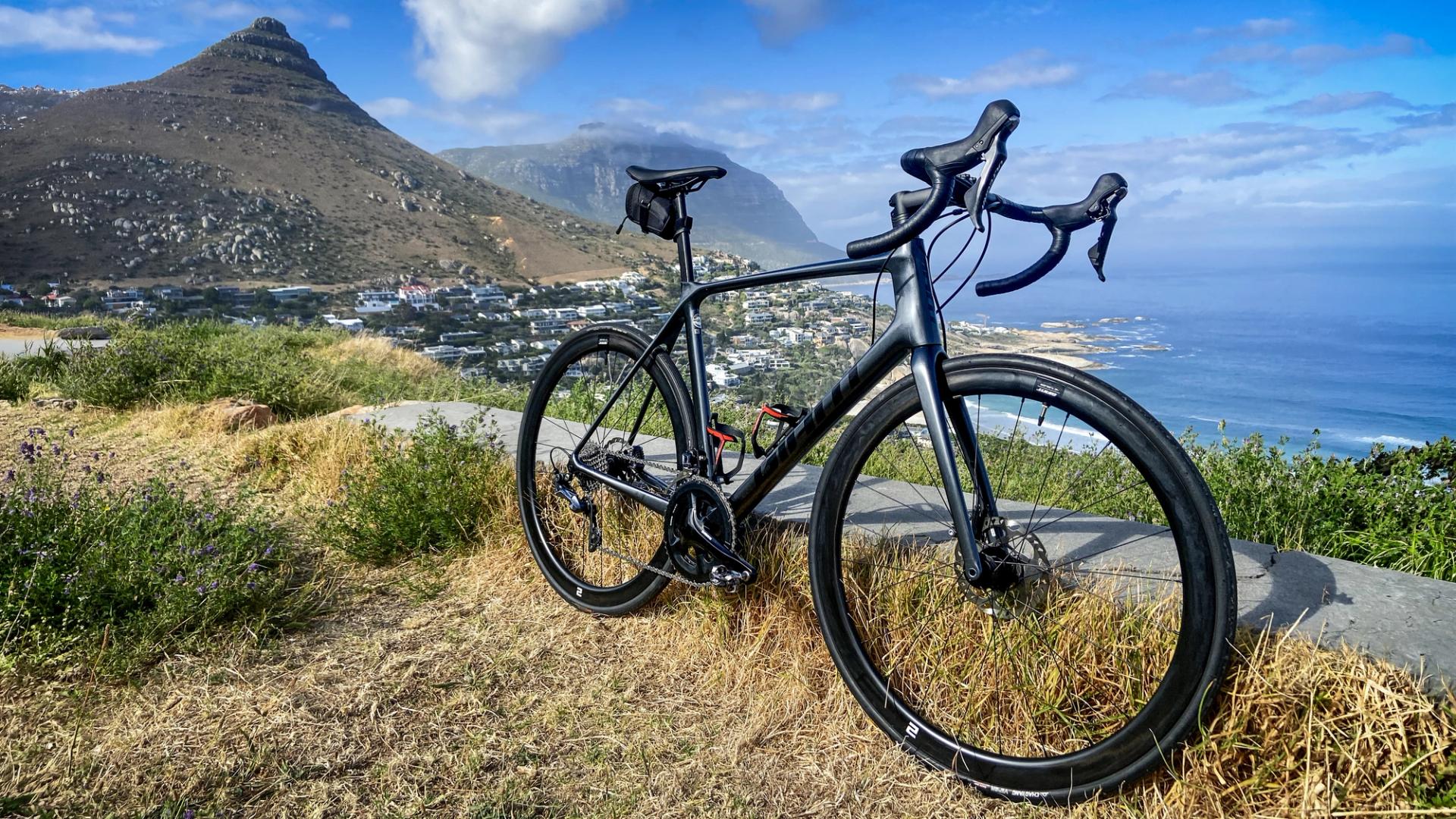
The bike we dream of, and the bike we need, are two very different things. Bikes developed for the WorldTour, where riders have 400-watt thresholds and whose bodies are composed of pipe cleaner, are not the exact same bikes most of us should be riding.
Over the years I've modified most of my bikes to have lower gear ratios. For long hilly rides or bikepacking trips I've always been thankful for an extra couple of clicks up the sprocket.
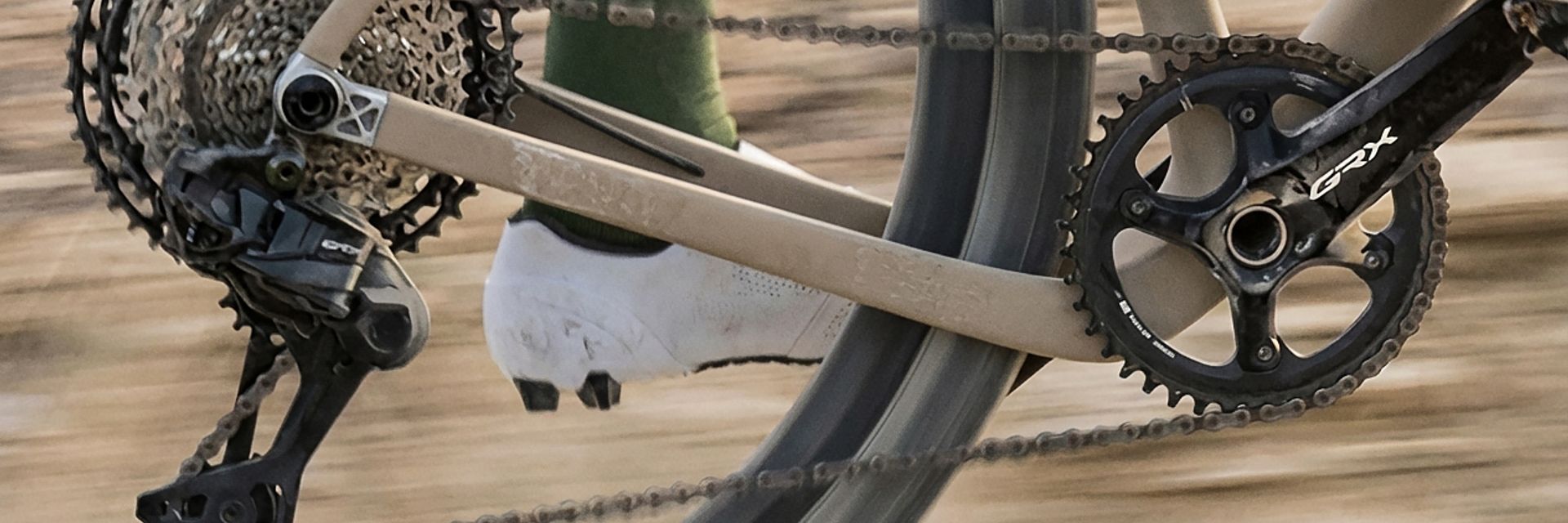
The industry is finally catching up to this reality, and we are seeing a new wave of endurance and gravel bikes that prioritise gear ratios. We are looking for the holy grail of climbing: sub-1:1 gearing. This means your smallest front chainring has fewer teeth than your largest rear cog.
In this guide, I've picked five bikes that represent the best of this shift. Whether you're a pure road rider or an adventure seeker, these machines are built to keep you spinning when the road points at the sky.
Buyers guide

Best for Road | Best Value | Best for Rough Roads | Best All-Rounder | Best for Steep Climbs |
Defy Advanced 1 Road Bike 2026 | Addict Gravel 30 Gravel Bike 2026 | Roubaix SL8 Comp Road Bike 2026 | Checkpoint SL 5 AXS Gen 3 Gravel Bike | Diverge 4 Sport |
Giant | Scott | Specialized | Trek | Specialized |
 |  |  |  |  |
|
|
|
|
|
£2,199.00 £2,799.00-21% | £2,349.00 | £3,199.00 £3,599.00-11% | £2,399.00 £2,750.00-13% | £2,699.00 £2,999.00-10% |
| View deal | View deal | View deal | View deal | View deal |
Why Your Gearing Matters More Than Weight
We spent decades obsessing over grams, but a 500-gram weight saving won't help you when you are stalled on a 12% gradient. Gearing, however, changes everything. When you have a sub-1:1 ratio, you can maintain a cadence of 80 or 90 RPM even at slow speeds. This keeps you in your aerobic zone, preserves your glycogen stores, and prevents the muscle damage that comes from heavy grinding.
Here are the things that matter when comparing bikes:
Your gear ratio is simply front chainring teeth divided by rear cog teeth. A 34t chainring paired with a 34t cog gives you 1:1 – one pedal revolution equals one wheel revolution. Go below that and you're into climbing territory. A 40/46 setup gives you 0.87:1, meaning you can spin faster for the same ground speed. Lower ratios mean higher cadence on steep gradients, which translates to less strain on your knees and more time in your aerobic zone.
A 1x drivetrain uses a single front chainring and a wide-range cassette. It's simpler, lighter, and has fewer things to go wrong. The trade-off is bigger jumps between gears, which can leave you spinning between ratios on flat roads. 2x gives you tighter spacing and a wider overall range, but adds weight and front derailleur faff. For pure climbing, 2x still wins on range. For simplicity and mixed terrain, 1x is hard to beat.
Both make excellent groupsets. Shimano tends to offer smoother shifting and more intuitive hood ergonomics. SRAM pioneered wireless electronic shifting and offers wider cassette ranges as standard – their 10-52t cassettes are a climber's dream (albeit limited to 1x). Shimano's 105 and Ultegra hit a sweet spot for value; SRAM's Rival and Force compete at similar price points. Personal preference matters more than spec sheets here. Try both if you can.
Electronic shifting is faster, more precise, and requires almost no maintenance beyond charging. It also auto-trims your front derailleur. Mechanical is cheaper, easier to fix, and has no batteries to forget about. For most riders, electronic is a luxury rather than a necessity – but once you've used it, going back feels agricultural. If your budget allows, electronic is worth it. If not, modern mechanical groupsets still shift beautifully.
Road bikes and gravel bikes are increasingly converging, but typically a gravel bike will offer more tyre clearance, a slacker geometry and wider gear ratio off the shelf. However, if your riding is confined to tarmac and granfondos then a road bike with wider gearing may be the best option.
Understanding the Price of Performance
You do not necessarily have to spend five figures to get low gears. In fact, many mid-range mechanical groupsets now offer the same range as their electronic counterparts. However, as you move up the price tiers, you are generally paying for smoother shifting under load and lighter frame materials that make that spinning feel even more effortless.
Under $2500
You get aluminum frames or entry-level carbon with mechanical 12-speed shifting. Expect a 1:1 or 0.94 ratio and a weight around 9.5-10kg.
$2500 - $4500
This is where carbon frames meet electronic shifting (105 Di2 or Rival AXS). You get reliable sub-1:1 ratios, better wheels, and lower weights (8.5-9kg).
$4500+
High-end carbon and specialized suspension systems. These bikes often feature 'mullet' drivetrains for 0.80 ratios and are built for the demands of ultra-endurance and high-end gravel racing.
The Top Contenders for 2026
Velora review
Giant Defy Advanced 1 Road Bike 2026
A masterclass in balanced endurance design. The Defy Advanced 1 offers electronic shifting and a dedicated climbing gear in a simple, lightweight package.
For
- +Great value for Di2
- +Excellent road damping
- +Simple, low maintenance
Against
- –Stock wheels are basic
- –Handling is stable, not sharp
Size
The Giant Defy Advanced 1 is the benchmark for what a modern endurance bike should be. It does not use heavy mechanical suspension; instead, it relies on the D-Fuse seatpost and handlebars to soak up road buzz. The Shimano 105 Di2 12-speed groupset is the star here. It gives you a 34-tooth small ring and a 36-tooth large cog. That 0.94 ratio is exactly what you need for long days in the mountains.
It weighs about 8.7 kg, which is quite respectable for a bike with 32mm tubeless tyres. It feels light and snappy on the climbs, but it won't beat you up over a six-hour ride. The 38mm tyre clearance means you can even throw on some light gravel rubber if you want to explore beyond the pavement. It is stable, predictable, and exceptionally well-priced.
Velora review
Specialized Roubaix SL8 Comp Road Bike 2026
The Roubaix SL8 brings genuine front suspension to the road, making it the king of comfort on broken pavement and light gravel trails.
For
- +Unbeatable front comfort
- +40mm tire clearance
- +Stable geometry
Against
- –Heavier than the Defy
Size
If your idea of a good time involves terrible pavement or light gravel, the Specialized Roubaix SL8 Comp is hard to beat. The Future Shock 3.2 in the headset provides 20mm of actual travel, which is a godsend for your wrists and neck. Like the Giant, it uses a 50/34 and 11-36 setup to provide a 0.94 climbing ratio.
You are carrying a bit more weight here, roughly 9.0 kg, but the comfort trade-off is massive. This bike is essentially an all-road machine that can handle 90% of what most people call gravel while remaining fast on the tarmac. The external brake hoses are a bit of an eyesore for the aero-obsessed, but they make maintenance much easier for the home mechanic.
Velora review
Trek Checkpoint SL 5 AXS Gen 3 Gravel Bike
The Checkpoint Gen 3 is a highly versatile gravel racer that doubles as a brilliant bikepacking rig thanks to its internal storage and wireless shifting.
For
- +Internal frame storage
- +Wireless SRAM shifting
- +Huge tire clearance
Against
- –1x gear jumps on road
- –Heavier than road rivals
Size
The Trek Checkpoint SL 5 AXS Gen 3 is where we start getting into serious gravel territory. This bike moves to a 1x wireless setup, using SRAM Apex XPLR AXS. You get a 40-tooth chainring and a 44-tooth rear cog, giving you a 0.91 ratio. It is a simpler system; there is no front derailleur to drop your chain, and the shifting is intuitive.
Trek's IsoSpeed technology at the rear provides a lot of seated comfort, and the internal frame storage is a clever touch for carrying tools without a saddle bag. With 50mm tyre clearance, this is a bike that can go almost anywhere. The trade-off with the 1x system is that you will notice larger jumps between gears on the road. If you are used to the tight spacing of a road cassette, it might take a few rides to adjust your tempo.
Velora review
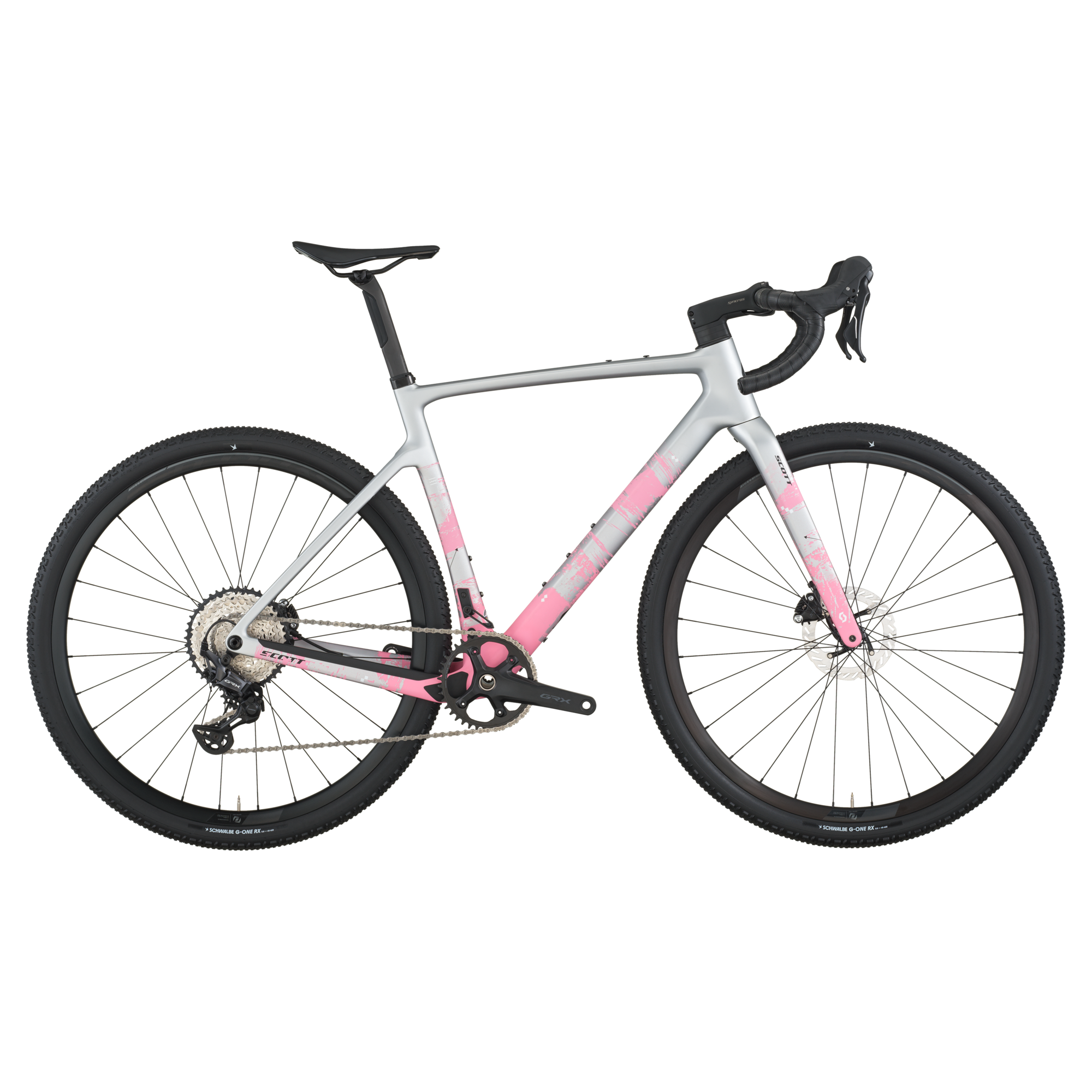
Scott Addict Gravel 30 Gravel Bike 2026
One of the best gear ranges on the market. The Scott Addict Gravel 30 is for riders who want to spin up hills that make others walk.
For
- +Excellent 0.83 ratio
- +Progressive geometry
- +Clean integrated look
Against
- –Upright riding position
- –Mechanical shifting only
Size
Scott has done something impressive with the 2026 Addict Gravel 30. By sticking with a 2x Shimano GRX system, they have achieved a 0.83 climbing ratio. They use a 46/30 crankset with an 11-36 cassette. This is the sweet spot for many riders because it offers a massive range for the steepest off-road climbs but keeps the steps between gears small enough for efficient road riding.
The new frame is significantly more compliant than the older version, and the 45mm Schwalbe G-One RX tyres are fantastic for mixed terrain. At about 9.5 kg, it is not a pure racer, but the progressive geometry makes it feel very stable on technical descents. The stack is 5mm higher than before, which puts you in a more comfortable, upright position for ultra-distance efforts.
Velora review
Specialized Diverge 4 Sport
Engineered to deliver outstanding performance on race days while remaining fully equipped for long-distance adventures. Race-tuned yet adventure-ready.
For
- +Massive 0.78 gear ratio
- +Future shock front suspension
- +10 - 51 tooth rear cassette
Against
- –On the heavy side
- –Heaviest option
Size
The Specialized Diverge 4 Sport Carbon is the entry point to Specialized's flagship gravel platform, and it punches well above its price tag. The FACT 9r carbon frame is the same across the entire range – you're not getting a downgraded layup here. Future Shock 3.1 provides 20mm of vertical travel (spring-based) at the front, taking the sting out of rough gravel before it reaches your hands.
Shimano's GRX 600 1x12 drivetrain pairs a 40t chainring with a 10-51t cassette, delivering a 0.78 ratio that will get you up just about anything. The integrated SWAT 4.0 storage swallows a mini pump, tubes, tools and a handful of gels without needing a saddlebag. It's not cheap, but you're getting the same frame as the £8,500 Pro LTD – just with a mechanical groupset and alloy wheels.
Recommendations: Which One Should You Buy?
If you spend 90% of your time on the road but want the security of a low gear for that one brutal climb in your local sportive, the Giant Defy Advanced 1 is my top pick. It is the most traditional road bike here, yet it refuses to punish you for being a mortal rider. You get electronic shifting and a sub-1:1 ratio in a package that still feels fast and light.
For the mixed-terrain explorer who wants the absolute best climbing range without sacrificing gear steps, go for the Scott Addict Gravel 30. That 0.83 ratio is a game-changer on dirt. It allows you to crawl up loose, steep sections while staying seated, which is crucial for maintaining traction. It is probably the most versatile bike on this list for the average rider.
If you are planning an ultra-endurance event or a bikepacking trip across a mountain range, the Specialized Diverge 4 Sport is a great option. Yes, it is heavier, but the combination of the 0.78 gear ratio and front suspension will keep you moving long after your competitors have started walking.
FAQs
It means your easiest gear has a smaller chainring in the front than the cog in the back. For example, a 34-tooth front ring and a 36-tooth rear cog gives a ratio of 0.94. This allows the wheel to turn less than once for every full pedal stroke.
Usually, yes. If you have a 12-speed Shimano 105 or Ultegra system, you can often swap to an 11-36 cassette. For older 11-speed systems, you might need a long-cage derailleur or a derailleur hanger extender like a RoadLink to clear a larger cassette.
1x systems can offer the absolute lowest ratios (down to 0.77 with a mullet setup), but 2x systems often provide a very low ratio (around 0.83) while keeping the jumps between gears much smaller, which is better for road riding.
Absolutely. On very long rides, your hands can get tired or cold. Electronic shifting requires just a light button press. It also stays in adjustment better than mechanical cables over hundreds of miles of vibration.
You don't need it, but it helps. Systems like the Future Shock or IsoSpeed reduce the 'micro-trauma' your body takes from road vibrations, meaning you have more energy left in your legs for the final 20 miles.
Pros have immense power-to-weight ratios and climb much faster than amateurs. They rarely drop below 12-15 km/h even on steep grades, so a 1:1 ratio is plenty for them to maintain a high cadence.