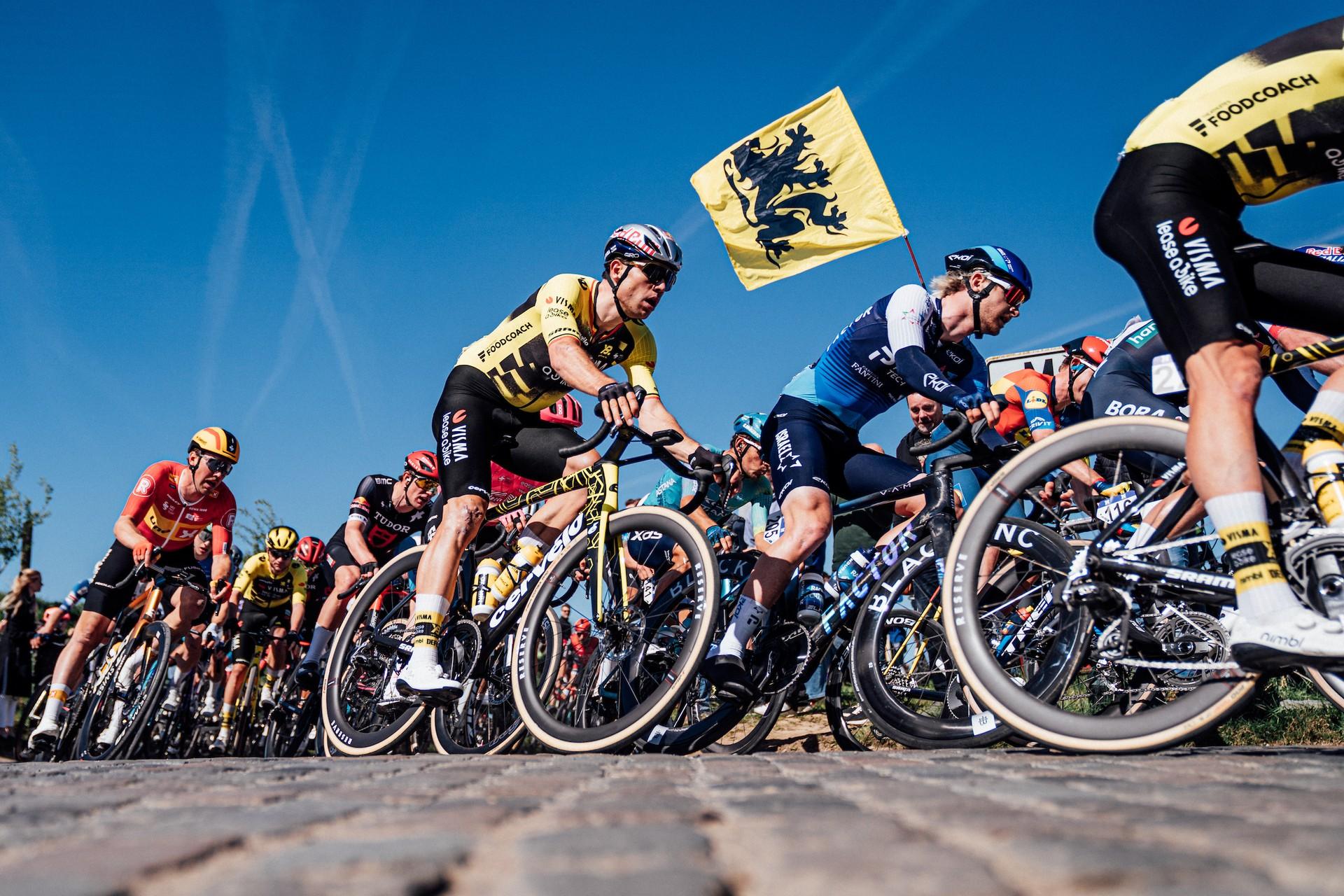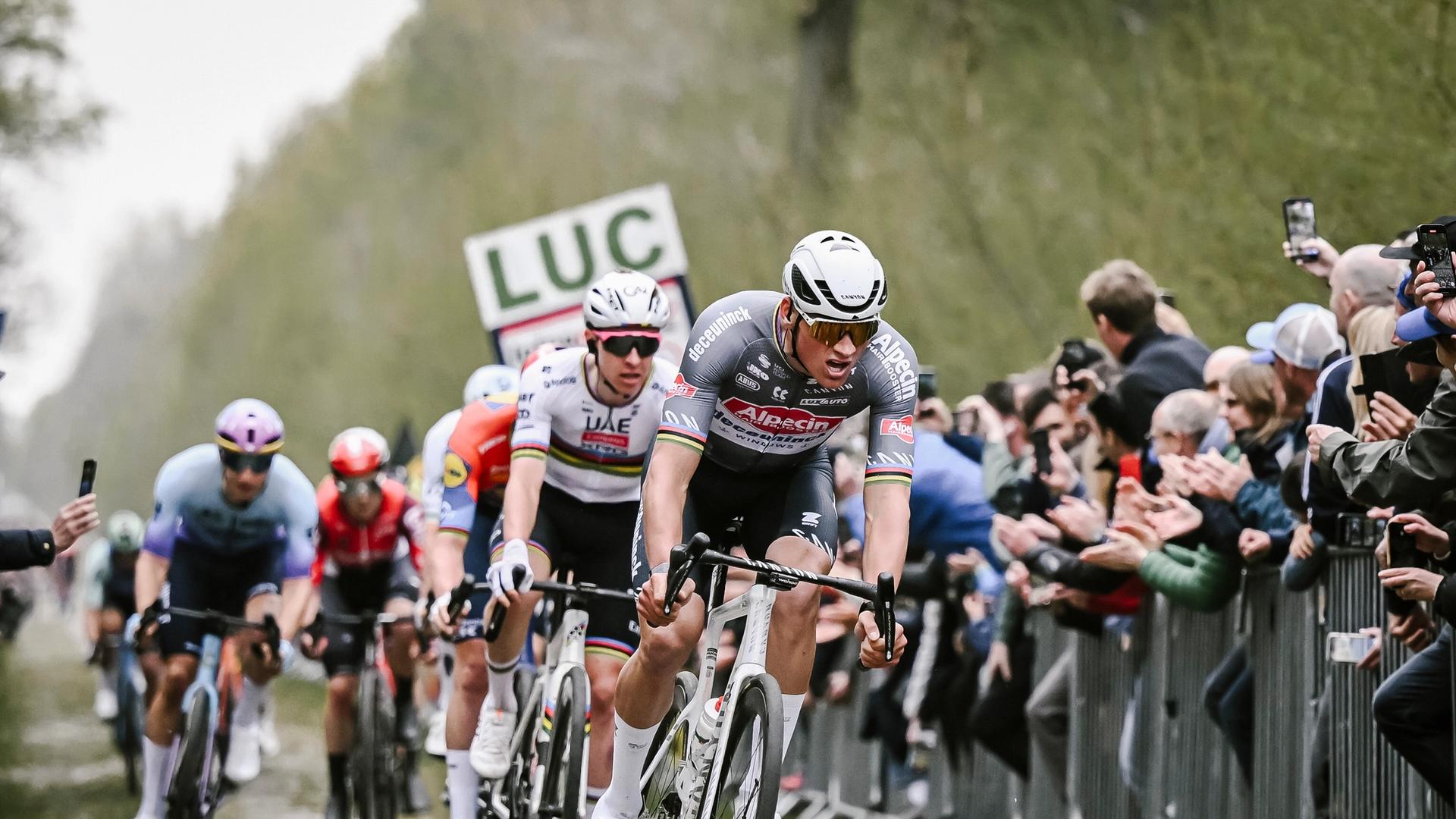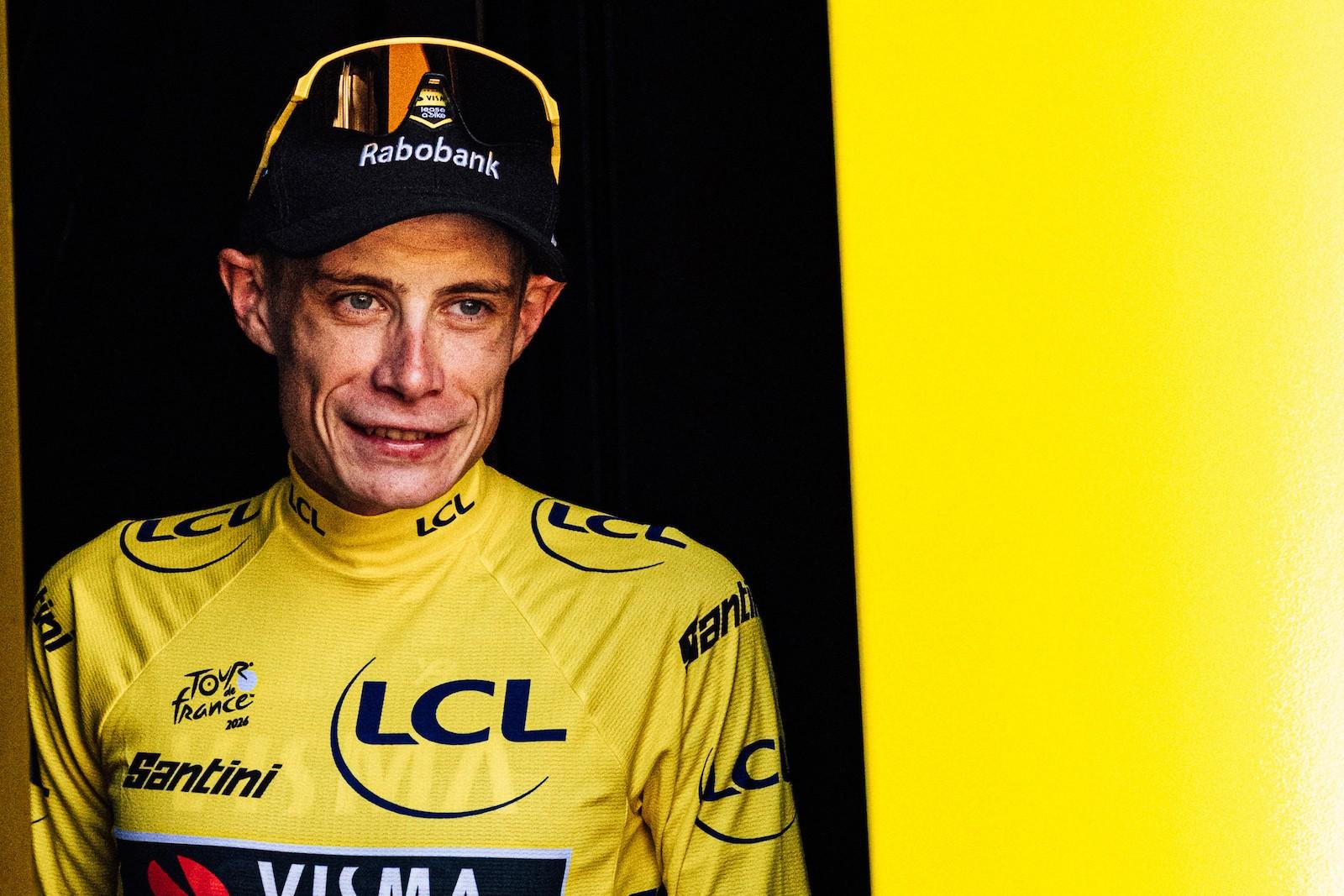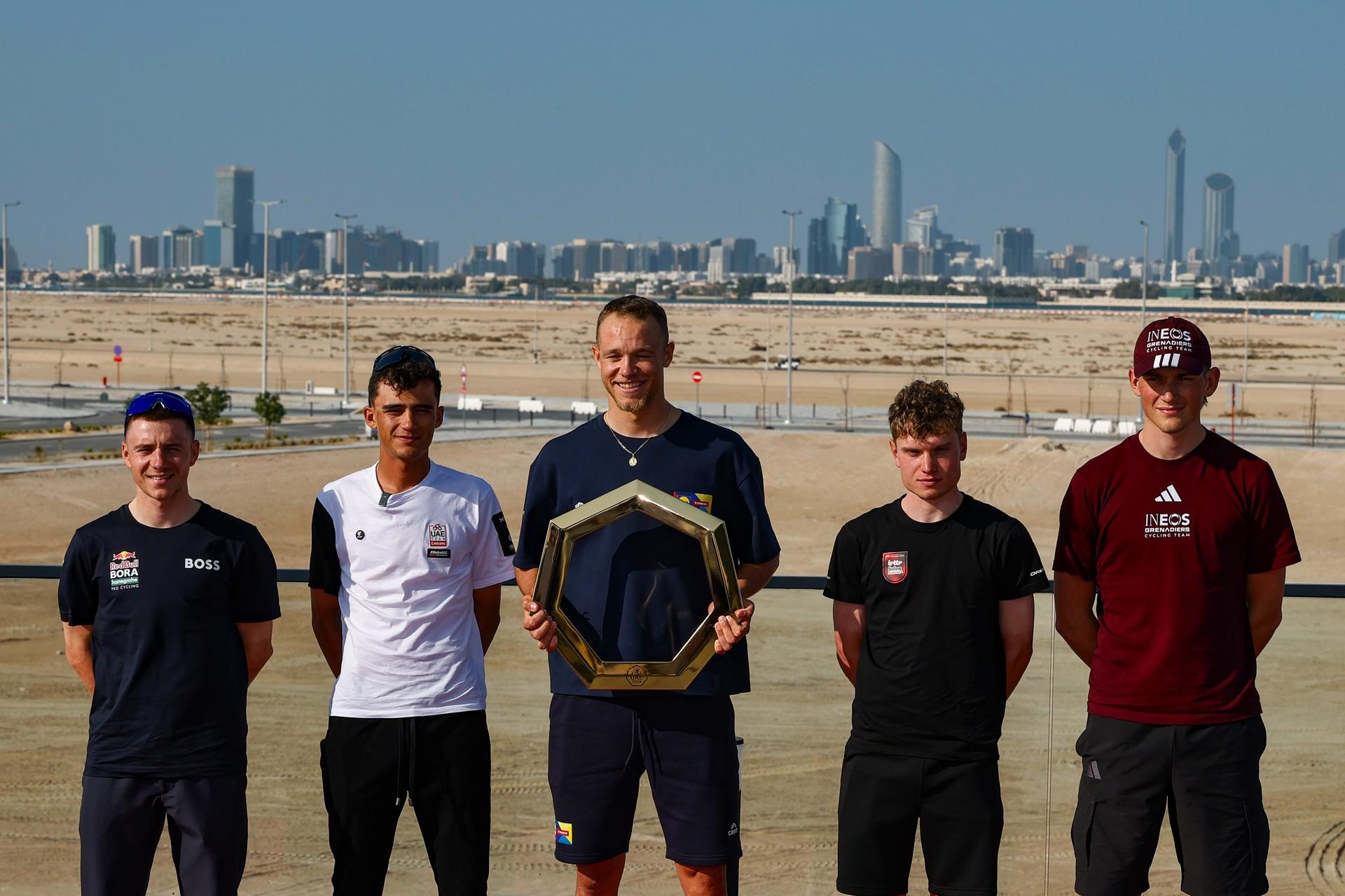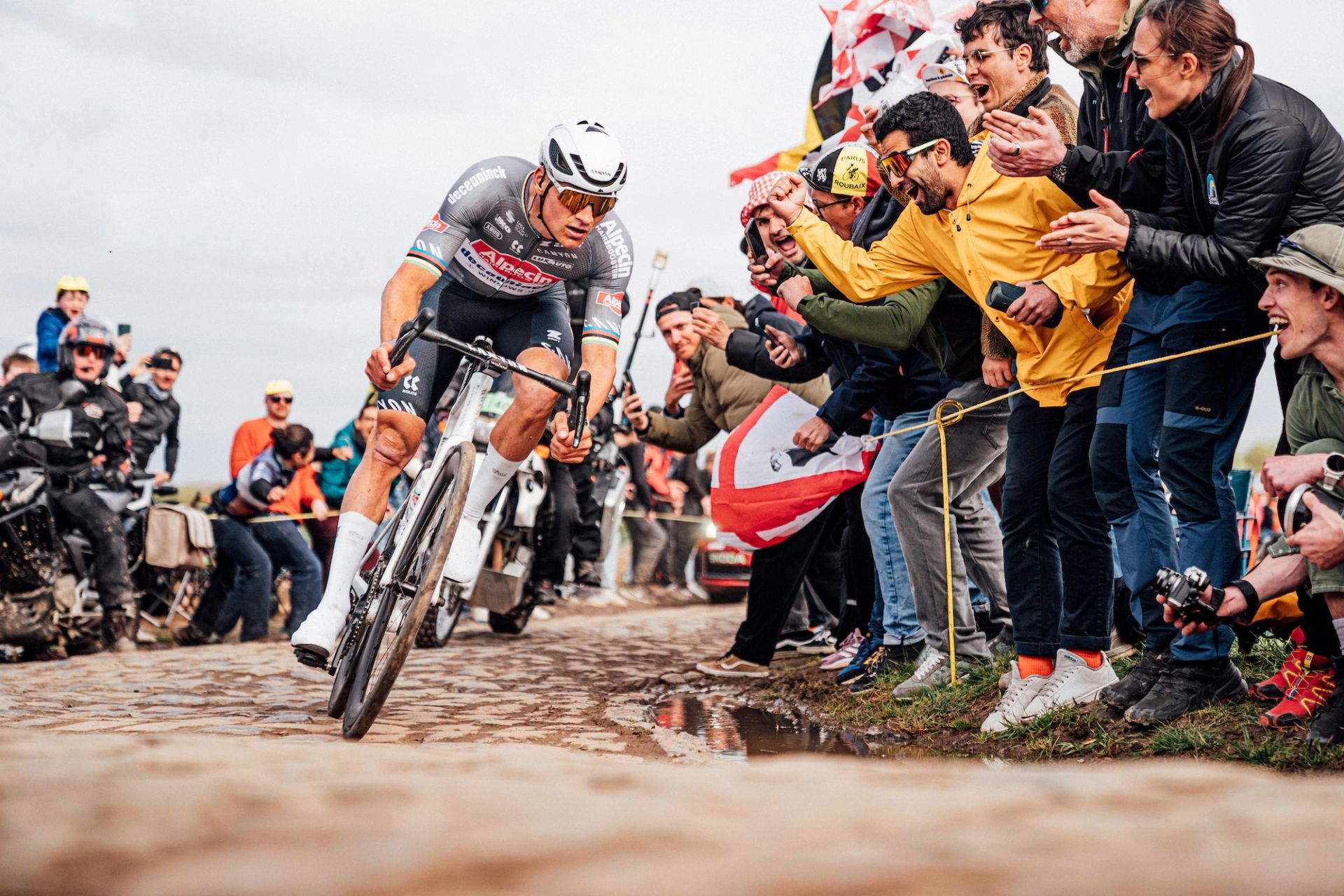
Mathieu van der Poel (Alpecin-Premier Tech) enters as the major favourite for Sunday's renamed Gent-Wevelgem – now called In Flanders Fields, from Middelkerke to Wevelgem – after soloing to victory at E3 Saxo Classic on Friday, but a stacked 175-rider start list and a forecast for 27 km/h westerly winds make this one of the hardest races of the spring to predict.
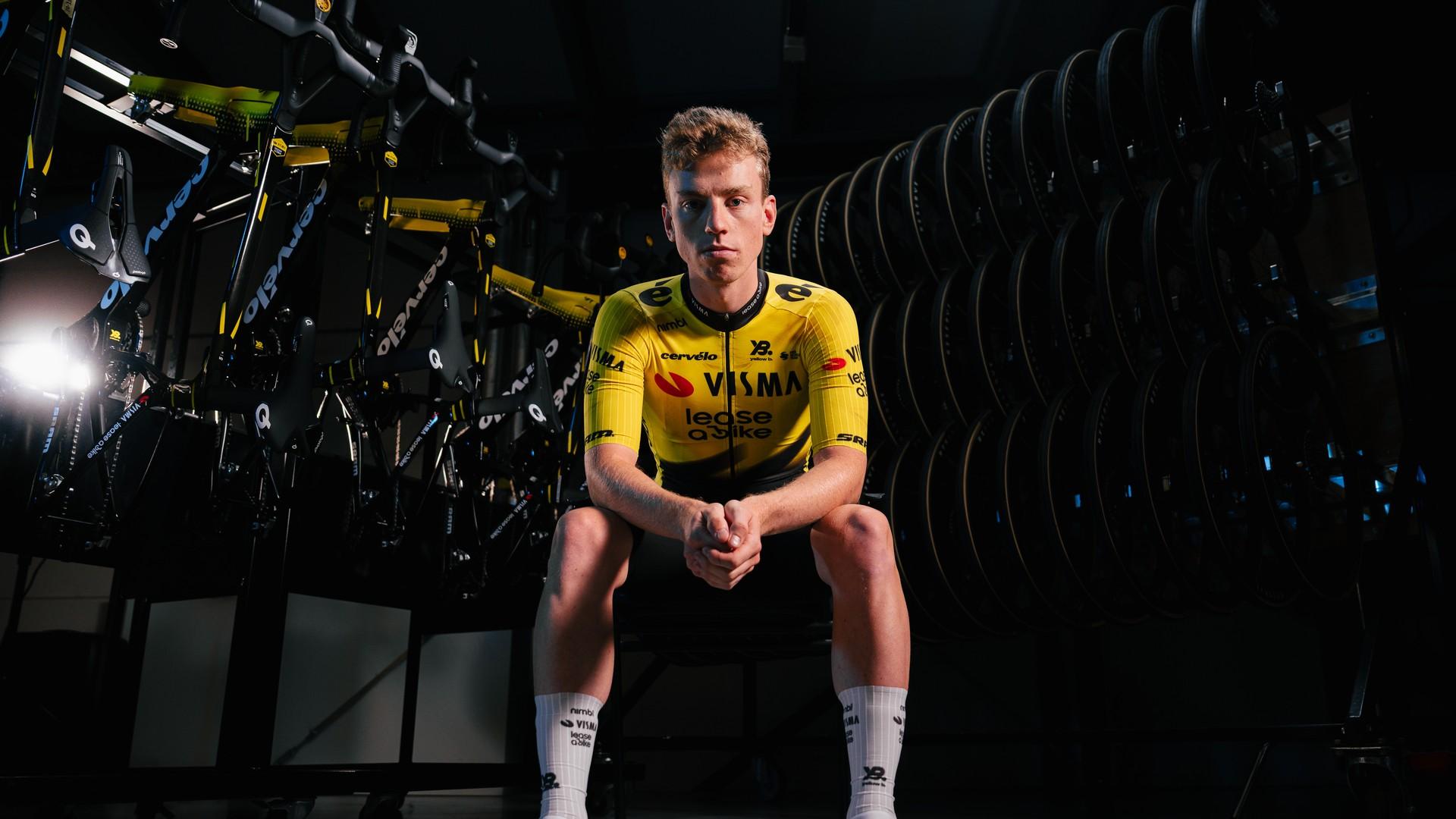
Defending champion Mads Pedersen (Lidl-Trek), who won from 56km out in 2025, announced he would not be attending on Saturday because of illness – 24 hours ahead of the race. That leaves Wout van Aert (Team Visma | Lease a Bike), Jasper Philipsen (Alpecin-Premier Tech), Filippo Ganna (Ineos Grenadiers), Biniam Girmay (NSN Cycling Team) and Arnaud De Lie (Lotto Intermarché) as potential challengers to Van der Poel. That spread of rider types, from long-range attackers to fast finishers, means the race can be won in at least three ways: crosswind destruction in De Moeren, attrition on the Kemmelberg, or a reduced-group sprint after the strongest teams cancel one another out.
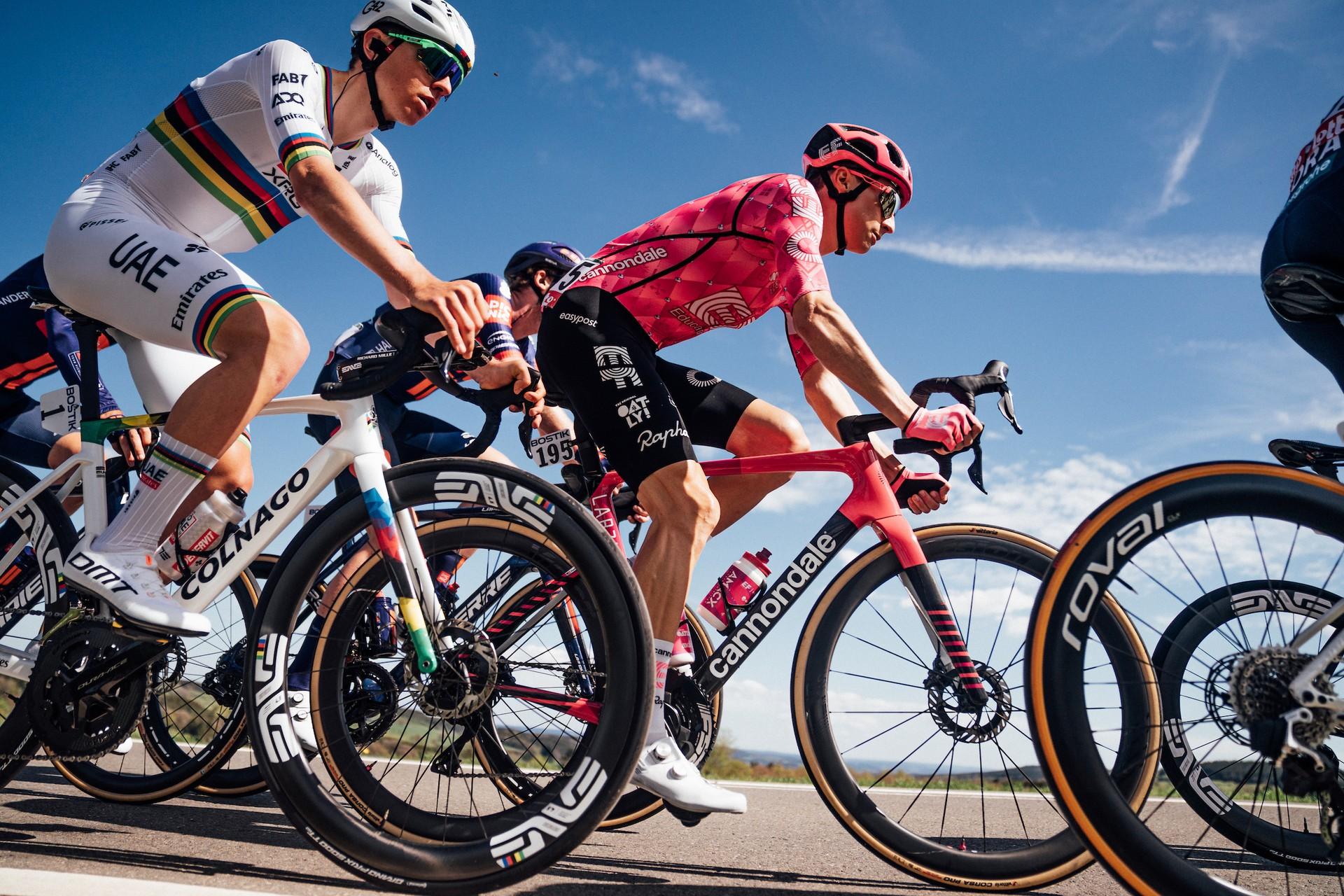
Seemingly the only rider capable of beating Van der Poel, Tadej Pogačar (UAE Team Emirates-XRG), is not on the start list, with his programme shifting towards the Tour of Flanders.
In Flanders Fields 2026 Full Startlist
Route
The 240.8km course starts in Middelkerke and finishes on Vanackerestraat in Wevelgem. The shift from the old Ypres start moves the exposed coastal and polder roads earlier, which matters because the route passes through De Moeren, the flat, open plain that has historically been the race's echelon trigger. If the forecast westerly wind holds, teams with numbers can split the peloton before the first climb.
Once inland, the Heuvelland sequence takes over: the Scherpenberg, Baneberg, and the first passage of the Monteberg and Kemmelberg open the attritional phase. The plugstreets, semi-paved sectors including Hill 63, Christmas Truce and The Catacombs, raise the puncture and positioning risk. The course then repeats the Monteberg-Kemmelberg and Scherpenberg-Baneberg sequences before the decisive final Kemmelberg from the Ossuaire side: 700m at 10.4% average with a maximum of 21.1%.
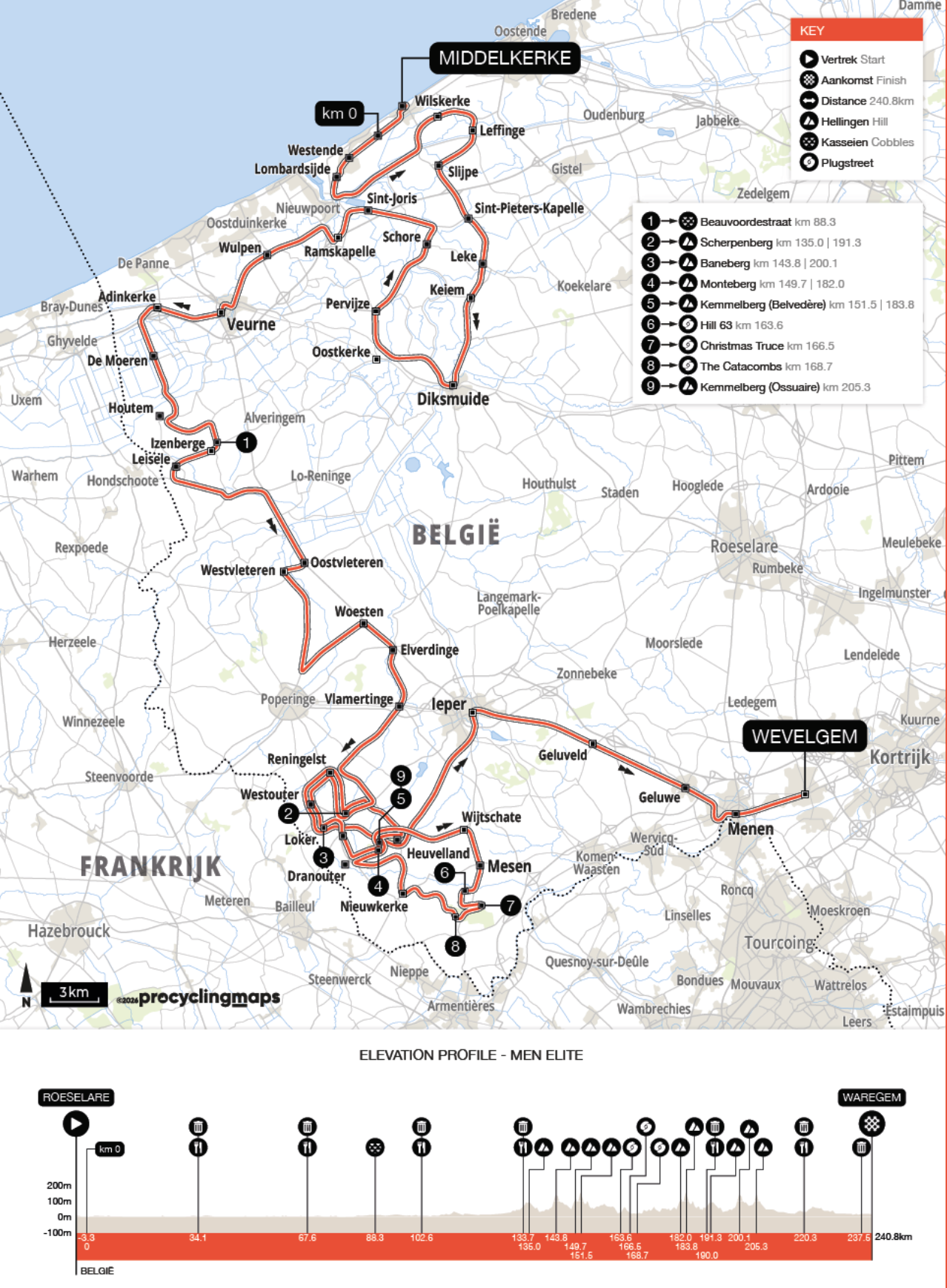
That final Kemmelberg is the last realistic launchpad for a winning move, but it arrives 35.5km from the finish. The long, flat run through Ypres and on to Wevelgem means a solo attacker needs enormous power and discipline to stay clear, while a chase group has enough road to organise. The route is selective but not self-finishing. Team depth and tactical patience matter as much as raw climbing ability.
Read our full explainer on how to watch In Flanders Fields here.
Race favourites
Van der Poel's E3 win showed sharp climbing punch and race-reading ability. On a course where the winning move often comes from sustained pressure rather than a single acceleration, he has the widest range of winning scenarios.
Van Aert finished third at San Remo. He is less likely than Pedersen or Van der Poel to force a decisive split alone, but if the final group contains five or six riders, his sprint from a selective race is a proven weapon. Christophe Laporte (Team Visma | Lease a Bike) gives Visma a second card for precisely that scenario.
Philipsen is the fastest finisher in the race if the bunch stays large enough, but the route is rarely kind to pure sprinters. He survives hills better than most fast men, and if Alpecin-Premier Tech manage Van der Poel's race carefully, Philipsen becomes a realistic fallback in a reduced group of 15 or more.
Among the wildcards, De Lie is explosive from a reduced group and does not need a full bunch sprint to win. Ganna's engine makes him a threat on the flat run-in if the stronger climbers hesitate. Matej Mohorič (Bahrain-Victorious) is the rider most likely to exploit disorganisation, capable of slipping away while the favourites watch one another.
Weather forecasts for Sunday indicate temperatures around 10–11°C with westerly to south-westerly wind near 27 km/h and patchy rain possible. That is enough to influence positioning through De Moeren and raise crash risk on the plugstreets, without guaranteeing full echelon carnage.
The most likely shape: early wind damage thins the field, the final Kemmelberg produces a small, strong group, and the winner comes from a late move or reduced sprint rather than a full-bunch finish.