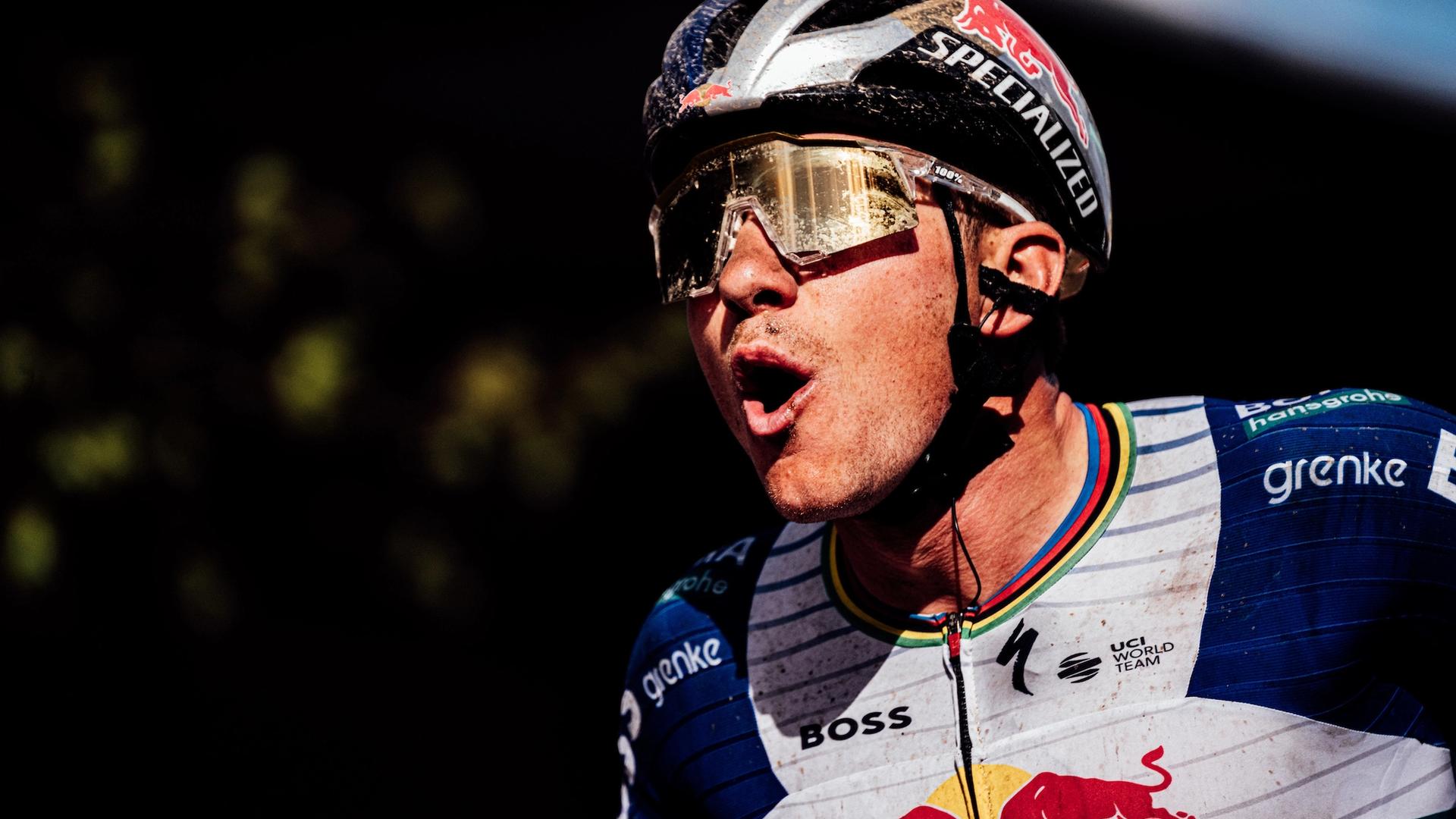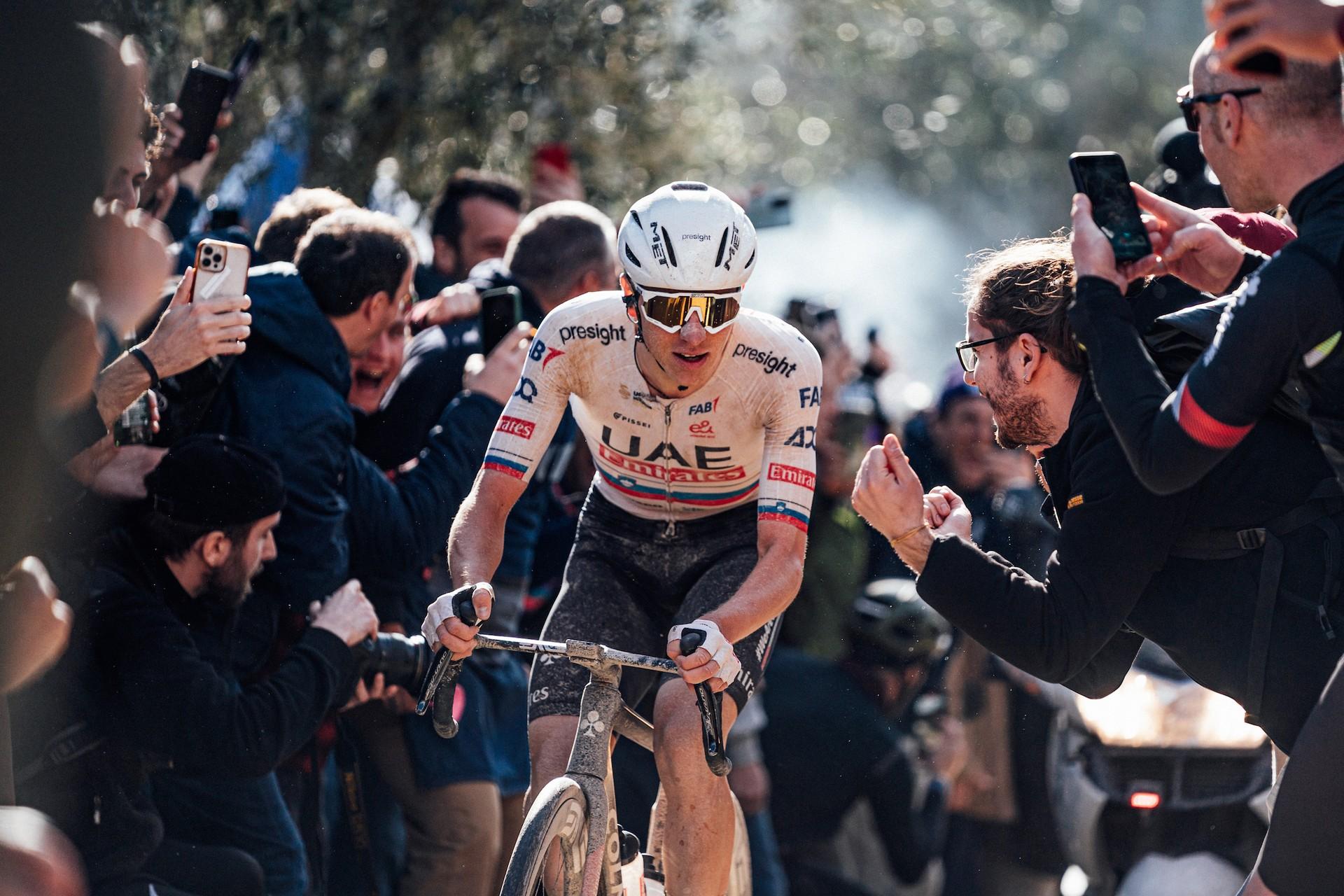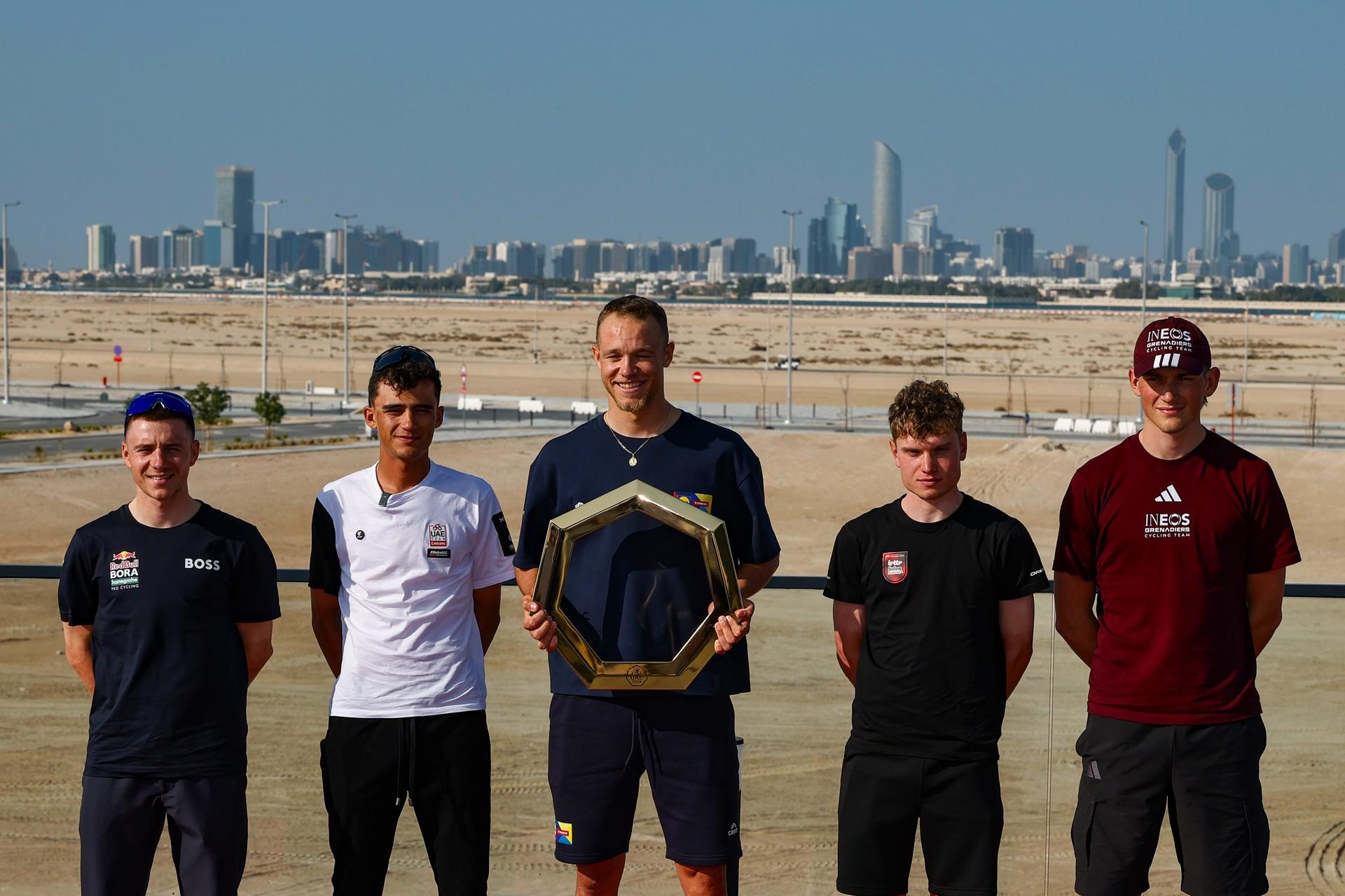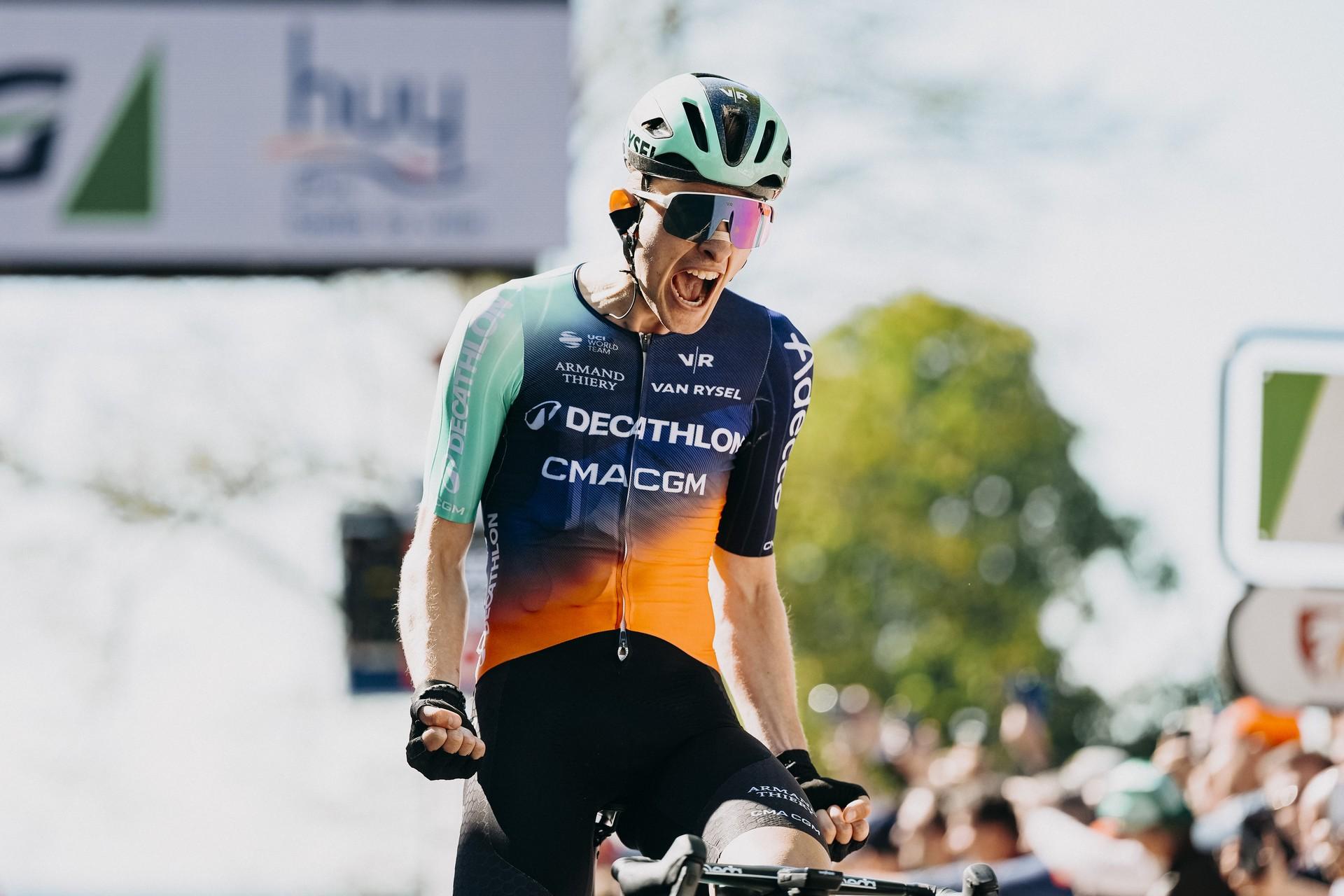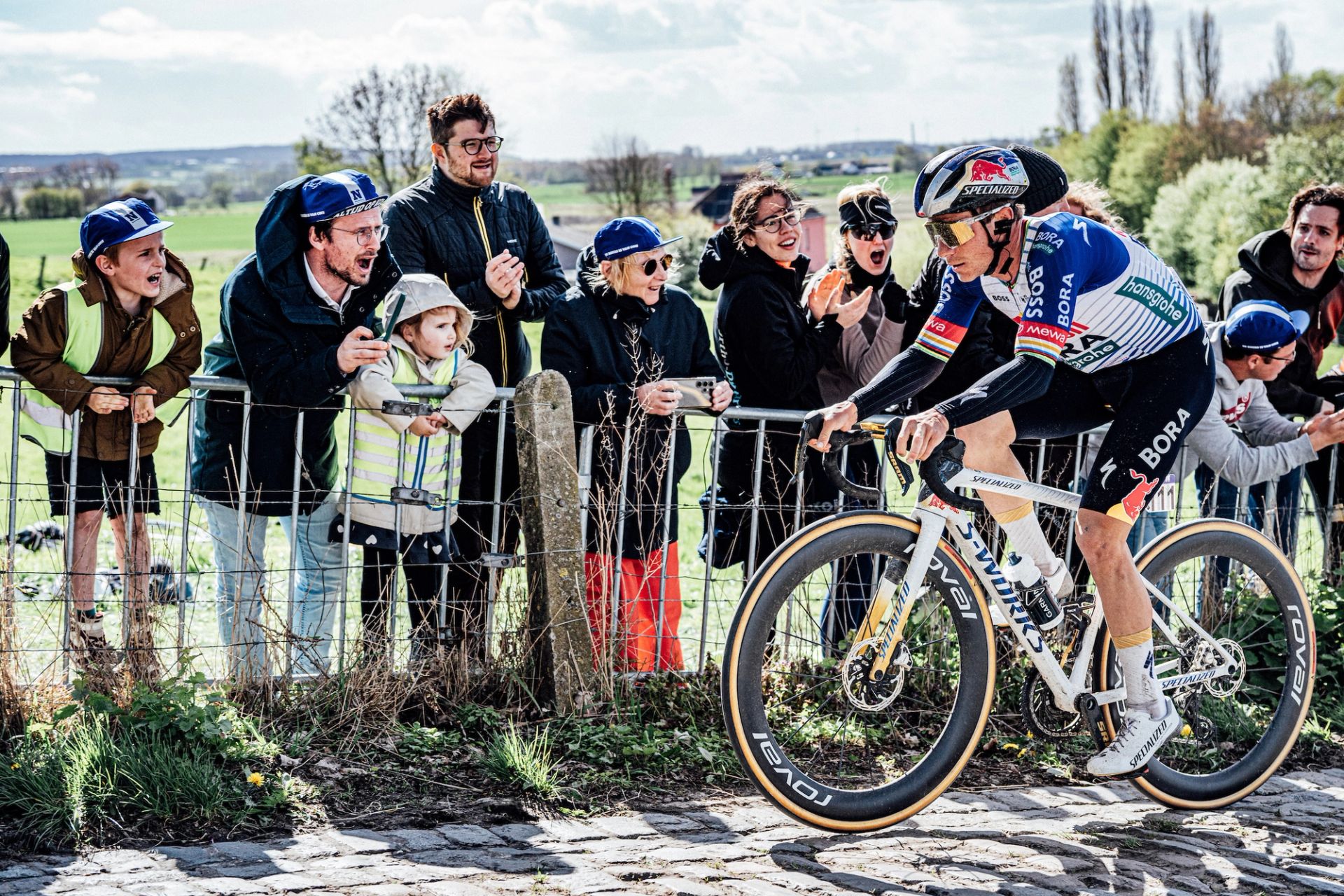
Remco Evenepoel (Red Bull-BORA-hansgrohe) comes into the 60th Amstel Gold Race as the race's clearest favourite, but with the absence of Tadej Pogačar (UAE Team Emirates-XRG), Mathieu van der Poel (Alpecin-Deceuninck) and recent Paris-Roubaix winner, Wout Van Aert (Visma-Lease a Bike), more eyes are on him to deliver.
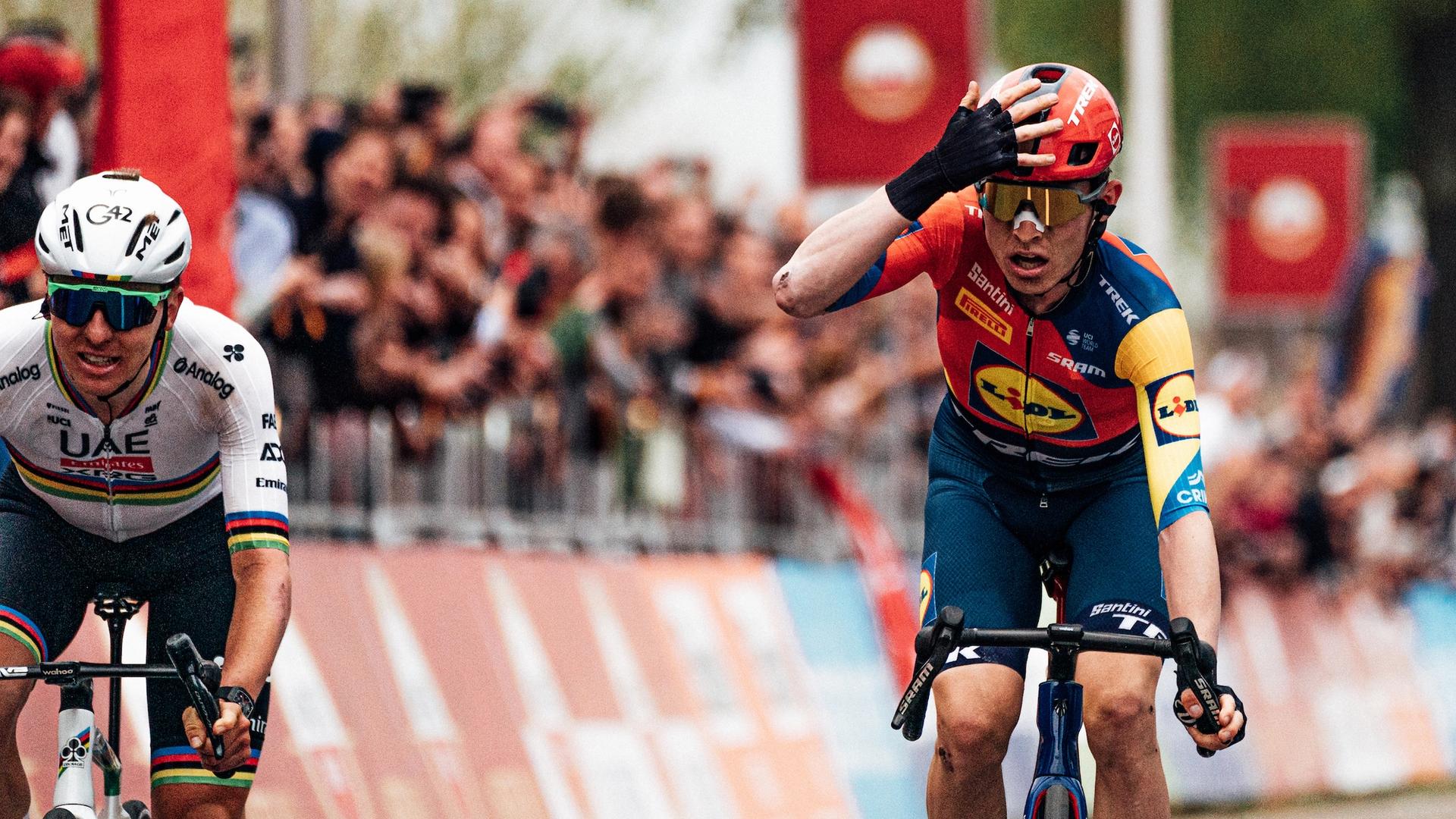
That said, surprise winner in last year's edition, Mattias Skjelmose (Lidl-Trek) is set to race to try and defend his title from last year where he won in a three-up sprint against the aforementioned Pogačar and Evenepoel after they chased down the world champion in the final few kilometres of the race. Along with Skjelmose is a long list of superstars that will surely challenge for the win against challengers such as Matteo Jorgenson (Visma-Lease a Bike), Ben Healy (EF Education-EasyPost), Romain Grégoire (Groupama-FDJ United), among others.
The finale to the race sees the return of the Cauberg right at the very end of proceedings with the summit coming at, depending on which part of the race website you look, with 1.7km or 2.5km to go – we feel confident it's probably 1.7km. Either way, it will be back to being the deciding factor in a race that has seen monumental attacks from the likes of Philippe Gilbert in the past.
Startlist: 174 riders
The Limburg grind
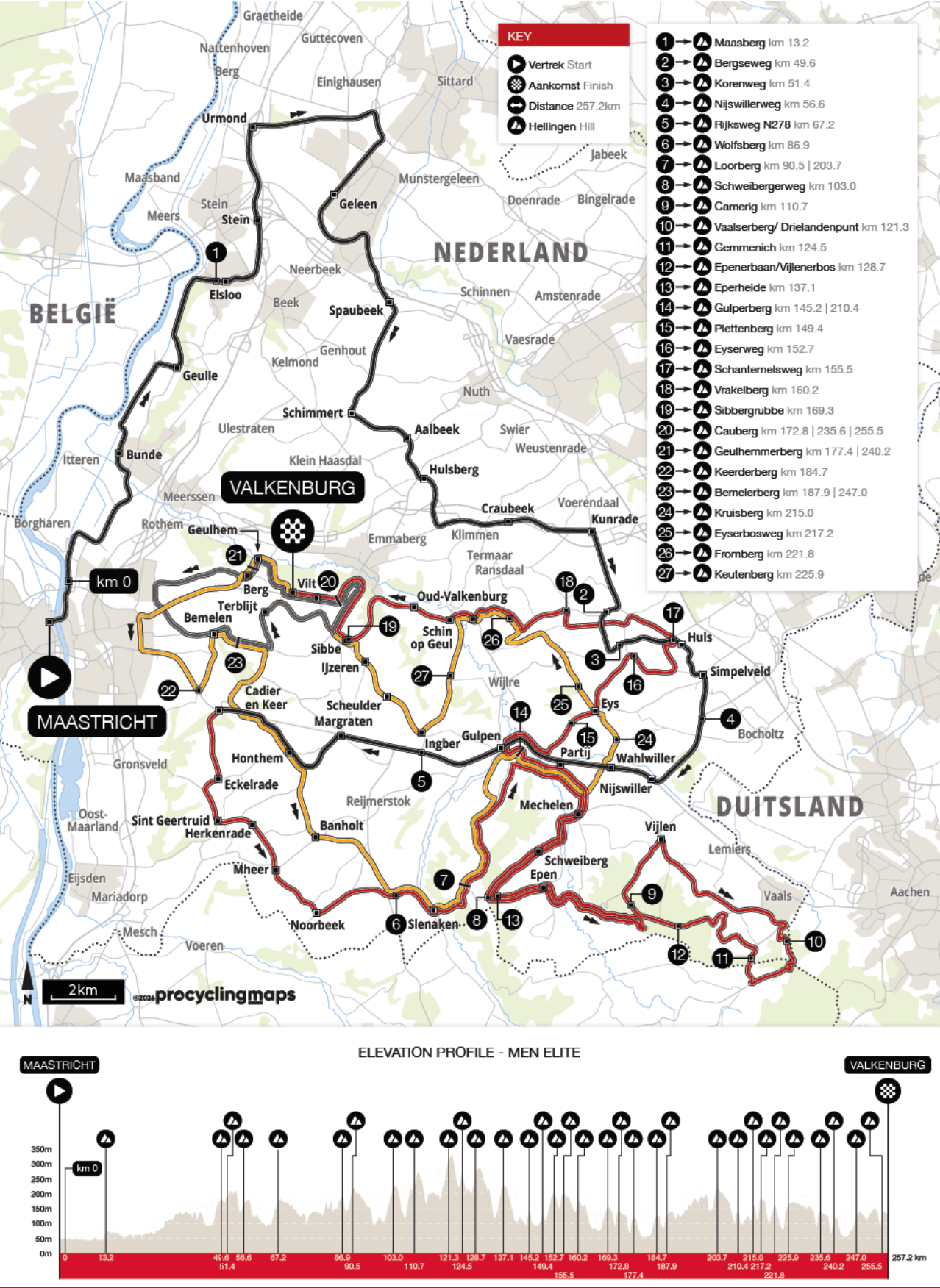
The 257.2km course winds from Maastricht to Berg en Terblijt across 33 climbs and more than 3,400 metres of ascent. The early sections are attritional rather than explosive, but the race does not really begin until the riders reach the south Limburg punch-ups in the final 50km. The first tactical marker is the Cauberg with 84km remaining. From there, five climbs come in a tight cluster: Gulperberg, Kruisberg, Eyserbosweg, Fromberg and Keutenberg, the last with ramps to around 16%. That steepness is enough to force gaps but not always enough to finish the job; the climbs reward riders willing to commit but also punish those who attack too early.
The final 19.9km circuit contains the Geulhemmerberg, Bemelerberg and the Cauberg again. It is the race's most important design feature, because it forces repeated small decisions under fatigue rather than one single all-in moment. The likes of Evenepoel, Skjelmose and Jorgenson suit this style of racing well.
Contenders and team shape
Matteo Jorgenson is a clear podium contender, he has shown solid form so far this year with a second place in GC at Tirreno-Adriatico before being at altitude since then as he builds to the Ardennes as one of his key focuses this season. He also comes to the race with on form teammate Ben Tulett who was showing well before having to leave Itzulia Basque Country due to illness.
UAE Team Emirates-XRG listed Del Toro and Christen on the provisional startlist, however, the team's social media squad announcement on Thursday confirmed they will not be racing – both riders are recovering from injury. Without them, Benoit Cosnefroy has shown he is built for this sort of racing, but has played more of a domestique role since joining. Pavel Sivakov and the returning Tim Wellens both prove dangerous options as well.
Ben Healy (EF Education-EasyPost) is an unpredictable and aggressive rider that his rivals should be wary of. Allow the Irishman any space off the front in the final 50km and you may never catch him. Romain Grégoire (Groupama-FDJ United) has the punch and positioning for a reduced finish and seems to be building towards a big result. Kévin Vauquelin (INEOS Grenadiers) blends climbing with a sharp kick and has been riding well in his new home and fought back well to take 10th in GC in the Basque Country after a disappointing start. Julian Alaphilippe (Tudor) remains dangerous on rolling, technical finishes.
Tom Pidcock (Q36.5 Pinarello Racing Team) won the race in 2024 and would have been a major favourite in this edition, however his recovery following his crash at Volta a Catalunya remains uncertain and he is not on the startlist.
What to expect
Weather forecasts suggest a race run in mild conditions around 14–18°C with light winds and only a small chance of afternoon rain. That removes weather as a major variable; positioning and timing on the climbs become the story.
The most plausible race pattern is a steady reduction in numbers through the Limburg climbs, followed by a series of short-lived attacks from the strongest riders in the final 35km - which is where we recommend watching the race if you're short on time. The Keutenberg is steep enough to force gaps, but the final Cauberg is the most decisive moment, albeit a launchpad rather than a finish-line guarantee.
Evenepoel brings a strong combination of current form, repeatability and finishing speed. Skjelmose deserves second-choice status because the route already matches his winning template. Jorgenson is the clearest podium outsider if the race becomes tactical rather than purely explosive.