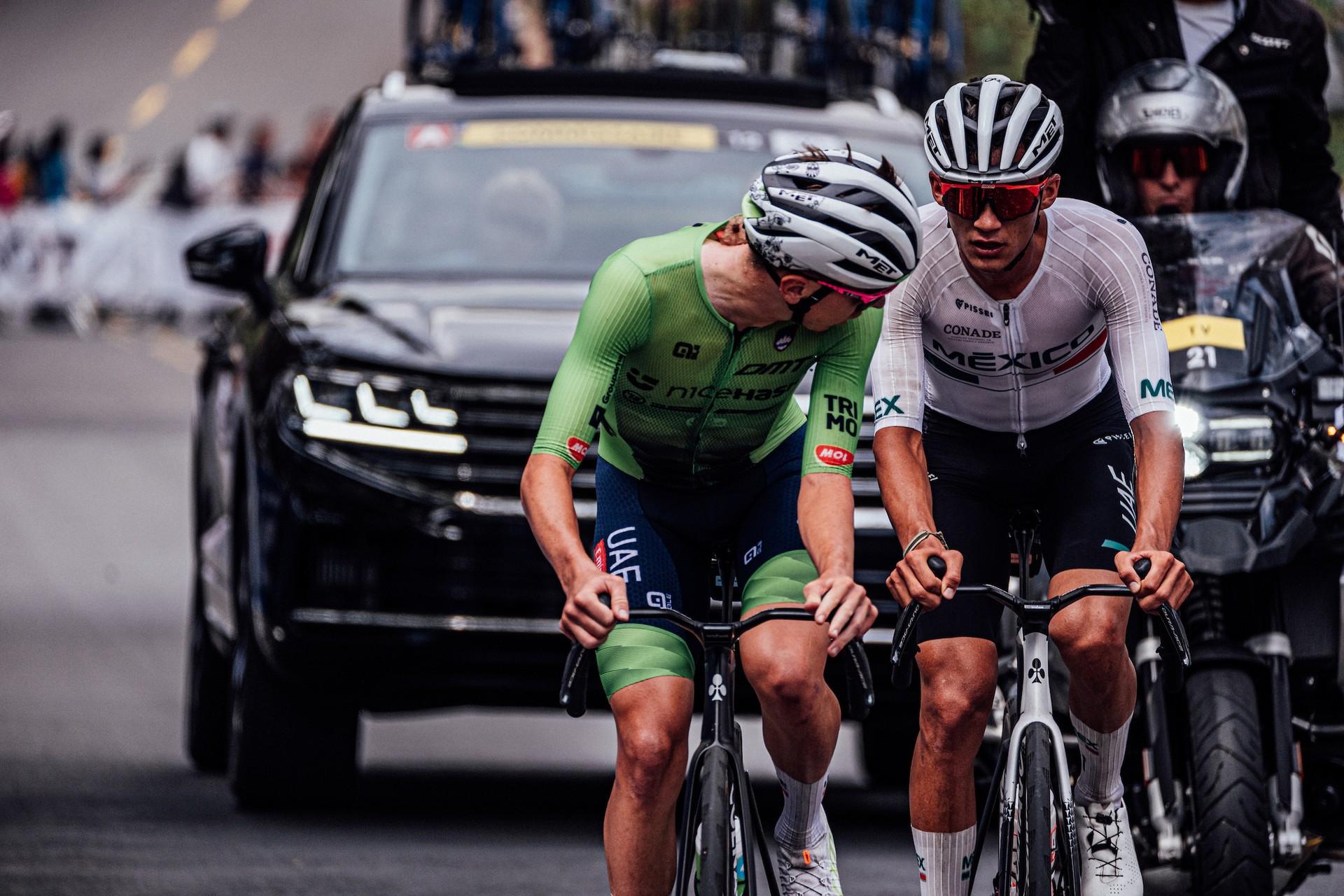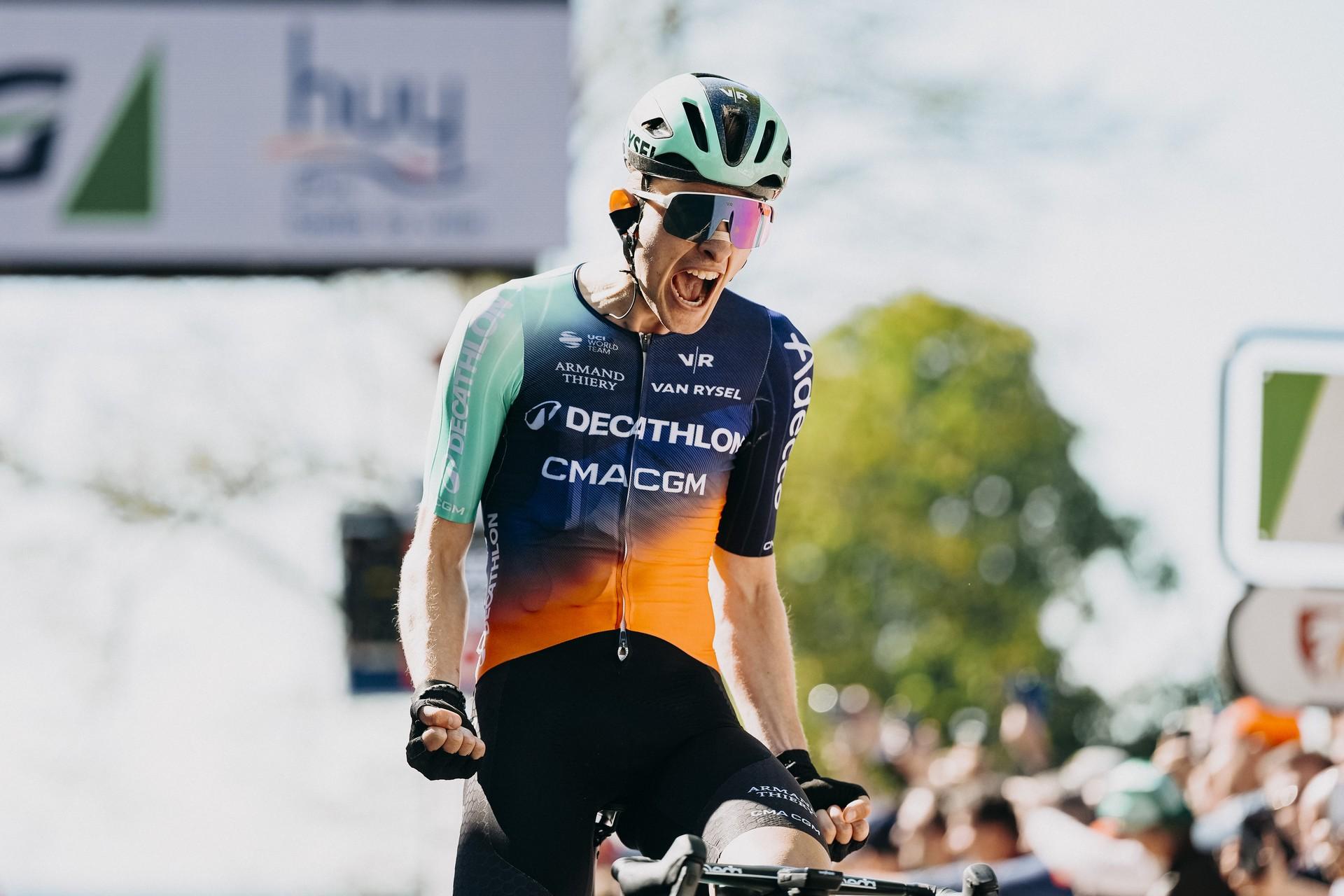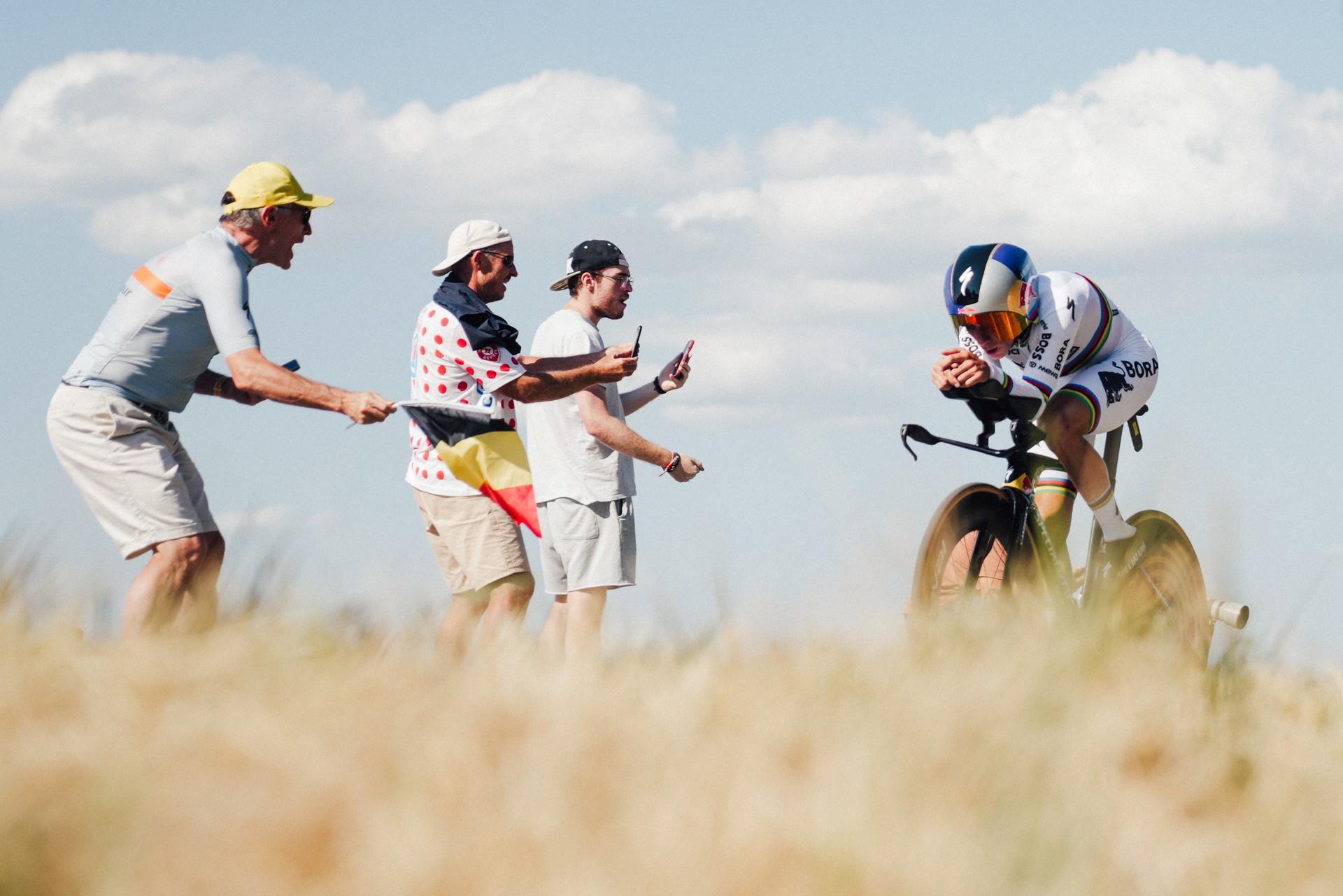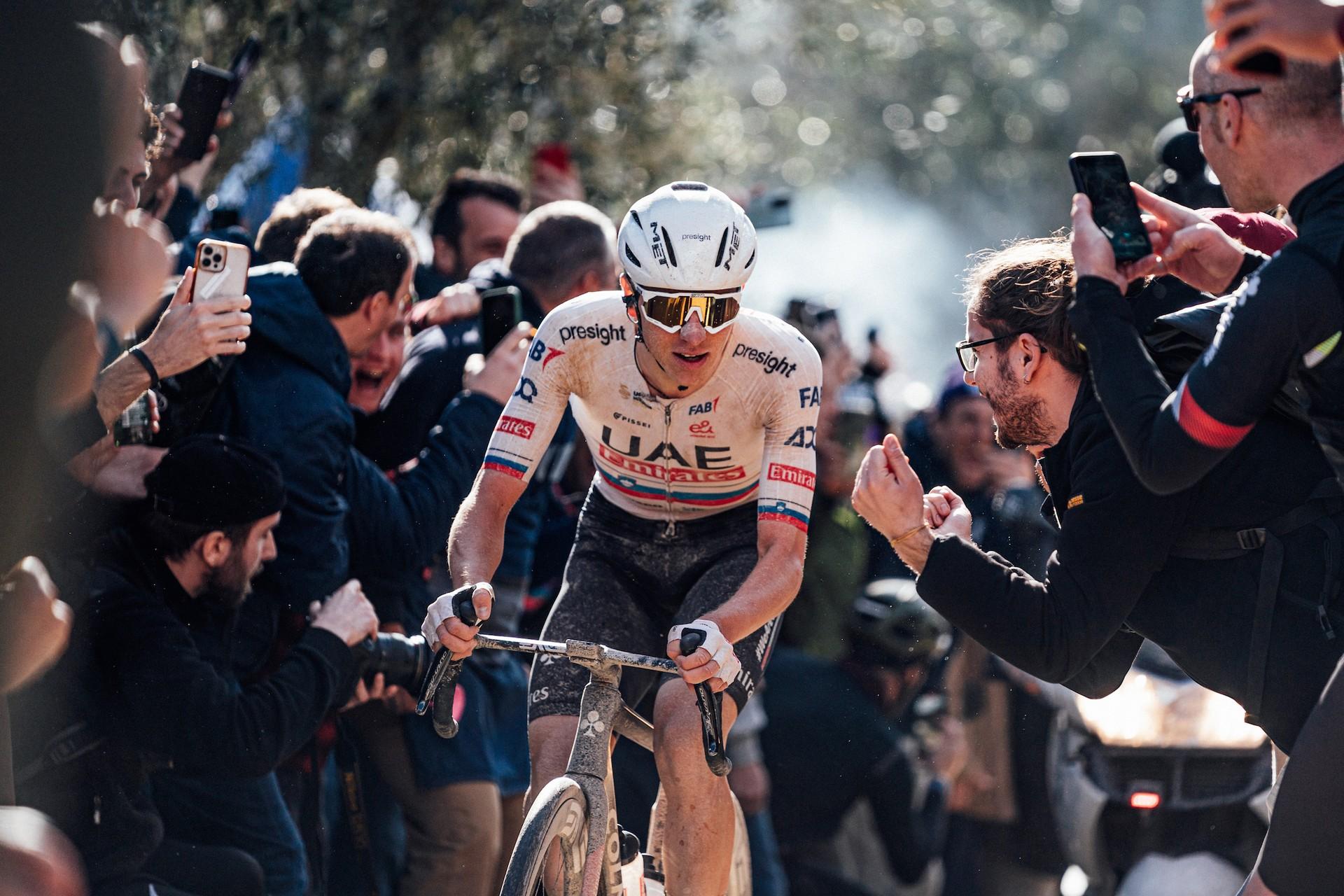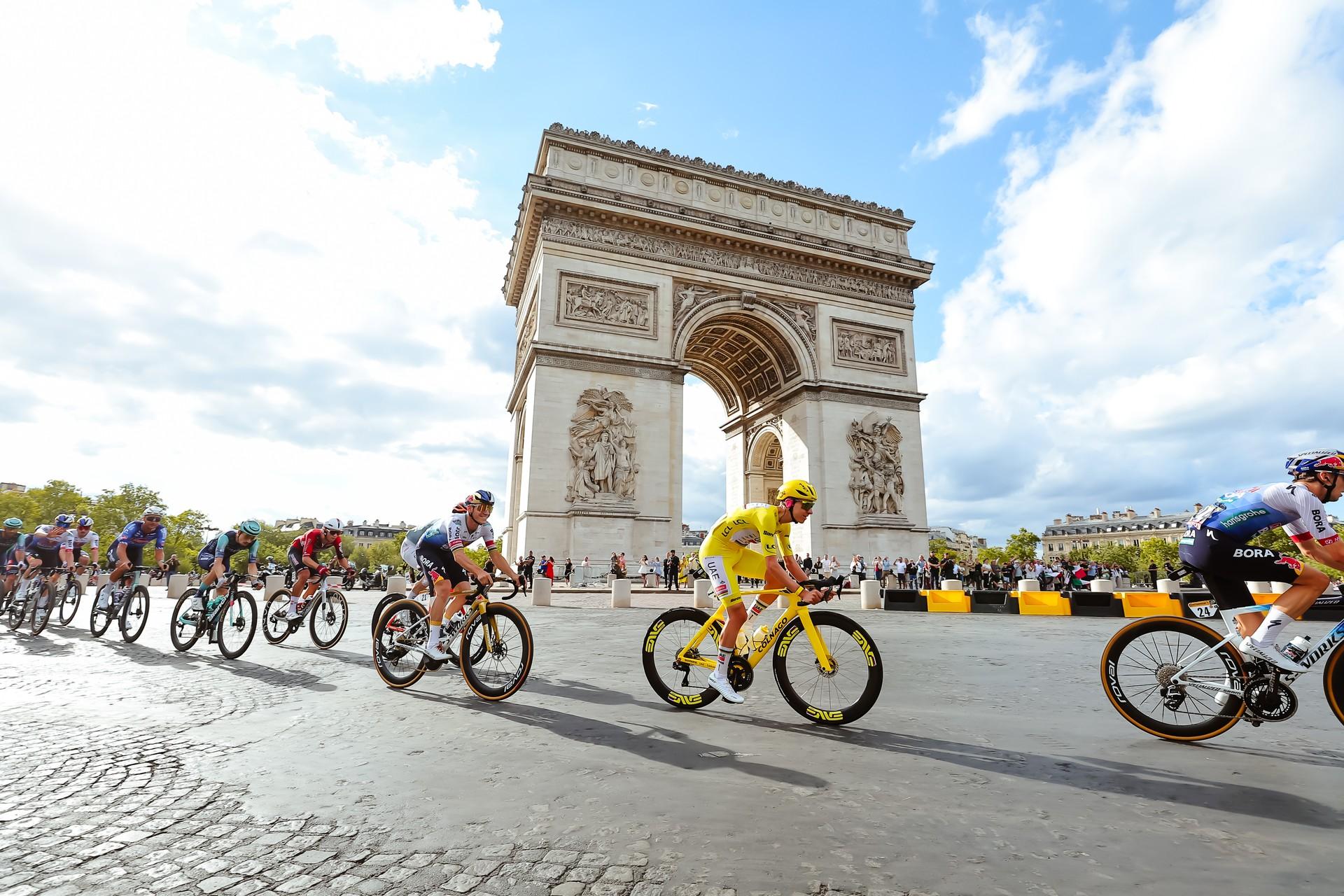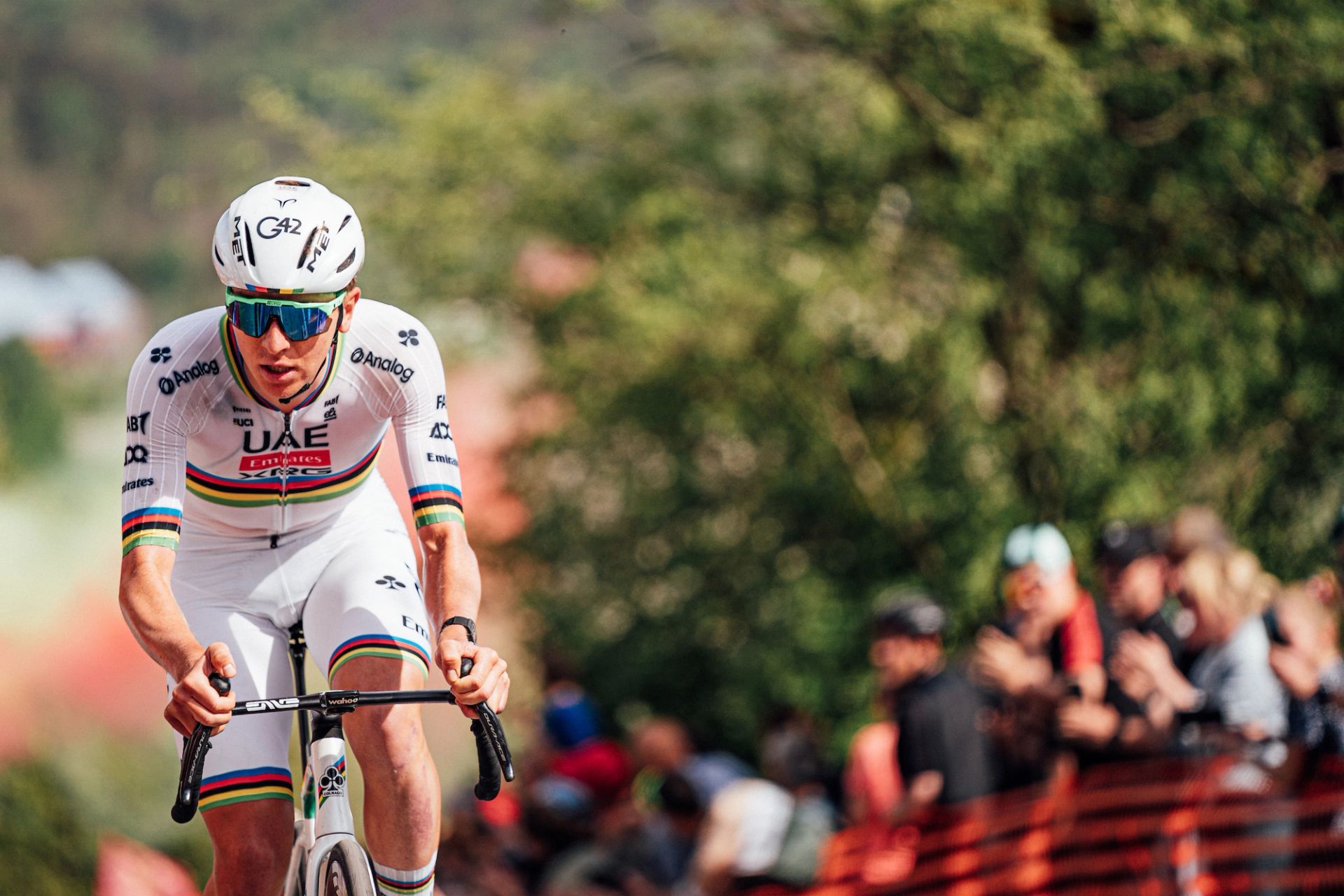
Tadej Pogačar (UAE Team Emirates) starts Sunday's 259.5km Liège-Bastogne-Liège as the clear favourite to win a third consecutive edition, but we enter the 112th edition of La Doyenne with the most exciting dynamics of the Classics so far – largely as a result of Paul Seixas' presence at the race presenting a battle of two prodigies.
Adding to the tension, Remco Evenepoel (Red Bull-BORA-hansgrohe) arrives off an Amstel Gold Race victory on 19 April, days before Paul Seixas became the youngest winner in Flèche Wallonne history on Wednesday. It means Pogačar faces two rivals in flying form.
The race is also shaped by who will not be there. Ben Healy (EF Education-EasyPost) has been ruled out of the entire Ardennes block with a non-displaced sacral fracture. Marc Hirschi (Tudor) fractured his clavicle in La Flèche Wallonne and will not start. Matteo Jorgenson (Visma | Lease a Bike) crashed at Amstel Gold Race and also fractured his clavicle.
Maxim Van Gils and Gianni Moscon are both withdrawn from Red Bull-BORA-hansgrohe's lineup. These absences remove general favourites, as well as riders who have historically animated the race and made decisive impressions.
The Liège 2026 route and where it should split apart
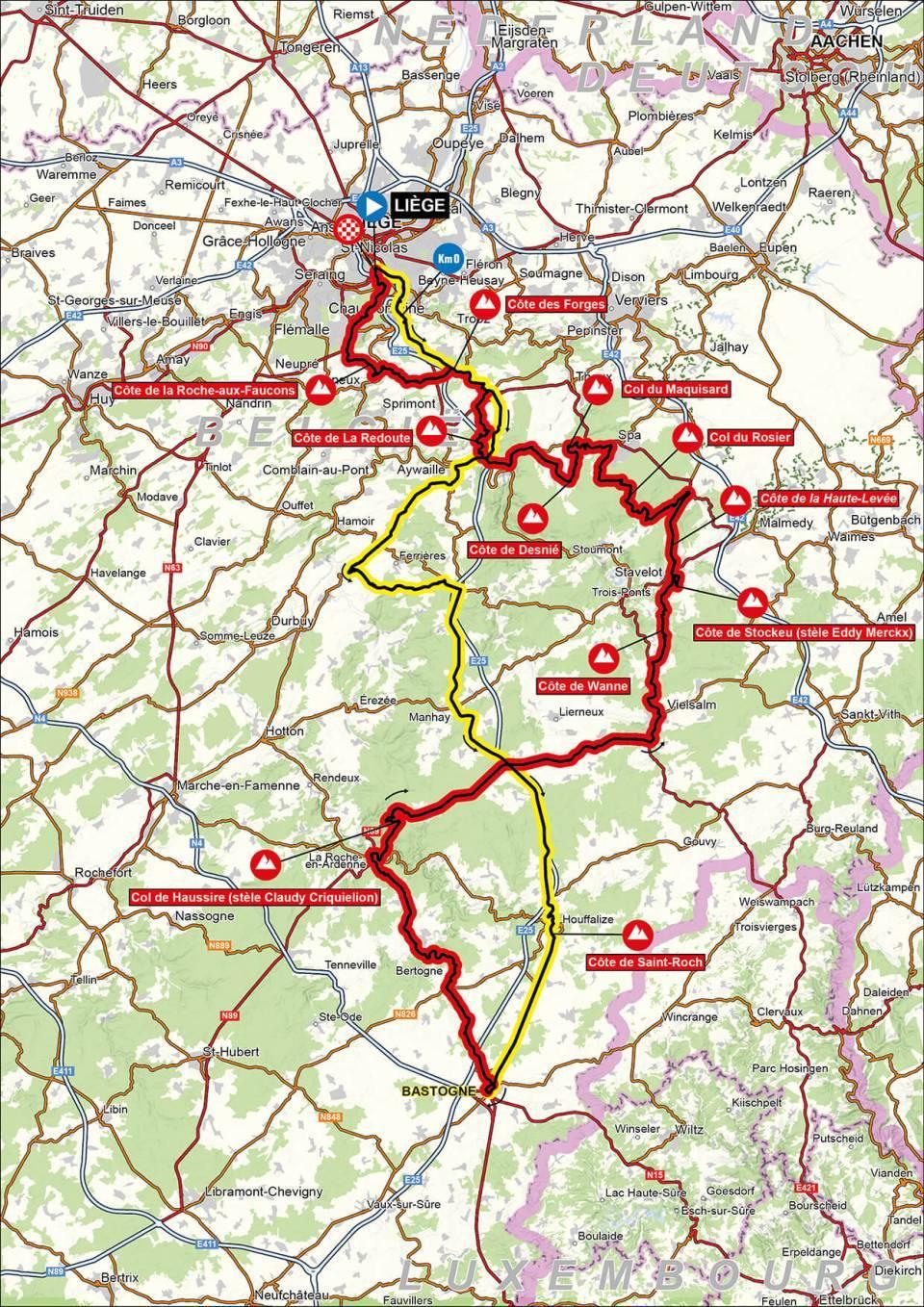
The route follows the familiar north-south-north Ardennes loop, with the peloton leaving Liège, reaching the Bastogne turn at roughly 96.6km, then heading back through increasingly testing terrain. The first real sting comes at the Côte de Saint-Roch at 83.7km, a short ramp of around 1km at 11.2% that seldom decides the race but can catch out poorly positioned riders.
After Bastogne, the course builds pressure through the three-climb block that typically strips domestiques and pure puncheurs: Wanne (3.6km at 5.1%), Stockeu (1km at 12.5%) and Haute-Levée (2.2km at 7.5%). These arrive in quick succession and drain energy disproportionately from riders who lack deep climbing reserves. The Côte du Rosier follows at roughly 63.3km to go, 4.4km at 5.9%, and by its crest the peloton is usually too fatigued to fully reorganise.
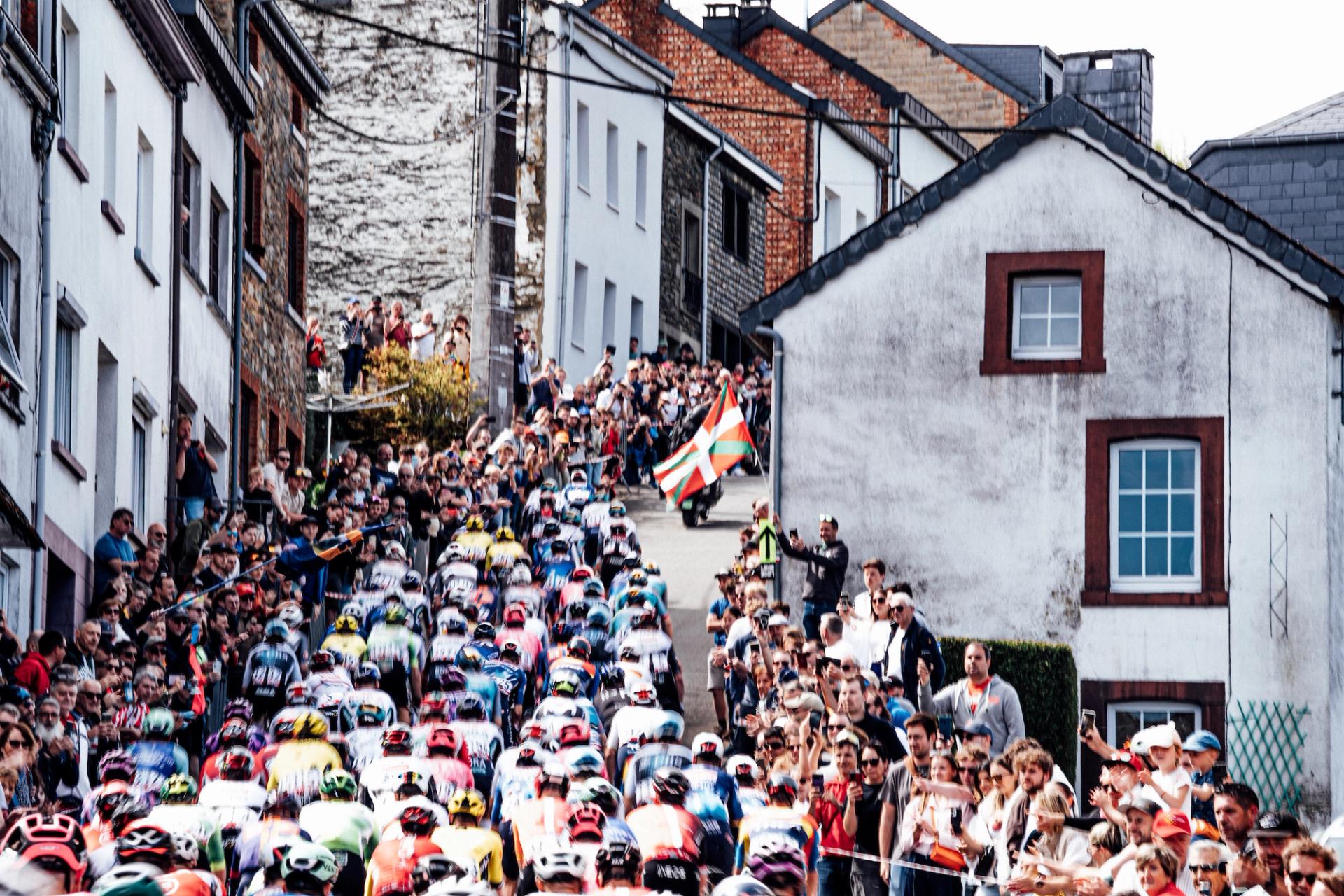
However, the race is almost always decided on La Redoute with 34km to go. Pogačar has gone clear there in his two most recent victories, as has Evenepoel when he took his two wins.
Last year, Pogačar just casually rode off the front looking like he wasn't even trying, leaving his rivals floundering in the early gradients of the famous old climb. The closest riders to the world champion at the finish were Giulio Ciccone (Lidl-Trek) and Healy just over a minute down.
But if Pogačar hasn't soloed away like everyone expects on La Redoute, then the climb of Roche-aux-Faucons with 13.3km to go, boasting an average gradient of 11% and kicks well above that, will become the decisive launchpad. This often sorts out the podium places behind the Slovenian, but should he come to this climb with Evenepoel and Seixas then it could all come down to that final kick.
All three of them have a snap acceleration with Pogačar likely being the most brutal. Yet Evenepoel showed at Amstel Gold Race that he has a huge amount of explosive power in a sprint – it looked like Mattias Skjelmose (Lidl-Trek) was standing still in the two-up sprint in Valkenburg. Seixas, by contrast, isn't slow by any means, but he doesn't quite have the snap of the others, preferring a long, drawn-out upping of the tempo that likens him to Jonas Vingegaard.
Liège favourites – Pogačar and the men chasing him
Liège-Bastogne-Liège 2026 startlist
Pogačar is the benchmark: he won Liège in 2021, 2024, and 2025. The most recent two came from long-range moves that saw him absolutely dominate the rest whereas in 2021 he was just beginning in his powers and won in a sprint against four others. His sprint has been near perfect with a win in every single race but one, where he finished second behind Wout van Aert at Paris-Roubaix.
Evenepoel is, of course, a key rival for Pogačar in this fight and the world champion is clearly wary of the Olympic champion. This was shown at the Tour of Flanders where Pogačar worked hard with Mathieu van der Poel (Alpecin-Premier Tech) to make sure the Belgian did not come back into the fold. He looked in commanding form at Amstel Gold Race with his team controlling the entire day. He took an amazing Flanders debut podium and looked strong on the hilly and flat terrain at the Volta a Catalunya but lacked the high mountain form to be close to the other favourites. He does tend to overwork, though. And he loses his rag very easily when rivals play the clever tactical game when he just wants to go toe-to-toe with them in a fair fight.
Seixas is in masterful form this season with only Pogačar himself as well as injured Juan Ayuso (Lidl-Trek) able to beat the French teenager. The only time that Seixas has faced Pogačar this year he finished behind him in second place at Strade Bianche at exactly a minute down at the Piazza del Campo in Siena. He looks like he has built on his form winning in dominant fashion at Itzulia Basque Country as well as at La Flèche Wallonne. The big question is, can he get close to Pogačar yet or does he still need some time to mature as a rider?
Skjelmose's spring has been uneven, but his Amstel runner-up finish and ability to handle a hard Ardennes finale keep him in the frame. He is most dangerous if the race is hard but not quite explosive enough to follow Pogačar or Evenepoel as they ride clear. He has shown that he can beat both, though. He won Amstel last year in a three-up sprint against the two giants of the sport.
Tom Pidcock (Pinarello-Q36.5) is an intriguing wild card. He is confirmed to start after his recovery from a ravine crash in Catalunya and showed enough at the Tour of the Alps to win a stage, but he has been candid about his limitations. “I am really not in the best shape,” Pidcock said. “It will be difficult.” With the short sharp ascents and technical descents, it wouldn’t be wise to count the Yorkshireman out, but he has shown he doesn’t have his best form, losing around six minutes on the mountain stage to rivals who, with respect, are a level below Pogačar.
Ciccone will be hoping he can be strong enough to be involved in the podium fight yet again after his second place last year. Meanwhile, Kévin Vauquelin (Ineos Grenadiers), Romain Grégoire (Groupama-FDJ United), Lenny Martinez (Bahrain Victorious), Ben Tulett (Visma | Lease a Bike), Lennert Van Eetvelt (Lotto-Intermarché), Alex Baudin (EF Education-EasyPost), among many others, will be hoping to be involved in the fight for at least a top five but, really, the full focus is on when will Pogačar go and how much will he win by.
Conditions and likely race shape
The forecast on Sunday points to a cool start to the day in the Ardennes, with highs in the mid-teens Celsius in Liège and slightly lower around Bastogne. April weather in the Ardennes is changeable, and rain remains a real possibility - that could make the race more tense, and earlier attacks likelier.
The most probable scenario is a conservative first half that turns serious from Rosier onwards. Pogačar is the rider most likely to force a split on La Redoute or immediately after it. Evenepoel is the rider most likely to answer. If both watch each other too long, Seixas, Pidcock or Skjelmose become the beneficiaries on the flat run-in, where a small group can co-operate and turn the race into a tactical sprint.
Pogačar has earned the favourite's tag through two years of dominance on these roads. Whether Evenepoel's Amstel momentum and Seixas's Flèche firepower are enough to rewrite the script depends on whether they can survive La Redoute without burning their last match before Roche-aux-Faucons.