Before I started cycling seriously, I considered one bike light much the same as another. I’ve since learned otherwise. A front bike light for streetlit commuting has a different job from one used to descend an unlit country lane. In town, a compact body and a beam that avoids dazzling other people can be more useful than maximum output. Away from street lamps, the distance you can see and the width of the illuminated road become much more important.
I’ve used countless lights over the years, from £5 clip-on ones that were barely visible to powerful torches and dynamos for overnight rides across mixed terrain. It’s clear that the price of decent quality lights has come down a lot in recent years. Having a light that can genuinely illuminate the road ahead is accessible to everyone now.
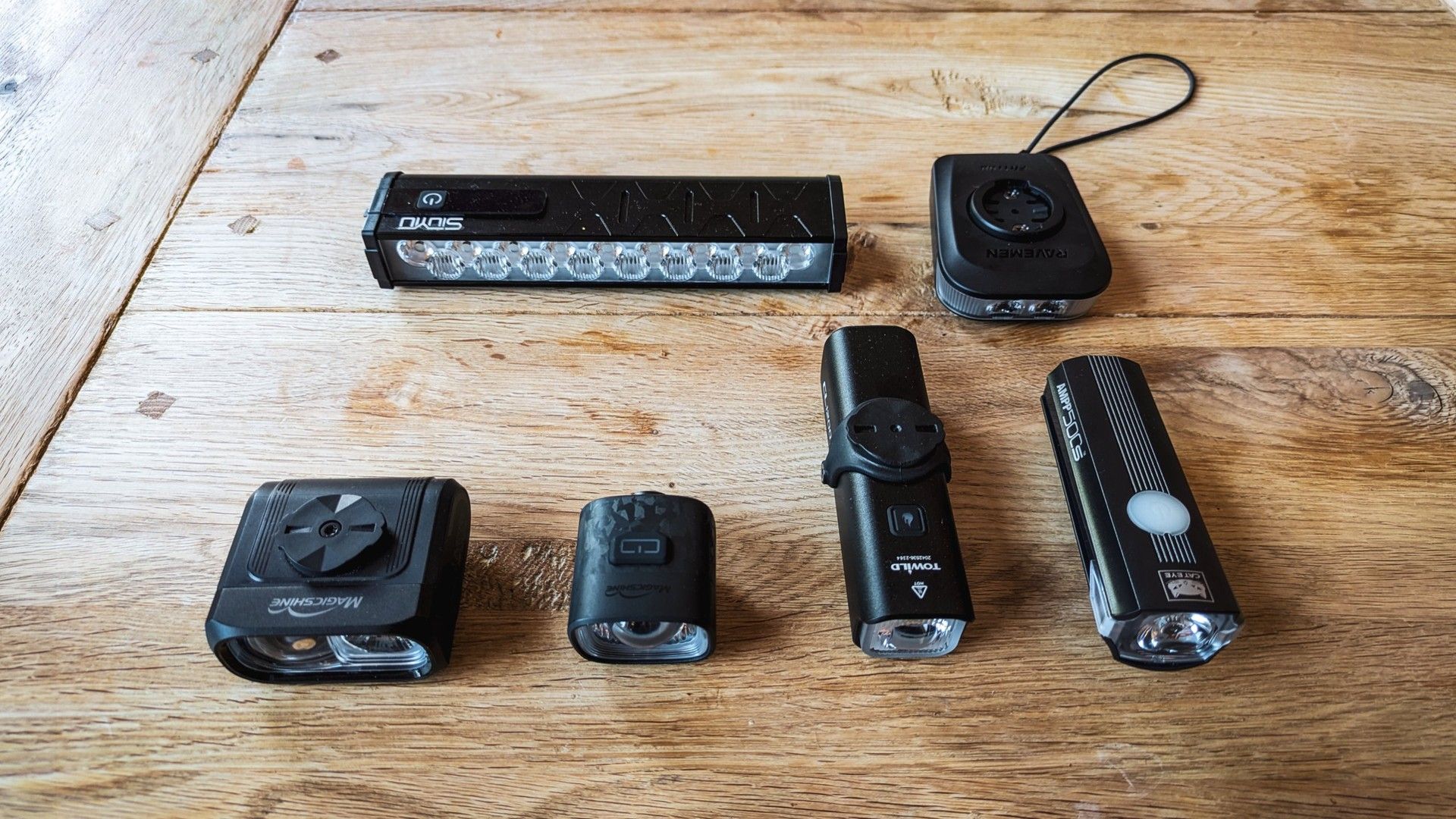
So we found six of the highest rated, good value lights, all of which available on Amazon, and put them through their paces to see which ones are worth your money. Our picks below match each light to the riding it does best, with beam performance, runtime, mounting and weight considered alongside the headline lumen figure.
Buyers guide

Best standard-sized beam
Ravemen FR 1100 SE
- +1,100 lumens
- +119g
- +1.8 hours at full power, tested
For faster unlit-road rides
Hori 1300 Front Light
Magicshine
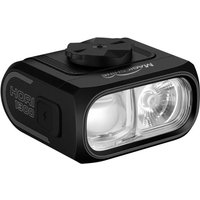
- +1,300 lumens
- +150g tested
- +Two-hour runtime claimed
Battery-first choice
Towild CL1200
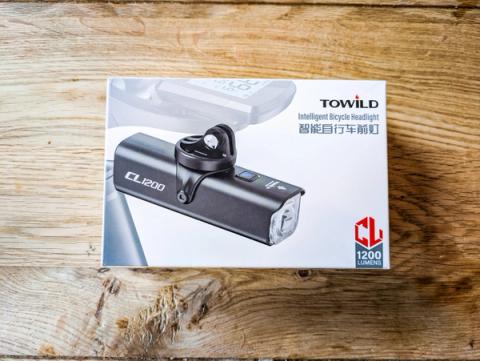
- +1,200 lumens
- +176g tested
- +2h 45m runtime claimed
Streetlit commuter pick
Magicshine URBO FL
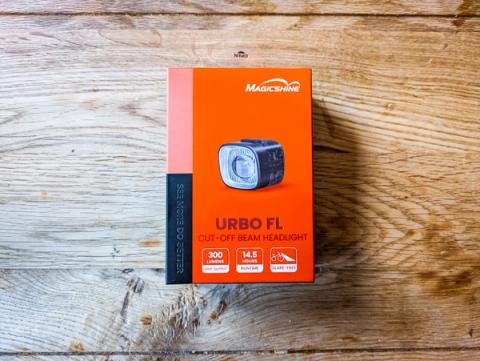
- +300 lumens
- +48g
- +Three-hour runtime claimed
Limited dark-road option
AMPP 500S Lumens USB Rechargeable Front Light
Cateye
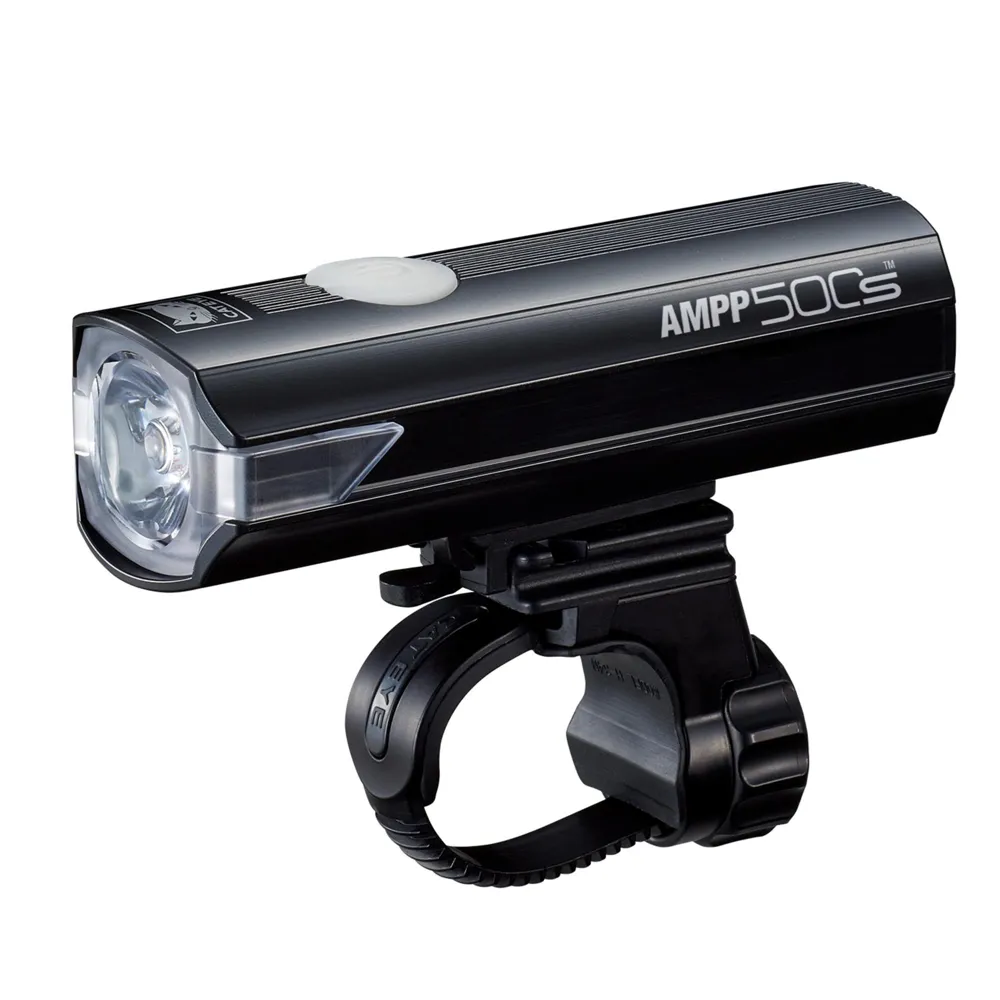
- +500 lumens
- +98g tested
- +1.5-hour runtime claimed
Most illumination in our test
Siuyiu W617
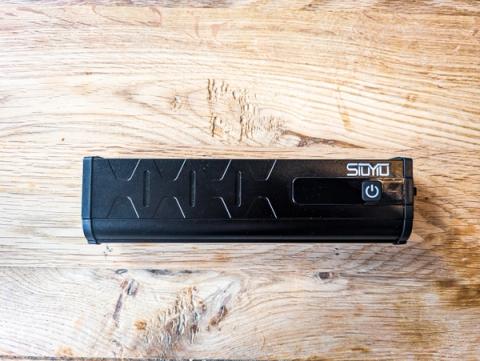
- +4,800 lumens claimed, unverified
- +310g tested
- +Runtime not verified
To find out which lights genuinely help once the street lamps disappear, we rode all six on the same unlit route in the same conditions. There is no single best light for every ride, though. A neat commuter model may be perfect beneath street lamps and unnerving on a dark descent; a powerful road light can feel excessive in traffic.
Bike light brightness and beam shape
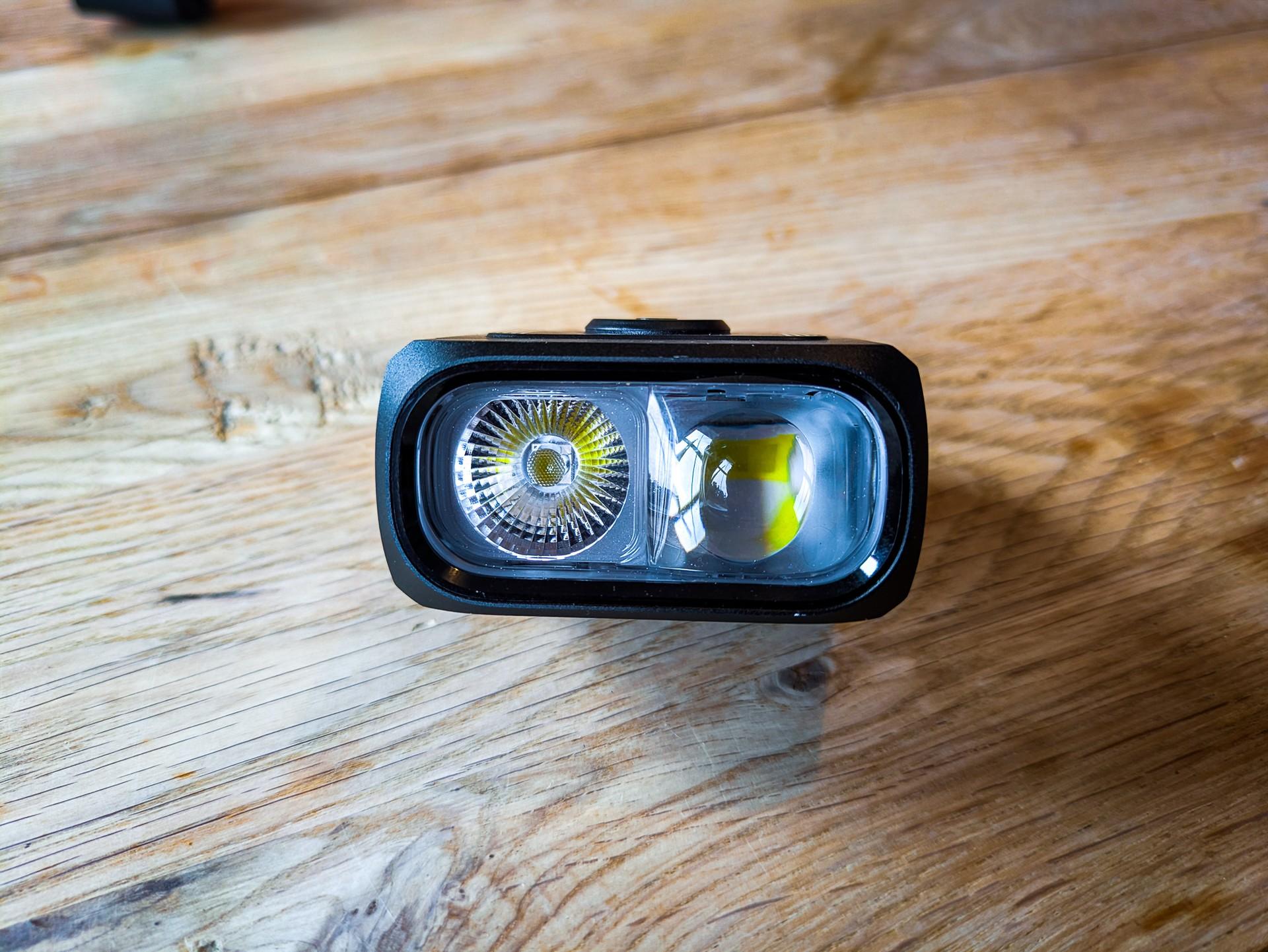
A bright patch immediately ahead can leave the verge or the next bend difficult to see. The Ravemen spread its output evenly across the road and into the distance, making it more useful in complete darkness than a higher lumen number alone would suggest. The Towild was reasonably even nearby but faded sooner farther ahead.
The compact URBO clearly illuminated roughly 10m in our test before its beam fell away. Useful for low-speed manoeuvring on an otherwise lit journey, but leaves too little warning of potholes for faster riding in darkness. Its sharp upper cut-off also helps keep light away from approaching road users. With great output comes great responsibility, though: the Siuyiu's highest setting can dazzle and is best reserved for empty stretches.
Bike light battery life and runtime
A long flashing-mode claim tells you little about an evening ride at maximum constant output. The Ravemen ran for 1.8 hours at full power in testing. Towild claims 2 hours 45 minutes for the CL1200 at 1,200 lumens, giving it the strongest full-power runtime specification among the standard-sized lights, though that is not an independently verified endurance result.
Lower settings extend riding time, but they also change the beam available to you. The Ravemen's 500-lumen mode lasted 3.5 hours, for example. That offers flexibility if you can save full power for faster sections. It does not turn the light into a 3.5-hour option for continuous riding at maximum output.
Bike light mounts, weather protection and price
The FR 1100 SE needs a compatible out-front mount and can sit beneath a computer. The HORI 1300 includes mounting interfaces and an adapter, but no complete mounting system, and is not designed to carry a computer directly. The Towild includes a handlebar mount as well as a GoPro adapter. Those differences affect both the final cost and how easily a light fits an existing cockpit.
Weather protection also varies. The Ravemen and CatEye carry IPX4 ratings; Ravemen advises against use in heavy rain or storms. The two Magicshine models and the Towild are rated IPX6. Riders buying for wet-weather commuting should weigh that alongside beam quality rather than assuming every light offers equivalent protection.
A higher price doesn’t always buy more light. At the review prices, £27 bought the smallest commuter light, while £37 bought the largest and brightest unit. The £73 Ravemen justified its position through beam distribution and computer integration. The £80 HORI offered strong reach with a compact, premium-feeling body. Neither was the longest-running standard-sized option on paper.
Best front bike lights reviewed
Velora review
Ravemen FR 1100 SE
Broad, even illumination makes this the beam-quality pick for shorter rides in full darkness, provided you already have a compatible out-front mount.
For
- +Even beam with useful width and depth
- +Stacks beneath a compatible bike computer
Against
- –Only 1.8 hours at full power in testing
- –Out-front mount excluded; IPX4 weather protection
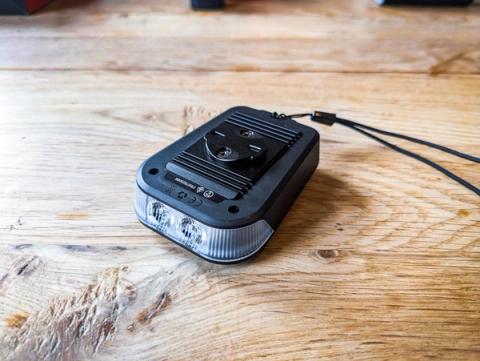
The Ravemen FR 1100 SE was the best overall light in our test. The light spread smoothly from nearby tarmac into the distance, without the abrupt edges found on some rivals. Its 1,100-lumen beam was the most even and comfortable of the conventional-sized units, despite higher output claims elsewhere in the group.
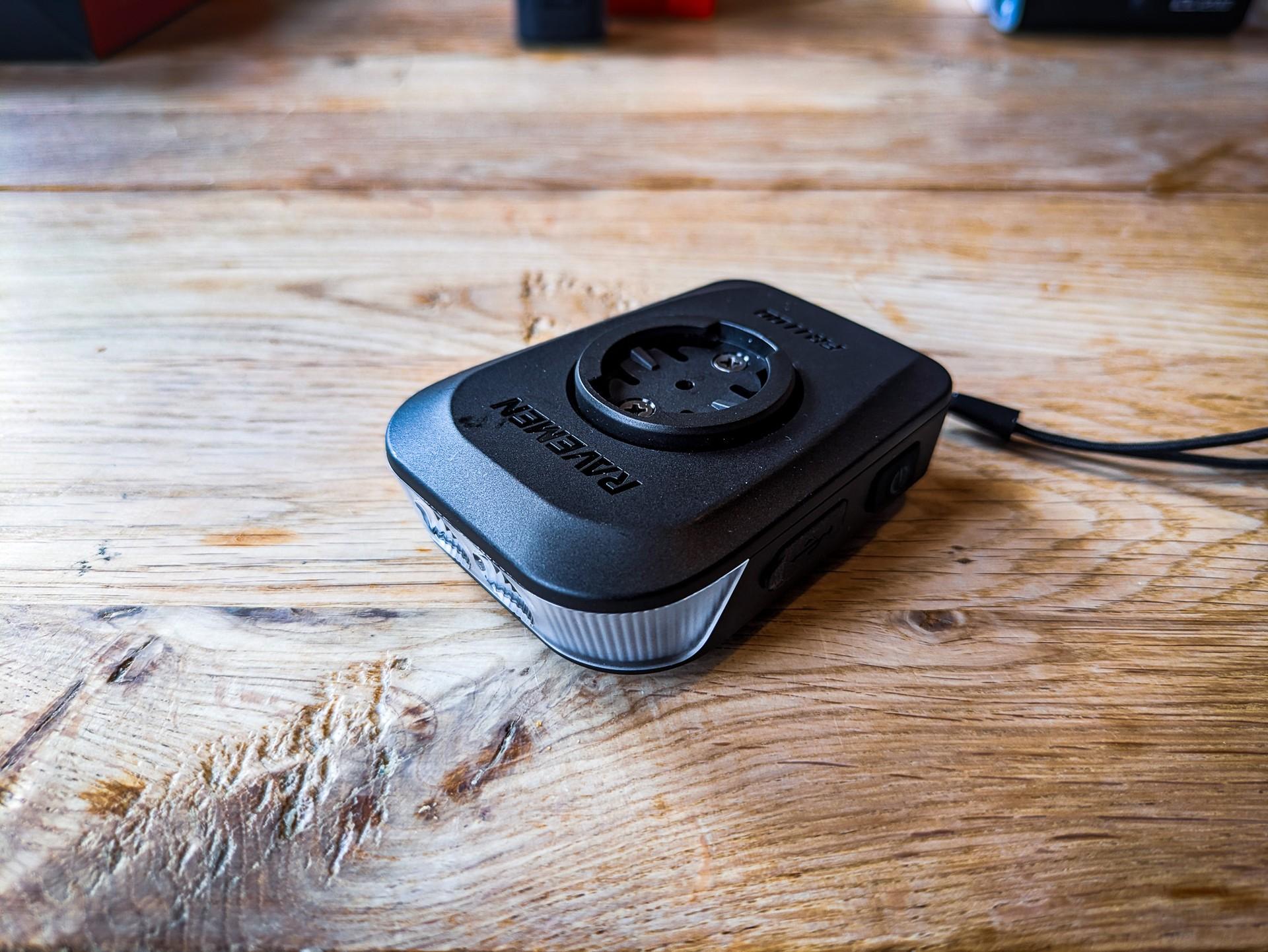
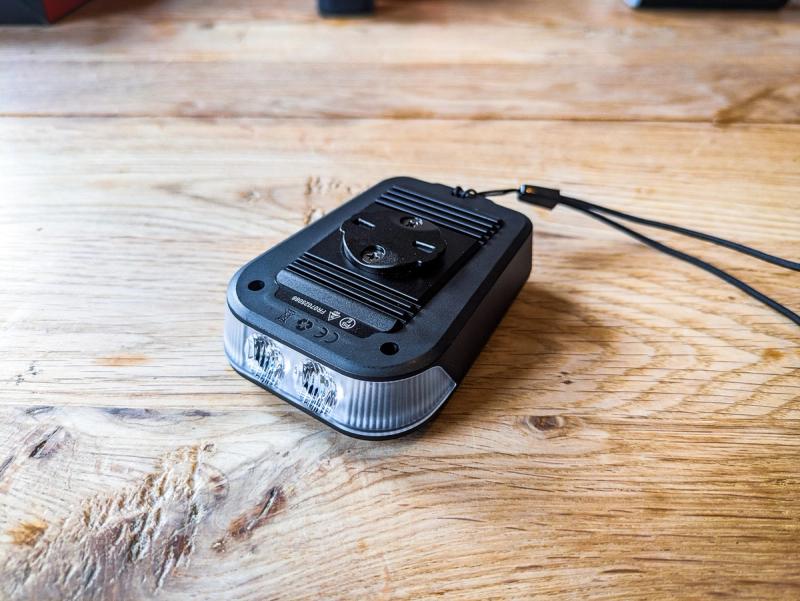
At 119g and 82 × 61 × 25.4mm, the flat body is designed to fit beneath a computer. It has quarter-turn fittings above and below, with adapters supplied for Wahoo and Bryton arrangements. That makes good use of an existing out-front position without adding another separate object across the handlebar. Be careful about the version: the SE excludes Ravemen's AOM05 mount, whereas the standard FR1100 includes it.
Endurance is its clearest weakness. At maximum power it lasted 1.8 hours in testing, extending to 3.5 hours at 500 lumens and 7.5 hours at 250 lumens. An automatic sleep function switches it off after two minutes of inactivity and restarts it when vibration returns. Its USB-C port can also provide emergency power to a low-draw bike computer.
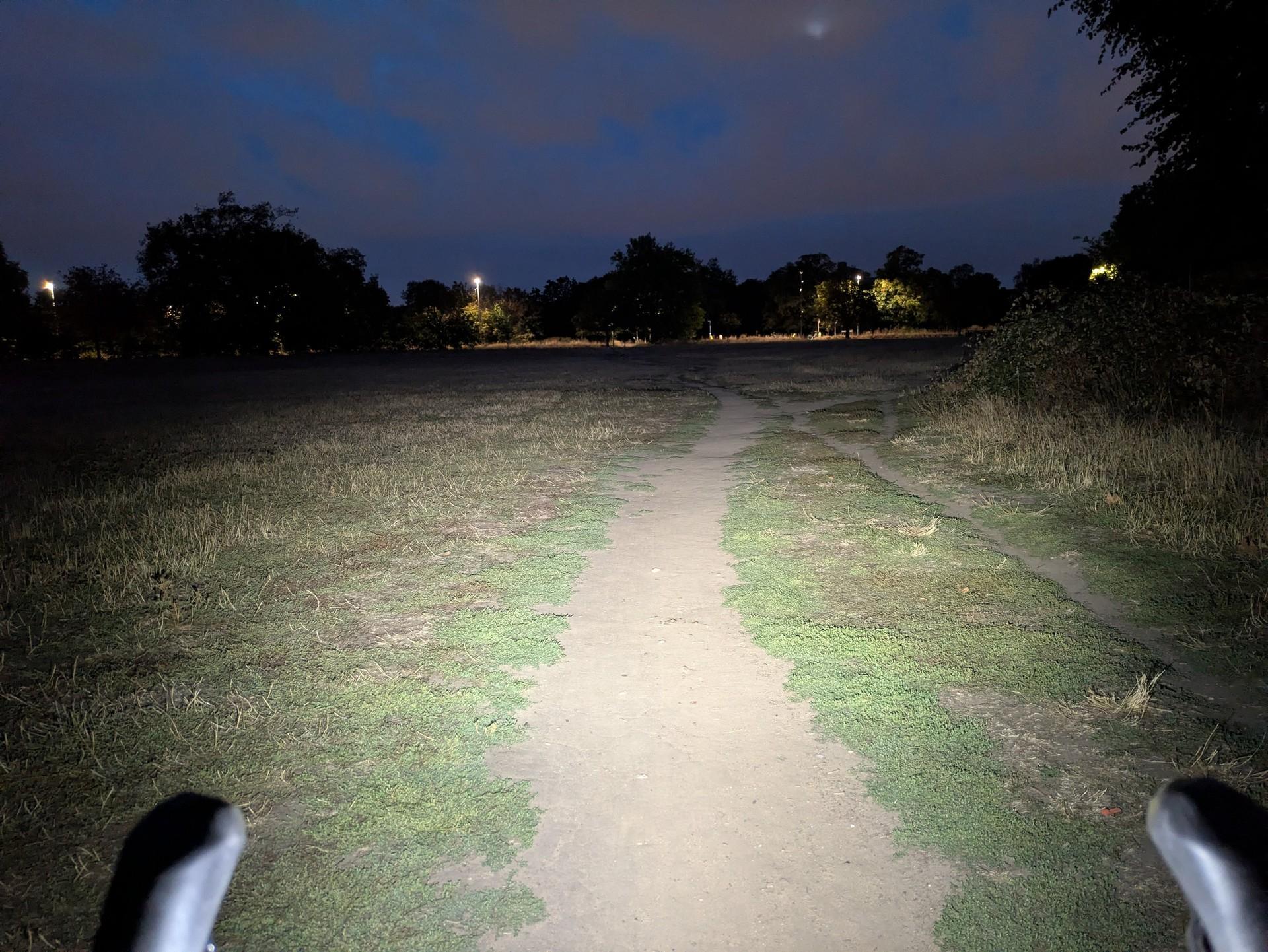
The finish looks more plastic-heavy than the HORI's, and the button feels less premium. More consequentially, its IPX4 rating comes with advice against heavy rain or storms.
At £73, buy it for shorter dark-road rides where beam quality and computer integration take priority. Skip it if you need continuous maximum output beyond two hours or routinely ride through heavy rain.
Read the full FR 1100 SE review here.
Velora review
Magicshine Hori 1300 Front Light
A compact, well-finished light whose long-reaching beam suits road riding, with a wireless remote included but a suitable mount required separately.
For
- +Strong distance illumination in a compact body
- +Firm controls and IPX6-rated construction
Against
- –No mounting system supplied
- –Harder beam edges; cannot directly carry a computer
The HORI 1300 projected farther down the road than the Towild and came narrowly behind the Ravemen among the standard-sized lights in our comparison. Its dual-lens arrangement combines a distance-focused spot with a broad strip of nearby illumination. Our HORI 1300 review found that particularly useful for fast road riding, although its more abrupt beam edges were less appealing for off-road use.
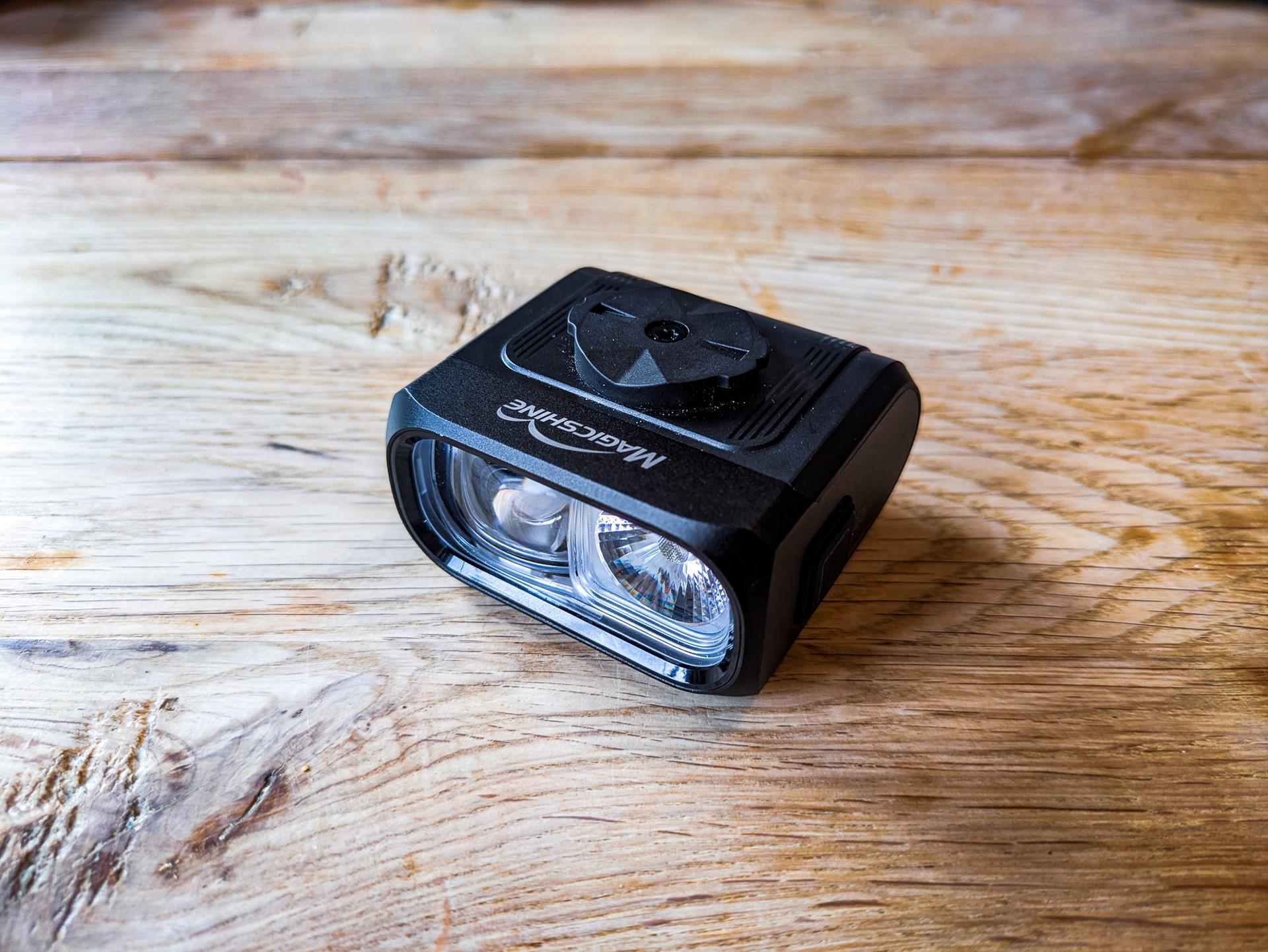
Its 60 × 57 × 37mm body is compact for this output, weighing 150g on our scales. The aluminium-and-plastic construction feels well finished, with a positive button and a flush rubber seal over the USB-C port. Magicshine rates it IPX6 and supplies a two-year warranty.
The claimed runtime is two hours at 1,300 lumens. There are also constant settings of 900, 400 and 200 lumens. A supplied wireless remote offers another way to operate the light, while app customisation and pairing with compatible Magicshine rear lights give riders more control over their setup.
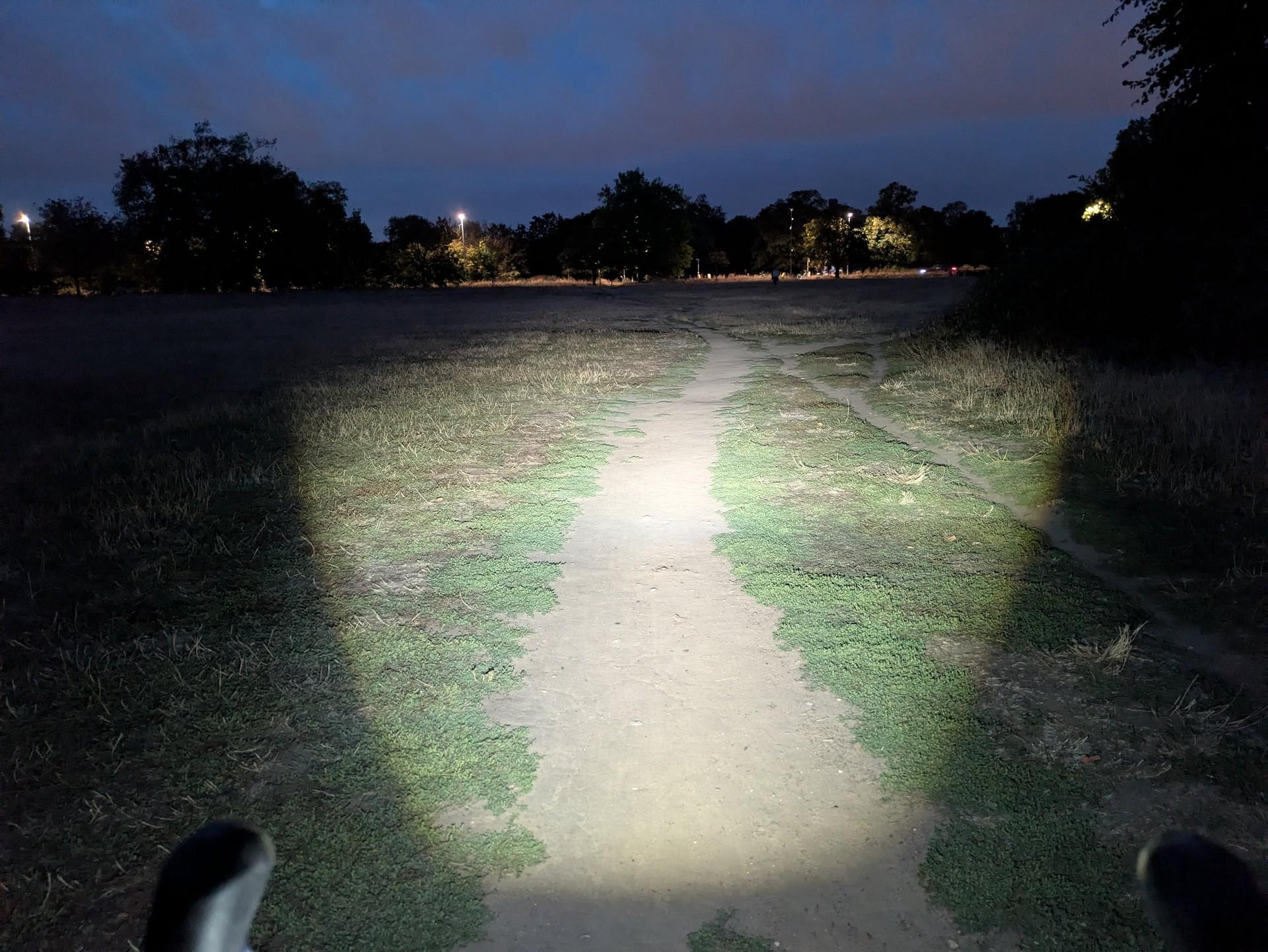
Check the mounting arrangement before buying. One face has a quarter-turn interface compatible with Garmin and Wahoo fittings, while the other uses GoPro tabs. The company also says the light is not designed to carry a computer directly, because the combined load could affect stability and beam angle.
At £80, the HORI is the most expensive light here. It earns a place for riders wanting strong road illumination in a compact, polished unit. The Ravemen remains preferable for a smoother beam or computer stacking; the Towild offers a longer claimed runtime for less money.
Velora review
Towild CL1200
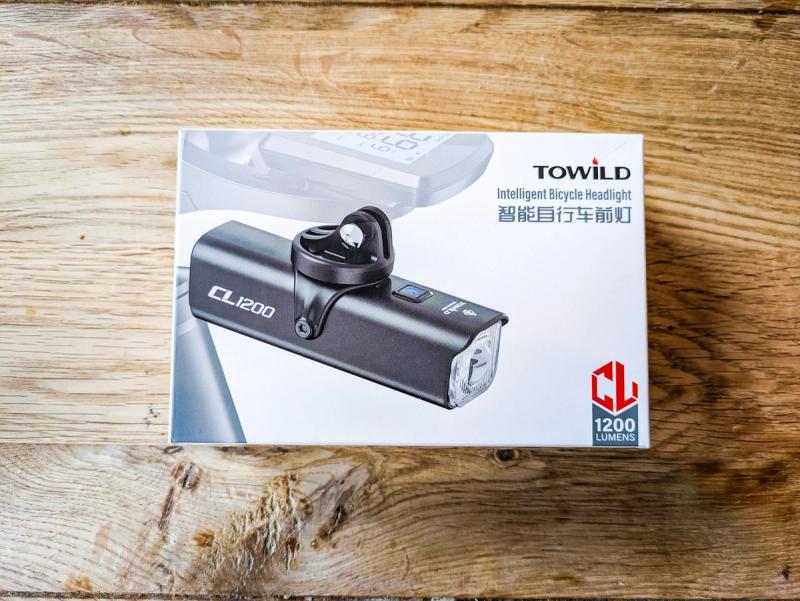
A substantial battery and straightforward mounting make this a practical choice for longer, steady evening rides rather than fast descents.
For
- +Claimed 2h 45m runtime at 1,200 lumens
- +Solid metal body with handlebar mount included
Against
- –Less distance and edge coverage than the strongest rivals
- –Heavy for a conventional light at 176g
The CL1200 puts more of its weight into battery capacity. Its 5,000mAh battery sits inside a one-piece metal body, producing a tested weight of 176g. At £50, it undercuts both the Ravemen and HORI while offering a longer claimed full-power runtime. Our CL1200 review found a robust, uncomplicated light whose main compromise was the beam.
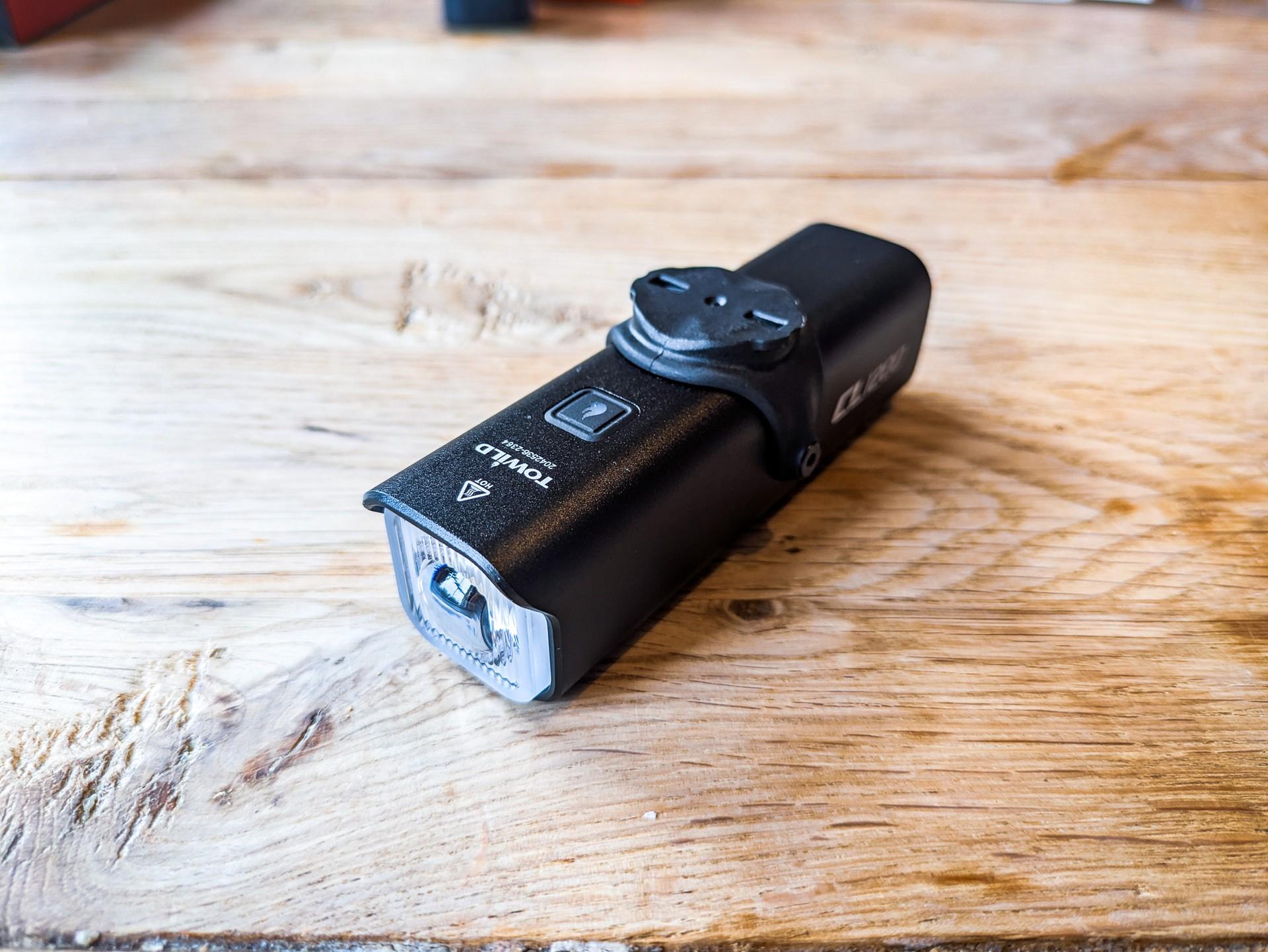
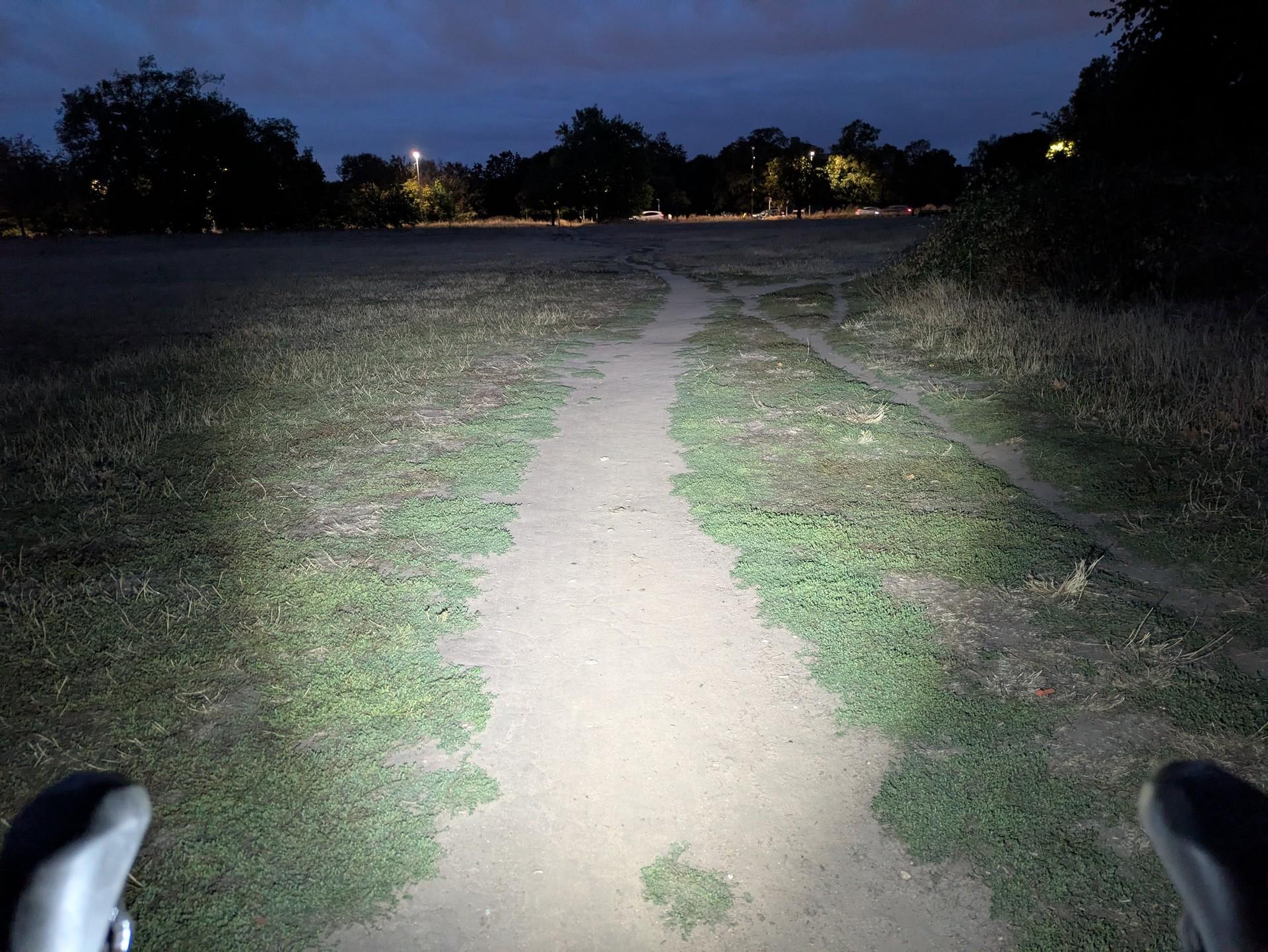
Nearby illumination was reasonably even, and it performed slightly better directly ahead than the HORI. Farther down the road, however, it lost ground. Useful illumination reached about 20m before the track dimmed more quickly, while the edges fell away more sharply than the Ravemen's. That suits steady riding on familiar lanes or tame gravel better than fast descents or technical trails.
Towild claims 2 hours 45 minutes at 1,200 lumens, five hours at 600 lumens and 10 hours at 300 lumens. Charging takes around four hours. A separately sold wireless remote unlocks a 1,500-lumen Turbo setting; the standard maximum used for comparison here is 1,200 lumens.
The firm button and charging-port cover felt reassuring in use. A handlebar mount is supplied, with a Garmin-compatible quarter-turn interface and a GoPro adapter providing installation options. A discharge adapter allows the battery to power a phone or GPS unit.
Choose it when your evening loop exceeds two hours and a substantial battery matters more than the best distance illumination.
Velora review
Magicshine URBO FL
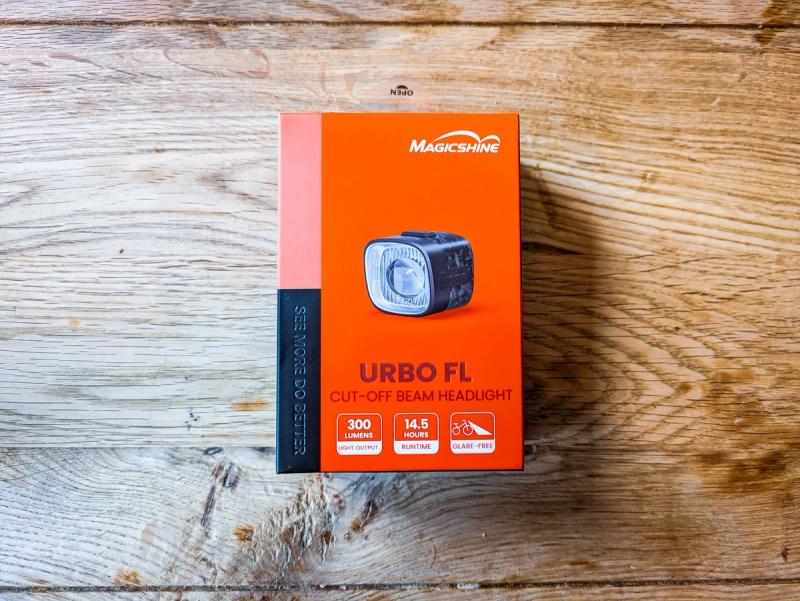
Small enough to pocket easily, with a controlled beam and a low review price. Its limited reach rules it out as a fast unlit-road light.
For
- +Very compact 48g body
- +Cut-off beam and claimed three-hour maximum runtime
Against
- –Only about 10m of useful unlit-road illumination
- –Plastic construction and no dedicated side windows
At £27 and 48g, the URBO is the easiest recommendation for a journey already illuminated by street lamps. Its 39 × 37 × 48mm body slips into a pocket after removal from the quarter-turn mount. In our URBO FL review, that compactness made more sense for urban use than the extra bulk of the CatEye.
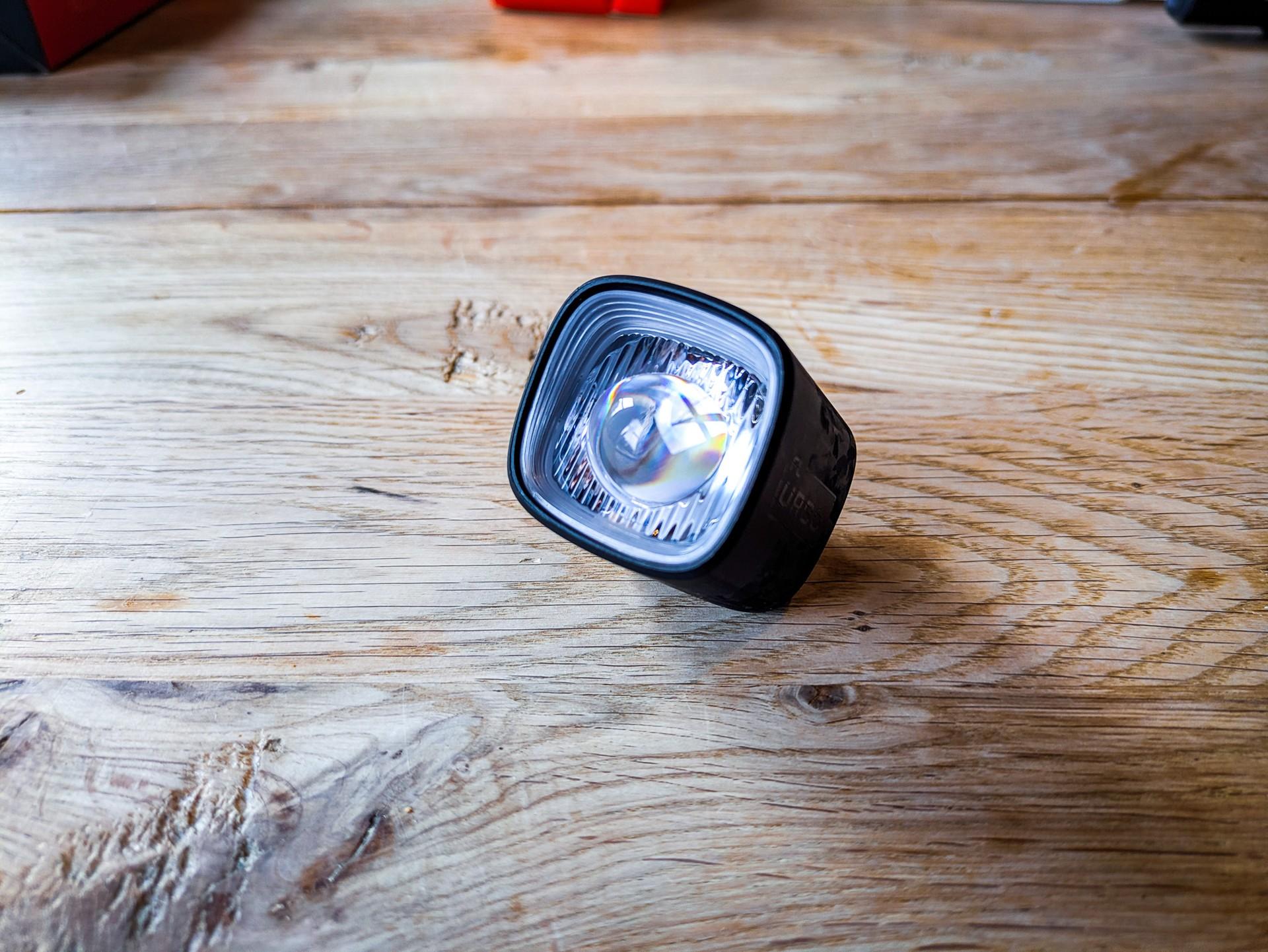
The 300-lumen beam clearly lit roughly the next 10m, with a sharp upper cut-off that helps limit glare towards approaching people. Beyond that, illumination fell away abruptly. It can handle low-speed manoeuvring or a short dark section on an otherwise lit route, but does not provide enough advance warning for fast riding on an unlit road.
Magicshine claims three hours at maximum constant output and 10 hours 30 minutes at 100 lumens. USB-C charging takes a claimed two hours. The firm top button was usable with gloves, and a lockout function helps prevent accidental activation while carrying it.
The rubber handlebar strap and quick-release fitting make removal straightforward. The plastic body feels less substantial than the larger Magicshine light, and there are no dedicated side windows, although IPX6 protection is a useful specification for an everyday commuter.
Buy it for a predominantly streetlit route and the convenience of a light that is easy to carry off the bike. If unlit lanes form a regular part of your journey, spend the extra on a light with more useful reach rather than expecting the URBO's highest setting to bridge that gap.
Velora review
Cateye AMPP 500S Lumens USB Rechargeable Front Light
Usable for streetlit commuting and slow dark sections, but its narrow beam and short maximum-output runtime leave it squeezed between smaller urban lights and stronger road options.
For
- +Removable light with a separate FlexTight bracket
- +Mode memory and claimed eight-hour Low setting
Against
- –Narrow beam with limited peripheral illumination
- –Bulky commuter body and only 1.5 hours on High
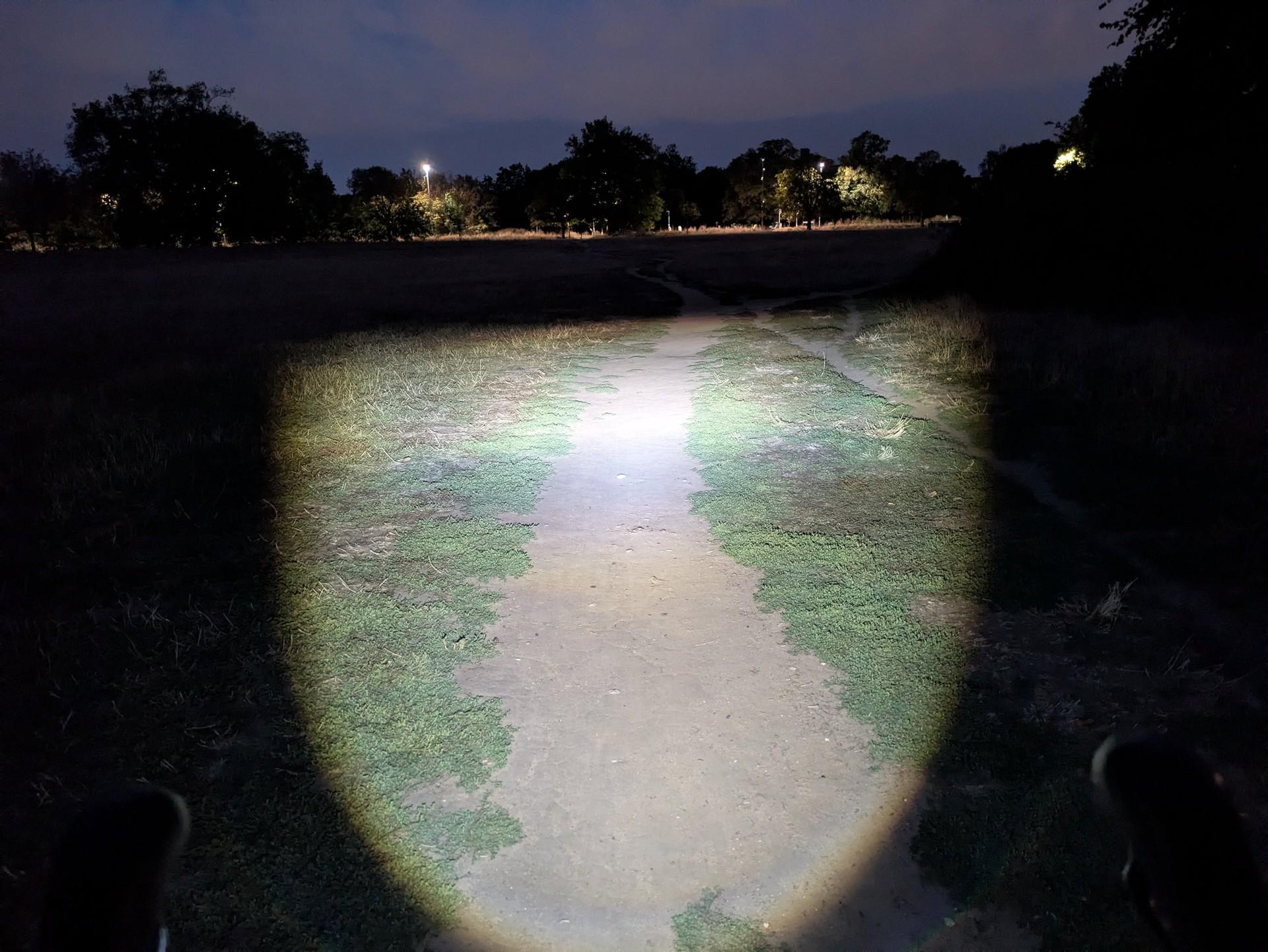
The AMPP 500S lights up a bright area extending about 10m ahead, but reveals little at the sides. Our AMPP 500S review found it adequate on streetlit routes and familiar dark roads ridden below roughly 15km/h. Sustained faster riding in complete darkness exposed its limitations.
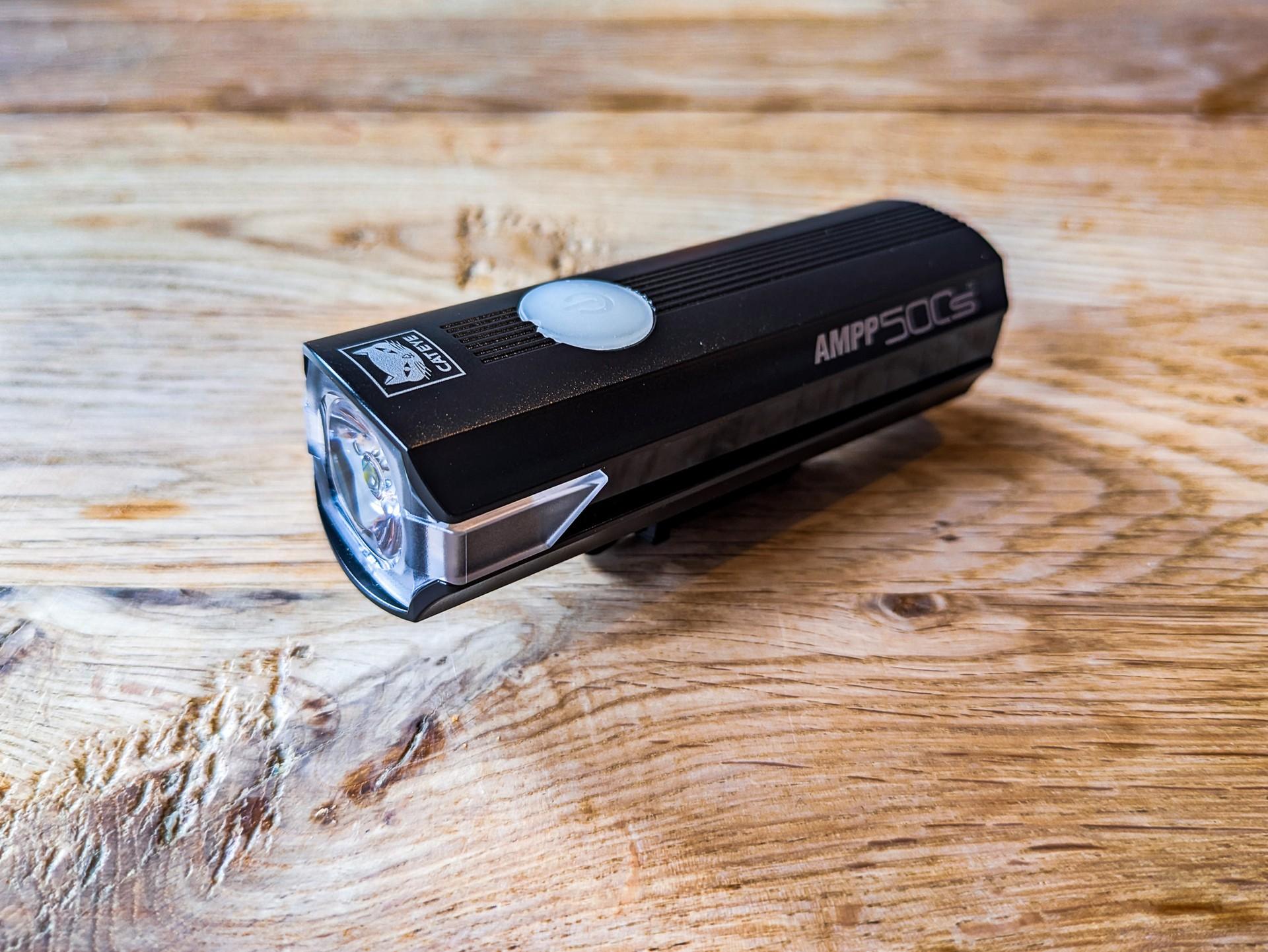
At the £40 review price, its position is awkward. The URBO costs less and is much easier to pocket, while the £50 Towild provides a substantially more useful beam for unlit riding. The CatEye weighs 98g on our scales, and its long plastic body feels bulky for a commuter-oriented light.
CatEye claims 1.5 hours at 500 lumens, three hours at 250 lumens and eight hours at 100 lumens. USB-C charging takes approximately four hours. Mode memory is convenient, and a red indicator appears below 20% battery capacity, but neither resolves the short High-mode runtime.
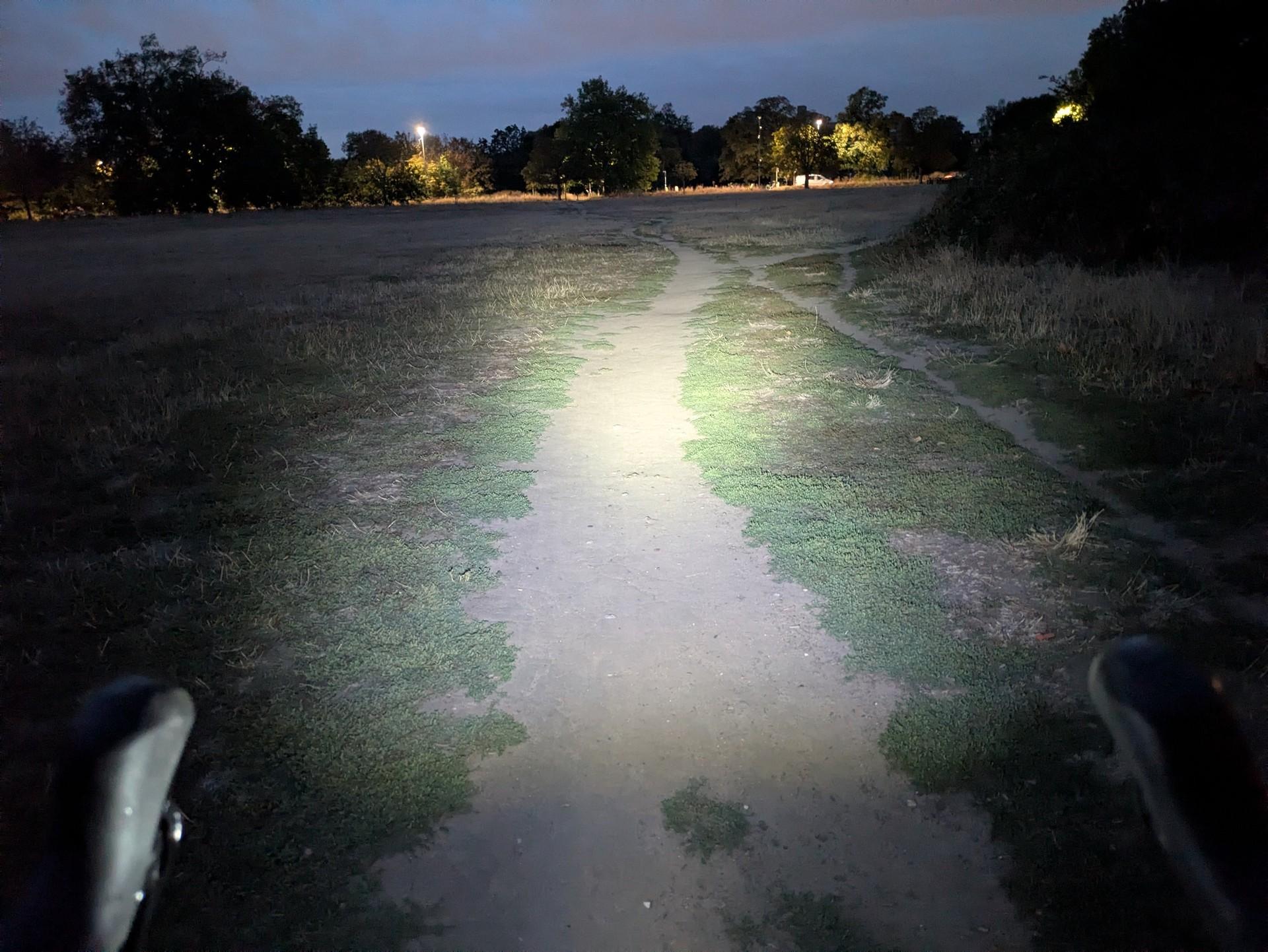
The separate FlexTight bracket lets you remove the light without disturbing the bar fitting. Its large button is easy to locate, though the action feels vague, and the charging-port cover is awkward to open and reseat. Weather protection is rated IPX4.
It suits a commuter who values the removable bracket and only crosses short dark sections slowly. For a new purchase, the URBO is a more convincing compact town light, while the Towild is worth the additional £10 at review prices if darkness is a regular part of the route.
Velora review
Siuyiu W617
The broadest, brightest beam of these six lights at a low review price, offset by considerable weight and a large mounting footprint.
For
- +Illuminated roughly 100m of road in testing
- +Broad spread and estimated remaining-runtime display
Against
- –310g body and bulky two-point mounting
- –Maximum output can dazzle; lumen claim unverified
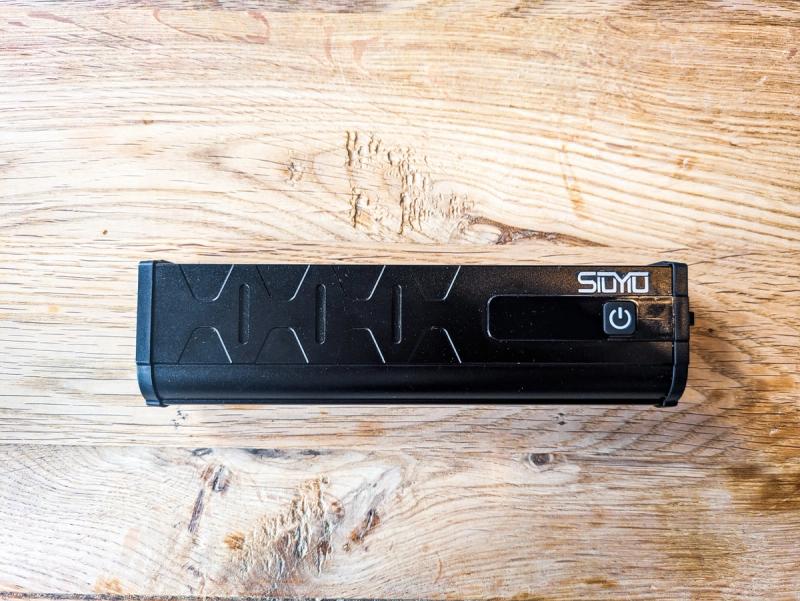
The Siuyiu is a different beast from the other lights. At £37, the W617 lit up around 100m of the test route and looked roughly twice as bright as the conventional-sized alternatives. Its wide flood beam revealed much more of the road ahead.
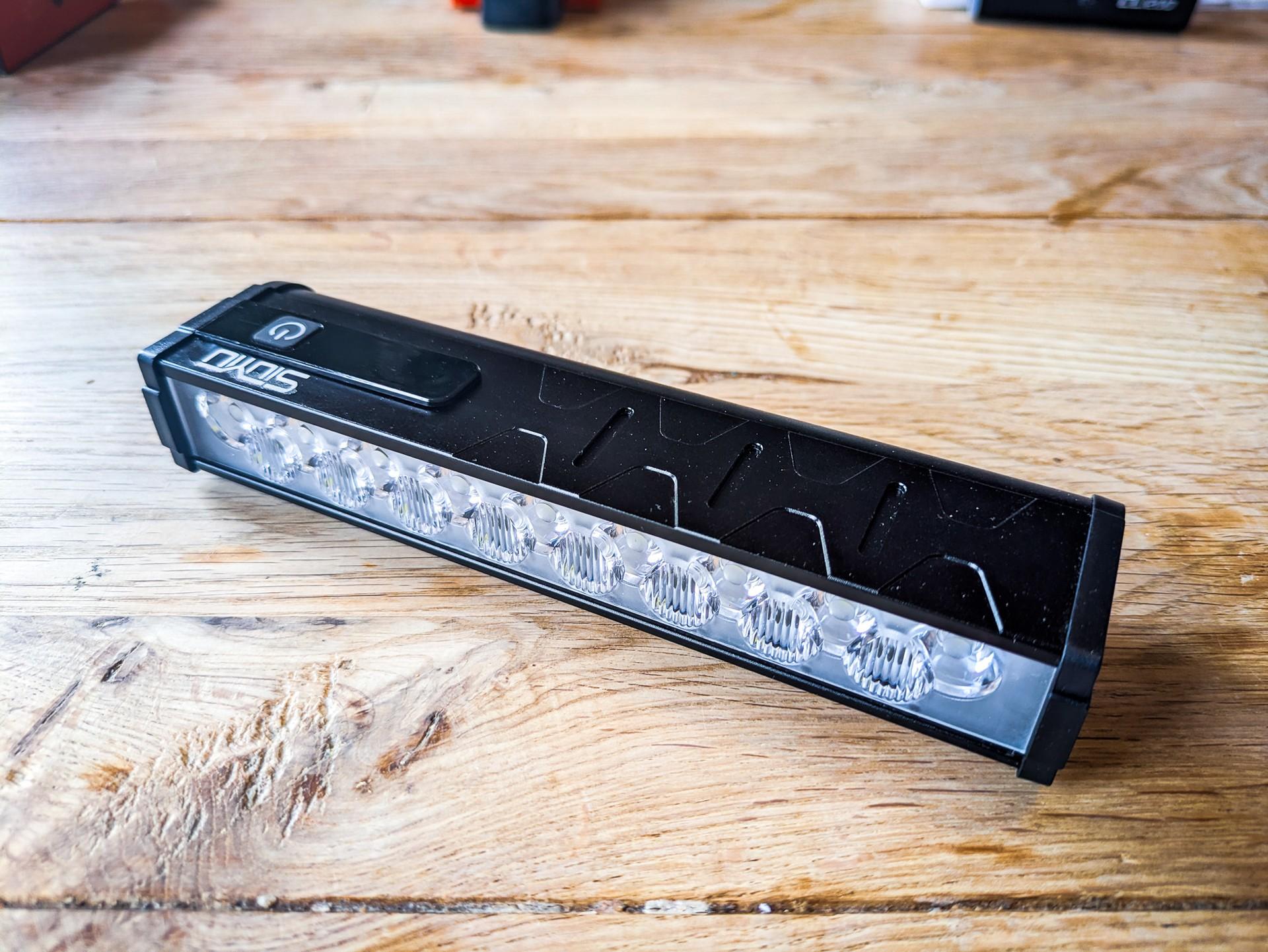
At 310g, it occupies substantial handlebar space. Two attachments are secured with thumb screws and joined by a rail beneath the light. The arrangement stayed secure during our short test, but the rail and two attachments make this a much bigger commitment of bar space than the other lights here. I’d be cautious about relying on it for longer rides over rough terrain.
Siuyiu claims a 10,000mAh battery and 4 to 16 hours of runtime. One nice touch is a top display that shows how much battery time is remaining. None of the other lights had one, and it’s genuinely useful for judging how much riding time you have left. A full USB-C charge takes a claimed nine hours.
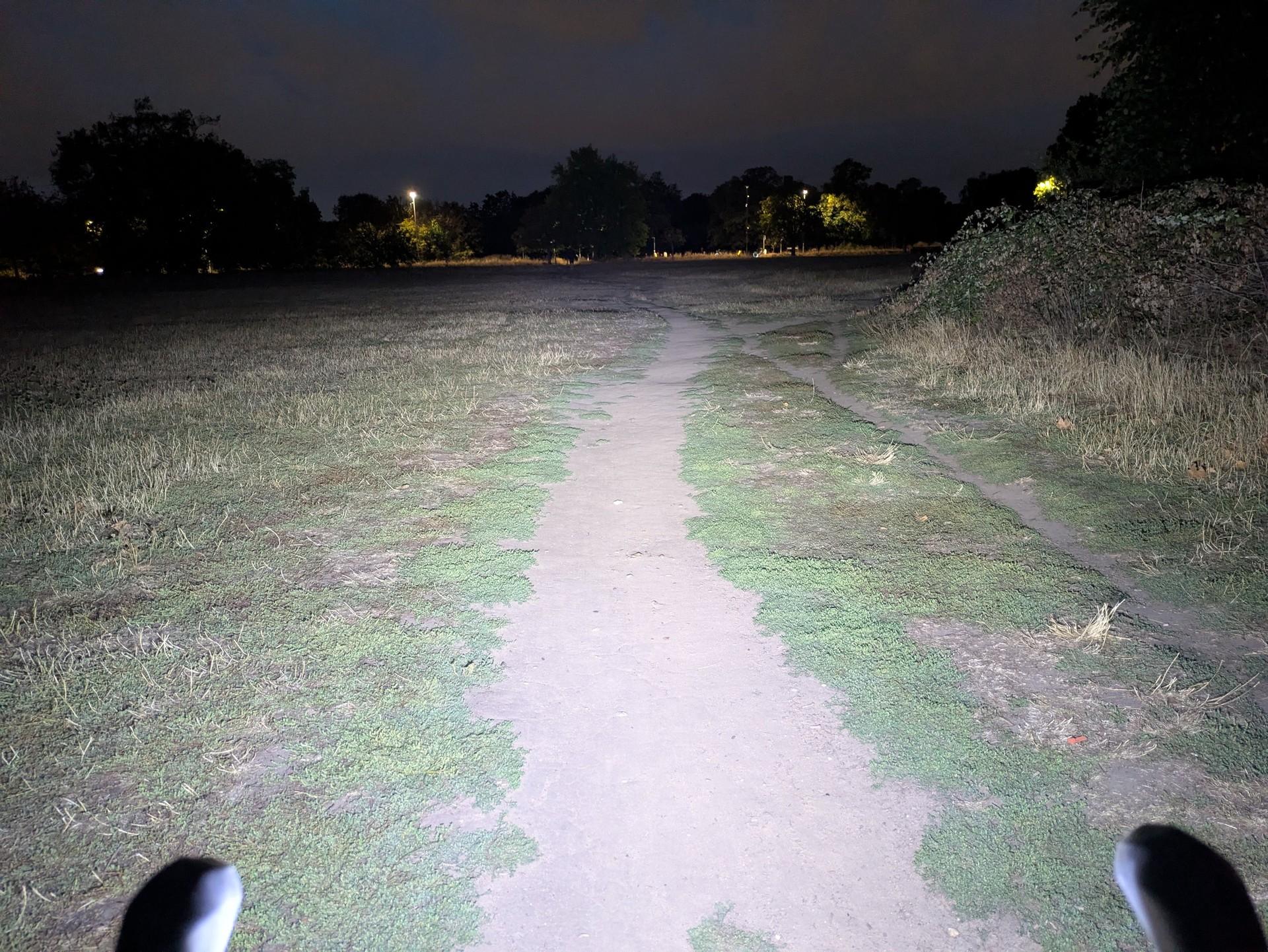
The aluminium-and-plastic housing felt solid for the price, with a button selecting the lighting modes. The downside of all that light is glare: on full power, it could dazzle oncoming road users. Save that setting for empty lanes.
Read the full W617 review here
Final Verdict
Choose the Siuyiu W617 only if maximum illumination on quiet roads is the only thing you care about. For most riders, the smaller options are easier to accommodate: the URBO for streetlit commuting, the Ravemen for beam quality on shorter dark rides, the HORI for road reach, or the Towild for its longer claimed runtime.