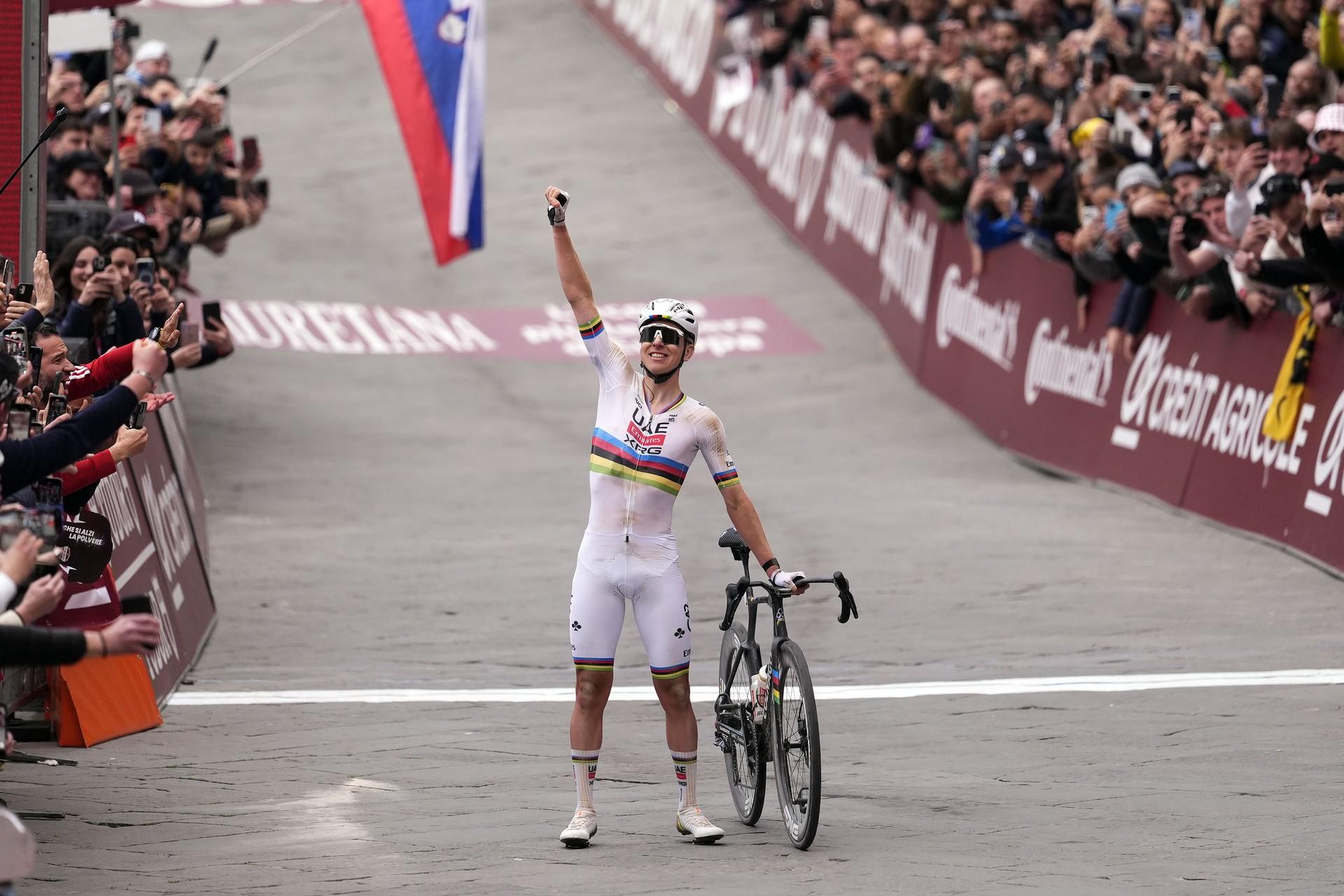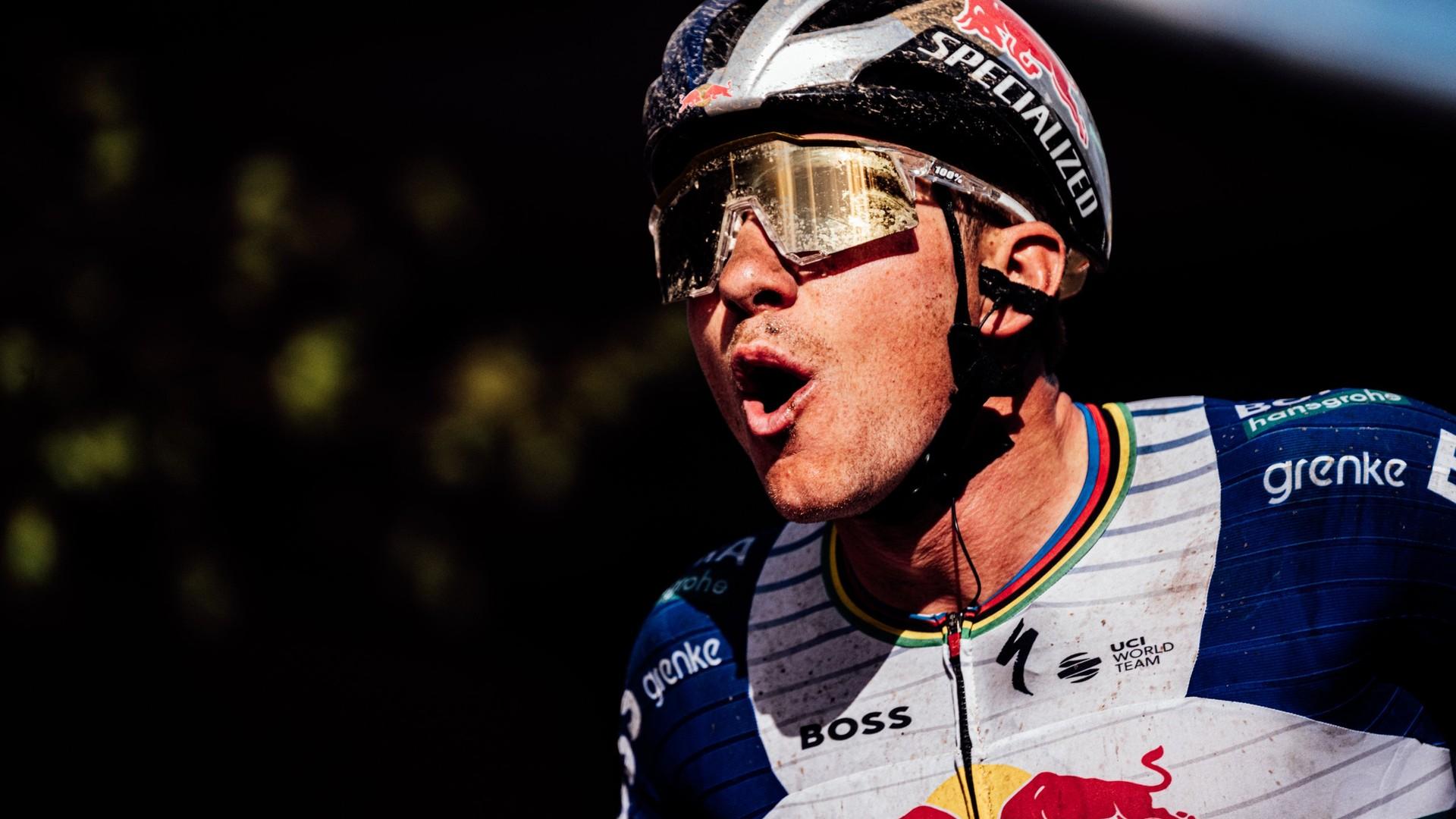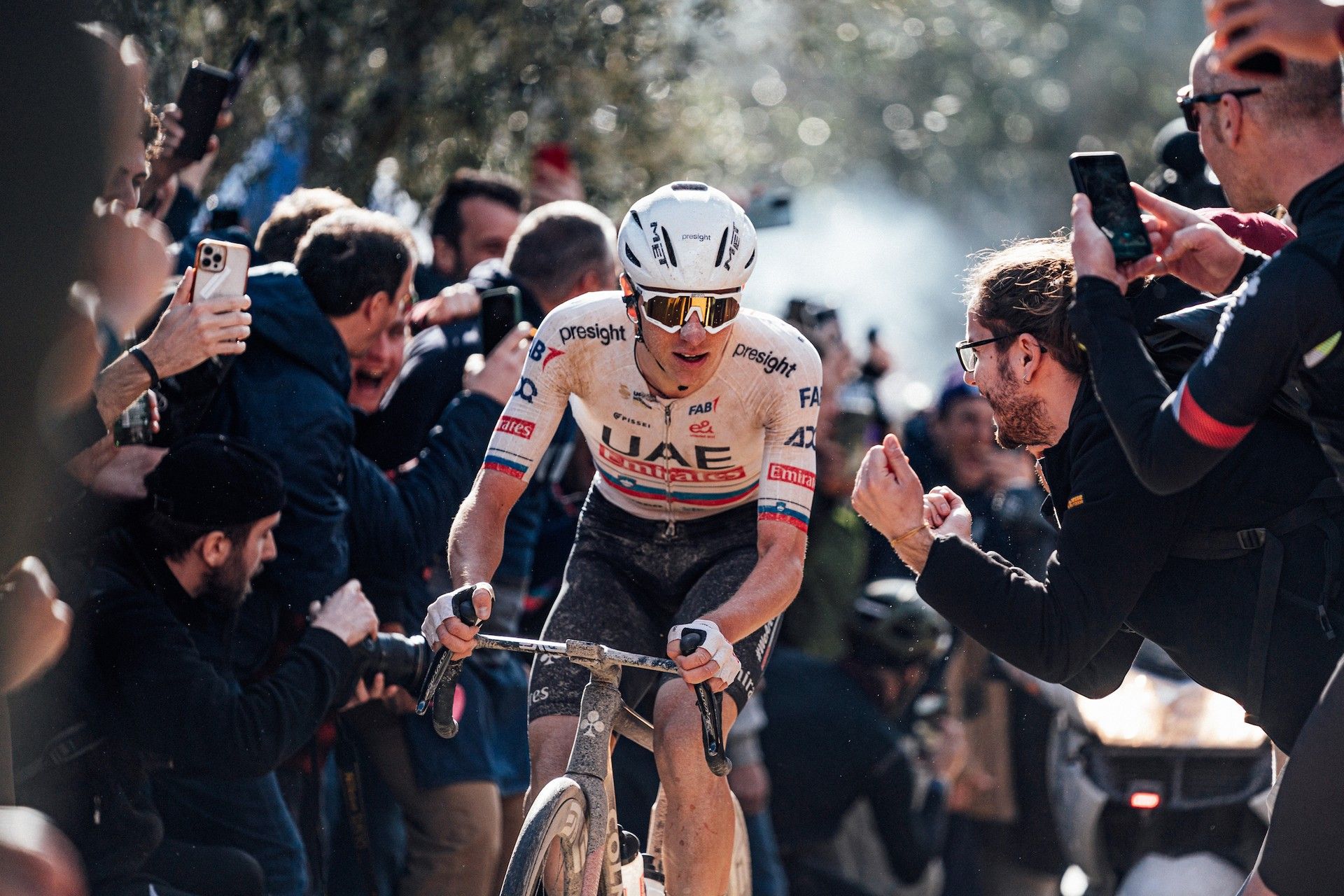
Strade Bianche returns on Saturday, March 7, with a field headlined by three-time winner Tadej Pogačar (UAE Team Emirates XRG) and a route designed to ensure that even the strongest rider in the world cannot fully control what happens across 63 kilometres of the white gravel 'strade bianche' for which the race is named.
Not quite a Monument (let's not get into whether it should be...), but the Strade Bianche manages to capture all the romance and legacy of the Classics season despite its relatively short life in the WorldTour calendar.
As gravel racing increasingly fuses into the broader WorldTour, Strade Bianche embodies what modern pro cycling wants to be, and is one of my favourite races of the year.
Strade Bianche 2026 route
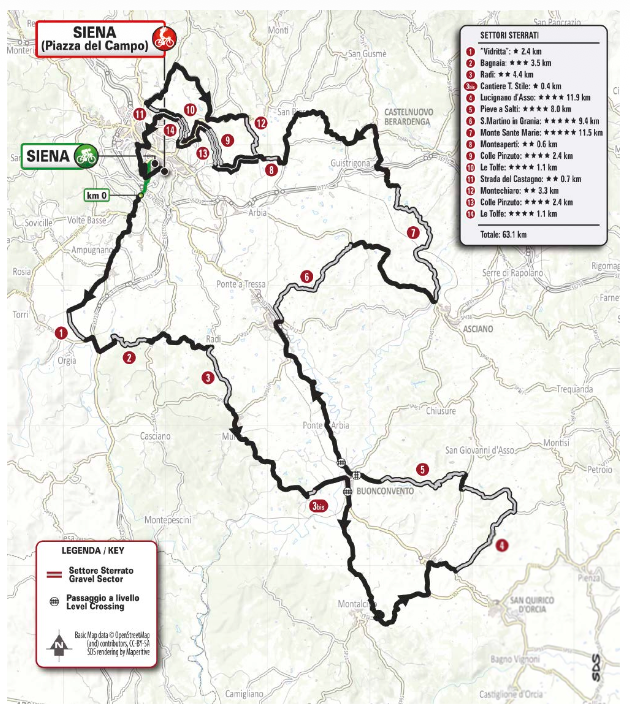
The 20th edition covers 203 kilometres with 3,500 metres of climbing and 14 sterrato sectors, finishing as always up the steep ramp of the Via Santa Caterina into Siena's Piazza del Campo.
The course has been lightly tweaked but retains its essential character: relentless short climbs, loose gravel that punishes poor positioning, and a decisive final 40 kilometres that rewards repeatability over any single explosive effort.
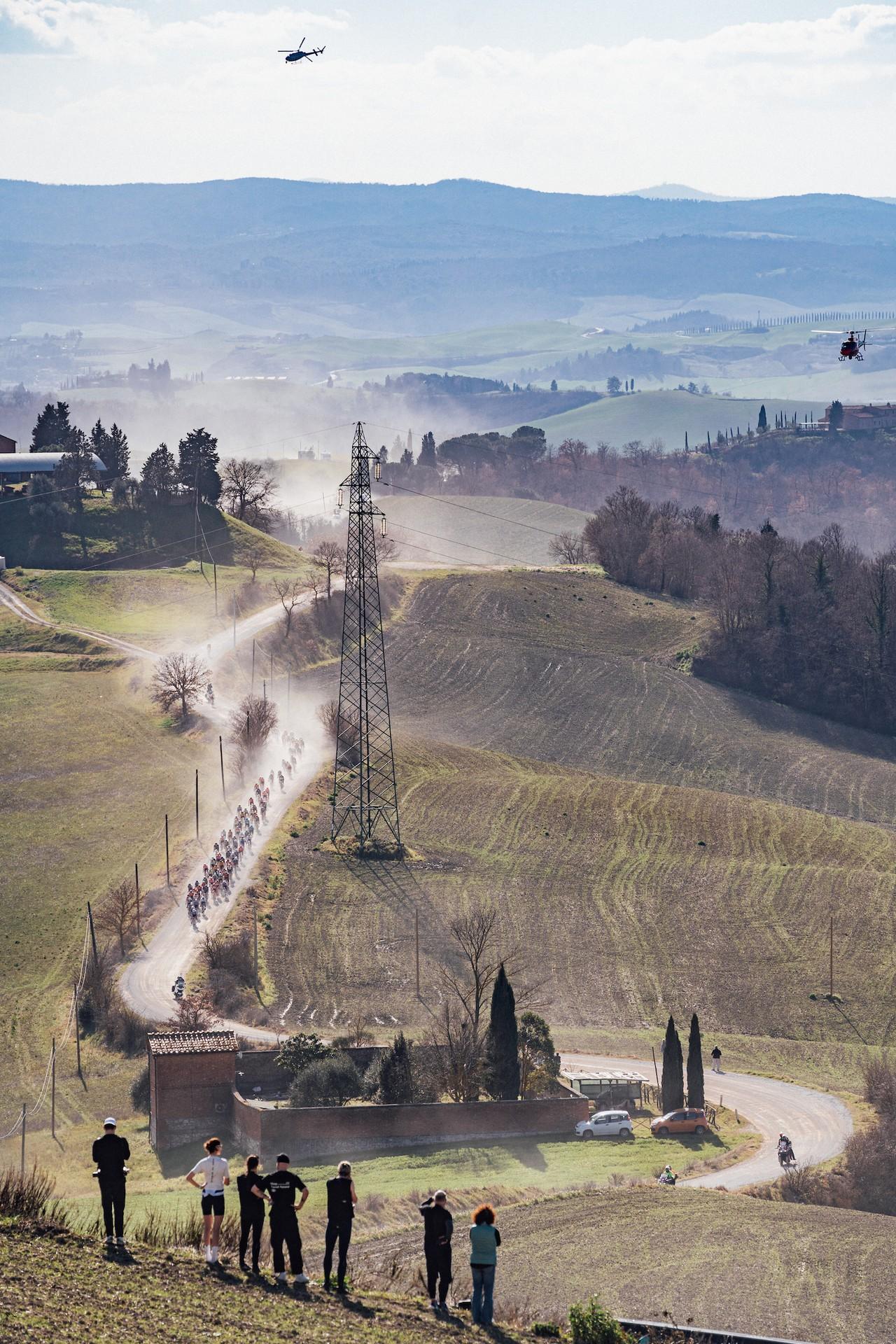
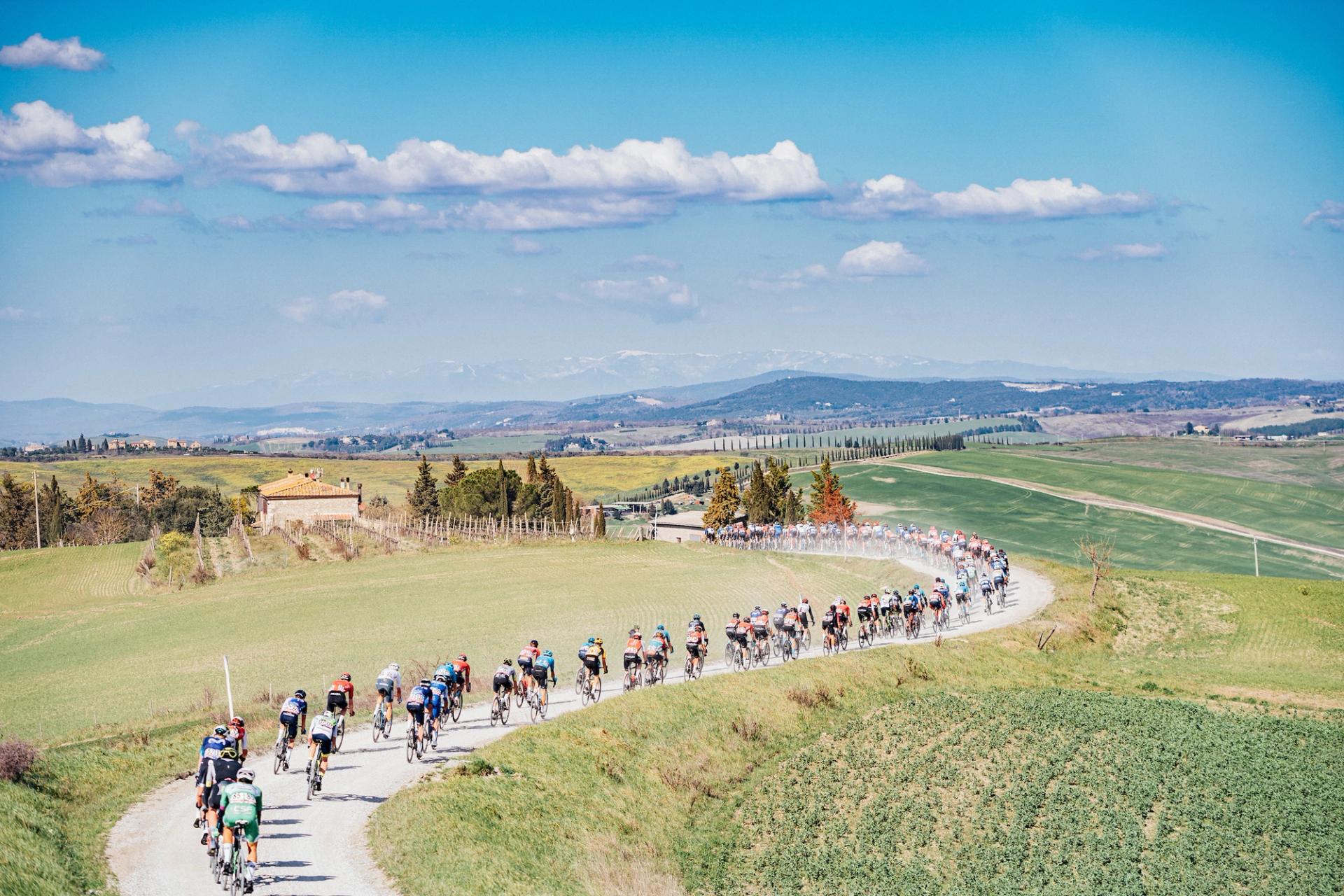
What makes Strade unique among the spring calendar is how it compresses attrition and acceleration into the same race, set against the beauty of the Tuscan landscape and the stunning strade bianche tracks for which the race is named (incidentally, our friends at Het is Koers have written a great explainer on how to actually pronounce the race name).
Punctures, crashes and dust-induced splits can redraw the script at any point, and the rider who finishes first is rarely the one who simply had the highest threshold.
The opening 100 kilometres serve as a filter. Gravel sectors come in waves, each one thinning the group and testing equipment, but the real racing tends to ignite at Lucignano d'Asso, the longest sector at 11.9 kilometres. This is where punctures are most common and where teams with numbers can press an advantage. From there, the race tilts upward through Monte Sante Marie, which features a brutal kilometre at around 10% gradient on loose gravel and routinely sparks the primary selection. Riders who lose contact here almost never return. The late loop through San Giovanni a Cerreto and Le Tolfe, reintroduced in 2024, adds another high-gradient test before Colle Pinzuto offers a final opportunity to open gaps on raw power. Then comes the Via Santa Caterina, where gradients touch 16% and the race is usually decided.
Who can force the issue against UAE?
Pogačar's dominance here is not simply a matter of legs. His long-range solo attack in 2024 and repeat victory in 2025 showed that he can win from distance or from a reduced group, and UAE Team Emirates XRG bring the deepest squad in the race.
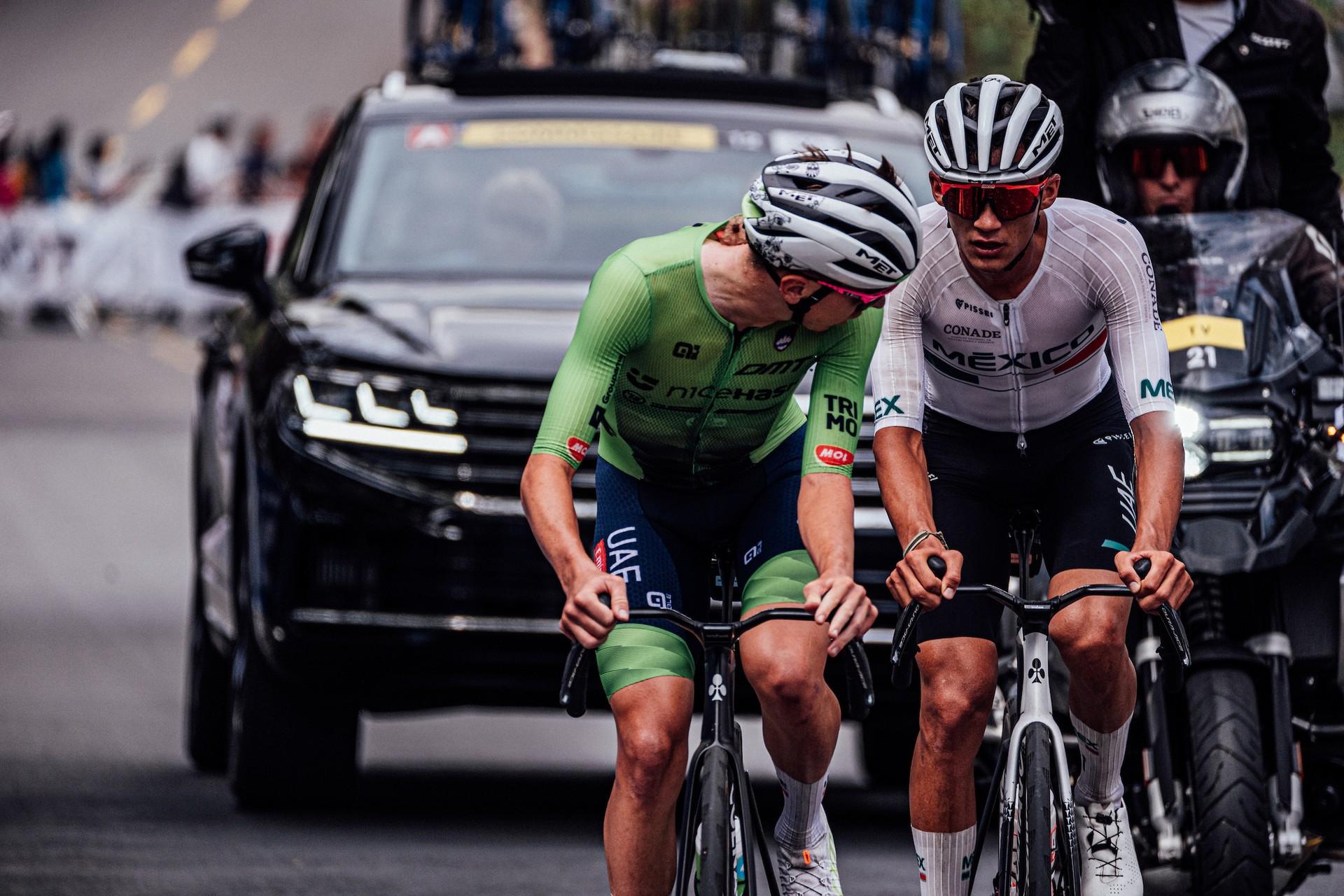
Isaac Del Toro (UAE Team Emirates XRG) gives the team a credible second card if the race fractures early, while Jan Christen and Felix Grossschartner provide the kind of gravel-capable support that allows UAE to dictate tempo through the decisive sectors without burning their leader. Following Pogačar to the Via Santa Caterina usually means losing to Pogačar on the Via Santa Caterina.
Tom Pidcock (Pinarello Q36.5 Pro Cycling Team) looks like the most credible disruptor. His 2023 victory demonstrated elite bike handling on the sterrato and the kind of sharp, explosive acceleration that can force a gap before the final climb. Pidcock's best chance lies in making the race awkward for UAE rather than sitting in, exploiting technical sections where team numbers count for less and individual skill counts for more.
Wout van Aert (Team Visma | Lease a Bike) brings enormous power but the modern Strade route increasingly favours pure climbers over classics-style engines. Visma may well protect Matteo Jorgenson (Team Visma | Lease a Bike) as their GC-capable card for the steeper finale, with Van Aert's strength used to animate the middle sectors rather than contest the final selection.
Ben Healy (EF Education-EasyPost) and Romain Grégoire (Groupama-FDJ United) represent the punchy outsider category: riders capable of attacking before the Siena ramp if the favourites hesitate or neutralise each other. Healy in particular has the sustained power to go from range if given a window. Among the gravel specialists, Quinn Simmons (Lidl-Trek) and Matej Mohorič (Bahrain Victorious) can feature if the race becomes a prolonged war of attrition through the middle sectors.
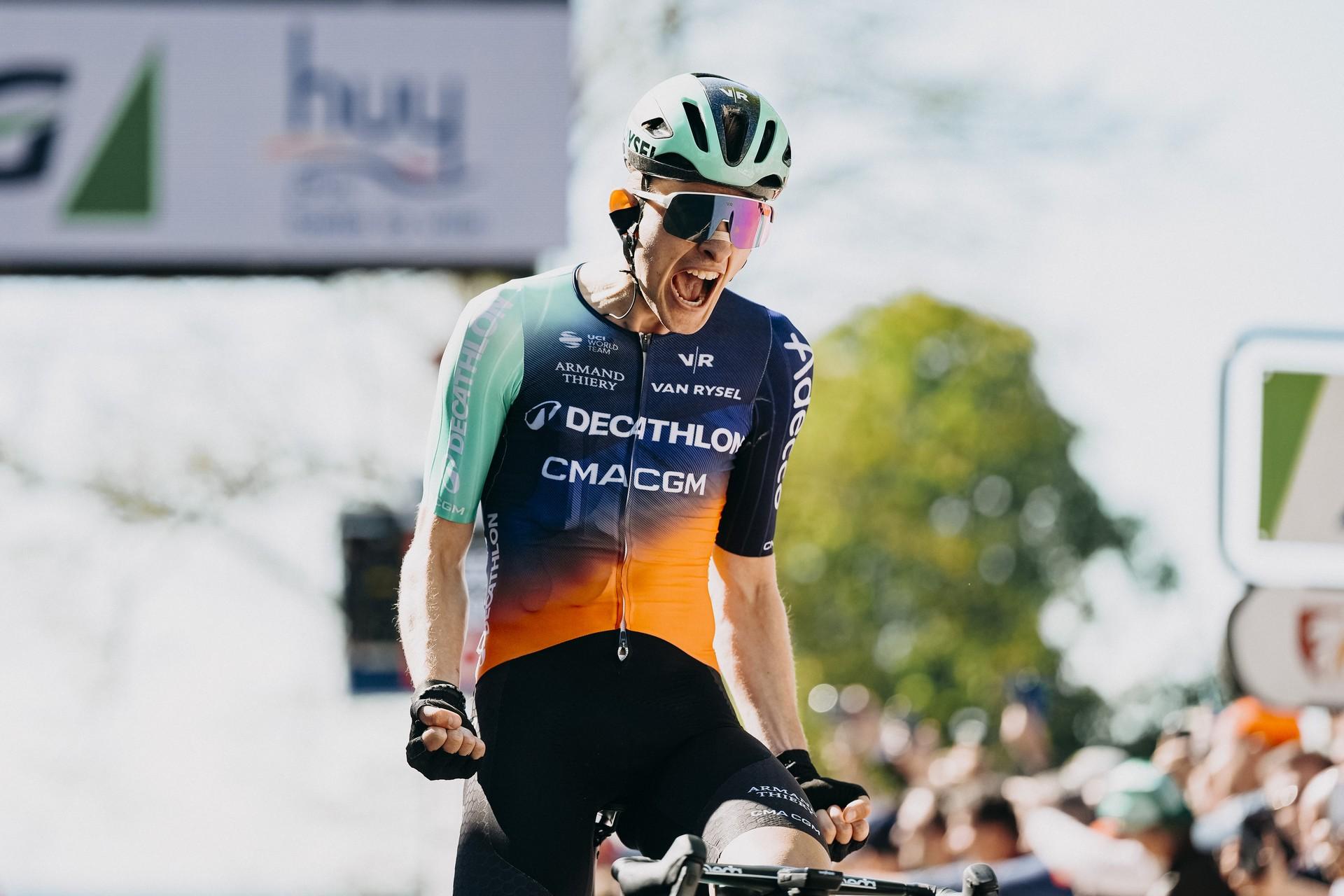
Paul Seixas (Decathlon CMA CGM Team) has been flagged as an emerging talent, but surviving the 'sterrato' chaos and then matching the leaders on the steep final ramps are two very different challenges.
If it stays dry and fast, UAE have the numbers and the firepower to control the race from Monte Sante Marie onward, funnelling it toward a Pogačar finish.
If rain softens the gravel, puncture risk rises, visibility drops and positioning becomes more chaotic, which is when outsiders and technical specialists gain an edge. Strade Bianche rewards boldness over patience; the rider who waits too long for the perfect moment in Siena tends to find that Pogačar has already taken it.
Pogačar is the clear favourite for a fourth title. Pidcock is the most likely to make him earn it. But 63 kilometres of white gravel and Tuscany's unpredictable spring weather mean the race is never quite as settled as the startlist suggests.