Milano-Sanremo Donne returns on Saturday, March 21 with an unchanged 156km route from Genoa to Via Roma. The question that surfaces each year is can anyone prevent a reduced sprint in San Remo?
Race schedule
Saturday 21 March 2026

- 10:40CETStart – Genova
- 14:18CETEst. Finish (earliest)
- 14:41CETEst. Finish (latest)
Organisers have kept the same course used for the revived 2025 edition. Forecasts along the Ligurian coast point to mild temperatures and only light rain risk, but a modest headwind on exposed coastal sections that analysis suggests will make solo moves harder to sustain than in 2025.
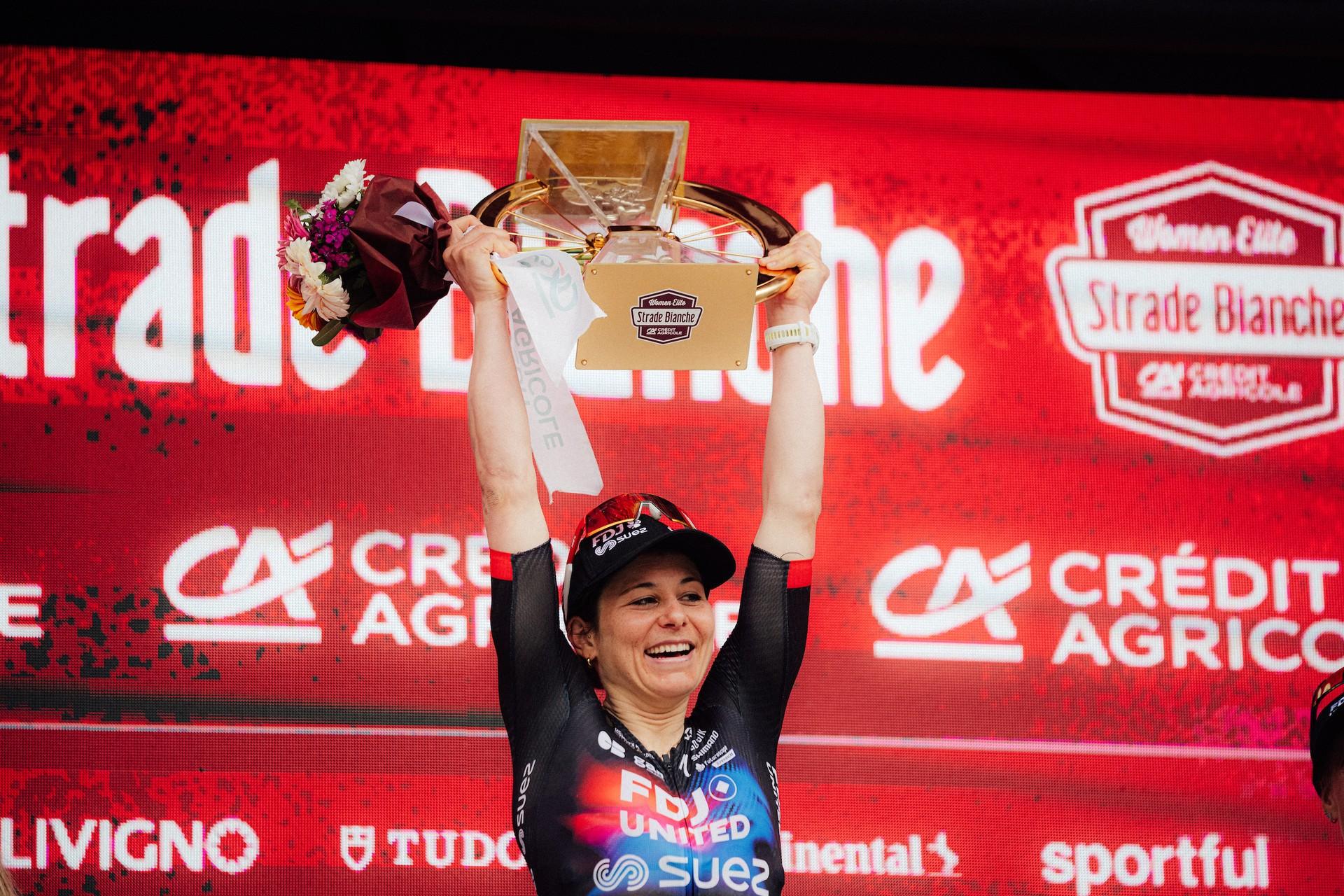
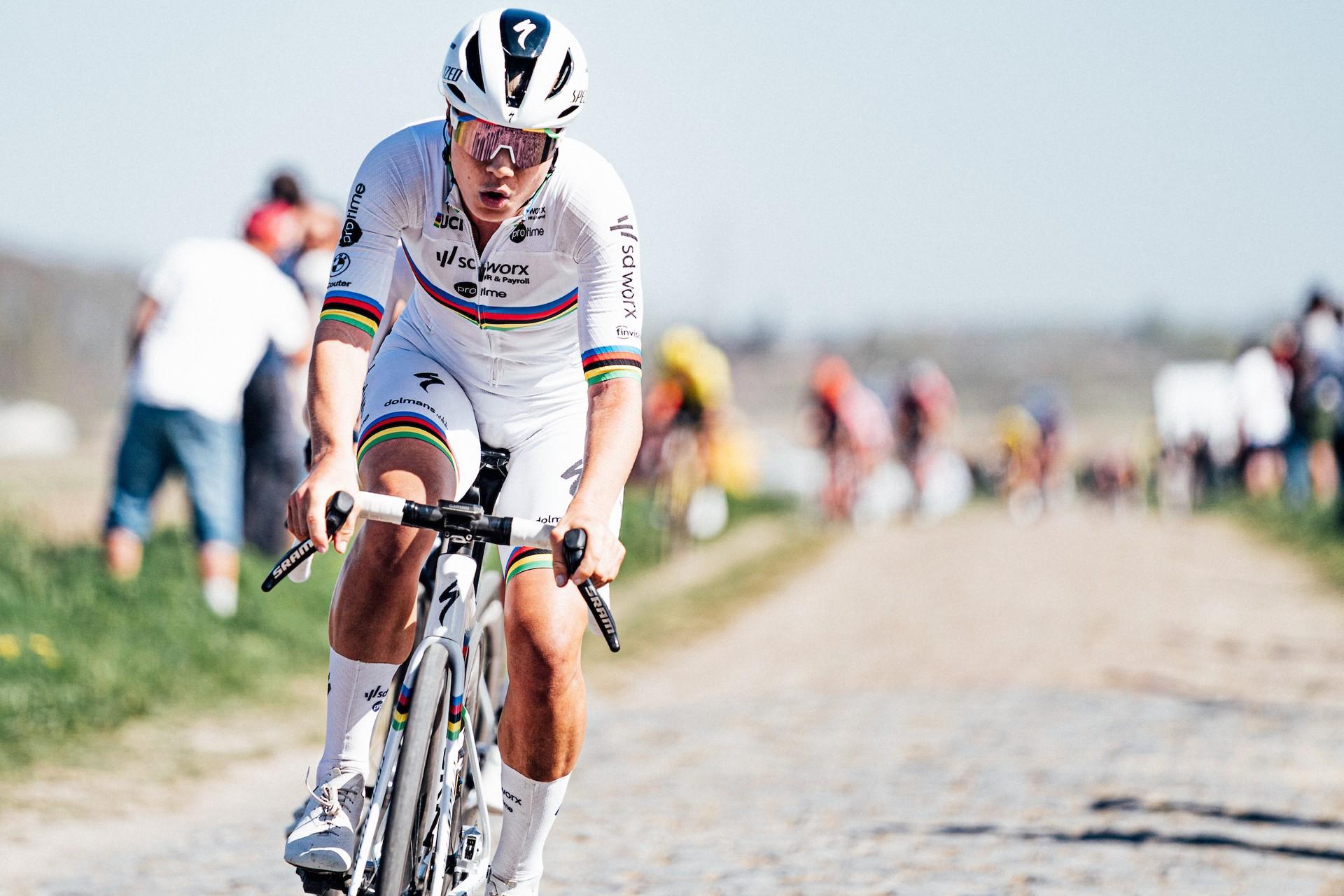
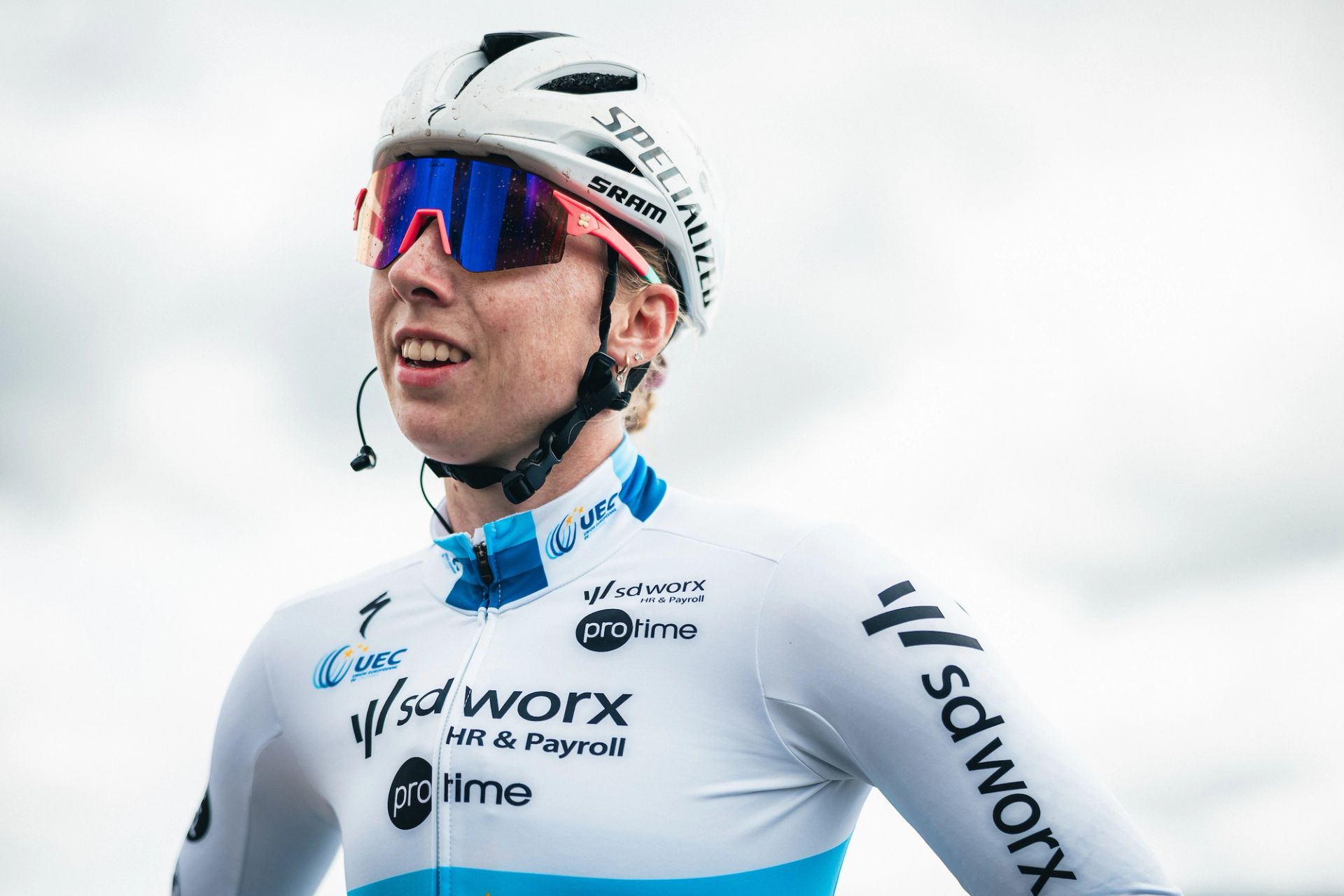
Lorena Wiebes (Team SD Worx-Protime), the defending champion, arrives as the rider everyone else has to plan around if the group comes to Via Roma together. Kasia Niewiadoma-Phinney (Canyon//SRAM zondacrypto) and Elise Chabbey (FDJ United-SUEZ) bring the sharpest WorldTour form of the spring so far, while Elisa Balsamo (Lidl-Trek) remains a threat if the selection is small enough to stay organised, but large enough to sprint.
Milano-Sanremo Donne 2026 Official Start List
Milano–Sanremo Donne route
The women’s Sanremo starts in Genoa at 10:40 CET and heads west along the Via Aurelia for what is, on paper, a long lead-in to a short, familiar finale. The first 100km are largely flat and fast, and the main work there is positioning and conserving enough riders to control the approach to the climbs.
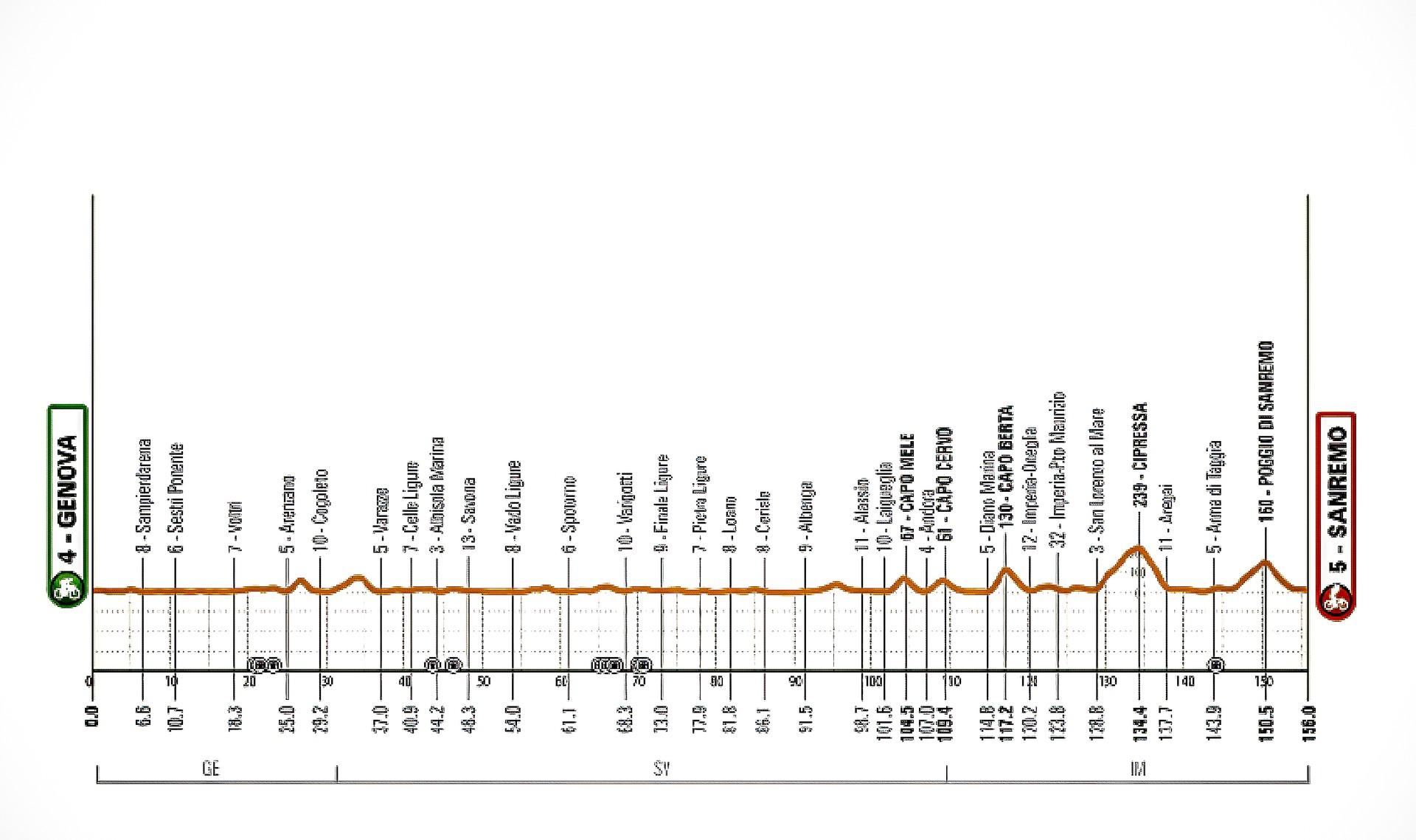
The road begins to tip up after Alassio over the Tre Capi: Capo Mele (1.9km at 3.6%), Capo Cervo (1.3km at 3.7%) and Capo Berta (1.7km at 6.9%). They are not decisive climbs, but they compress the bunch, force teams to spend domestiques, and can expose riders who are already under pressure from the distance.
The race’s first true selection point is the Cipressa, 5.6km at 4.1% with ramps to 9%, starting with 21.6km remaining. It is long enough for a committed team to squeeze out pure sprinters, but not steep enough to guarantee separation unless the pace is sustained and the approach is clean. Then comes the Poggio di Sanremo, 3.7km at 3.7% with pitches up to 8%, starting with 9km to go.
The crucial detail is what follows the summit. The Poggio tops out with 5.6km remaining, then drops for 3.3km on narrow, twisting roads before a flat, wide final 2km. If an attacker crests the Poggio with a few seconds, the descent is where they can turn that into a real gap, but the straight run to the line is long enough for a chase to reorganise.
Weather is the variable that can tilt this balance. Saturday's forecast for the Ligurian coast shows 12°C and mostly cloudy skies, with a 20% chance of light rain. Winds are light at 3–6 mph but shift northwesterly through the afternoon, creating a modest headwind on the exposed coastal sections that makes the post-Poggio run-in more defensive.
The benchmark: Wiebes and SD Worx-Protime
All roads still point towards a familiar Sanremo equation: if this comes back together on Via Roma, Lorena Wiebes is the most reliable endpoint in the race. Elisa Longo-Borghini may have been one climber who was capable of tearing things up on the Poggio, but her last minute withdrawal adds to the case for a likely sprint finish.
Marianne Vos’s late withdrawal is another significant loss for the attackers. Team Visma | Lease a Bike confirmed on Friday evening that Vos will not start after returning home to be with her family following news that her father’s health is critical. Rosita Reijnhout takes her place.
The finishing straight is long enough to reward control, and SD Worx-Protime have the depth to deliver it – with Lotte Kopecky able to close moves on the Poggio or descent before pivoting into a lead-out role if needed.
The most credible disruption does not come from a pure climber, but from riders who can follow the Poggio at pace and still finish. Elisa Balsamo sits just behind Wiebes in that regard, with a Lidl-Trek team built around a clear, singular objective if the race leans towards control.
UAE Team ADQ look more likely to shape the race than wait for it. Silvia Persico is the natural hinge here, capable of surviving a harder finale and turning it into something selective rather than a pure sprint, while the broader team strength gives them options to force hesitation behind.
Kasia Niewiadoma remains the most obvious rider to try and break the race on the Poggio's steeper ramps, but that move is increasingly anticipated. The more predictable the attack, the easier it becomes to manage – especially in conditions that favour the chase.
That leaves the race balanced on a familiar edge: unless the Cipressa meaningfully reduces the group, or the Poggio is ridden well beyond its usual threshold, the most likely outcome is still a reduced sprint – and in that scenario, everything still runs through Wiebes.