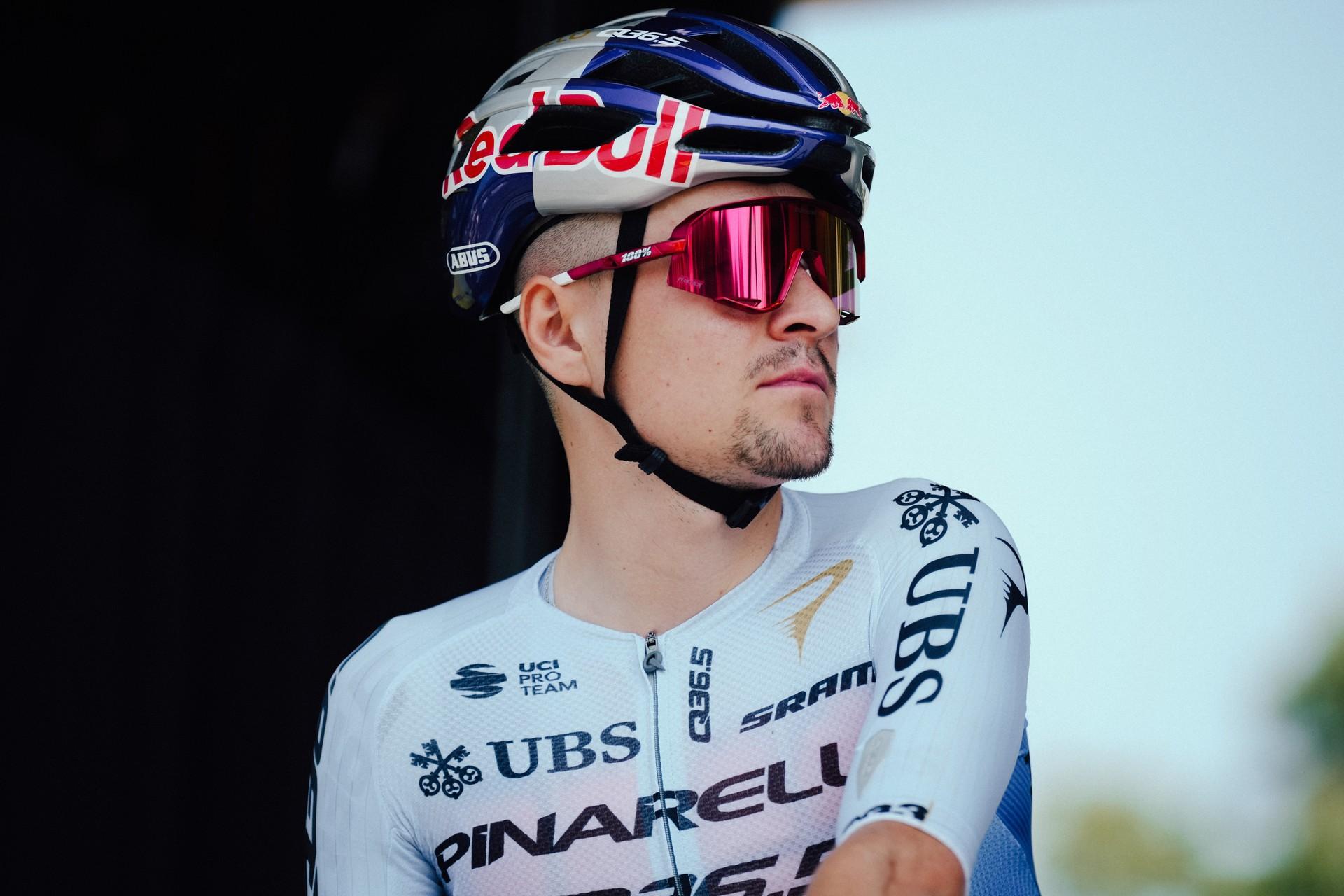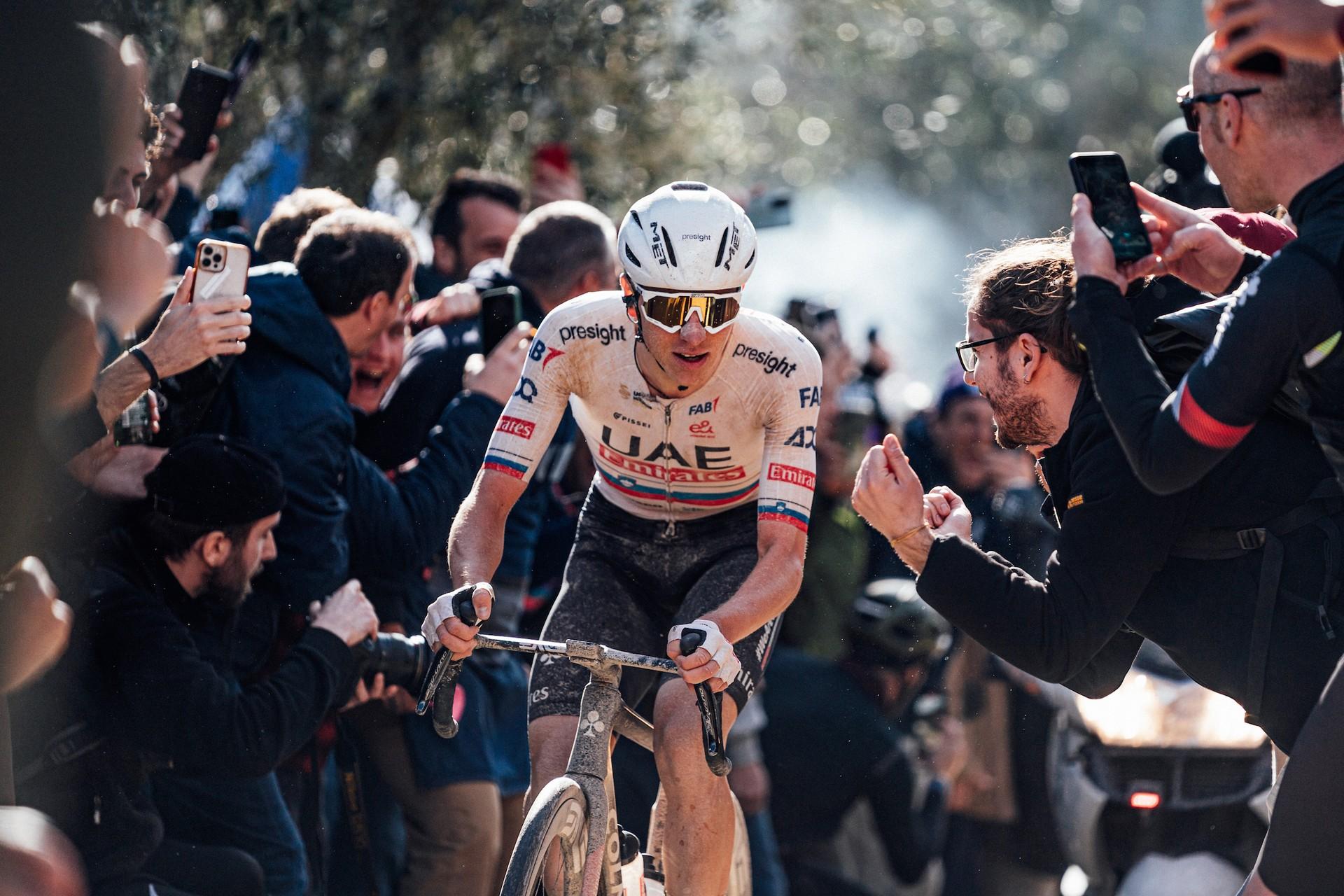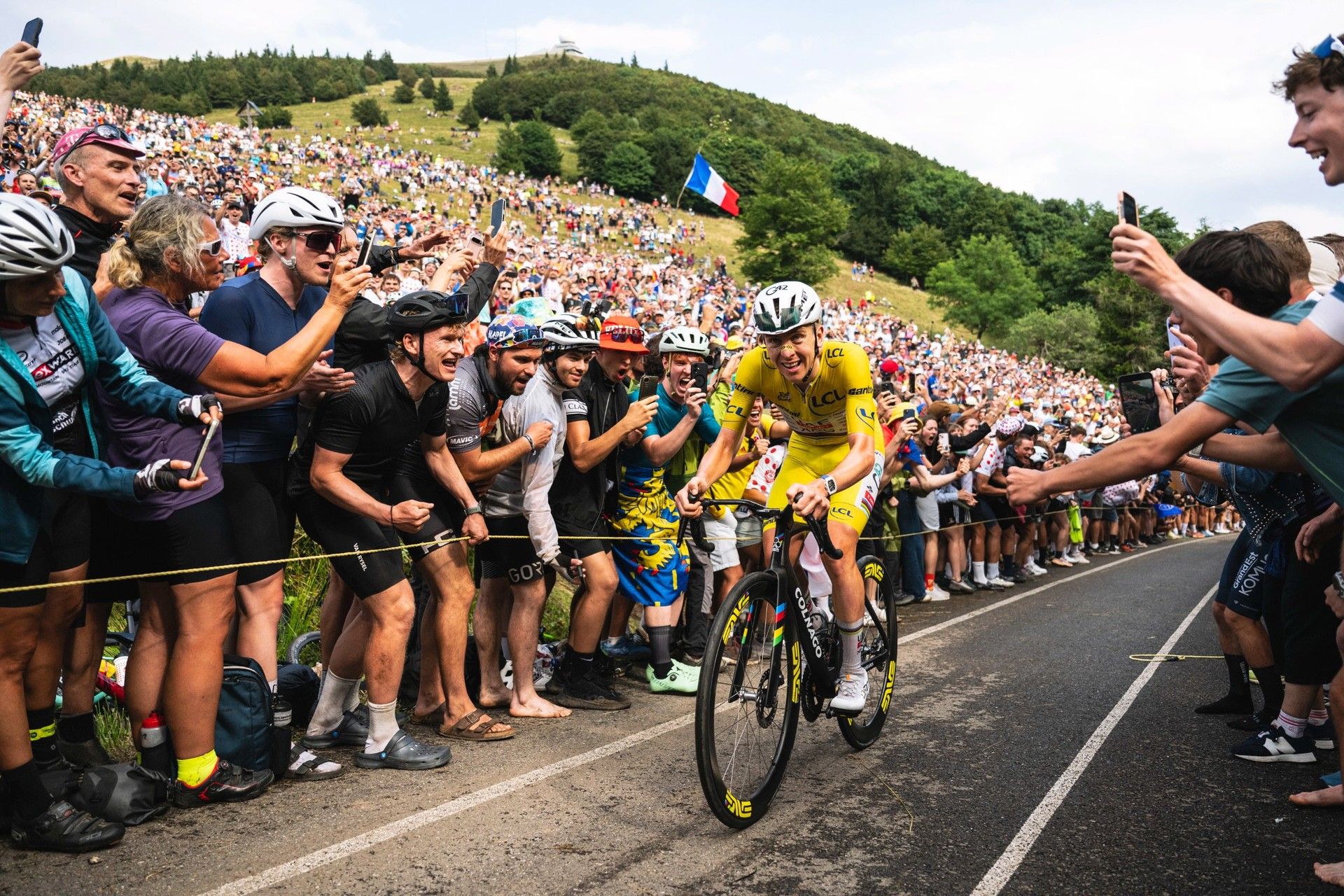
The 114th Tour de France, unveiled in Paris on October 22, fits 71km of individual time trialling, the most since 2012, into its 3,479km. Alongside the time trials it keeps six stages the organiser expects to end in bunch sprints, and it has short, steep finishes along the way. The result is a route where sprinters, puncheurs, breakaway riders and time triallists all have days of their own, and where the overall contenders can lose time well before the high mountains.
That doesn’t change the outcome that everyone is expecting. Tadej Pogačar (UAE Team Emirates XRG) is expected to go clear of the rest and be the outright record holder for wins with a sixth win ahead of Jacques Anquetil, Eddy Merckx, Bernard Hinault and Miguel Induráin. Chris Froome, who won the Tour four times, told TNT Sports that the extra time-trial distance looked like a response to that dominance.
"I think that's partly because Tadej's just been so dominant in the mountains that maybe bringing more time trial kilometres keeps some of the GC battle alive for a bit longer," he said. "For me, Tadej is still the clear favourite to go and challenge for number six next year, but certainly with those increased time trial kilometres, that's going to change how the main rivals are going to have to prepare."
Our interactive map graphic below follows all 21 stages from Edinburgh to Paris and marks the 12 where the overall contenders could lose time.
Tour de France 2027
Where the Tour could be lost
Twenty-one stages from Edinburgh to Paris, ridden on the land they cross.
Stage 1 · 2 July
Further north than any start
Edinburgh sits at 55.95°N. The first yellow jersey could go to whoever wins the sprint in Carlisle.
Stages 2 and 3 · 3 to 4 July
446km in two days
Then the first test for the overall contenders, a short, steep climb with only 12km left to recover.
Stages 4 and 5 · 6 to 7 July
Brittany's short walls
Low hills on the map, but these finishes are steep enough for puncheurs to take seconds.
Stages 6 to 9 · 8 to 11 July
Clock, distance, summit
Three ways to lose time on three days running: alone, over the longest stage, then uphill to end the week.
Stages 10 to 15 · 13 to 18 July
Short in distance, not in climbing
Les Saisies averages about 32m of climbing per kilometre, more than Sallanches. After the Alps come wind and a 10% ramp.
Stages 16 to 18 · 20 to 22 July
The race's roof is in the Pyrenees
The Alps stand taller on the map. The route climbs highest at the Col du Portet, at the end of the biggest day of climbing.
Stages 19 to 21 · 23 to 25 July
The last mountain ends downhill
The final Pyrenean climb tops out 19km from the line. Then Libourne and Paris close the race.
The whole route
Twelve stages to lose it, two to win it
- 5 steep finishes and climbs
- 2 time trials
- 2 long, hard days
- 2 days for wind
- 2 Alpine summit finishes
- Pyrenees, where it may be won
Every road stage carries finish bonuses of 10, 6 and 4 seconds and an intermediate sprint. Intermediate sprints helped decide the 2026 green jersey fight, so the points classification should again reward consistency as well as stage wins.
From Edinburgh to the Grand Colombier
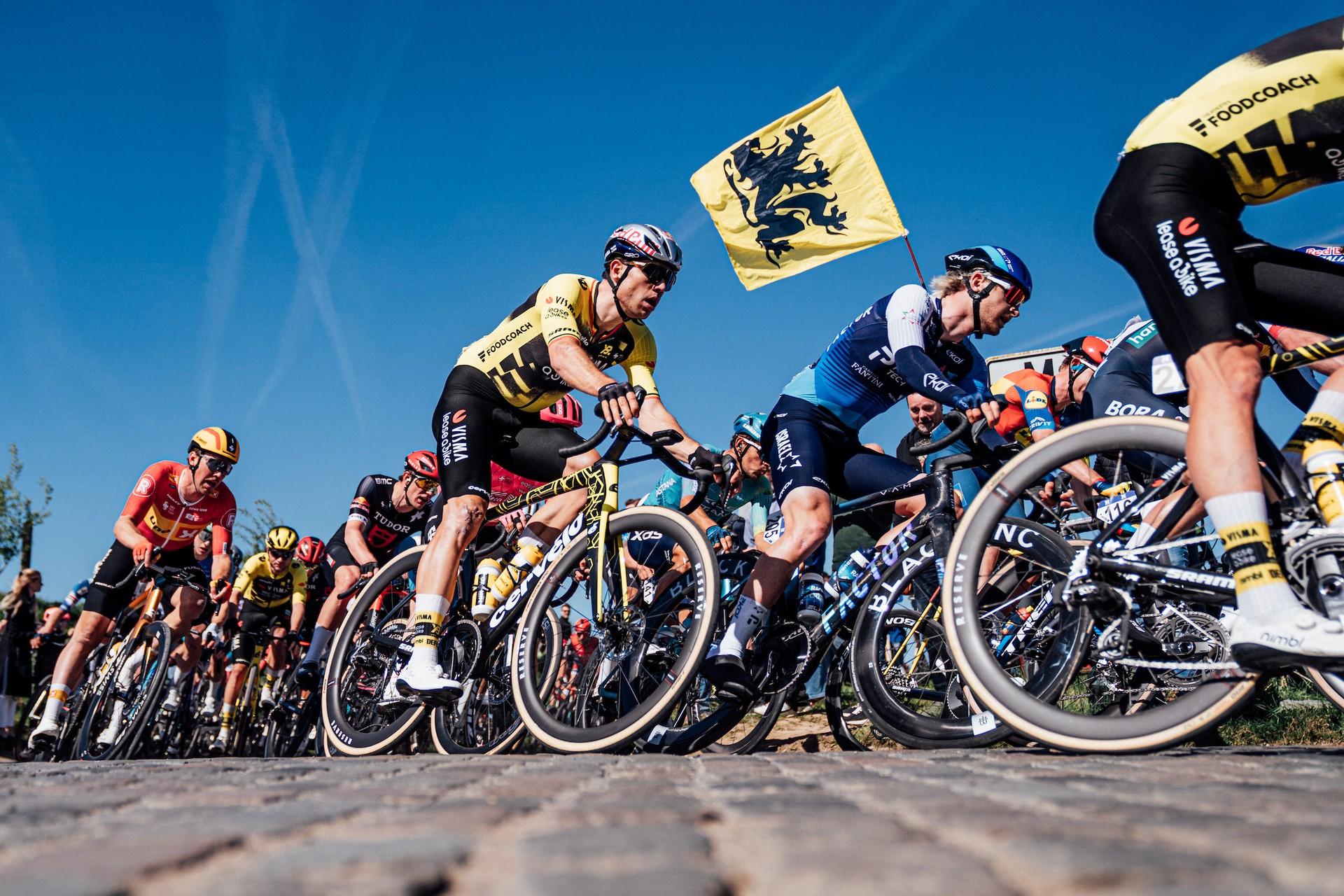
The 2027 race will see the UK host the Grand Départ for a third time, after London in 2007 and Yorkshire in 2014. The opening stage begins in the Scottish capital of Edinburgh, making it the northernmost start in Tour history. The opener to Carlisle is likely to be a sprint with some riders, including British star Matthew Brennan (Team Visma-Lease a Bike), likely looking towards that as a rare chance to wear yellow.
 Photo: Morgan Bove
Stage 2 leaves the beautiful town of Keswick along the shores of Derwentwater and the slopes up to Skiddaw before heading south past the reservoir of Thirlmere, through Grasmere and Ambleside then Windermere with the likes of Helvellyn looming over them before five categorised climbs on the edge of the Pennines. At 223km it is a brutal stage with some good early KOM points available before another likely sprint in Liverpool.
Route
21 Stages • 3,479km total

| Stage | Date | Route | Distance | Type |
|---|---|---|---|---|
| 1 | Jul 2 | Edinburgh – Carlisle | 185 km | Flat |
| 2 | Jul 3 | Keswick – Liverpool | 223 km | Hilly |
| 3 | Jul 4 | Welshpool – Cardiff | 223 km | Hilly |
| 4 | Jul 6 | Cherbourg-en-Cotentin – Cherbourg-en-Cotentin | 171 km | Hilly |
| 5 | Jul 7 | Pontorson – Plumelec | 178 km | Hilly |
| 6 | Jul 8 | Vannes – Angers | 193 km | Hilly |
| 7 | Jul 9 | Blois – Chambord | 38 km | Individual time trial |
| 8 | Jul 10 | Bourges – Le Creusot | 224 km | Hilly |
| 9 | Jul 11 | Villars-les-Dombes Parc des Oiseaux – Grand Colombier | 162 km | Mountain |
| 10 | Jul 13 | Annecy – Sallanches | 171 km | Mountain |
| 11 | Jul 14 | Cluses – Les Saisies | 150 km | Mountain |
| 12 | Jul 15 | Chambéry – Valence | 162 km | Flat |
| 13 | Jul 16 | Aubenas – Montpellier | 164 km | Flat |
| 14 | Jul 17 | Montpellier – Mende | 199 km | Mountain |
| 15 | Jul 18 | Rodez – Albi | 169 km | Hilly |
| 16 | Jul 20 | Toulouse – Toulouse | 33 km | Individual time trial |
| 17 | Jul 21 | Muret – Pau | 186 km | Flat |
| 18 | Jul 22 | Pau – Saint-Lary-Soulan Col du Portet | 174 km | Mountain |
| 19 | Jul 23 | Hasparren – Laruns | 160 km | Mountain |
| 20 | Jul 24 | Maubourguet – Libourne | 198 km | Flat |
| 21 | Jul 25 | Saint-Quentin-en-Yvelines – Paris Champs-Élysées | 116 km | Flat |
Then off to Wales and a start in the sleepy town of Welshpool with a stage that looks like it could maybe be the first chance for the GC riders to flex their muscles. After the Epynt (3.7km at 7.9%), the climbs through the old coalmining valleys get shorter and steeper. The last is the Côte de Caerffili, 2km at 8.1%, which crests 12km from the finish.
The first two stages in France continue that theme for the puncheurs, in true Breton fashion, with an uphill finish in Cherbourg and two ascents of the Côte de Cadoudal before Plumelec. Angers offers the sprinters a chance on stage 6. Then come the 38km time trial from Blois to Chambord and the 224km stage 8 to Le Creusot, the longest of the race with 3,100m of climbing. The last time the Tour finished there, in 2021, Matej Mohorič (Bahrain Victorious) won from the breakaway. The first week ends on the Grand Colombier, 17.4km at 7.1%, which Pogačar won on his way to his first Tour title in 2020.
Alps, sprints and the Pyrenees
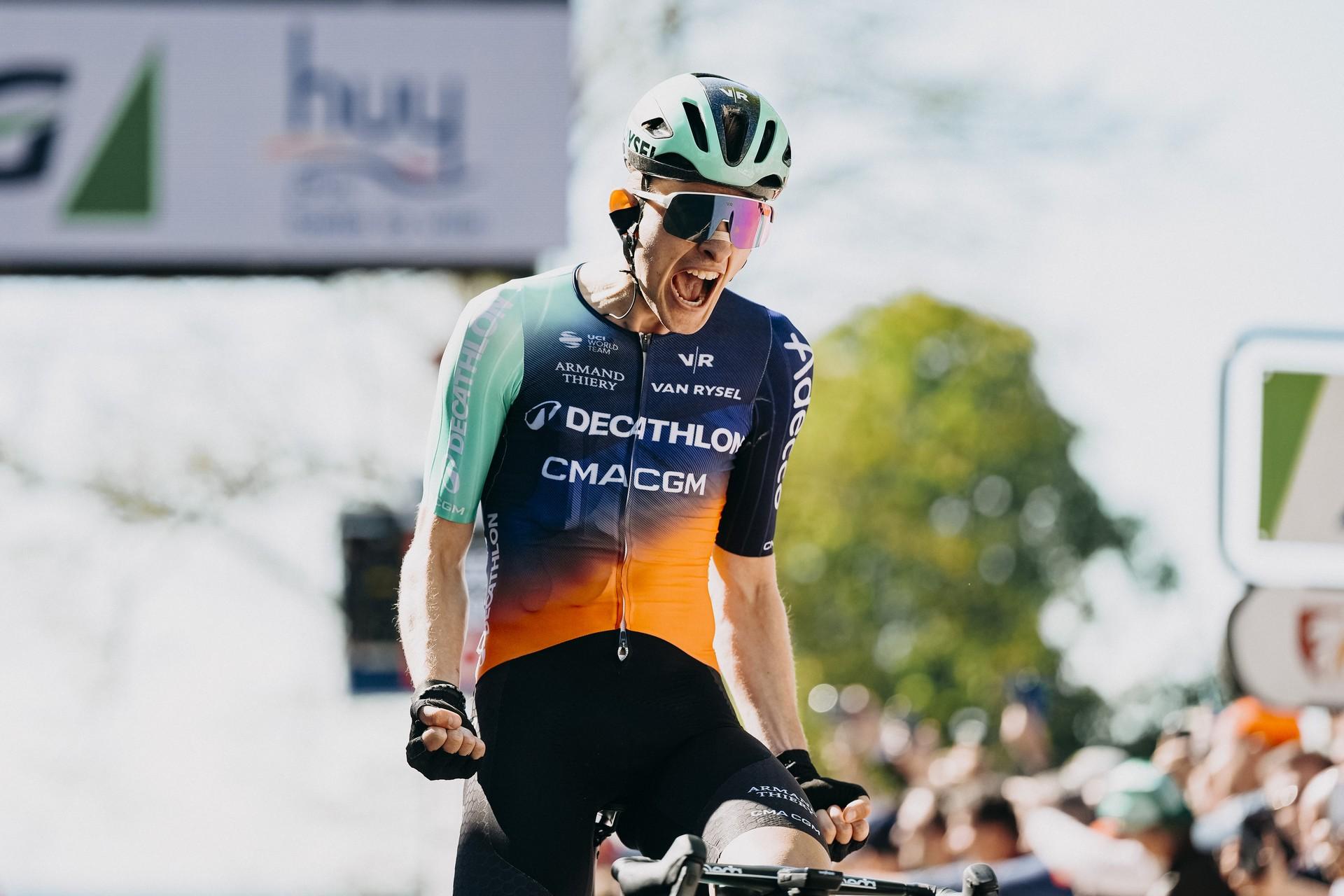
Into week two and the race remains in the Alps for the time being, but not for long. Stage 10 to Sallanches has 3,750m of climbing and two ascents of the Côte de Domancy (2.5km at 9.4%), a preview of the Haute-Savoie World Championships in August. The Bastille Day stage to Les Saisies is only 150km long but packs in 4,750m of climbing via the Colombière, Pré and Bisanne with a rare mountaintop finish. The sprinters then get back-to-back chances in Valence and Montpellier, where wind could split the race. Mende's Côte de la Croix Neuve (3km at 10.1%) follows, a finish where Michael Matthews (Team Jayco AlUla) and Steve Cummings have both won from breakaways. The hilly stage 15 to Albi has eight categorised climbs and suits breakaways.
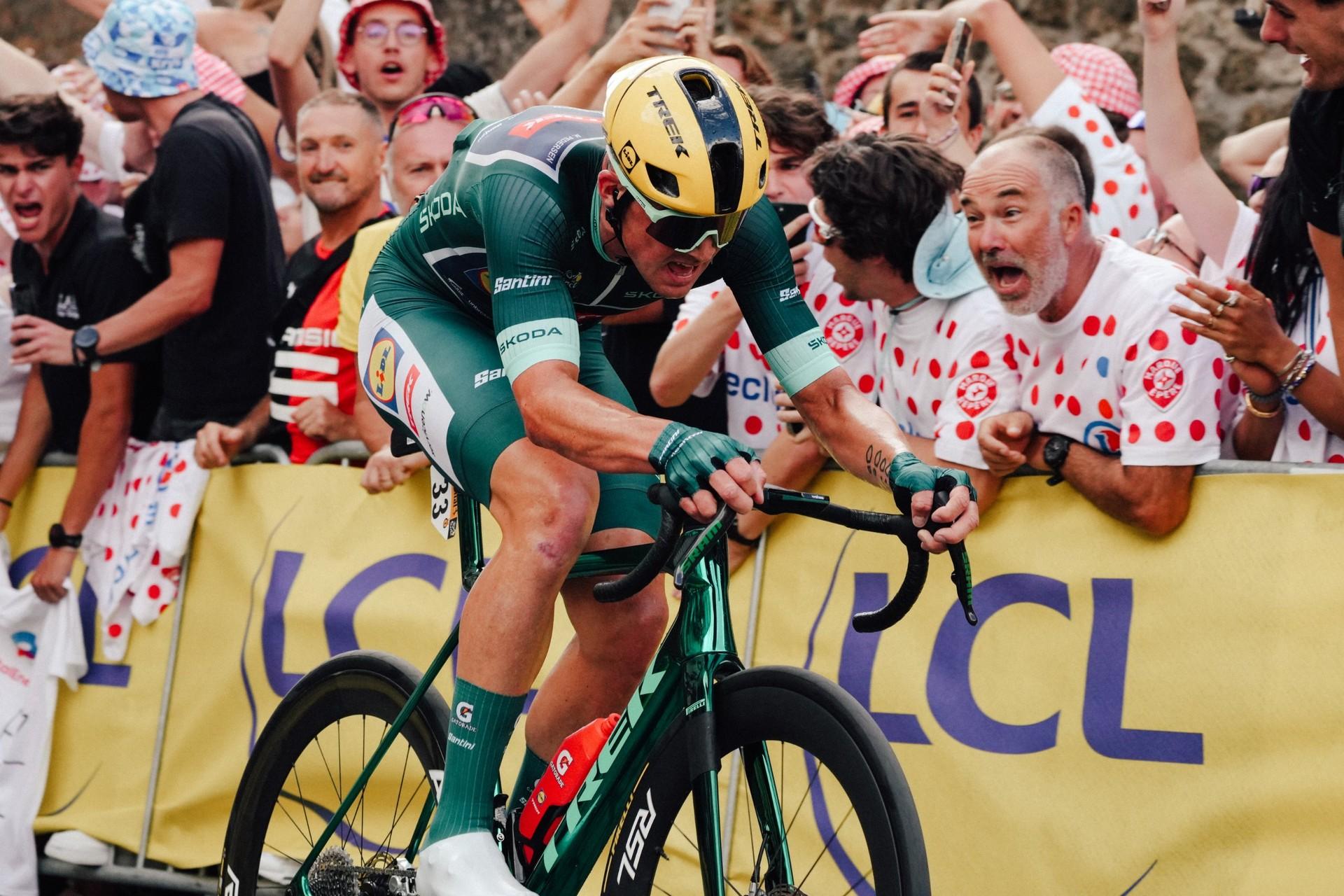 Photo: Thomas Maheux
The Toulouse time trial opens the final week. The 33km course is mostly flat, but the Côte de Pech David is 800m long at 12.4% and may challenge the usual pure time triallists with the likes of Remco Evenepoel (Red Bull-Bora-Hansgrohe) likely unbothered. After a likely sprint in Pau, the queen stage packs 5,400m of climbing over the Soulor, Tourmalet and Hourquette d'Ancizan before the 16km climb to the Col du Portet at 8.7%. At 2,215m, the Portet is the highest point of the race, and Pogačar won there in 2021. Stage 19 crosses the Soudet and Marie-Blanque, which crests 19km before the finish in Laruns, leaving room for a descent rather than a summit duel and another big opportunity for a break.
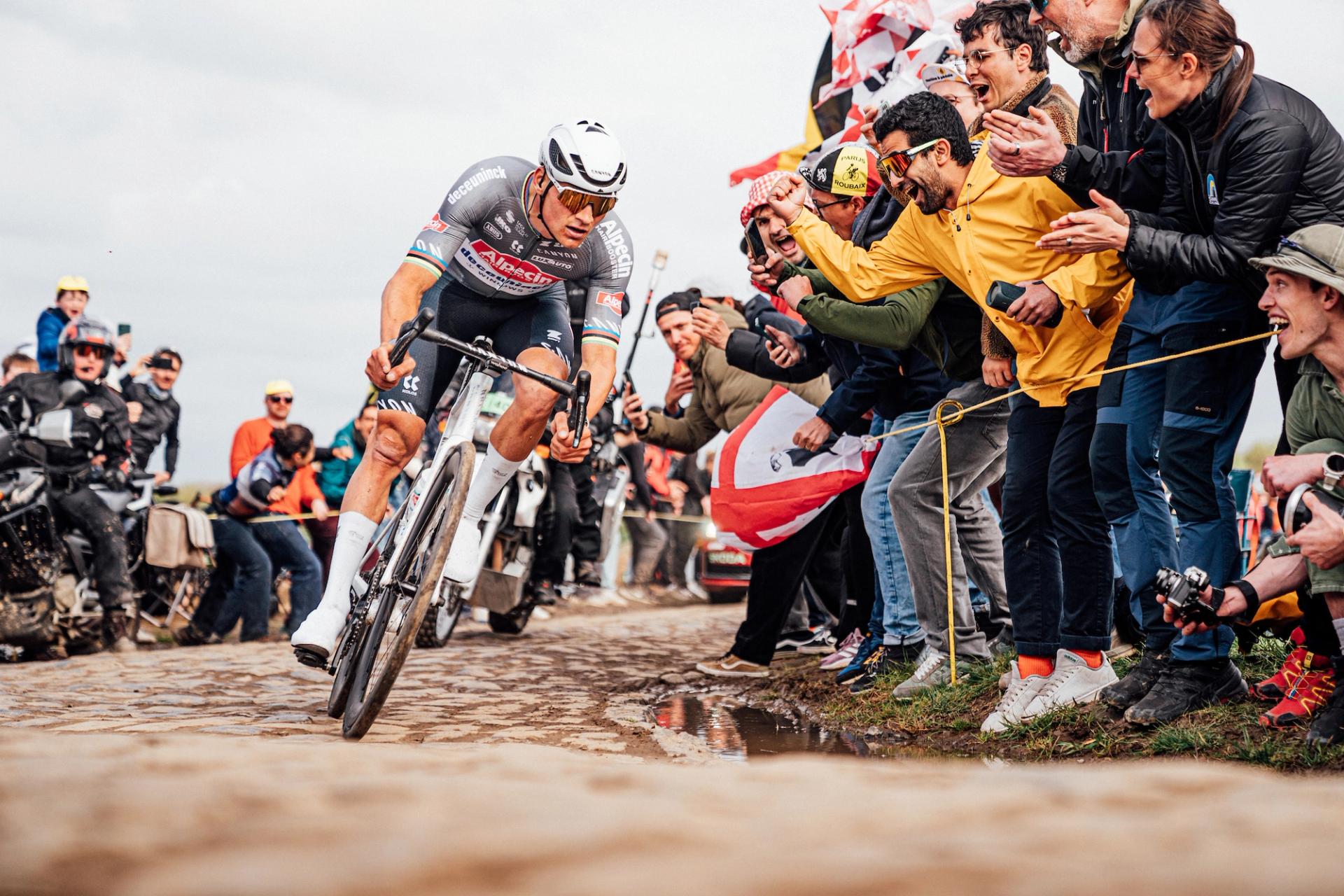
Libourne should give the sprinters one more opportunity, provided their teams still have the legs to control the breakaway. Paris keeps its three ascents of Montmartre. Wout van Aert (Team Visma-Lease a Bike) countered Pogačar to win in 2025, and Mathieu van der Poel (Alpecin-Premier Tech) narrowly held off the sprinters in 2026 after gapping the Slovenian star in the final kilometre.
All in all, this is a very intriguing route that leaves the race nicely open to some aggressive racing across the three weeks as ASO look to combat Pogačar’s dominance over the last few years. Only Jonas Vingegaard (Team Visma-Lease a Bike) has previously managed to beat Pogačar in a straight fight in the Tour. Maybe he or even someone else can take it to the former world champion.