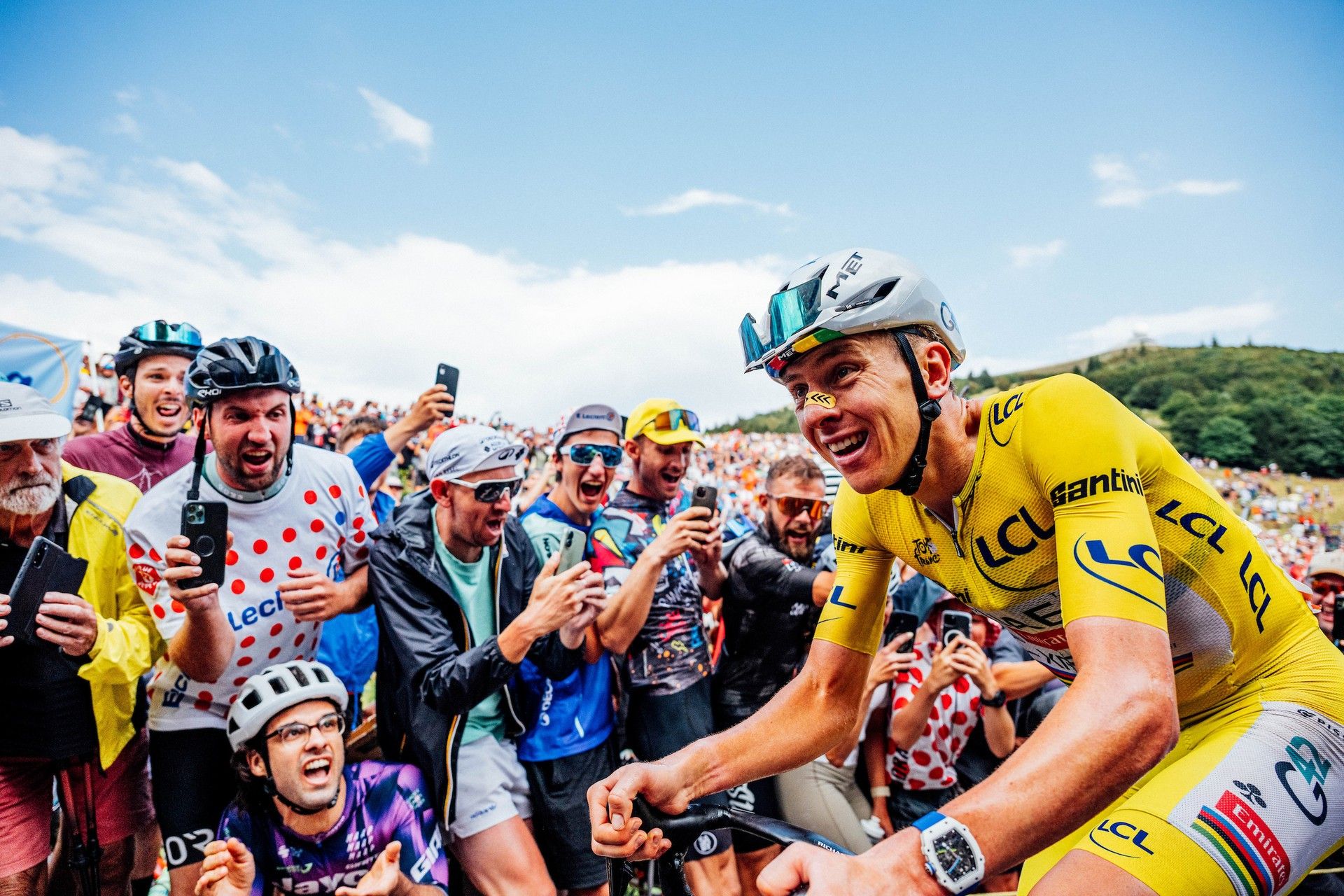
Tadej Pogačar (UAE Team Emirates XRG) has said that he believes the vast majority of the peloton is now racing clean. He said riders are more aware of the damage doping can do to their health, but that there might always be someone who tries to cheat.
In his interview with La Gazzetta dello Sport, published on November 21, he was asked about the overnight anti-doping controls at this year's Tour de France. Before stage 15 on July 19, testers woke Jonas Vingegaard (Team Visma-Lease a Bike) at 2am and Pogačar at 5am. Asked whether he would vouch for himself and the vast majority of the peloton, Pogačar said: "Yes. If you like, I'll explain why, too."
"First of all, there's a full awareness, much greater than in the past, of the harm banned substances can do to your health. Cycling is a sport and nobody wants to risk their life. Maybe there will always be someone who tries, but I've met so many people in cycling, all different, and every one of them loves the sport," he said.
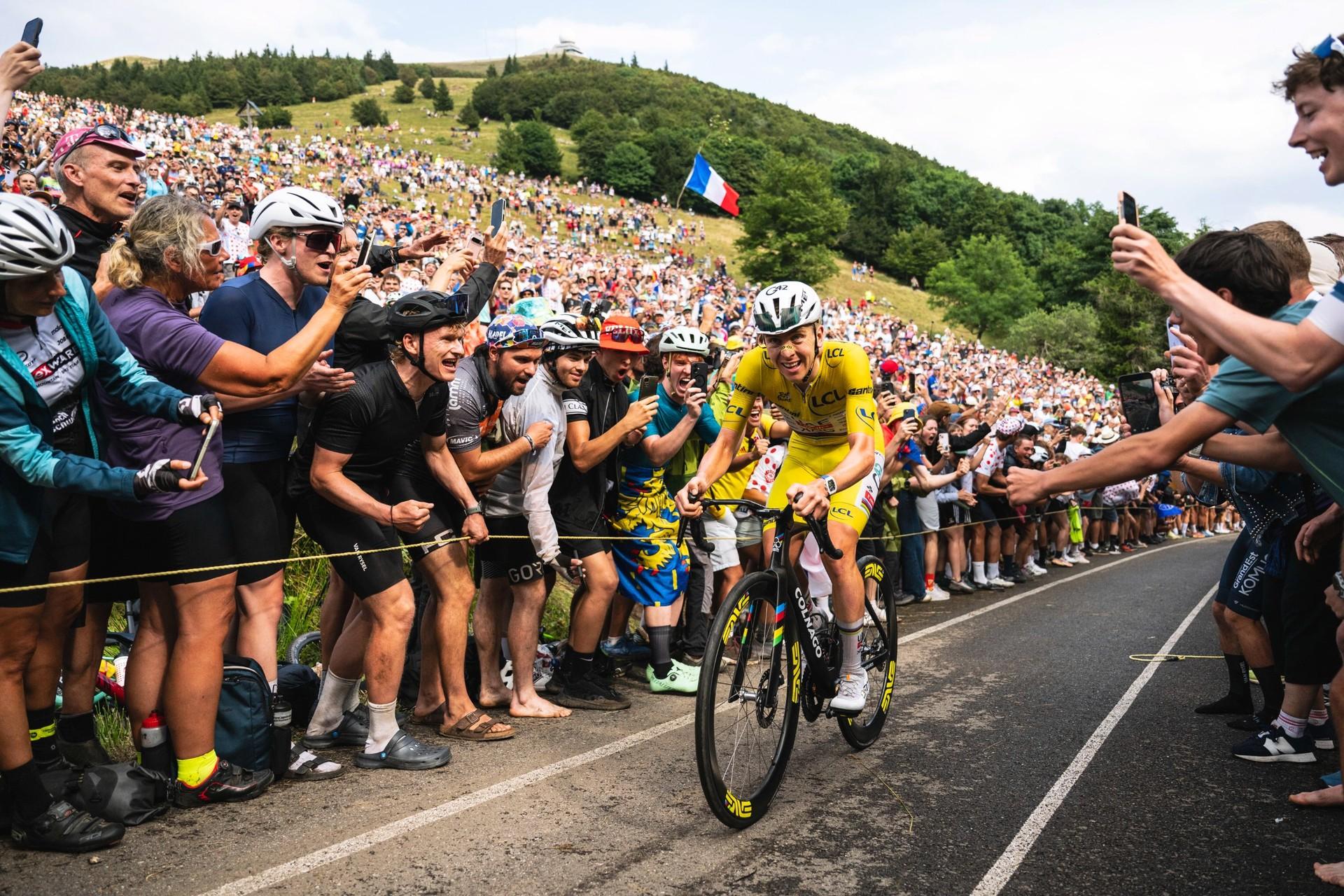 Photo: Charly Lopez
"They give it 100 percent. They focus on eating well, training well and recovering. They put an enormous amount of effort into it. And people know that cheating and risking losing all of that, ruining themselves… It's not worth it."
A more optimistic consensus
David Walsh, the journalist who helped expose Lance Armstrong’s doping, has been notably confident that Pogačar’s natural ability is what has distinguished him, rather than casting his focus on potential doping practices. He wrote in his July 25 Sunday Times column that Pogačar “may be the most complete athlete in the world right now”.
Former professional rider Dan Lloyd set out why he believes today’s peloton is mostly clean in a July essay on X. Drawing on the gains he made in his own racing career, he argued that better training, faster equipment and higher carbohydrate intake help explain why riders are breaking records set in the doping era. He stopped short of saying the sport was entirely clean.
The stopwatch on Alpe d’Huez tells a narrower story. Pogačar took 83 seconds off Marco Pantani’s 1995 record, but our July analysis put Pantani 14 seconds ahead after adjusting for equipment. That estimate depends on assumptions about Pantani’s bike and does not account for wind, drafting, race conditions or doping. It shows that while current performances are exceptional, they are potentially not far exceeding those of cycling’s most problematic doping era.
Other riders have drawn a line between testing that works and a sport that is entirely clean. In January, Ben Healy (EF Education-EasyPost) told the Irish Mirror that riders were tested thoroughly and often, but rejected the idea that any sport could be declared completely clean.
"That's not to take away from anything that the sport and the governing bodies are doing to try and keep it clean and catch people out," he said.