Ben Healy (EF Education-EasyPost) has stated it is "impossible" to claim professional cycling is 100% clean.
Speaking to the Irish Mirror on January 3, Healy argued that absolute purity in elite sport is a statistical and practical impossibility. "In any sport I think it's impossible to go, 'Oh yeah, the sport is 100% clean'," he said.
The 25-year-old Irishman, who finished ninth overall at the 2025 Tour de France and won bronze at the World Championships in Kigali, used the recent provisional suspension of Oier Lazkano as evidence that the testing infrastructure is effective in catching ongoing infractions rather than providing blanket guarantees.
"Look at Oier Lazkano, everyone's being tested thoroughly and pretty often," Healy said. "Potentially even more than other sports."
Lazkano was suspended in October 2025 due to "unexplained abnormalities" in his Athlete Biological Passport spanning 2022 to 2024. The suspended Red Bull-Bora-Hansgrohe rider, who has denied any wrongdoing, is contesting the charges.
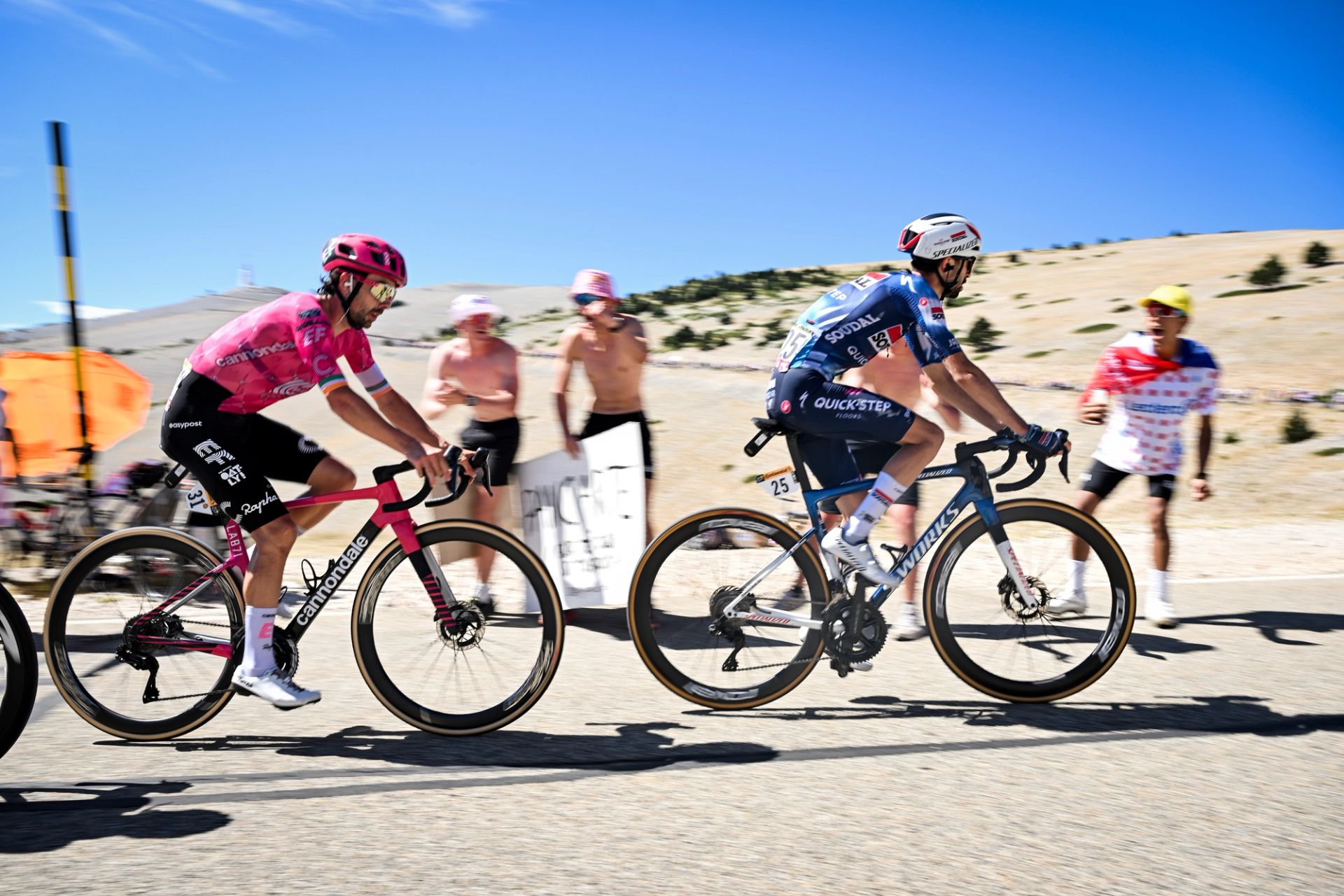
Healy can count himself amongst the new generation of riders who are toppling historic climbing and speed records – comparisons we dived into with our analysis of Froome and Pogačar's ascent of Mont Ventoux. Healy was second on stage 16 of the 2025 Tour de France, where a batch of riders ascended Ventoux minutes faster than historic climbing talents such as Chris Froome, but for whom doping skepticism has been more measured and less extreme than during the era of Team Sky dominance.
Healy's 2025 season established him as a legitimate Grand Tour threat, winning the Tour's Super Combativity Award after a stage victory and two days in the yellow jersey.
While distinguishing cycling as more strictly monitored than other sports, Healy argued that high-profile suspensions should be viewed as evidence of a functional, if imperfect, system rather than proof of widespread cheating.
Mark Cavendish, speaking to media around the same period, stated he believes he has "raced in one of, if not, the cleanest sport in the world" due to the intensity of anti-doping infrastructure.