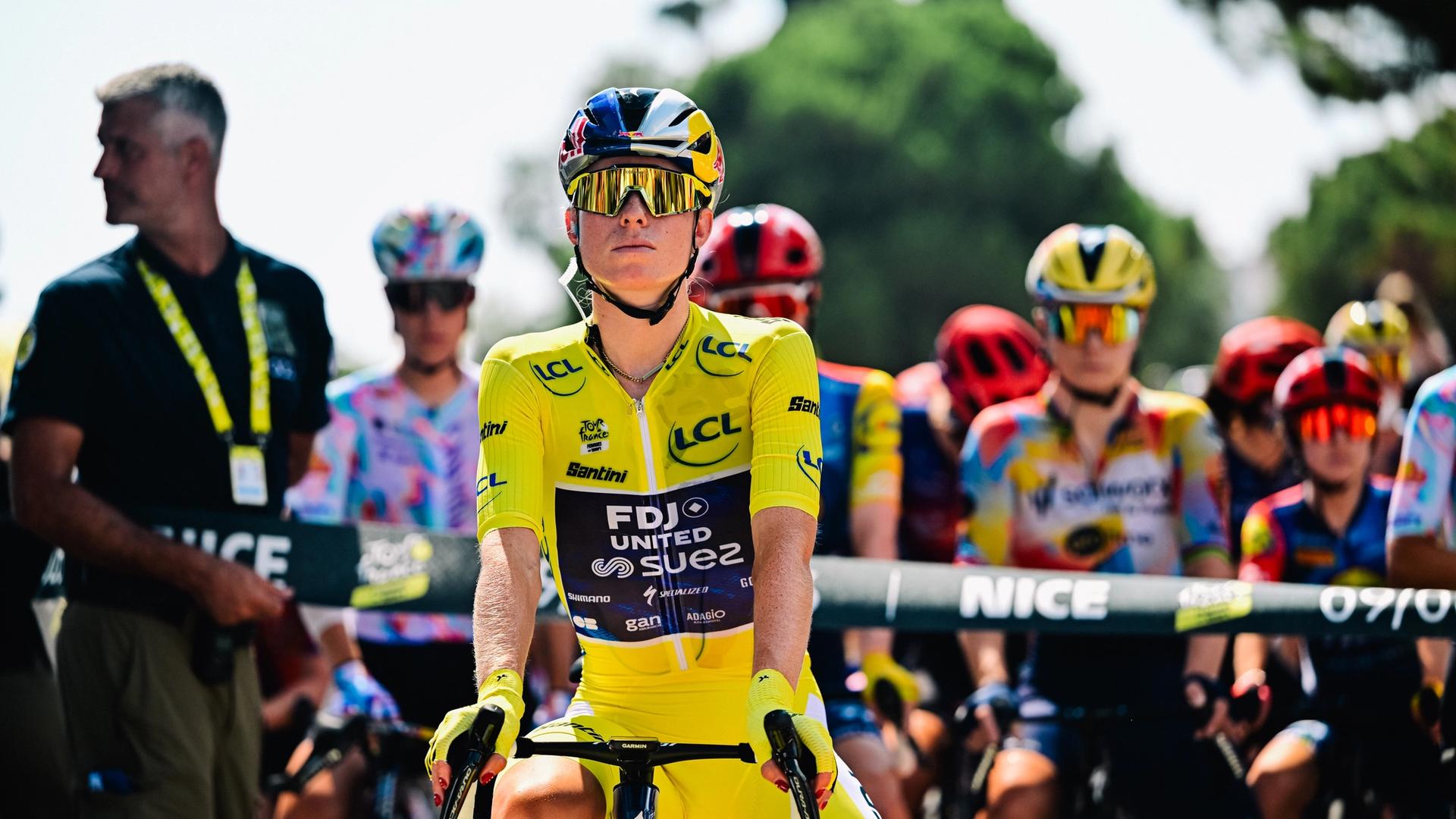
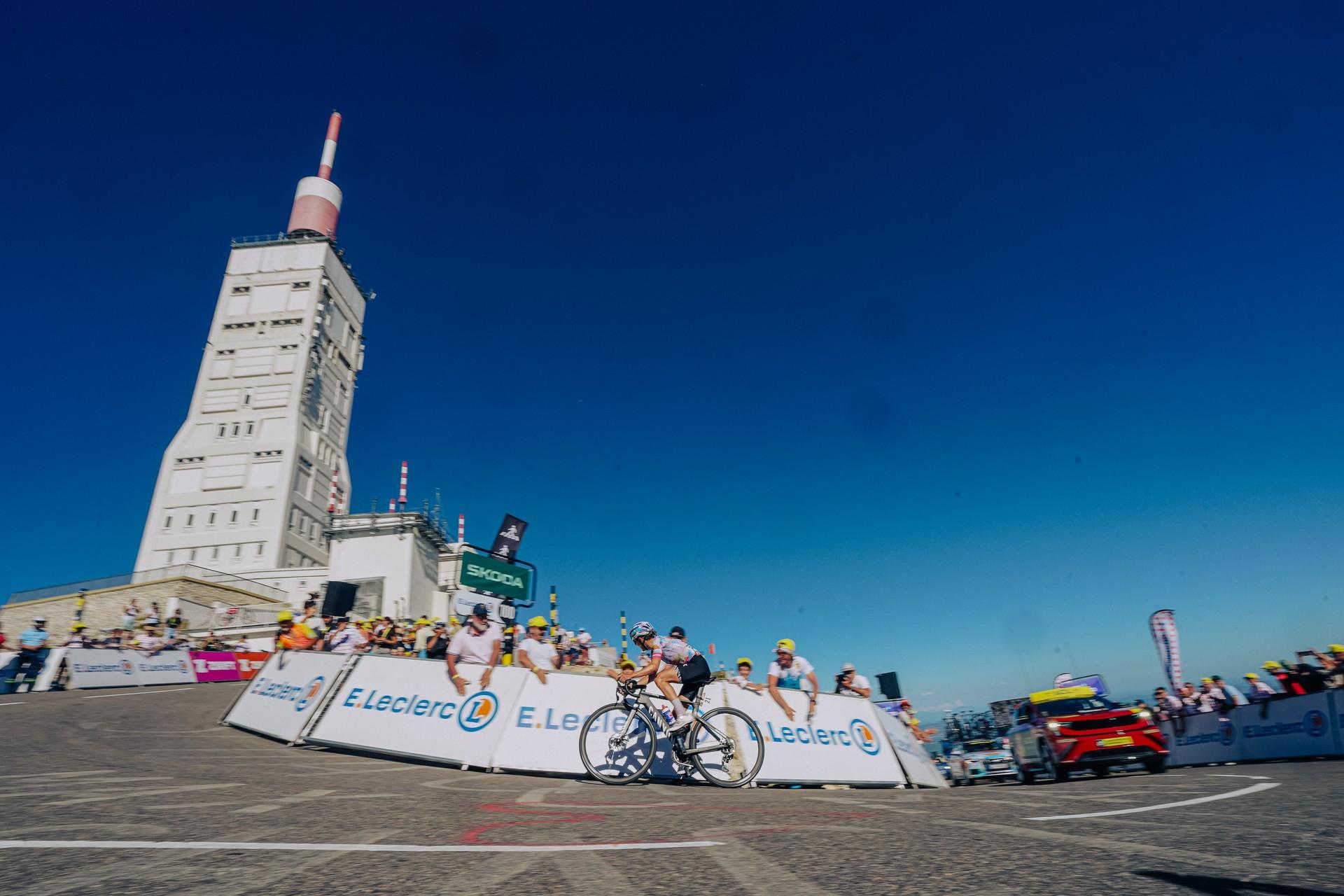
When Kasia Niewiadoma-Phinney ascended Mont Ventoux to seize the yellow jersey in the Tour de France Femmes on stage 7, her 55:20 ascent was estimated at 5.3W/kg, a benchmark heralded as the best climbing effort by a female professional cyclist.
In a new era of superstar female racers, though, Niewiadoma-Phinney is closely matched by Pauline Ferrand-Prévot and Demi Vollering in a women’s WorldTour field that vastly outpaces the pros of a decade ago.
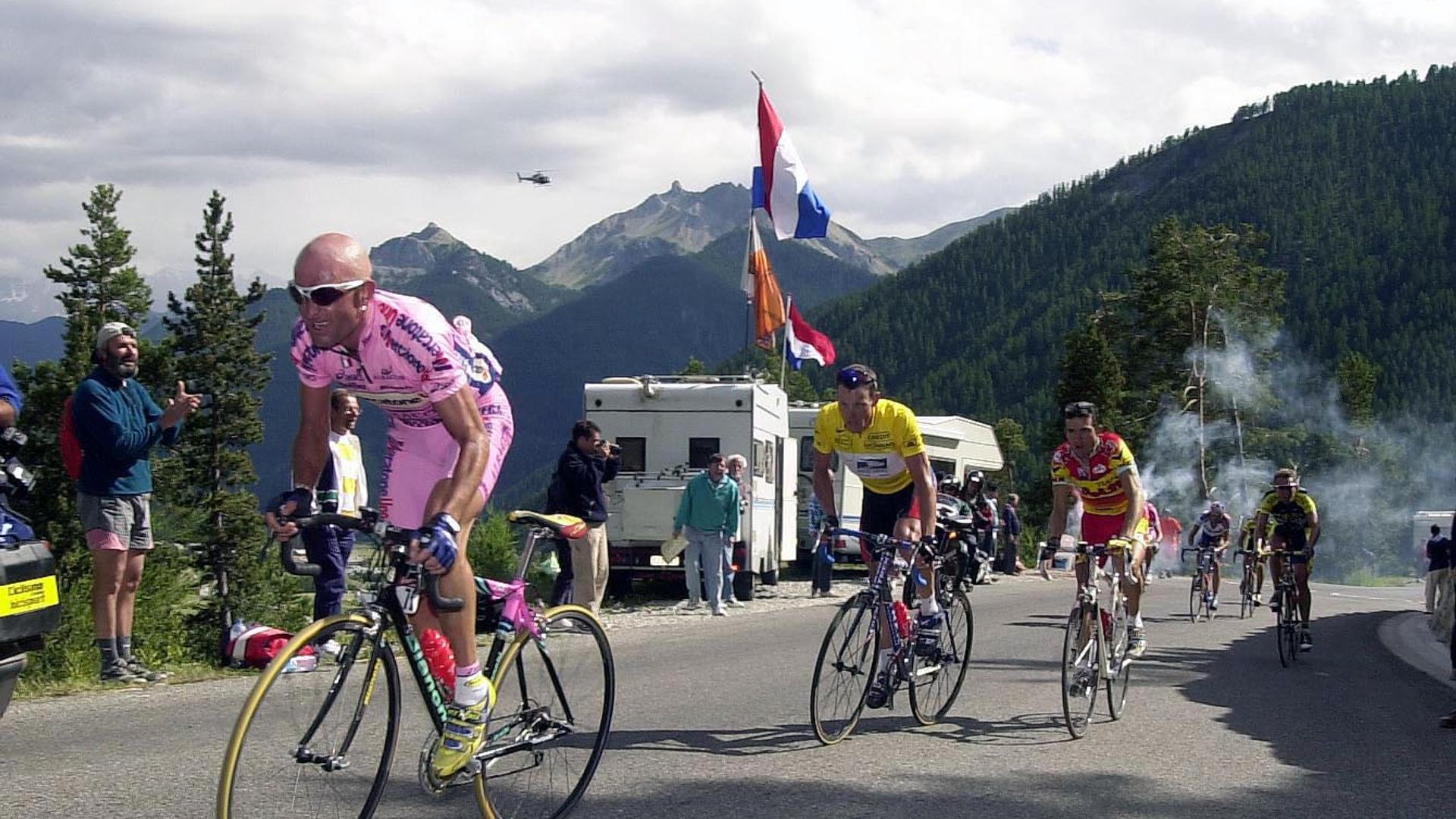
It’s a pattern that echoes the men’s peloton, which we explored in our analysis of the fastest equipment-adjusted Alpe d’Huez ascents.
We wondered, though, with women’s athletes seemingly surging forward in performance, how has it reflected against historic benchmarks? Equally, has the women’s peloton collectively sped up in step with the impressive leaps in individual performance, and how has it compared to the record speeds of the men’s peloton? And what lies behind the relationship?
Widening, not converging
One of cycling’s great successes in recent years is that the women’s professional sport has become faster, better funded and more visible. We decided to quantify those improvements and consider how they compare with changes in the men’s peloton. The aim is not to pit women against men, but to use the two pelotons as the closest and most interesting comparison of how racing speeds are changing.
Our analysis covers winning speeds from 382 flat and hilly Grand Tour stages: 280 men’s stages from the Tour de France and Giro d’Italia, and 102 women’s stages from the Tour de France Femmes and Giro d’Italia Women. We excluded mountain stages and time trials, where differences between courses make comparison more difficult. The results show that women’s racing has become faster, but the speed gap to the men’s peloton has widened rather than narrowed.
The women’s median stage-winning speed increased from 39.5km/h in 2013–2020 to 40.3km/h in 2021–2026. Over the same periods, the men’s median rose twice as much, from 42.8km/h to 44.5km/h.
Speed is only one measure of a race. It can’t quantify tactical depth, competitiveness or the quality of the spectacle. But the individual gains at the top of women’s cycling raise a more interesting question: after a decade of physiological progress and rapidly rising investment in the women’s sport, why have collective speeds not closed the gap to the men, and why have the men pulled further ahead on Grand Tour stages?
A larger, better-funded sport
The professional environment around the women’s peloton has changed substantially over the past decade. The Women’s WorldTour grew from 17 events and 34 race days in 2016 to 28 events and 77 race days on the UCI’s 2026 calendar.
Average Women’s WorldTour team budgets increased from €2.35 million in 2022 to €4.67 million in 2025, while the combined budget rose from €33 million to €70 million, according to figures published by Zwift. Minimum salaries, mandatory live coverage and a second professional tier have strengthened the structure at the top of the sport.
The Tour de France Femmes, introduced in 2022, is now broadcast in 190 countries. Its 2024 edition generated 80 million viewing hours across seven European countries and was decided by four seconds. Six riders from five teams won stages across the eight-day race.
Progress remains uneven. In The Cyclists’ Alliance’s 2025 survey, 54% of respondents said racing provided their sole income, while 84% of Continental riders earned less than €20,000 a year. Greater investment at WorldTour level has not resolved the financial insecurity below it. Though, as we exclusively reported in early 2026, UCI Women's ProTeams were the only group to receive a minimum pay increase in 2026, setting a new €22,000 minimum annual salary.
Faster racing without convergence
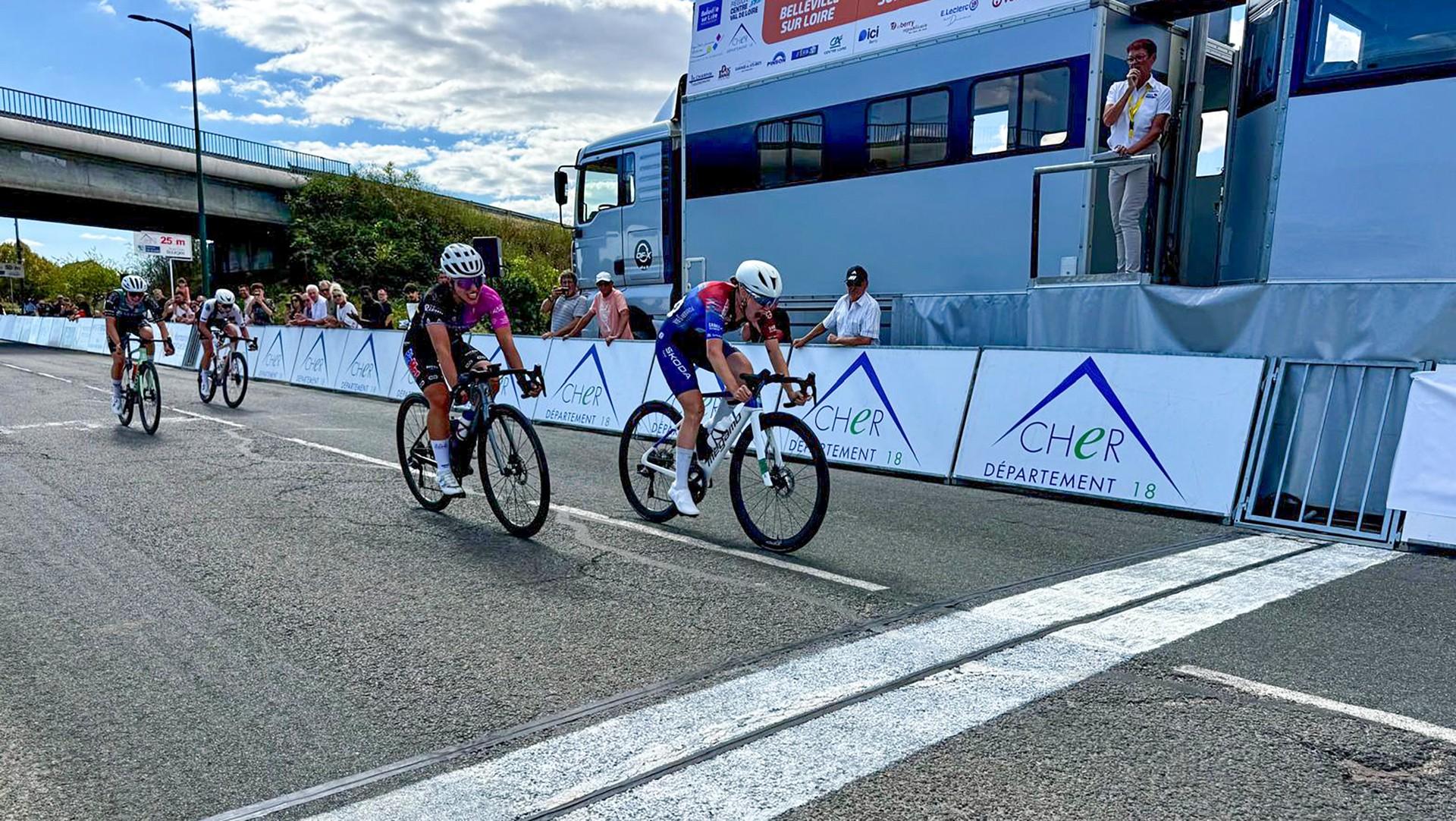
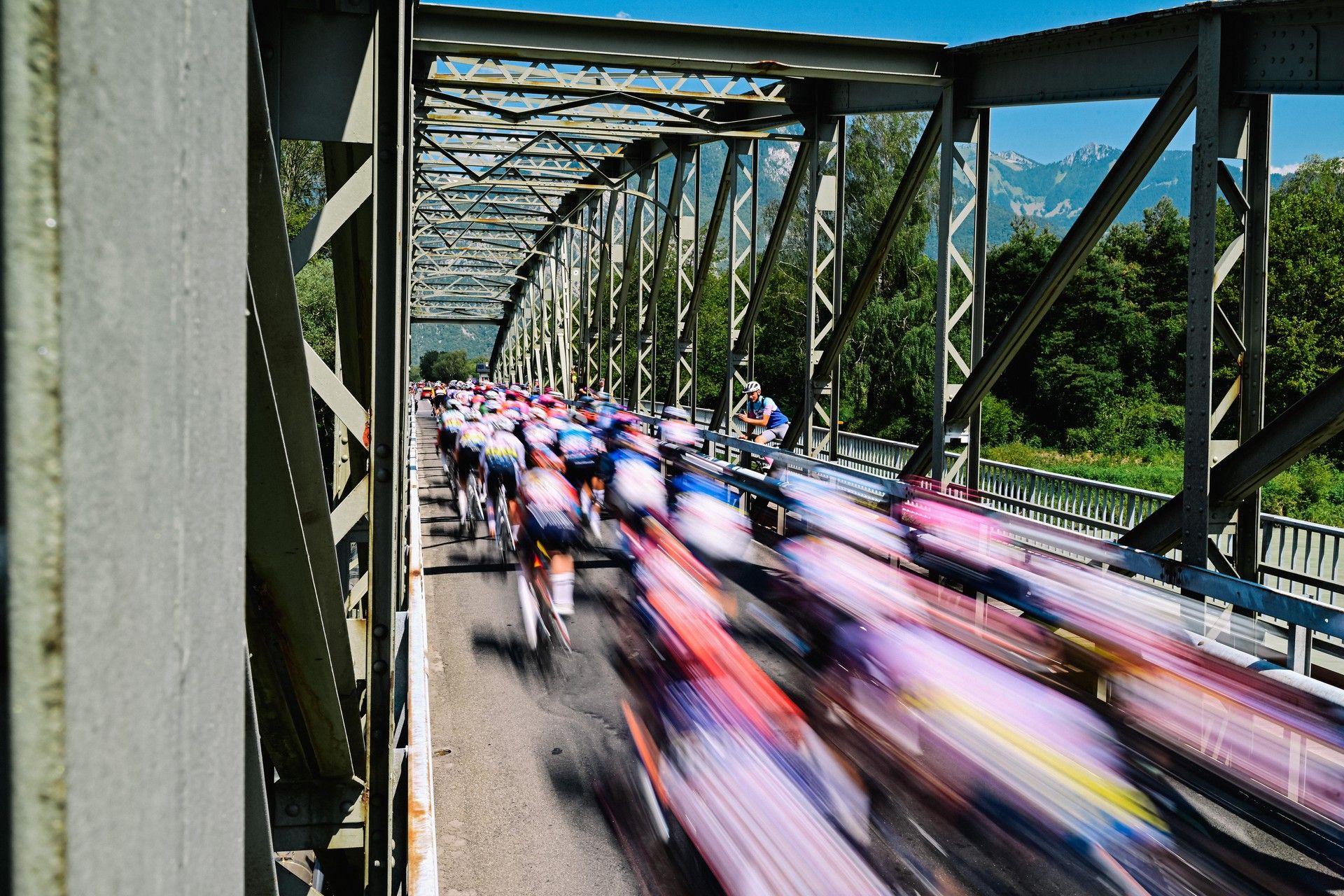
On paper, this ought to be a story of the women catching up, and the racing has become faster. But compare winning speeds at the Grand Tours and the gap has grown.
We also analysed World Championship time trials as a marker of absolute speed. There’s no breakaways or bunch tactics, just riders racing alone against the clock The analysis compares the mean speed of the top 10 women and men across 13 editions from 2013 to 2025 .
Neither comparison is exact. The speed of a mass-start stage depends on the route, weather and how the race is ridden. The time-trial courses differed too, with the women often racing a shorter course across the editions studied.
The women are going faster, but what really stands out is the even faster increase of the men’s peloton. Their median Grand Tour stage-winning speed rose from 39.5km/h in 2013–2020 to 40.3km/h in 2021–2026. The men went from 42.8km/h to 44.5km/h. Women therefore fell from 92.3% to 90.7% of the men’s speed.
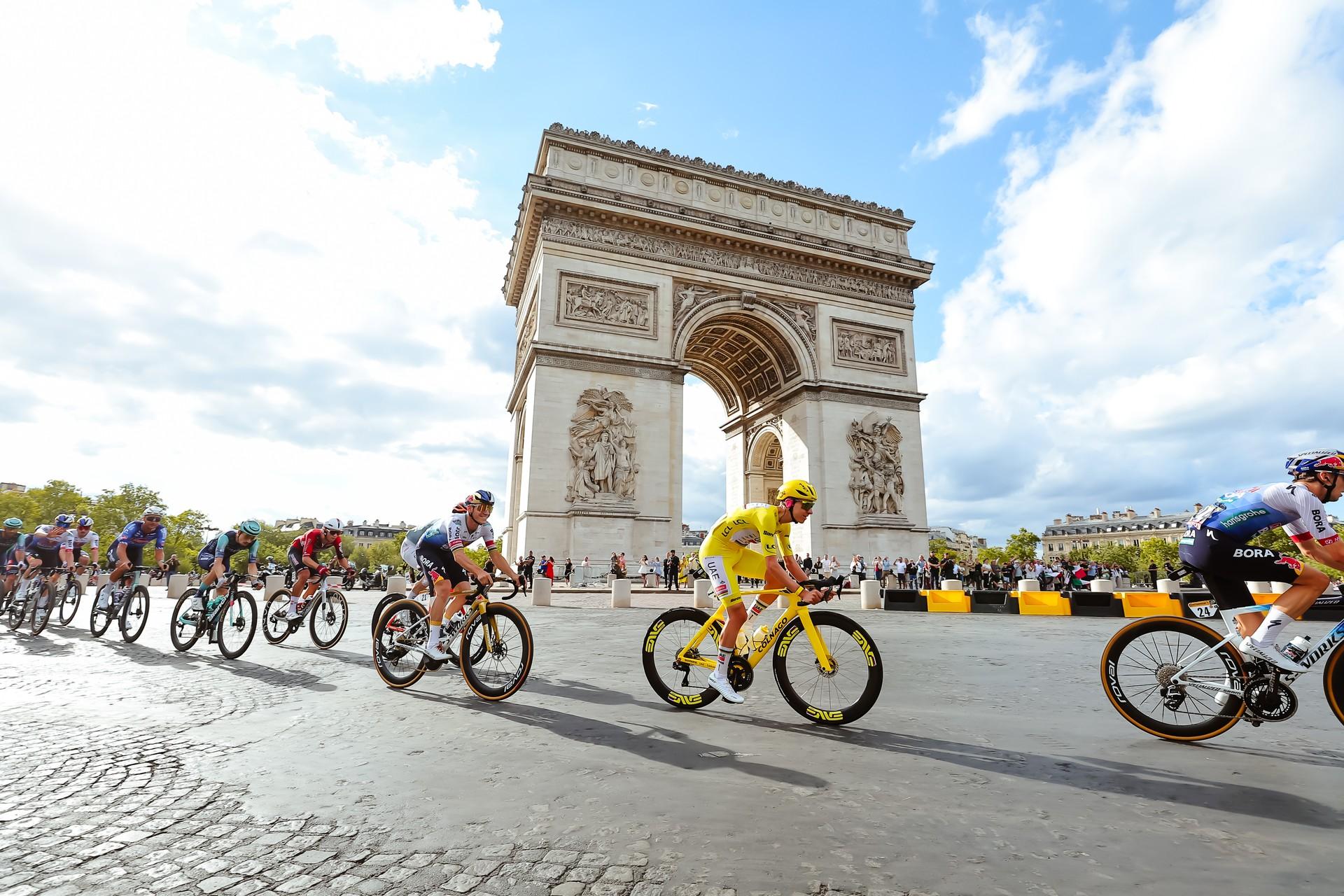
Most of that split comes from the Tour de France, which has sped up sharply. Compare the two Giros and they have moved at roughly the same rate. The overall result is not being repeated in every race.
That points towards more than physiology. Tactics, peloton size and depth can all shape stage speed: a larger field offers more riders to drive the pace, while the men’s longer-established professional system has had more time to develop deep rosters and highly specialised roles. The recent appetite for aggressive, long-range racing may also be helping to lift speeds. Our data doesn’t tell that specific story, however, or show that one factor over another caused the Tour’s acceleration – though we’ll certainly aim to dig deeper into this in future analyses.
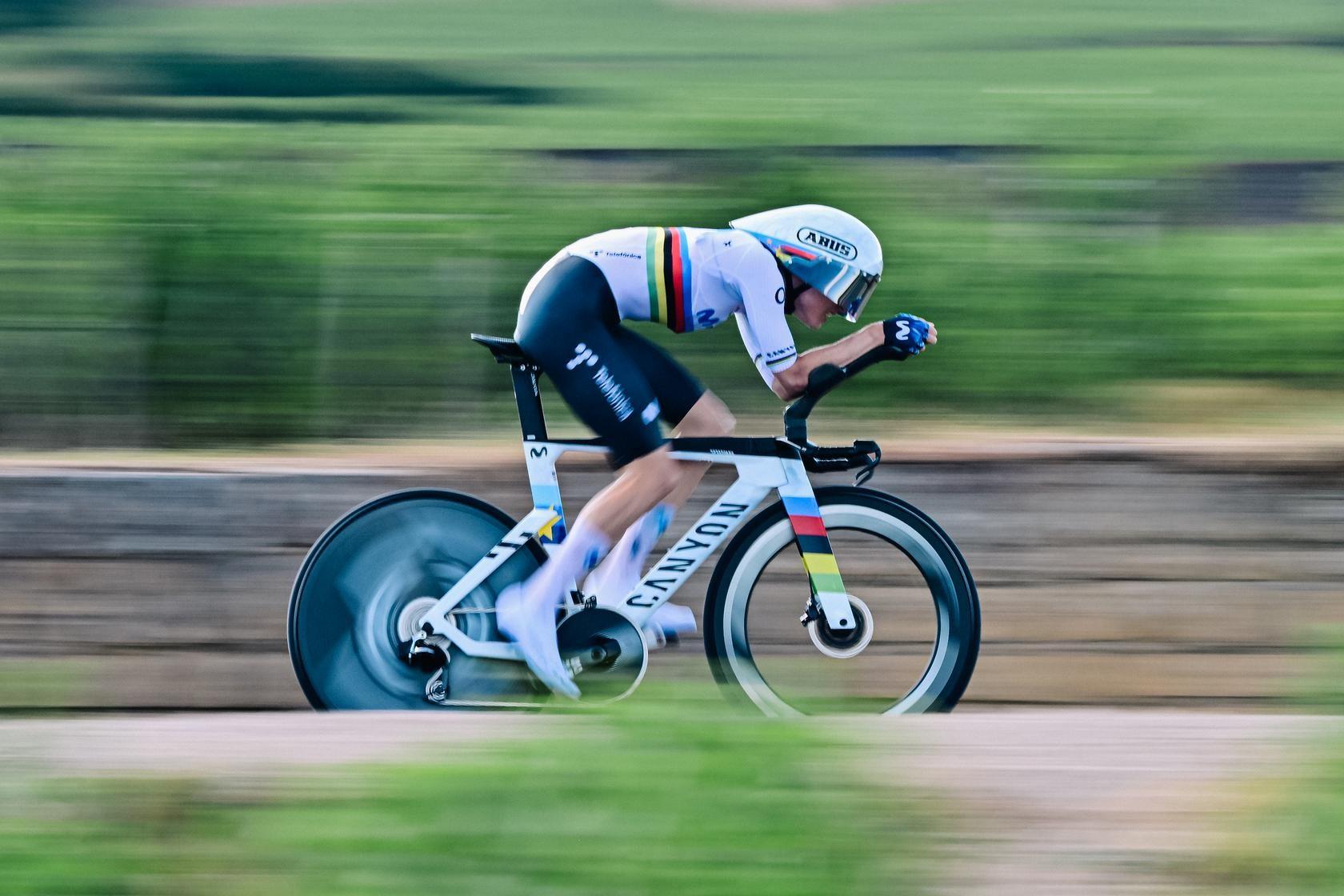
Against the clock, there is a hint of something different. The women’s top 10 averaged 88.4% of the men’s speed in 2013–2020 and 89.3% in 2021–2025. The gain is too small to call a trend, but it goes against the wider Grand Tour speed trend and suggests that the gap in physiologies may have tightened more than peloton speed reflects.
Course design can easily distort this comparison. In Bergen in 2017, the women’s top 10 were faster than the men’s. In Innsbruck the following year, they came unusually close. In both editions, the men faced climbs that were not included on the women’s course, so the results were left out of the period averages.
So women’s racing has become faster, but catching the men is another matter. The Grand Tour stages show the gap widening, largely because of the men’s Tour.
The time trials leave open the possibility that the gap in physiology is narrowing, though we’d aim to gather more evidence to verify that trend.
The interesting test will be the trend’s development as women’s cycling sees greater exposure, wider audiences such as those for the 2026 Tour de France Femmes, and the resulting sponsor interest. We would not be surprised to see a narrowing of the financial gap also narrow the gaps in the two pelotons.