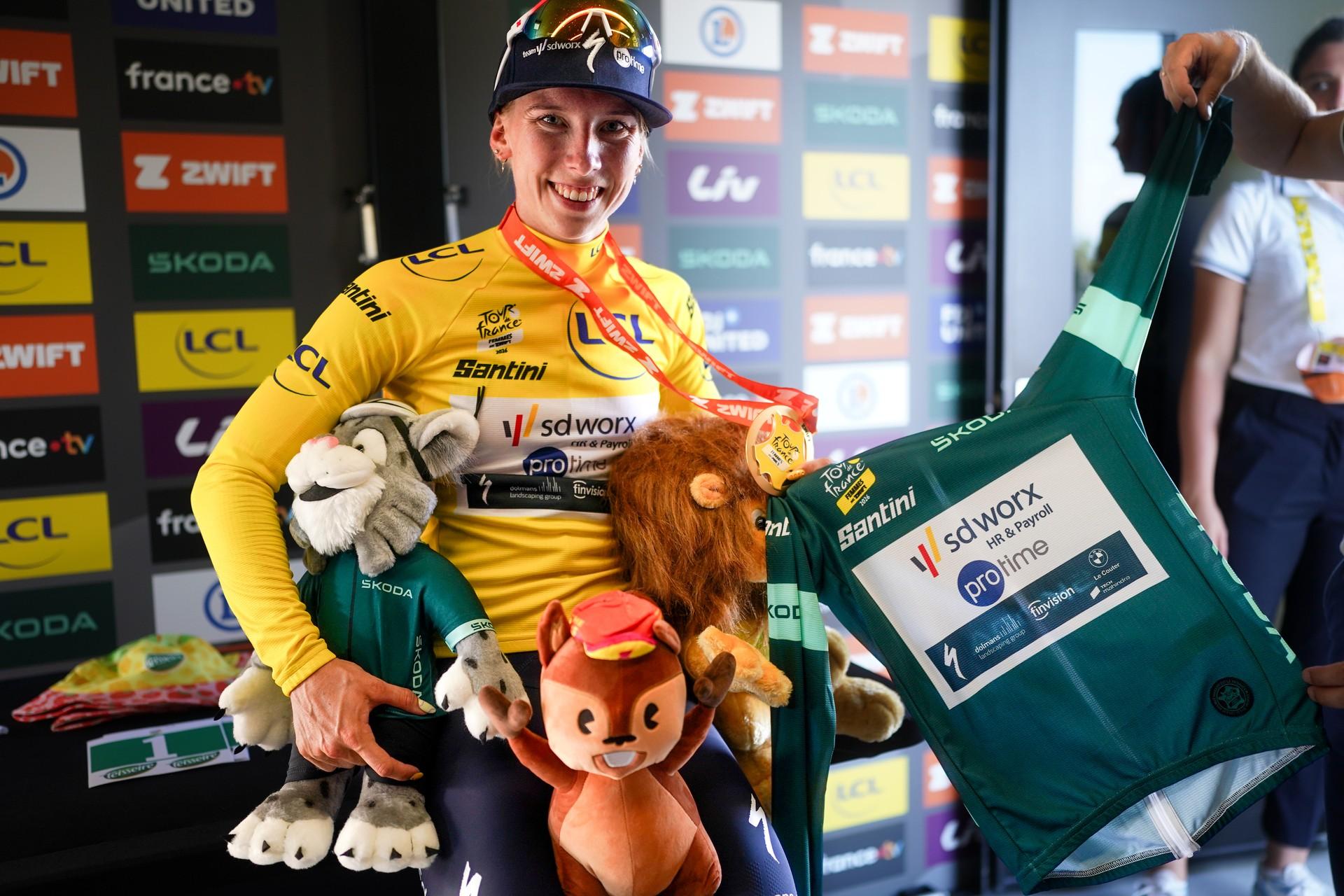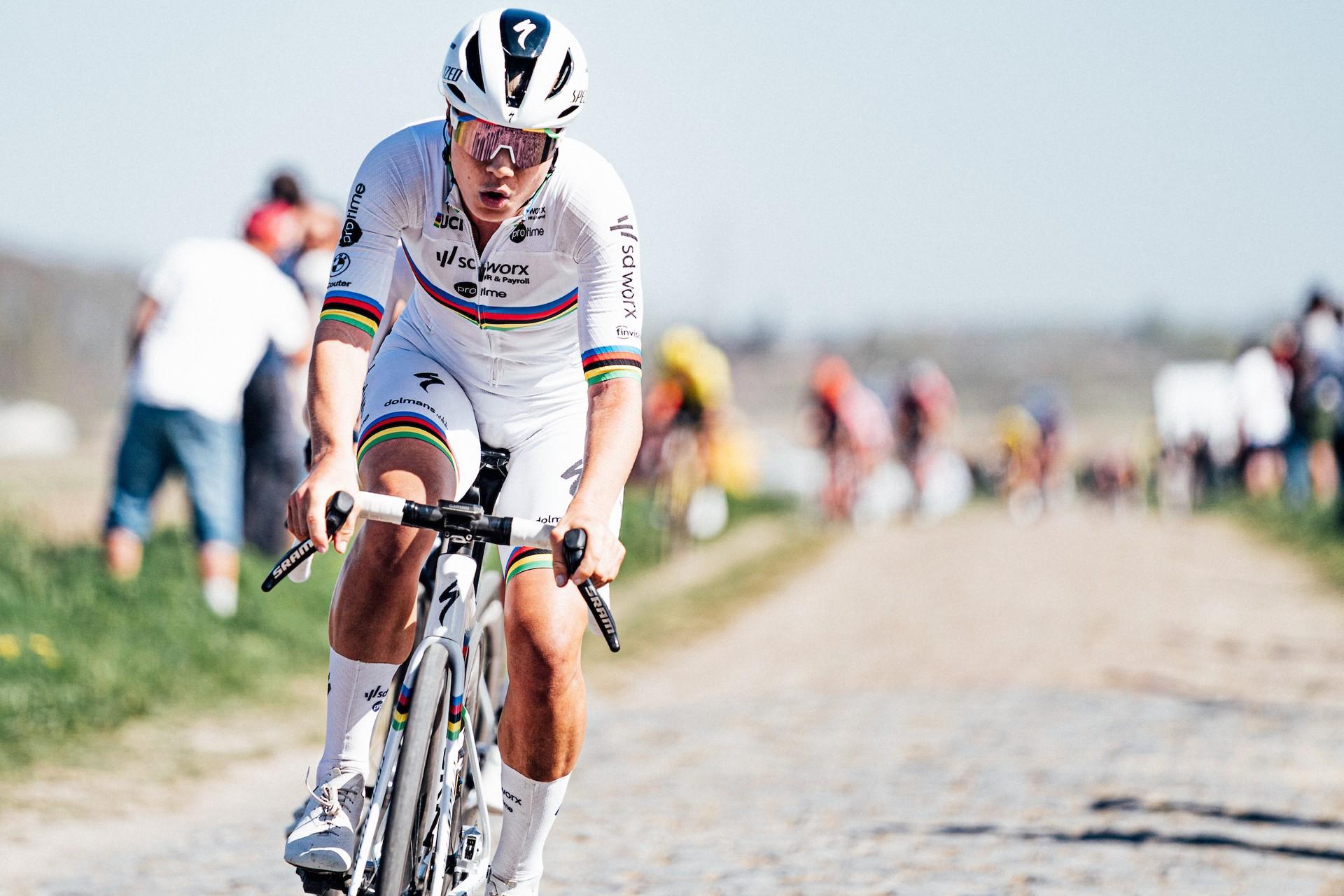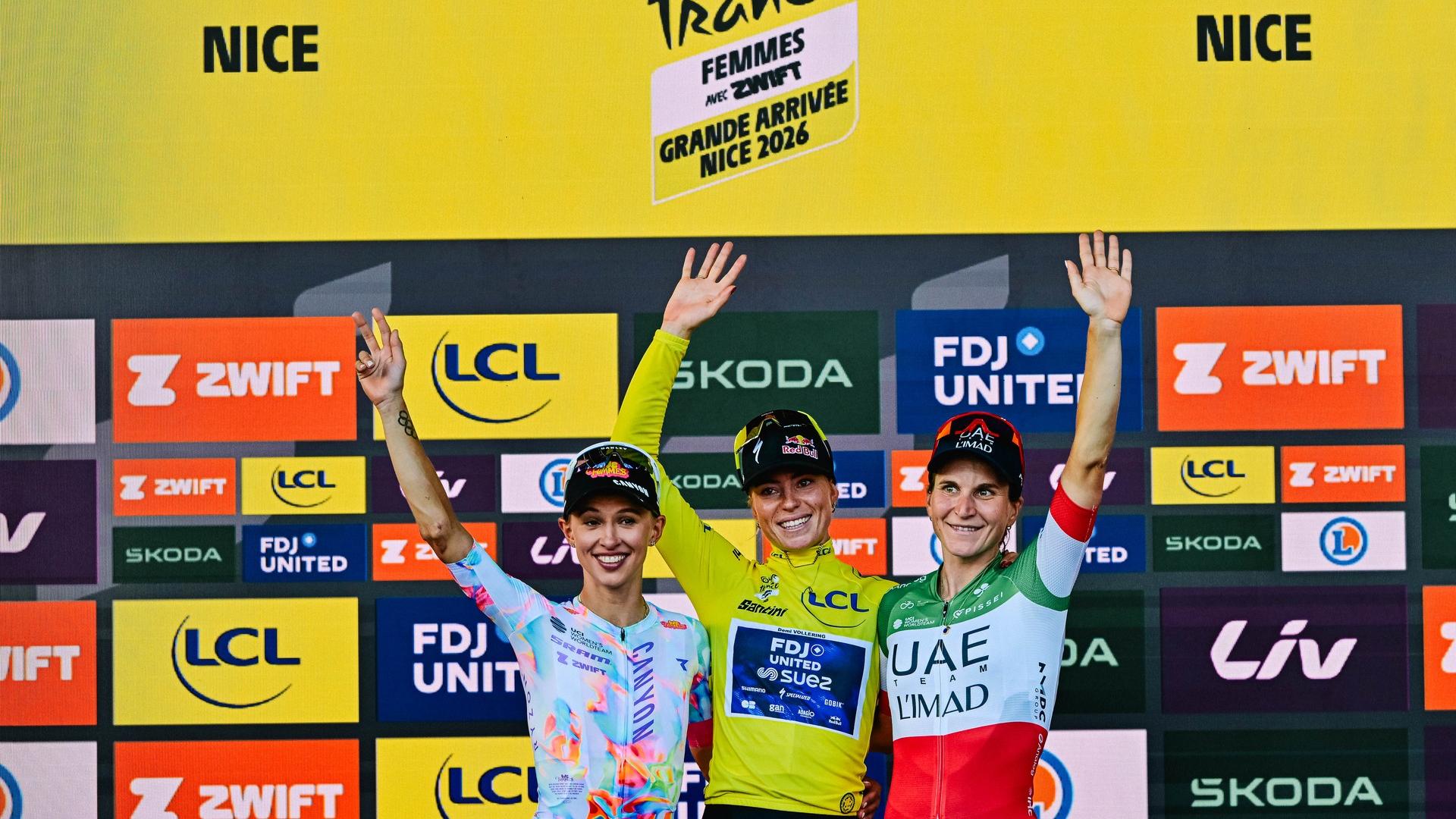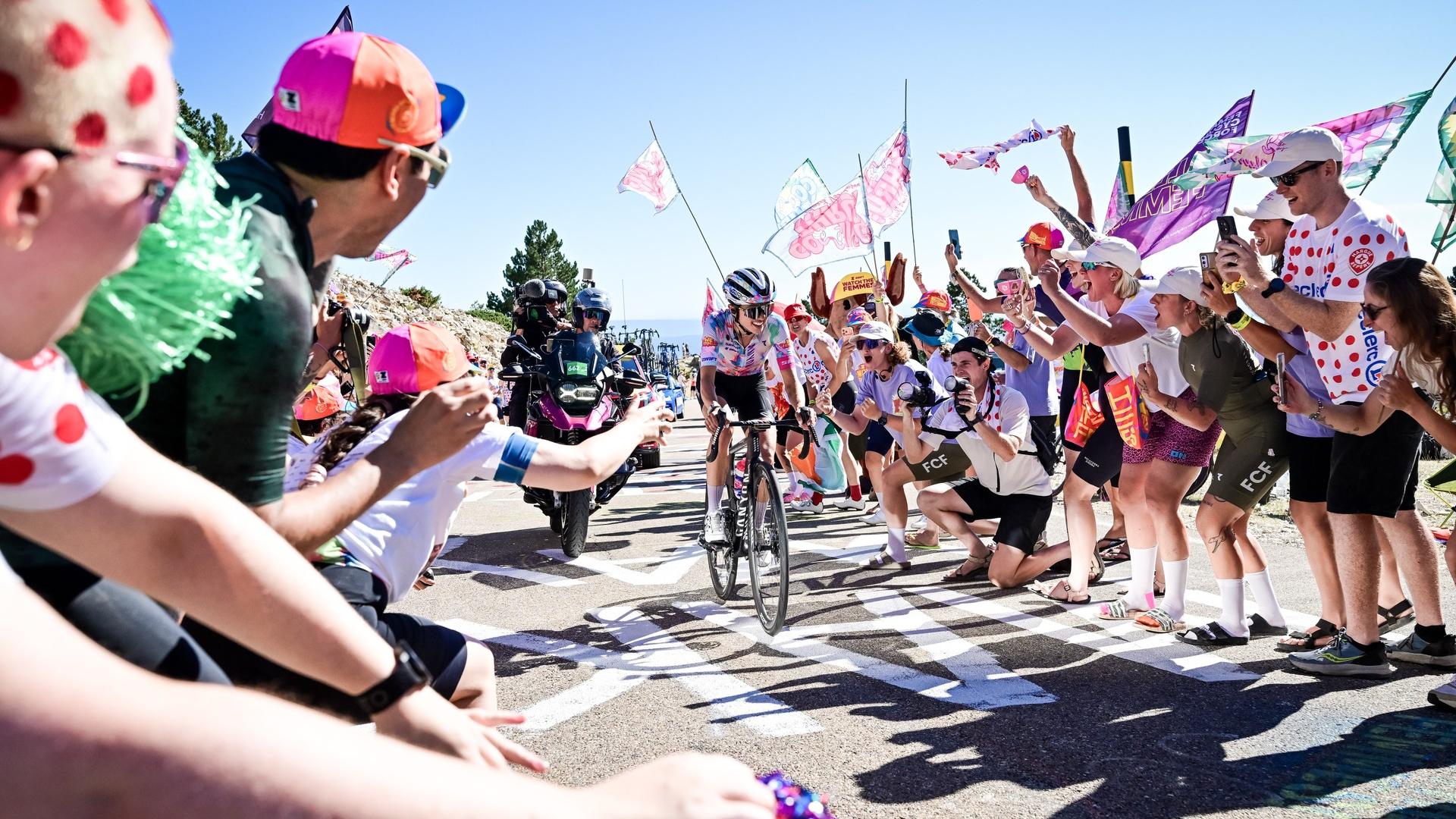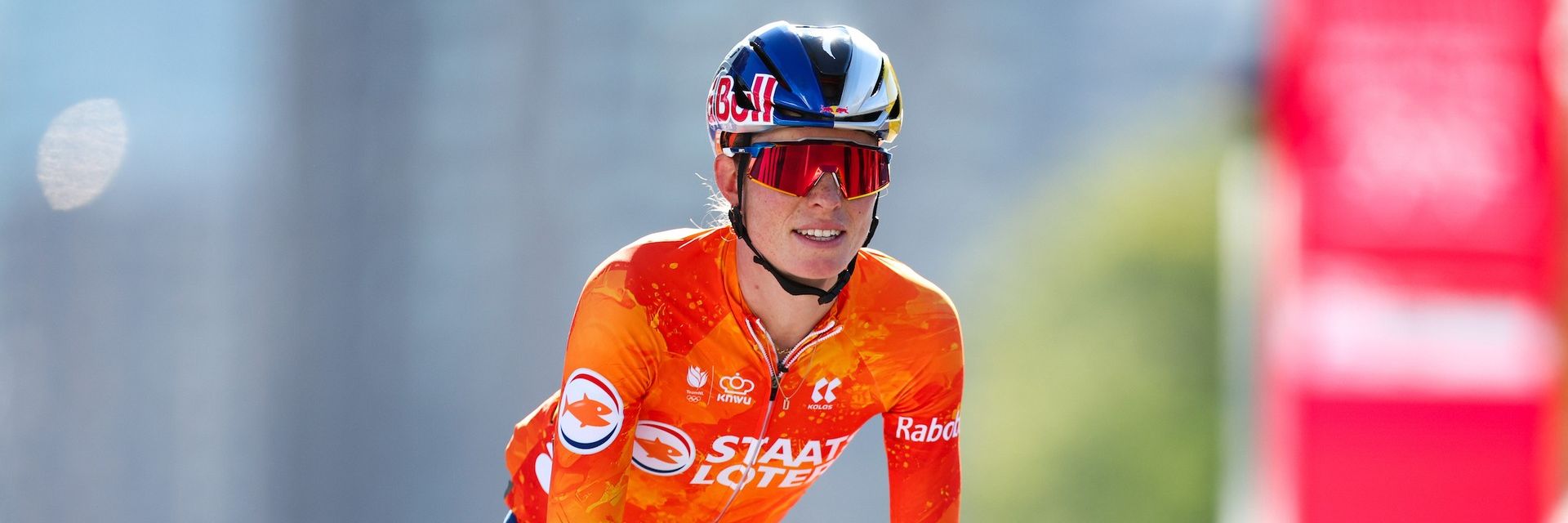
Demi Vollering starts Saturday’s women’s elite road race in Montréal as the clear favourite. She has won the overall titles at both the Giro d’Italia Women and Tour de France Femmes this season, and the Netherlands have named her their leader.
“Demi is our leader, but at a World Championship, you need each other to go far,” Dutch coach Laurens ten Dam said in the KNWU selection announcement. Puck Pieterse gives the nation another option to get up the road earlier, but Vollering is the main focus.
Where Mount Royal can split the race
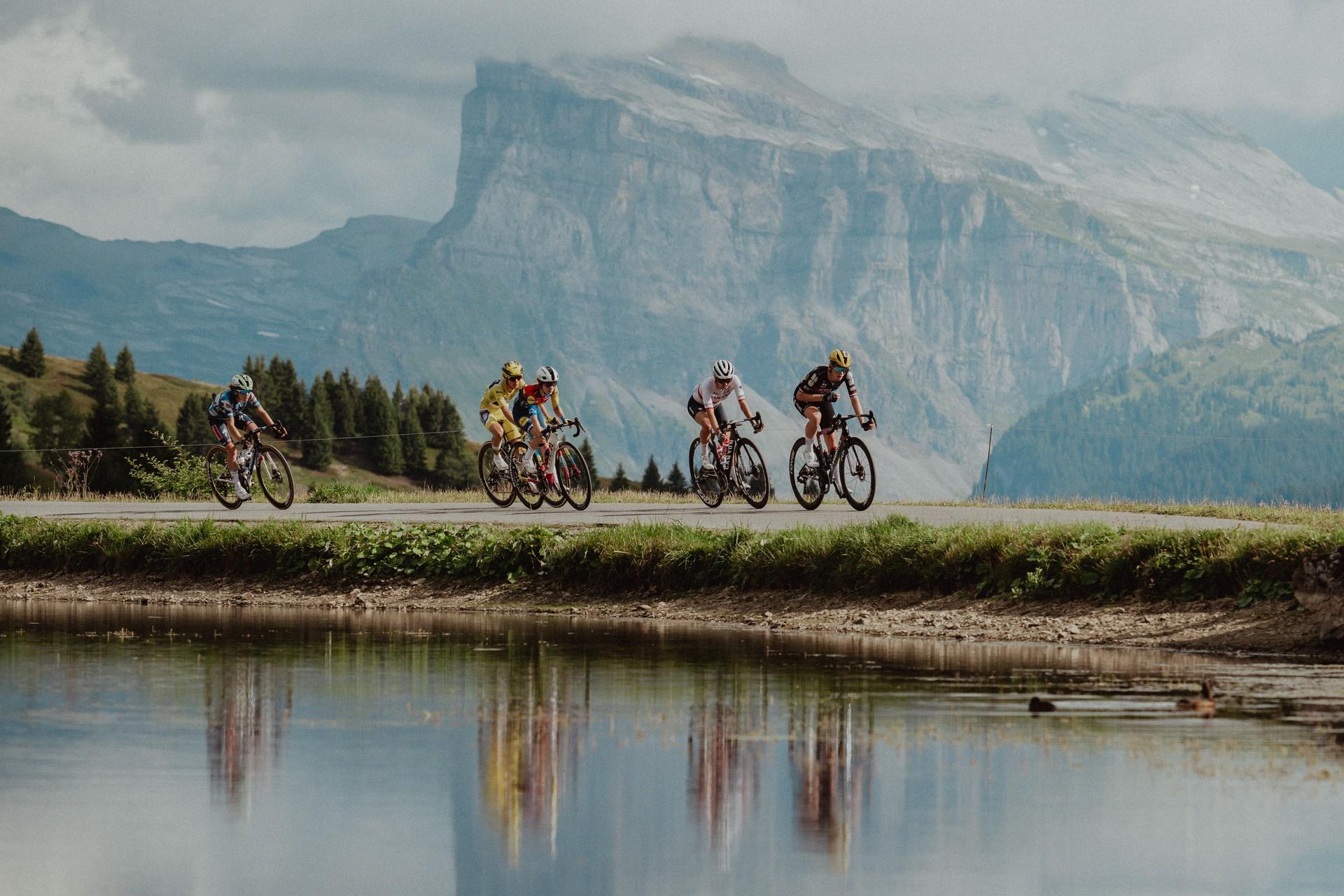
The elite women race Montréal’s Worlds circuit for the first time, after an approach from Brossard. They will cover eight laps of the 13.4km Mount Royal circuit, with 2,570 metres of climbing across the full course. Each lap includes Voie Camillien-Houde, a 1.67km climb averaging 7.4% and reaching 10%.
Camillien-Houde offers Vollering a sustained climb on which to raise the pace, especially once the laps have accumulated. The shorter Côte de la Polytechnique has ramps above 11%, while Avenue Pagnuelo provides another rise nearer the finish. A rider who survives the main climb could still lose contact to an acceleration later in the lap. If several favourites remain together, Avenue du Parc rises towards the line, giving a strong finisher one last opportunity.
The under-23 women’s race showed how several attempts can precede the move that stays away. A three-rider break formed with 31km remaining; one rider was dropped on a climb, leaving two to contest the sprint. That race covered 134km over ten circuit laps. Saturday’s longer elite race starts in Brossard but has fewer circuit laps, so the under-23 race offers a comparison, not a template for how the elite race will unfold.
The Dutch record behind the teamwork question
Zürich in 2024 gave the Dutch a genuine tactical dispute. Marianne Vos and Riejanne Markus were in a move ahead on the final lap, while Vollering’s accelerations from behind helped close it. Vollering finished fifth. The riders disagreed about how the finale played out. Vollering said having Vos and Markus ahead restricted her options; Markus said the plan was for Vollering to attack on the climb, while Vos said she was tiring.
Two Dutch victories tell different stories. Annemiek van Vleuten arrived at the 2022 Worlds with a broken elbow, expecting to work for Vos. She found herself in a late lead group and attacked in the final kilometre because she did not expect to win a sprint and held off the group, with Lotte Kopecky taking silver. In 2019, Van Vleuten rode alone for 105km and the Netherlands took gold and silver. She said she had intended to ride hard on a climb to help the team, then continued when a gap opened.
But the Dutch women have sometimes struggled to turn their abundance of star riders into a coherent team performance. This year looks different: Vollering is the named leader, and Vos is not in the Dutch road-race squad. Vos is due to race the gravel world championships in Australia on 10 October.
Pieterse’s second places at La Flèche Wallonne and Liège-Bastogne-Liège show why she cannot be ignored on this circuit. Vollering won both races, though, and enters Montréal with the stronger season and the named leadership role. An early Dutch move involving another rider could make rival teams chase. It would also leave Vollering’s teammates with a decision if that move were caught and a dangerous counterattack followed.
Marlen Reusser is a strong alternative to go for the win. She won the Montréal time trial, finishing 1:50 ahead of eighth-placed Vollering, and has also won the Tour de Suisse this year. Reusser could win from a solo move, but she has also beaten Vollering in a sprint this year. Her recent results make her a threat the Dutch cannot afford to let go clear.
Kim Le Court won the Tour of Britain Women overall with a solo victory on the uphill Great Orme finish. Her punch could make her dangerous on the climbs and in a reduced-group finish. That said, she only has Lucie De Marigny-Lagesse as a teammate.
Paula Blasi, winner of Amstel Gold Race, La Vuelta Femenina and fifth overall at the Tour de France Femmes, has had a magnificent season and could use her exceptional climbing abilities on this very hilly course to challenge for the win. Lotte Kopecky was the 2023 and 2024 world champion and should not be counted out, though she has not matched her best seasons.
Elisa Longo Borghini and Kasia Niewiadoma-Phinney are two more star names who demand attention having both tested Vollering this season. Niewiadoma-Phinney pushed Vollering all the way at the Tour de France Femmes, while Longo Borghini is a star rider on this kind of terrain.
Vollering has already won a Grand Tour through an all-in team plan at the Giro. In Montréal, her national teammates face the choice of how much energy to spend before she reaches Camillien-Houde for the final time.