Rapha has announced its return to the WorldTour with Red Bull–Bora–Hansgrohe amid much fanfare. The multi-year deal, announced on November 17, starts in 2027 and replaces Specialized clothing, and it comes at a uniquely transformative time in Rapha’s business history.
In October 2025, then Rapha chief executive Fran Millar laid out what she wanted from a WorldTour partner at a briefing at the company’s London headquarters. I was there as editor of Cyclingnews.
“I think it’s really important that we have the right WorldTour team that gives us the scope to do things beyond just the WorldTour. And in my view, there’s only one team that has the capability to do that,” Millar said.
Rapha’s racing partnerships
Selected team kit deals, by season
Each bar runs from a deal’s first season to its last. The Red Bull–Bora–Hansgrohe deal is multi-year, with no announced end.
She didn’t name the team. “That’s the conversation we’re having,” she said.
When the announcement landed, I wondered if it was the culmination of that discussion, and whether Rapha had seen Red Bull–Bora–Hansgrohe as the team with reach beyond cycling or whether the deal was a newer opportunity. The Red Bull name makes the former reading tempting, but to me the deal Rapha has announced tells us more about what it wants to do on the bike than off it.
Rapha spent 2026 outside the top tier after its EF partnership ended. In its latest annual results, Rapha reported that turnover fell to £89 million, with a £5.6 million EBITDA loss before exceptional items and a £25.3 million net loss.
The partnership with EF was effortlessly cool, powered by the switch-out kits, the alternative calendar and no end of smart collaborations. Red Bull–Bora–Hansgrohe, by contrast, seems distinct as a team focused on performance, numbers and speed over style. So perhaps Rapha wants to sell its kit on speed rather than simply on the visibility it gets from a superstar like Remco Evenepoel wearing it, and the deal could help Rapha combine EF-era cool with its Team Sky-era performance story.
Fran Millar knew that combination well, having helped build Team Sky before becoming CEO of Team Ineos. Aptly, on leaving Rapha in September, she said her strategy was already in place, and that “what remains is delivery”.
The partnership goes beyond pure exposure, too, Rapha is pooling its apparel expertise with Red Bull–Bora–Hansgrohe’s performance team and USA Cycling. The programme’s goal, Rapha chief product officer Joel Natale said in the announcement, is to help riders achieve results “measured in jerseys and medals”. The commercial test for Rapha is whether faster kit can sell as well as the cycling culture the brand has long built its marketing around.
Rapha has competition on the weekend club ride from brands such as MAAP and Pas Normal Studios. But the divide between style and racing is hardly clean: evidence of that comes from the recent announcement that from 2027, MAAP will make the Giro d’Italia’s pink jersey.
What Rapha stands to gain
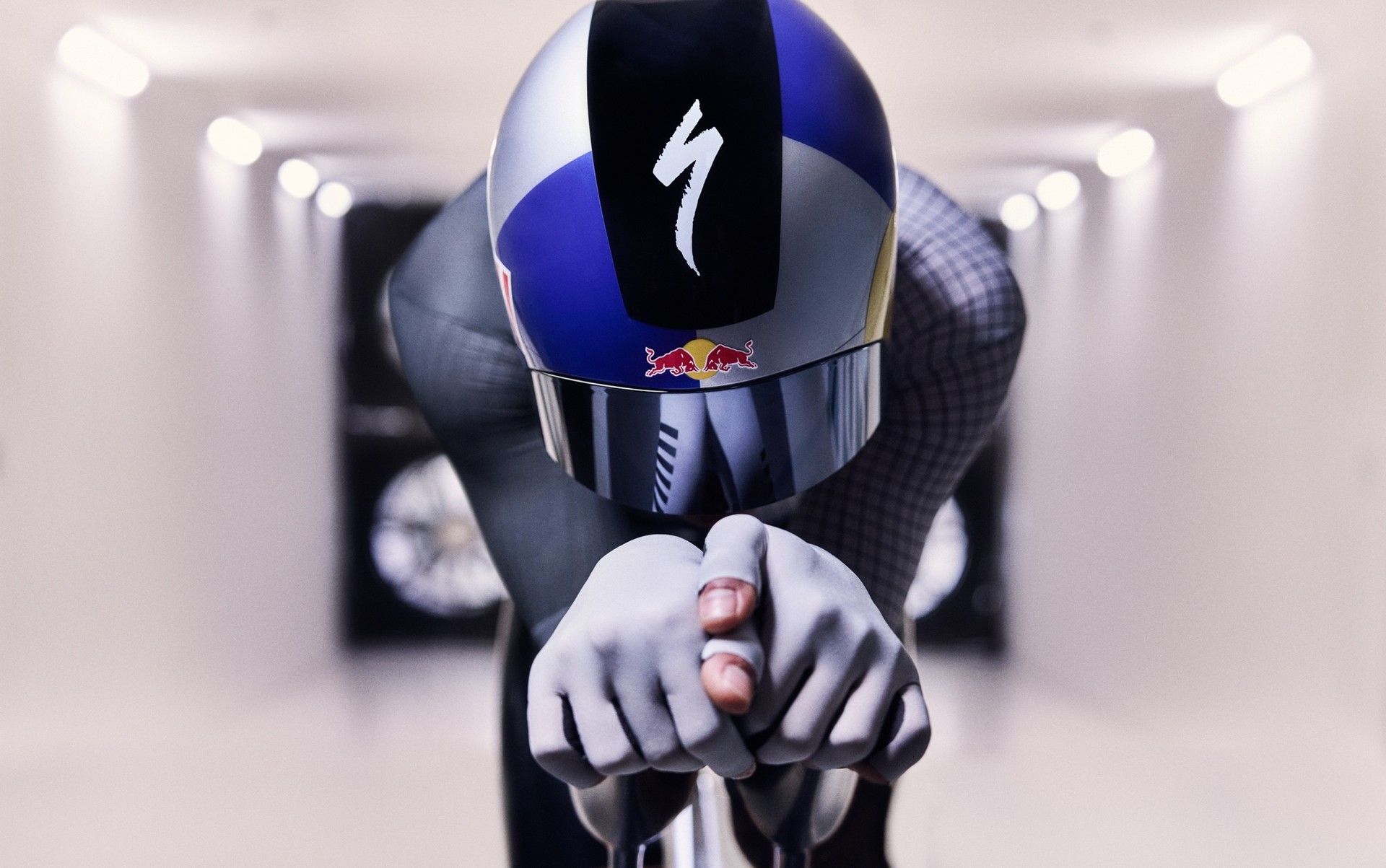
Dan Bigham, the team’s head of engineering, will work with Rapha’s designers and USA Cycling, whose programme targets Los Angeles 2028. Rapha’s new photographs show Florian Lipowitz (Red Bull–Bora–Hansgrohe) testing prototype suits at Specialized’s wind tunnel in Morgan Hill, California.
Given Specialized’s own apparel offering, the Morgan Hill wind tunnel’s role in development of Rapha’s race kit is an interesting one to fathom.
Rapha says it will tailor the kit to individual riders, including Lipowitz and Remco Evenepoel, and to specific races.
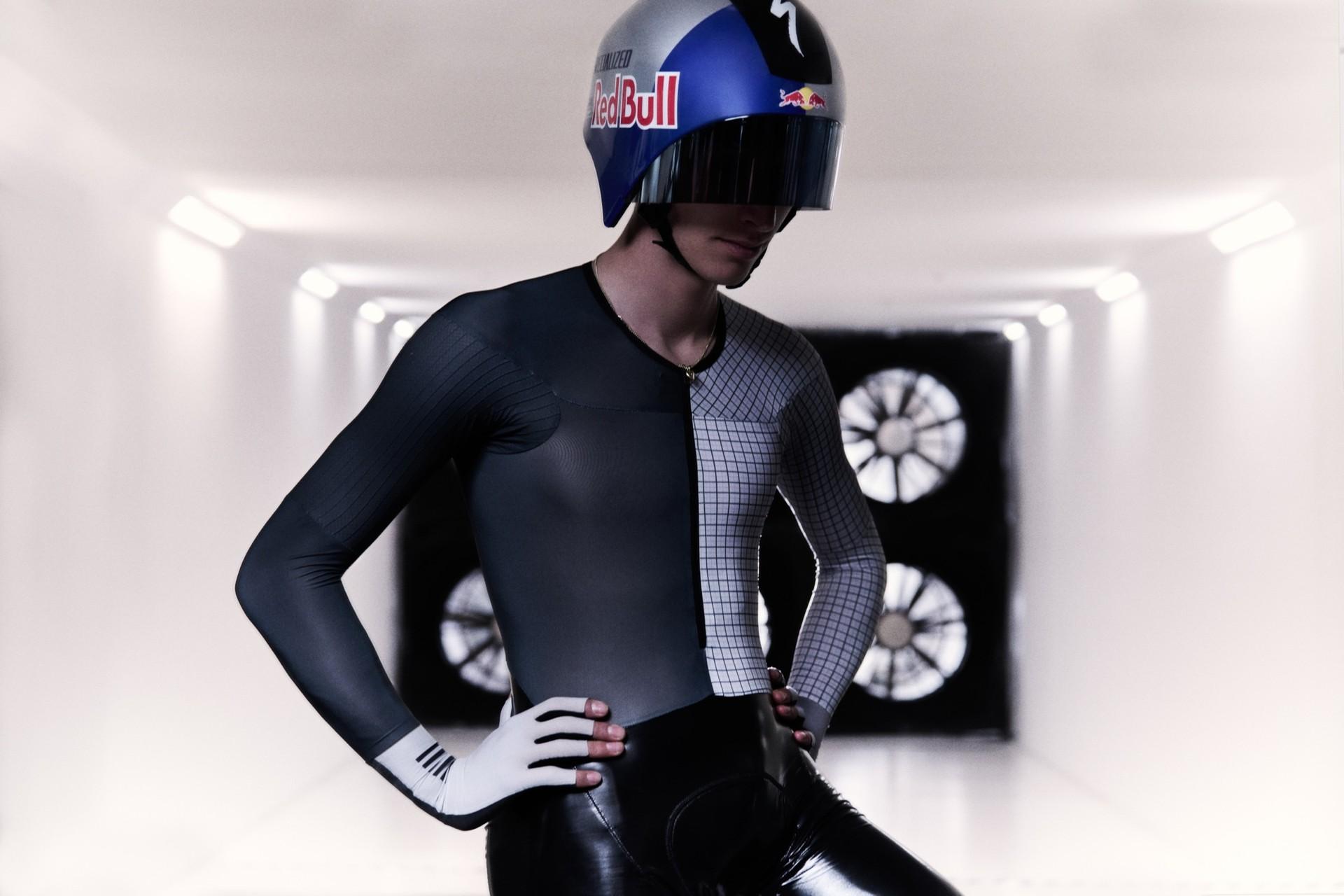
“We are going to push the boundaries of what apparel can make possible for riders at the highest level, with innovations that will ultimately benefit every Rapha rider,” said Joel Natale, Rapha’s chief product officer.
It isn’t a new strategy. Rapha founder Simon Mottram fondly recalled using the Rapha Condor team to test kit in the brand’s formative days, while speaking on a panel at Rouleur Live in 2026. That bore fruit: Rapha’s Pro Team Thermal Bib Shorts were designed with input from Rapha Condor Sharp riders. What’s different this time is the scale of the research, but also the challenge for Rapha in 2027, compared to 2012.
A week before announcing the Red Bull deal, Rapha was telling the story of a pair of riding jeans made with Hiut Denim in Cardigan. It hasn’t given up on the idea that cycling is something you do off the race course, too.
With Red Bull and USA Cycling, Rapha has a chance to stand out for how its kit performs, not just how it looks. Granted, a suit cut for Evenepoel won’t fit the rest of us, but what Rapha learns about keeping him cool or cutting aerodynamic drag could firm up the brand’s position as fashionable apparel laced with WorldTour performance pedigree. That would distinguish it from the increasing number of brands that seem to sit above Rapha in pure fashion terms.
Rapha helped establish the blueprint for premium performance cycling apparel, but many of its competitors have since caught up. The partnership with Red Bull–Bora–Hansgrohe offers an opportunity to reassert its place at the forefront of the sport, both technically and culturally. Whether it can translate that into renewed commercial success remains to be seen.