Fran Millar has left Rapha after two years as chief executive, saying planned cost cuts require a different governance and leadership structure, leaving new leaders to carry out her plan to make Rapha profitable following years of successive losses.
Escape Collective first reported her departure on the morning of September 23, citing an anonymous source who disclosed the information. Millar, who joined in September 2024 after leading Belstaff and previously Ineos Grenadiers, then posted on social media that she had proposed stepping down to the board.
“The vision and strategy I set are in place, and the path ahead for the brand is clear. What remains is delivery,” she said in her Instagram announcement.
“To support that, the business will make significant organisational changes to reduce cost and drive efficiency, and those changes call for a different governance and leadership structure. With that in mind, I proposed to the board that I step down as CEO.”
Falling sales and turnaround funding
Rapha Racing Ltd recorded turnover of £46.862m for the 52 weeks ended January 26, 2025, down 9.9% from the restated £52.030m in the preceding period. Its reported EBITDA moved from roughly break-even to a £3.296m loss.
Those Companies House accounts cover the UK legal entity, including its overseas branches but excluding its overseas subsidiaries. The consolidated group accounts are prepared by parent company Carpegna Ltd. The figures cover only the opening months of Millar’s tenure and do not describe Rapha’s current trading position, which follows more than a year under Millar’s renewed strategy.
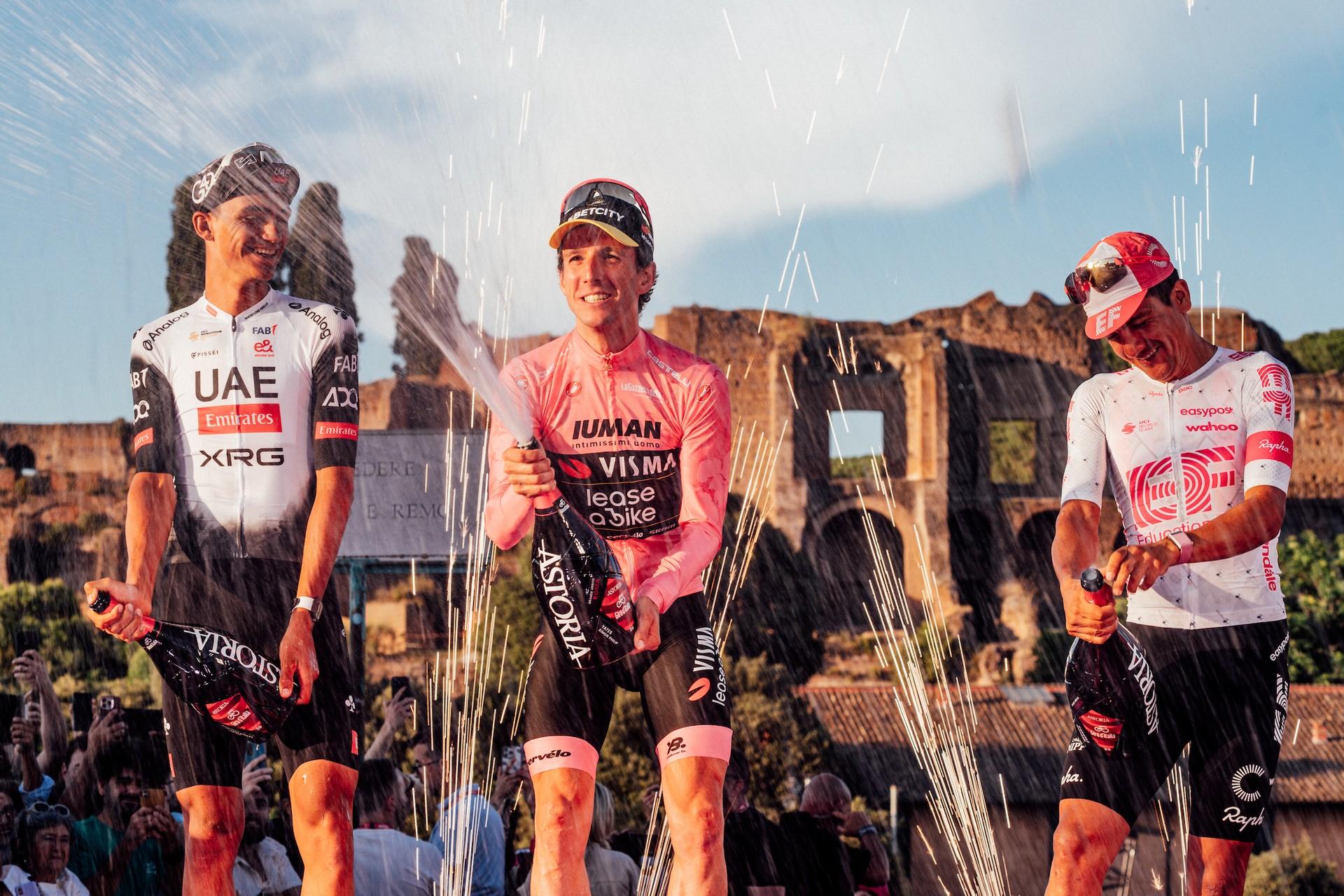
Under Millar, Rapha ended its seven-year partnership with EF’s men’s and women’s WorldTour teams at the close of 2025, leaving it without a WorldTour team. It also began a four-year partnership with USA Cycling that runs through the 2028 Los Angeles Olympic and Paralympic Games.
The company’s after-tax loss narrowed to £7.603m from £9.856m, helped by a reduction in exceptional charges. Those charges fell from £6.944m to £612,000, with the latter figure including a £2.314m credit from releasing provisions tied to an employee incentive scheme.
Administrative expenses also fell, from £36.166m to £32.701m, but gross profit dropped more sharply, from £36.169m to £29.405m. The spending reduction was therefore insufficient to prevent the deterioration in EBITDA.
In her statement accompanying those accounts, Millar said full-price sales had grown as a proportion of revenue. She also said customer numbers and lifetime value had increased, while Rapha Cycling Club membership had declined because of under-investment. Improving the membership offer was part of the planned turnaround.
Rapha raised additional equity from existing investors in the first half of 2025 to support its business improvement plan. The accounts said the funding would support investment in the brand and customer experience, alongside changes to sales channels.
The reset subsequently included the appointment of former Salomon brand chief Scott Mellin to Rapha’s board in April 2026. His remit covered brand and product strategy at board level, rather than an operational management role.
Rapha’s filing also identified exposure to material and labour costs, alongside shipping expenses and US tariffs. Elsewhere in cycling, restructuring has already affected employees: Campagnolo initially proposed 120 job cuts after cumulative losses exceeding €24m, before agreeing reduced hours and wages instead of redundancies.
Those pressures provide context for Rapha’s focus on efficiency, but the historical accounts do not establish why Millar left. Her explanation remains that she proposed stepping down because the planned changes called for a different structure.
Millar thanked Rapha’s staff and customers, describing leading the company as an honour. Her announcement did not specify the scale or timetable of the cost reductions, or whether jobs would be affected.
Rapha stands as one of the most significant brands of the new era of British cycling, and broader cycling culture. Its next CEO will have to show that the business behind it can make a profit in increasingly challenging landscape.