The UK cycling market is growing again, but cycling is continuing to dominate headlines for its turbulent industry troubles, rather than the booming sporting results or rocketing participation that had become the familiar news agenda since 2012.
The industry’s recovery has not erased the damage left by the pandemic boom and the slump that followed, shown in recent weeks as Rapha has reported deepening losses, while Accell’s Dutch holding company and subsidiaries were declared bankrupt. The narrative may be covering up the green shoots of real recovery, though, and signs of a healthier, but very different industry in the future ahead.
Madison chief executive Dominic Langan sees that split up close. As the distributor of Shimano, Madison has contact with virtually every retail cycling business in the UK, and Langan’s independent bike dealer customers are buying more this year and retailers sound more upbeat. But he says the surplus from the pandemic boom is still with the industry. “I mean, the fact that there's still bike inventory in Asia and Europe now, you know, from that period is just crazy. That the amount that was manufactured is just bonkers,” he told Velora Cycling.
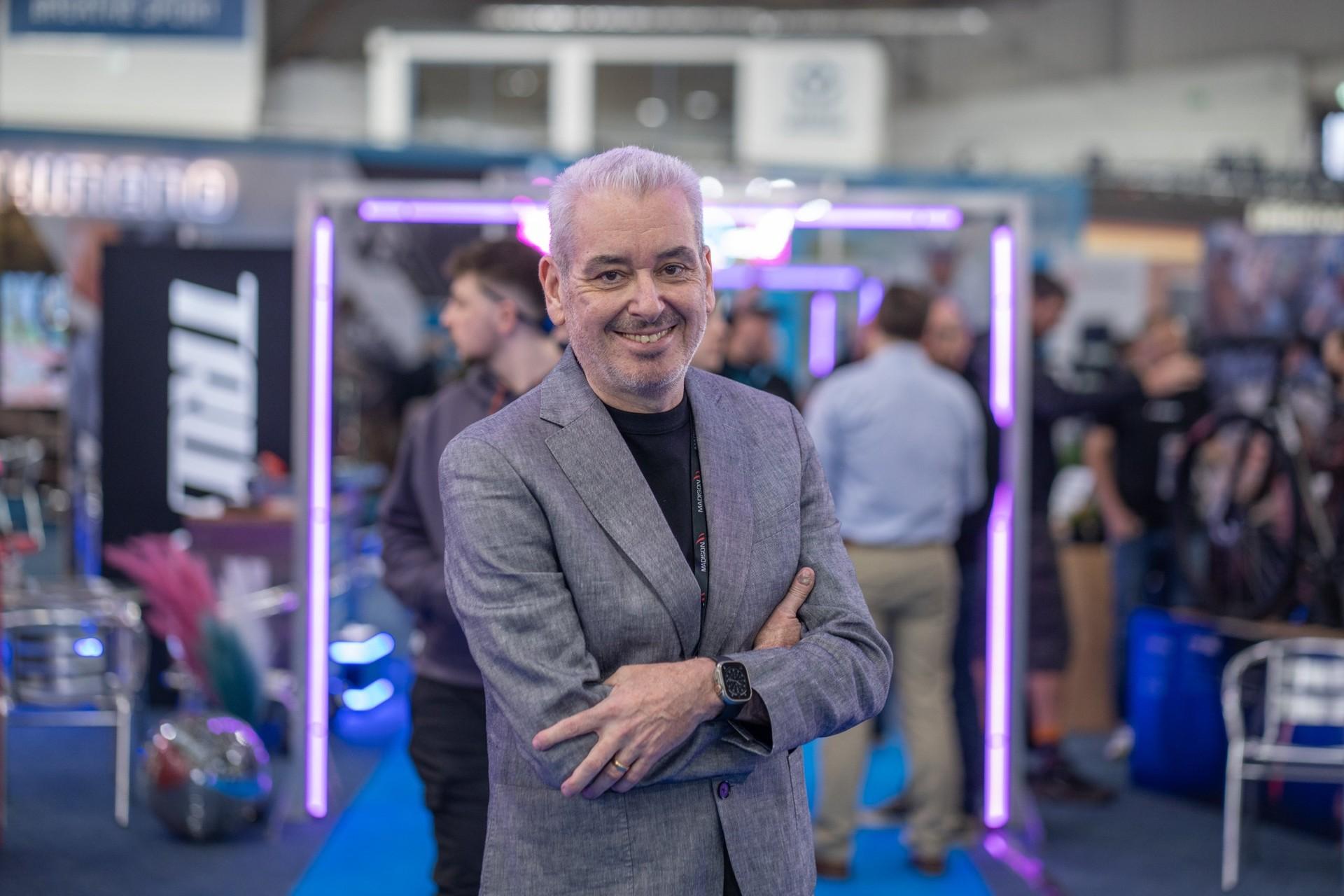
Madison CEO Dominic Langan. Photo credit: Madison
The risk has not vanished with the recovery. Madison has already signed off its autumn/winter 2027 clothing collection, long before most of its retail customers will say what they expect to sell. “We only have one or two customers that'll actually give you a forecast. We have to guess on their behalf.”
Buying stock before shops know what they need
Langan described the cash exposure on stock ordered ahead: “by the time it even lands in the UK, you probably already have to pay for it completely. And then you've got to sell it, and then you've got to give customers terms.” During the pandemic, Langan said, component lead times stretched to the point where a bike could be held up for two years by the availability of a saddle.
The orders kept arriving after demand fell. “Even when the demand for bikes after COVID stopped, the stock kept on, it kept on flowing and flowing and flowing because everyone was completely tied into it.”
The demand reaching suppliers was also distorted. Langan described retailers placing orders with several suppliers for the same anticipated sale, hoping that at least one would deliver. Each supplier saw an order, without necessarily knowing that it represented the same customer’s search for one bicycle.
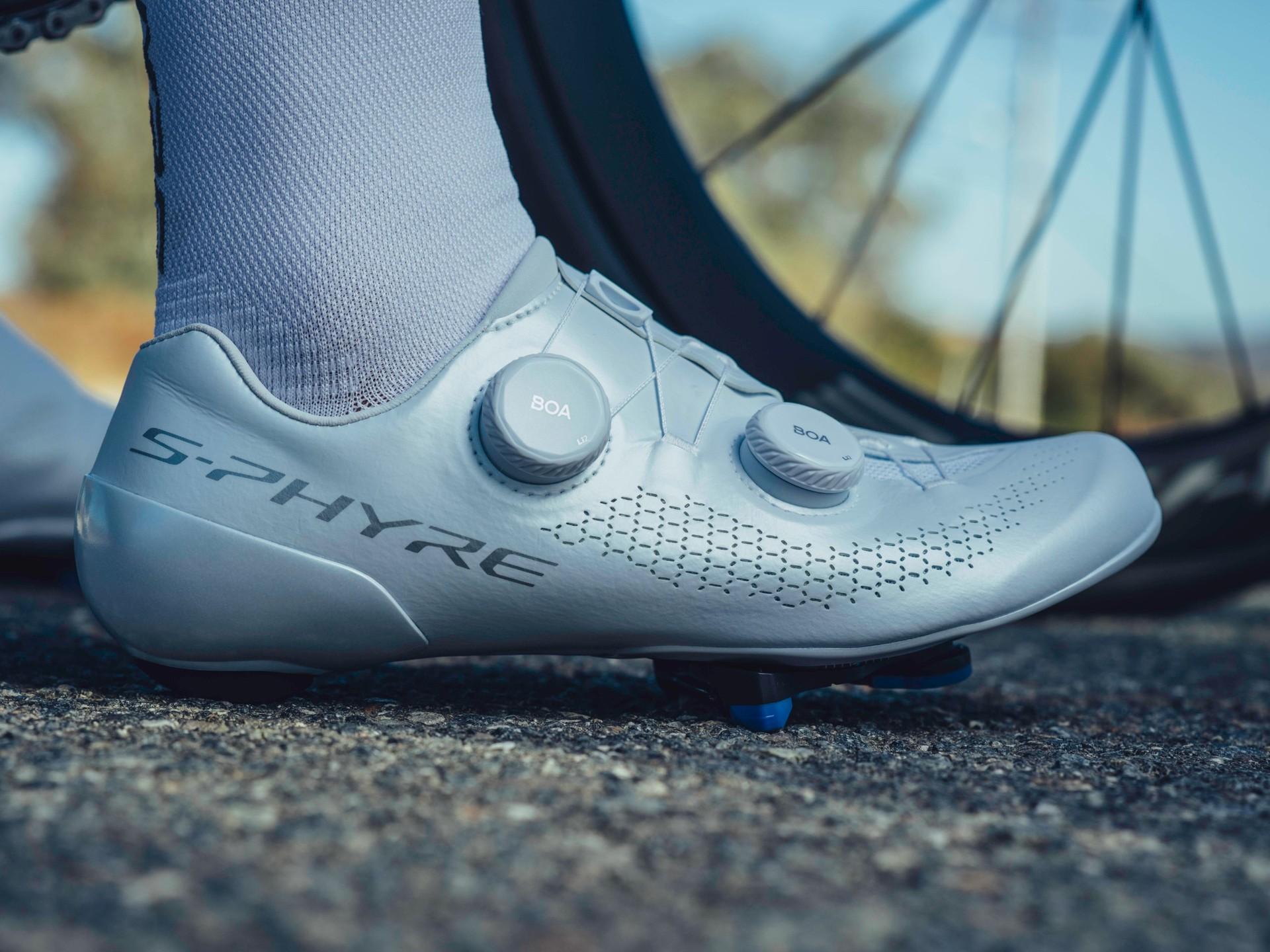
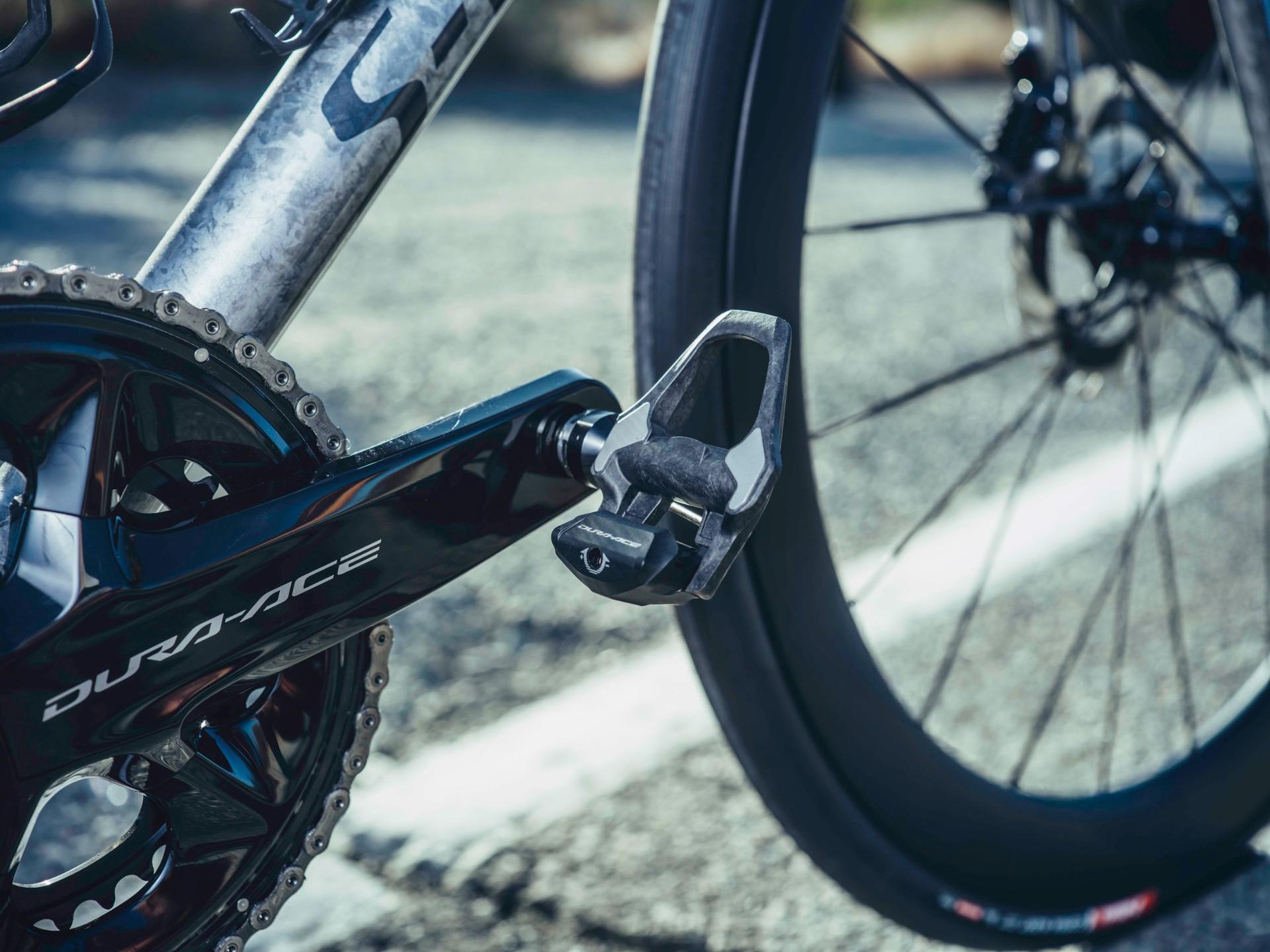
Madison is the exclusive UK distributor of Shimano
“They might have had a demand for, say, one bike, but they were placing that demand for one with maybe four or five suppliers, hoping at least one of them would come good,” he said.
Those overlapping orders made demand look larger than it was. Retailers could subsequently cancel their duplicate orders, while businesses further up the supply chain remained tied to factory commitments.
He does not put responsibility solely on retailers. Manufacturers’ insistence on commitments that could not be cancelled helped keep goods arriving after sales slowed. His view is that accepting cancellations would have meant suppliers taking an earlier financial hit, potentially avoiding some of the damage that followed.
“I think when people look at who was to blame for this post-COVID slump, I think everyone had some involvement in it to some degree,” he said.
Madison had expected demand to ease gradually towards more typical levels. Instead, the fall was abrupt. European suppliers initially questioned what Madison was seeing before reporting a similar change themselves.
The stock arriving into that weaker market had often been bought at unusually high cost. Langan said shipping had reached as much as $20,000 a container. His example was a container holding perhaps 300 basic commuter bikes intended to sell for £300 each: freight alone became a substantial additional cost per bicycle.
That left businesses discounting goods whose purchase and transport costs reflected the height of the boom.
“That's another thing that's really hurt the people having to discount those bikes because they also paid top dollar for it, and then you have to sell it for a lot less,” he said.
Shimano’s 2025 financial results describe a similar coexistence of stronger sales and unfinished stock adjustment. The company said European retail sales were strong, while inventory in the region’s distribution channels remained “somewhat high”.
The Bicycle Association’s 2025 market report put the annual value of the wider UK cycling retail market at just under £1.9 billion, a 5% rise and its first year-on-year increase since 2020.
For Langan, the remaining bicycle inventory sits alongside a second problem that predates the pandemic: brands repeatedly bringing similar goods into a market without enough buyers to absorb them.
Similar products, repeated clearance sales
“I'd say the biggest problem the cycle industry has globally is that there are just too many brands, too many products, and there are just not enough consumers to actually, you know, digest all this stuff,” Langan said. Distributors already cover most product categories, sometimes through more than one supplier.
“There is a limit to how many tyre brands you could actually range,” he said.
He describes a recurring sequence in which a brand enters the market without enough marketing or retailer support to establish demand. Sales disappoint, stock needs clearing and a low price persuades a shop to buy something it had not planned to carry.
A cheap deal may draw the retailer in, but Langan’s image of the result is sharper. “But all that happens is your shop now just looks like you fired a blunderbuss of product at the wall.”
His example is a customer confronted with 15 saddle brands, all priced at £39.99. To Langan, that crowded range “actually makes the sale harder because you're actually giving the customer so much choice it blows their mind and they don't know whether they're buying the right thing.”
The purchase price may promise an attractive margin on an individual item. But his criticism is that this approach gives too little thought to how the products fit together, or how staff will help a customer choose between them.
“The better retailers tend to be much more, they range plan properly and actually think about what they're going to range,” he said.
He contrasts that with shops whose staff know the products and can explain what a customer gains by spending more. A deliberate range gives each item a purpose and gives the retailer a clearer sales conversation.
Langan sees the ease of launching a product as part of the problem. Finding something at a trade show and putting a name on it can be straightforward; building demand once it arrives is harder.
“You could go off to Shanghai or Taiwan, find something, stick your name on it, bring it over,” he said.
When that venture struggles, its unsold goods enter the clearance market. On apparel, he said the cycle of new products and clearance “actually puts retailers off from selling it because it's just too risky for them.”
“It's not a great margin industry anyway, so the margins aren't big to start with, so it doesn't take a lot for that to get squeezed,” he said.
Madison has a commercial interest in this argument. It distributes established brands and sells its own products, so fewer competing suppliers would benefit its business. Langan is open about that preference. His call for a smaller field is a distributor’s prescription, rather than proof that the market has an identifiable optimum number of brands.
“I think having less, maybe less distributors bringing in less products is not a bad thing, you know, not from my point of view, it's not,” he said.
He still receives approaches from new brands, including businesses built around a single product. Nor does he dismiss every such proposition: Madison previously distributed GoPro, which he cites as a single-product opportunity that worked well for the company. His objection is to the repeated arrival of goods that offer little distinction from what shops already carry.
Price competition also has an immediate benefit for buyers, and Langan said Madison is seeing stronger demand for brands offering good value. Some new products from brands it distributes are arriving at lower prices than their predecessors, although he does not present that as a market-wide price trend.
“We've also got, even with some of the brands we do, the new products that are coming are a lower price than the old ones,” he said.
Despite the stock still being cleared and the pressure on margins, Langan believes the industry is coming through the slump.
“I've been doing it for 37 years, it's not the first time I've seen downturns,” he said.
This year, he says, Madison has received more applications for retailer accounts than it has seen account closures. Though it wouldn’t be the first bout of optimism in recent turbulent years, the signs are positive that the storm clouds over the bike industry may be beginning to clear.