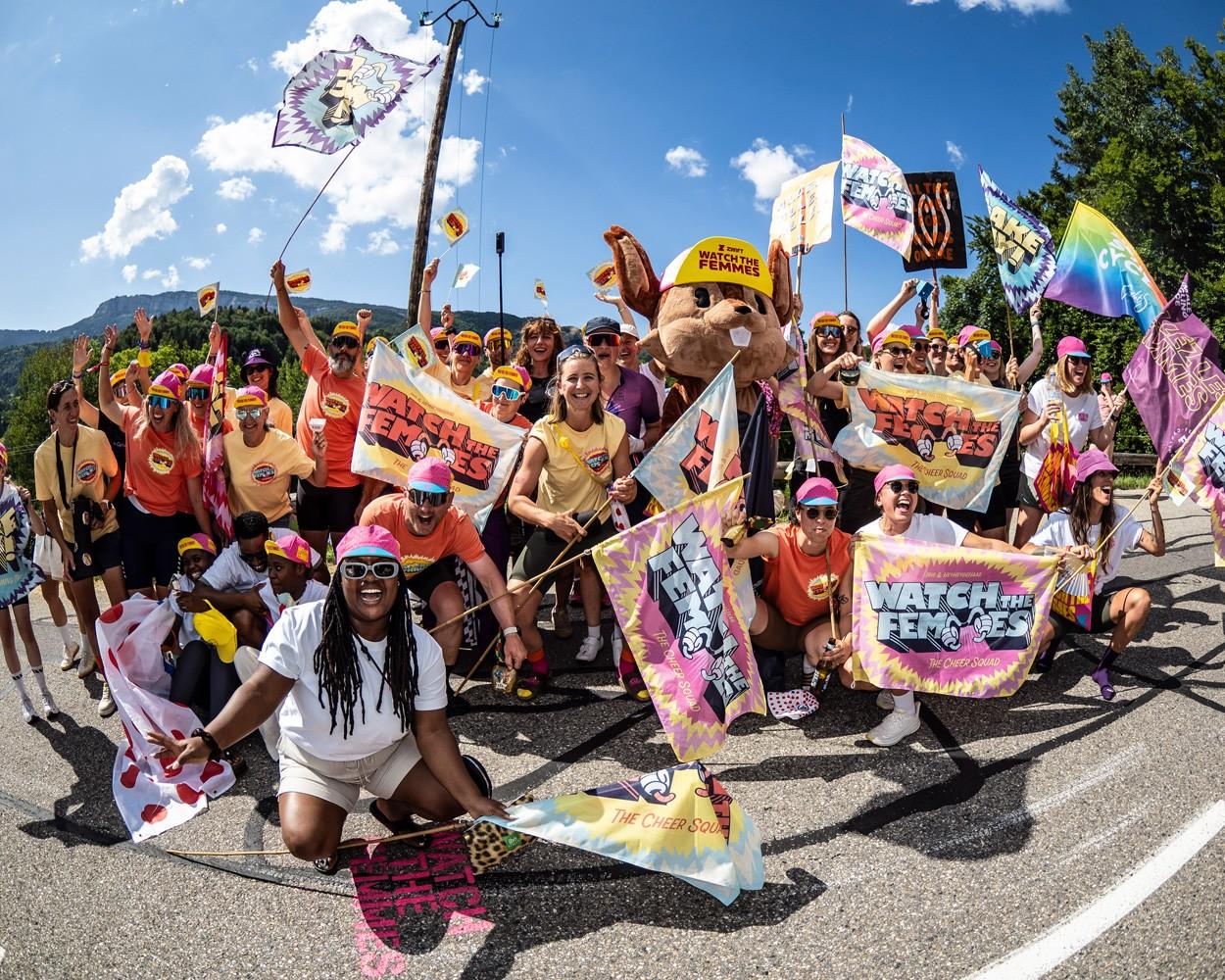
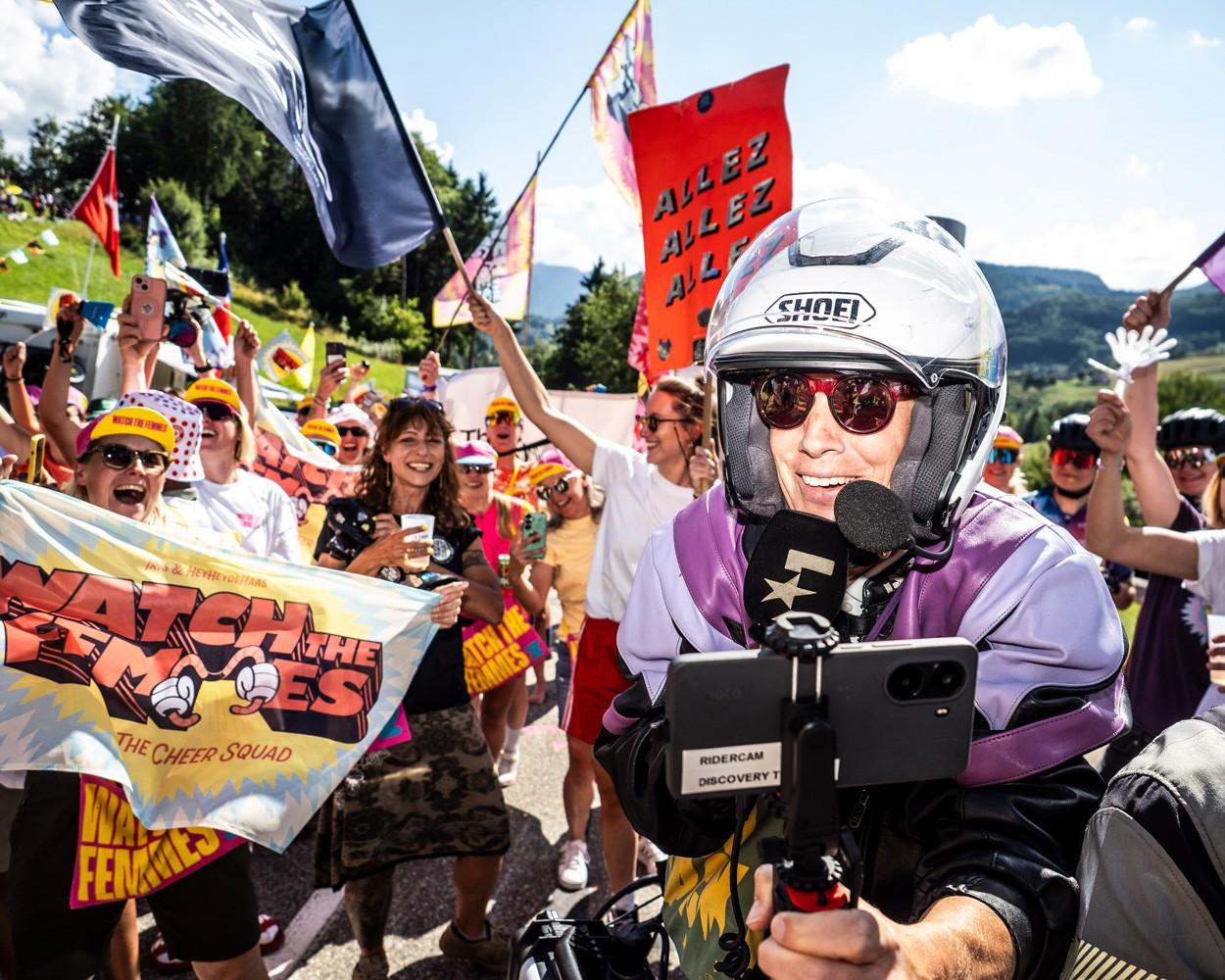
This summer, a group of women will gather on the historic slopes of Mont Ventoux during the Tour de France Femmes avec Zwift, wearing matching shirts, waving flamboyant flags and ringing cowbells. It is the third edition of the IRIS Cheer Squad, organised by former professional cyclist Iris Slappendel, and it exists to do something she believes women's cycling still lacks: a loud, visible and welcoming bridge between everyday riders from a wide background and the professional peloton.
Speaking to Velora at length from her studio in the south of the Netherlands, Slappendel was clear that none of this began as a business plan. "I just wanted to make stuff that I wanted to wear, like really good quality, comfortable, my own personal style," she says. "There's never been a business plan or anything. I'm just a creative."
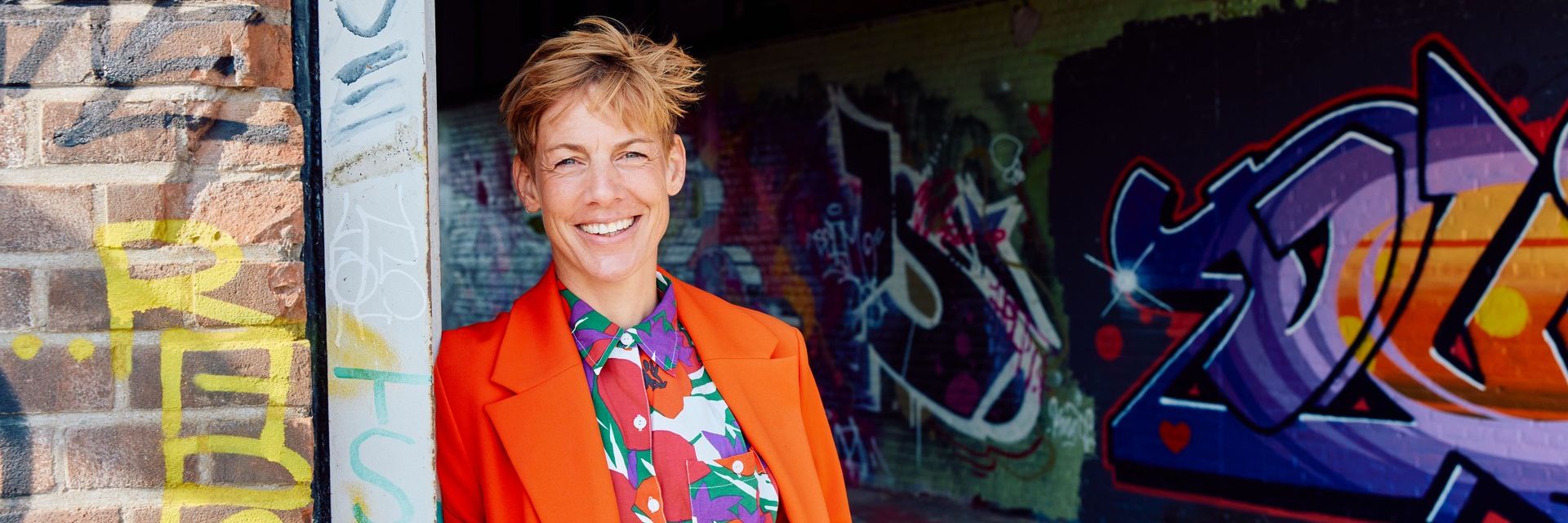
Slappendel, 41, is a former Dutch National Road Champion who raced professionally until the end of 2016, across roughly twelve years in the sport. She co-founded The Cyclists' Alliance, the independent union for professional female cyclists, where she served as executive director, and in 2017 she launched IRIS, her first name and also an acronym for "I Ride In Style". She still commentates for Eurosport, but it's the brand, and the community that has grown around it, that now takes up most of her time.
That impulse to build something of her own came from years of frustration. When she started designing, in 2016 and 2017, the problem she saw was one of basic seriousness. "You had brands that did women's cycling apparel," she says, "but it was always like they never had the premium line. It was always the cheaper lines for women, assuming that they wouldn't spend the money on really good products."
The styling was just as narrow. It was "always either pink, red, or black, or very flowery," she says, and the fit was wrong in predictable ways: "always short shorts, or very short jerseys, or short sleeves."
Through her own racing career she regularly altered the kit she was given, adjusting the chamois, the fit and the leg elastics because what arrived from sponsors did not work.
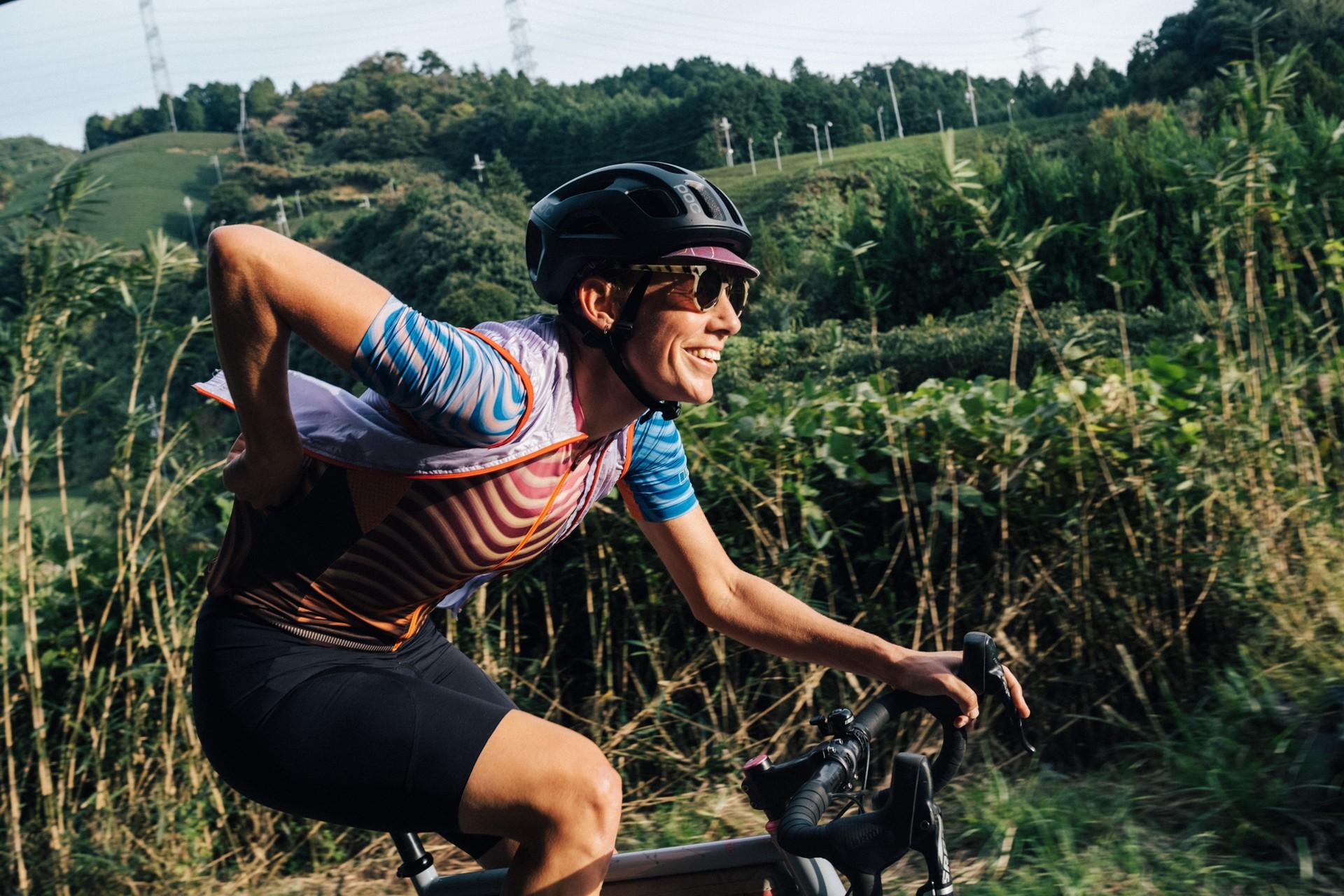
"I did not feel taken very seriously as a rider," she says. The gap was more than technical. No one, she felt, had thought about how women actually rode, what they needed mid-ride, or what they might want to express through what they wore.
Comfort as a design thesis
Slappendel builds every IRIS product around comfort as the primary technical goal. "The most important," she says, "is if someone puts on a bib short or a jersey that they feel like it's not too tight somewhere, and the fabric is soft, it's supportive, but it's not constraining." It is "that first moment of feeling the fabric and putting it onto your body" that matters most to her, the thing she keeps in mind when choosing fit and fabric, ahead of the breathability and fast drying you'd expect once you're actually riding.
That philosophy extends to small, specific problems. For about eight years, IRIS bib shorts have used a magnetic quick-release system on the back, letting riders detach and reconnect the upper without removing their straps or other clothing for a fast bathroom stop. Slappendel says she was among the first to introduce it, though she's careful not to overclaim, noting that Scott and Velocio had their own systems around the same time. She is sharper about the brands that later adopted a version but placed the release on the front, a detail she says reveals who was in the room when it was designed: "Then you still have to take your top and everything off to be able to release it."
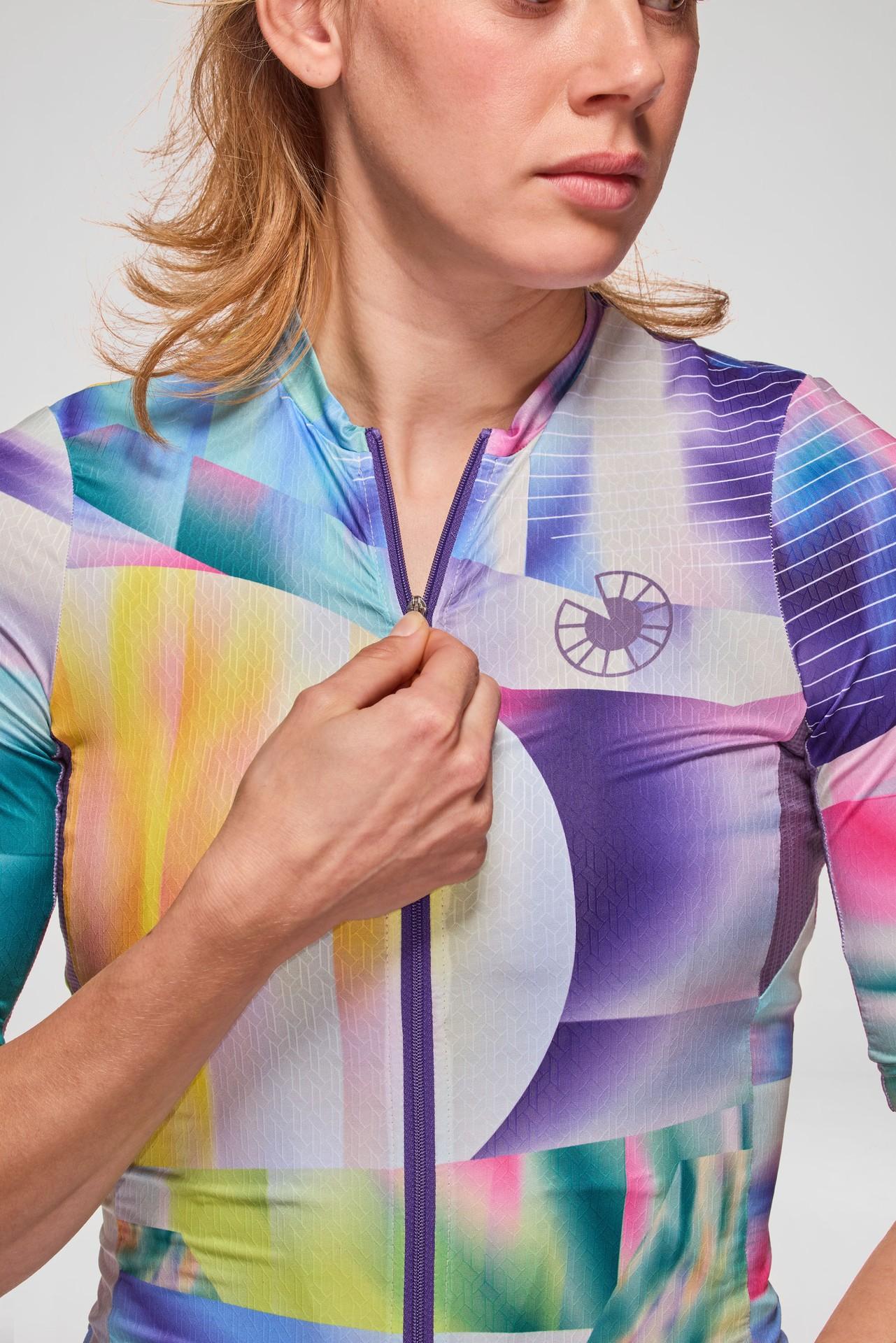
She is just as deliberate with her focussed but small order quantities. Collections are produced in small batches with low minimum order quantities, designed to mix and match across seasons so pieces stay wearable for years, with a heavy use of recycled polyester, OEKO-TEX and Bluesign certified fabrics, and a no-overproduction policy under which faulty goods are repaired rather than replaced. A full collection takes about a year and a half from first design to sale. For a recent cold-dye collection, developed with her manufacturer using a technique where garments are sewn first and then dyed in a bath, she produced only around 50 to 60 jerseys per colour. Her inspiration comes from art, museums, haute couture and travel; for a Spring 2027 collection she photographed the leaves and petals of flowers in close-up and is translating those forms into fabric patterns. Though sometimes "there's no inspiration, and then you just sweat on it for a few weeks," she laughs.
Together, from the magnetic clasp to the long development cycle to the tiny batch sizes, these details reflect a single belief: that women's cycling apparel should be built with the same seriousness, creativity and attention to lived experience as any other performance product.
The community is the product
The most striking thing about IRIS, though, may be the culture that has formed around the clothing.
Slappendel runs bikepacking weekends, social rides and the annual Cheer Squad, all at cost rather than for profit. She describes a domino effect, where one event leads other women to believe they can take part too. A colleague who recently joined the team, John, put the dynamic to her plainly: most brands build a brand and then try to manufacture a community, he said, whereas IRIS had done the opposite, growing a community that now helps grow the brand. "It's not something I really realised," she says, "but he's right."
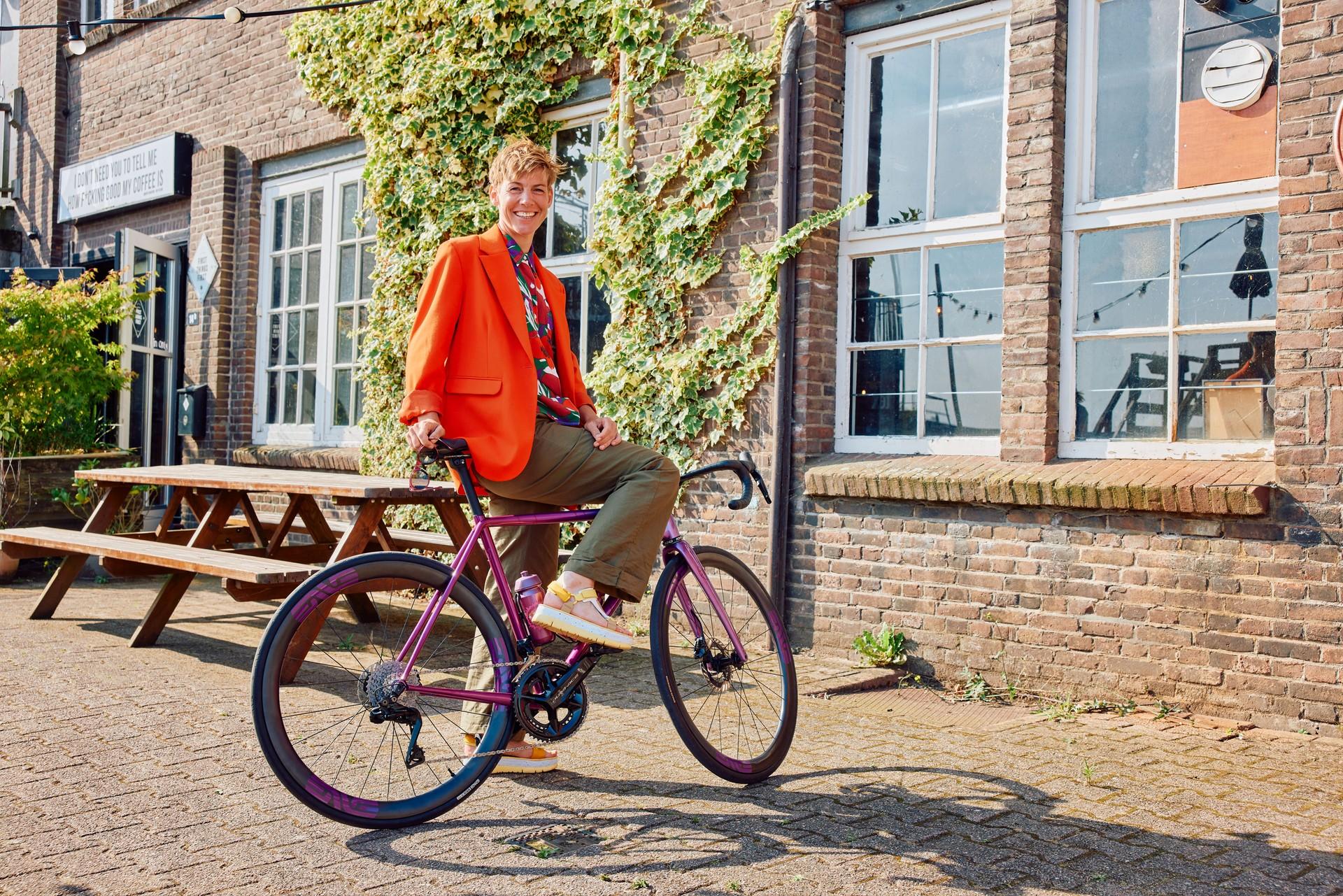
The Cheer Squad is the most visible expression of this. It began as a group of women turning up with cowbells, matching shirts and flamboyant flags to cheer the Tour de France Femmes peloton, and the 2026 edition aims to turn Mont Ventoux into a large-scale fan gathering during the race.
For Slappendel, it is partly activism. "I still think women's cycling is not at the place where it should be," she says. "It's still growing as a sport, so I feel like we still need to bring more attention to the sport. But it's also fun to connect these two almost two different worlds."
Those worlds, she says, sit further apart than people assume. When she rides with groups of men, the talk is all Mathieu van der Poel, Tadej Pogačar and whatever happened in the race that day. When she rides with women, professional cycling barely comes up. Living close to the Belgian border, she sees amateur men out in Quick-Step replica kit. Women, by contrast, almost never wear pro kit. Her own customers reflect the divide: many are keen riders but not followers of the sport. Bridging that gap, making the peloton feel relevant to everyday riders, is as much her work as designing a jersey.
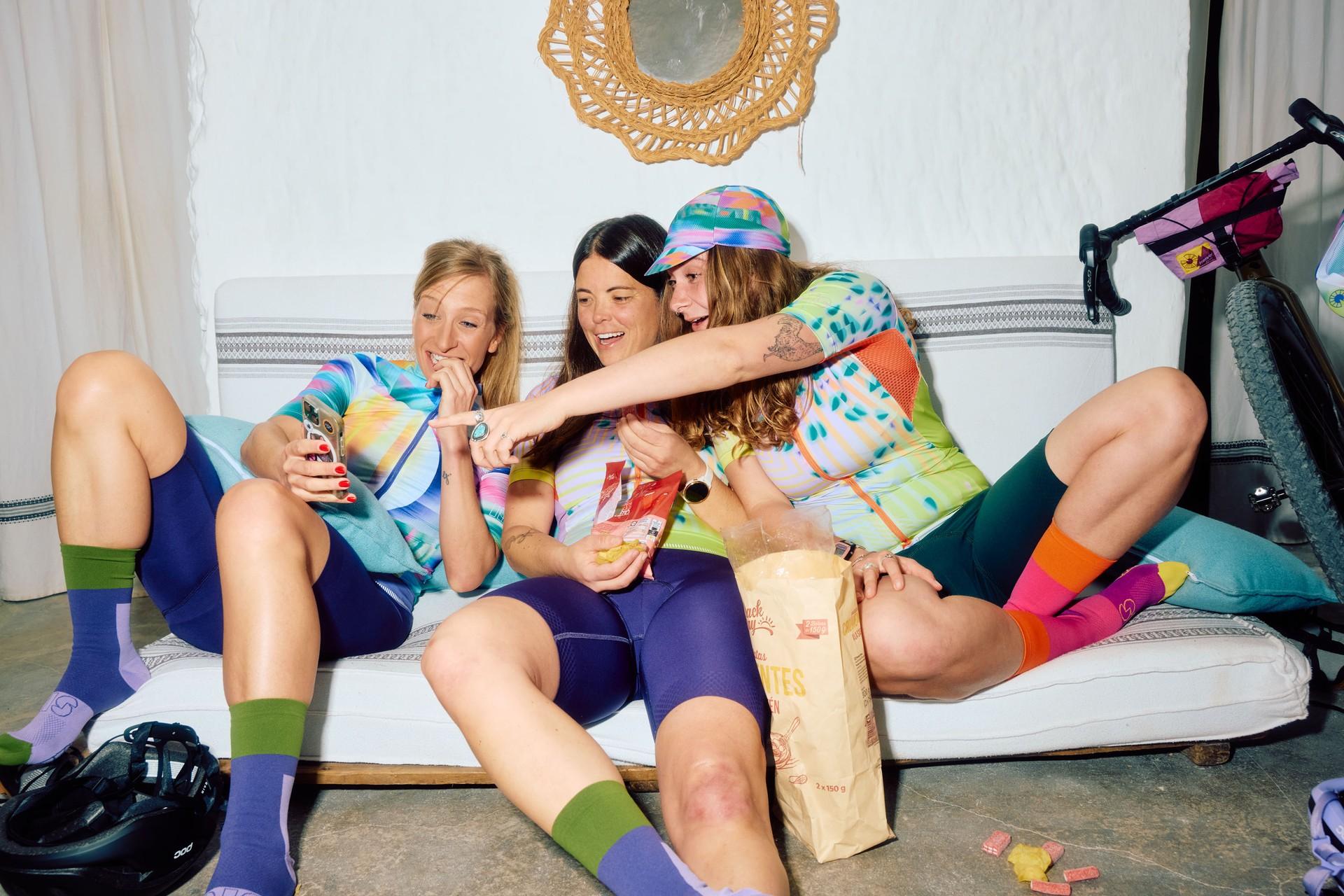
It also shapes how the brand looks. Her campaigns and photography invite women in regardless of age, size, strength or experience, which is still uncommon in cycling imagery. Slappendel puts the same idea in her own terms. The brand's photography and campaigns, she says, attract "every kind of woman" – because "it doesn't matter how strong you are, or how fit, or how old, or how big or how small."
Some of the barriers she encounters are smaller than they appear. She recalls riding near home with Annemiek van Vleuten and stopping to talk to a woman sitting on a bench with her dog. The woman said she rode too, but only ever indoors on the trainer, because she was afraid of needing the toilet on a ride and not knowing what to do. "I really wish that, if you feel like go ride your bike outside, that at least you feel comfortable doing it," Slappendel says. It is the logic of IRIS in a single anecdote: a product that solves a physical problem, a community that normalises showing up, and a brand language that signals belonging.
Slappendel's mission has long-since extended into the professional world too. The wider sport, she argues, remains structurally fragile. The UCI has, in her view, copied men's cycling into women's racing from the top down rather than building it from the ground up, leaving development dependent on volunteers running club and Continental teams out of personal commitment, ferrying riders around Europe in vans. The cancellation of the women's U23 Tour de l'Avenir for this year, and the disappearance of races such as the Thüringer Rundfahrt, she calls serious problems for young riders and the pathway into the sport.
Her own maximum salary as a full-time professional was €2,000 a month, "and I was a national champion those years," she notes. She always treated the career as finite: "I always was very aware of cycling being something temporary." That awareness, she suggests, is rarer now. "Riders come into the sport at a very young age, they become a full-time pro immediately. They don't finish a higher education," she says. That's a real opportunity, and one she and the TCA fought for, but one that "makes you also a bit more vulnerable."
IRIS cannot fix any of that. It is a small brand run by one designer producing limited collections from a studio in the south of the Netherlands. But its growth points to where demand actually sits in women's cycling: at the meeting point of performance and the simple confidence to clip in and ride out the door.
On the afternoon we spoke, when we could certainly have discussed women's pro cycling for many more hours, Slappendel's plans for the day seemed to echo her wider mission. She'd always had a racer's mindset, she told me, but "now I'm becoming that person that just rides to relax and have some peace of mind." With that, she bid me farewell, off to go riding with her baby in a trailer behind the bike. Just to be outside.
IRIS, and details of this year's Cheer Squad, can be found at iris.cc.