The subject line read "Injurious comments on social media."
The letter that arrived on April 2, 2026 came from a senior figure at cycling's governing body, without any prior contact. Its tone was courteous, almost solicitous. The UCI, it said, was open to objective and constructive criticism. It accepted the scrutiny that comes with running the sport. It was writing, it insisted, "in good faith and with the objective of a constructive dialogue."
It also warned Benji Naesen that several of his statements had to be considered injurious towards the organisation or its elected officials, and that such comments could be pursued as criminal proceedings in Switzerland if the UCI chose to file a complaint. Formal action, it said, would be a last resort.
What the letter never did, from its first line to its sign-off, was identify a single specific statement.
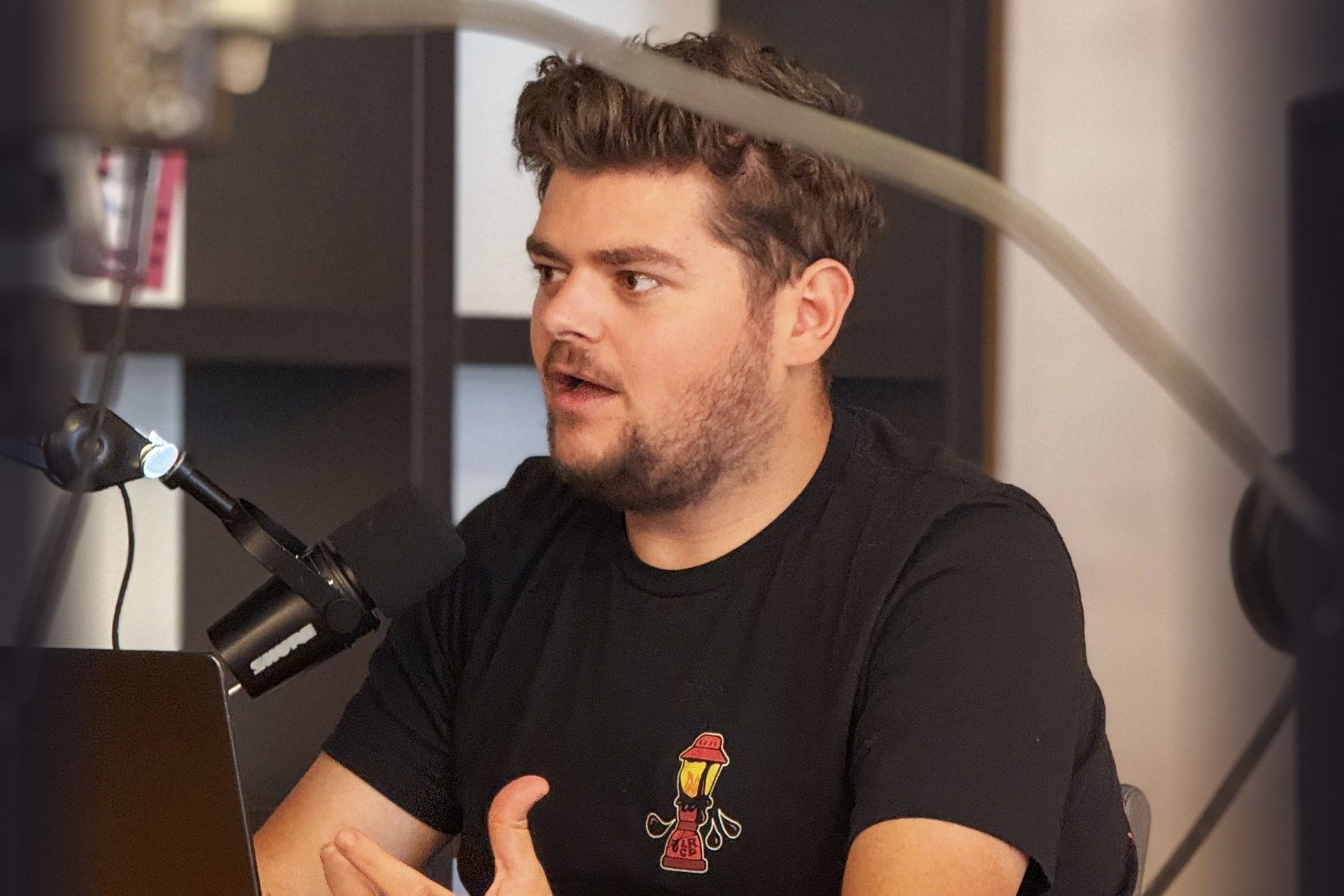
"At first I was a bit in shock," Naesen said in an interview with Velora. "When you receive a letter like that, you feel pretty scared, because when you see a letter with what reads like multiple legal threats, you're like, damn, what have I said that led to this? And I kept on reading, and I couldn't find anything in the actual letter that would be deemed injurious by the UCI, which is the most astonishing part of the letter for me."
"I have no clue what led to this letter," he said. "I was really stressed for the first week."
The letter did not land in a vacuum. It landed on one of the loudest independent voices in a sport that has spent three years arguing with itself about rider safety, through the death of Gino Mäder at the 2023 Tour de Suisse and of Muriel Furrer, an 18-year-old racing her home world championships in Zurich in 2024.
"I can tell you right now, I love the sport of cycling less than I did three years ago," Naesen said. "Part of that is because I don't think the safety has progressed in the sense that it should, and that I don't think we've done enough to prevent future deaths in this sport."
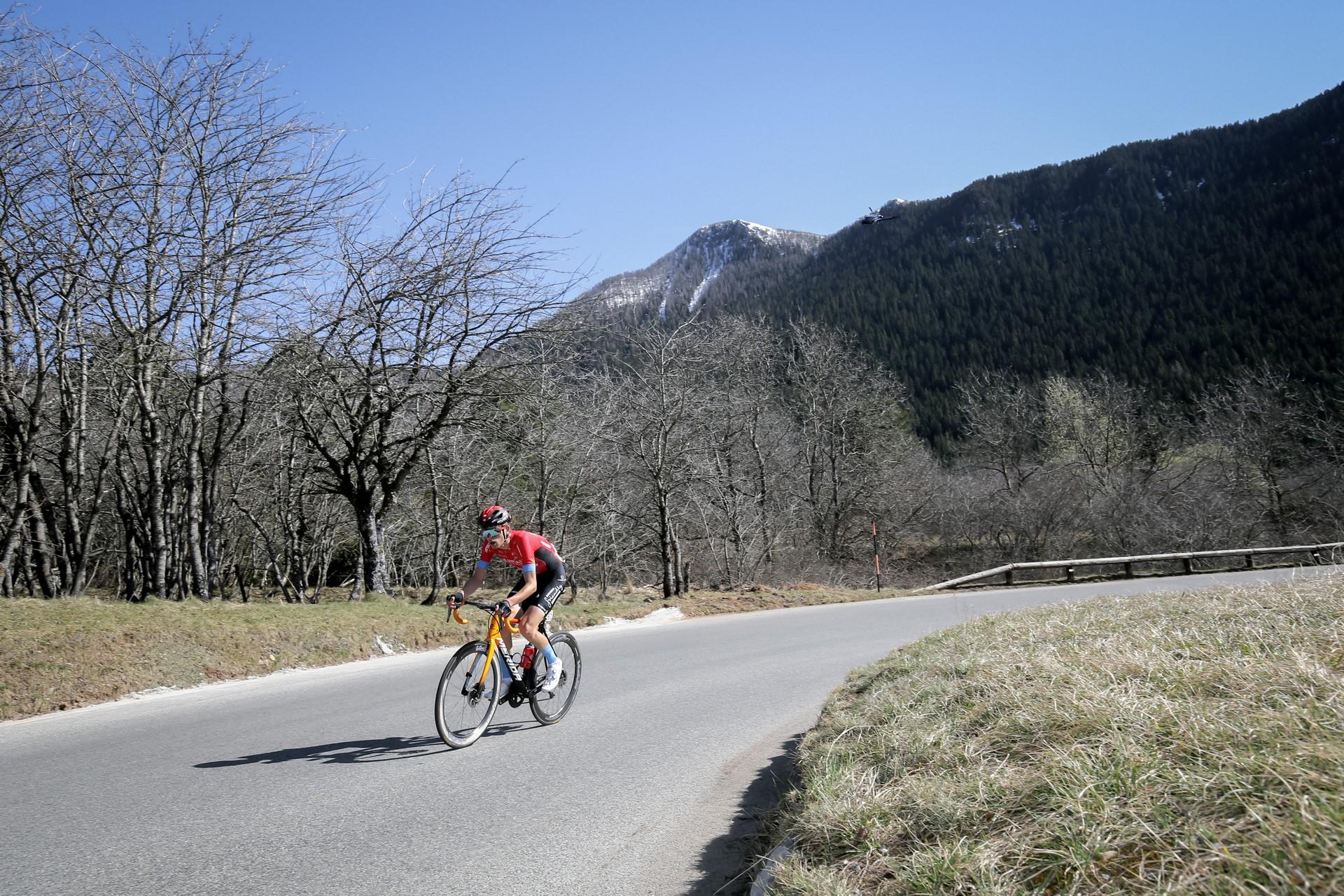
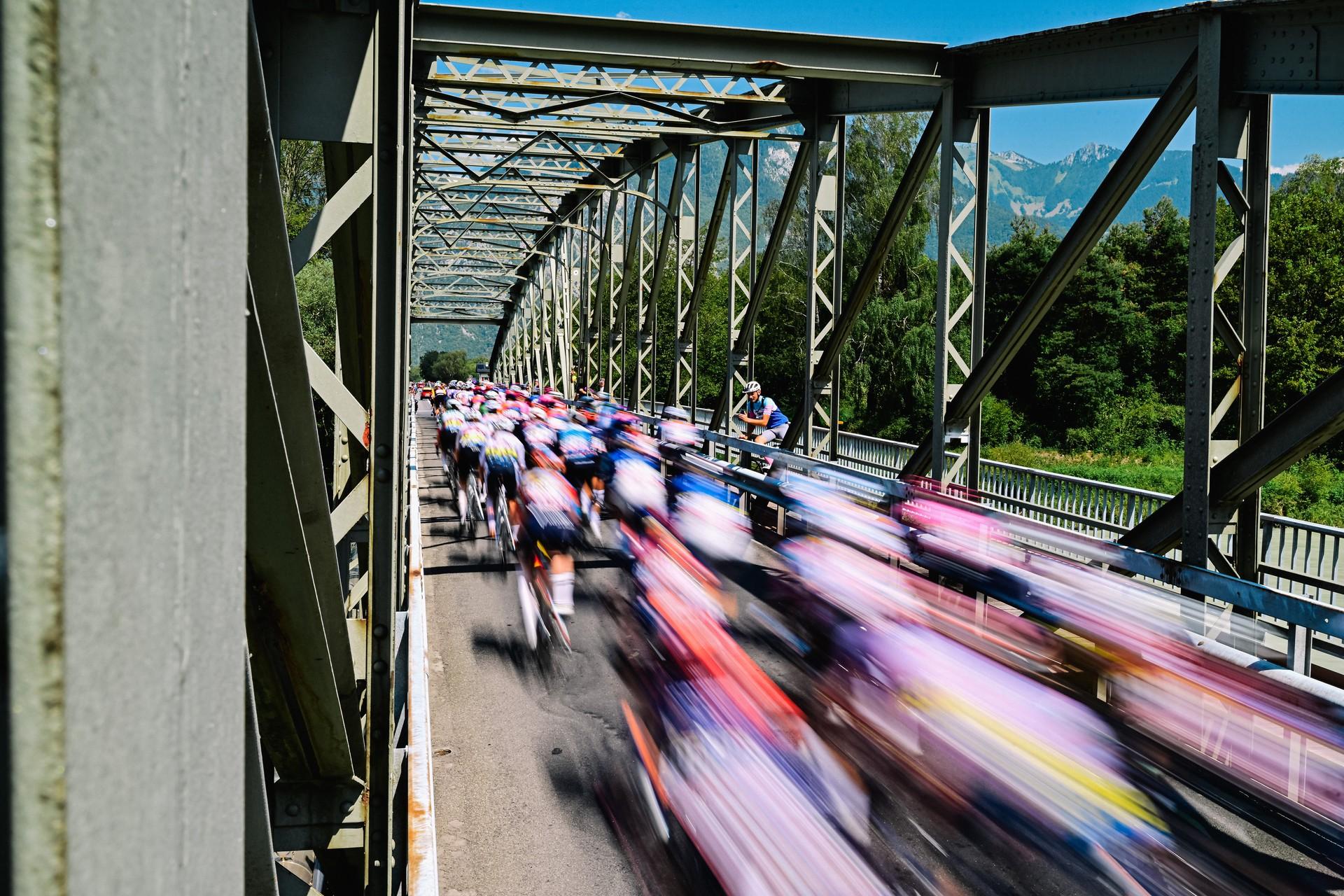
Gino Mäder passed away following an incident at the 2023 Tour de Suisse. Image credit: ASO
Whether any of that commentary prompted the letter, he still does not know. The UCI never said. What he did next, though, was entirely in character: he published the letter, then said publicly that he had filed a complaint with the UCI Ethics Commission against its sender.
The episode tested the independence Naesen has built through the Lanterne Rouge podcast and his personal online following. It also sharpened a question he has never answered definitively: what kind of media figure has he become?
'Am I a journalist?'
"I never considered myself a journalist until people started calling me a journalist, and until my family said, oh, my brother's a cycling journalist. I'm like, am I?" he said. "I make a podcast where I talk about the sport of cycling. I make YouTube videos about me riding on Zwift. I give my opinion on events within the sport. I don't bring news, I react to news, is my position."
He prefers "content creator", though he also reached for "semi-journalist" to describe work that moves between commentary, entertainment, analysis and journalism. "In every single industry, we see that line blurring, to the point that I sometimes don't know where to put myself in that spectrum," he said.
The podcast, he accepts, sits closer to journalism than his gaming videos. Twitter is something else again: "I'm just a dude on the internet spitting out random thoughts I have about cycling in the moment, and then seeing if people disagree or agree with me. On Twitter, I considered myself a conversation maker."
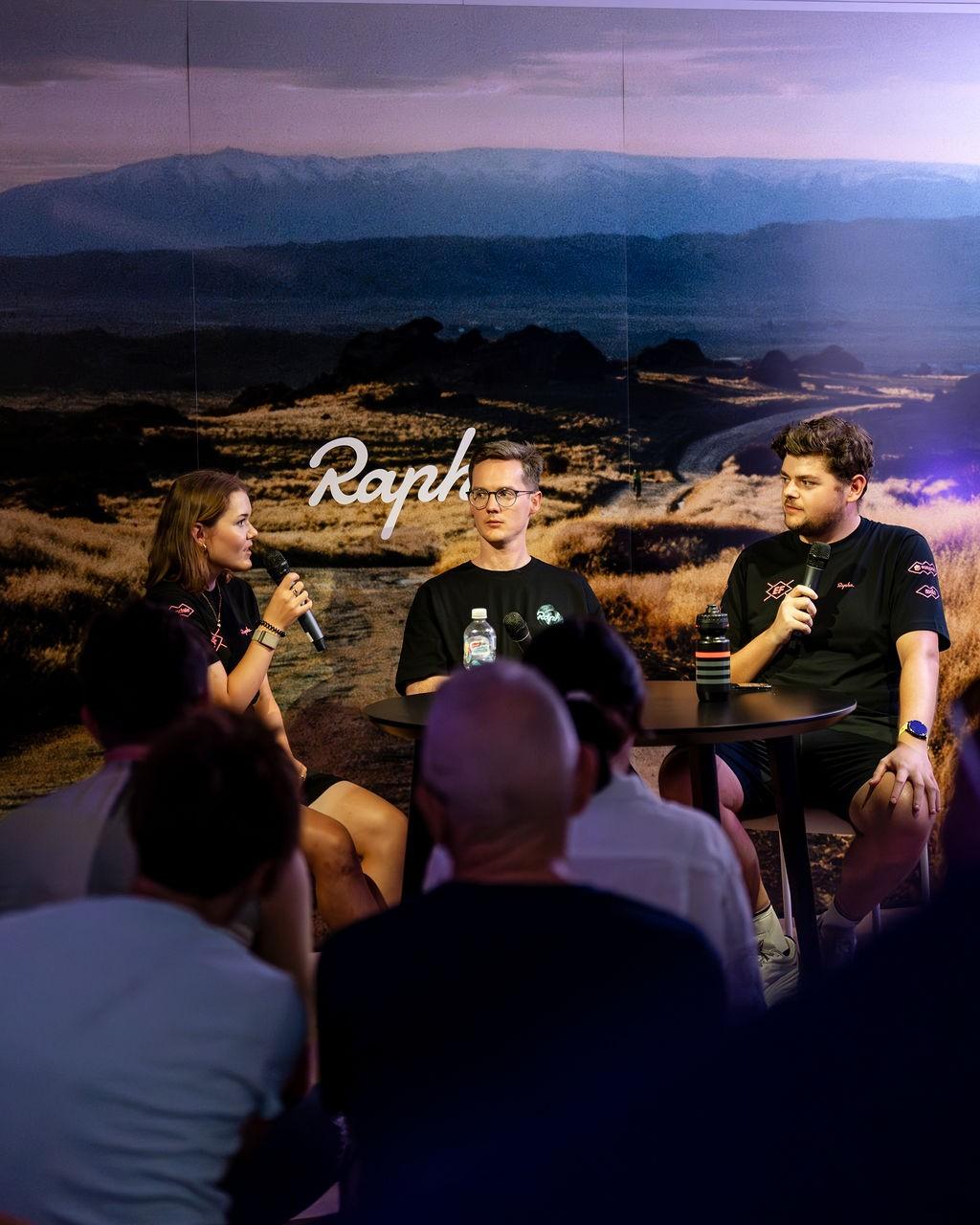
That uncertainty is part of a wider change in cycling media, where a person with an audience can analyse races, question institutions and attract sponsors without ever working for an established publication. A warning letter from the sport's governing body shows how fluid the boundaries between creator, media brand and journalist have become – all the more striking when looking at where Naesen's media journey began.
A magazine and a video game
Naesen's first videos contained almost none of the personality on which his current business depends. He uploaded gameplay without narration or a face camera, including footage from The Lord of the Rings: The Battle for Middle-earth. One such video attracted about 20,000 views.
His route into cycling began at home in Belgium, with a freebie. "It started in maybe 2005, 2006, where my mom came home with a magazine with this game attached to it: Pro Cycling Manager 2005," he said. "I wasn't actually hardcore into cycling yet. I just played games like FIFA and stuff."
He stopped playing football in his mid-teens, a period he connects to his father's poor health. "I gained weight because I was closing myself off from the world. A bit of childhood depression, if I have to diagnose it myself," he said. Gaming filled the space.
After several established creators stopped covering Pro Cycling Manager, Naesen saw an opening and began publishing his own commentated videos in about 2015. He has since made those early efforts private. "They're awful," he said. Yet they taught him how to publish regularly, speak to an audience and recognise a viable niche, along with its ceiling. "There's like 30,000 to 50,000 people playing this game throughout every year, hypothetically," he said. "Even if I get all those people watching my videos, I'm never gonna be able to make a job out of playing a cycling video game."
He studied IT and computer science in West Flanders and moved towards web development, but kept looking for a broader route into cycling coverage. It appeared in 2020 through Patrick Broe, the Australian creator behind Lanterne Rouge, after Naesen messaged him on Instagram about a video breaking down Vincenzo Nibali's descent of the Civiglio at Il Lombardia.
"We had a conversation of half an hour and said to each other, okay, let's just wing it," Naesen said. "In two days or something is GP Plouay 2020. Next week is the start of the Tour de France. Let's do daily recap podcasts and see how it goes."
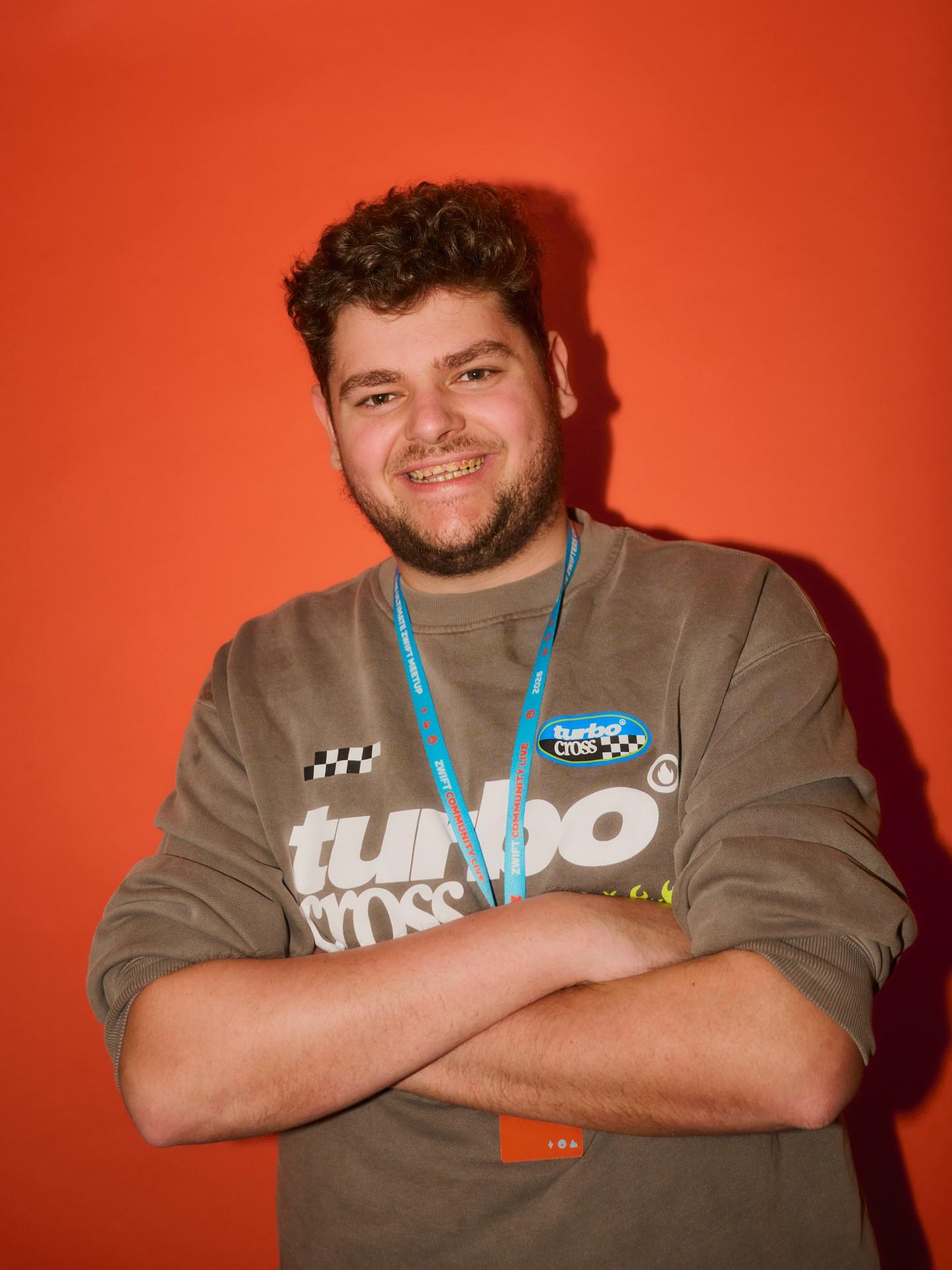
Their first episode attracted roughly 3,000 views and listens. By the end of that Tour, the episode covering Tadej Pogačar's takeover of the race at La Planche des Belles Filles reached about 20,000. It is the smaller number Naesen still values more. "The fact that it's 3,000 people listening every day is way more valuable than 20,000 people on a different day on a viral episode," he said, "because then I know that these people are interested in what we bring."
Lanterne Rouge subsequently became a professional project focused on road racing. It remains distinct from Naesen's own YouTube channel, which belongs to him and has its own editorial and commercial model.
130 kilos and a cardboard box
When the podcast moved from audio-only to filming its hosts at the start of 2021, the anonymity that had defined Naesen's early work disappeared overnight.
"My confidence was under the ground, I'll be honest," he said. "I was overweight, I wasn't happy with myself, I didn't want to be on camera. I didn't sleep for two nights before we did that. I stood very still on the camera on the first one, because I was like, oh, if I look at it this way, I look the skinniest. That's the lack of self-confidence I had."
The audience response weakened that fear, and gave him the confidence to address his health. "This podcast is doing well, people don't give a shit about how I look on the podcast," he recalled thinking. "I think it's time I do something about the fact that I weighed 130 kilos back then."
He began riding on Zwift in the evenings, sometimes at midnight, on a setup he describes without embarrassment. "An indoor trainer with a cardboard box with my laptop on it. The ultimate starter Zwift setup," he said. "I did like 100 watts for 40 minutes. I was dead."
By 2023 he had lost around 15kg, stopped uploading gaming videos for a year, and turned his personal channel into a record of his cycling journey. The change put his appearance and progress at the centre of work he had once kept impersonal, and created a far stronger commercial proposition. "That Zwift video period was super important for me, because I can't sell brand deals on a Pro Cycling Manager video," he said.
The price of independence
On his own channel, Naesen is unusually open about the numbers. "Let's say in the last month I made like €1,400 in YouTube ad revenue. That's quite a bit of money, I shouldn’t complain about that, but I'm not going to live off of that," he said. Brand deals, sometimes supplemented by affiliate payments linked to sales, are the real engine. "That's where I would say 80% of my income comes from."
Those figures are his estimates rather than a complete audit, and he did not disclose his comparable income for Lanterne Rouge Cycling Podcast, which is a shared operation with Broe. Naesen doesn’t have a stake in the wider Lanterne Rouge brand. His personal channel remains Naesen's independent asset, insurance against relying entirely on a two-person project.
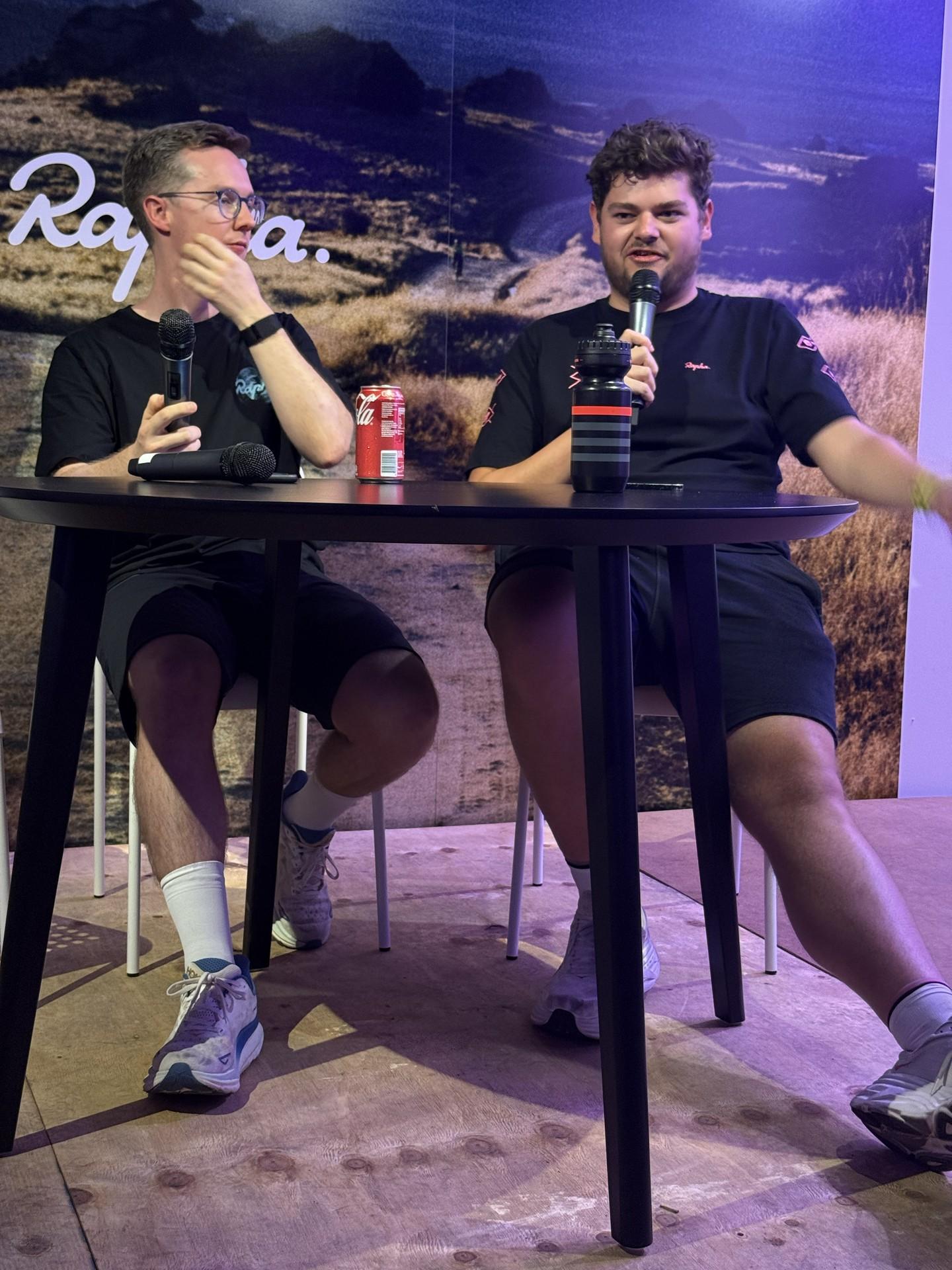
Sponsorship presents its own test of that independence, and Naesen draws his line at paid reviews, citing a treadmill brand that recently approached him. "They asked, can you make a dedicated review video? We'll pay you this amount for our treadmill.
"No," he said. "If you pay me to review your treadmill, then my opinion is going to be based on the money that you put down and not on the actual review, because you're not going to approve the video if you don't like it. If you want to be in my content, then you pay for a 60-second in-video integration."
He accepts that smaller creators may lack the financial security to refuse such offers, but says his position gives him a responsibility to draw the boundary, protecting the audience trust on which everything else, sponsorships included, depends.
That trust is also what he had at stake when the UCI's letter arrived.
The letter
Naesen had criticised the UCI before, particularly over rider safety. But he argues his contribution has never been confined to social media noise. In early 2025, hearing that former professional Sep Vanmarcke was due to meet the UCI about safety, Naesen sent him a detailed document of observations and proposals covering areas such as enforcement of organisers' guidelines, sprint-finish regulation and the role of UCI safety managers - which Vanmarcke "very kindly" accepted. He does not know how much of it reached the governing body, and has not claimed the work prompted the 2026 letter. He also credits the UCI when it introduces measures he supports, including a recent rule change on the final 200 metres of sprint stages.
His most journalistic piece of work, by his own reckoning, was a ten-minute video titled Why Pro Cycling's Yellow Card System is Flawed. "I think it's a great video. It covers every aspect of why it doesn't work properly," he said. "Views were shit, to be honest. I think it's part of the reason that I've not done any more."
Then came the letter, with its warning that some of his comments were incorrect and unnecessarily damaged the organisation's image, and that others were offensive even where the UCI shared his underlying opinion. What frightened Naesen was the combination of legal consequences and the absence of specifics.
"I don't even know if the letter is related to comments that I said about the safety of the sport. Is it related to me calling a sprint deviation decision wrong? I don't know," he said. "That's the most shocking part about it. I still don't know what the reason behind the scenes is."
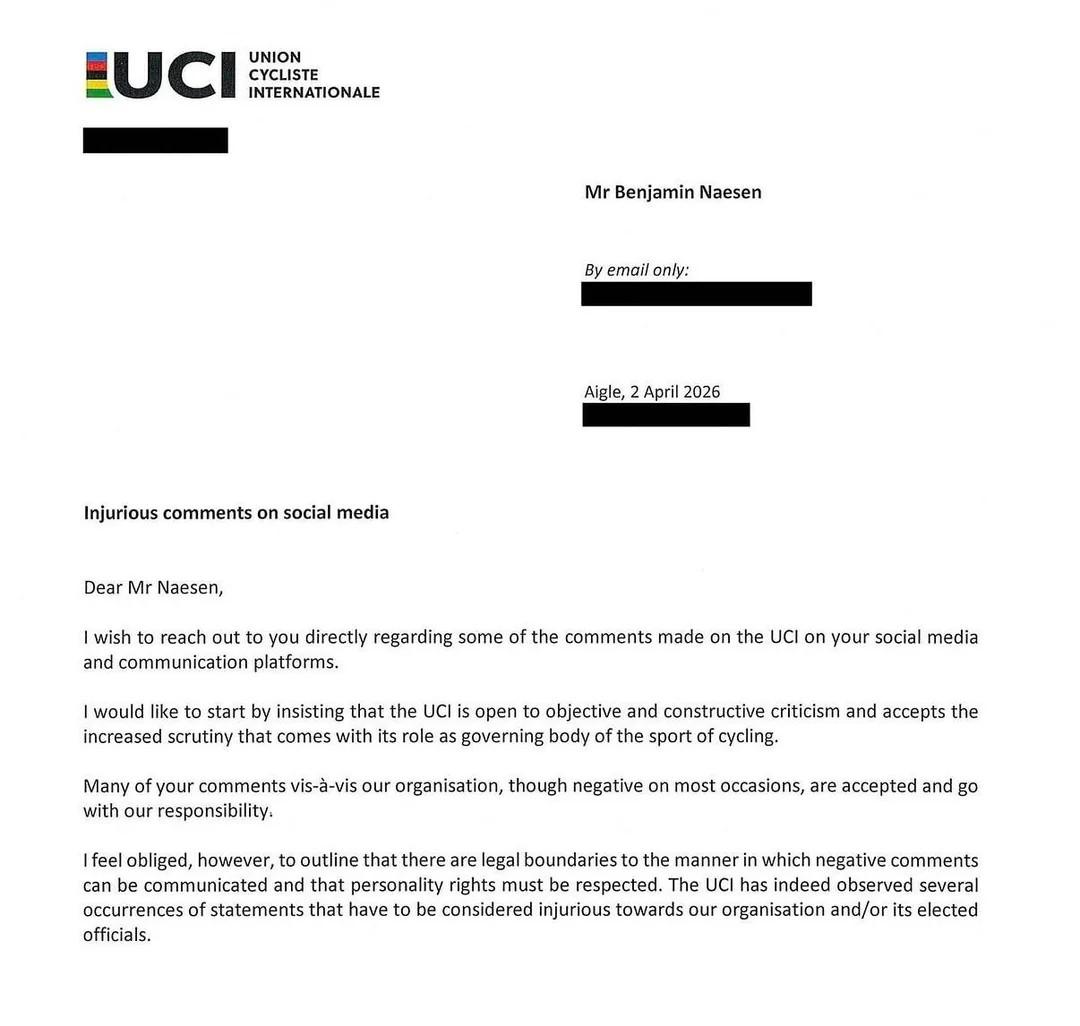
His decision to go public, rather than reply privately, followed from how he read the letter's intent.
"The letter doesn't sound as if they want an actual proper conversation about it," he said. "I'll publish the letter online, because it's also my responsibility as someone who is maybe a semi-journalist within the sport of cycling to make it clear that I've got this letter. Because I don't know whether there's other journalists, that don't have the reach that I have, that actually receive a letter like that as well."
The UCI framed the issue as one of accuracy, personality rights and legal boundaries, and said formal action would be a last resort. Naesen, for his part, resists casting the governing body as an adversary.
"If instead of a letter they approached it differently and said, okay, you're quite critical about the UCI, can we have a respectful conversation, and if that letter did not include multiple legal suggestions, then I would have been very accepting of doing so," he said. "To be honest, I still am, because the UCI is not my enemy in the sport."
He never received a direct response from the UCI after publishing the letter. He did receive one from the Ethics Commission, whose contents he cannot disclose. "The reaction is exactly as I expected," is all he will say. He now considers the episode closed.
'If I start filtering that, I might as well not do it'
Closed, but not without consequence. Naesen rejected the idea of answering the warning with content built around the fight. "If I doubled down now and made a 24-episode series about every safety issue in the sport of cycling, then it looks like I'm going after the UCI specifically, and I don't think that's an ethical way to respond to this," he said. "I will just do the same level of reporting. I call it reporting."
"I got scared for two weeks, but if I change my content, then where's my authenticity to my audience? The reason they follow the podcast, the reason they follow me playing a cycling manager video game, the reason they follow me on Twitter, is because I give my brutally honest opinion about everything that I see. If I start filtering that, then I might as well not do it."
He is candid that this stance rests on structural freedom most reporters do not have. Teams, he believes, increasingly prefer coverage they can shape into "access journalism", and he does not like it. "Easy to say from my situation, because on the podcast we don't need teams, we don't need riders, I don't need UCI accreditation for the World Championships," he said. "I can afford to be critical towards certain areas and not be scared of getting punched in the face. Well, verbally punched in the face, and penalised by an entity. That can't really happen in my situation."
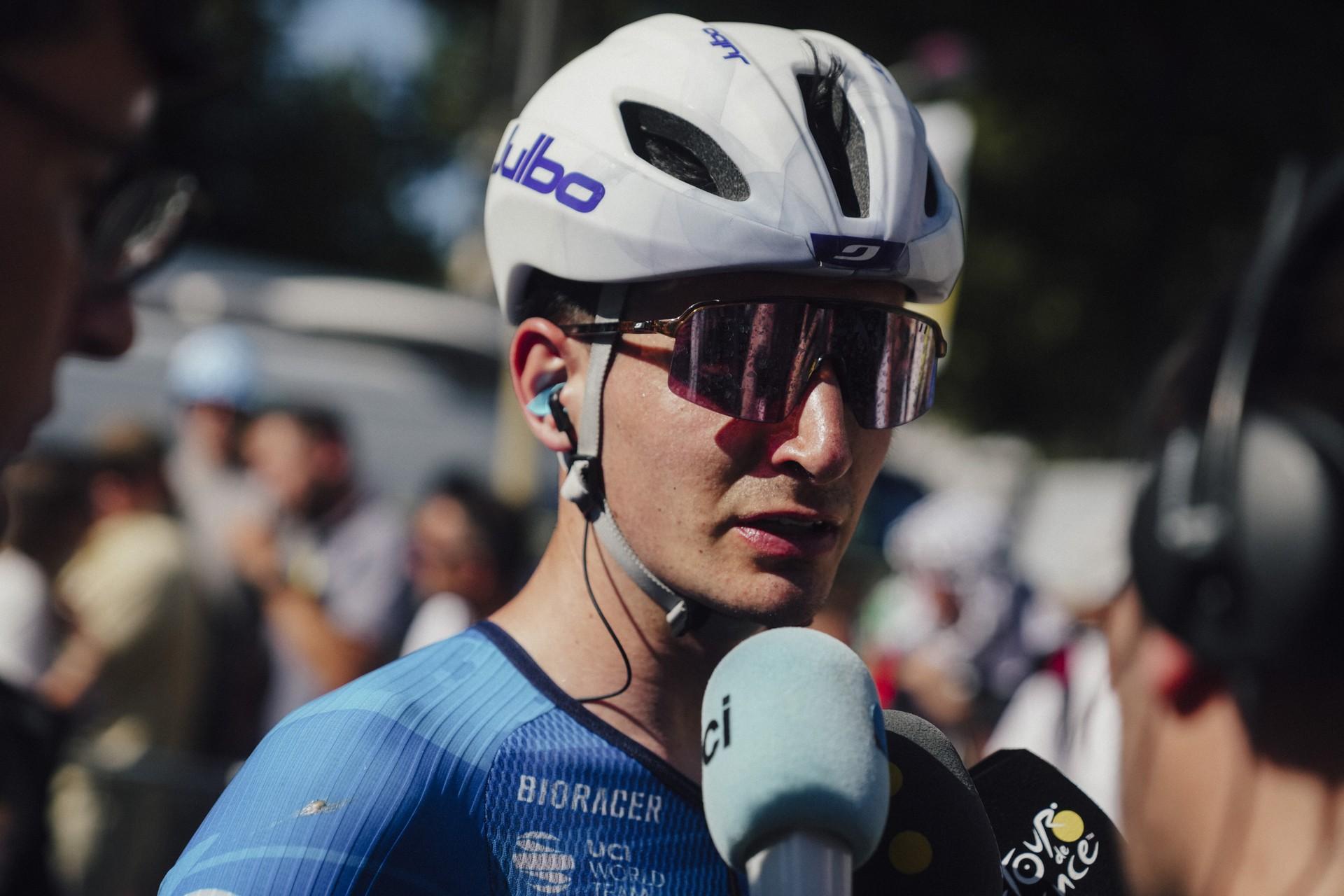
Photo: ASO/ Thomas Maheux
Nor does he claim objectivity in the traditional sense. "I don't think a single journalist is completely unbiased. The way to do it is to say: yes, I've got biases at the doorstep, and you can judge my content based on the biases that I do have," he said. "I don't actually talk about the UCI as much as I think it's perceived that I do. I just talk about cycling so much that the UCI is brought up a lot."
Where, then, is the gap between what he does and journalism proper? For Naesen, it is the withholding as much as the publishing. "I don't report news. I talk to many cyclists, know about multiple transfers that have not been leaked so far. I'm not going to reveal that," he said. "I know I can get a bunch of clicks on Twitter if I reveal that. My motto has always been, I don't bring the news on Twitter, I react and give my opinion on it. I'm a cycling commentator in the same way that there's political commentators out there."
Even that self-definition has limits he acknowledges. "I know that some parts of what I do are legally seen as journalism. For example, what I do is in Switzerland seen as journalism. Some other countries would not consider it journalism," he said. "I would always frame myself as a content creator personally."
Naesen's independence remains conditional. Lanterne Rouge can operate without accreditation or controlled access, and his own distribution allowed him to publish a governing body's warning directly, yet his channel still depends on sponsors and his commentary remains subject to legal constraints, as the letter made plain.
That combination places him in the blurred middle of modern cycling media. He does not break news or present himself as an investigative reporter, but his opinions reach enough people to influence debate and to attract an official warning. Audience trust and a recognisable personality, amplified through direct distribution, increasingly determine who gets heard, and, as one letter in April showed, who gets heard from.