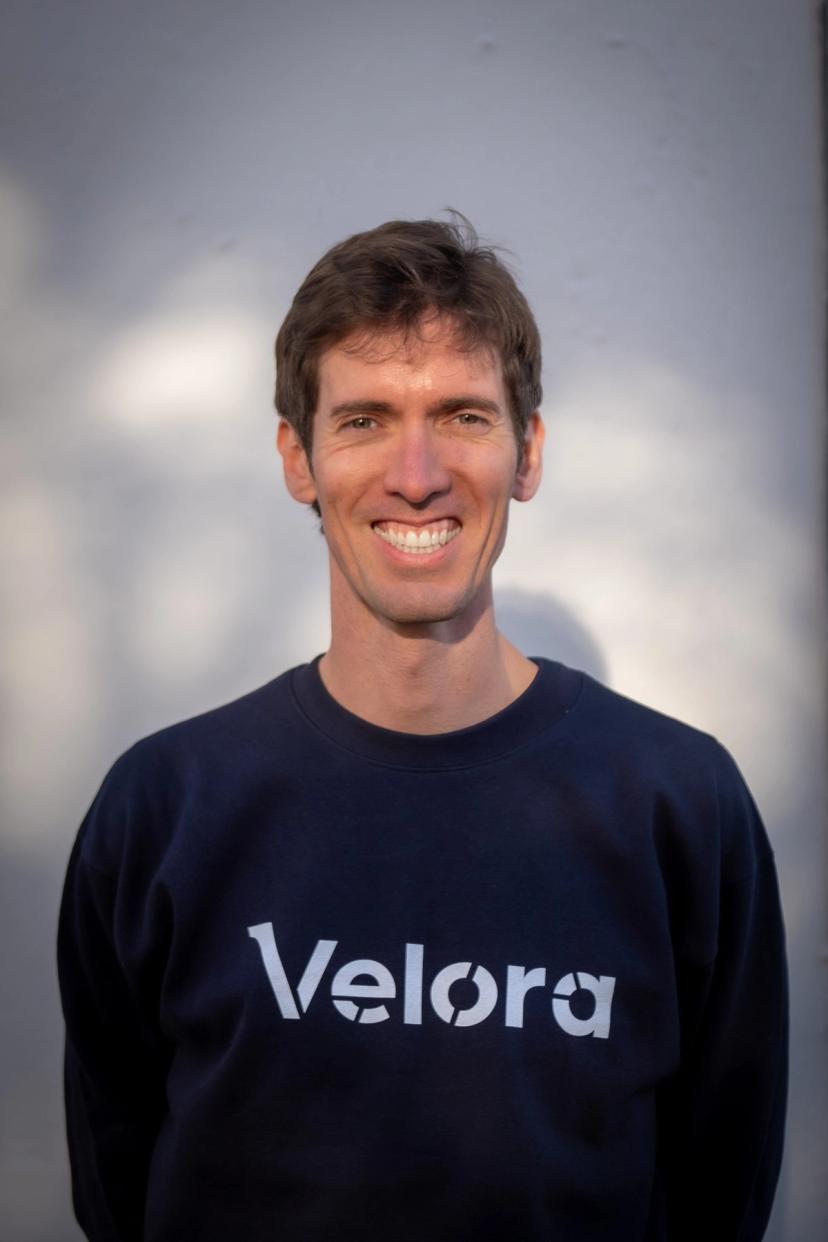
"It's not vibe-coded anymore."
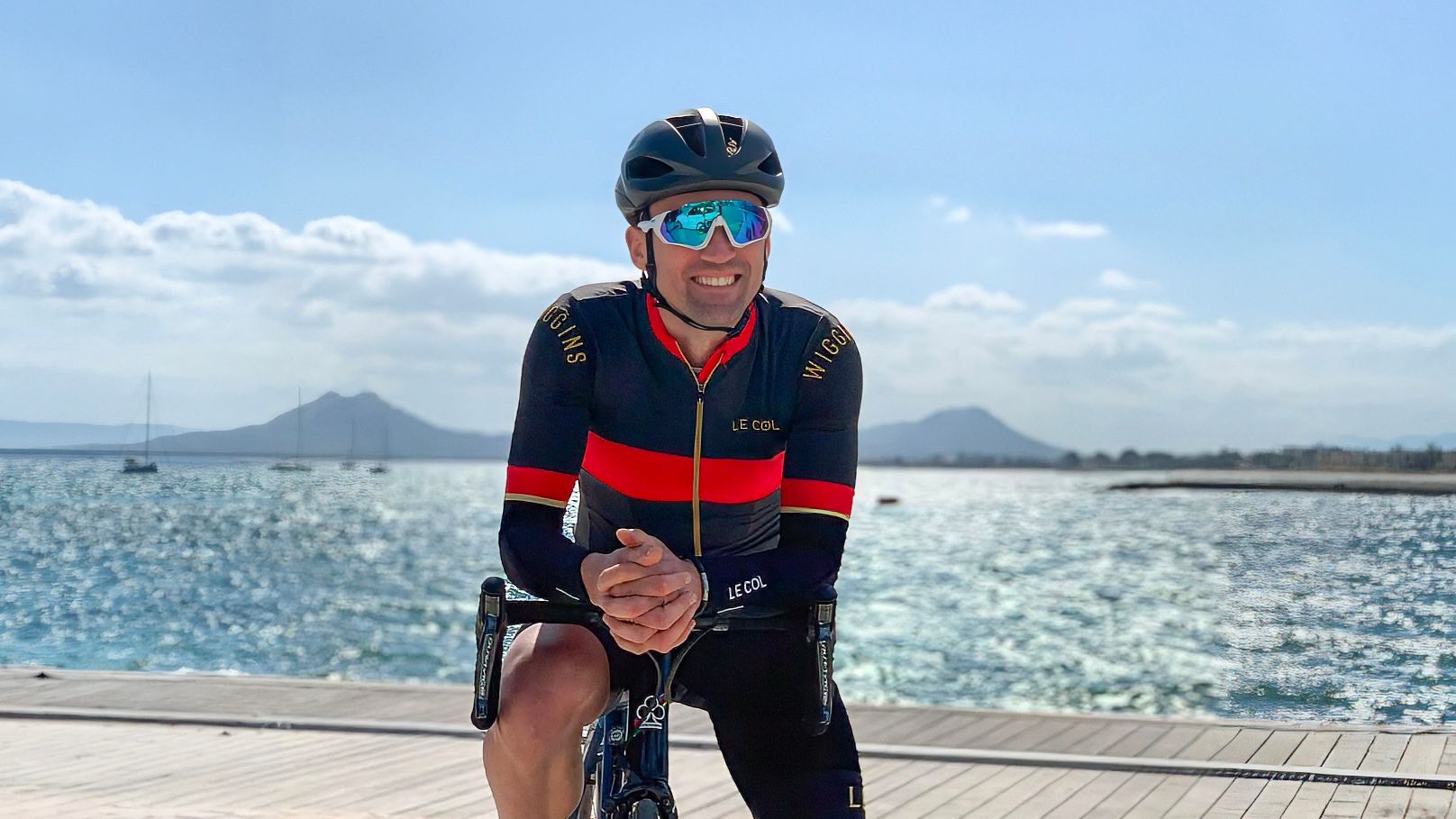
If Yanto Barker wants you to take one thing from this story, it is that. The former professional cyclist and Le Col founder spent four months building a training app with nothing but a laptop, a chat window and no coding knowledge whatsoever, then paid a professional developer to tear it down and rebuild it properly.
"I have a developer who basically rebuilt it 100%," Barker said, speaking in an extensive interview with Velora Cycling. "It 90% looks like what I designed, but functionally everything, all the routing and all the wiring and all the pipes, all now feed properly, will support thousands of users, and it's robust. That was not the case before, but it is the case now."
The distinction between the thing he built and Barker's Engyne app that now sits in the App Store is the whole story. Barker has no illusions about what AI made him. It did not make him a software engineer, but something arguably more interesting: a founder who could get all the way to a working product before hiring one.
He has already met the scepticism head-on. When he sounded out a second developer about joining the project, the response was hesitant. "He said, 'Oh, I'm a bit worried about taking on a vibe-coded project,' and I thought that was wrong," Barker said. "That should have been an opportunity to go, 'I'll take a vibe-coded idea and I will make it fantastic. I will make sure that it's the most robust thing and no one would ever notice.' If that's not your attitude, then you're not backing yourself strongly enough."
From gardening leave to first page
The build began from a position most founders would recognise as rock bottom. Le Col, the cycling apparel brand Barker founded in 2011, had been through a bruising period. Revenue peaked around £17 million but fell to £15 million against a planned £25 million target, and a growth-focused investor structure left Barker unable to right-size the business. He spent much of 2025 trying to sell the company, eventually offering to buy it himself. The offer was rejected. HEAD Group acquired 100% of Le Col from Puma Growth Partners in February 2026 and Barker was brought back in an advisory role. Le Col subsequently filed court notices to appoint an administrator in June 2026, and Barker told Velora Cycling he was let go on 30 June.
It was during gardening leave, before any of that resolved, that Barker started asking ChatGPT open-ended questions about what to do next. He wanted to avoid inventory, build something subscription-based, and move fast. Within a week the conversation had shifted from strategy to execution. The AI estimated a build cost of roughly £200,000 in the UK, perhaps £150,000 via Eastern European developers. Barker had neither the capital nor the appetite to raise on an idea alone. So he asked whether he could build it himself.
"Bearing in mind, I struggle to sync my calendar up with my email half the time," he said. "It shouldn't have been possible for me to do what I did."
The AI insisted he could. "I was like, no, seriously, I've never seen a bracket or a hyphen or whatever code is made of. Are you sure?"
What followed is the kind of scene that will be familiar to anyone who has watched a non-technical person collide with a development environment. Told to open the terminal, Barker asked what a terminal was. He took a screenshot of his Mac, uploaded it, and let the AI point at buttons. It walked him through installing Flutter, opening VS Code, creating project folders and running a simulator, pausing at one point to explain the difference between a file and a folder. It took a full day just to get the software onto his laptop.
The next day he started writing code, copying it line by line from the chat window into VS Code. By 11:30 that night, having started at 8am, he still did not have a single page rendered.
"I thought, I can't do this. Of course I can't do this. What a stupid idea," he said. "So I went to bed grumpy, and I woke up in the morning and thought, I'll just do five more minutes."
The next morning something clicked – literally, a button he had failed to press the night before. "I got a page and I was like, wow, I built a page all by myself." Then came a week of pages, interactions, styling and spacing. GitHub arrived about a month in, along with Railway for backend hosting.
'My code was my body'
Barker started his vibe coding on 8 February and released a live app on 1 June. In between sat three months of a working pattern his wife came to dread.
"I honestly felt like my code was my body, and if it was wrong, if there was a bug, I literally couldn't go to sleep at night," he said. Leaving a bug overnight "felt like having an infected arm... I like to go to bed with a clean bit of code."
The anxiety was not irrational. Because he could not truly read what he was pasting, he had the AI divide every page into labelled sections (header, calendar, graph) so he could at least navigate his own work. As pages grew, so did the stakes. "I got really nervous when I started having pages with like 2,500 lines of code in," he said. "If I screw this up, I cannot recreate this."
Of course, some software engineers will wince at the idea, but Barker's basic thesis was that if he could articulate exactly what he wanted and create it in a sandbox environment, the journey to a production-ready product would be much shorter. While vibe coding is still a little hit-and-miss when it comes to finished products, that approach to product development is rapidly becoming orthodoxy: prototype first, specify by building, then harden what works.
Along the way he developed an unexpectedly sophisticated feel for the tool itself. He noticed that long conversations degraded output quality, and built a workflow of starting fresh chats seeded with a synopsis of the previous one. He learned to spot when the model was confidently wrong – a lesson that cost him one full day chasing a fix that created four new problems before returning him to where he started.
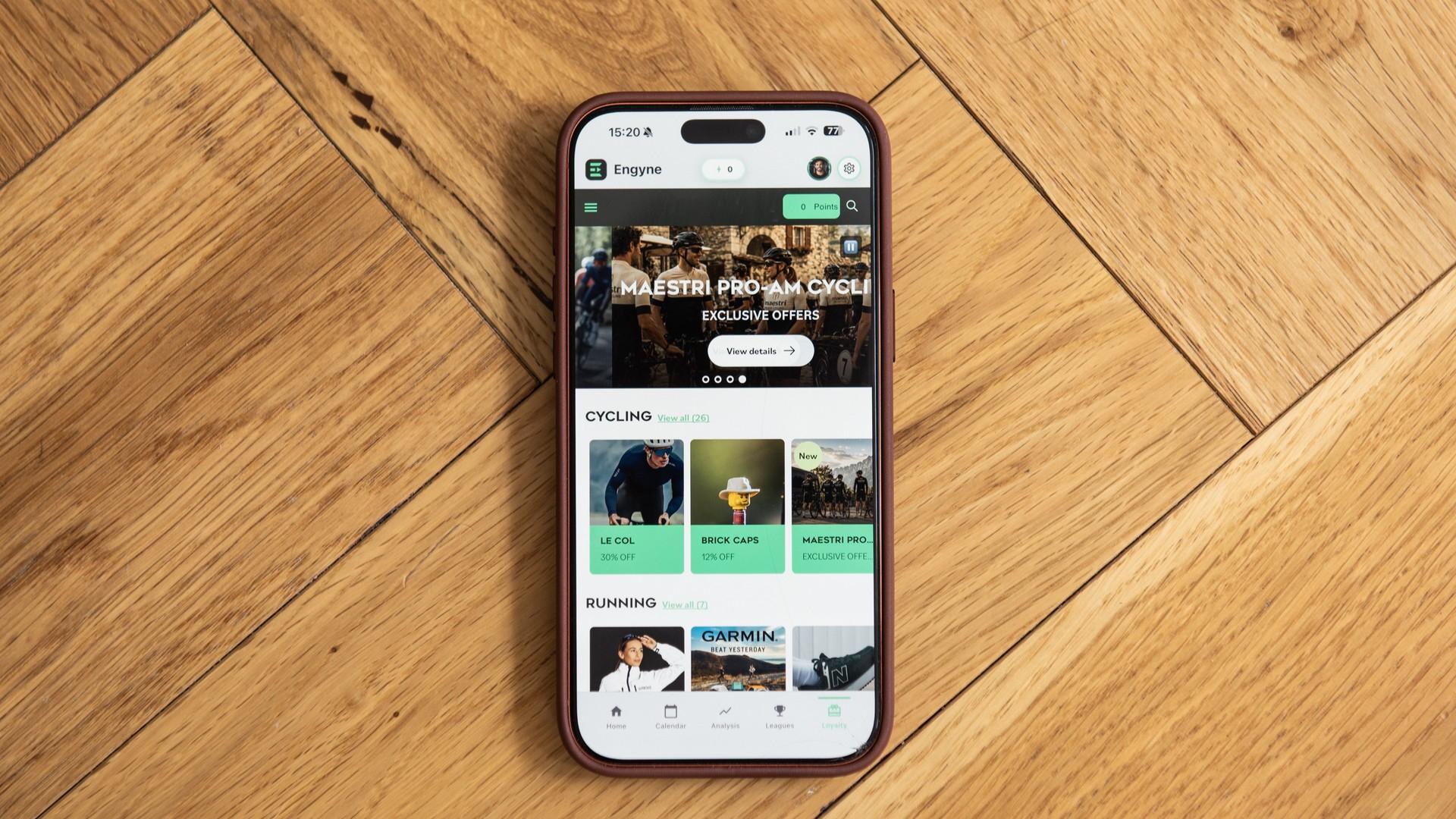
The Engyne app up and running on my own phone. Photo: Peter Stuart/ Velora Cycling
The process also forced a continuous stream of product decisions. The AI would ask whether he wanted a simple or sophisticated implementation of a feature, and Barker found himself defining his user demographic, choosing metric displays, and setting tone and language, all while debugging at midnight. It was only when he handed the codebase to a professional developer, three to four months in, that he understood what all those decisions had actually produced.
"I thought I built an MVP," Barker said. "What I'd actually built was proof of concept."
Much of the first version was hard-coded to his personal metrics rather than fed through algorithms that could serve thousands of individual users. The developer rebuilt it from scratch. But the rebuild required no discovery phase at all. "He didn't need to ask me a single question," Barker said. "It was the absolute perfect brief." Every choice, from fonts and colour palettes to feature logic and user flow, had already been resolved during the prototype phase. A conventional briefing process, he estimates, would have consumed months of back-and-forth on questions he would not have known to expect.
What he built
The product is Engyne, listed in the App Store as a health and fitness app from Engyne Health Ltd – Barker's new business. It covers cycling, running, swimming, rowing and gym workouts, with AI-generated sessions, a colour-coded weekly calendar, and a fitness-fatigue-form timeline spanning 30 days to two years. Users can set thresholds for FTP (functional threshold power, effectively the highest average power a cyclist can sustain for an hour), running pace and swim CSS, or let the app estimate them from their data.
The app syncs with Strava, Garmin and Wahoo via permitted APIs. The Strava integration required an automated submission process and strict API approval, while Garmin and Wahoo were more straightforward. An in-app AI coaching layer runs on Google's Gemini model through Firebase AI; Engyne's privacy policy says the system may draw on recent workout history, power profiles and fitness thresholds when generating recommendations. Barker said the coach can see what training a user did yesterday, their current fitness, what sessions are planned, and then advise on session timing, refuelling and overtraining risk.
A leagues feature lets users compare weekly activity with friends, including one-on-one accountability pairings. It was the one thing Barker could not get working himself, since it required server-side syncing between multiple devices, and it was among the first things the professional developer resolved.
The app runs on a subscription model at £10 per month, with an AI-enhanced tier that Barker said he expects to price at £15. At the time of the interview, Engyne had a few hundred users, and Barker was about to begin paid acquisition campaigns to generate cost-per-acquisition data, with the intention of using those numbers to raise external funding.
Never unsubscribe
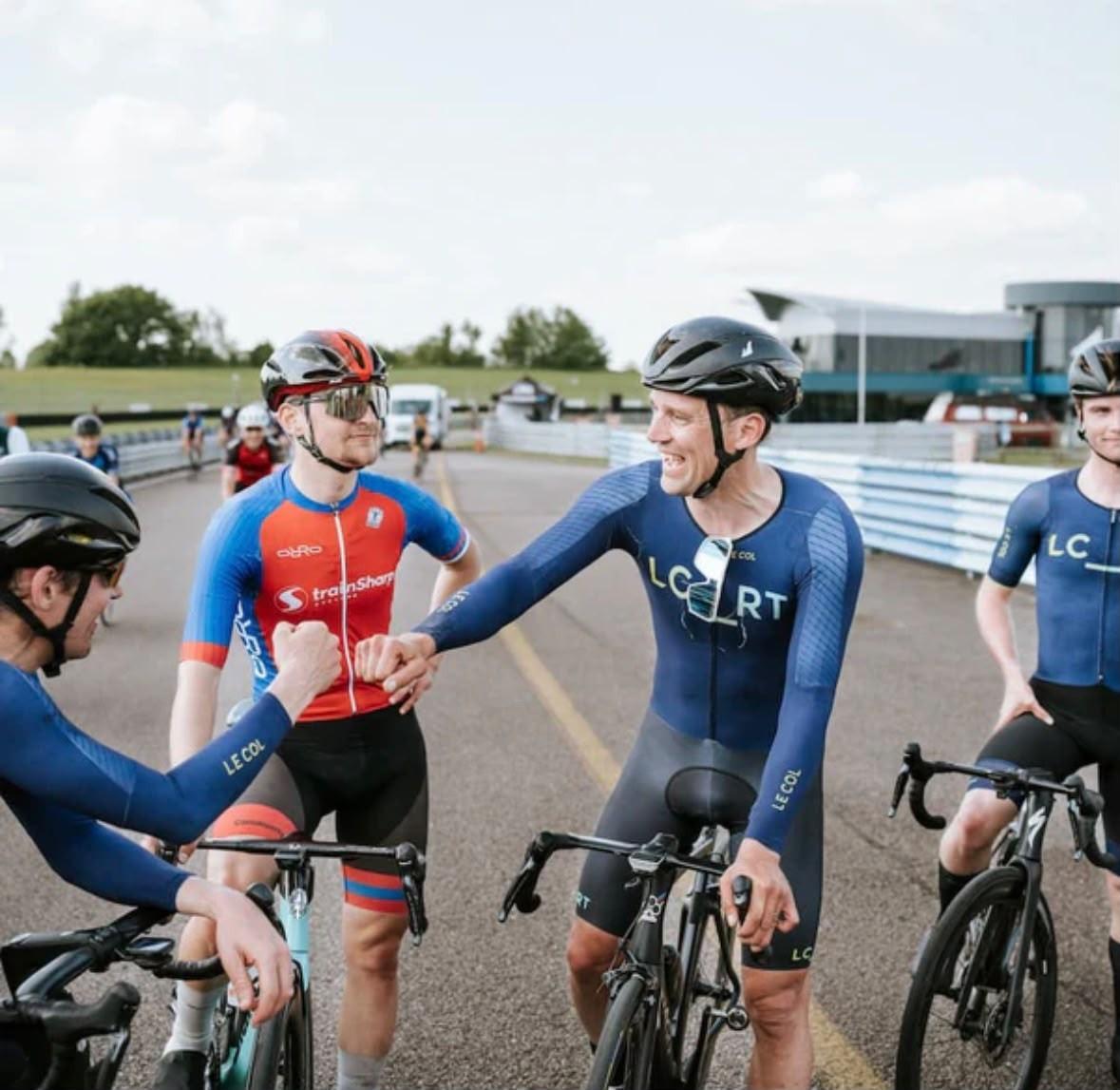
The feature Barker talks about with the most commercial conviction has nothing to do with training load, and it is where his past life shows most clearly. Fifteen years running Le Col left him with "a contact book that I could have only ever dreamt of" when starting his first business, the kind of relationships, built at a company that once signed Bradley Wiggins, that put a thousand brands within reach of an app with a few hundred users. It also left him with an unusually granular education in consumer behaviour. As a direct-to-consumer brand, Le Col showed him purchase data by the hour, and Barker learned to forecast an entire week's revenue from the first 60 minutes of a Monday morning email campaign.
Spending years watching exactly which offers make consumers act convinced Barker to build a loyalty engine into a fitness app.
Engyne connects to an API offering discounts from roughly a thousand brands: not just sports nutrition and bike kit but Tesco, Sainsbury's, Ocado, B&Q and ASOS. This was one element of the app no AI could supply; it came instead from that contact book, through a collaboration with David Birch, founder of loyalty platform EZ Loyalty. "Just on your family shop, I can get £50 back for £10 subscription," Barker said. "It's a bit of a no-brainer, to be honest." He spent a long time trying to beat the offers through ordinary Googling and couldn't.
The thinking behind it is pure retention. "My actual purpose was I don't want people to ever unsubscribe," Barker said. A fair-weather athlete might stop training in winter, but they don't stop shopping, so the subscription keeps paying for itself in the off-season. On top of that sits a points system: exercise earns points, and points work like lottery tickets against prize draws, so a user chasing a new Garmin can go all-in with everything they've earned or drip-feed their entries and hope.
The super user
If the build story explains how Engyne exists, Barker's racing career explains why he trusts it. Between 2010 and 2016, riding professionally while running Le Col, he tracked everything. "I never took a day off for rehab. I never took a day off for illness. I never missed an interval. I never missed one second of one prescribed effort that I was given by a coach," he said. He raced before power meters and after them, before Strava and TrainingPeaks and after them. "I am the most expert user. I'm a super user of the thing that I built."
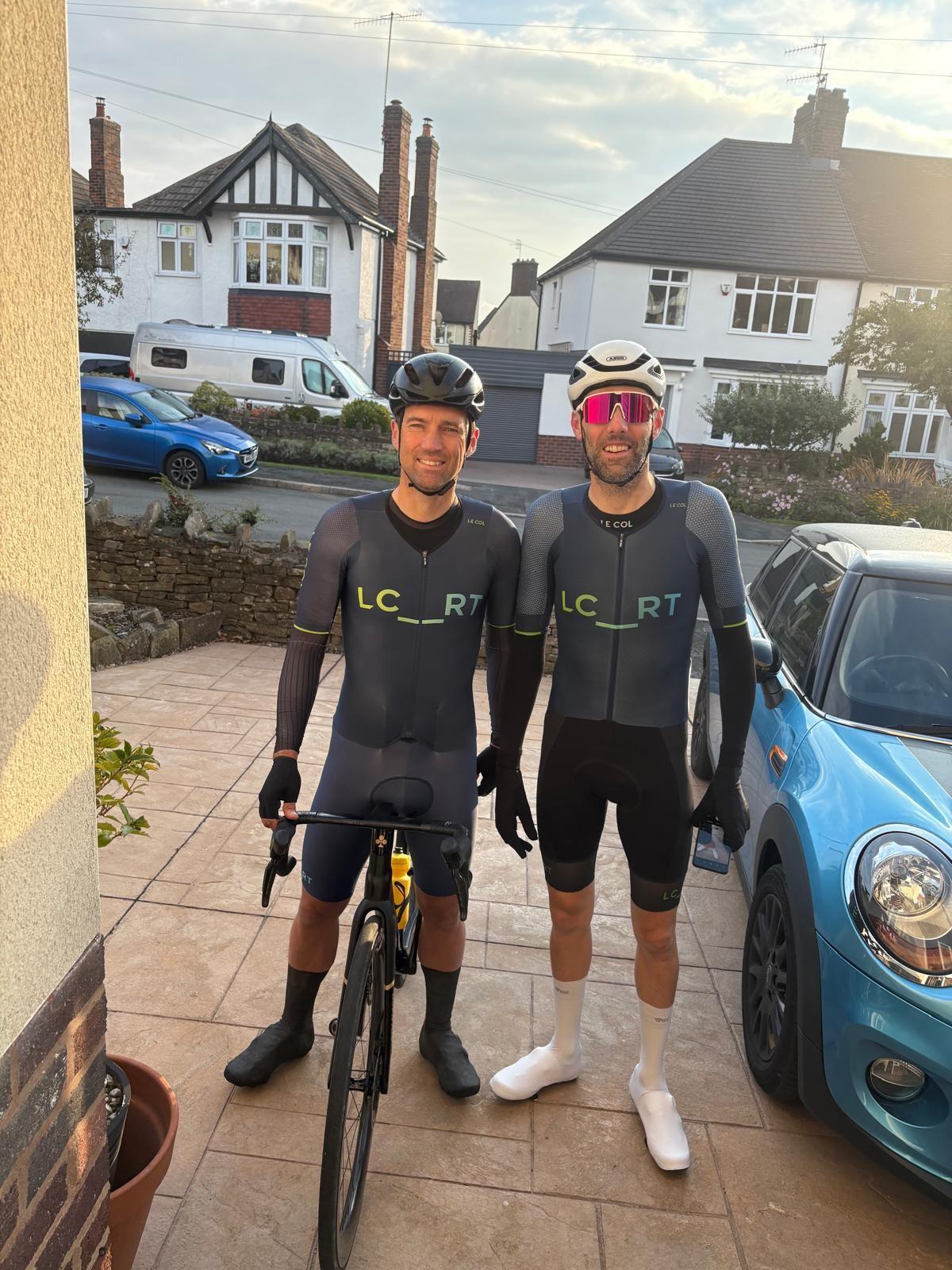
One of Barker's recent claims to fame was holding the Richmond Park Strava KOM for several years
That philosophy shows up in small design decisions. Every metric box in the app carries an "i" button explaining what the number means, why it matters, and how a change will actually feel on the bike.
"They say if it doesn't kill you, it makes you stronger. Well, I don't agree with that," Barker said. "I think it only makes you stronger if you understood it." The app's trend graphs are built on the same idea, surfacing patterns like a recurring Monday motivation slump so the user can either restructure their week or adjust their expectations.
Racing in jeans
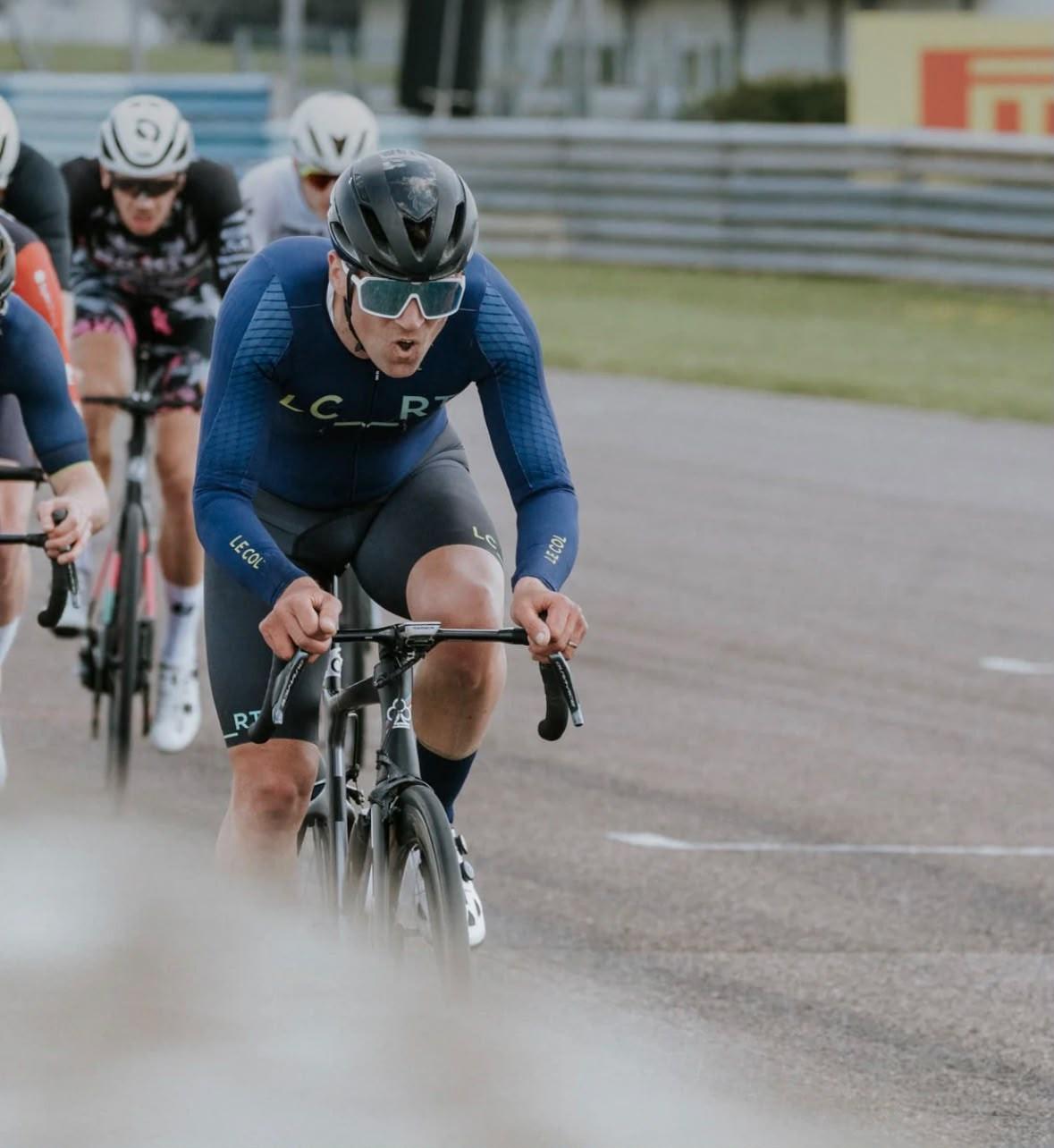
Barker is careful to separate two different advantages at work in the Engyne story. One is simply being a second-time founder. "I describe founding the first business like doing a race in jeans, t-shirt and trainers on an old bike with downtube shifters," he said, "and founding the second business like having a proper top-of-the-range carbon frame with all the aero kit and a skin suit. I can go so much faster."
The other is what LLMs add on top. "One, you don't need as many people. That's just a fact. Two, you can move so much faster," he said. "February 8th to June 1st, I think you could probably add a year to that in the old way."
For Barker, the technology's defining quality is that it matches a founder's intensity rather than throttling it. "The intensity and quality I had to give to the project was absolutely matched by an LLM who would give me an answer at midnight or 4 in the morning," he said. "It's not that people haven't got the answer, it's just they're not awake at 4 o'clock."
The term Barker is so keen to shed carried his caveat from the very beginning. When Andrej Karpathy coined "vibe coding" in February 2025, he was describing exactly Barker's method: accepting all AI-generated code unread, pasting error messages back into the chat, letting the codebase grow beyond comprehension. The OpenAI co-founder judged the approach "not too bad for throwaway weekend projects." Barker admits he "literally wasn't reading the code at all". And on the term's one-year anniversary, Karpathy noted that while vibe coding had suited throwaway demos and explorations, AI-driven programming was now becoming a default professional workflow, with far more oversight and scrutiny. Barker's arc compresses that entire history into four months. He vibe coded to the outer edge of the term's usefulness, further than should have been possible for someone who left school at 16 with three GCSEs. Then he hit the ceiling, and paid a professional for the oversight and scrutiny.
Engyne now has a developer, a small team assembling from former Le Col digital marketing staff, and a plan to prove unit economics before raising capital. The next release adds the Gemini-powered coaching agent. Barker's job, as he sees it, is to generate ideas fast enough to keep pace with a roadmap that moves at a speed he could not have imagined when he was hand-drawing kit designs on his kitchen table in 2011.
He has, in the meantime, suffered one setback the app can do nothing about. After five years, he recently lost his Strava KOM on Richmond Park's most-watched segment to a group of younger riders. He is philosophical about it. "We two old dads held it for like five years," he said, "so it was about time it got taken."
Barker's competitive streak has run through everything, from his first national title to teaching himself to code at 46, he has never been one to hide from a challenge or a risk. He signs off with advice in the same spirit. "As a founder, doing something is usually better than doing nothing, even if what you're doing is wrong."
"Just do anything. Make sure you're moving, make sure you're learning." With an LLM that never sleeps, he points out, that has never been easier. At no point in history, as he puts it, has that access been available to an individual.
You can find out more about the Engyne app here. Barker has offered readers of Velora Cycling one month free with the code "CycMag1Month". Velora Cycling receives no payment or commission from Engyne, and this article was not produced in exchange for the code or any other consideration.