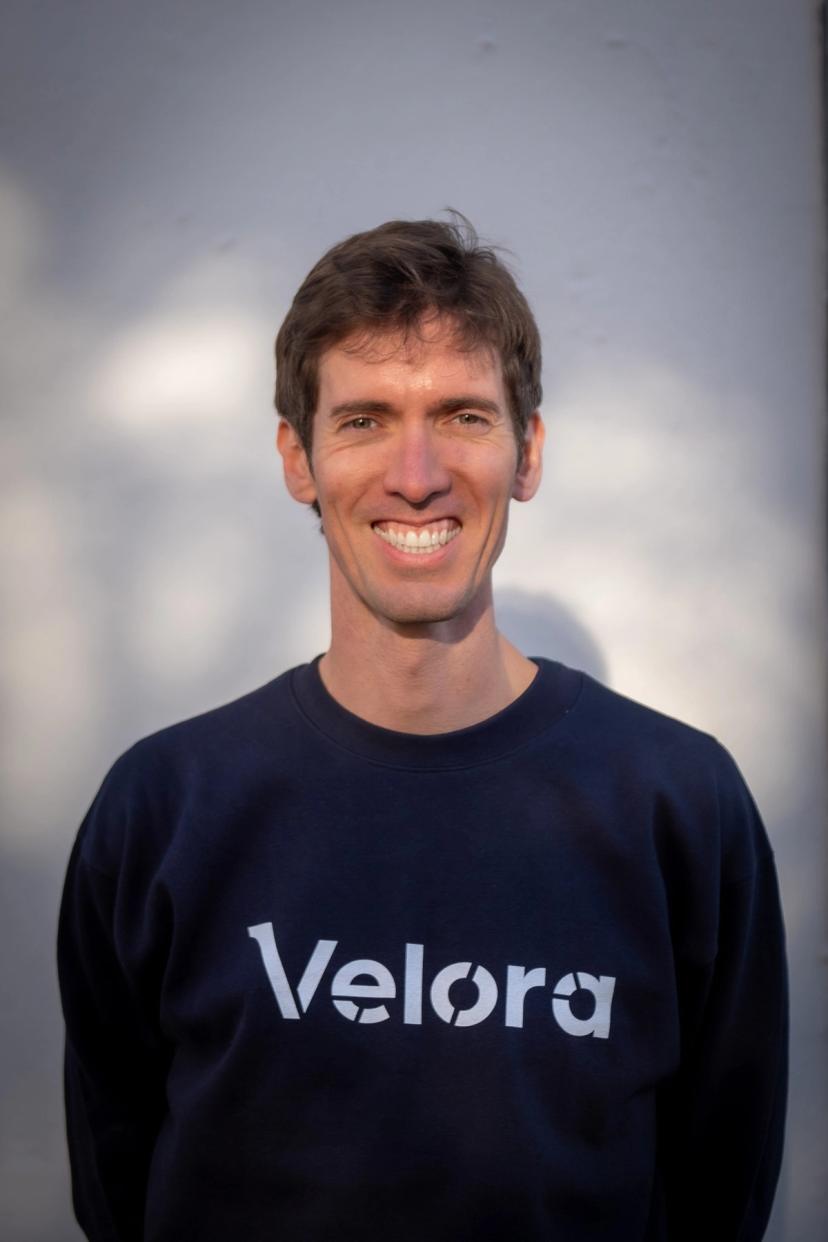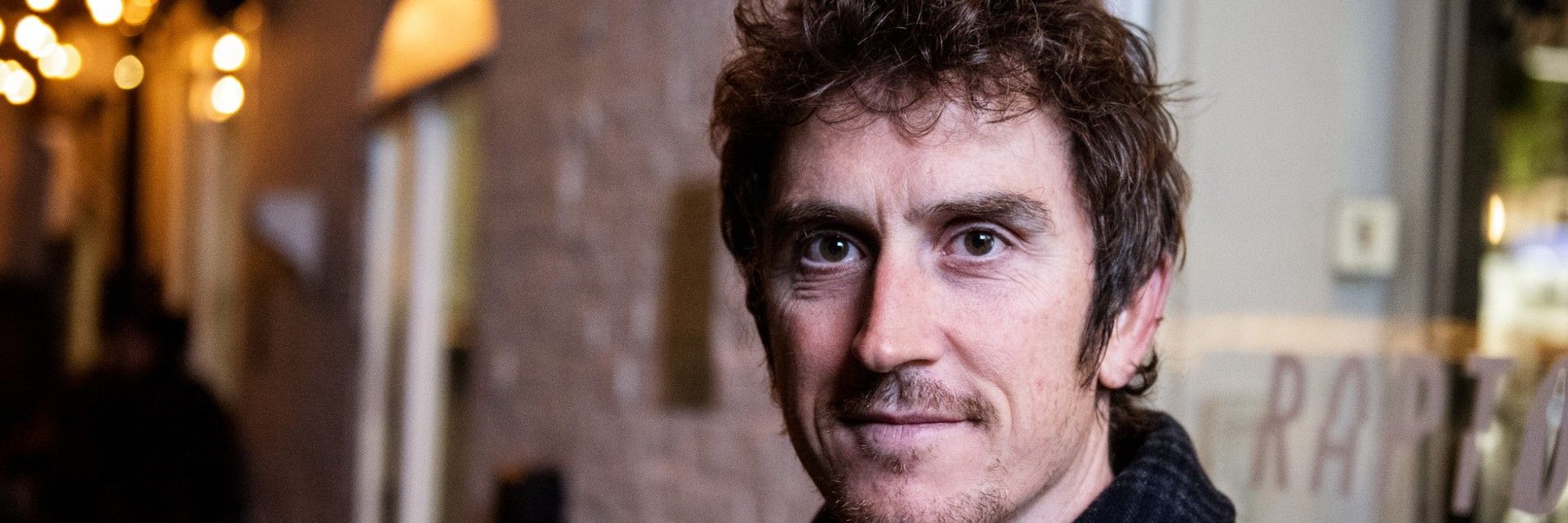
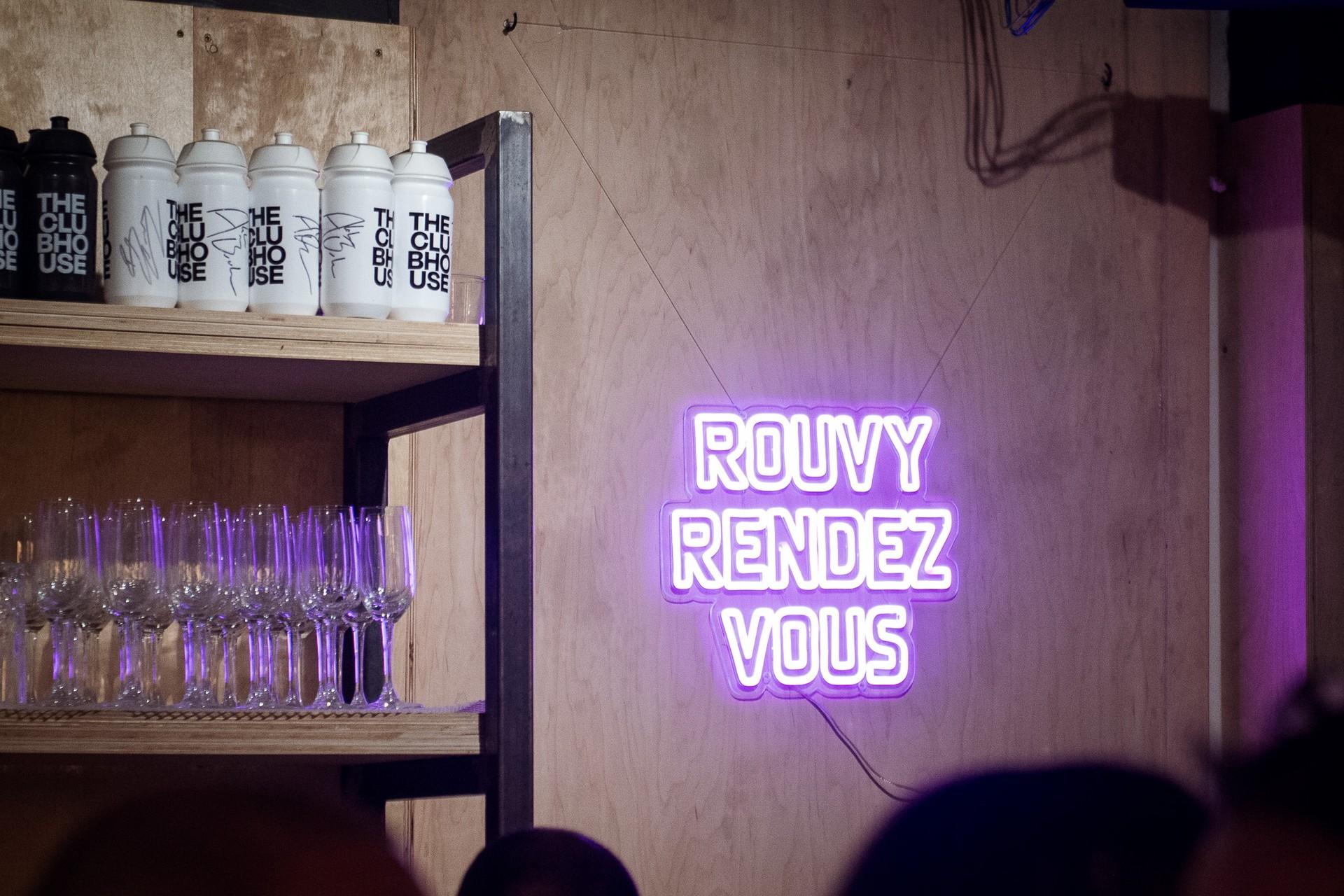
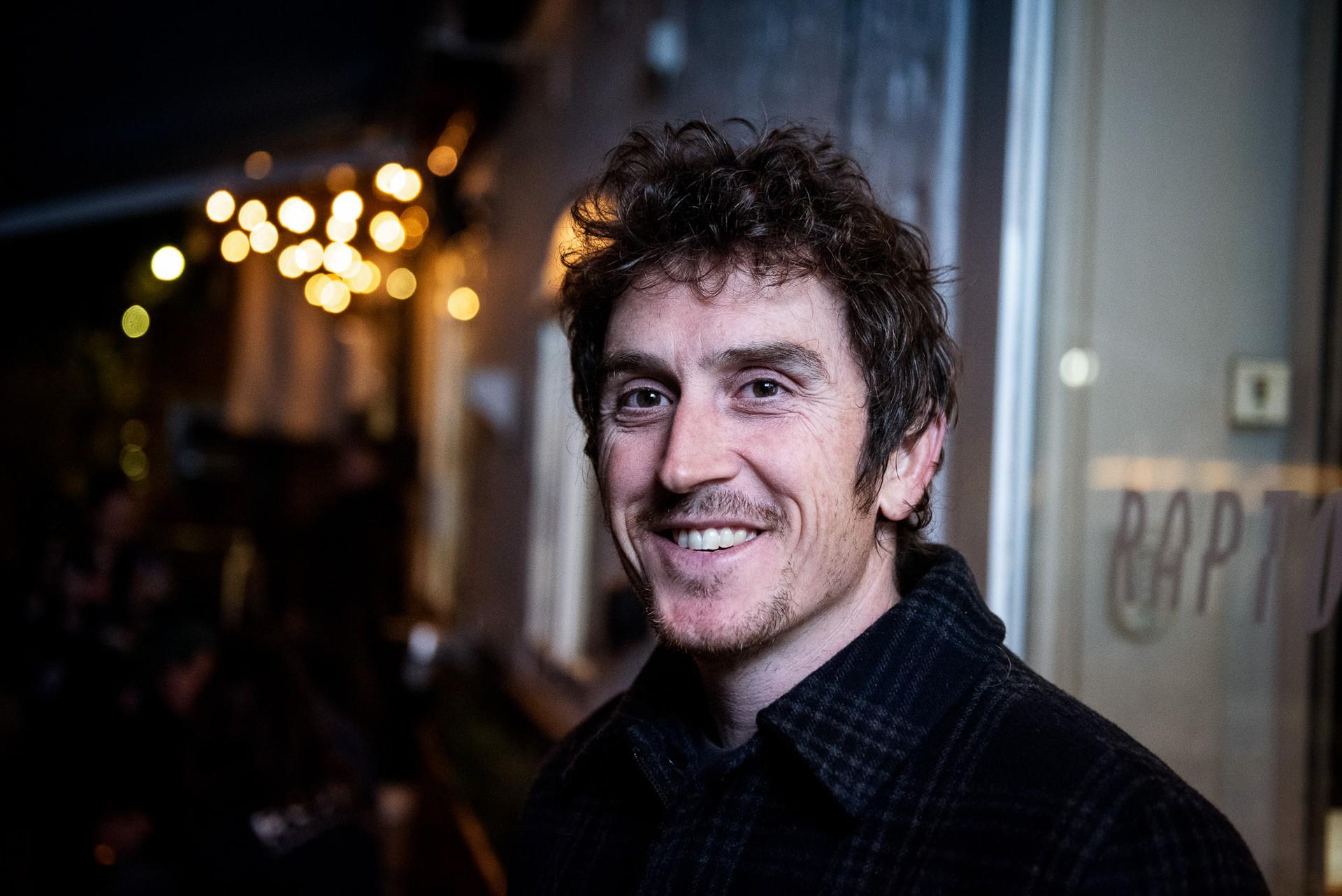
Geraint Thomas has a long night ahead of him. We’ve settled down to chat on the banks of the Thames in Putney, at Rouvy’s Rendez Vous event where he’ll shortly be doing a lighthearted turbo race. After that, though, he has the long journey back to Cardiff to return to parenting duties. Appropriately, Thomas is currently talking to us about a retirement that hasn't quite gone to plan. "The thought of retirement for me was always about spending more time with family."
A little over a year after his final race, the Tour of Britain finish in Cardiff on September 7, 2025, where his wife Sara and son Macs joined the celebrations, it hasn't worked out that way.
"My wife was like, 'I thought you retired, more busy than ever,'" Thomas told Velora, in our exclusive interview. "But it's good, it's just finding that balance now. Just really enjoying what I'm doing now with the team and everything else."
The team is the one he joined at its inception as Team Sky in 2010, won the 2018 Tour de France with and never left as a rider. Since November 2025 he has been its Director of Racing, a newly created position contributing to decisions about race tactics, rider recruitment, development and readiness for competition, working alongside Dave Brailsford and Performance Director Dr Scott Drawer.
"Everything else" includes Watts Occurring, the podcast he has made with Luke Rowe since 2019 – ironically, a project he describes as beginning partly to avoid interviews like this one.
Geraint Thomas, 2008 to 2027
How one career became three
"The initial reason was in 2019, Luke mentioned it, I was like, 'Actually, if we do a podcast I don't have to speak to any press then, just say, listen to the pod,'" Thomas said.
In November 2024 the pair took it on stage for a live show at the Lowry in Salford. By then its purpose had changed.
"It was just something on the side to do," Thomas said. "And then as the years went by, it was like, actually, if we do a bit more of this, it's a way of prepping for retirement in a way. We didn't know what we were going to do. Just didn't think we'd continue as long as we did, really."
Rowe retired at the end of 2024 and now works as a sports director at Decathlon CMA CGM, so both hosts are on the management side of the sport, at rival teams. Thomas said the format still depends on the two of them talking as they always have.
"You kind of forget that it goes out," he said. "But it's a good relaxed way of doing it. Me and Luke have always been the same anyway. We're just ourselves. We don't want to be too PC or whatever, corporate or whatever word you want to use for it."
The cost is that remarks made between friends are often reported in a more straight-laced context. "The sense of humour we have as well sometimes gets lost when it's printed, I guess," he said.
Thomas also saw early how quickly a retired rider's profile fades. "There's always somebody more recent," he said. "Even now, I've been retired a year and suddenly it's like you've forgotten about, there's more recent guys retired. And if you go inside the whole commentary thing, there's only a few gigs there." Plus, for someone prioritising family, the timing is rarely a good fit. "It's always going to be on a weekend," he said.
Learning from Brailsford
The job that Thomas has found himself in places him alongside the man who led Team Sky when Thomas joined in 2010, and subsequently oversaw the most significant steps of Thomas’ career. Brailsford stepped back from the cycling team while working at Manchester United, became more hands-on again during 2025 and had his Team Principal title restored in April 2026. The reshuffle around Thomas's appointment also brought in former professionals Elia Viviani and Daryl Impey as sport directors for 2026.
"I definitely feel a lot closer with Dave," Thomas said. "It's funny because if people want to get to Dave sometimes they just try and come through me now instead.
“It's like, mate, I'm not his PA or anything, just give him a call."
"It's a whole new world," he said. "I understand racing, training for a goal and how you go about that as an individual, but then doing that across the team and everything else that comes into it is massive, isn't it? Dealing with the commercial side or medical or whatever it is, and seeing how Dave works and being on all these calls with him and seeing how he thinks.
"It's weird, but he's been my boss for so long, I've been brought up in that system, I'm automatically thinking the same way, but I've still got a hell of a lot more to learn. Just being with him daily is a massive learning experience for me. No matter what I do in three years, 10 years, whatever it is, I think just learning as much as I can from Dave is a big part of it as well. The opportunity was there and I was like, well, why not? Let's just do it."
The Sky team Brailsford built won seven Tours between 2012 and 2019 with methods that were then distinctive. Thomas said those methods are now standard practice.
"Marginal gains, everyone knows about it now," he said. "Back in the day when Sky started, it was like, let's be efficient at planning travel and this, that, and the other. That was a gain. Whereas now, obviously, everyone knows that, along with AI and stuff."
"It's still the principles of just running a team and how you go about making decisions," he said. "Not shooting from the hip all the time. Making sure you think things through and you speak to the right people and you've got to trust the right people."
The move into a small senior management group has also changed his relationships with people he raced alongside.
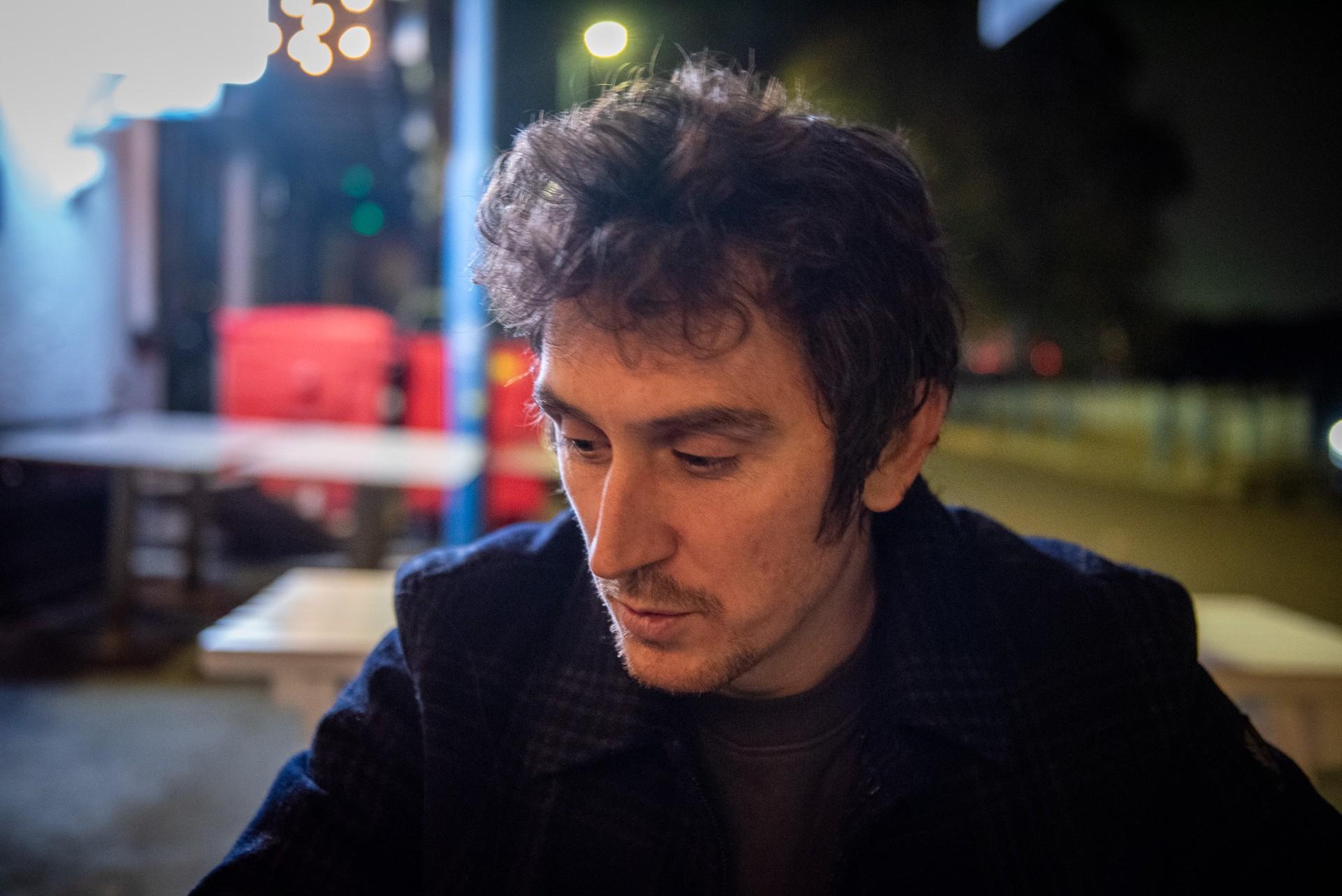
"Hardest thing for me is, I'm mates with a lot of the riders still, or some guys, or DSs," he said. "If there's something happening but I can't speak to them, where before you could, it was just a bit like, shit, I can't open up to this guy. If there's something on my mind, it's been like, who'd you go to now, you know? The people you can speak to gets smaller and smaller the further up you go almost."
"The relationship's still good, but it's that balance," he said. "I feel like it's still guarded at times, although the more of these you drink,” he nods down toward his pint of lager, “the less that comes down."
Information, academies and agents
The team's own version of "AI and stuff" arrived with its new co-title sponsor. In April 2026 Ineos agreed a five-year partnership with Danish technology company Netcompany, taking the name Netcompany INEOS Cycling Team from the start of the Giro d'Italia on May 8. Ineos kept ownership of the team, and the financial terms were not officially disclosed, but were reportedly suggested to be around €100m for the five year deal.
The deal is built around PULSE, Netcompany's AI-driven platform. The company says it already runs in operational settings including Heathrow and Munich airports, and the cycling team is the platform’s first major use in elite sport. The stated plan is to combine data from across the team, its riders and its racing into a single source for real-time decisions, with Netcompany listing uses from training, travel and race-logistics planning to scenarios covering speed, timing and the responsibilities assigned to riders.
Thomas said that system is not yet doing that job. "With us, I think it'll be a massive benefit once the PULSE system is up and running, how that integrates everything in the team," he said. "In real time and logistics and things, I think that will be a real benefit, but that's still in the building phase. Next season it'll really start to kick in. I think we'll get a benefit from that."
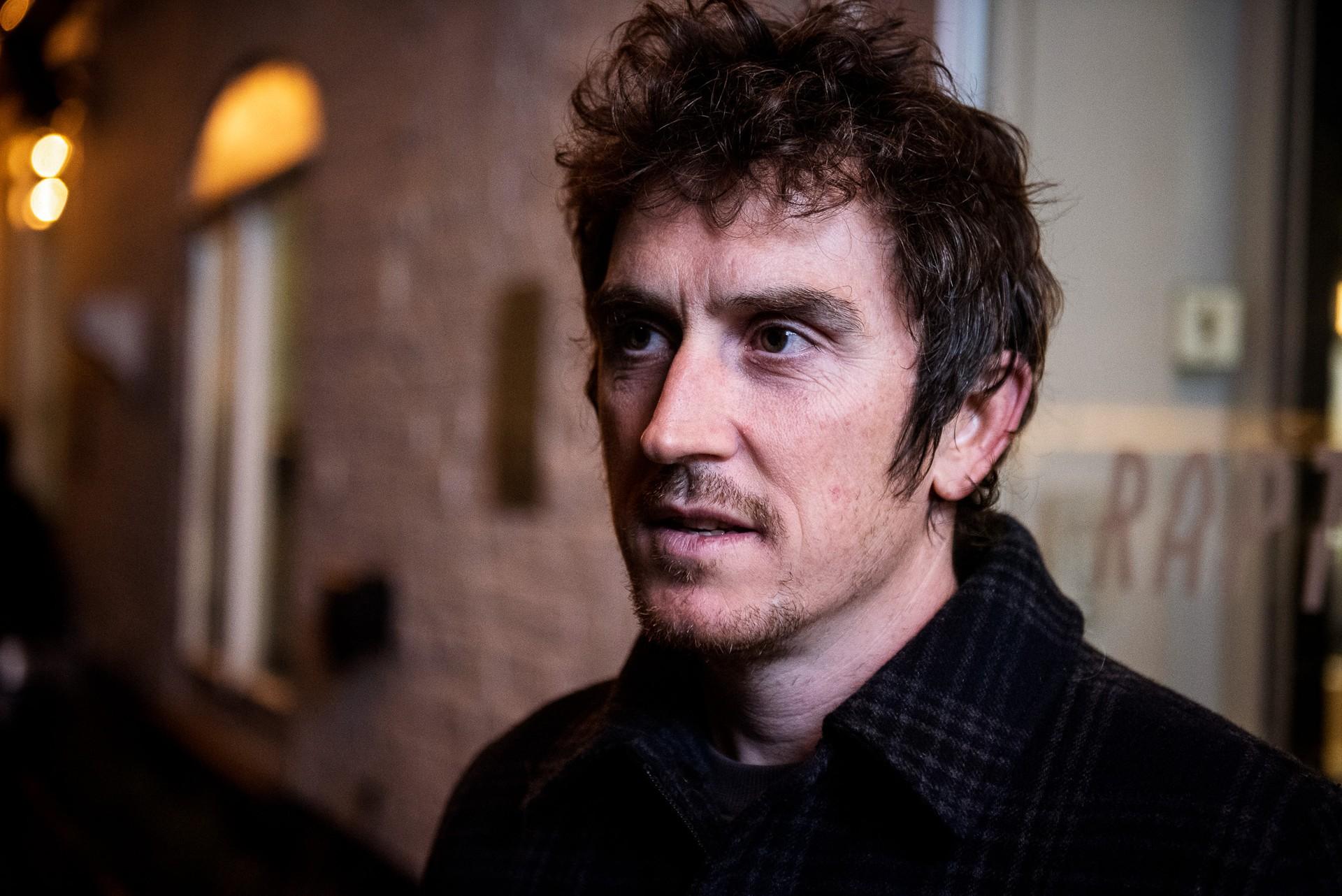
While AI is a hot topic in the development of pro cycling training, the bigger change, in Thomas’ view, is the amount of information now openly available, AI or not. "I think in general, information is just out there, not necessarily AI, but more just how you train, how you eat, how you do everything a bit more," he said.
He remembers when that information was hard to come by. "Before it was all the mystery, wasn't it? It's like, oh, what do the pros do?" he said. "Especially in the UK. It's the same with any pro, like, oh, what are they doing in Italy? Our information here was just so much harder to get through, so much less advanced than abroad. And now with everything online, I think that's why young guys are so much more competitive now, because everyone's so much more just training better from a younger age and doing things right."
Teams have responded by looking for talent earlier. Ineos previously relied on external partners, including German Continental squad Lotto Kern-Haus PSD Bank and the American junior programme Hot Tubes Development Cycling, with Dario Cioni and Simon Watts overseeing that work. For 2026 it launched its own Racing Academy, a UCI Continental team and young-rider programme whose first roster had 12 riders from six nations, aged 18 to 22. NSN launched a development squad of its own at the same time, and Visma | Lease a Bike has run climbing tests in the Ardennes for boys born as late as 2011.
"The sport's changed massively with that," Thomas said. "A lot of teams with even junior teams, every team pretty much has a development team now. We got the academy now, and the junior teams are fully involved in that, and under-16s with agents. It's crazy."
He said he barely noticed the change while he was still racing. "When you're an athlete, you're just wrapped up in your own world anyway," he said. "You're not thinking about what juniors are doing. You're fully self-absorbed in what I'm doing, and you don't care if there's talk around this young kid."
Now he sees it from the other side. "Teams flying out to speak to 16-year-olds and stuff, and there's scouts everywhere," he said. "It's like going down the football route, which I don't know if it's a good or bad thing really. It can't be good really, I don't know."
He wants young riders to enjoy racing "and not be so hung up on turning pro".
"Because if you're good enough, it'll happen. I fully believe in that," he said. "You don't have to be in a certain team. It's the full package as well. People can still develop. Like Cav, if everything was based on numbers, he never would have even turned pro. There's definitely a human side to it all as well. But I can totally get why it is how it is."
 Photo: Zac Williams/SWpix.com
Thomas has put his name to one version of that approach outside his day job. In October, Maindy Flyers, the Cardiff club where he began racing, announced Watts Occurring Racing, a six-rider junior team for 2027 backed by Thomas and Rowe and named after the podcast. The pair are not running it day to day, and it is separate from the Ineos pathway.
The riders coming through those systems will face higher standards than Thomas did, and Thomas told us his own numbers kept improving late in his career. "I continued to improve to at least 2024. I was still doing best numbers in certain areas," he said. That was the year he finished third at the Giro d'Italia, his last Grand Tour podium.
"That just comes with progression and just learning more about the human body and how it works, and being more specific with certain things, and nutrition," he said. "Nutrition's changed so much, even since I won the Tour, which feels a long time ago. Maybe it's eight years now, but the difference is just night and day."
He doesn't expect gains of that size to keep coming. "I don't think there's too many big opportunities left now," he said. "So I think that will sort of tail off."
He doesn't accept that as a reason to stand still. "I say this to the team all the time, doesn't matter if it's, oh, you're close to your best, or I'm matching what I did last year. You got to be better," he said. "You got to be striving to do more and more. And that's what I was always like."
That is also his answer to racing for Grand Tours against Tadej Pogačar (UAE Team Emirates XRG). Thomas has already discussed the team's 2026 season on the podcast, and he said the team has to plan beyond the current hierarchy.
"I think we've got to always believe and always keep trying to be the best," he said. "I think Pog can continue to get better. But why can't everybody else? And then who knows how much better they can get? Certainly next year you're looking at it thinking it's tough, but otherwise we'd all just stop.
"You need to believe that you can build up to something, and there's always going to be someone out there.”
“He's going to stop at some point, and we want to be in the position to be there or be competitive when he's still competitive,” he said. “But certainly once he stops, be there ready to take it."