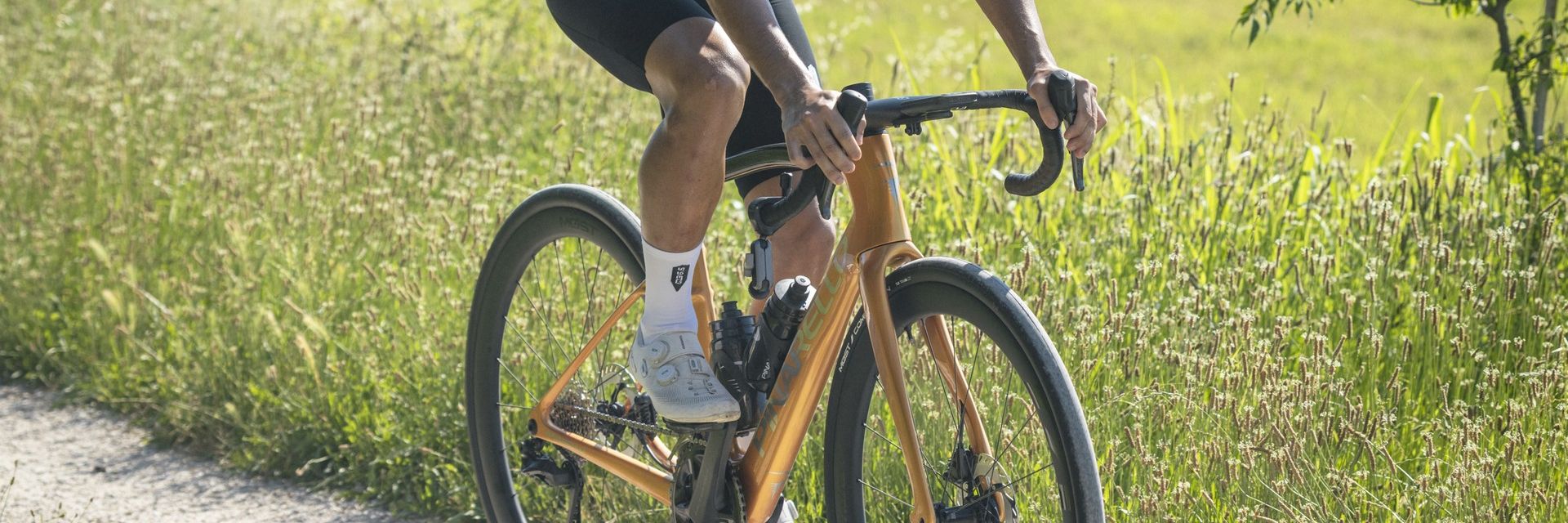
Pinarello launched the second-generation X Series on Thursday 3 September, roughly two months after the new Dogma X arrived, and the timing surprised nobody. The X Series is the brand's endurance range, sitting below the Dogma X and apart from the race-focused F Series, and it runs in odd numbers from the X1 to the X9. The first generation appeared in 2023, so this is the range's first full update in three years.
I rode the X7 for 70km at the launch in Italy. That is one ride, in extreme heat, on smooth Italian roads, so everything below about how it feels is only an early impression. The changes themselves are clear.
What has changed from the first generation
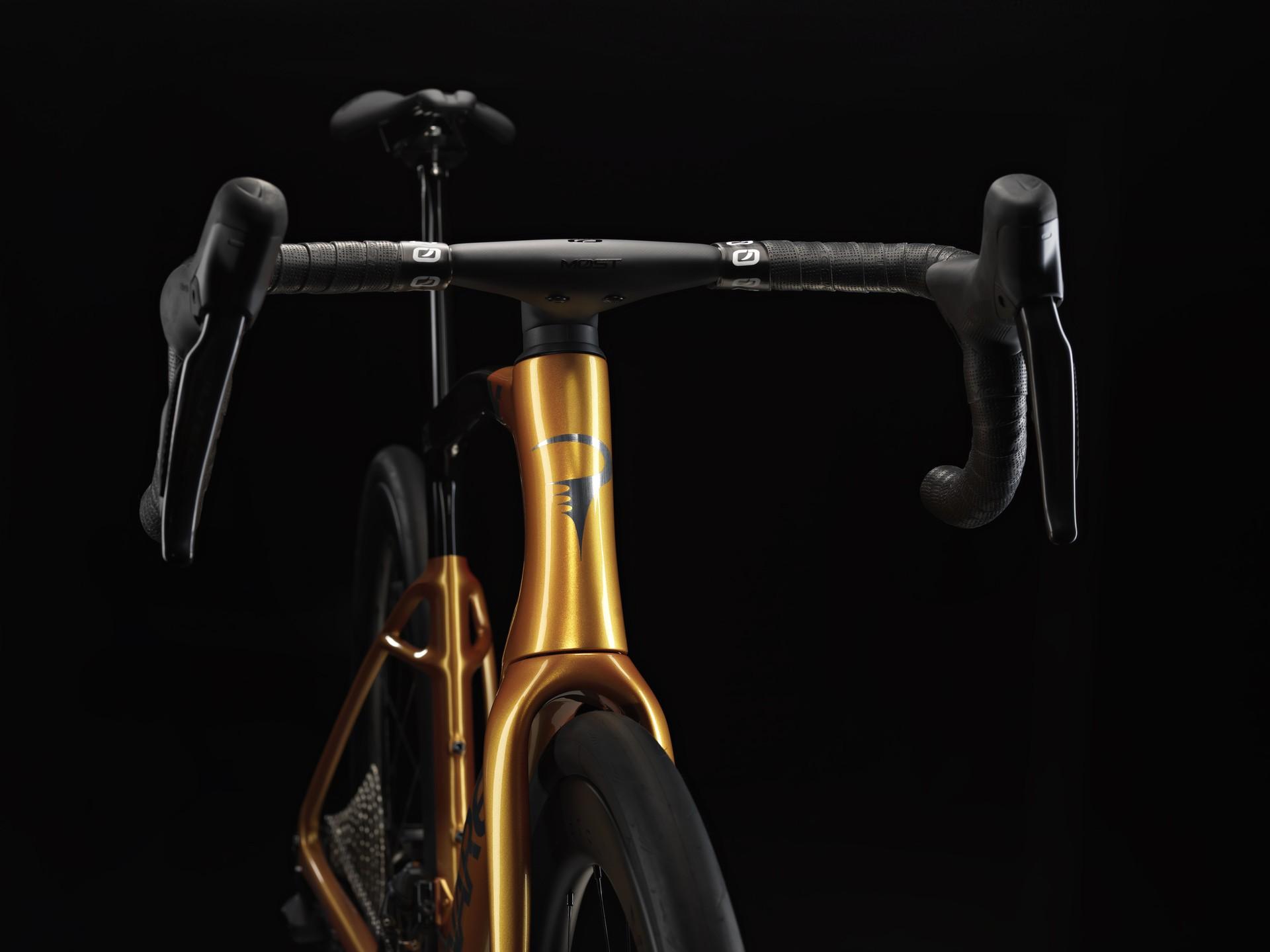
Tyre clearance has grown from 35mm to 40mm, which brings the X Series in line with most current endurance bikes and beyond the Dogma X, which stays at 35mm. The downtube now has an access port for integrated storage, and Pinarello confirmed the bikes will ship with the custom tool pouch rather than leaving buyers to source one. The frame is also compatible with SRAM's Universal Derailleur Hanger.
The front end gets a new elliptical steerer tube on the X9, X7, X5 and X3, with cables routed in front of the headset bearings rather than through them. Pinarello says the shape "improves torsional stiffness and front-end precision, resulting in more confident handling and greater stability". I have no way to verify a torsional stiffness claim from one ride, but the routing change is a sensible piece of engineering that should make bearing service less painful.
Geometry is unchanged. Pinarello kept the previous numbers, which means a size 530 has a stack of 564.4mm and a reach of 368.5mm, and the whole range sits around 3cm taller at the front than the Dogma X. If the Dogma X is a calmer race bike, this is the version for people who actually want an endurance position.
Pinarello X Series geometry
Measurements are in millimetres, except angles A and B

CE | CC | L | A | B | P | T | D | R | G | Reach | Stack |
|---|---|---|---|---|---|---|---|---|---|---|---|
| 420 | 430 | 492 | 75.25° | 70° | 425 | 122 | 72 | 52 | 380 | 340 | 532.5 |
| 430 | 460 | 509 | 74.5° | 70.5° | 425 | 127 | 72 | 52 | 380 | 352.1 | 539.2 |
| 455 | 490 | 525 | 74° | 71° | 425 | 139 | 72 | 52 | 380 | 361.9 | 552.4 |
| 480 | 515 | 536 | 73.75° | 71.5° | 425 | 148 | 72 | 47 | 380 | 368.5 | 564.4 |
| 500 | 530 | 545 | 73.5° | 72° | 425 | 158 | 72 | 47 | 380 | 372.5 | 575.8 |
| 525 | 545 | 555 | 73.25° | 72.25° | 425 | 170 | 72 | 47 | 380 | 376.7 | 588.2 |
| 540 | 560 | 565 | 73° | 72.5° | 425 | 184 | 72 | 47 | 380 | 380.2 | 602.4 |
| 560 | 580 | 577 | 72.75° | 72.5° | 425 | 208 | 67 | 47 | 380 | 384.1 | 620.3 |
| 590 | 600 | 590 | 72.5° | 72.5° | 425 | 229 | 67 | 47 | 380 | 388.1 | 640.4 |
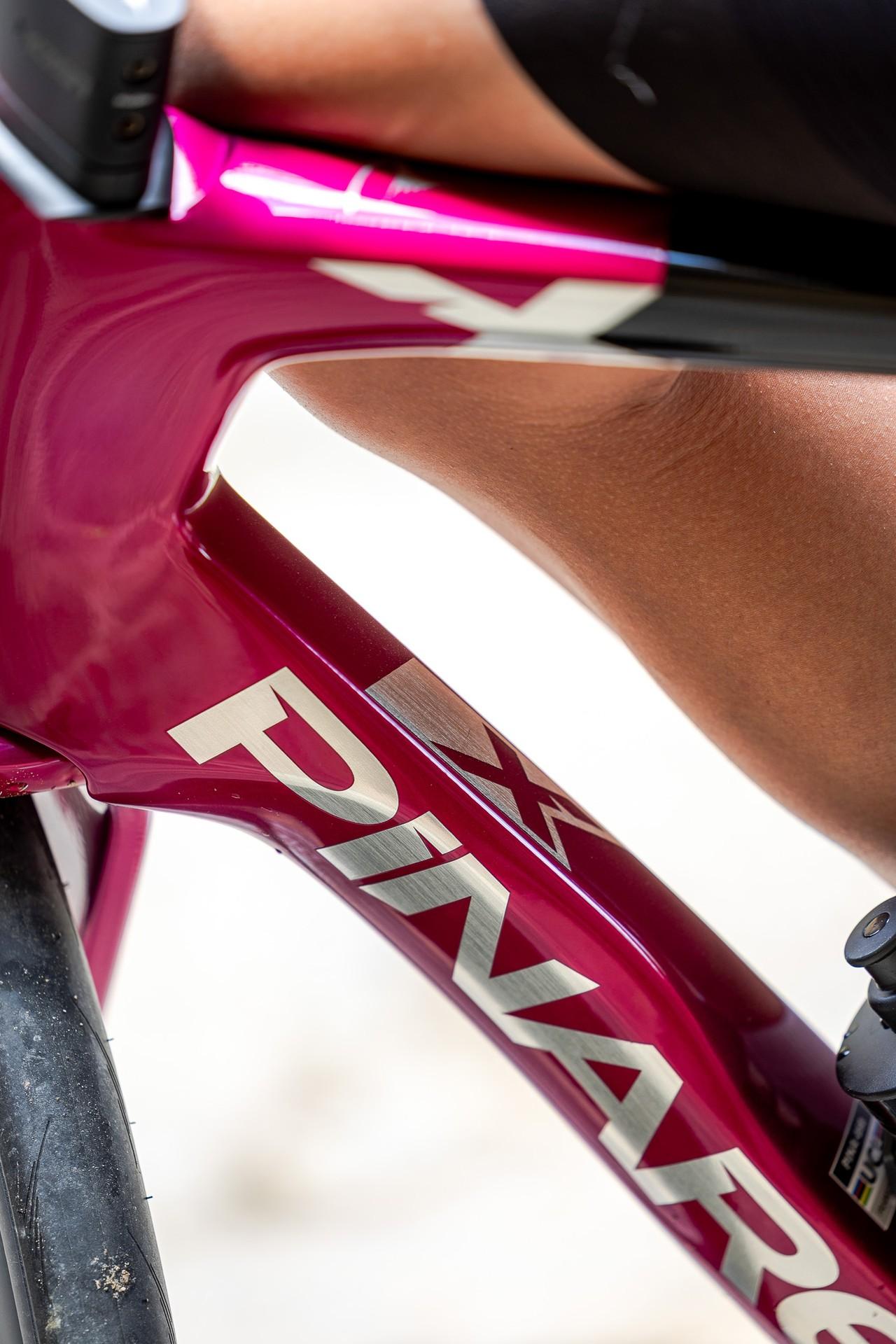
Comfort is the main engineering effort. A new seatpost is claimed to deliver 10mm of longitudinal flex, and Pinarello says it is lighter than the old one. The rear triangle adopts the X-Stays 2.0 design from the Dogma X, with the double-arm stays now attached lower on the seat tube. The brand says the lower linkage disperses vibration more efficiently and reduces rebound. When I asked whether the split-stay shape doubled as an aero feature, Pinarello said the design offered no aerodynamic advantage and was intended only to absorb vibrations.
Fausto Pinarello, the company's president, said the range was built around "unmatched comfort and vibration absorption without losing any performance". That is the claim I will be testing when a bike arrives for a full review.
The range, the carbon and the prices
Five models make up the line-up, and all official builds use Shimano groupsets.
Pinarello X Series 2026 range
Recommended retail prices at launch, 3 September 2026
Model | Carbon | Groupset | Wheels | Price |
|---|---|---|---|---|
| X1 | Toray T600 (previous frame) | Shimano 105 mechanical | MOST Fast 27 DB | €3,200 / $2,950 / £3,000 |
| X3 | Toray T700 | Shimano 105 Di2 | DT Swiss A1800 DB | €4,500 / $4,750 / £4,000 |
| X5 | Toray T700 | Shimano 105 Di2 | MOST Fast 45 DB | €5,100 / $5,500 / £5,000 |
| X7 | Toray T900 | Shimano Ultegra Di2 | MOST Ultrafast 45 DB | €7,900 / $8,200 / £6,500 |
| X9 | Toray T900 | Shimano Dura-Ace Di2 | MOST Ultrafast 45 DB | €11,000 / $11,000 / not sold in UK |
The X9 is the only model not coming to the UK, though it is listed for the US and mainland Europe. The X7 and X9 share a Toray T900 lay-up; for context, the Dogma X uses T1100. The X5 and X3 drop to T700 and differ only in wheels, with the X3 on DT Swiss A1800 alloy hoops rather than MOST carbon.
The X1 is the odd one out. The new frame architecture is not compatible with mechanical groupsets, so the X1 keeps the previous-generation frame shape in T600 carbon and comes with mechanical 105. It gets none of the storage, the wider clearance or the new stays, yet it still costs £3,000.
Velora review
Pinarello X1 105 Disc
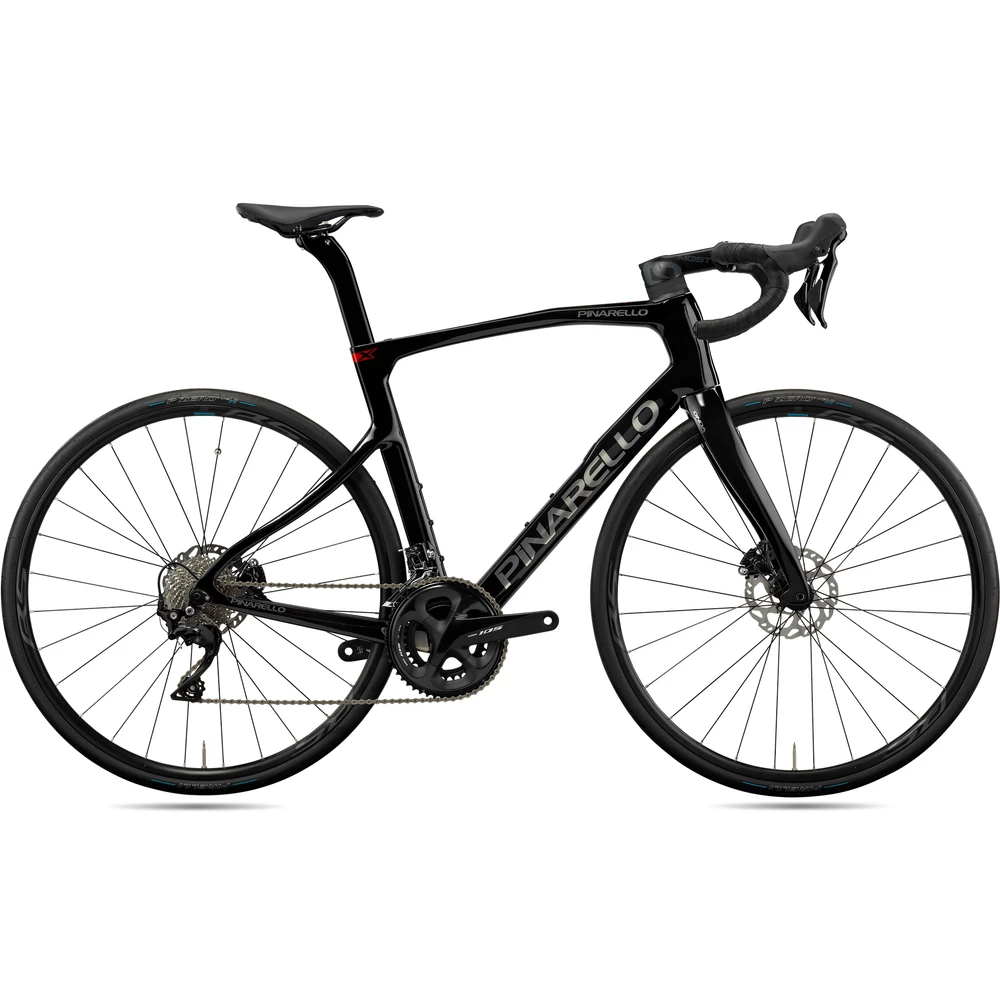
The entry point to the X Series keeps the previous-generation frame and mechanical Shimano 105, now £3,000 in the UK.
For
- +Cheapest route into a Pinarello endurance bike
- +Proven previous-generation frame
Against
- –Misses the new storage, 40mm clearance and X-Stays
- –More specification for the money elsewhere
On the Shimano-only line-up, Pinarello said it was purely a commercial decision based on what this customer asks for. It was hinted that one or two markets may get an X7 with SRAM Force AXS. There is a longer-term wrinkle too: Ivan Glasenberg, who owns Pinarello, has bought a minority stake in Campagnolo through the same Swiss holding company, so Campagnolo builds on Pinarello bikes are a reasonable expectation in coming years.
On price, Pinarello is not competing. The X7 costs £6,500 in the UK, which is £1,001 more than the Scott Addict 10 that we gave a rating of 9/10, a bike that also has integrated storage and a flex seatpost. While plenty of brands are cutting prices, Pinarello is holding its premium position, and I think that is a defensible strategy for a brand at the very top of the market. Whether buyers agree will show up in shop discounts in a year or two if the numbers are wrong.

Weight is another concern: using Pinarello's own figures, the X Series bikes land 100g to 200g heavier than the equivalent Scott Addict across the range. That is a small number against total bike and rider weight, and lighter tyres plus TPU tubes would close most of the gap, but it is the one area where the bike could hold itself back.
The launch loop was 70km in blistering heat, and the second half became an exercise in getting home. My memory of the day is hazy in places, but one thing is clear: on that day, I was the weakest component, not the bike.
The X7 felt composed throughout. When I had energy to spend, or when the road tipped into a descent, it felt fast and composed, and the taller front end did not make it feel slow to steer. Despite being more relaxed than the Dogma X, the X Series still sits at the performance-oriented end of the endurance category rather than the plush touring end.
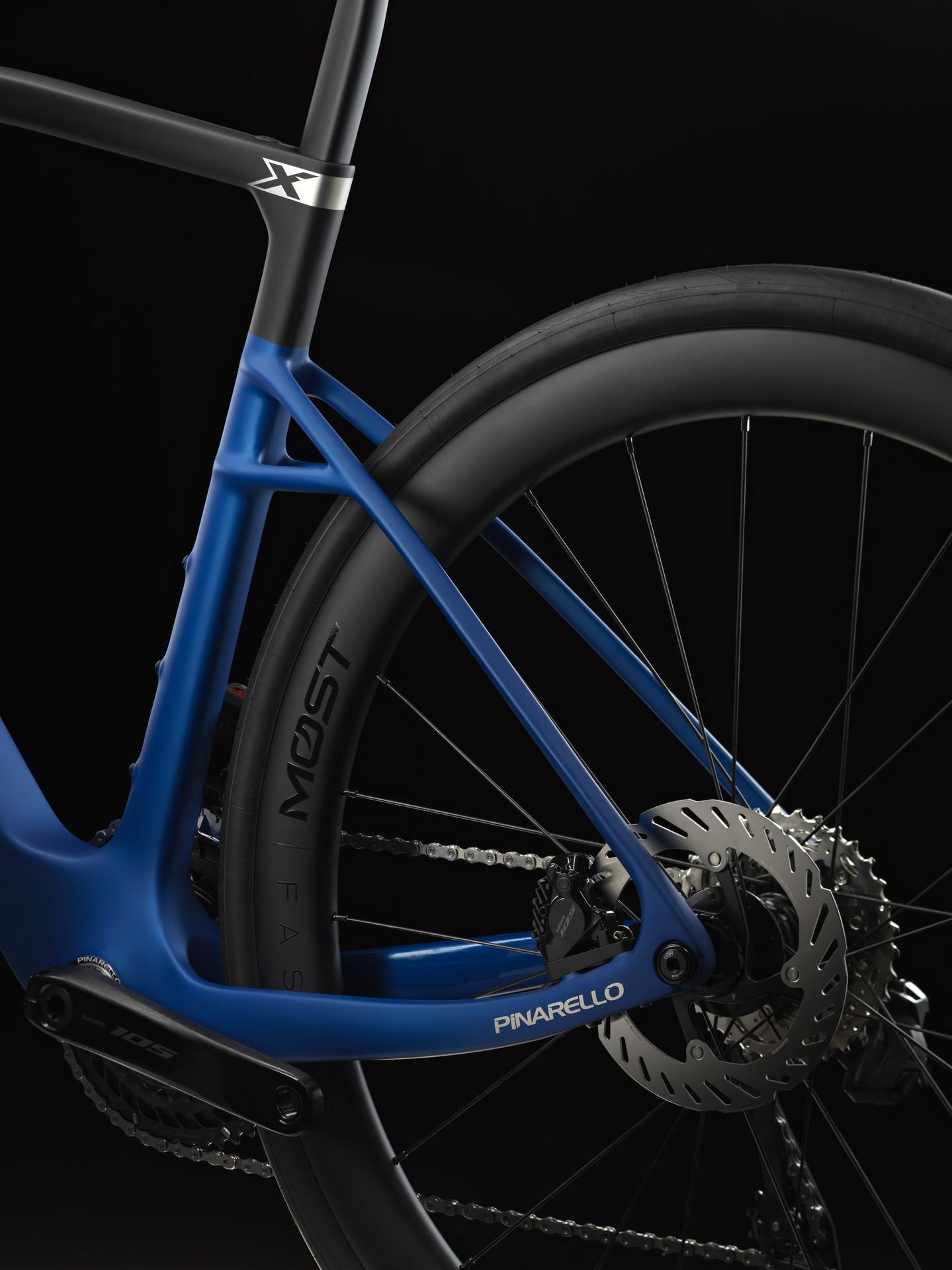
I could not, in those conditions, separate what the seatpost and stays were doing from what 70km of Italian tarmac was doing, and I am not going to pretend otherwise. The comfort claims will be tested properly on broken UK roads when a review bike arrives.
After one ride, I think the wider clearance, the storage and the routing changes are real improvements, and the bike looks unmistakably like a Pinarello. The X5 and the X7 make the most sense, as they did in the first generation. The X9 is close enough in price to the Dogma X, which we tested at £12,600, that I would take the Dogma unless the taller X geometry is essential. The X1 on the old platform at £3,000 is hard to recommend, and anyone shopping the X1 or X3 on budget grounds will find more specification for the money elsewhere, including the Canyon Endurace CF 7 at £2,199.
A full review will follow once the bike has done some proper miles at home.