Milano-San Remo (or Milano-Sanremo) returns on Saturday, March 21, with the 117th edition set to run 298km from Pavia to Via Roma in Sanremo, and the same modern question hanging over the longest one-day race on the WorldTour calendar.
Can Tadej Pogačar (UAE Team Emirates – XRG) finally make the race selective enough to win, or does Mathieu van der Poel (Alpecin-Premier Tech) still hold the best answer once the Poggio and the two kilometres to the line begin?
Milan–San Remo Official Start List
Milan-San Remo stands as one of very few races across the season where Pogačar doesn't enter as the bookies' favourite, but there's also more to this race than a straightforward will-he-won't-he dynamic.
How the 2026 route shapes the race
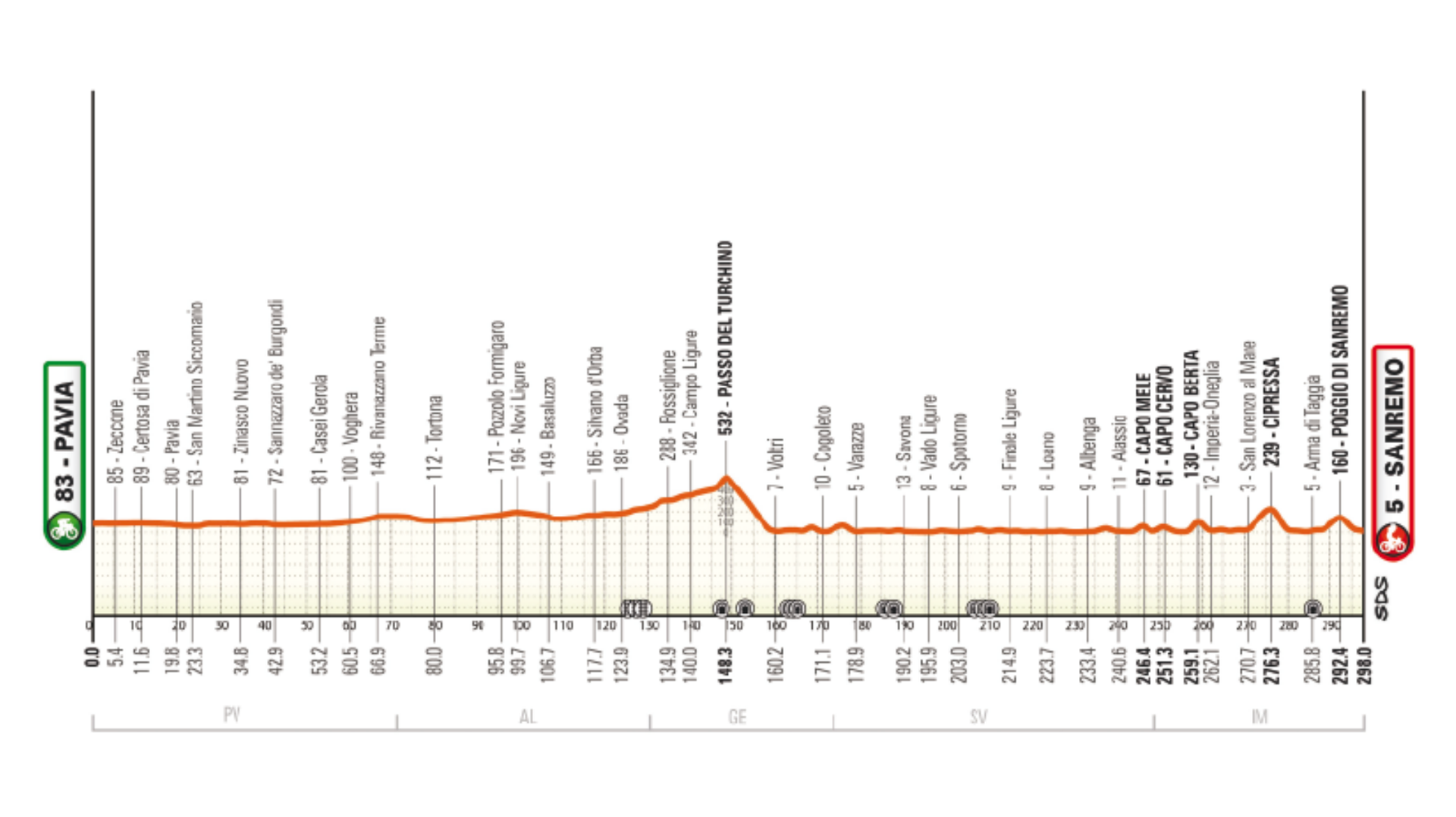
Milan San Remo 2026 course profile
The start in Pavia, used again for a third consecutive year, adds a small twist for 2026. The route will take a loop north towards the Certosa monastery before the peloton returns through Pavia and begins the long run south-west, making the day around 5–9km longer than last year’s edition.
Milan-San Remo, at over 300km when considering the neutralised section, is the longest one-day race in pro cycling, and despite the slight extra length in this year's edition, nothing has changed when it comes to the effect on the core tactical problem. Milan-San Remo is usually decided by who can still produce one violent acceleration after six to seven hours of steady stress, and a few additional kilometres can move the threshold of what a sprinter can survive.
The Passo del Turchino arrives at roughly km 148.3, a 5.6km climb at 2.9%. It rarely decides the modern race, but it still marks the transition from inland attrition to the exposed coastline, where positioning and tempo control begin to matter more.
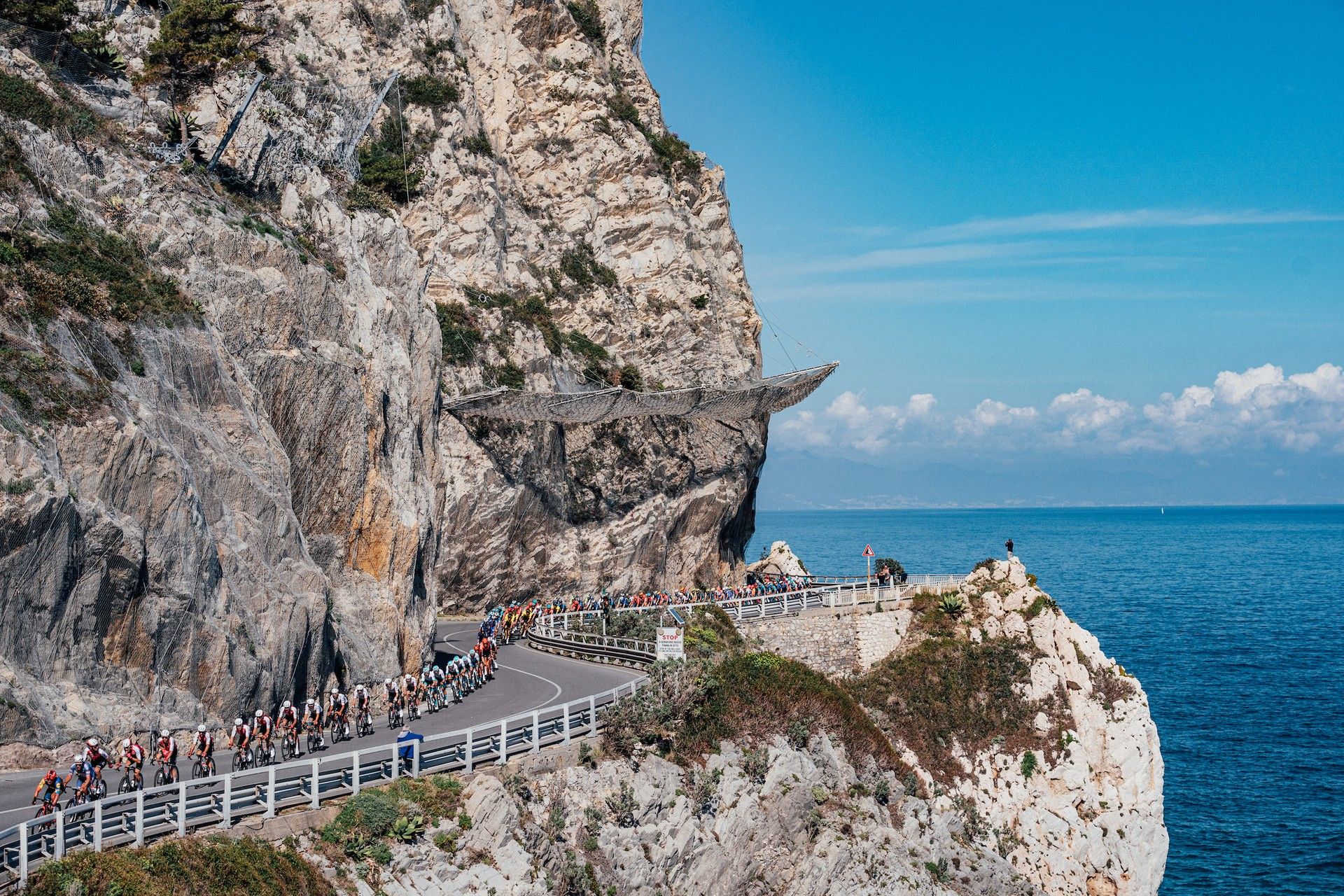
From around km 246, the Tre Capi, Capo Mele, Capo Cervo and Capo Berta, function as a rolling series of positioning toll booths. On paper they are short, but after 246km they compress the bunch, drain domestiques, and set up the teams who want to arrive at the Cipressa in the first 20 wheels.
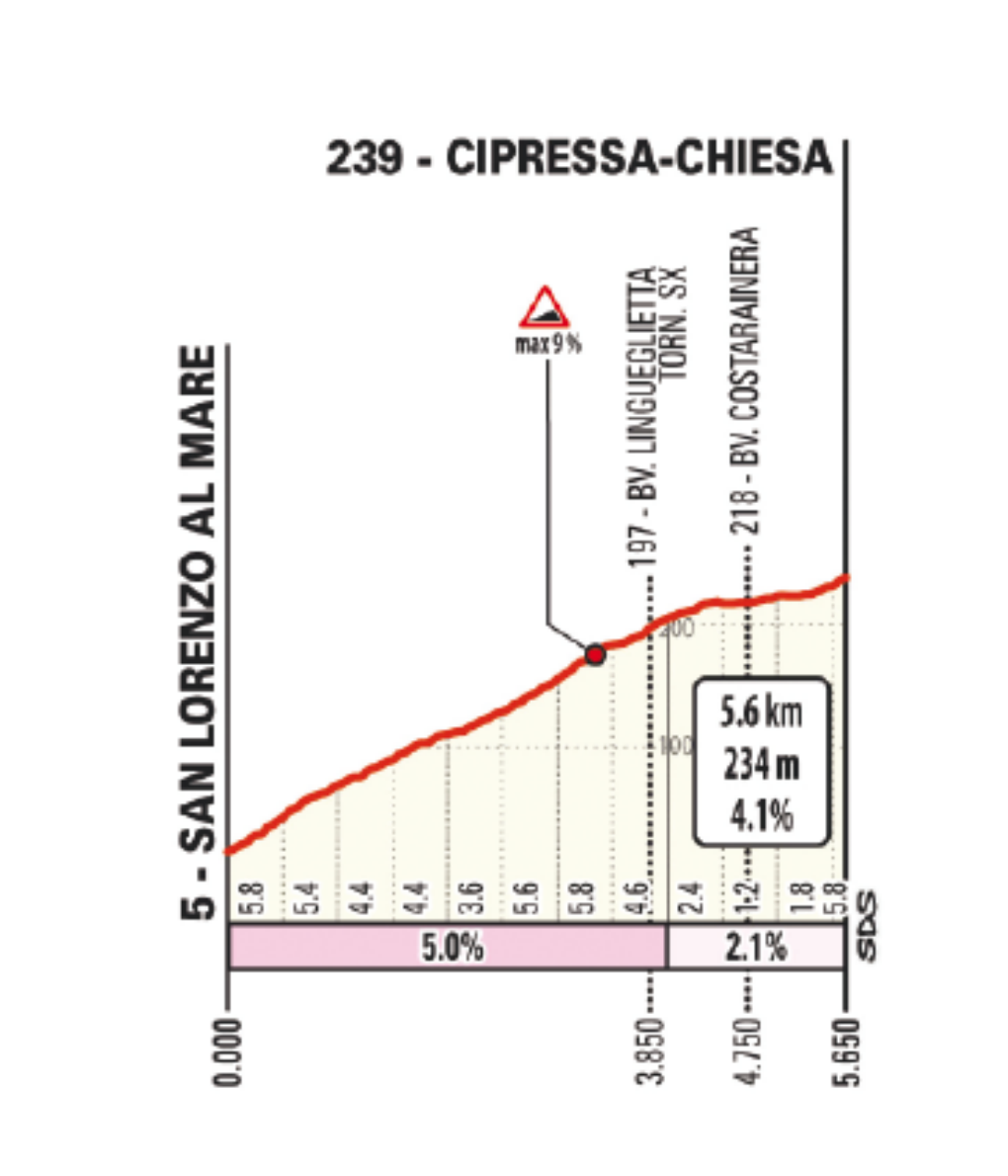
The Cipressa tops out at about km 276.4. It is 5.6km at 4.1%, shallow enough for a large group to survive, but steep enough for a committed team to force gaps, especially if the pace is high from the bottom.
Van der Poel has been clear about the shift. “If I am one percent off, Tadej will be gone on the Cipressa,” he said to Sporza. “In the past, you should not even start looking at the Cipressa. Tadej and UAE have certainly changed that.”
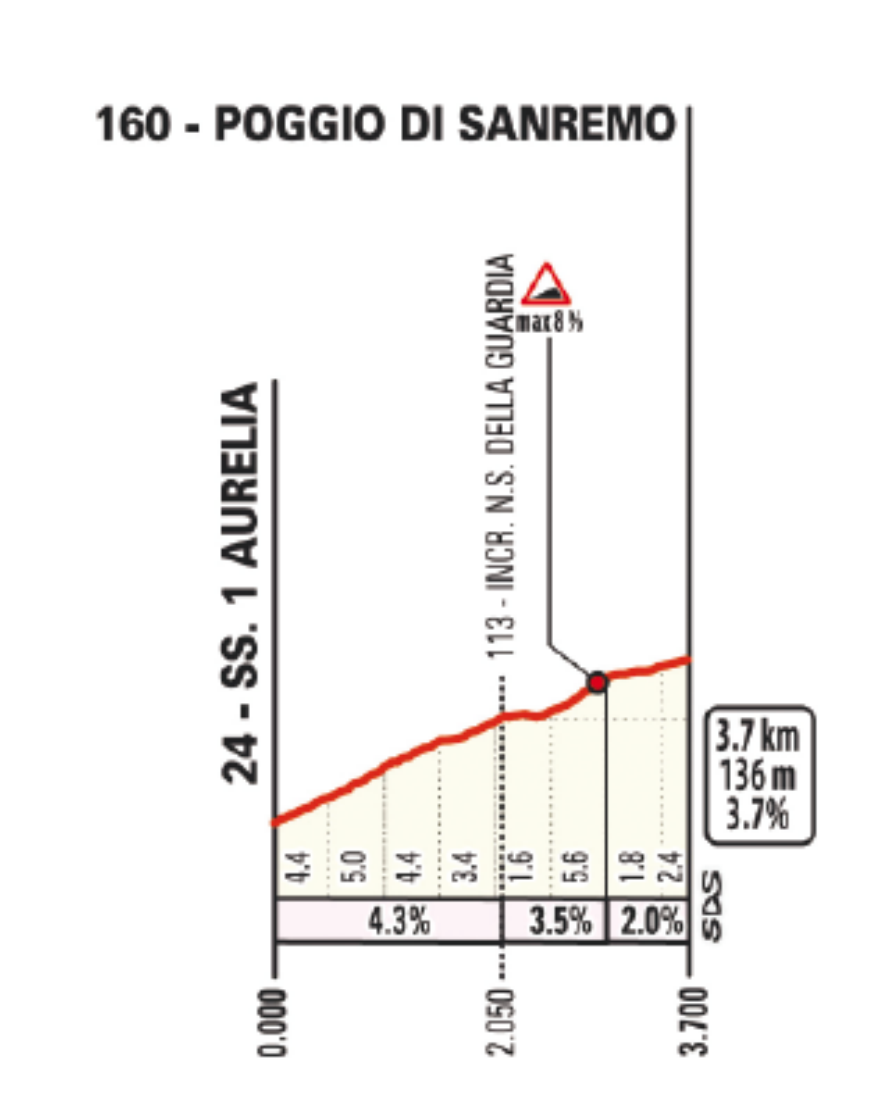
The Poggio di Sanremo, crested at around km 294.4, remains the last and most obvious launchpad. At 3.7km at 3.7% with ramps to 8% close to the top, it is the sport's most famous climb that still often fails to create a definitive selection. That is why timing, placement and confidence on the descent can matter as much as raw climbing.
The descent is narrow and technical, then it is a flat, fast 2km run to Via Roma. The 2022 win by Matej Mohorič (Bahrain – Victorious) remains the clearest recent proof that the summit is not the finish line if a rider is willing to take risks on the way down. Mohorič's innovative dropper post, which I recall excitedly reporting on at the time, also showed that technical hacks can have an effect even in a race as traditional as Milan–San Remo.
Who is racing, and who is missing
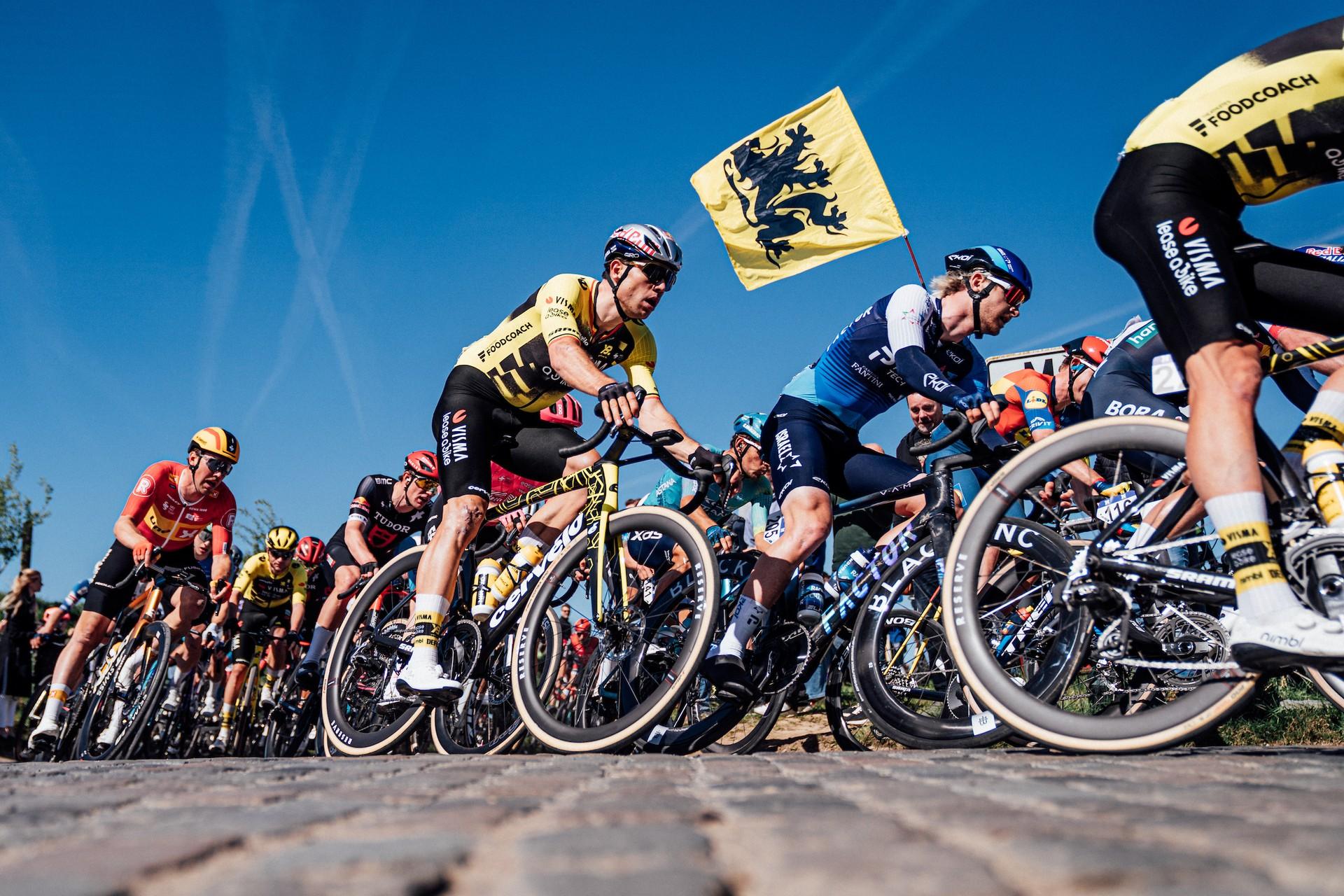
Official start lists are yet to be confirmed, but individual teams have revealed their squads across social media, and Pogačar, Van der Poel, Wout van Aert (Team Visma | Lease a Bike) and Filippo Ganna (INEOS Grenadiers) are all set to start.
The absences are also consequential because they remove several of the sport’s most durable fast finishers, the riders who can survive both climbs and still win a reduced sprint.
Mads Pedersen (Lidl-Trek) was considered out after fracturing his collarbone and left wrist at the Volta a la Comunitat Valenciana, with team management indicating the race came too soon. However, surprise news landed on Thursday, with Lidl-Trek confirming he would in fact be racing. Michael Matthews (Jayco AlUla) is also out after fracturing both wrists in a training crash on March 5. Jonathan Milan (Lidl-Trek) was also announced as an absentee by the team early in the week.
INEOS Grenadiers also lose Ben Swift, who suffered a fractured pelvis at Omloop Het Nieuwsblad. Other names on the spring injury list include Stefan Küng (Tudor Pro Cycling) and Cian Uijtdebroeks (Movistar Team).
With fewer proven “climb-survive-sprint” options, the incentive increases for teams like UAE to use the Cipressa to turn the race into a smaller-group contest before the Poggio even starts.
The main contenders by win condition
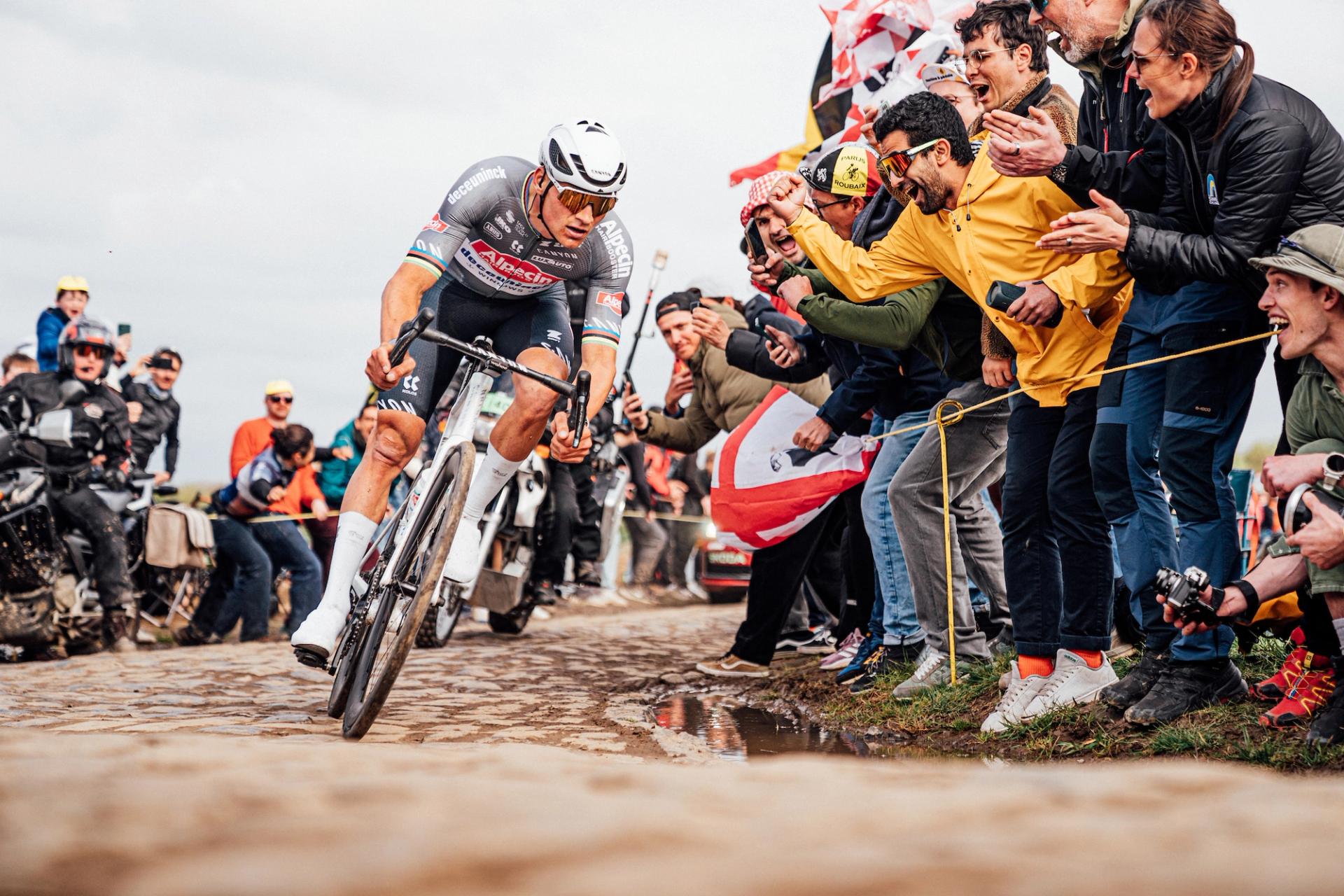
Van der Poel arrives as the clear favourite as a puncheur who can match the decisive uphill accelerations and still finish with a mighty sprint. He is the defending champion after his 2025 win, and he has already underlined his spring sharpness by winning Omloop Het Nieuwsblad with a 16km solo move (which we, along with everyone else, predicted).
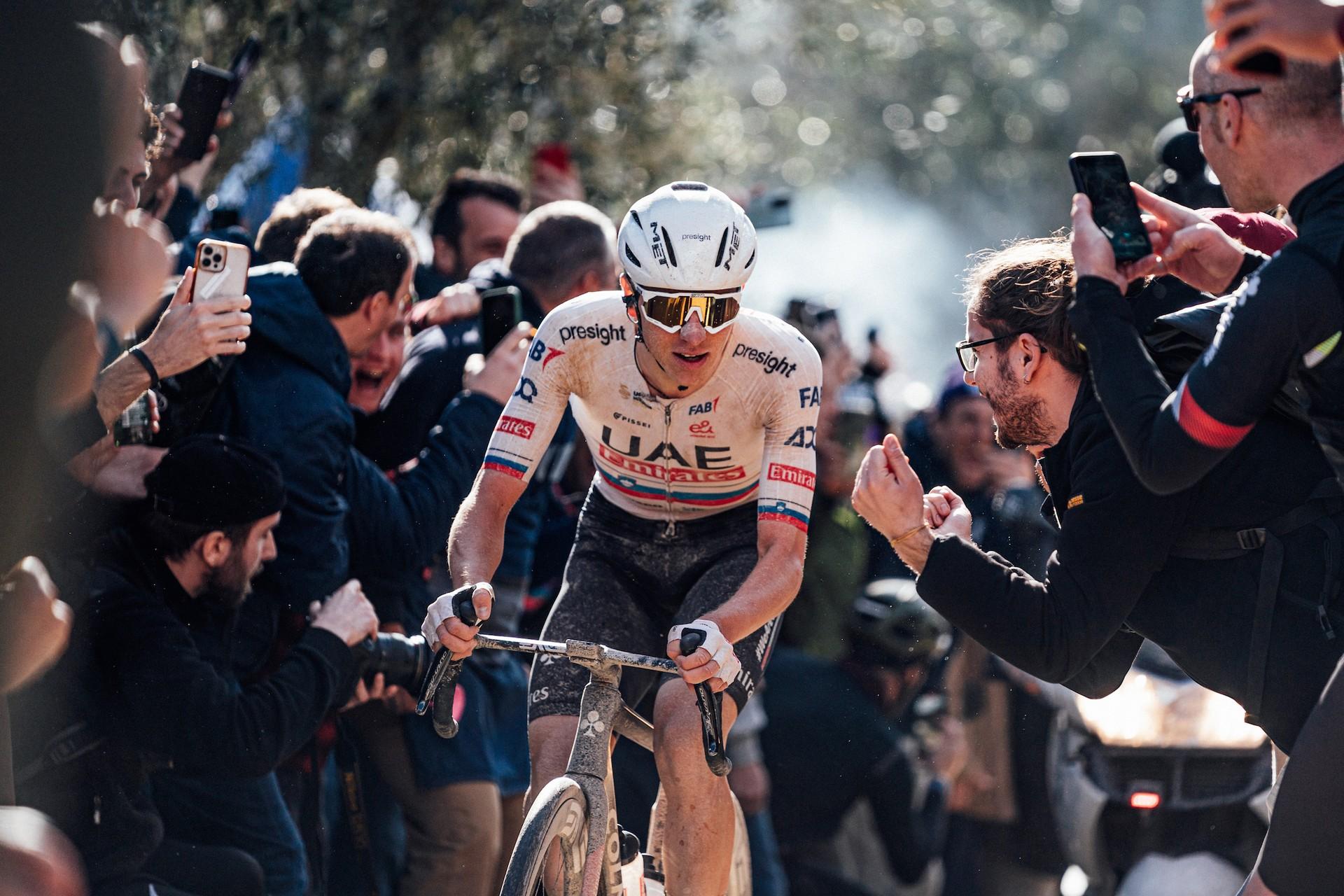
Pogačar is the rider most likely to force the decisive selection. His early 2026 programme has been built around the Monuments, and he has deliberately avoided early stage racing, a choice he has framed as a way to maintain focus and motivation. If UAE can lift the pace on the Cipressa to reduce the group, Pogačar’s best move is still a hard acceleration on the upper Poggio, aimed at arriving over the top with a gap and one or two riders at most.
Ganna sits in the middle of the classic Sanremo tactical dynamic. He is not a punchy climber, but his engine can make the race awkward for riders who hesitate. He was second in 2025 and 2023, and his Tirreno-Adriatico time trial win this month hit a 56.2km/h average.
Tom Pidcock (Pinarello Q36.5 Pro Cycling Team) took the win at Milano-Torino on Wednesday, and while he doesn't sit as a major favourite the Brit has a proclivity for surprising the cycling world, and is very well suited to the short punchy profiles of the Cipressa and Poggio.
Van Aert is harder to model this year, but the floor is still high. He has never finished outside the top five in eight Milano-Sanremo appearances and won in 2020. However, his winter and early season have been interrupted by a fractured ankle in January and subsequent illness, and his Tirreno-Adriatico signs should be read as momentum rather than proof. Van Aert has leaned into the underdog position, saying Pogačar and Van der Poel are the “big favourites”, while also insisting, “I understand I win less than I used to but that doesn’t mean the winner in me has disappeared.”
For the sprint-driven scenario, Jasper Philipsen (Alpecin-Premier Tech) remains the clearest name, even if his early results suggest he is still searching for his first win of 2026 after fading late at Kuurne-Brussels-Kuurne. Jasper Stuyven (Soudal Quick-Step), a former winner in 2021, has the tactical nous and durability to survive both climbs and could be a factor if the race reverts to a reduced-bunch sprint.
Mohorič remains the specialist option when the descent becomes decisive, especially if conditions make the final kilometres hesitant.
UAE's Isaac del Toro (UAE Team Emirates – XRG), fresh off overall victory at Tirreno-Adriatico, gives Pogačar a rare luxury in Sanremo: a second leader who can survive deep into the finale and still threaten from either climb, or by countering moves over the top.
Weather, and what it changes
Forecasts checked on Wednesday suggest a high probability of rain through the day, with temperatures in the 8°C to 15°C range and winds around 19–20km/h. Some outlooks indicate the precipitation risk could taper towards the finale, but a wet day would still leave the Poggio descent greasy.
If the roads are slick, late attacks can become both more attractive and harder to organise behind. Riders tend to descend with more caution, gaps can open through corners, and the chase can lose efficiency.
A tailwind in the final hour, if it appears as forecast in some models, would also help small groups maintain speed on the Via Roma run-in, though it cuts both ways if a larger group is organised.
If UAE's Cipressa pacing splits the field before the Poggio, Pogačar's chances rise quickly. If the group remains larger and the finale becomes a sprint off a hard day, Van der Poel still looks the most complete solution.