The Women's Amstel Gold Race on Sunday 19 April spans 158.1km from Maastricht to Berg en Terblijt/Valkenburg, and positioning is critical as the final Cauberg now comes just 1.7 kilometres from the finish line.
That change, combined with four laps of a local finishing circuit that repeats the Geulhemmerberg, Bemelerberg and Cauberg, transforms the race from a long control affair into a sharp, explosive finale where positioning and the ability to sustain repeated attacks matter more than raw aerobic power alone.
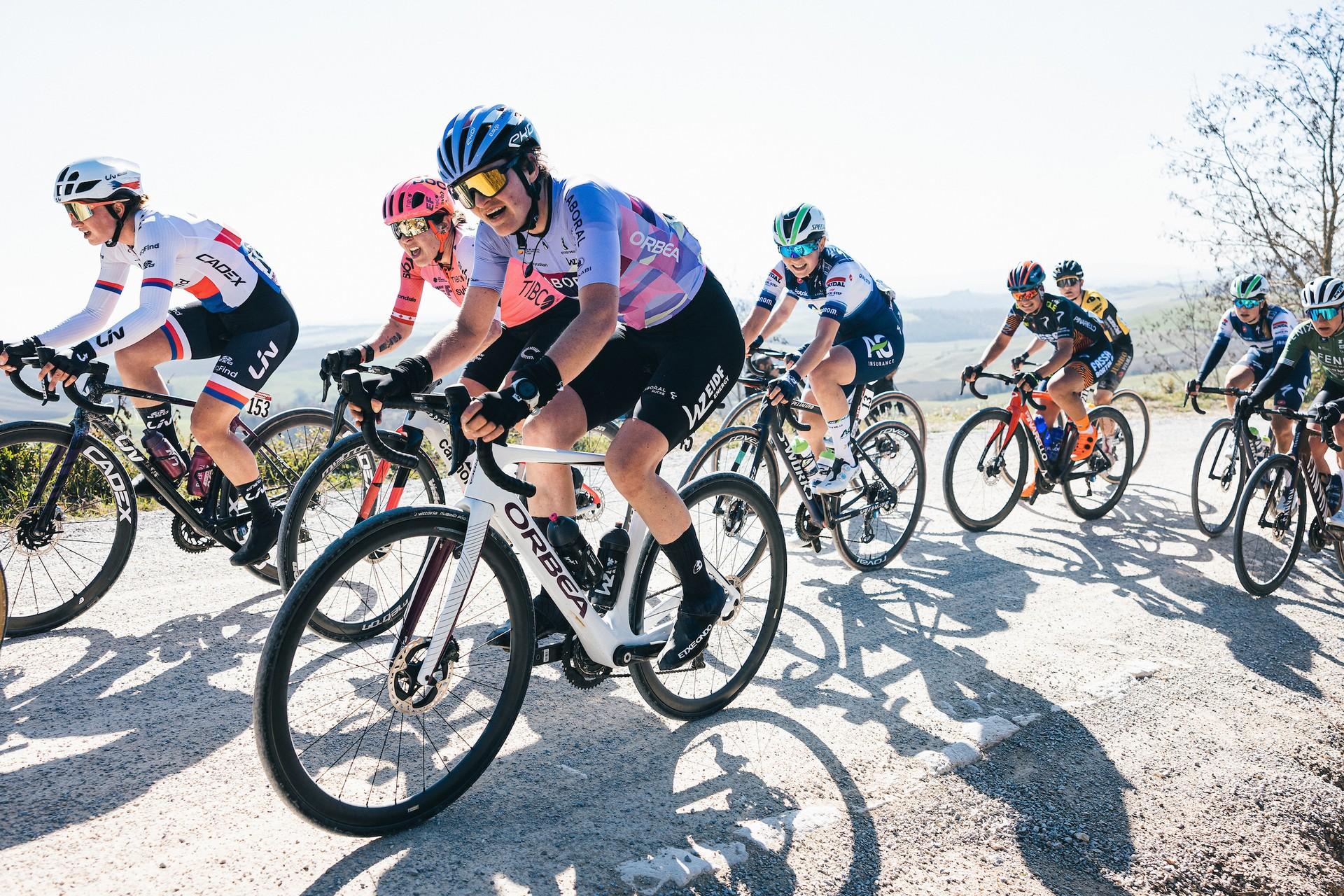
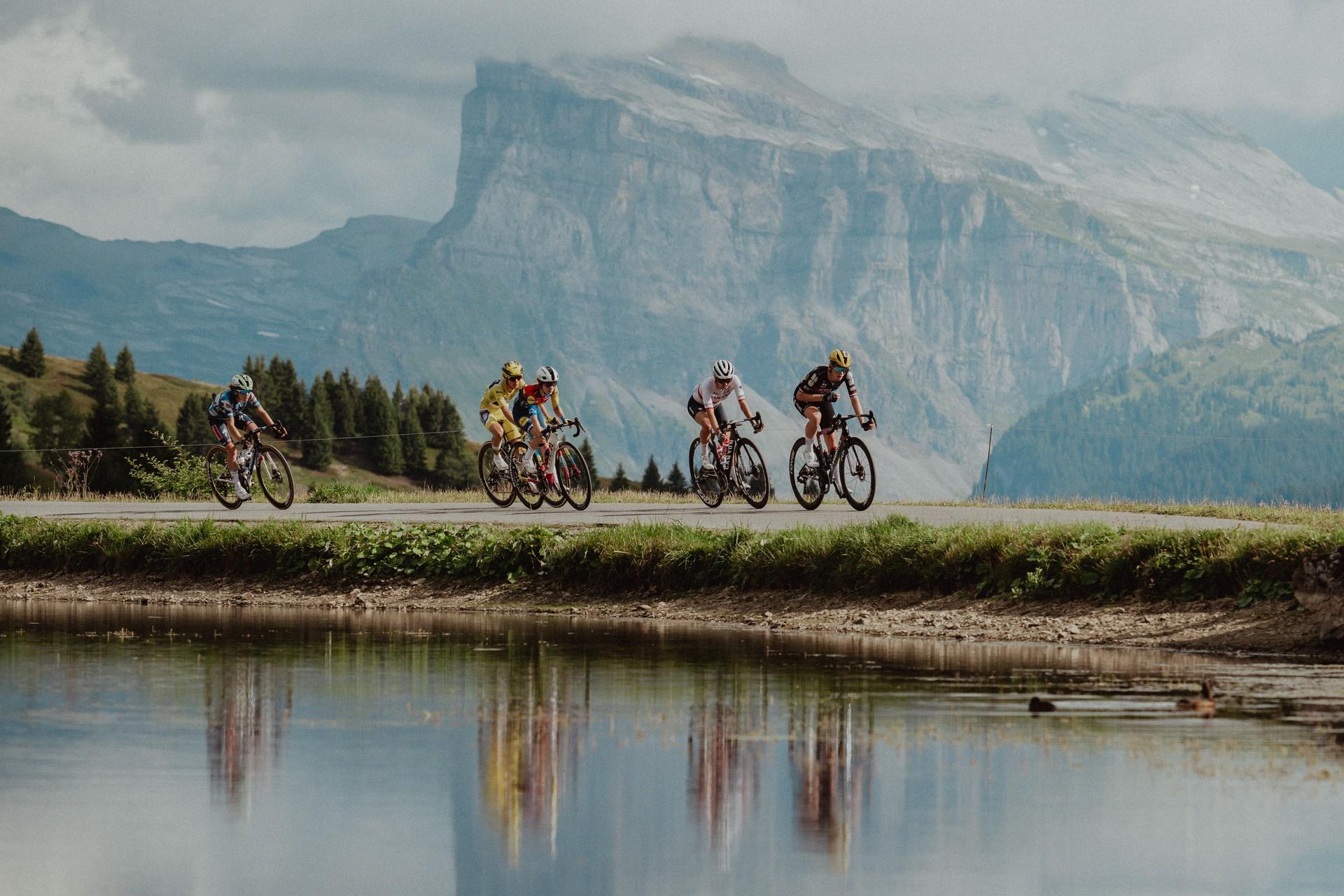
The route carries 21 classified climbs, but none dominates the race by itself. Instead, the course is built on accumulation: early climbs such as the Maasberg, Bergseweg, Korenweg, Nijswillerweg, Kruisberg, Eyserbosweg, Fromberg and Keutenberg whittle away the peloton and force teams to spend energy establishing control before the local circuit even begins. By the time the leading group enters the 17.8km finishing lap for the first time, the field is already significantly reduced.
Startlist: 126 riders
Route and race dynamics
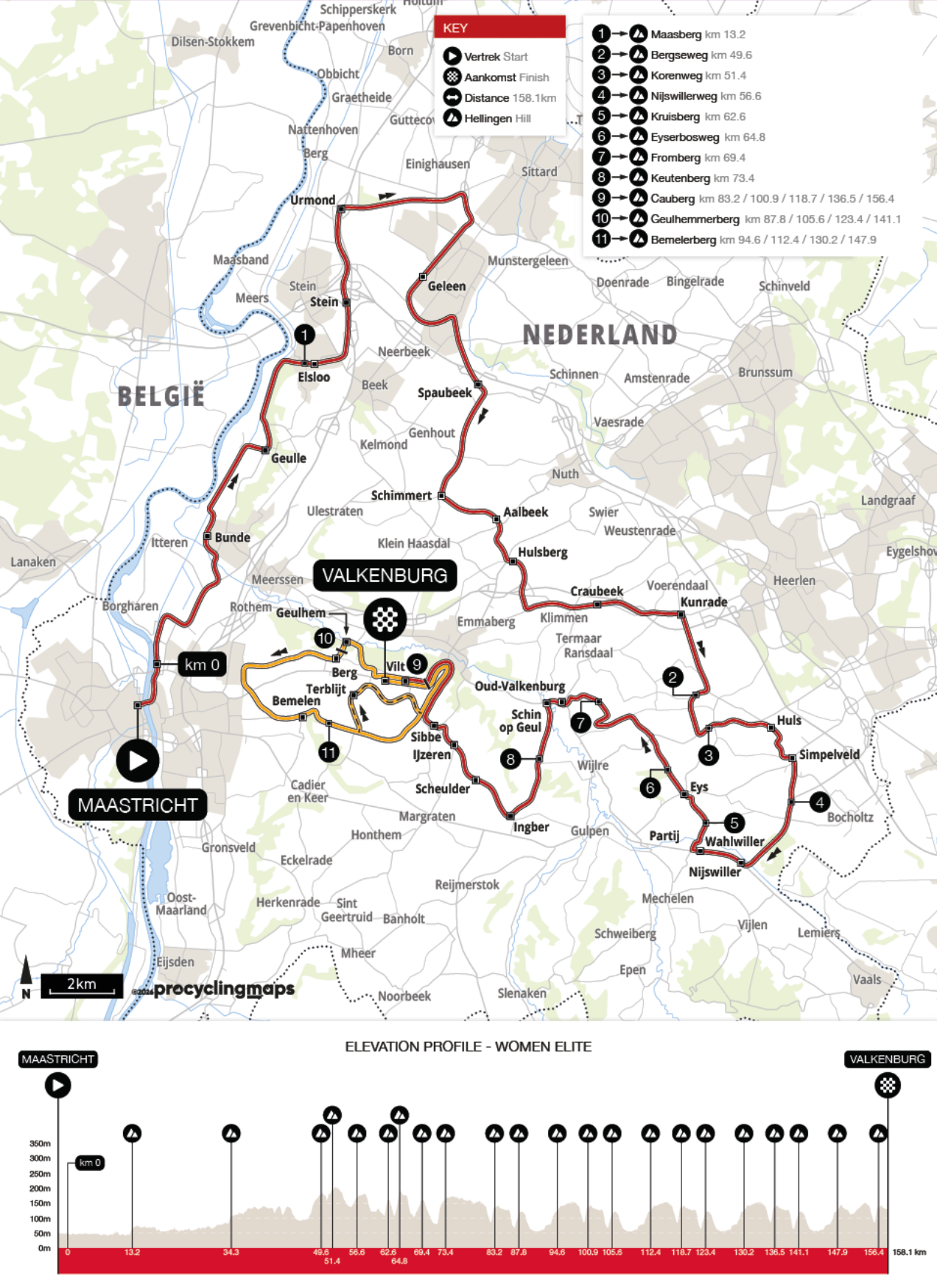
The finishing circuit strings together three consecutive climbs with minimal flat recovery. The roads narrow through the Limburg terrain, and mixed weather adds to the stress: temperatures are forecast to range from 10c at the 10:10 start to around 15c later in the afternoon, with a north-west wind and a few showers likely. That combination means slippery descents and nervous positioning through the bends, where crashes and splits happen long before the climbs test the riders' legs.
The Cauberg's position 1.7km from the finish is the tactical pivot. Any rider who gains a gap on the climb has just enough road ahead to defend it if her chasers are tired or scattered, but not enough space to soft-pedal; any rider who hesitates behind will pay a high price on the short run-in because the road is not truly flat and there is no opportunity for a large group to reform. That setup rewards explosive punch, climbing ability and composure under fatigue, but it also punishes riders who are isolated too early or caught out of position before the climb.
The first three local laps use the main road between the Bemelerberg and Cauberg, while the final lap switches to a narrow, twisty back road, making the closing loop slightly longer and more selective. That means the last time through the hills, there is an extra navigational stress: riders must hold position in tighter, slower terrain, and any hesitation or bike handling error can create a split that cascades into a finishing group advantage.
Related - How to watch Amstel Gold Race 2026
The contenders
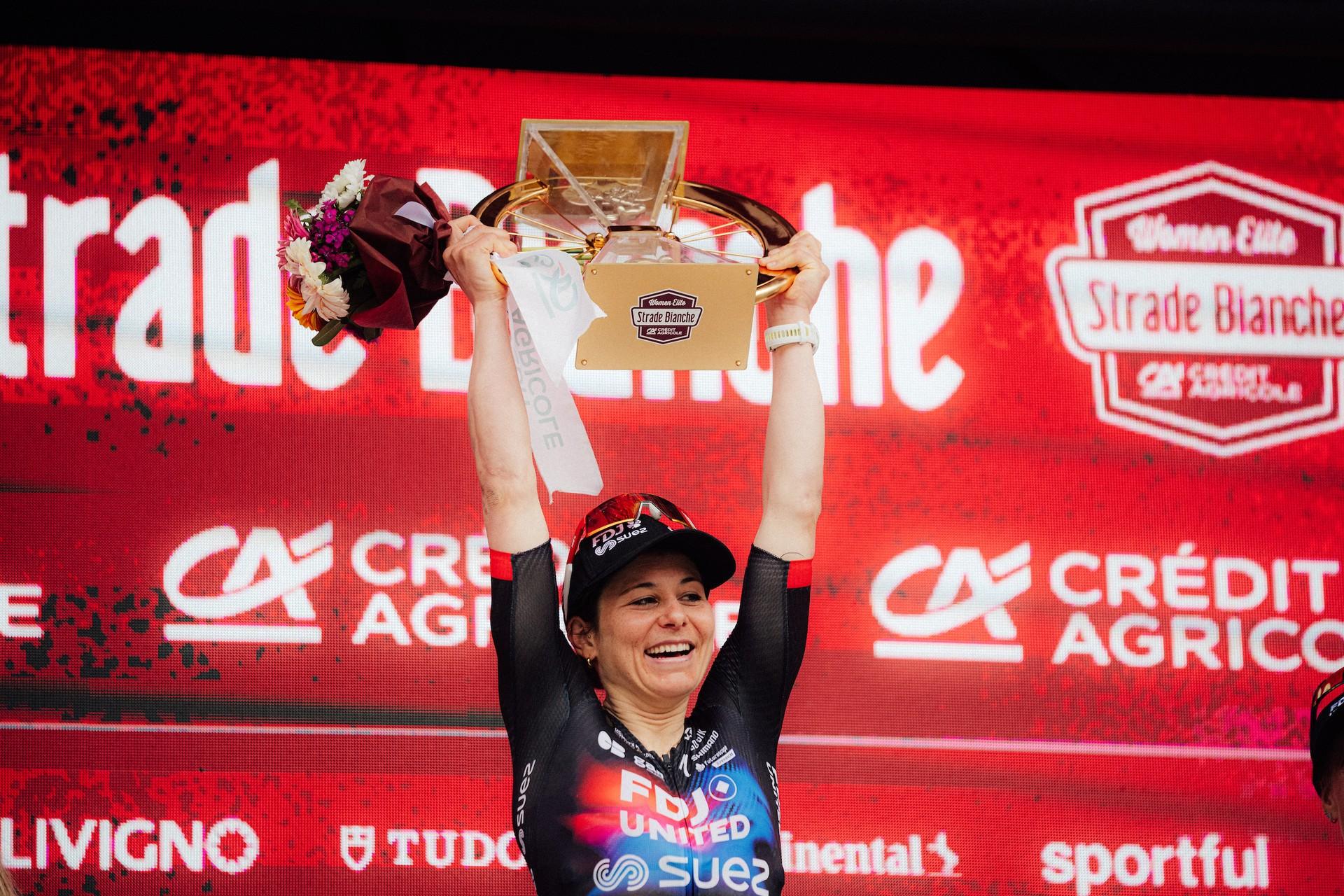
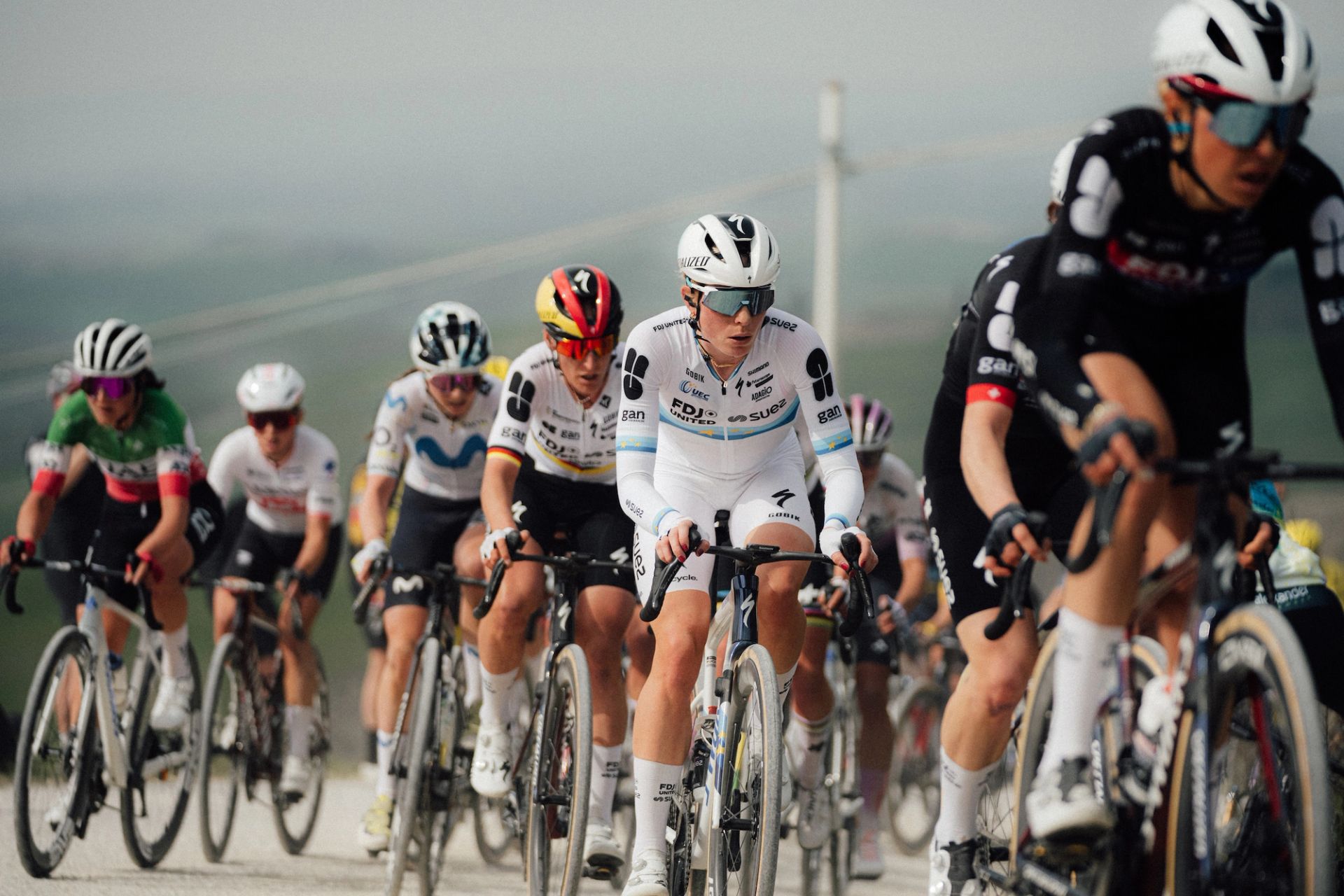
Demi Vollering (FDJ United – SUEZ) arrives as the clear favourite because the route suits her profile. She won the women's Tour of Flanders by storming clear from the rest of her rivals on the Oude Kwaremont. The former Tour de France Femmes winner is clearly on fine form. On Amstel's repeated climbs and narrow final circuit, she has the engine to stay present in a small lead group, the punch to attack on the Cauberg, and the speed to hold a small gap if she times her effort right.
Marianne Vos (Team Visma | Lease a Bike) does not need the race to be suited to her strengths; she needs it broken enough that positioning and race reading decide the outcome. Vos finished second at Paris-Roubaix Femmes behind Franziska Koch on April 12, and that result showed she remains sharp in elite company on difficult one-day courses. Amstel is not Roubaix, but she did take the win ahead of Lorena Wiebes in 2024 after her rival celebrated too early.
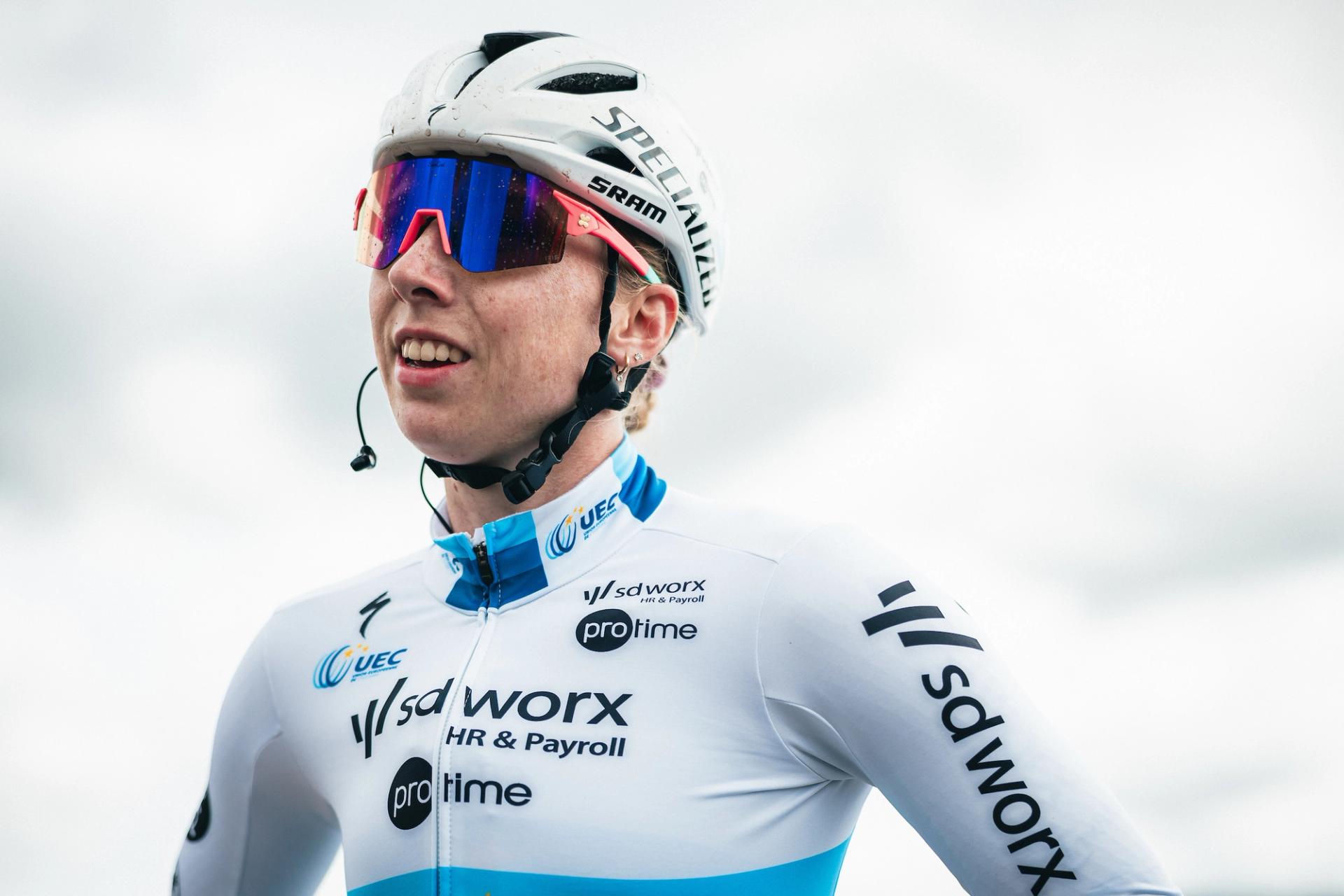
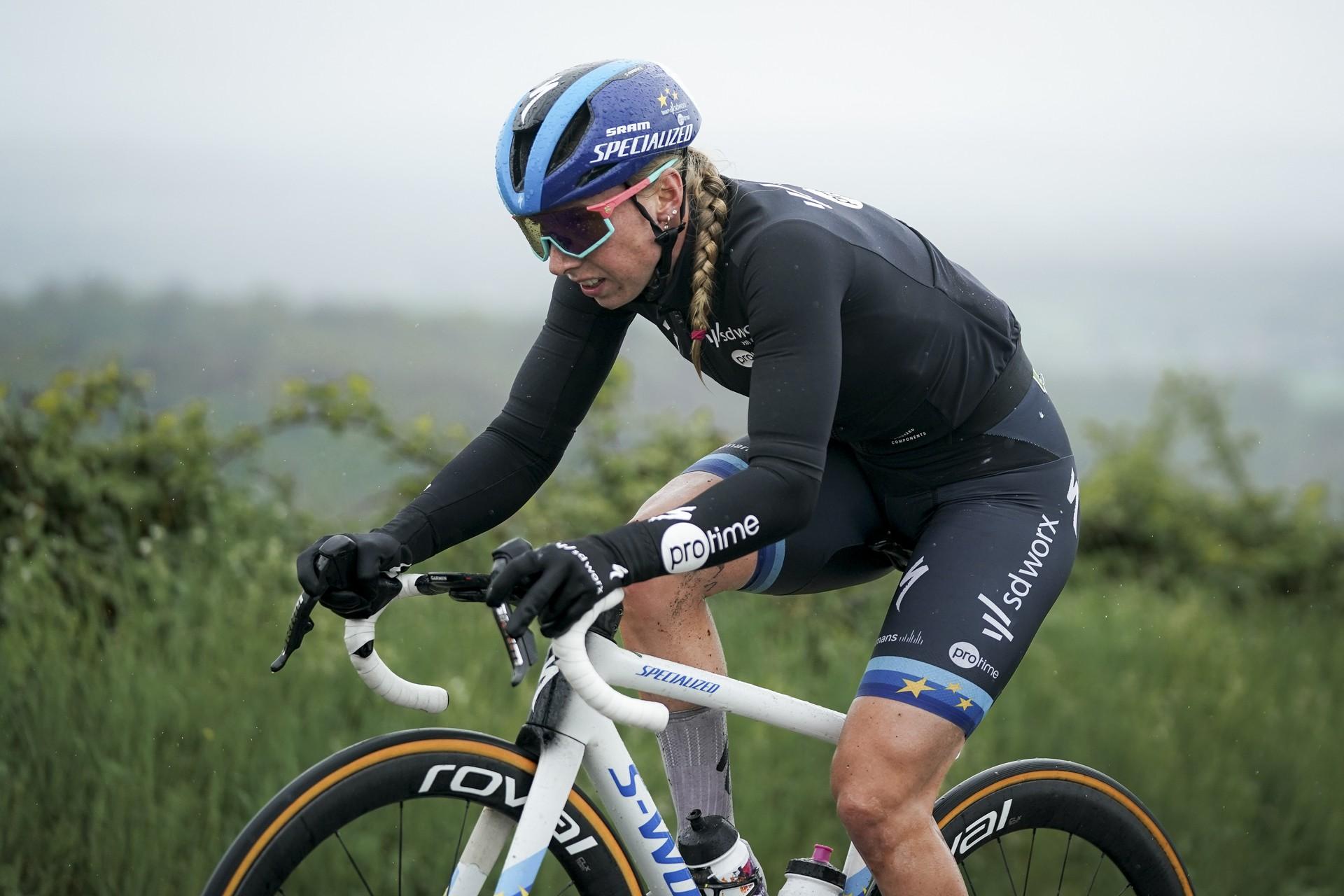
Lorena Wiebes (SD Worx – Protime) is the sprint threat, but the course is unforgiving to riders who cannot survive repeated accelerations. She finished third at Omloop Het Nieuwsblad but was distanced when Vollering and Niewiadoma-Phinney moved decisively on the Muur. Amstel is harder on a sprinter than Omloop Nieuwsblad because the finishing circuit repeats the Cauberg four times. Wiebes can still win if SD Worx keep the race under control and the field remains less brutally reduced, but that scenario looks less likely than a selective finale.
Kasia Niewiadoma-Phinney (Canyon//SRAM zondacrypto) is one of the best fits for Limburg because she is exceptionally strong on repeated climbs and difficult finales. She was with Vollering until the final metres at Omloop, and the route here plays to her ability to survive attrition and sustain pressure through multiple acceleration efforts.
Puck Pieterse (Fenix-Premier Tech) adds explosiveness and descending ability to any reduced group. Franziska Koch (FDJ United – SUEZ) and Elise Chabbey (FDJ United – SUEZ) are central to how FDJ United-SUEZ will control the race before Vollering attacks; both have already shown in early spring that they can force moves and set the pace for the team's leader. Anna van der Breggen (SD Worx – Protime) provides SD Worx with a second tactical option and can force other teams to commit resources.
Prediction
It would be a shock if Demi Vollering doesn't come out on top. There are so many big names lining up for the race but the home nation's superstar of the climbs surely has the power to go clear and take the win. The return of the Cauberg closer to the finish should really help her in this fight against riders like Vos and Wiebes but will bring in the challenge from Niewiadoma-Phinney, Van der Breggen and others.