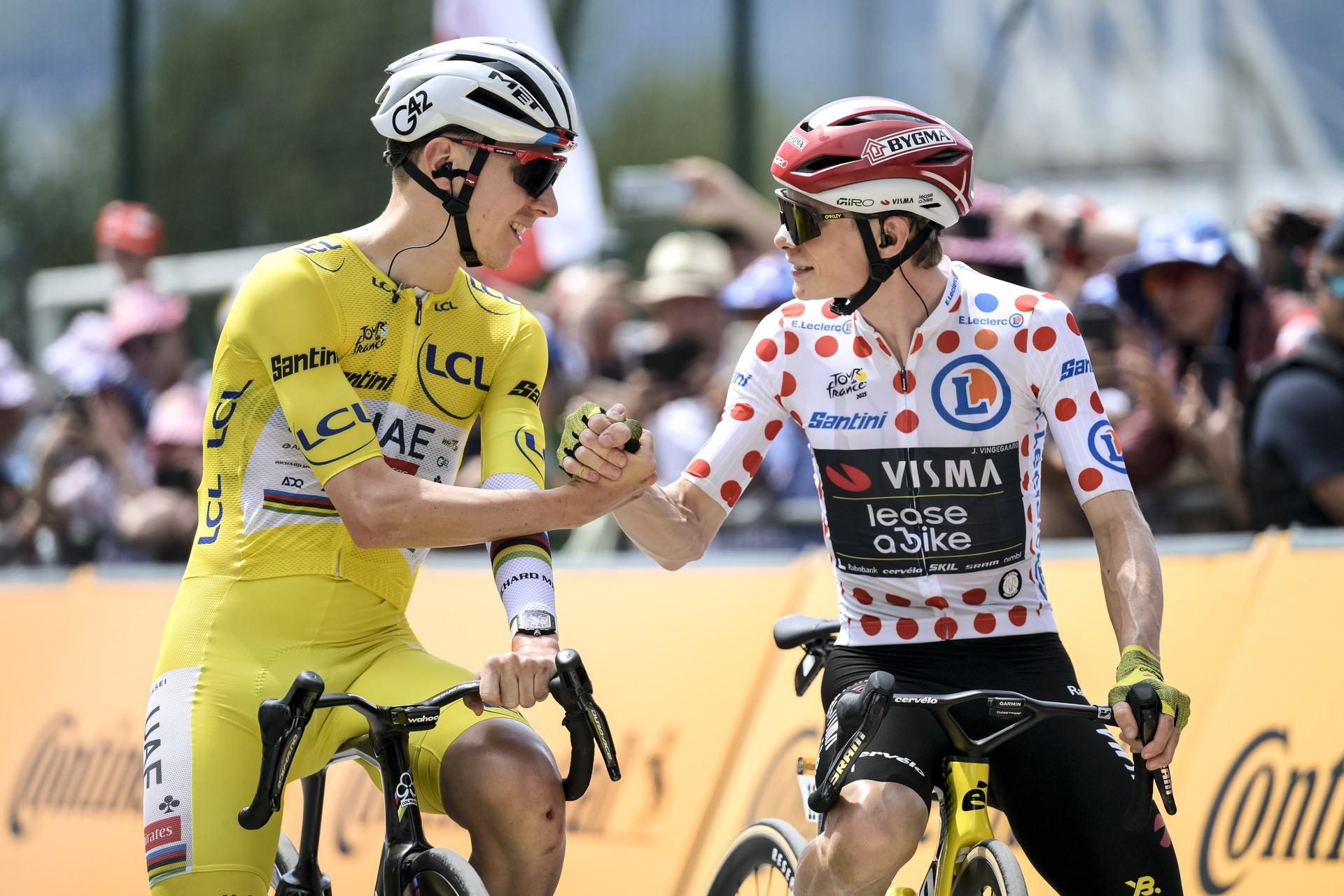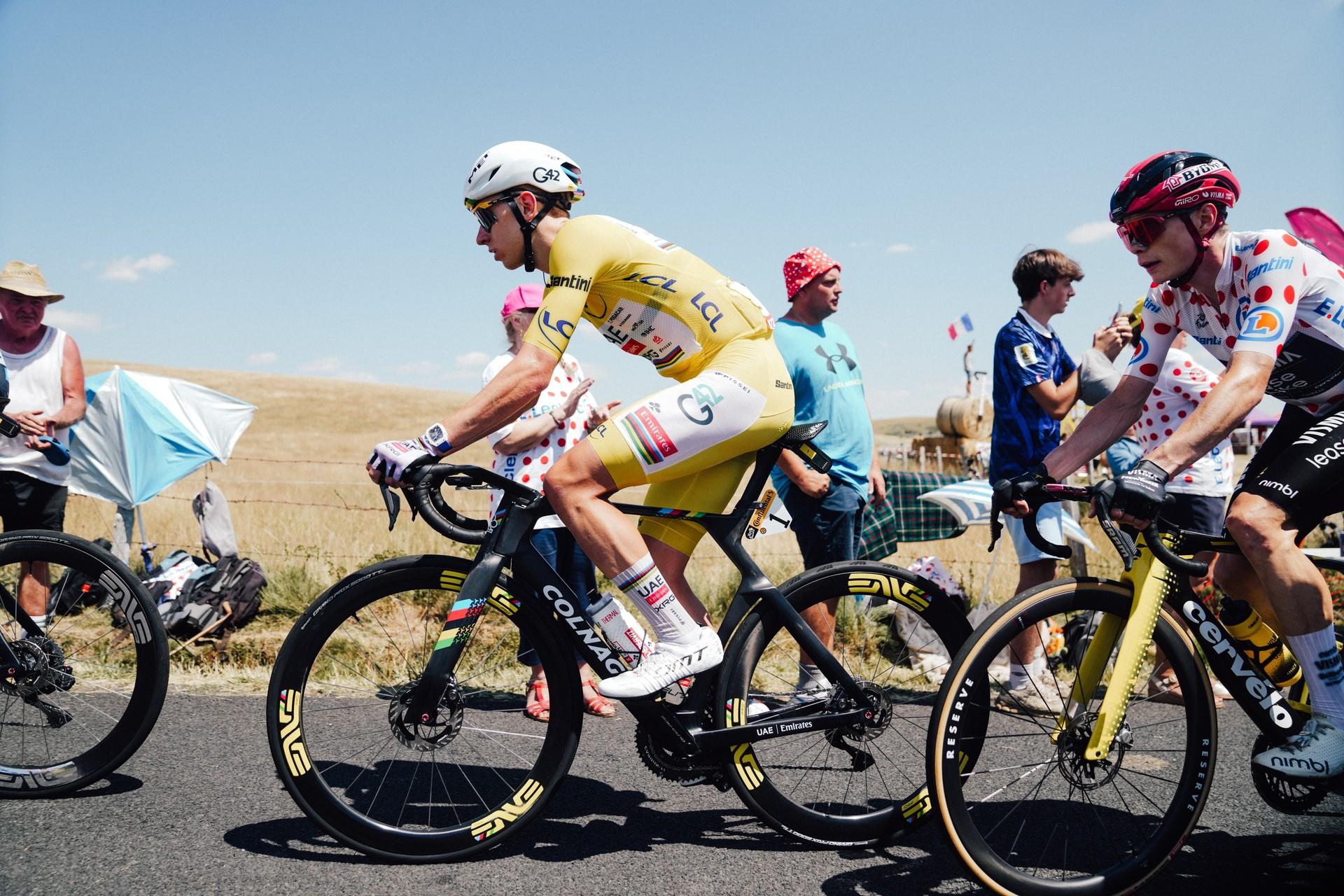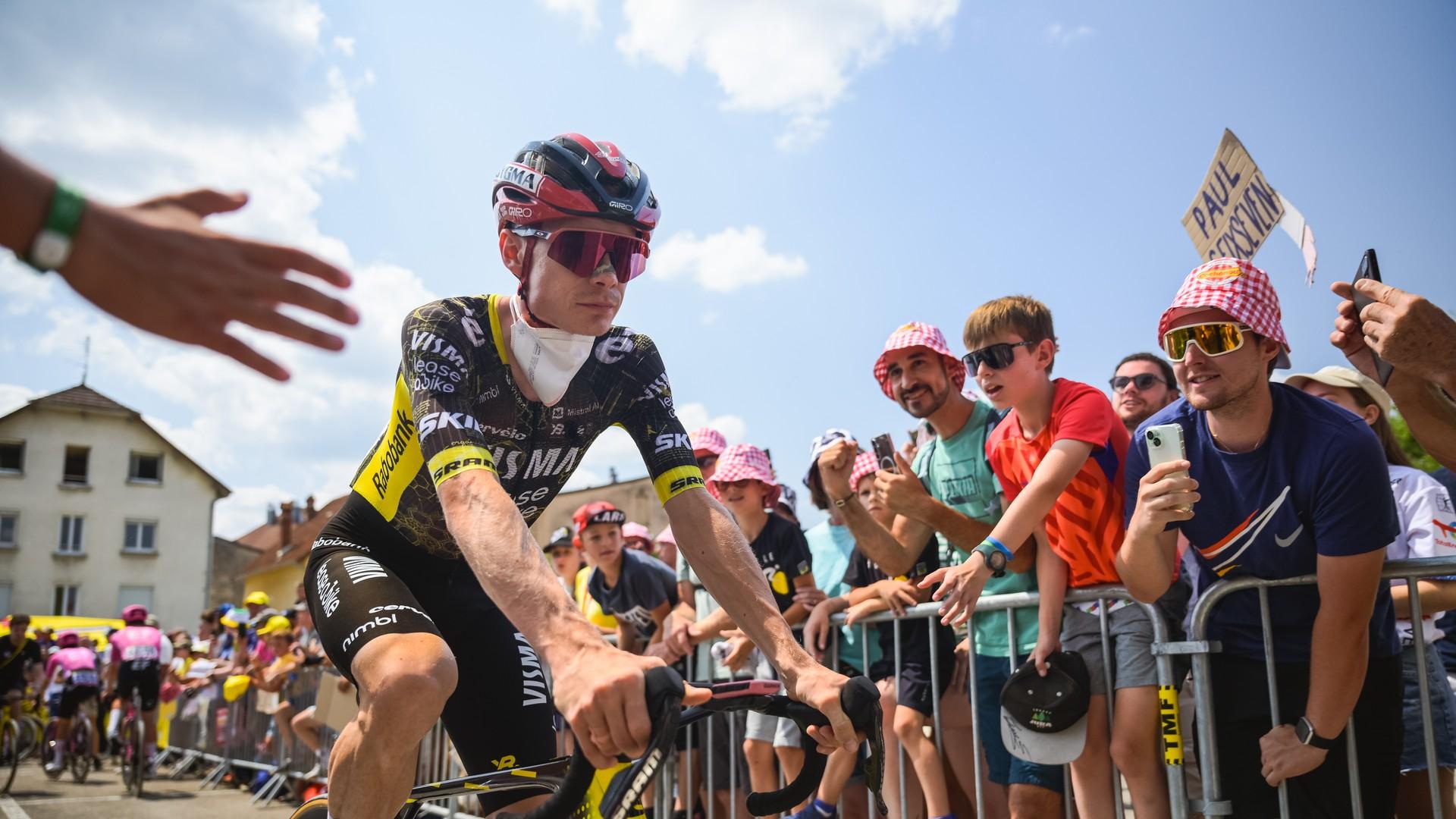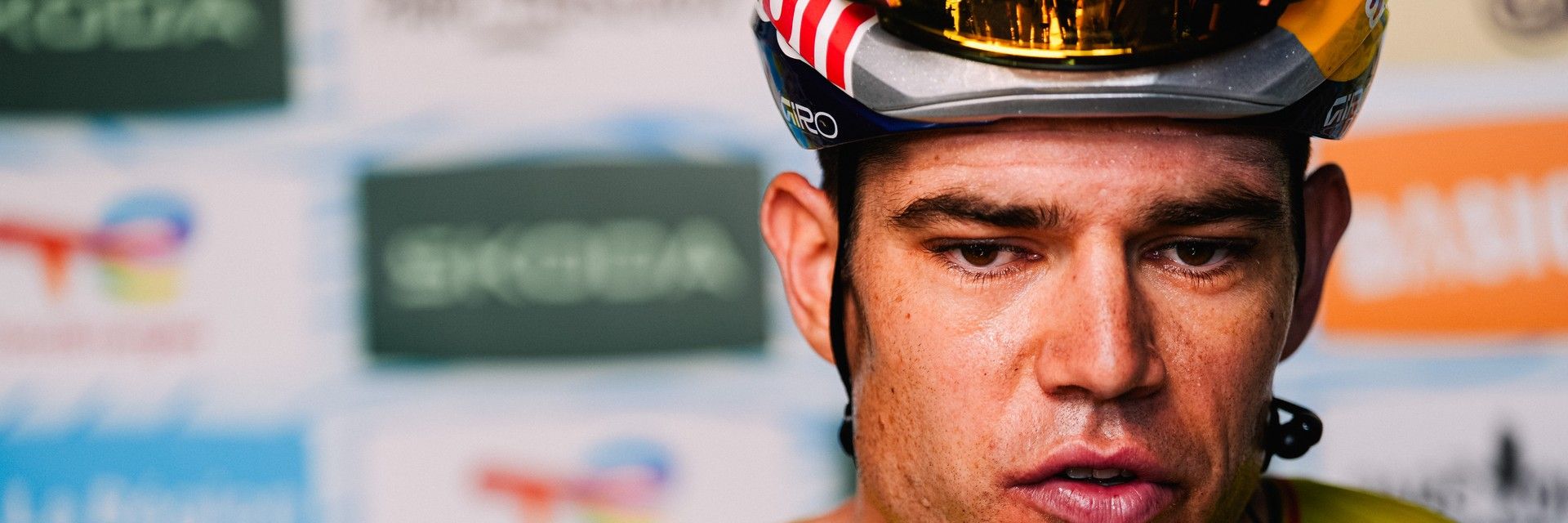
Wout van Aert (Visma | Lease a Bike) has condemned the decision to wake teammate Jonas Vingegaard for an anti-doping control at 2am during the Tour de France, arguing that the unequal timing interfered with the race.
Vingegaard was tested during the night of July 18–19, before Stage 15 from Champagnole to Plateau de Solaison. Tadej Pogačar (UAE Team Emirates XRG), then leading Vingegaard on the general classification, received a separate visit at 5am.
Speaking in an exclusive interview with Het Nieuwsblad published on July 27, Van Aert said he had never experienced such a late control himself.
“That surprised me. I've never experienced that myself,” he said. “But Jonas was the only one checked at 2am. Not a single other competitor was woken up at the same time. That affects the race one way or another, and I absolutely cannot accept that.”
Van Aert, who was not riding the 2026 Tour, supported testing at unusual hours when anti-doping authorities had evidence that the timing was required to detect a prohibited substance. His objection concerned the selection of one rider at 2am and the effect of interrupting sleep before a major mountain stage.
“There simply has to be a clear standard,” he said. “Now someone has been singled out who, no matter how you look at it, had a disrupted night's sleep. That had an impact on the race.”
Vingegaard said the control lasted about 40 minutes before he returned to his room. Roughly 14 hours later, he crashed as the main group exited a roundabout in Bonneville, with about 22km of the 183.9km stage remaining. He broke his collarbone, suffered multiple abrasions and abandoned the Tour while sitting second overall.
The timing prompted questions about whether disrupted sleep affected his concentration, but there is no evidence that the control caused the crash. Vingegaard did not attribute his fall to the test.
Overnight controls required judicial approval
The International Testing Agency, which operates the UCI's anti-doping programme, confirmed that a French court had authorised the controls. As explained in our deep dive into the Tour de France's anti-doping rules, the Paris prosecutor's office said the ITA had applied to a specialist judge for permission to test riders overnight.
UCI rules generally allow riders to be tested at any time, but the period between 11pm and 6am carries additional safeguards. Without consent or a designated testing window, an overnight control requires a “serious and specific suspicion” of possible doping.
French law imposes a separate requirement. Article L.232-14-4 of the French Sports Code permits a judge to authorise an overnight operation when serious and consistent suspicions exist and evidence could disappear.
The judicial approval did not mean Vingegaard or Pogačar had committed an anti-doping violation. The ITA said the authorisation should not be treated as evidence of wrongdoing and declined to disclose the grounds presented to the court.
The agency had announced before the Tour that its 2026 testing programme would be targeted and intelligence-led, drawing on performance trends, Athlete Biological Passport data, investigations and other information. It also confirmed that riders from additional teams underwent night-time or early-morning controls during the race.
Pogačar said he could not return to sleep after his 5am test, leaving him with four hours' rest. He accepted the need to prove riders were competing clean but described Vingegaard's 2am visit as “inhuman”.
Vingegaard's collarbone fracture required surgery following his withdrawal from the Tour, his return has not been confirmed and DS Marc Reef raised some doubt on whether he will compete again in 2026.