Team Visma | Lease a Bike’s legal entity, Yellow B Cycling BV, has reported a €6.1 million operating loss for 2024 despite generating record revenues of €52 million, laying bare the financial strain of trying to compete with the sport’s wealthiest super teams.
The figures, analysed in depth by specialist Substack Money in Sport, revealed a wealth of information about the financial picture for the owner of the men's and women's Visma-Lease a Bike teams.
Personnel costs alone swallowed €33 million, or 64% of income, to fund a staff of 172 riders and employees. For a project that won all three Grand Tours in 2023 and remains, on performance, the second-best team in the world, the accounts underline a stark reality: sporting dominance is no guarantee of financial sustainability.
The cost of chasing Pogačar
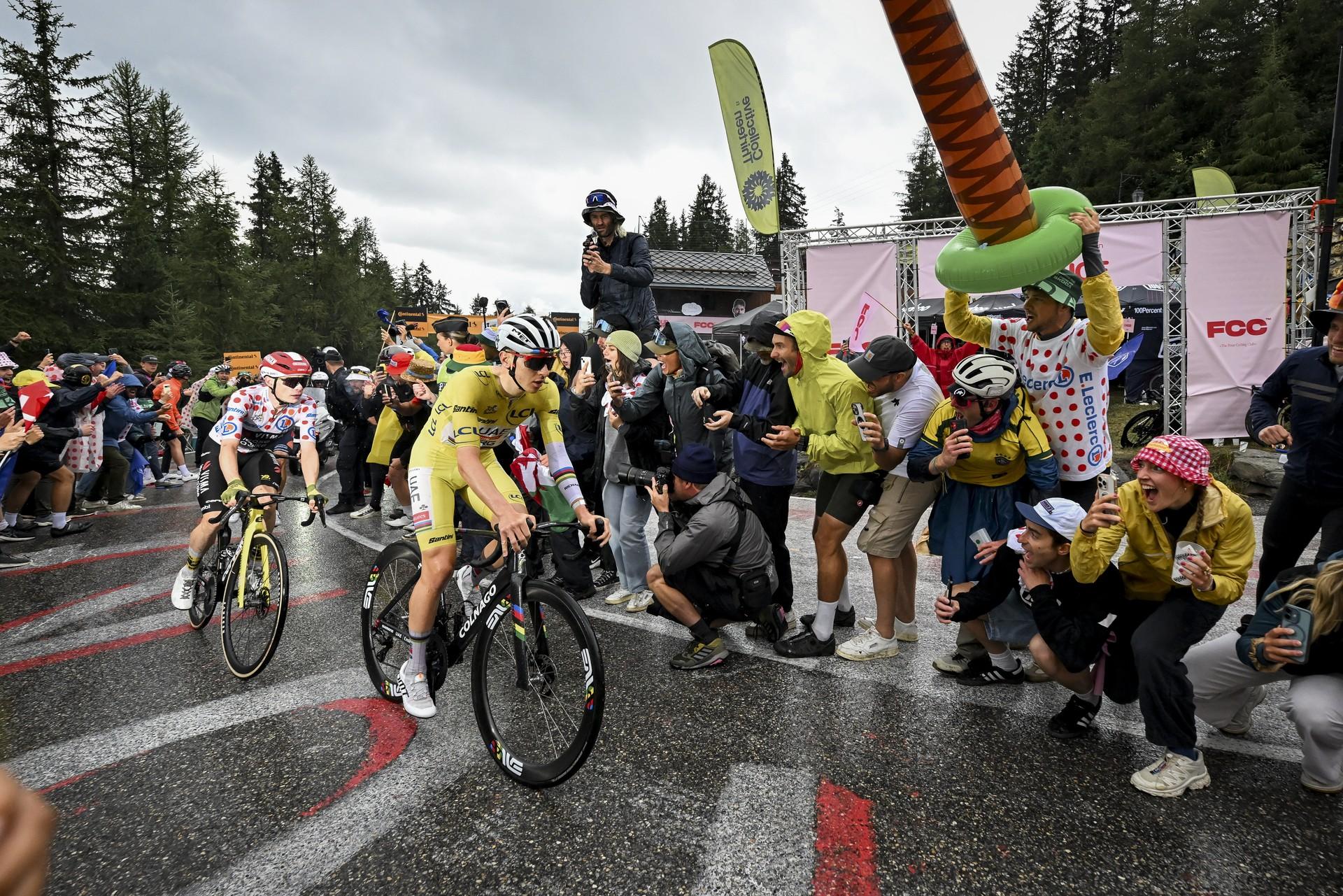
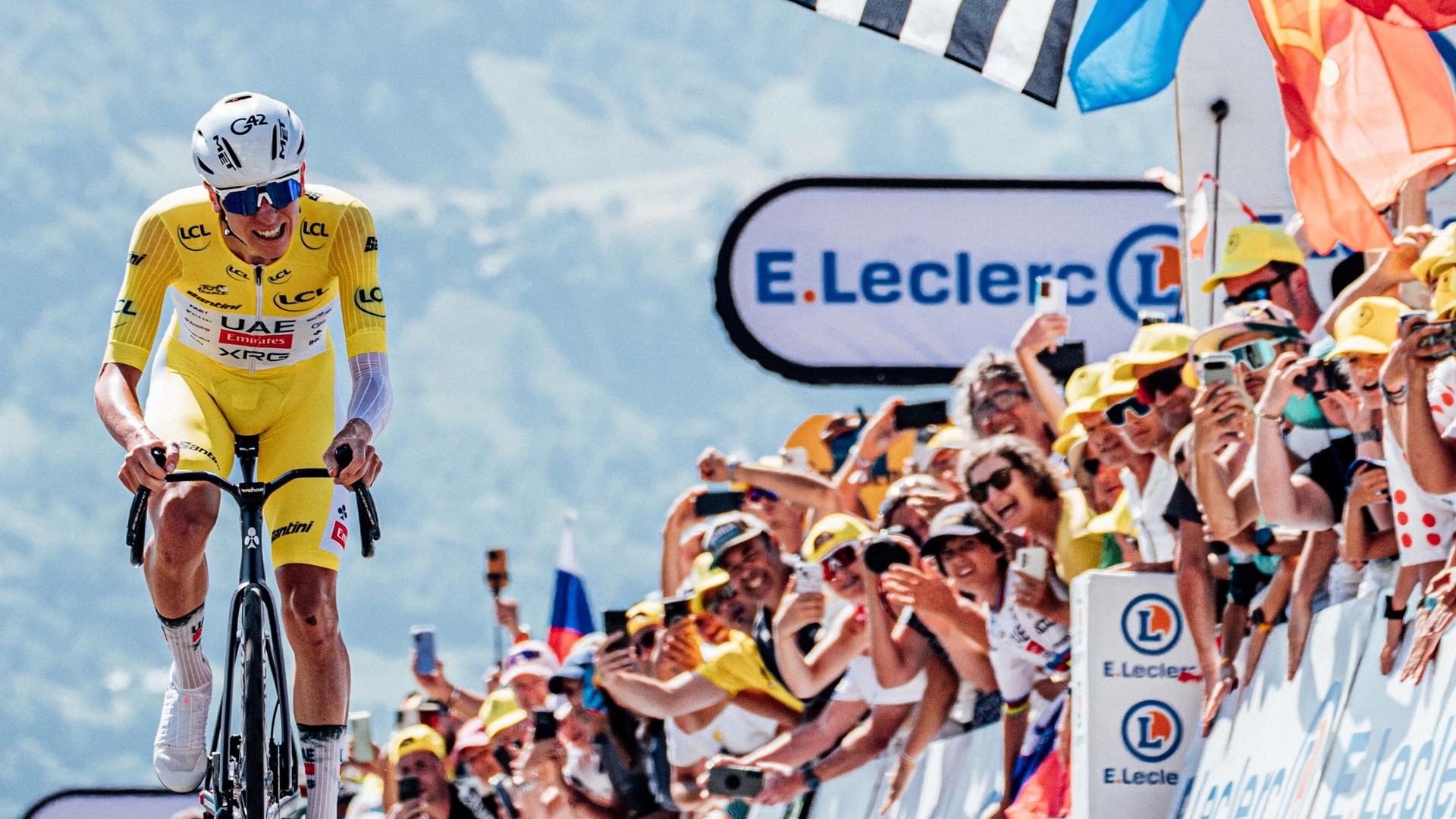
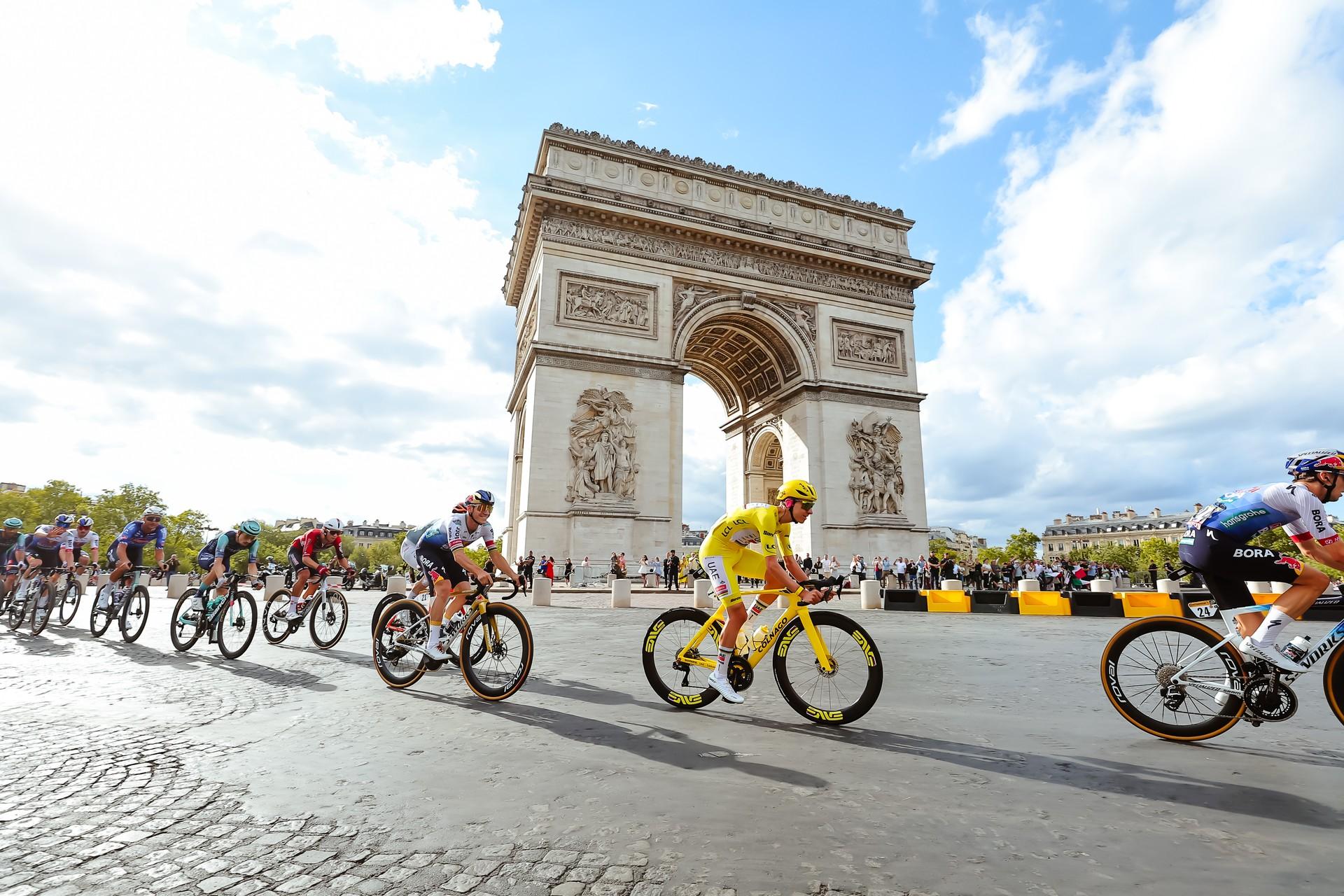
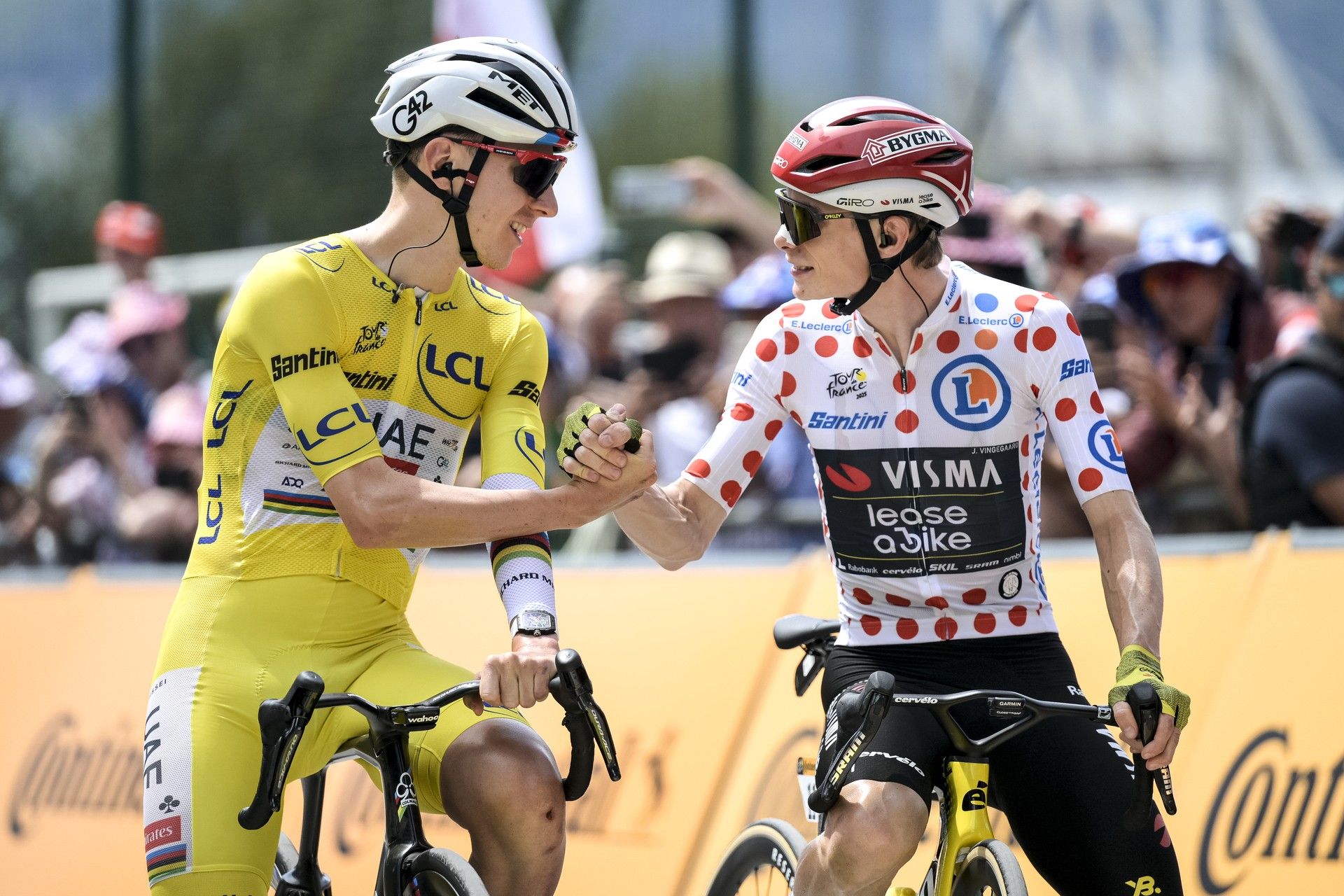
Visma’s numbers are the clearest expression yet of an increasing phenomenon of the "Pogačar tax” – the inflationary effect of Tadej Pogačar (UAE Team Emirates) and the petro-backed budgets that surround him.
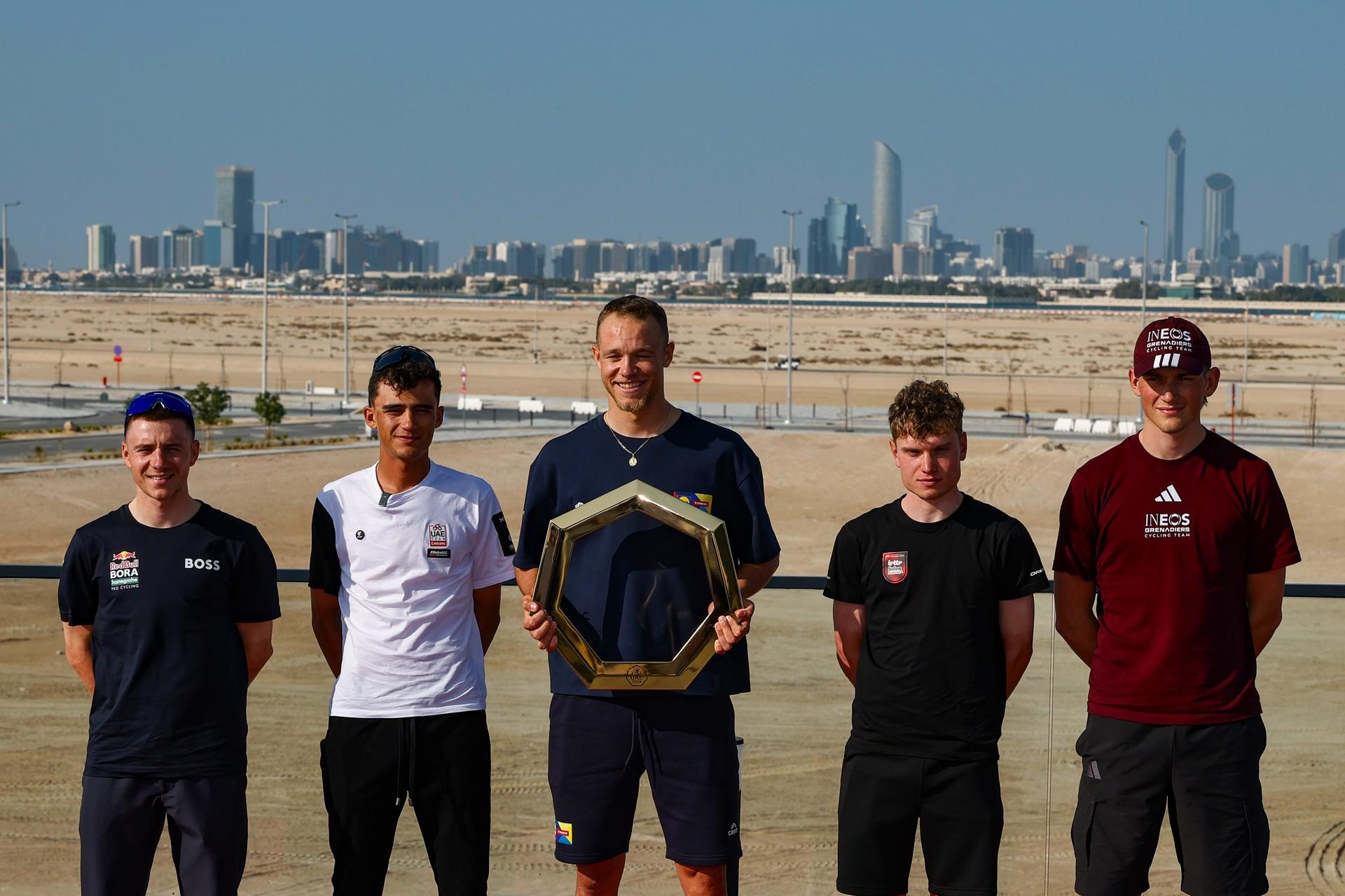
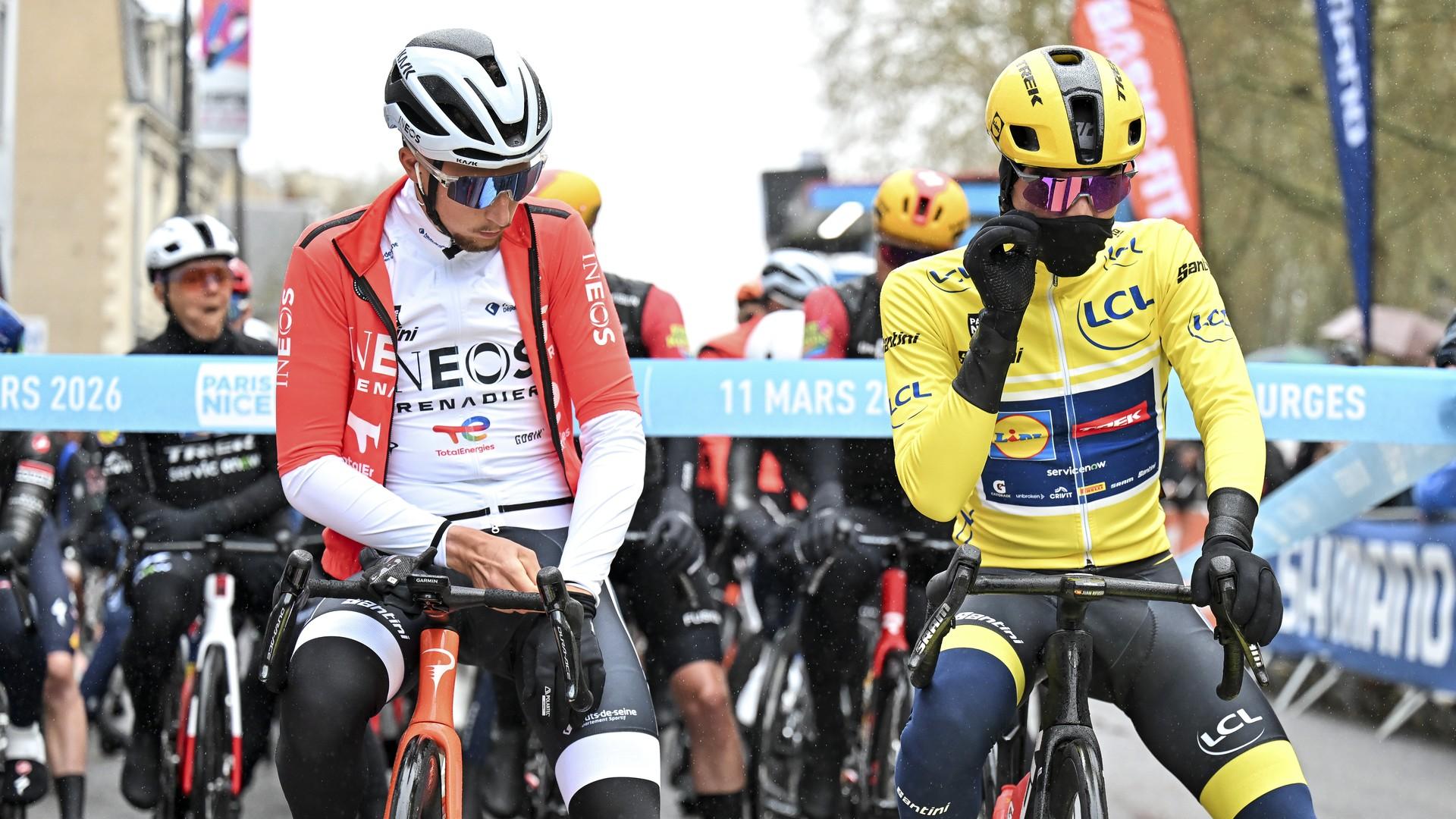
Managing director Richard Plugge has long insisted that his team operates with a smaller budget than its results suggest. He has previously said Visma sit “fifth or sixth” in the WorldTour budget rankings, behind outfits like UAE Team Emirates, INEOS Grenadiers, Red Bull–BORA–hansgrohe and Lidl–Trek. Yet the 2024 accounts show that even a €52 million turnover is not enough to run a squad capable of challenging Pogačar across the calendar without ending up in the red.
The figures arrive in the first full year after a major restructuring. In December 2023, Yellow B Cycling BV was split from the Dutch speed skating team and sold into a new holding company co-owned by Plugge and Dutch billionaire Robert van der Wallen. That deal generated a €10.7 million goodwill item which is now being amortised over ten years, adding an accounting cost to the annual profit and loss.
Strip out that roughly €1 million a year non-cash charge and Visma still finished deep in negative territory. The gap is being plugged by Van der Wallen’s capital, underscoring how reliant even elite teams are on wealthy benefactors rather than the sport’s own economics.
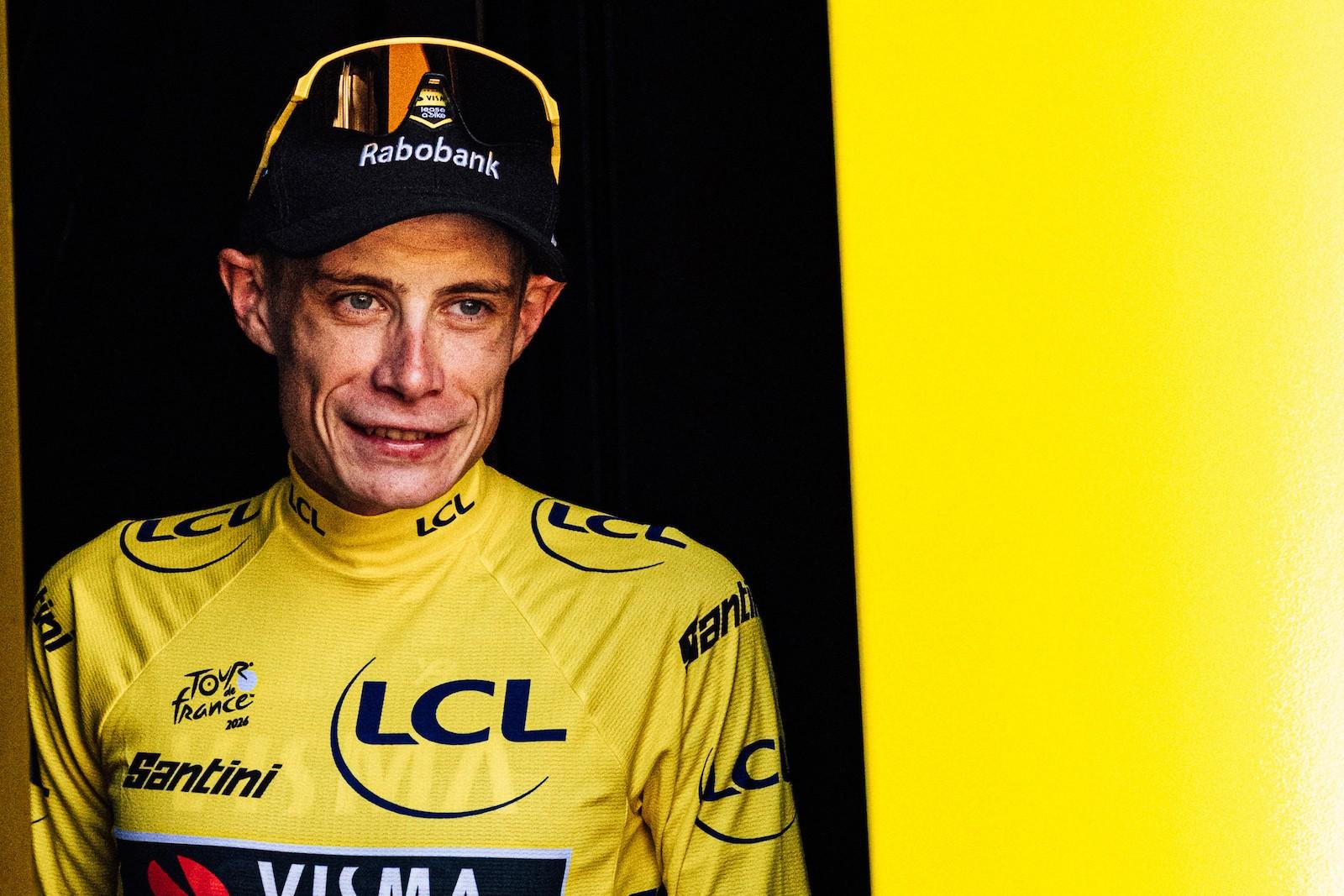
Plugge has been blunt about the structural problem, telling the In De Waaier podcast: “Ninety five per cent of our revenue comes from sponsorships, whereas in those other sports [football or Formula 1], a big part of the income comes from the sport itself. That is something we want to change.” For now, however, Visma remain exposed to rising wage demands in a market increasingly set by teams with effectively uncapped backing.
Talent drain exposes limits of the super-team model
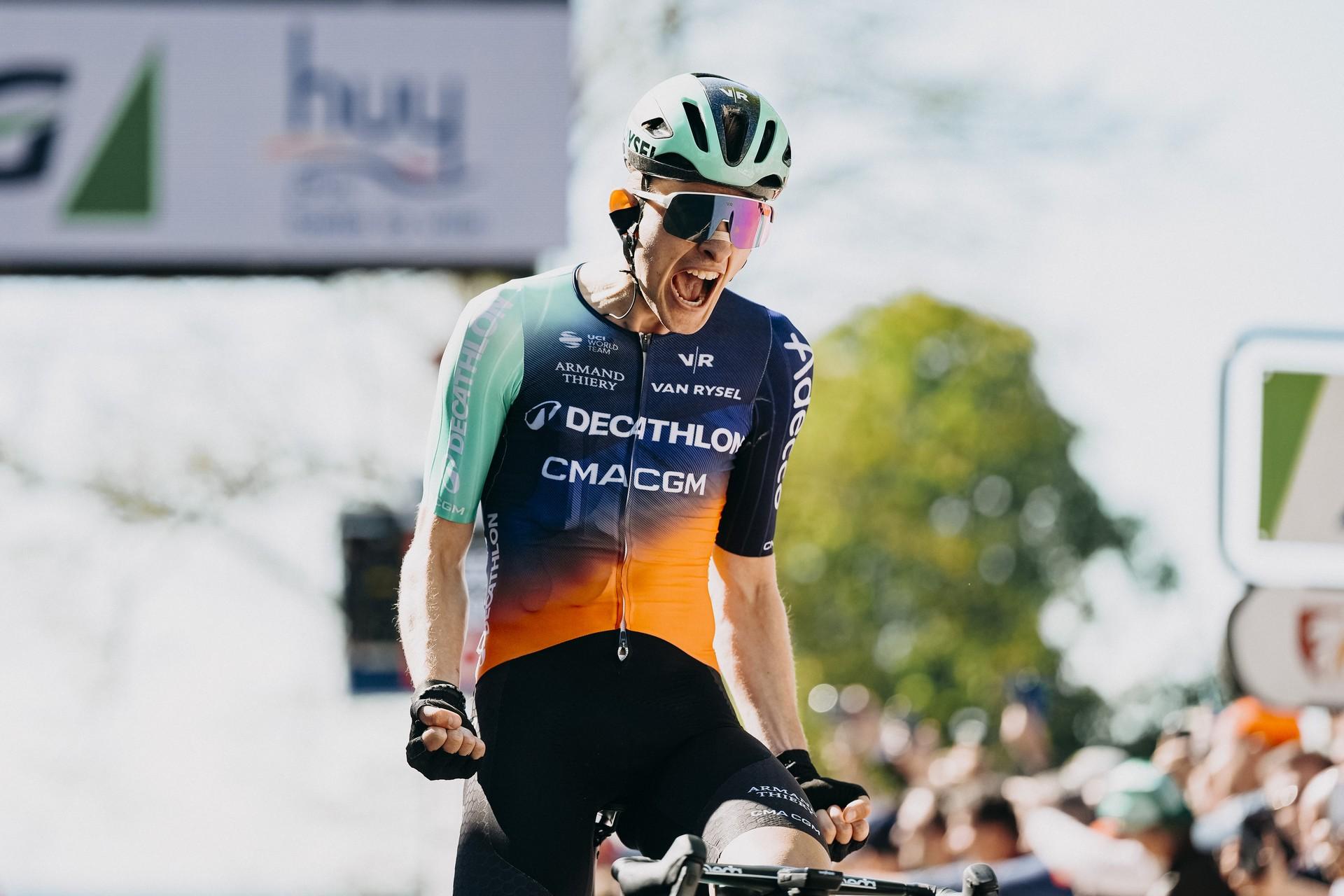
The financial strain is already expressing itself in the transfer market. Star sprinter Olav Kooij (Team Visma | Lease a Bike) has signed for Decathlon CMA CGM (Decathlon AG2R La Mondiale) from 2026, with the French team reportedly able to offer both a higher salary and long-promised Tour de France leadership that Visma could not match.
Former team manager Bjarne Riis recently captured the mood, arguing that Visma’s budget ceiling is showing on the roster sheet: “It seems to me that it is a team that lacks money because many of its strong cyclists are leaving. It is not because they do not want to keep them... the riders just below [Jonas Vingegaard and Wout van Aert] are leaving because the team cannot afford to keep them.”
This is the uncomfortable paradox of the current era. To beat the likes of Pogačar, teams must assemble deep squads of leaders, lieutenants and specialists for three Grand Tours, a packed one-day schedule and a growing slate of week-long races. That requires more riders on higher wages, plus a small army of coaches, performance staff, nutritionists and data analysts. Visma’s 172-strong payroll is the bill for that arms race.
Visma–Lease a Bike also carries the cost of running a top-tier women’s team. Overall WorldTour spending figures suggest women's team costs would be considerably less than the men's team expenditure, and Visma's investment demonstrates the organisation’s belief in the growth and importance of women’s cycling. It does put an extra strain on revenues, though, as not every team has chosen to support a women’s squad to the same extent.
Yet the revenue side is barely moving. Plugge has spoken openly about paying “tens of thousands just to participate” in races like the Tour de France, with little direct income flowing back from central media rights. Unlike football or Formula 1, there is no meaningful revenue share from the sport itself to offset the constant rise in costs.
The consequence is that balance sheets depend on sponsors and rich owners who accept that, in pure business terms, WorldTour teams are loss-making enterprises. Van der Wallen has previously framed his role as a kind of patron rather than a profit-seeking investor. Visma’s 2024 loss shows how essential that patronage now is.
For the wider sport, the warning is clear. If a benchmark organisation that wins Grand Tours, innovates in performance and turns over €52 million still cannot break even, the super-team model is fragile by design. Unless cycling finds ways to grow central revenues and share them more equitably, the true cost of the Pogačar tax may be measured not only in salaries, but in the long-term stability of its biggest teams.