CPA president Adam Hansen has criticised the anti-doping system operating at the Tour de France, saying riders fear missed controls and questioning whether clean athletes are being treated like criminals.
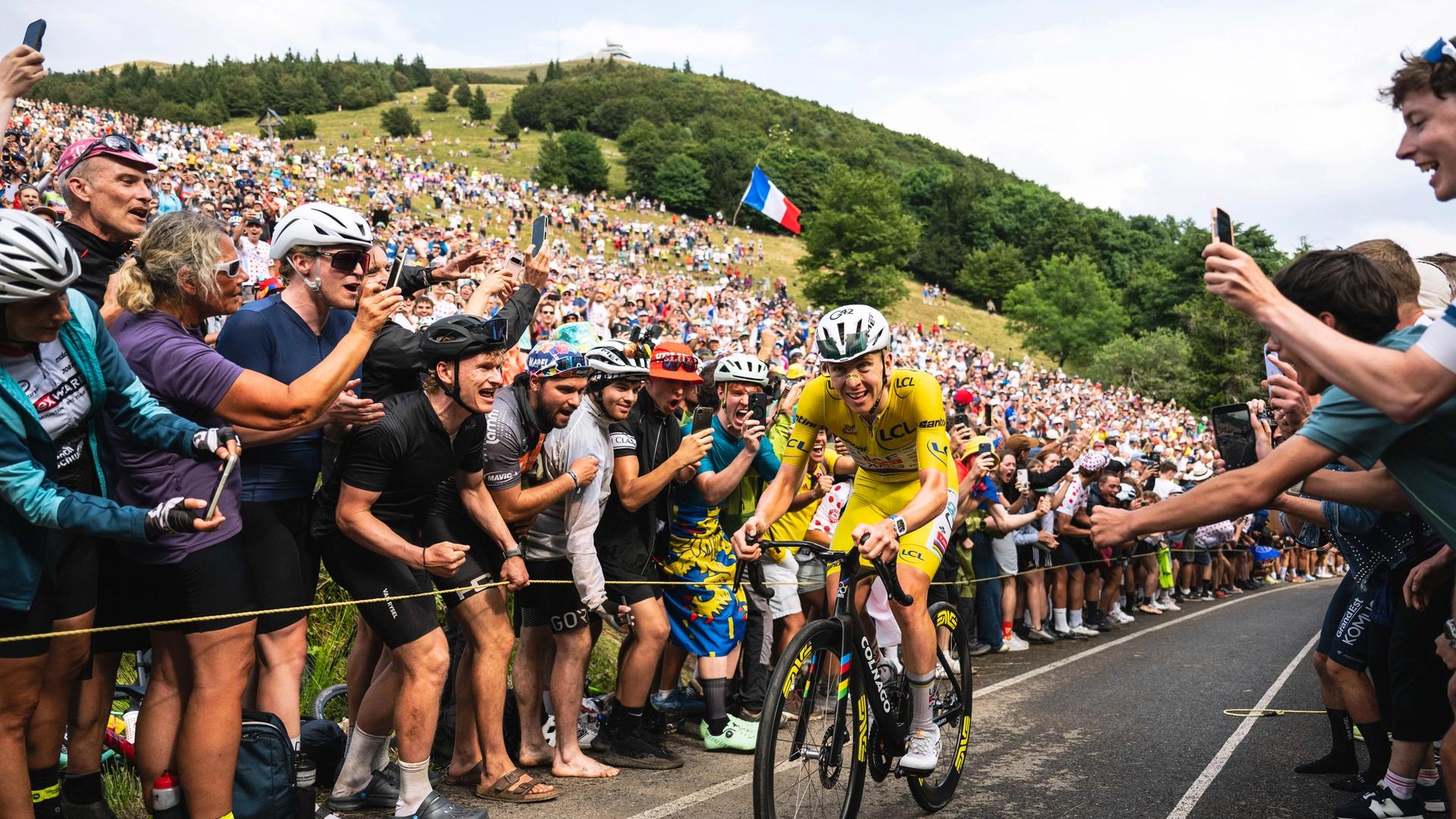
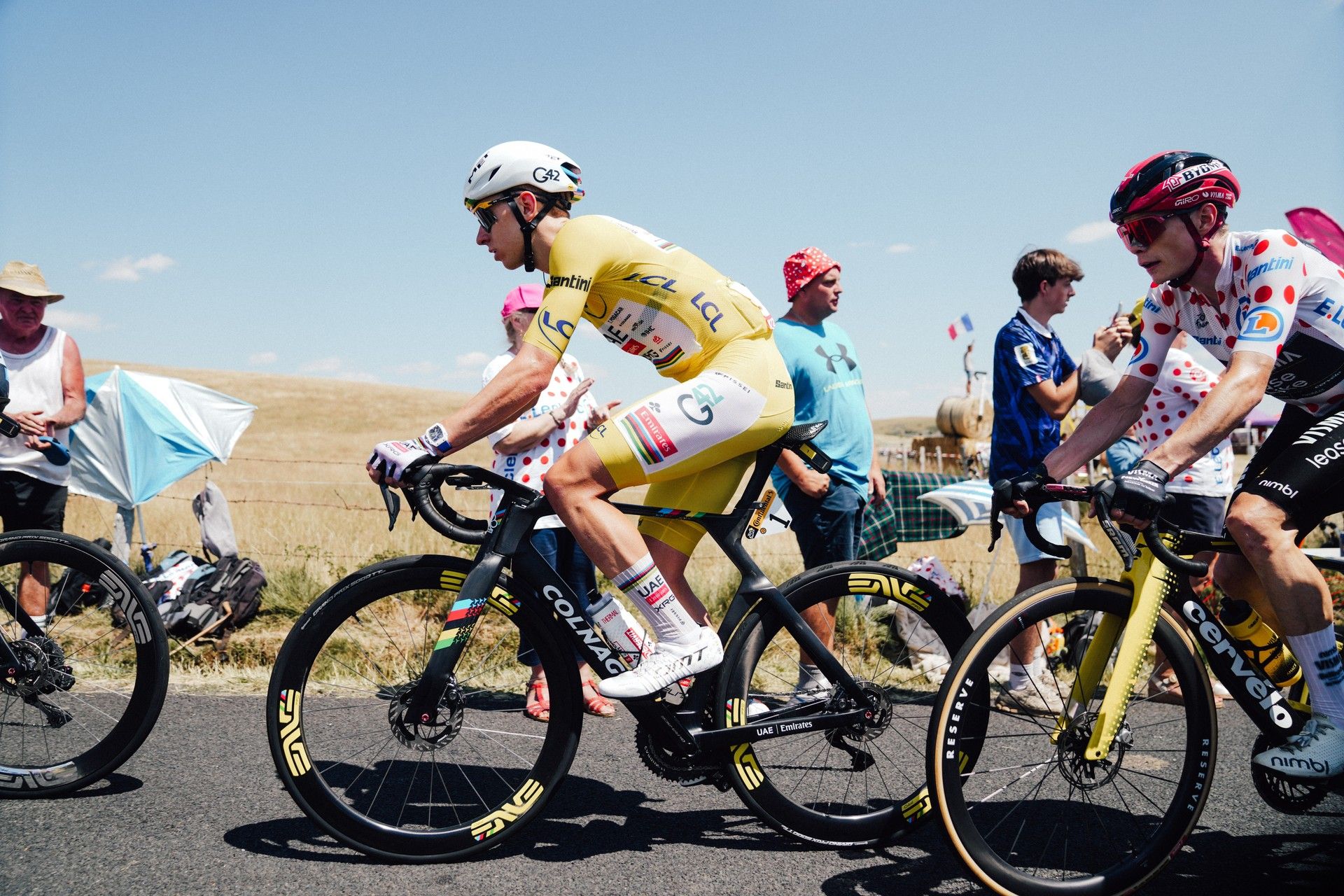
Hansen intervened on Monday evening, July 20, after unannounced overnight controls interrupted the sleep of Tadej Pogačar (UAE Team Emirates-XRG) and Jonas Vingegaard (Visma-Lease a Bike). In his post on X, Hansen wrote:
“We have said, Quality Over Quantity. The riders are directly funding the ITA, and we have repeatedly argued that increasing more tests is not the solution, it is a waste of resources. Instead, those funds should be invested in upgrading testing laboratory equipment.
“Currently, equipment standards vary across different accredited labs. Some are far more advanced at detecting trace elements than others. We want a Quality over Quantity approach, State-of-the-art lab equipment capable of detecting the absolute smallest traces of banned substances. Which means fewer but more precise tests that catch real cheaters while reducing constant harassment of clean riders.”
Hansen also claimed that failing to justify a rider’s whereabouts outside the designated 60-minute window could be recorded as a missed test. Under WADA’s published guidance, however, a missed test concerns a rider’s absence during that daily window; inaccurate or insufficient whereabouts information is classified separately as a filing failure. “Riders are terrified of getting a missed control,” he said, framing that fear as a wider problem rather than one confined to the Tour.
The ITA defends its testing strategy
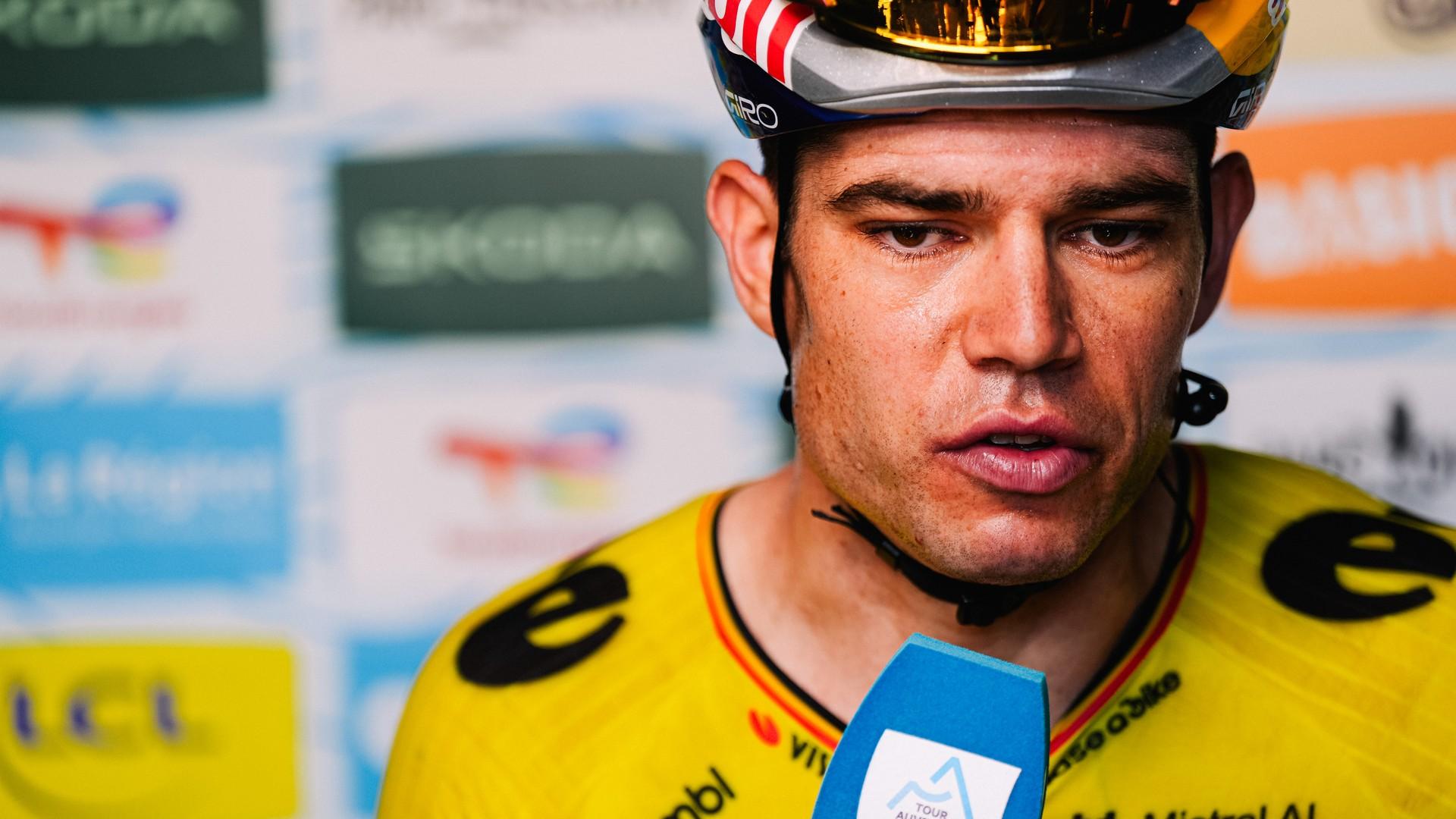
Pogačar said his sample was collected at about 5am on Sunday, July 19, while Vingegaard said he was woken at about 2am. The controls came before Stage 15 and prompted complaints from riders about disrupted sleep and recovery.
The ITA said the tests formed part of its risk-based strategy for the Tour and were permitted under the World Anti-Doping Code, UCI rules and French law. It stressed that selection for an overnight control did not mean either rider had committed, or was suspected of committing, an anti-doping violation.
“Effective testing must, in limited and justified circumstances, be capable of occurring outside standard daytime hours,” the agency said in a statement. It accepted that night testing could disrupt rest but said the effect had been considered and reduced as far as possible.
Hansen later told Velora Cycling that his concern was not that laboratories were currently incapable of detecting prohibited substances, but that continued improvements in analytical sensitivity could reduce the need for overnight testing.
“If the equipment gets improved, then they can find the smallest amounts and the detection window would not be four hours but eight hours or 12 hours and then we do not need these middle of the night tests,” Hansen told Velora Cycling.
Hansen said he was drawing on discussions within the sport over many years rather than citing current laboratory data. “This four-hour number I have heard for decades. I do not know if I believe it’s still four hours or that’s how old the equipment is,” he said, adding that physiological differences between riders could also affect detection windows.
Hansen explicitly argued that if better-equipped laboratories could reliably detect smaller traces over longer periods, officials might have less reason to wake riders for controls at 2am or 5am. However, there is no evidence that inadequate laboratory equipment prompted these specific tests.
An earlier version of the UCI Anti-Doping Rules explicitly identified overnight EPO use as one justification for testing during protected hours. A comment to Article 21.1.2 stated that “it is known that some Riders Use low doses of EPO during these hours so that it will be undetectable in the morning.”
However, a 2021 study reporting an EPO detection window of up to 72 hours suggests that advances in analysis may allow some forms of EPO use to be detected without testing riders overnight. It cannot establish whether the Tour controls targeted EPO, whether its reported detection window was available to the laboratories involved, or whether the findings apply to other dosing protocols, prohibited substances, methods, sample types or testing strategies.
The legal and regulatory basis for such controls, including the exceptional circumstances in which riders can be tested overnight, is examined in Velora’s deep dive into the Tour de France anti-doping rules.