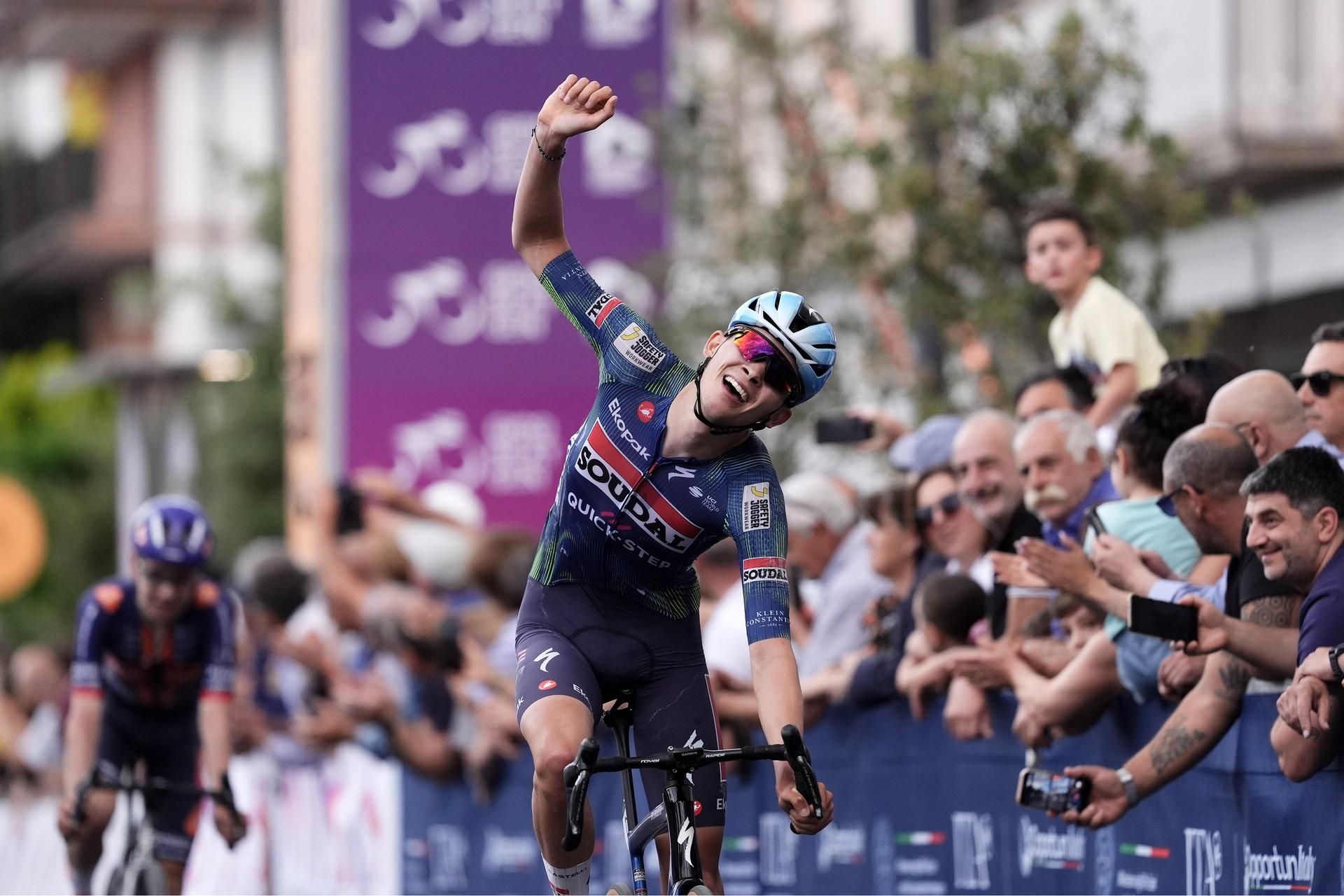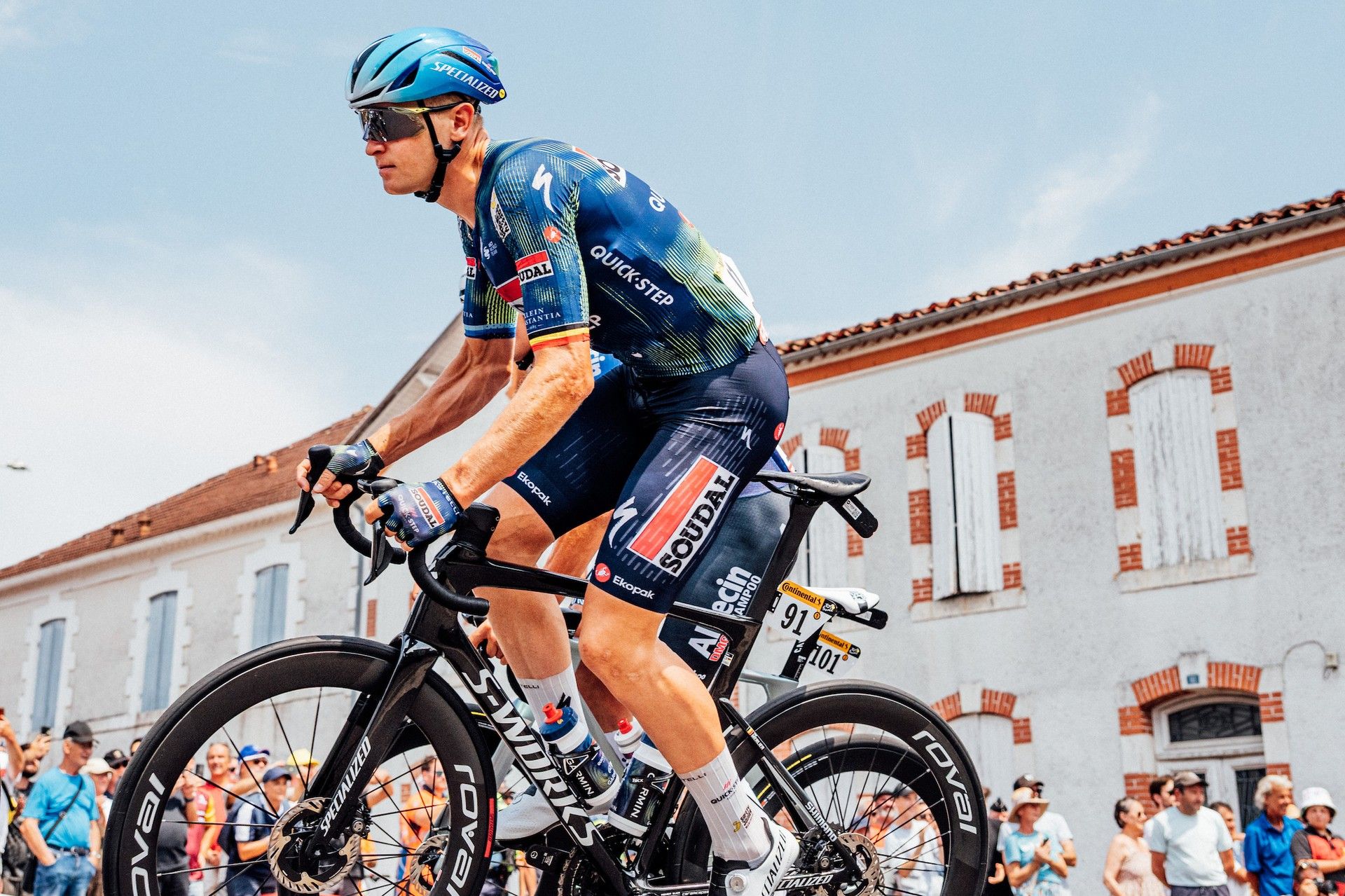
Soudal Quick-Step will race on Merida bikes from 2027 after the team and Specialized confirmed on October 19 that their partnership will end with this season. The relationship lasted 18 seasons and produced more than 800 victories. The women's team, AG Insurance-Soudal, also confirmed that its four-year Specialized partnership will end after 2026 and that it will move to Merida with the men's squad.
The deal returns Merida to the WorldTour after a season without a team at that level. The Taiwanese manufacturer supplied Bahrain Victorious for nine seasons before that team switched to Bianchi for 2026.
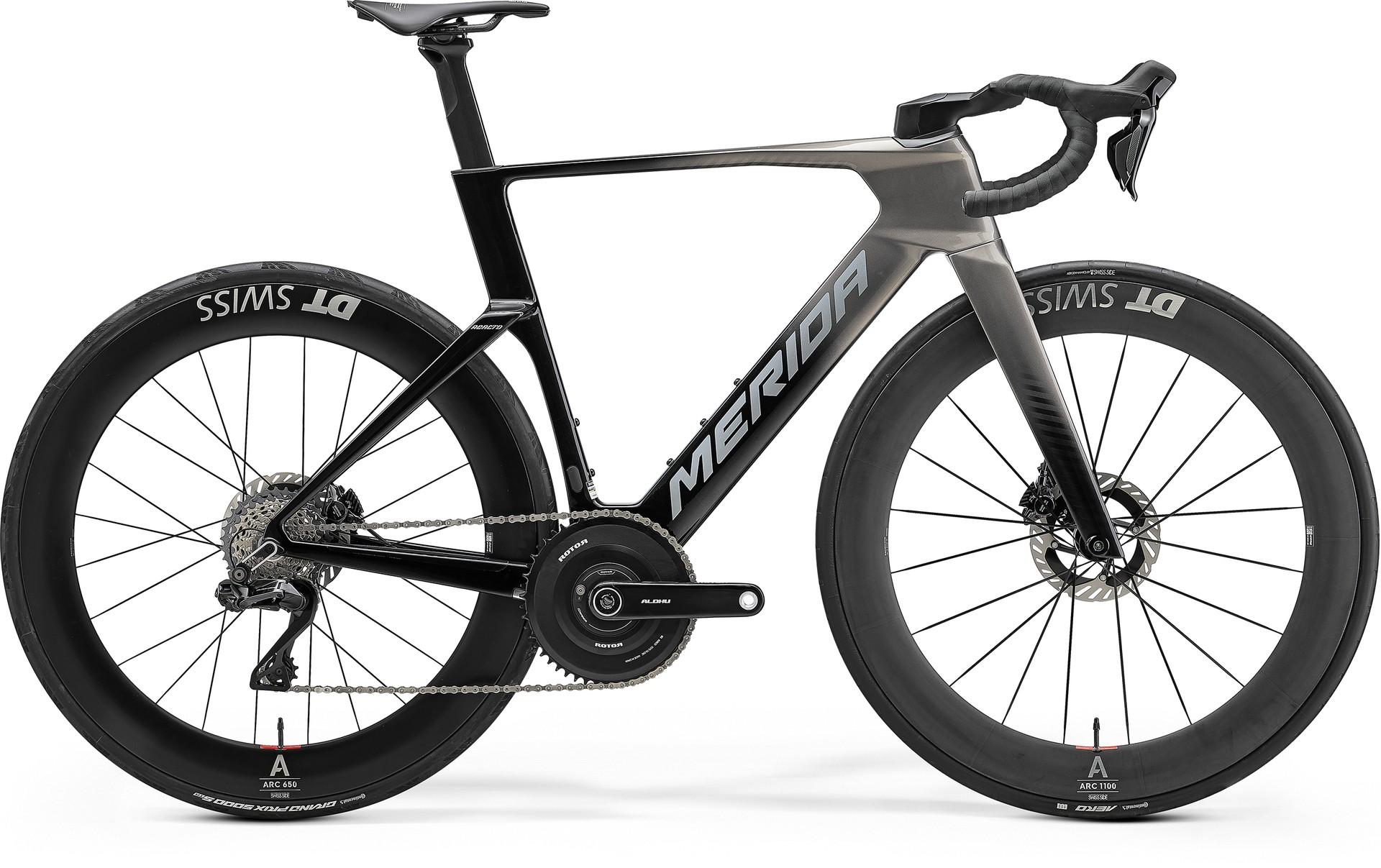
The bicycle agreement runs for four years from 2027, with an option to extend beyond 2030, and covers both teams. The teams named the Reacto as the road platform and the Time-Warp as the time trial bike. The joint announcement also listed a wider set of equipment changes:
- Drivetrains and pedals: Shimano Dura-Ace, carried over
- Wheels: Shimano, with the partnership expanding to Dura-Ace C36, C50, C60, C99 and disc wheelsets
- Tyres: Continental, from the start of 2027
- Saddles: Prologo
- Shoes: Sidi
- Helmets: Lazer
- Bike fitting: Wolf Performance, working with riders and performance staff on positions and setups
- Clothing: Castelli, an existing partner
Merida launched the current Reacto generation in March. Its ten-bike range is topped by the Reacto ONE, which in consumer form is built around Classified's electronically shifted two-speed rear hub and a single front chainring. The team bikes will instead use Dura-Ace drivetrains, though we’d be intrigued to see whether the Wolfpack would consider the Classified 1x setup.
The teams said the selection process took more than a year and involved management and performance staff, controlled testing, wind-tunnel sessions and road testing. They assessed individual products and how each fitted with the partners they were keeping.
"We have been working on this project for more than one year, because decisions around technical partners have a direct impact on the performance of our riders," said Jurgen Foré, Soudal Quick-Step's CEO. "We wanted to look at every element of our equipment package and understand where we could make improvements, while also building on the strong relationships that we already have."
Merida carries out research, design and development in Germany, while engineering and manufacturing take place in Taiwan. The teams said feedback from riders and staff would reach engineers assessing handling, aerodynamics, weight, stiffness and comfort.
The bike change comes on top of a new identity for the men's team, which will race as Soudal Safety Jogger in 2027. The team announced the name change on July 13. Quick-Step leaves the title sponsorship but will support the team until 2030, with its name remaining prominent on the kit. Safety Jogger, a personal protective equipment company based in Oudenaarde, Belgium, first backed the men's team in 2022 and the women's team in 2023.
Soudal has already extended its title sponsorship to 2030, an agreement announced at the team presentation in Calpe on January 8 as the squad returned to a Classics-focused strategy after Remco Evenepoel's (Red Bull-Bora-hansgrohe) departure.
A supplier with a stake in Specialized
The Specialized partnership began in 2007, ran until 2009, paused for 2010 and 2011, and resumed in 2012. In their farewell statements, both the team and the manufacturer cited wins in Monument Classics, Grand Tours and world championships.
Specialized keeps a link to the team's former leader. Evenepoel signed a lifetime Specialized deal in April covering the rest of his professional career.
The incoming supplier also has a financial interest in the outgoing one. Merida Industry Co. owns 35% of Specialized Bicycle Company. That holding hit Merida's 2024 accounts, in which it recorded about NT$3.4 billion (US$105 million) in non-operating losses linked to Specialized. Merida attributed 8% of those losses to "Operation and others" and 92% to a valuation allowance on deferred income tax assets and impairments on retail goodwill and right-of-use assets, and described most of the total as one-off accounting losses.