Professional cycling now has a formal structure for managing extreme weather. The UCI's Extreme Weather Protocol and its newer companion, the High Temperature Protocol, give organisers and commissaires a structured process for modifying or cancelling stages when conditions become hazardous.
The 2026 Tour Down Under provided a high-profile example of the system in action. Extreme heat and catastrophic fire danger triggered the protocol process, resulting in the removal of Willunga Hill from the queen stage. The decision illustrated both the protocol's utility and its capacity to fundamentally reshape racing.
As climate conditions shift, the framework is becoming a routine consideration in race planning, particularly for events in Australia, the Middle East and southern Europe.
Two protocols, one framework
The current system comprises two complementary protocols.
The original Extreme Weather Protocol dates from 2015. It was established following heavy snow at the 2014 Giro d'Italia and intense heat at the Tour of California. The protocol mandates a stakeholder meeting whenever hazardous conditions are anticipated, bringing together organisers, teams, rider representatives and UCI commissaires.
It identifies six categories of extreme conditions: freezing rain, snow accumulation, strong winds, extreme temperatures, poor visibility and air pollution. When any of these are forecast, the protocol requires consultation before racing proceeds.
The High Temperature Protocol was added in 2024 to address heat-related risks more precisely. It uses the Wet Bulb Globe Temperature (WBGT) index, which measures heat stress in direct sunlight by accounting for temperature, humidity, wind speed and solar radiation.
The WBGT system divides conditions into colour-coded zones. White and green zones, below 17.9°C WBGT, require only basic hydration measures. Yellow and orange zones, between 18°C and 27.9°C, ice vests are advised, while organisers increase the number of refuelling motorbikes alongside an increase in hydration zones. The red zone, triggered above 28°C WBGT, can include changing start or finish times, neutralising sections or full cancellation.
How decisions are made
Neither protocol operates automatically. When extreme conditions are forecast, the framework triggers a mandatory meeting of stakeholders. The race organiser, team representatives, rider association delegates and UCI commissaires must convene to review conditions and agree on countermeasures.
This consultative structure means decisions reflect multiple interests: organisers concerned with logistics and broadcast commitments, teams weighing competitive implications, riders focused on safety and commissaires applying regulatory standards.
The process can result in outcomes ranging from minor adjustments, such as earlier start times or additional water distribution, to substantial modifications including shortened routes, neutralised sections or full cancellation.
Case study: Tour Down Under 2026
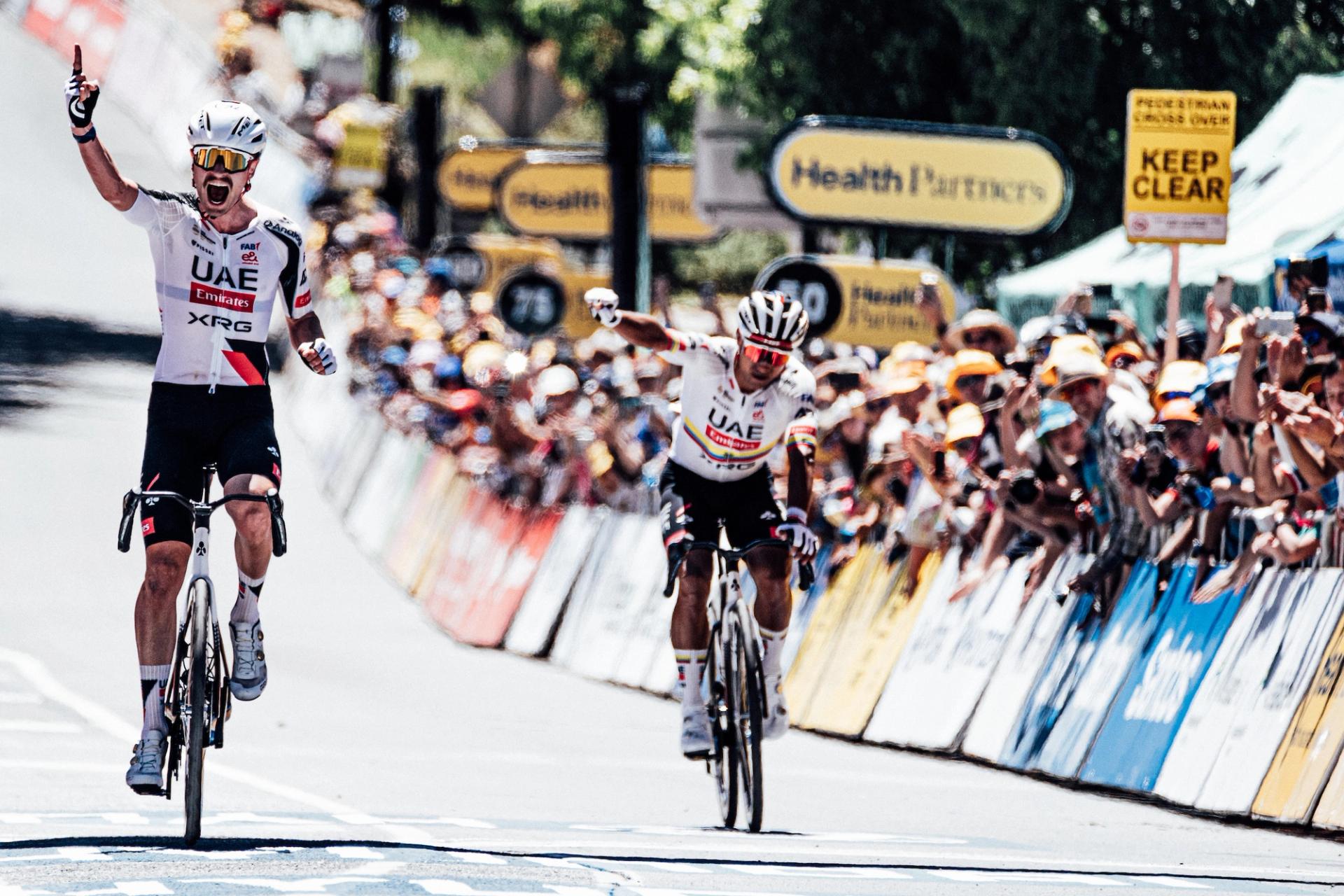 Photo: Zac Williams/SWpix.com
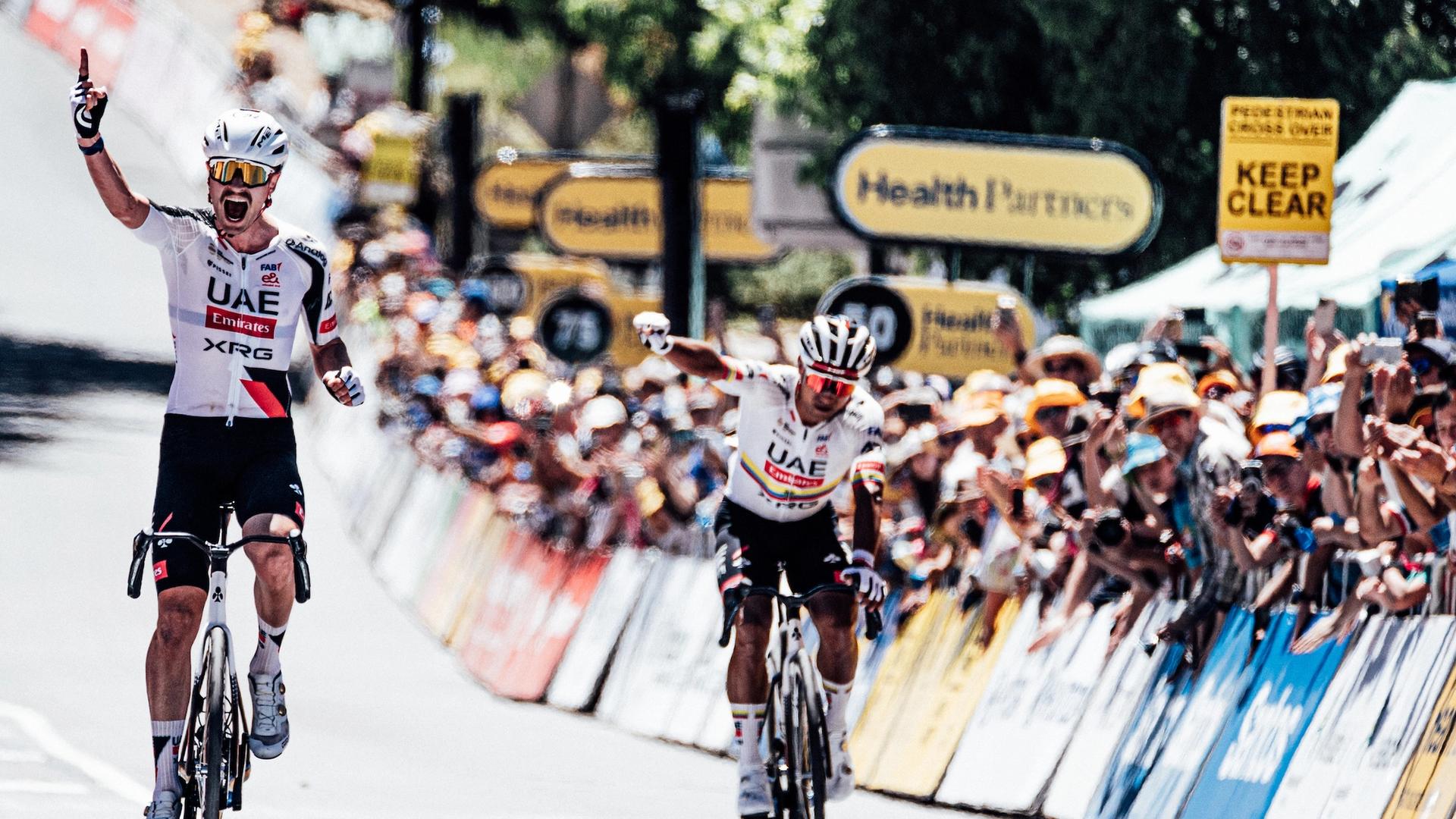
Jay Vine won the Tour Down Under despite losing the opportunity to gain time on the Queen climbing stage, picture: Zac Williams/SWpix.com
The fourth stage of the 2026 Tour Down Under demonstrated the protocol at its most interventionist.
The original route featured three ascents of Willunga Hill, a 3km climb averaging 7%, with a summit finish. Stage 4 was designed as the race's decisive day.
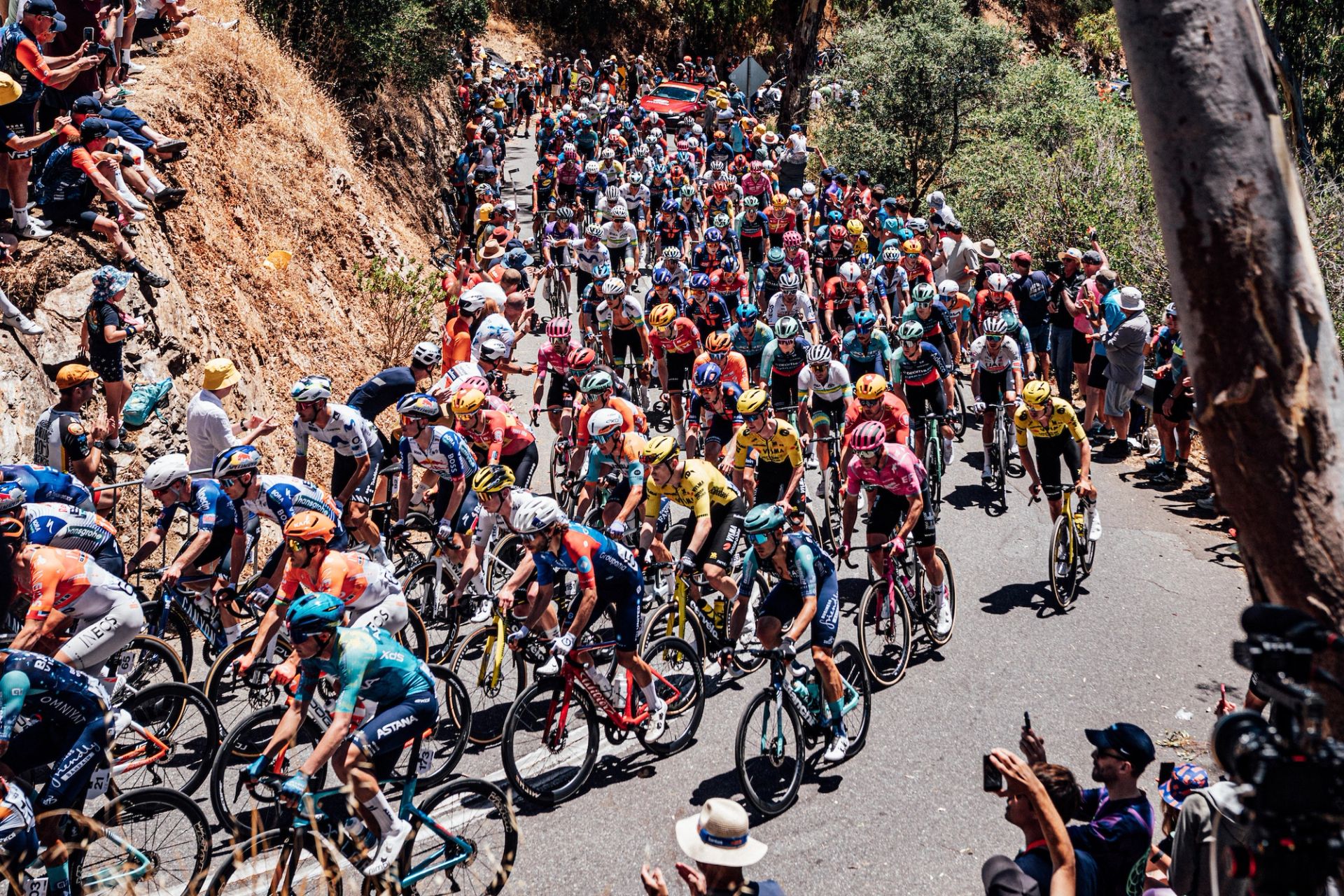
Forecast temperatures of 43°C, later reaching 45°C, pushed conditions into the red zone. An "extreme" fire danger rating for the Mount Lofty Ranges added a second layer of concern.
Race director Stuart O'Grady cited crowd safety as the decisive factor. Willunga Hill's single access road created evacuation constraints that pure heat metrics did not capture. "While the removal of the famous Willunga Hill climb is disappointing news for cycling fans – ultimately rider and spectator safety is always the number one priority for our event," O'Grady said.
The stakeholder meeting, held on the evening of January 22, approved a modified route. The stage was shortened from 176km to 131km. All climbing was removed. The start time moved forward by an hour. The finish relocated to Willunga township at the base of the hill.
The protocol preserved the race while removing its defining competitive feature.
Sporting consequences when protocols are triggered
Protocol interventions can alter the competitive character of affected stages. The Tour Down Under illustrated several patterns likely to recur elsewhere.
When climbing is removed, teams built around pure climbers lose tactical options. Race leader Jay Vine (UAE Team Emirates-XRG) was unable to use Willunga's gradients to distance rivals. His team adopted a defensive posture on flat terrain.
Flatter courses encourage aggressive riding from those out of general classification contention. Luke Plapp (Jayco AlUla) joined a breakaway that briefly held the virtual race lead before being caught 20km from the finish.
Extreme conditions still take a physical toll even on shortened stages. UAE Team Emirates-XRG lost key riders Jhonatan Narváez and Vegard Stake Laengen to crashes in the 45°C heat, weakening the leader's support structure.
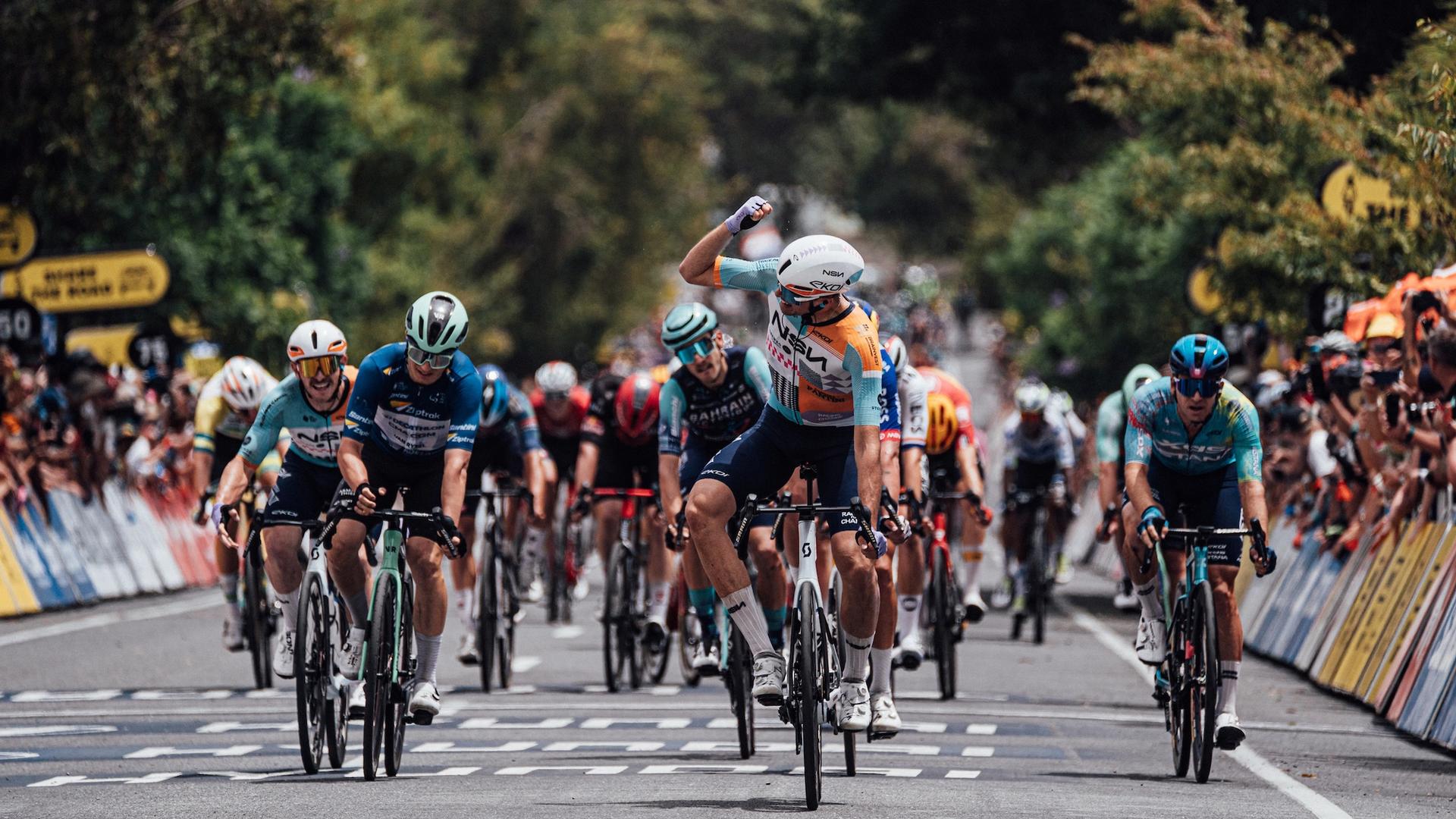
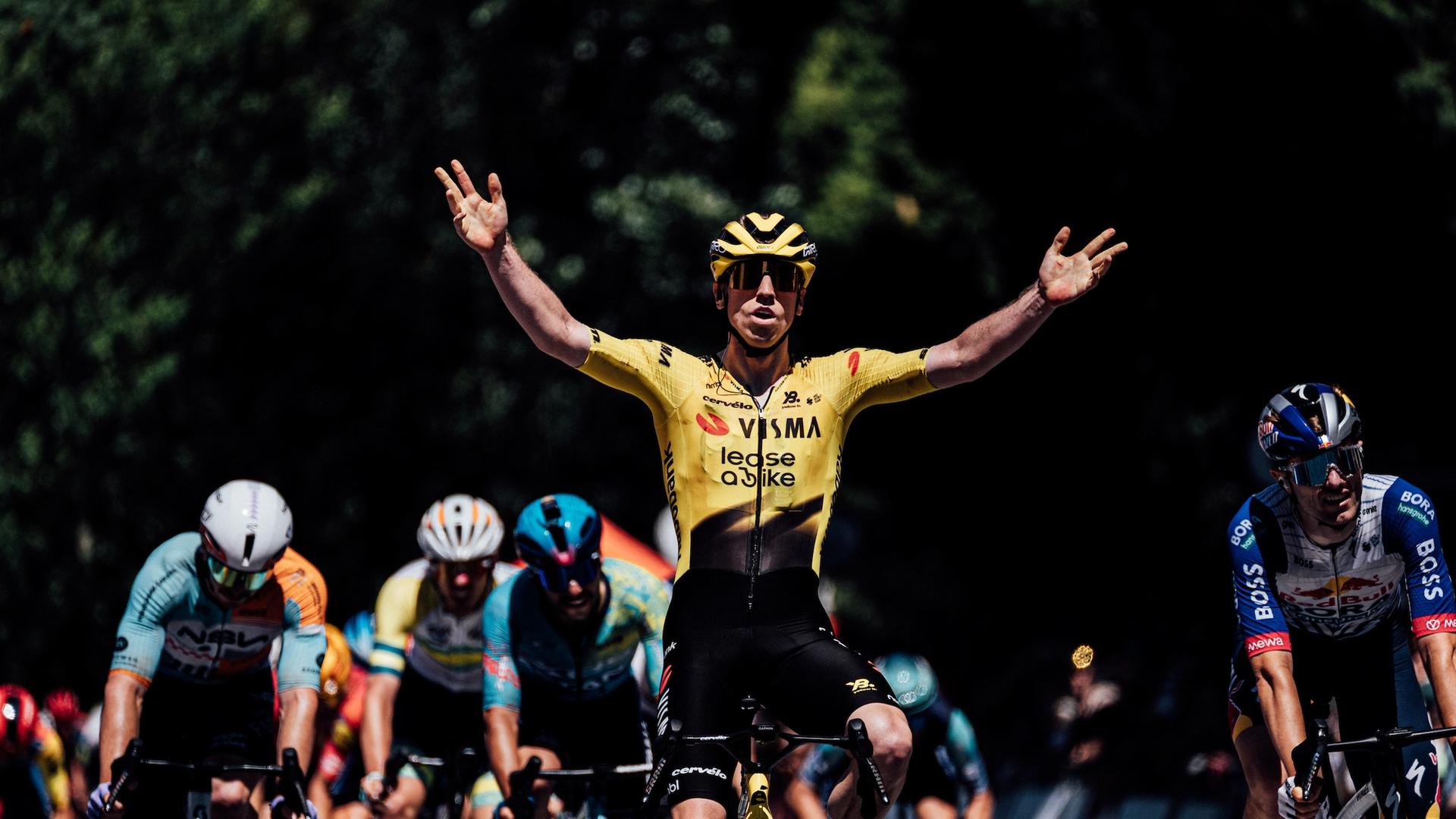
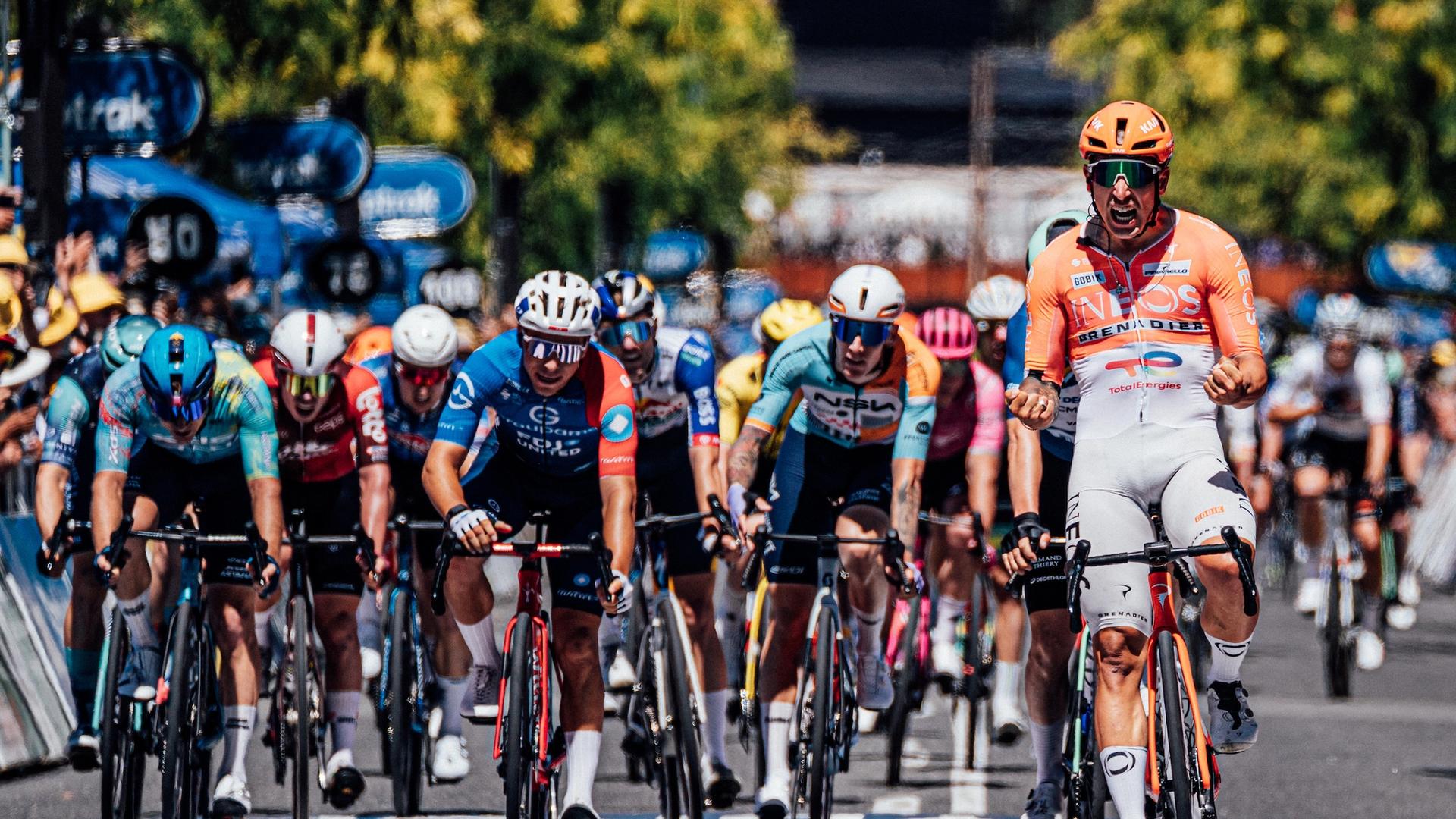
Ethan Vernon (NSN) won a reduced bunch sprint. "The boys did a really good job keeping me cool," Vernon said, making clear that the heat was the day's main antagonist. "I saw guys suffering and I just kept calm."
Implications for race design
The protocol framework is beginning to influence how races are planned, not just how they respond to emergencies.
Organisers at races in hot climates may increasingly pre-build alternative routes to satisfy protocol requirements. Having a "Plan B" stage allows faster decision-making when conditions deteriorate.
Queen stages and summit finishes may be routed with evacuation access in mind. Climbs with single access roads present liability concerns that WBGT readings alone do not capture. The Willunga decision suggests that remote or constrained finishes carry protocol risk beyond heat exposure.
Start times can shift earlier when protocols mandate reduced exposure to peak afternoon temperatures. This has broadcast implications for European audiences watching Australian and Middle Eastern races.
Roster construction and race selection may also adapt. When protocols can remove climbing at short notice, teams may reconsider how heavily to weight pure climbers at vulnerable events.
Climate context
The protocols exist because extreme conditions are becoming more frequent. Analysis cited by World Weather Attribution indicated that human-caused global heating has made January heatwaves in Australia five times more likely.
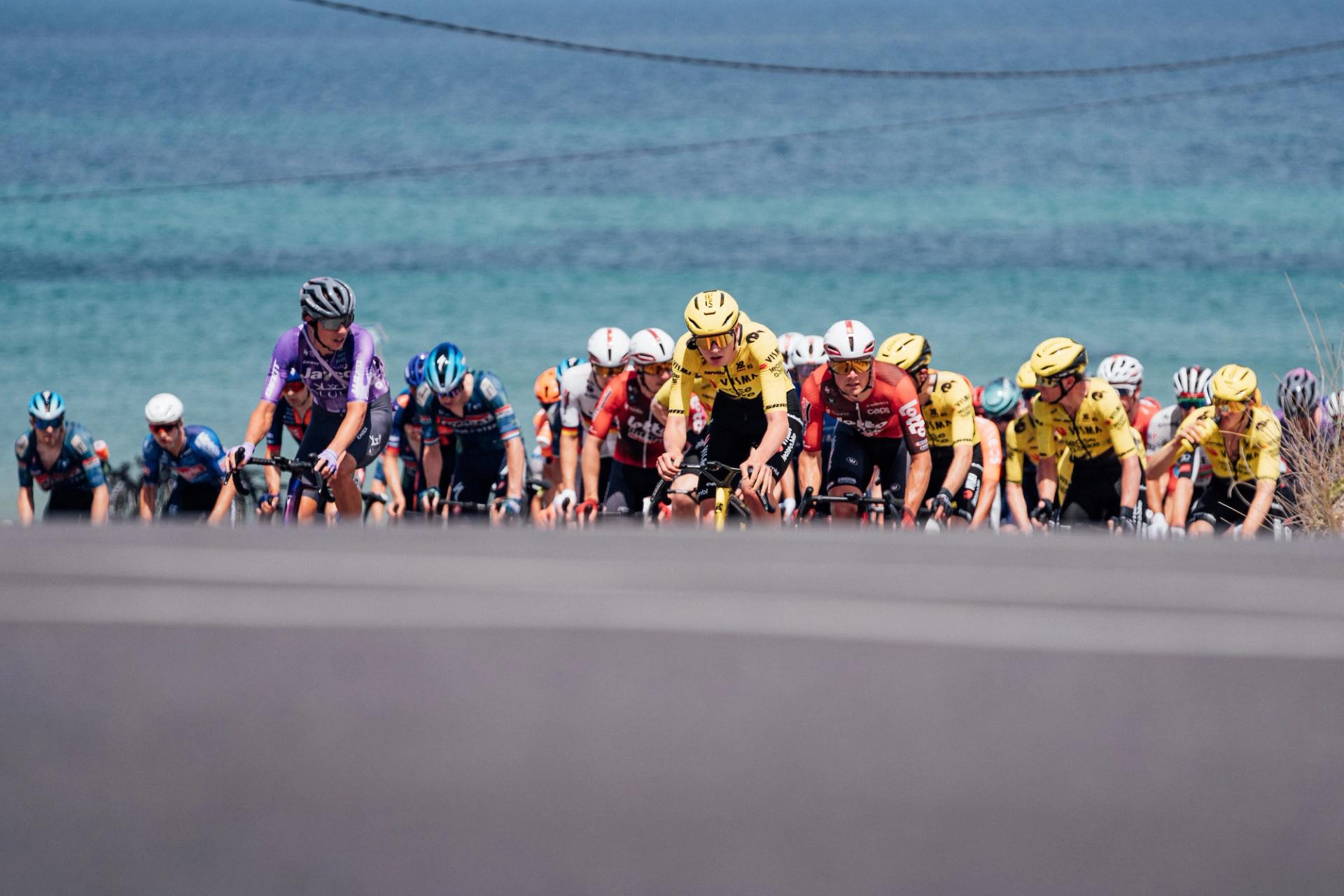
Image credit: Williams/SWpix.com
This statistical shift increases the probability of future protocol interventions. Races scheduled during historically hot periods face elevated risk of last-minute modifications.
The 2026 Tour Down Under also highlighted tensions around fossil fuel sponsorship. Environmental groups and some riders, including Brodie Chapman and Cyrus Monk, argued that a climate-driven heatwave exposed an uncomfortable reliance on oil and gas funding from title sponsor Santos.
As protocol interventions become more common, scrutiny of sponsorship relationships is likely to intensify.
A framework for an uncertain future
The UCI's weather protocols provide a structured response to conditions that would once have been managed ad hoc. Stakeholder consultation, standardised heat metrics and clear decision thresholds give the sport a defensible process for protecting rider and spectator safety.
The trade-off is that iconic stages and decisive race moments can be stripped away at short notice. The 2026 Tour Down Under showed that protocols can preserve racing while fundamentally changing its character.
For organisers, the framework creates new planning constraints. For teams, it introduces tactical uncertainty. For the sport as a whole, it represents an acknowledgment that the climate in which professional cycling operates is no longer predictable. Perhaps that may give way to major shifts in the calendar if the pace of climate change continues.