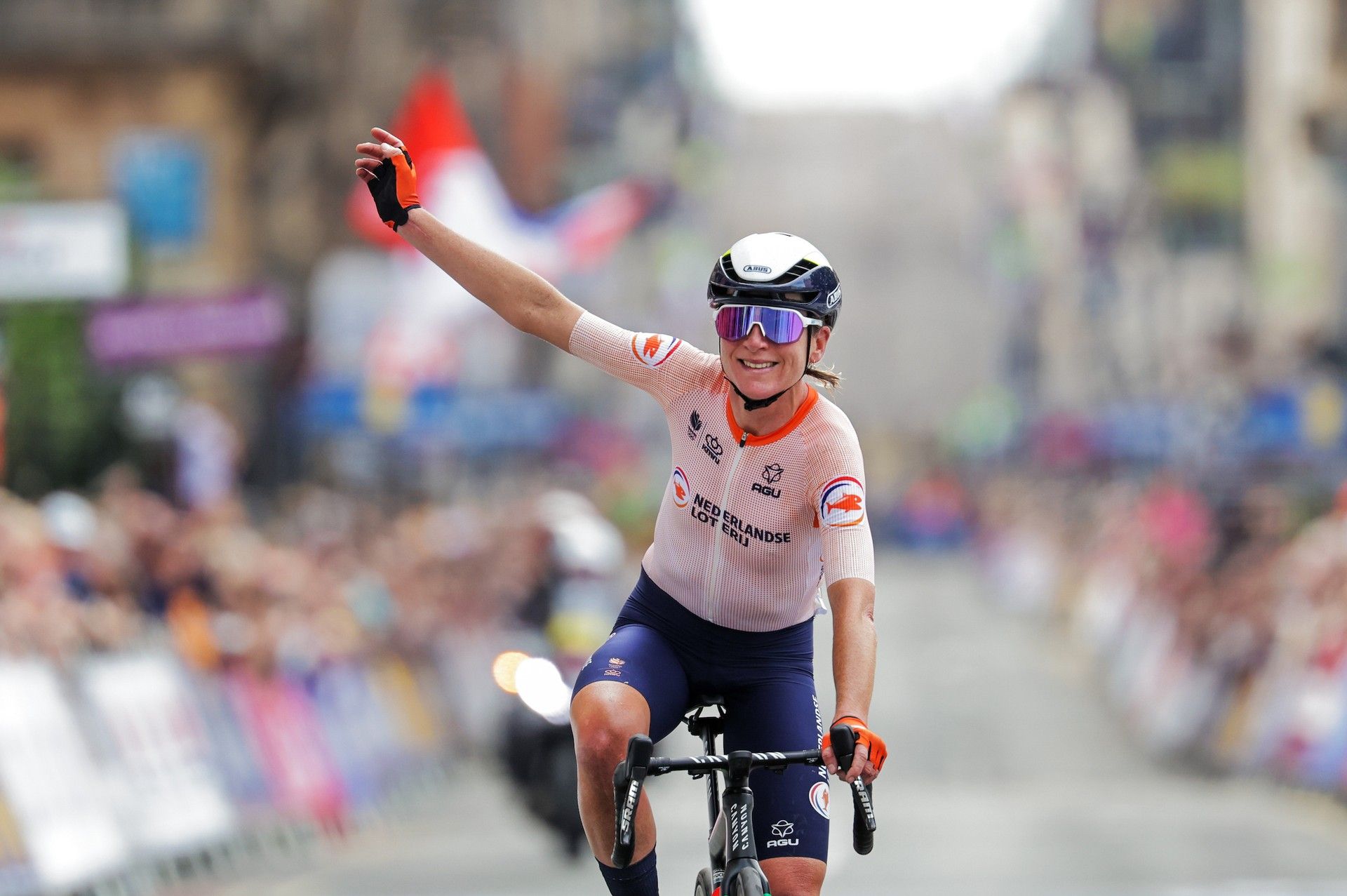
Annemiek van Vleuten and Tom Dumoulin have criticised the International Testing Agency's proposed "data passport," saying on the NOS Wielerpodcast on Friday that power data alone is too unreliable to detect doping and would pile further stress on riders.
The ITA has described the project as a longitudinal performance-monitoring tool, currently in a two-year feasibility trial with four voluntary teams, designed to guide targeted testing rather than serve as standalone proof of doping use.
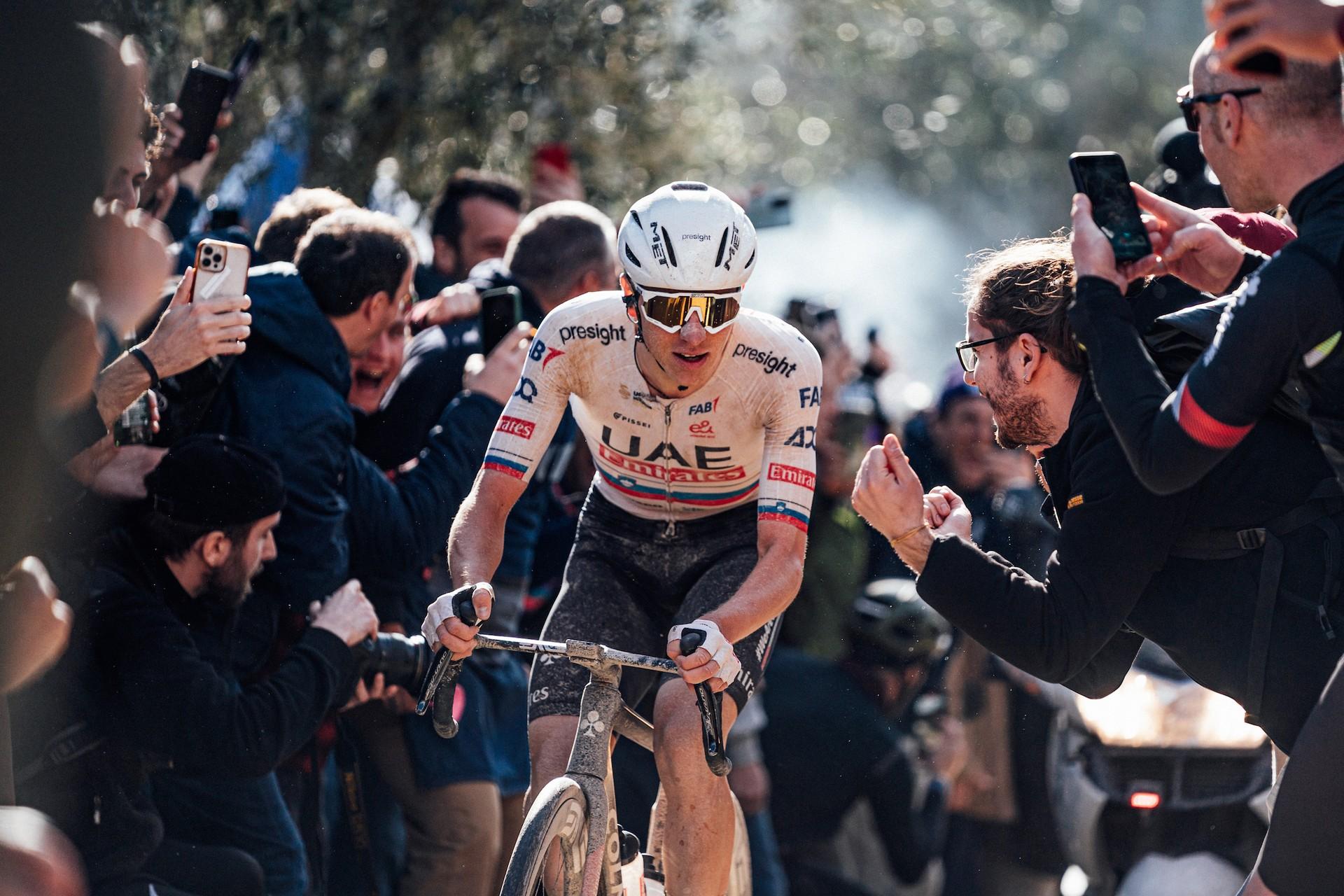 Photo: Zac Williams/SWpix.com
Van Vleuten called the proposal a "very bad plan", arguing that too many variables, from equipment changes to environmental conditions, contaminate power files to the point where they cannot function as credible anti-doping evidence.
"Data alone can't tell you if someone is doping," she said. "A coach might have a rider train a little less hard, or there might be fatigue, or there might be personal circumstances at play."
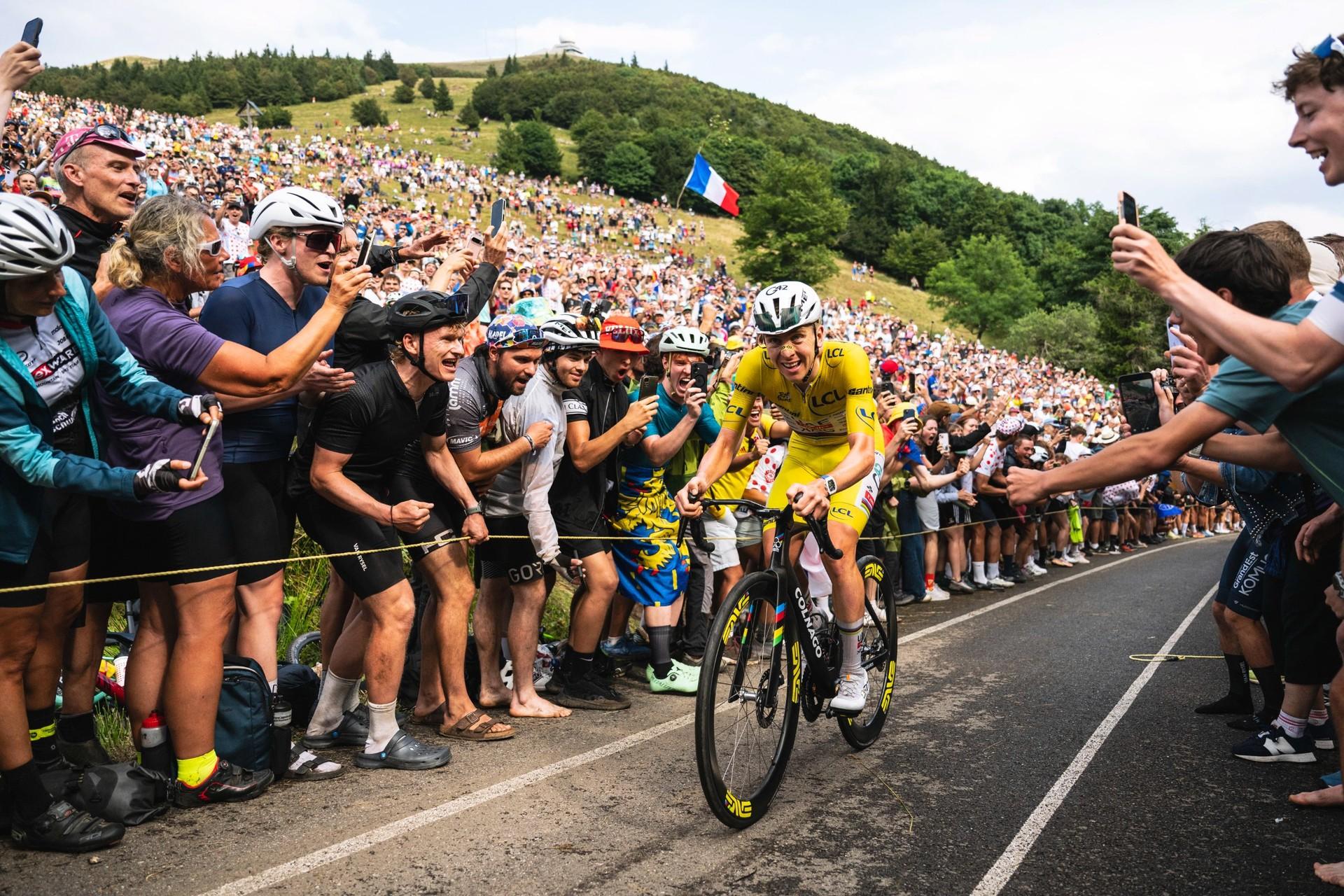
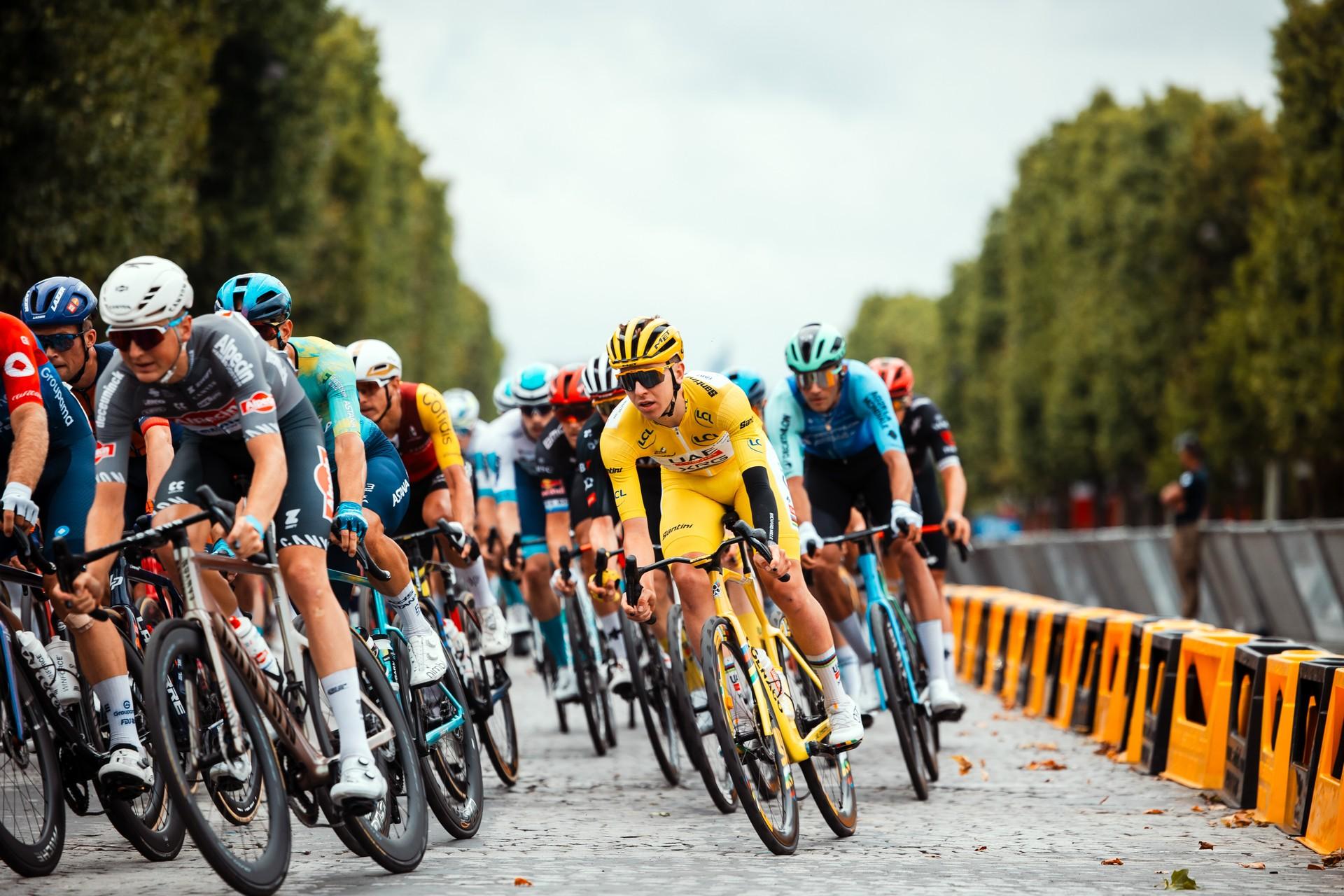
Dumoulin cited Tadej Pogačar's (UAE Team Emirates-XRG) performance at the 2026 Strade Bianche on March 7 as a case in point. Pogačar reportedly averaged around 380 watts during his 80km solo attack, a rise of roughly 40 watts over his winning efforts in 2024 and 2025. Dumoulin said that kind of leap can happen through training and development, yet an algorithm monitoring longitudinal data could flag it as suspicious.
Both former riders warned that layering another surveillance mechanism onto an already heavily monitored sport would contribute to athlete burnout, a concern echoed by the riders' union CPA. Its president Adam Hansen told the Domestique Hotseat podcast that the CPA is "100% against this and as are the riders" questioning what happens when a rider's computer fails mid-ride and data cannot be submitted.
The ITA has called such concerns "unfounded," saying missing individual files would not automatically trigger suspicion and that the tool examines career-long trajectories rather than isolated spikes. In its July 2025 announcement, the agency said it was "combining targeted testing with advanced analytical tools" including "performance monitoring initiatives" to protect the sport's integrity.
The dispute sits at a familiar fault line: the ITA's push for more intelligence-led testing against riders' fear that noisy, context-dependent performance data could become another source of pressure in an already scrutinised profession.