When Tsgabu Grmay told people in 2011 that he wanted to race the Tour de France, they looked at him like he was delusional. No Black African rider had done it. No East African had come close. "You could see their reaction," Grmay said in an interview with Velora. "It's just like: it's hard, it's impossible."
He did it anyway, three times, along with four editions of the Vuelta a España and an Olympic appearance for Ethiopia, the country's first in cycling in 44 years. Now retired from racing, Grmay is sports director at Team Amani, the first women's Continental team based in Africa, and manager of its men's programme. The ambition he once held for himself has scaled up: a full African team at the Tour de France Femmes by 2028, built on a budget a fraction of what European teams spend.
The project already has traction – the team attracted media attention and major sponsors back in 2020 when it first expanded its high performance goals. This year has seen a strong start amid renewed ambitions. At February's Tour of Rwanda, Amaniel Teweldemedhn Desta finished fourth overall, 3:13 behind winner Moritz Kretschy, in a field that included development squads from Soudal Quick-Step, Lotto-Groupe Wanty and others. Three more Team Amani riders placed inside the top 26.
At the Tour of Antalya in Turkey this month, Desta finished 10th on GC with three teammates in the top 20. The newly formed women's squad opens its first European block on April 19 at the Grand Prix Féminin de Chambéry, with racing through to the Volta Ciclista a Catalunya Femenina in late June.
Results are arriving ahead of schedule. "Top 10 was a big goal" at Rwanda, Grmay said. "We ended up fighting for podium." But he is careful not to oversell the position. "There's so many things we need to work behind the scenes," he said. "We need proper soigneurs, proper doctors, proper mechanics, proper coaches."
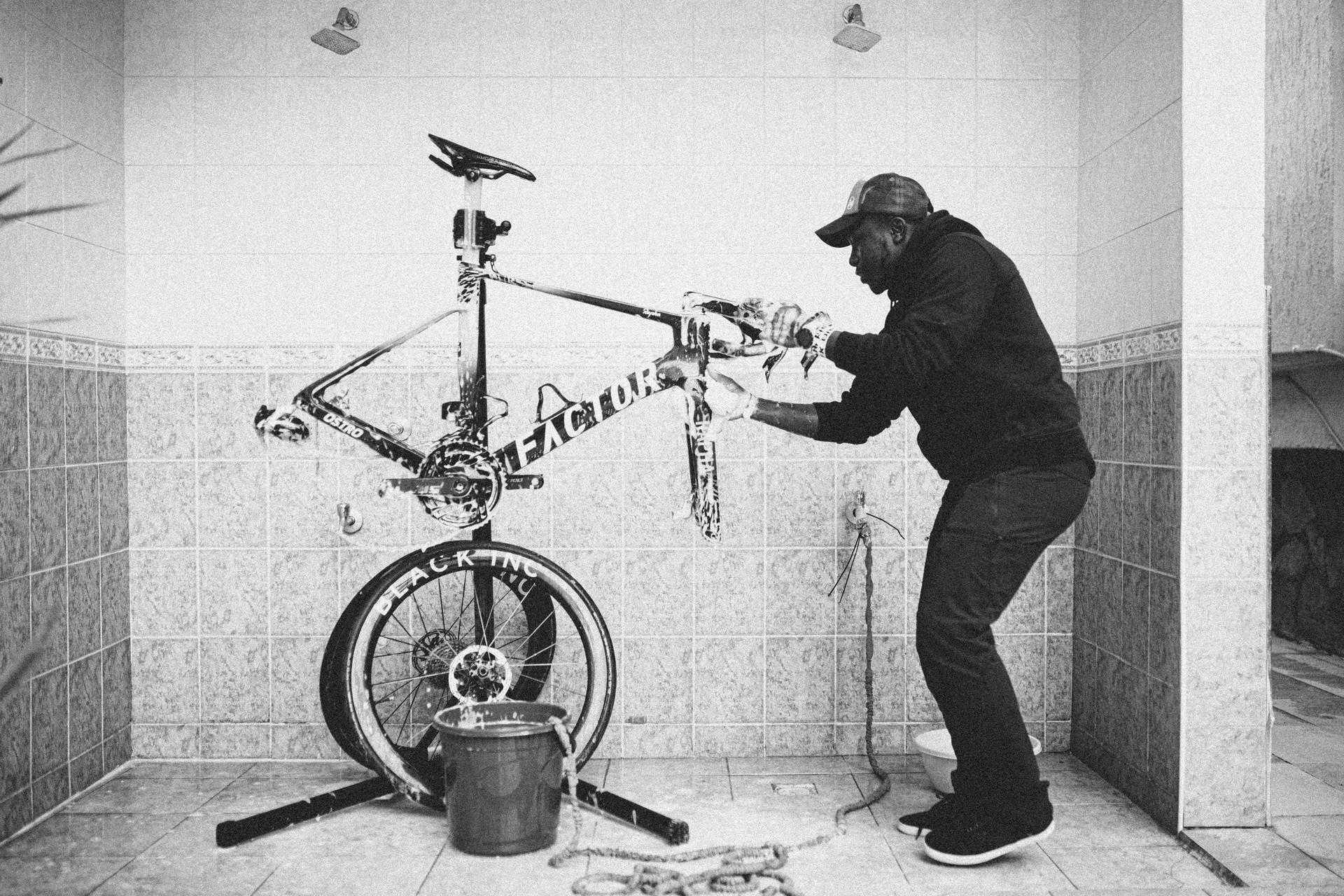
The gap between how Team Amani looks in photographs and how it functions behind the scenes is the main tension of the project. Through partnerships with Factor, Rapha, SRAM, Fizik, POC and Wahoo, the team rides equipment that matches anything in the professional peloton. "When I see the Factor bike, the wheels we have, the setup we have, it blows my mind," Grmay said. "I am just in East Africa, and I have the same bike that Israel [Premier Tech] was riding."
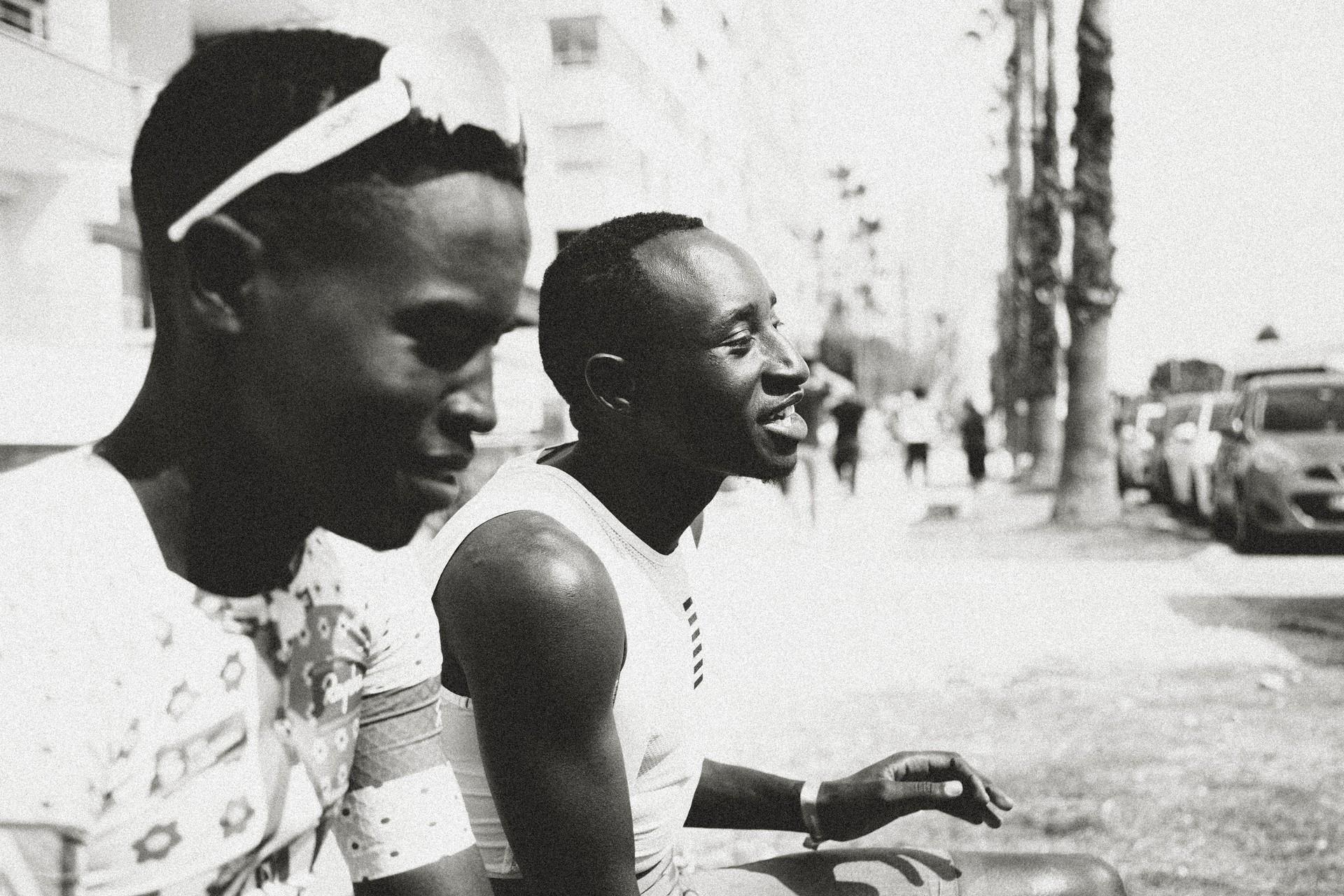
Factor's partnership began in 2022, replacing equipment that the brand said was "in poor condition or far below the level of their competitors' bikes." Grmay describes Factor and Rapha as more than kit suppliers. "They help us with everything," he said. "Not only giving us bikes, giving us also money to be able to travel and to hire the people." Without those partners, he said, the team would not exist in its current form.
But the operational reality remains stretched. Grmay and a head coach handle all performance work across both squads. On the women's side, Grmay finds himself managing everything. The team has no service course in Europe, no permanent base on the continent, and only six women competitive enough to race UCI events. Grmay emphasises that one injury could reduce their European roster to a level where racing becomes difficult.
Grmay's argument is that the team does not need to replicate the infrastructure of a WorldTour operation. He estimates that a well-run ProTeam could be built for around $5 million, a figure he contrasts with the $20 million minimum that European peers cite. "We don't want 200 people," he said. "We just need really basic things to be able to become a WorldTour athlete. We need the best coaches. We need to have the best doctors. We need to look after the athletes' health. And we need to have the best soigneurs, best mechanics, and sport directors, all possibly from Africa."
He draws an analogy with distance running, where East African athletes travel to Europe with a small entourage, compete at the highest level, then return home to train at altitude. "What they do is just win the marathon," he said. "We kind of have a similar idea."
It is also untested at the level Team Amani is aiming for. Cycling demands more logistical depth than marathon running: vehicle support, race-day mechanics, multi-day accommodation, medical cover, and the tactical intelligence that comes from months of European racing. Whether a lean budget can stretch across all of that while developing young riders remains an open question.
The adaptation that matters most
Grmay's own career illustrates why physiology alone is not enough. He grew up in Tigray, where his father was among the country's earliest competitive cyclists in the late 1960s. His brother raced locally. Grmay followed, obsessed with the sport from childhood, sticking magazine photos to his bedroom wall and watching every race he could find.
The Tigray capital of Mekelle has an altitude of more than 2,250m, and like many African riders Grmay was raised with the benefit of altitude and the physiological markers which come with it. "I still feel like we're not exactly clear on what the benefit is for people who have grown up in altitude," he says.
The physical talent was never the problem. When he moved to Europe, the shock was everything else. "The language, the communication, the racing style, the peloton size, the road size," he said. Racing in Africa meant wide national roads and pelotons of 60. In France and Belgium, he found narrow lanes through towns, 150-rider fields, freezing rain and descents he had never imagined.
Some of his contemporaries abandoned cycling altogether. Grmay describes teammates and training partners who arrived in Europe and chose to stay as refugees rather than continue racing. "They come to teams, they just run away," he said. "People were telling me, 'You are in Europe, just run away, don't come back.'"
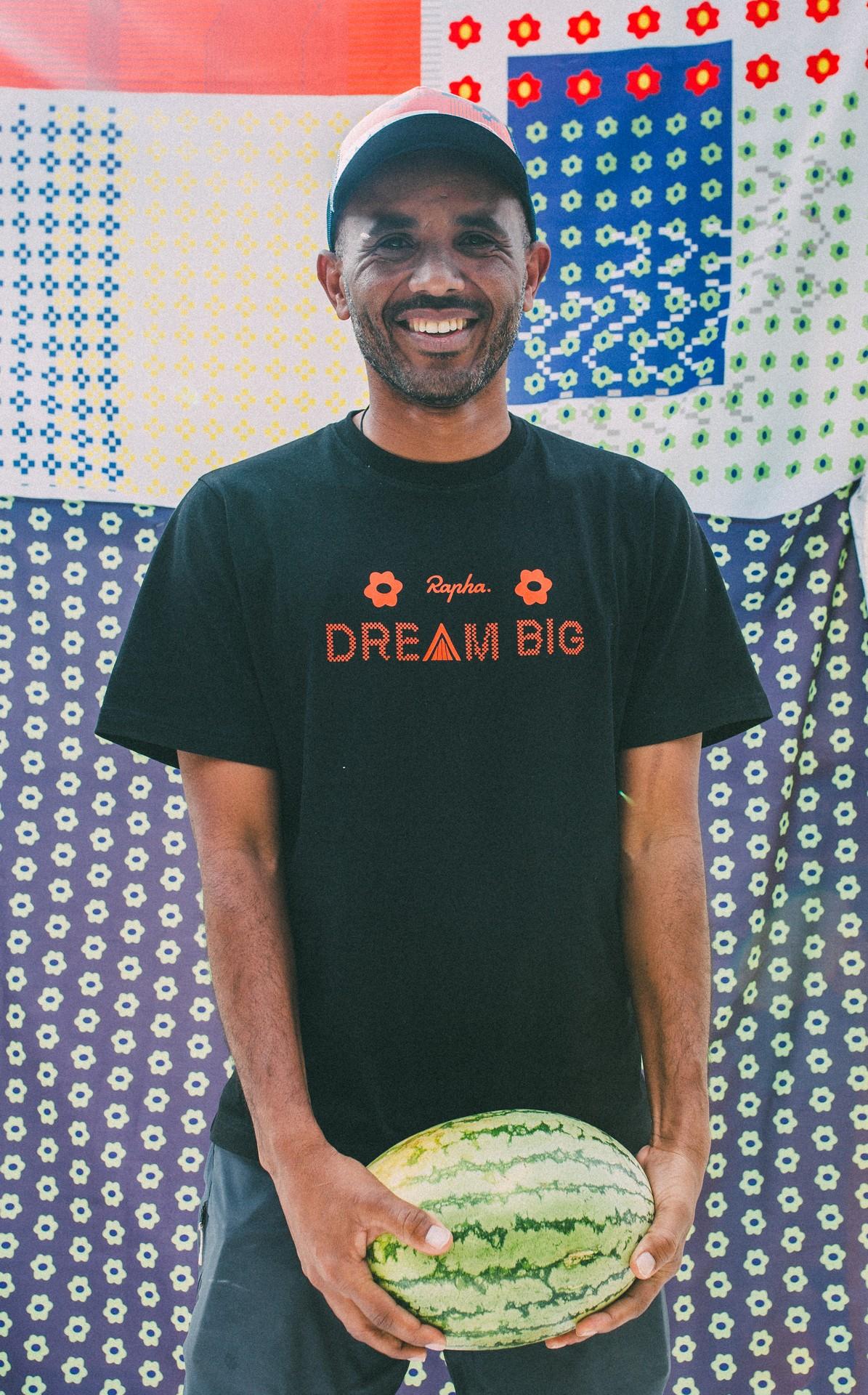
Tsgabu Grmay, Team Amani Women’s Team Director
He refused. A result at an under-23 race in Tuscany gave him the confidence that he could compete. Step by step, through Continental and ProContinental teams, he built the career that culminated in three Tours de France. "The biggest thing that happened in that moment is I didn't give up," he said. "I was just: no, I'm going to face it."
That experience now shapes how Team Amani prepares its riders. Grmay knows the European peloton will test his athletes in ways they cannot simulate in East Africa. For the women's squad heading to Chambéry in April, he anticipates arriving with one car, one camper van, and riders who will struggle with descending and positioning. "If it happens, it's part of the process," he said. "We are ready to do that."
The women's project carries the team's most visible ambition. Grmay said the team has tested riders producing 5.2 to 5.3 watts per kilogram for 20 minutes, numbers he believes place them among the top 20 to 30 climbers in women's cycling. The women's peloton is smaller, the jump from Continental to WorldTour-level races is more immediate, and the development window is shorter. That is why the 2028 Tour de France Femmes target sits on the women's side rather than the men's.
The men's programme, by contrast, is focused on Africa and Asia for now. "We still believe it's a bit far from being able to come to Europe because the level is too high and the gap is big," Grmay said.
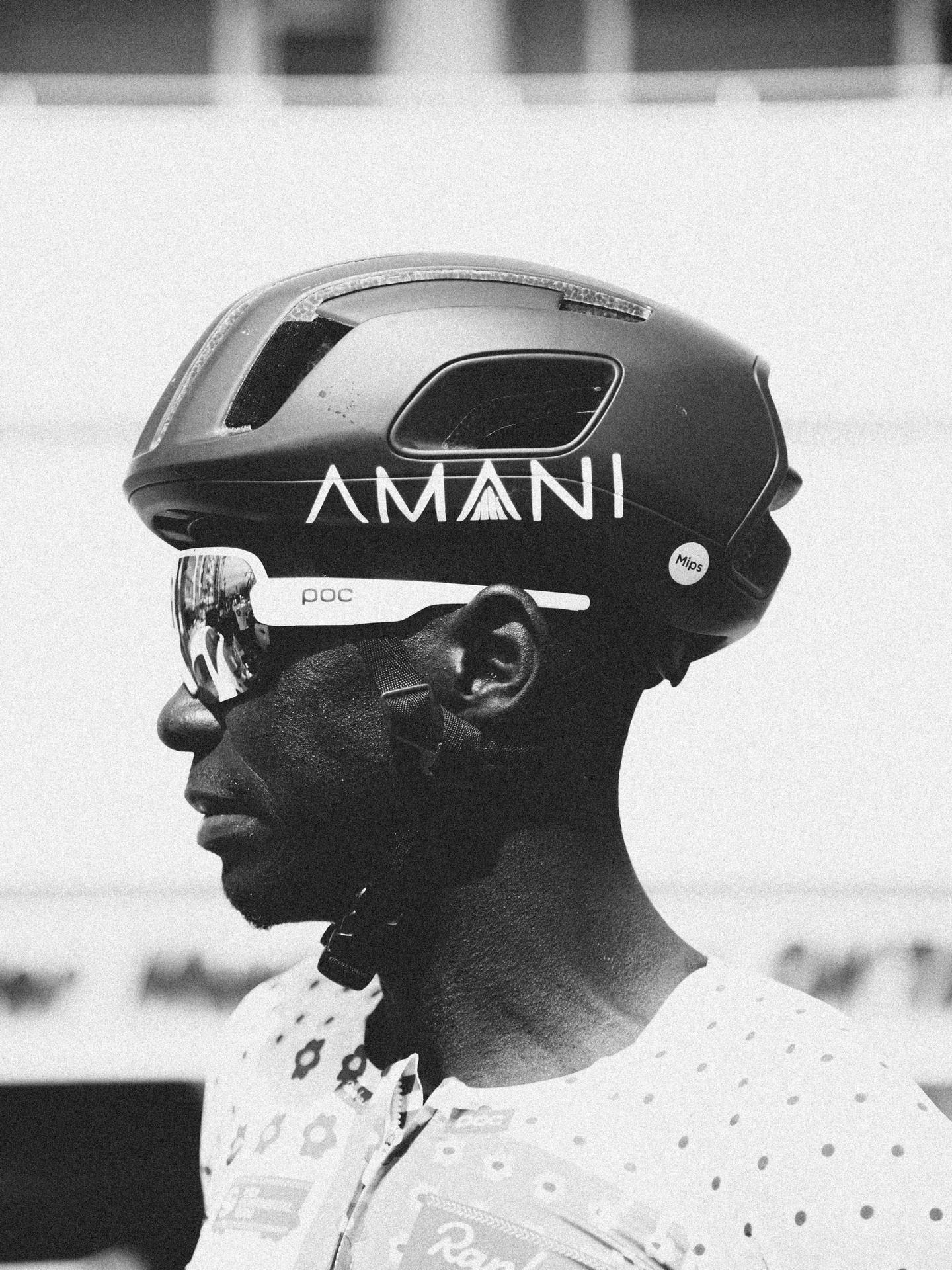
Culturally, the terrain varies across the continent. In Eritrea, Grmay said, cycling is deeply embedded. "They sell their houses, they sell a lot of things to be able to buy a bike for their children." In Ethiopia, running still dominates. Grmay was the only Ethiopian cyclist to reach the top level, and the sport remains a secondary path for families seeking a way out of poverty. In Kenya, where Team Amani is based, the team runs a development camp designed to draw young riders in.
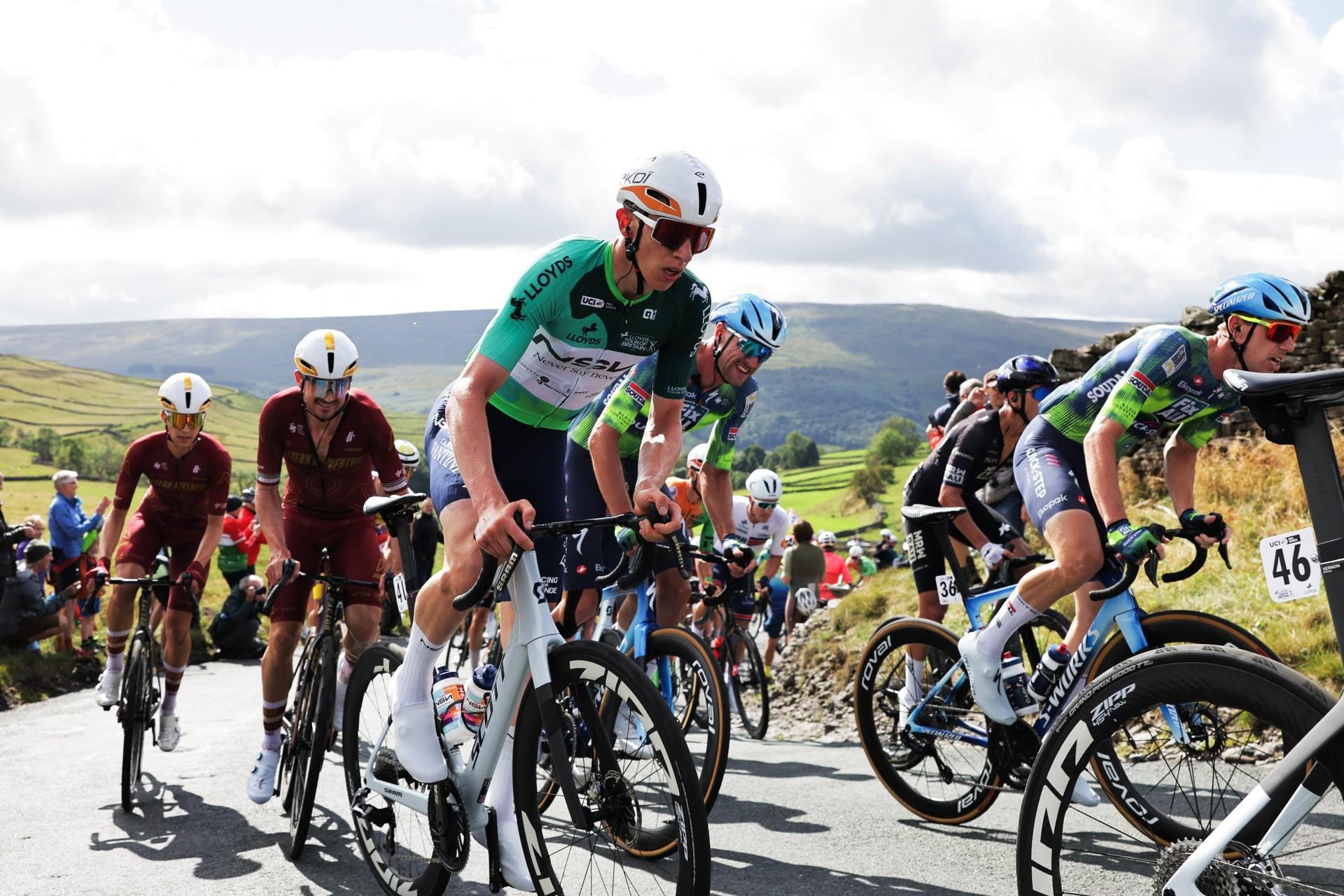
Biniam Girmay (NSN Cycling), the former green jersey winner, is the rider Grmay identifies as the most powerful current example for young Africans. "The result what he did, I wasn't even expected that someone from Africa is gonna do it," Grmay said. As a 13-year-old, Girmay waited at the airport to welcome Daniel Teklehaimanot home from becoming the first Black African WorldTour rider. Now young East Africans watch Girmay win sprint stages.
"We have young kids now watching Biniam Girmay winning and they become cyclists," Grmay said. "That's the direction."
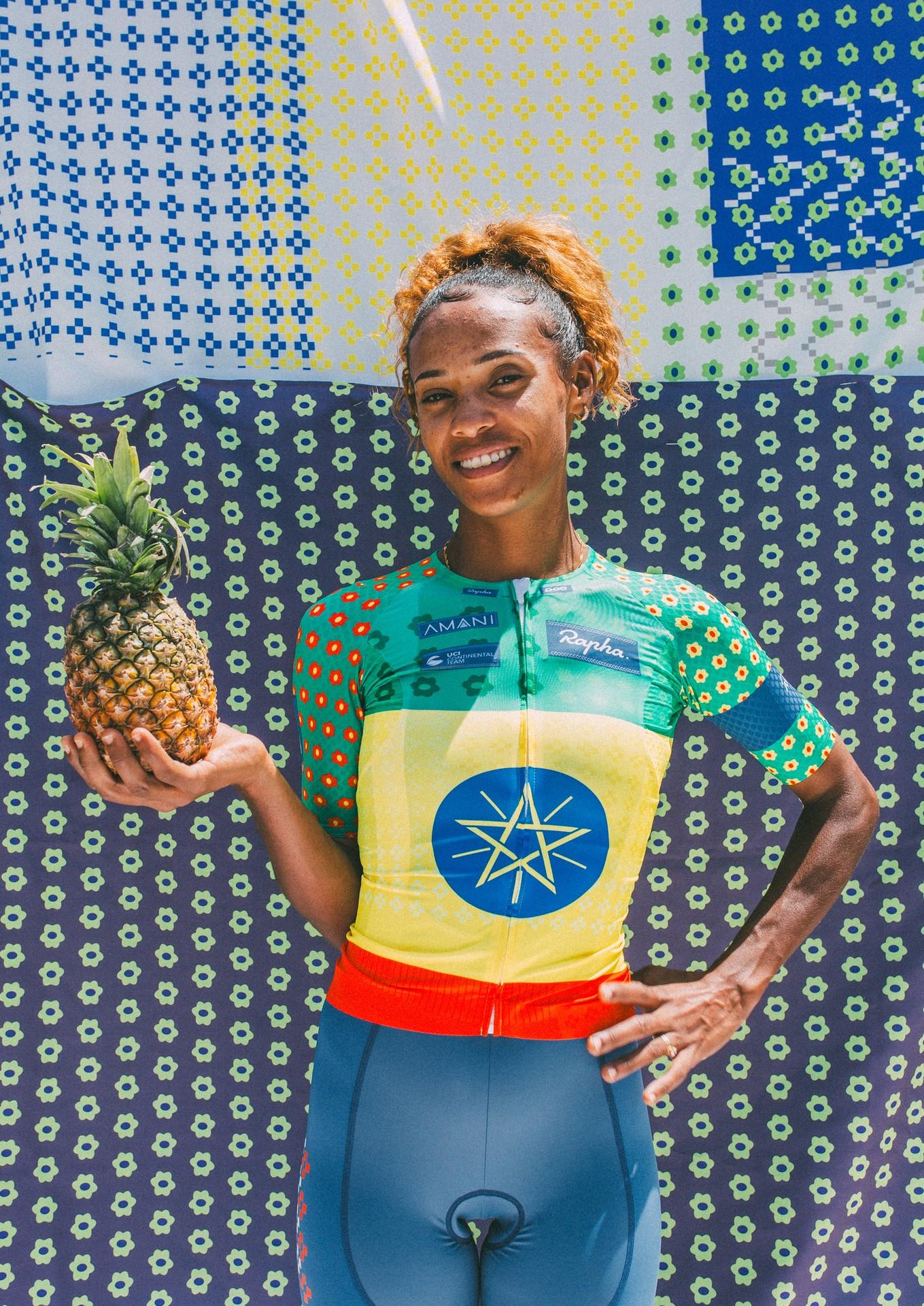
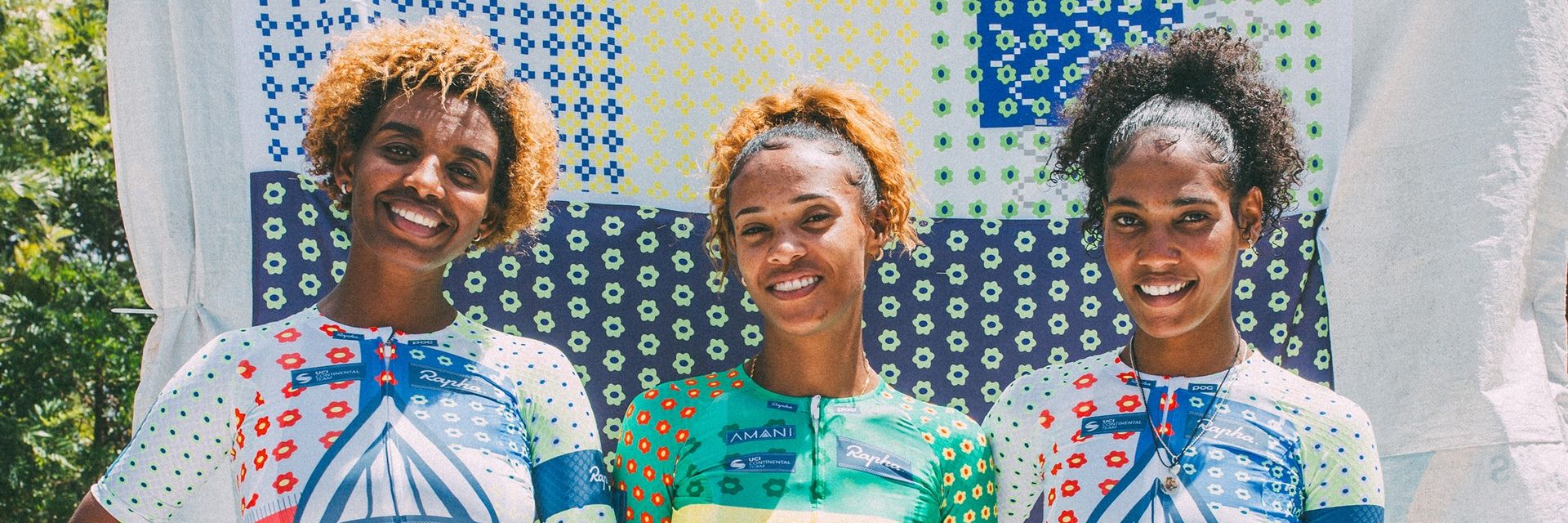
Ethiopian national champion Eyerusalem Haftu Reda, Team Amani
Team Amani's next test is immediate. The men race again in Turkey on March 28. The women arrive in France in April with almost nothing behind them except good bikes, a small budget, and a conviction that the sport's barriers are made of logistics, not biology. Whether that is enough to reach the Tour de France Femmes in three years depends on variables Grmay cannot fully control: new sponsors, deeper staffing, race invitations, and the willingness of cycling's institutions to make room.
"I really believe 2028 is a realistic goal for us to chase," Grmay said. "But there's so many things we need to work."
"I'm not scared to dream big," he adds. After an hour of chatting there is truly no doubting Grmay's ambition, and no way not to find yourself rooting for him.
Team Amani's 2026 results so far
Men's squad performances at the Tour of Rwanda and Tour of Antalya

Race | Date | Rider | Result |
|---|---|---|---|
| Tour of Antalya | March 2026 | Amaniel Teweldemedhn Desta | 10th GC |
| Tour of Antalya | March 2026 | 4 riders | All top 20 GC |
| Tour of Rwanda | February 2026 | Amaniel Teweldemedhn Desta | 4th GC |
| Tour of Rwanda | February 2026 | Samuel Niyonkuru | 16th GC |
| Tour of Rwanda | February 2026 | Eric Muhoza | 25th GC |
| Tour of Rwanda | February 2026 | Shafik Mugalu | 26th GC |