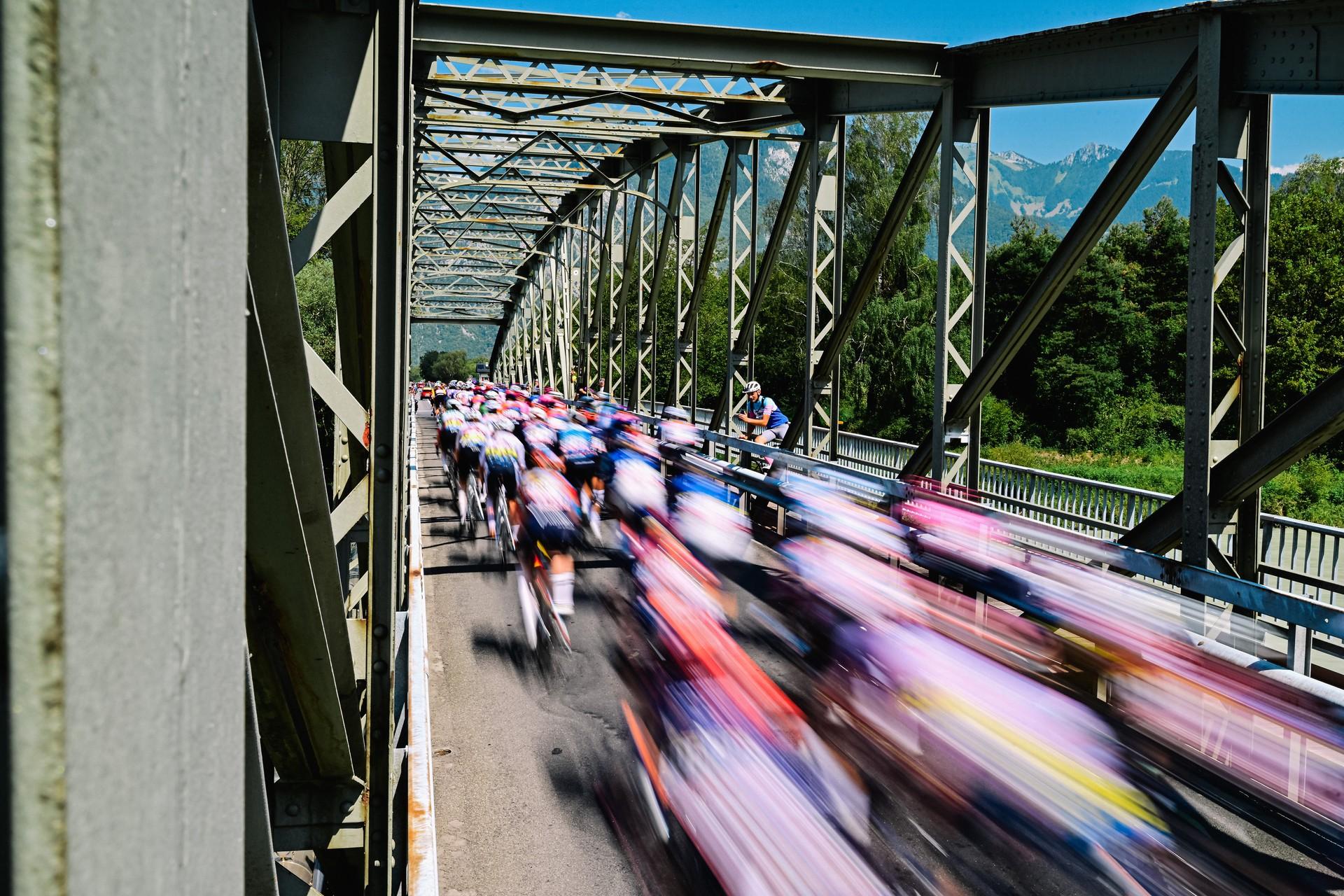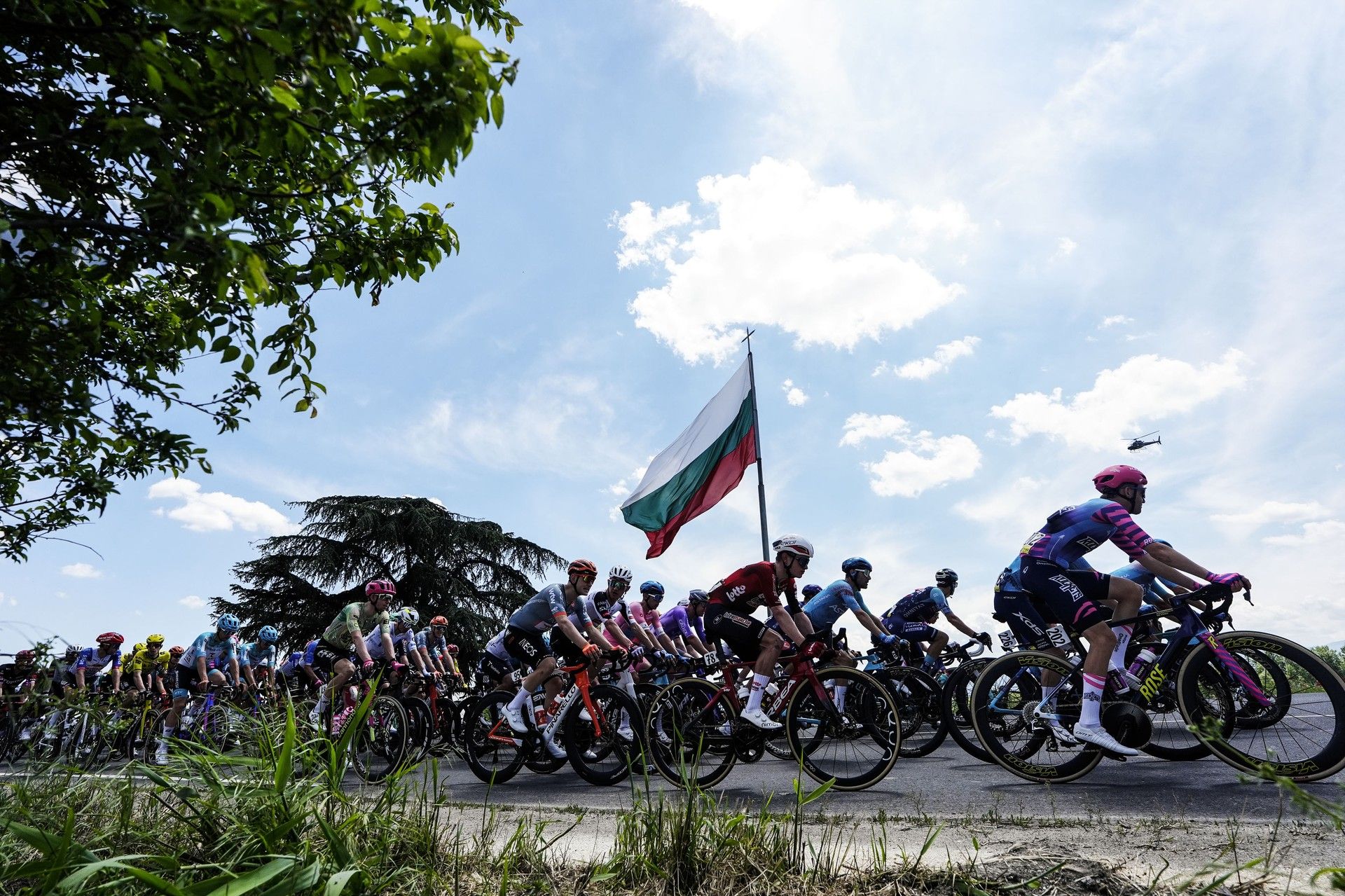
The 2026 Giro d'Italia opened in Nessebar, Bulgaria, making it the race's 16th foreign start and the second consecutive Grande Partenza held outside Italy, after Albania hosted the opening stages in 2025. Foreign starts have become a recurring part of the Giro's modern calendar.
The reason is straightforward: RCS Sport, the Giro's organiser, treats the Grande Partenza as a commercial product. Host countries pay millions to bring the race to their roads, and RCS uses the income, visibility and political goodwill to fund a race that competes for attention with the Tour de France on a smaller budget.
The fee, the brand and the export opportunity
Starting abroad brings significant money to RCS, with nations, regions and cities competing to host what is usually the first three stages of the race. For the host, it offers a window of international exposure; for RCS Sport, it is one of the year's most reliable earners. The Bulgarian government reportedly paid RCS Sport €12.5 million for the 2026 start. Hungary's hosting of the 2022 Grande Partenza cost an estimated €24 million.
RCS president Urbano Cairo has framed the practice as more than a revenue line. "We're boosting Italian exports, and this is a goal for our country," he said, casting the Giro as a vehicle for Italian soft power as much as a bike race.
The numbers help explain why the model persists. RCS Sport reportedly turns over around €80 million annually with approximately €22 million in profit, so a single foreign-start fee can represent a meaningful share of the company's earnings. That creates a clear incentive to sell the start as often as viable buyers appear.
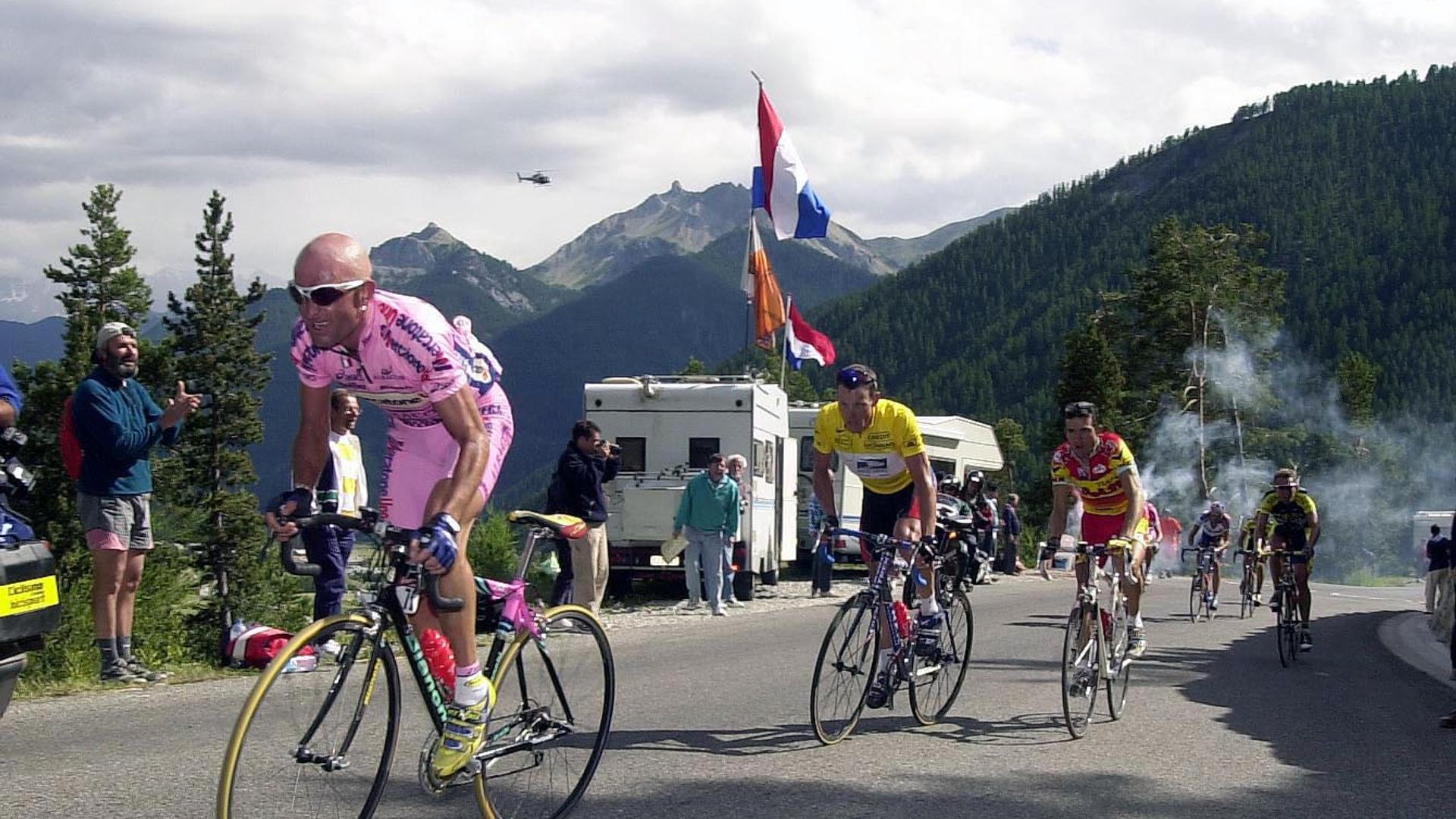
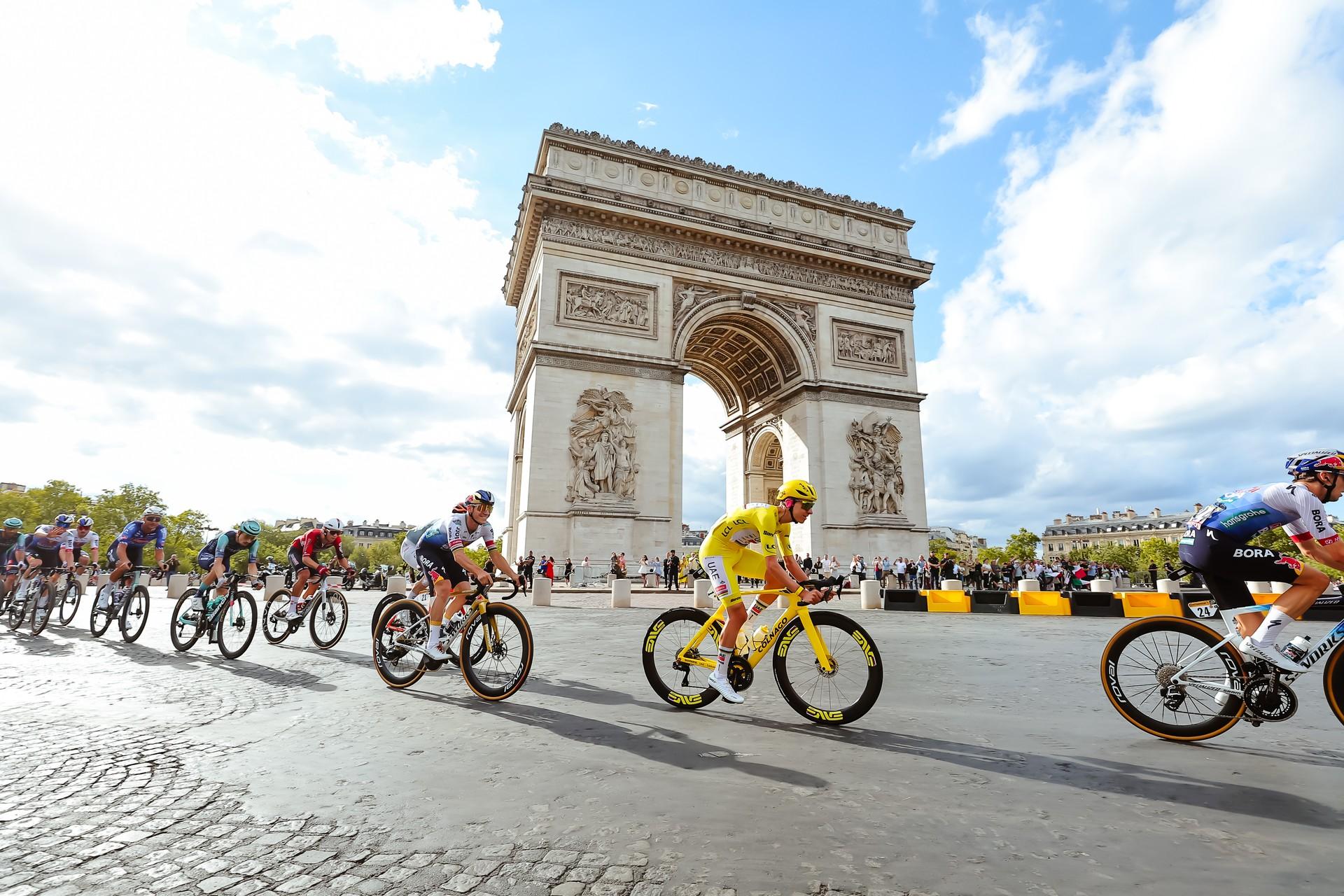
The Giro isn't the only Grand Tour to do this. The Tour de France regularly starts outside France, typically every two years, and will open in Barcelona in 2026 before crossing into French territory. Previous Tour starts have been held in the Netherlands, Belgium, Germany and the UK. La Vuelta has run foreign starts from the Netherlands and Portugal, and in 2025 began in Italy with a route that passed through France before reaching Spain. The Giro has had eight foreign starts since 2010, three of them between 2022 and 2026, and tends to target smaller economies in Eastern Europe rather than the larger markets ASO favours for the Tour.
Grand Tour foreign starts compared
Figures based on confirmed starts from race organisers and reporting

| Giro d'Italia | La Vuelta | Tour de France | |
|---|---|---|---|
| Total_foreign_starts | 16 | 6 | 26 |
| Since_2010 | 8 | 4 | 9 |
| Since_2022 | 3 | 3 | 3 |
| Recent_examples | Budapest 2022, Albania 2025, Bulgaria 2026 | Utrecht 2022, Lisbon 2024, Piedmont 2025 | Copenhagen 2022, Florence 2024, Barcelona 2026 |
Race | Total_foreign_starts | Since_2010 | Since_2022 | Recent_examples |
|---|---|---|---|---|
| Giro d'Italia | 16 | 8 | 3 | Budapest 2022, Albania 2025, Bulgaria 2026 |
| La Vuelta | 6 | 4 | 3 | Utrecht 2022, Lisbon 2024, Piedmont 2025 |
| Tour de France | 26 | 9 | 3 | Copenhagen 2022, Florence 2024, Barcelona 2026 |
The Tour can charge higher fees because of its global audience, with Brussels paying about €5 million in fees and €6 million in hosting costs for the 2019 Grand Départ, according to Sportico. The Giro pursues a similar approach in smaller markets, at lower but still significant fees.
The pace of foreign starts has drawn criticism even inside the sport. Groupama-FDJ's former manager Marc Madiot has said of the Tour: "Starting overseas from time to time seems normal and makes economic sense, but doing it this regularly is well over the top. The event is called the Tour de France!" The same logic applies, arguably more sharply, to the Giro.
What Bulgaria showed
The 2026 Bulgarian start highlighted the costs and trade-offs of this model. Three stages ran entirely within Bulgaria before the race transferred roughly 1,000km back to southern Italy, using the first rest day as a travel day.
That transfer created logistical strain for the peloton. Cyclingnews reported that teams needed to double vehicles and staff to manage the split between Bulgaria and Italy simultaneously. The financial burden sparked a dispute between teams and RCS over participation fees. RCS reportedly offered €115,000 per team plus €5,000 in airline vouchers; teams, through their representative body the AIGCP, pushed for €160,000. The AIGCP's managing director Marc Chovelon said the final figure "fell below the level requested by the majority of our teams."
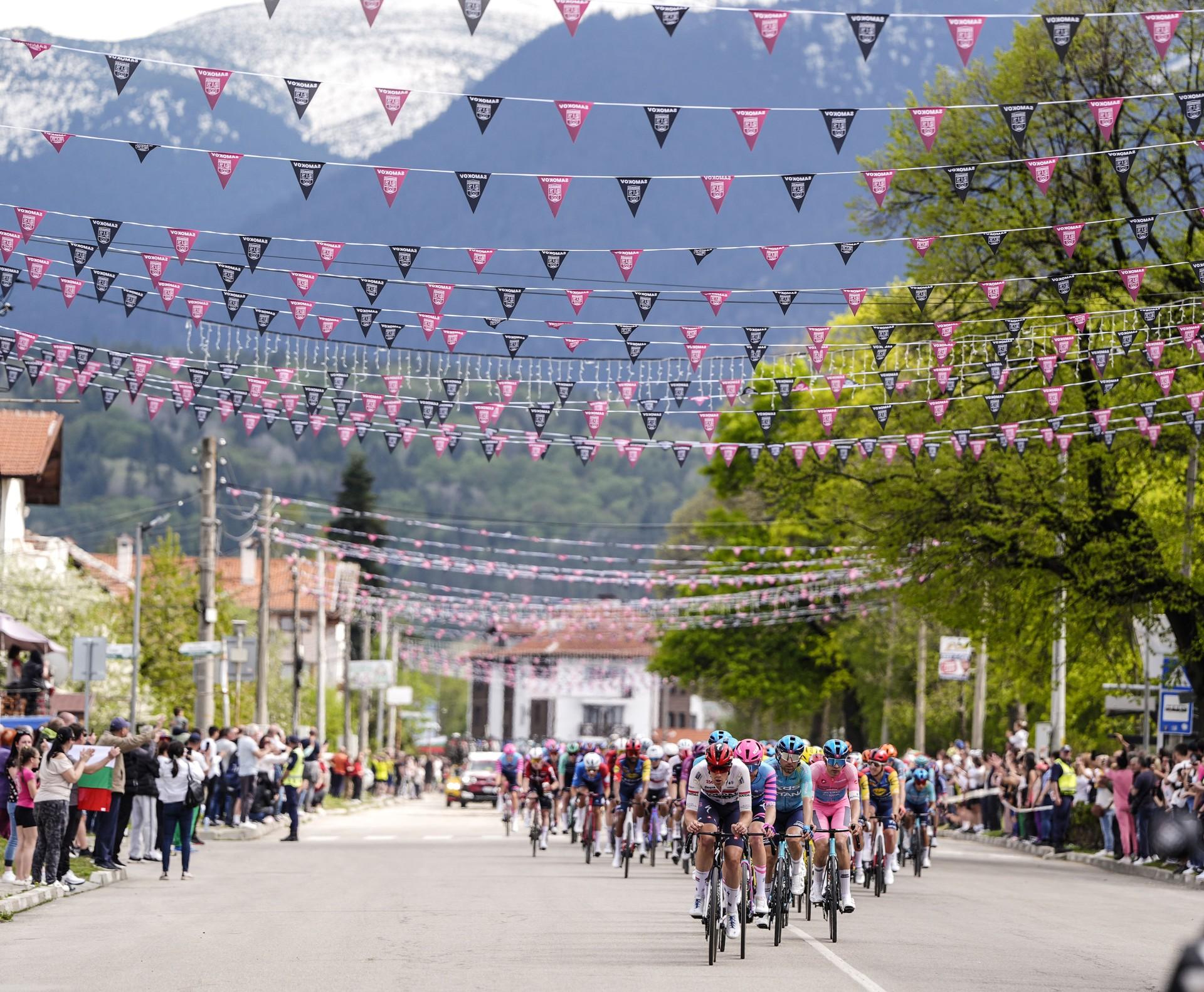
Political instability in Bulgaria added uncertainty, with recent elections disrupting preparations for the Grande Partenza. The opening days were also overshadowed by serious crashes that forced several major names out of the race, including UAE Team Emirates-XRG trio Adam Yates, Marc Soler and Jay Vine, as well as Santiago Buitrago (Bahrain Victorious), before the race had even reached Italian soil.
The Albania start in 2025 showed similar tensions. Negotiations ran late enough that the route announcement was delayed while RCS CEO Paolo Bellino insisted there was "no problem with Albania." The deal involved state-level bargaining and diplomatic considerations between Rome and Tirana, illustrating that these starts sit at the intersection of sport, commerce and politics.
Build something, or buy a weekend?
The question that hangs over every foreign Grande Partenza is whether the money would be better spent at home. Would the sums involved in hosting a Grand Tour, when redirected, build something more durable – a continental-level stage race that returns year after year?
I posted on Bluesky during the Bulgarian stages asking exactly that, and the responses split the room. Cycling writer Lukas Knöfler was unequivocal: "My answer to this question has always been and will continue to be a resounding yes. Build things from the ground up." He pointed to the Sibiu Tour in Romania, a UCI 2.1 race that attracts WorldTour teams and riders, and the Tour de Hongrie, which has reached a comparable level on similar foundations.
Writer David Quainton offered a different angle: "The world got to see bits of 🇧🇬 it usually doesn't/hasn't, and many probably found out for the first time that it had ski slopes. From a pure marketing perspective it's probably been excellent for Bulgaria. Whether it's good for Bulgarian cycling is more or less moot."
That tension – short-term tourism marketing versus long-term sporting investment – is the heart of the matter. It applies to every host city that pays a seven- or eight-figure fee for a weekend of racing.
The Giro's foreign-start pipeline remains active. The 2018 race began in Israel – still the only time a Grand Tour has started outside Europe – and rumours circulating around the calendar suggest Abu Dhabi is a real possibility, with Australia and the USA also mentioned. Romania has come up in more grounded discussions, though that would sit awkwardly alongside its existing race calendar.
The men's Tour de France opens in Barcelona in 2026 and is scheduled to cross the Channel in 2027 for a British Grand Départ, with the men taking on Scotland, England and Wales and the women's race starting in Yorkshire and Greater Manchester. Foreign starts aren't going away.
Build first, host later
The point often made is that this isn't really about cycling at all. It is about tourism, soft power and another way to bring money back into the country – something a third or second-division domestic stage race could never do at the same scale. The same can be said for Yorkshire and the UK as a whole using the 2014 Tour de France Grand Départ and successive World Championships to drive tourism rather than to boost cycling participation directly.
The difference for the UK is that there were genuine cycling dividends alongside the tourism gains. Bulgaria hasn't shown the same interest. Nor did last year's opening nation, Albania. Both run national races at the lowest level of the UCI ladder, but neither has tried to get the country fully immersed in the sport, and that, in my view, is one of the areas these foreign starts most often fall short.
The countries aren't set up for cycling, and the public isn't engaged with the lower tiers of the sport to turn out for them. If the Bulgarian government had put the money it spent on the Giro into its own race instead, to lift its visibility – the path the Baku-Khankendi stage race in Azerbaijan is taking – the interest would follow. Baku-Khankendi is now broadcast around the world, including on HBO Max, TNT Sports and Eurosport in the UK and Europe.
Bulgaria does have its own race. The Tour of Bulgaria dates all the way back to 1924 and, in its current iteration, has been running on and off since 2015. But it has not attracted the teams or riders its neighbours in Romania and Hungary regularly bring in, and it shows what happens when a host country buys a Grand Tour weekend without building anything underneath it.
That is what these Grande Partenzas keep missing. Build something local first. Generate the interest, raise the standard of the host race, and then welcome the biggest race in the country onto roads that already mean something to the people lining them. The Grande Partenza will keep selling regardless. The question is whether the buyers eventually start asking for more than a logo on the side of a team car.