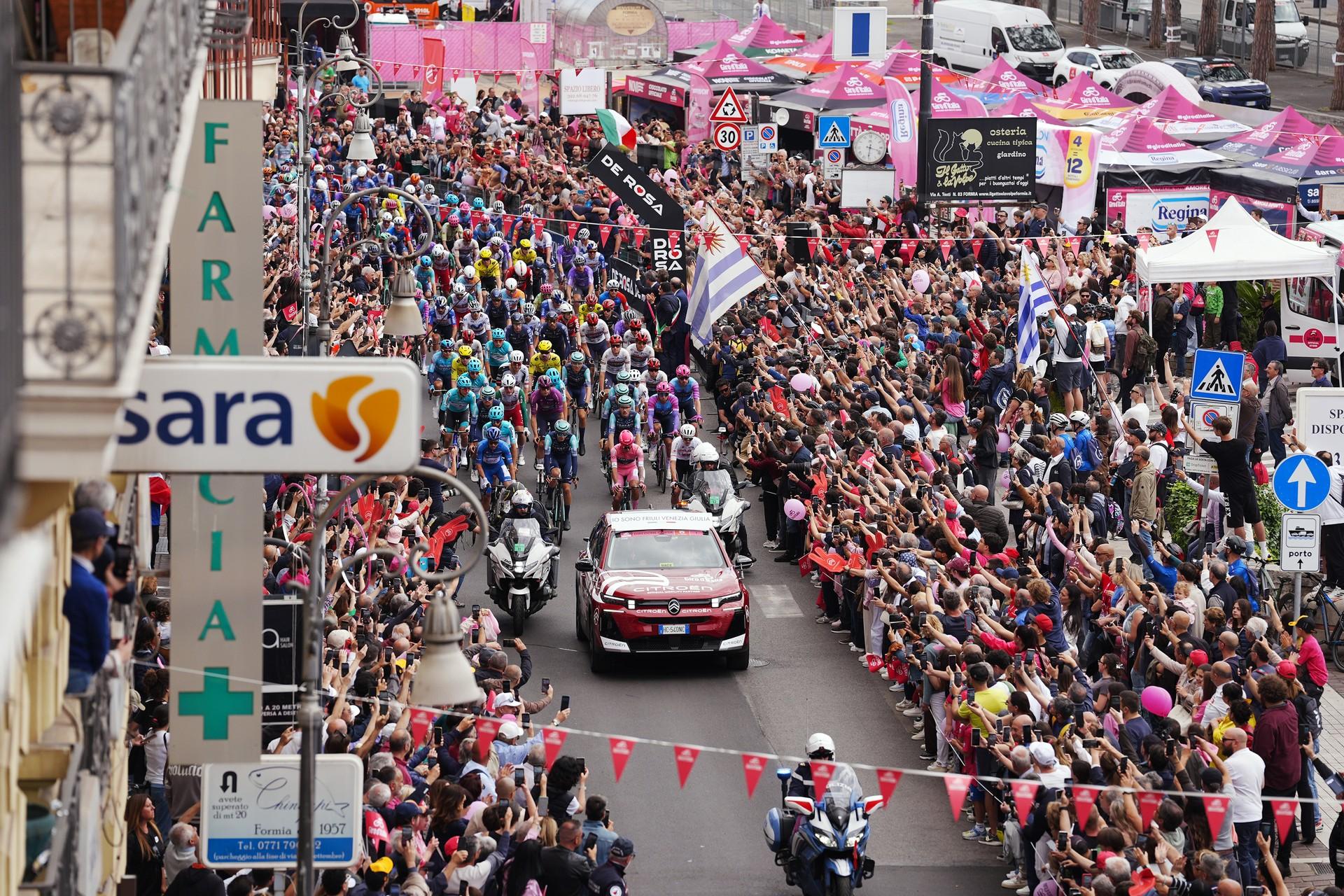
The 109th Giro d'Italia begins in Bulgaria on Friday 8 May and finishes in Rome on 31 May. But the race that decides the maglia rosa won't fill that three-week window. It will be concentrated into perhaps eight days, four of them in the final week, and one Queen stage, on 29 May in the Dolomites, that has a fair claim to being the hardest single stage of the 2026 men's calendar.
The interactive guide below has the full schedule: every stage, every climb, the recommended tune-in window, and the case for watching. Use it to plan your three weeks. The rest of this piece is about which days actually matter, and why.
*Note on timings: All times CEST. Stages 1–3 run in Bulgaria – the roadbook shows local time (EEST, +1h ahead), so its 17:12 finish on Stage 1 is 16:12 CEST here.
The race in brief
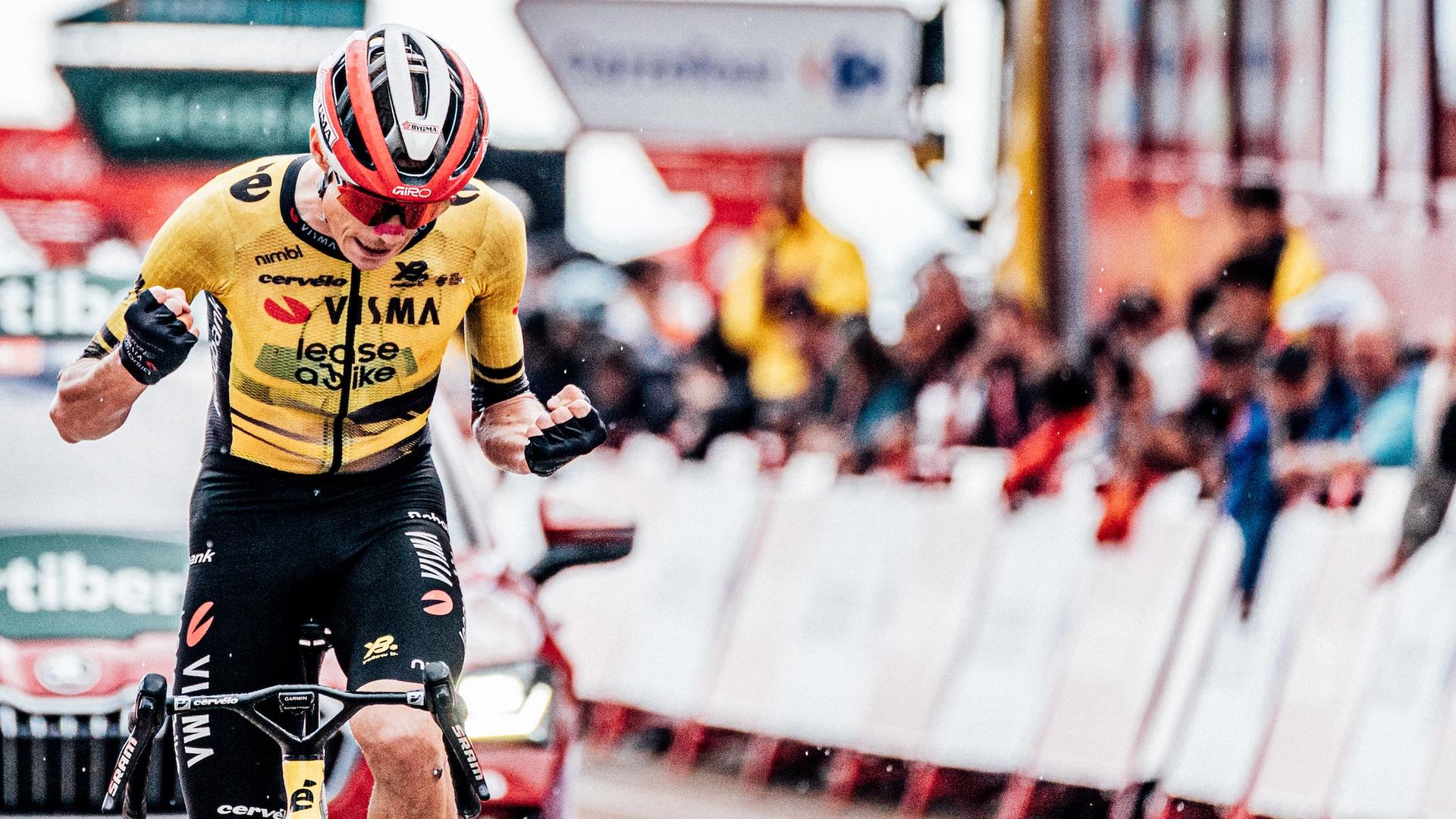
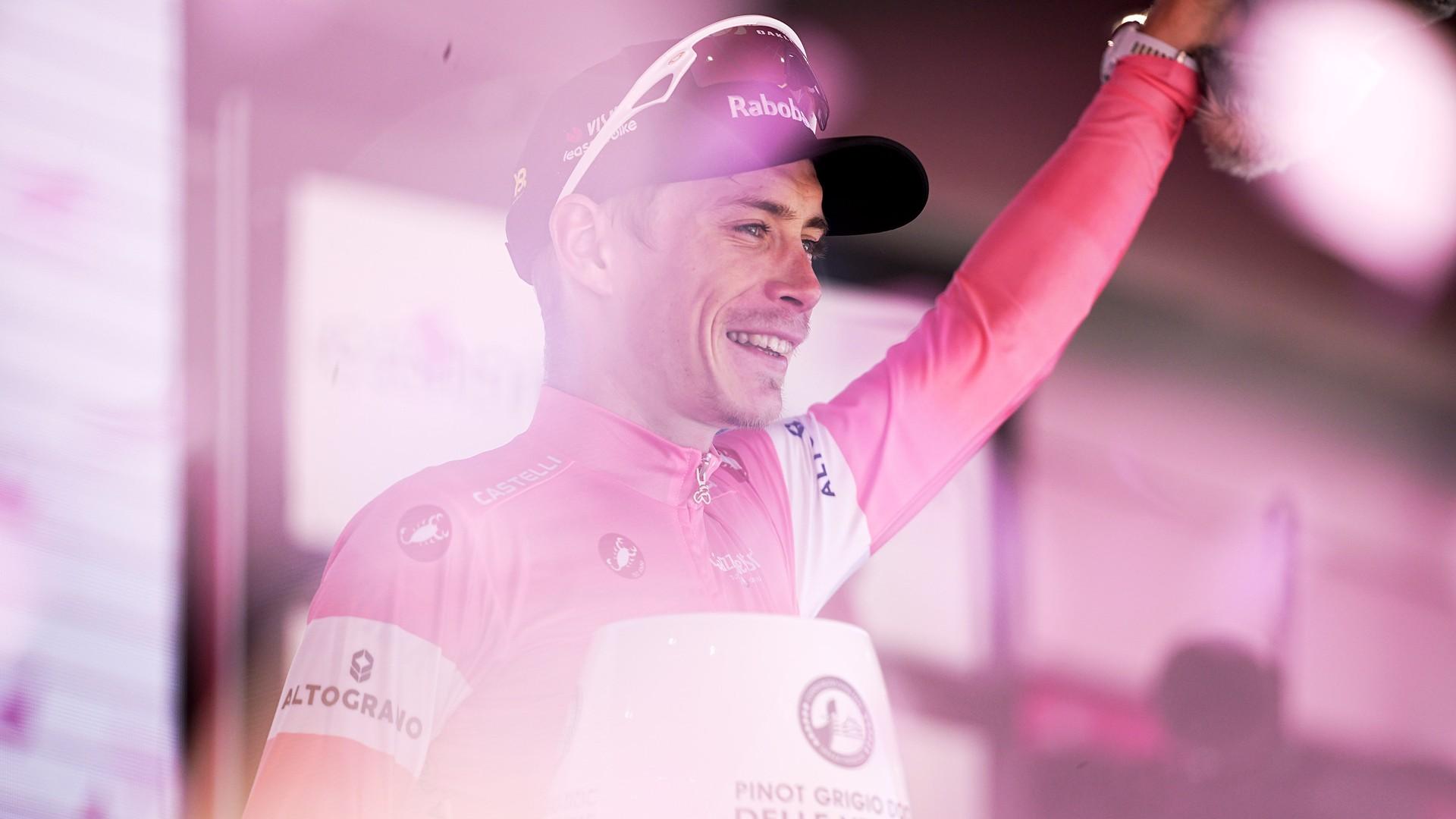
Jonas Vingegaard (Visma-Lease a Bike) arrives as the clearest pre-race favourite the Giro has seen in years. With Tadej Pogačar absent and the chase pack reshaped by the late withdrawals of João Almeida (illness), Mikel Landa (pelvic fracture) and Richard Carapaz (surgery recovery), the Dane's path looks unusually clear. The most credible challenges come from Giulio Pellizzari and the experienced Jai Hindley at Red Bull–BORA–hansgrohe, Adam Yates leading UAE Team Emirates XRG in Almeida's absence, and the Egan Bernal / Thymen Arensman pairing at the renamed Netcompany Ineos.
For the full GC picture, contender depth, and our predictions, see our 2026 Giro d'Italia preview. What follows assumes you've made your peace with Vingegaard being the favourite, and is about when the race actually gets decided.
The shape of the three weeks
The 2026 route is favourable to Vingegaard. 48,700m of climbing across 21 stages and only 42km of individual time trialling looks like a climber's parcours, but the hardest mountain stages are loaded into the final week, which further rewards the rider who can manage three weeks of pressure rather than the pure climber who lands one big punch.
The race breaks into three clear phases. Week one is a form check, with the first real signal coming on stage 5 to Potenza and the first GC examination on stage 7 at Blockhaus. The middle pivot is stage 10, the 42km Massa time trial, where Vingegaard will expect to take a minute or more out of every climber in the GC top ten. Week three is where the climbers have to claw it back, with three real opportunities: Pila on stage 14, Carì on stage 16, and the queen stage in the Dolomites on stage 19, with one last chance at Piancavallo on stage 20.
Everything else is racing for stages, not pink.
The eight stages that decide the Giro
Stage 5 – Potenza (13 May): early form indicator
The first proper climbing day. 4,100m of elevation across 203km, with Montagna Grande di Viggiano in the final 50km. Not GC-decisive, but the first day where bad legs become visible. Tune in from 15:45.
Stage 7 – Blockhaus (15 May): the first GC test
The first summit finish, and a climb with form. Blockhaus separated the contenders in 2017 and will do it again. Don't expect the race to be decided here, but expect the first real pecking order. A flat ride from Bernal or one of the chasers on this kind of irregular, rhythm-breaking finish would be a problem given what's coming. Tune in from 14:30; the racing on Blockhaus is the main event.
Stage 9 – Corno alle Scale (17 May): the last form check
A pure summit-finish day, and the last reading on the climbers before the time trial. The Querciola climb at km 167 softens the legs before the 17km final ascent. Whoever is riding at the front here knows what cushion they're working with going into Massa. Tune in from 16:00.
Stage 10 – Massa ITT (19 May): the pivot
42km, flat, fast. The longest individual time trial in a Grand Tour this year, and long enough to generate gaps of well over a minute between climbers and rouleurs. This is Vingegaard's stage. The question isn't who wins it, it's how much he takes, and whether the climbers' deficits remain recoverable in the third week. The big names go last; tune in from 16:00 to catch the GC contenders rolling down the start ramp.
Stage 14 – Pila (23 May): the climbers' first response
Four classified climbs in 133km, with Saint-Barthélémy starting at km 18. There is no settling in. This is the most relentless single day on the route in elevation-per-km terms, and the climbers who lost most in the ITT have to try something long. Pellizzari has the legs and the home-race motivation to attack from distance. Tune in from 13:30 and stay with it. This is one of two stages on the route that rewards full-day viewing.
Stage 16 – Carì (26 May): post-rest-day exposure
Short and savage. 113km but with a double Torre / Leontica circuit and a 40km drag to the summit finish. Post-rest-day legs are unpredictable, and a leader without them gets exposed quickly on a parcours this dense. Tune in from 14:30.
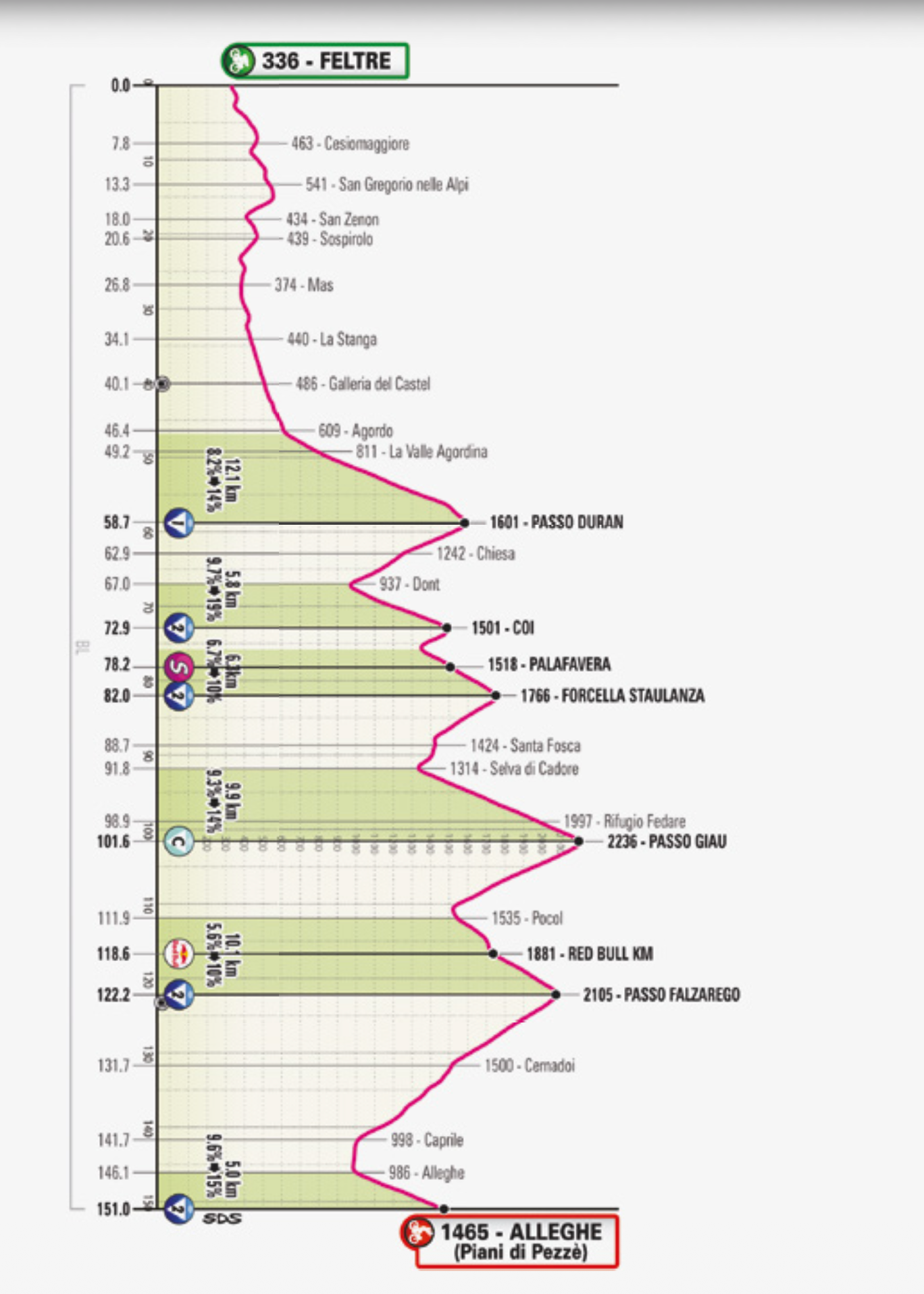
Stage 19 – Dolomites, Piani di Pezzè (29 May): the queen stage
Five major climbs in 151km, including the Passo Giau at 2,233m as the Cima Coppi, the highest point of the race. It has more than 5,000m of climbing. Three weeks of accumulated fatigue, the Dolomites at their hardest, and a summit finish at the end of all of it. This stage is an absolute beast.
Summit finishes this late in a Grand Tour generate disproportionate time gaps, because there is no descent or valley road on which a chase group can reorganise; the gap at the top is usually the gap on the GC sheet.
If Vingegaard is in pink, this is where he holds it. If a climber is within striking distance, this is where they have to make the move. Tune in from 14:00. Don't miss it.
Stage 20 – Piancavallo (30 May): the last chance
A double ascent of Piancavallo, with the first pass at km 147 setting up the summit finish at km 200. The format rewards a strong team that can soften rivals on the first pass and attack on the second. For anyone still in contention after the Dolomites, it's the final opportunity. Tune in from 14:00.
Travelling during the Giro?
Three weeks is a long window, and most readers will be away from home for at least one of the stages above. A VPN lets you keep using your usual broadcaster's stream while abroad, on official, paid services only.
Velora never endorses bypassing broadcast rights. A VPN should only be used to access official services, whether paid or free-to-air, while abroad.
The other thirteen stages
The flat days (1, 6, 15, 21) are sprinters' territory and a chance to rest your eyes; the last 30 to 40 minutes is plenty. The hilly transitional stages (2, 3, 4, 8, 11, 12, 13, 17, 18) are breakaway days, often beautiful, occasionally enlivened by a late ambush. Stages 13 (Lake Maggiore) and 18 (Prosecco hills) are the two most likely to be worth a longer watch for the racing rather than the GC.
The interactive guide above has the full per-stage detail. Set your calendar around the eight that matter, and dip in for the rest as the mood takes you.