Star power has always been intricately linked to cycling marketing, and indeed any sport marketing. Colnago has avoided the wider dip in the bike market with what many have deemed the Pogačar effect, while Specialized, Canyon and Pinarello have built their international reputation on the shoulders of expensive partnerships with exceptional athletes.
The cost, both in terms of the hundreds of bikes needed by a single WorldTour team alongside the additional financial commitment, is overwhelming for many brands. This year, one of cycling’s most performance oriented brands has found itself outside that WorldTour ecosystem.
Factor had a rough exit from the WorldTour. The premium road bike manufacturer owned by former racer Rob Gitelis was at the centre of the storm that surrounded Israel-Premier Tech’s 2025 season – an increasingly frequent clash of sport and politics.
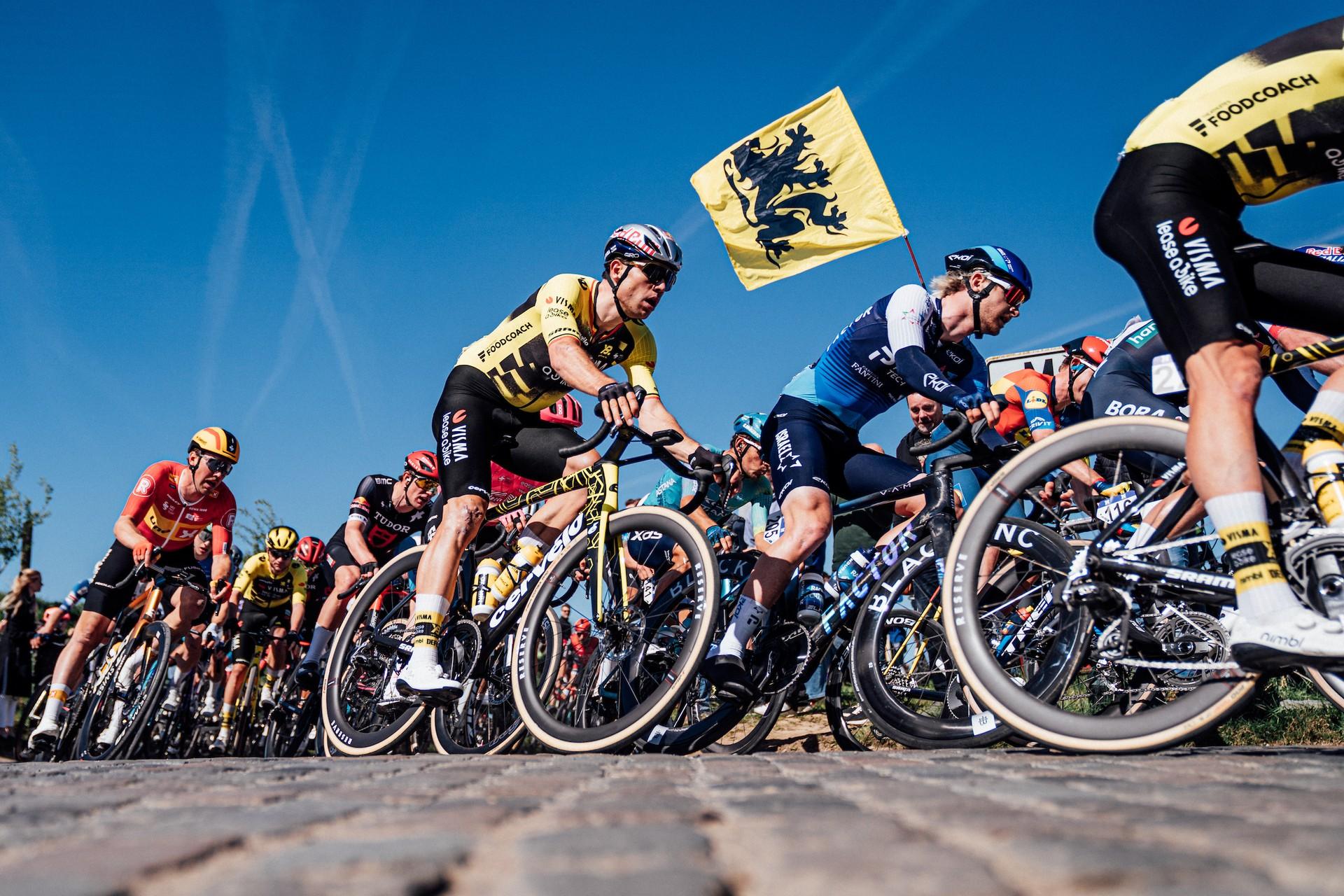
The result of that friction is that Factor will have no presence in the men's WorldTour in 2026 after NSN Cycling (formerly Israel-Premier Tech) switched to Scott as its bike partner.
The change leaves Factor, a brand built around racing and engineering, facing a new question: how does a performance-first bike company validate its products without WorldTour exposure?
"It wasn't part of the plan," David Millar, Factor's head of brand and marketing, told Velora. "We've never anticipated ourselves not being in the WorldTour. Then all of a sudden we're not, and it's like, oh okay, right, now we're going to have to think differently."
Millar, a former professional road racer who retired in 2014 and joined Factor in 2024, described the situation as both a challenge and an opportunity to break what he called the industry's default marketing playbook.
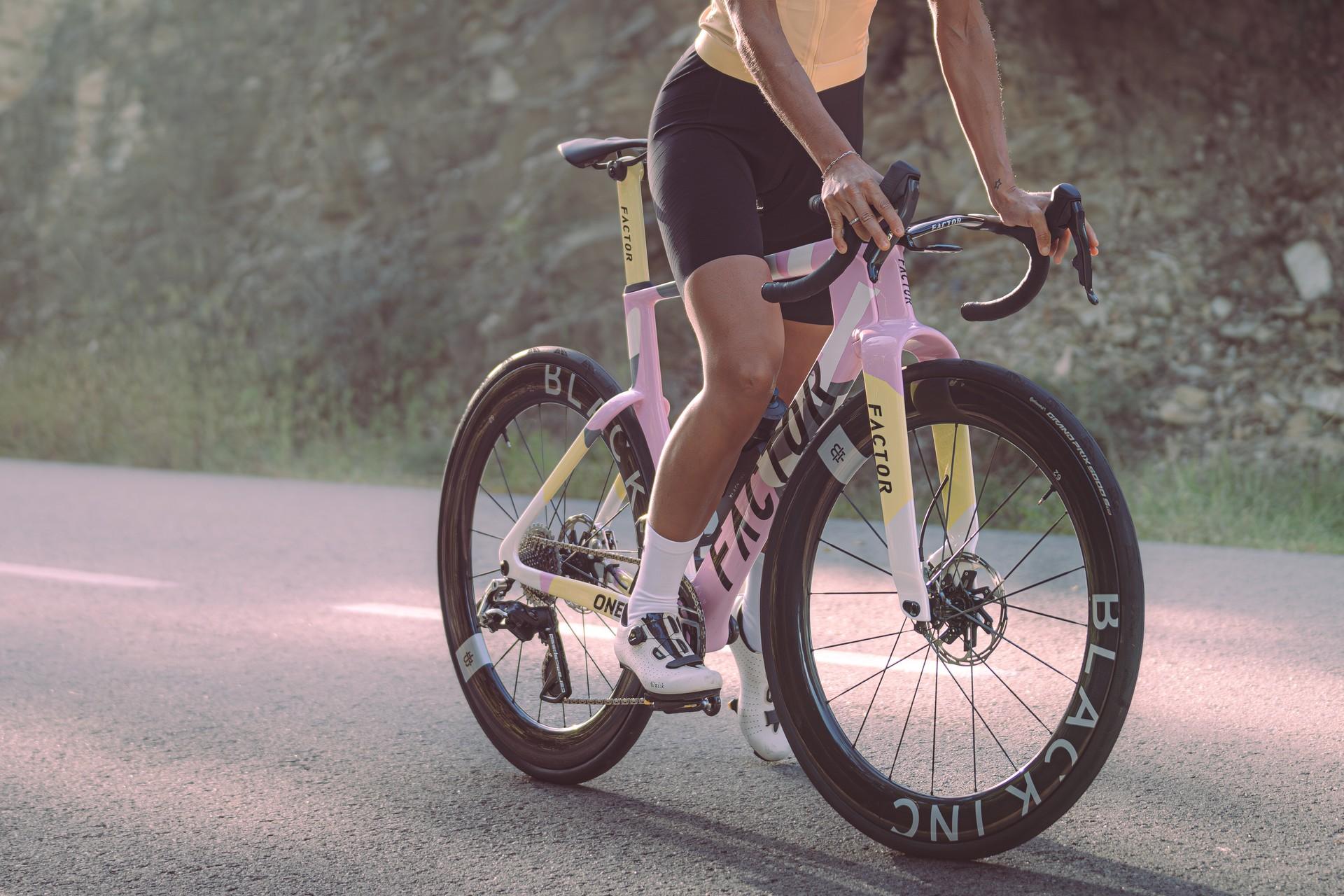
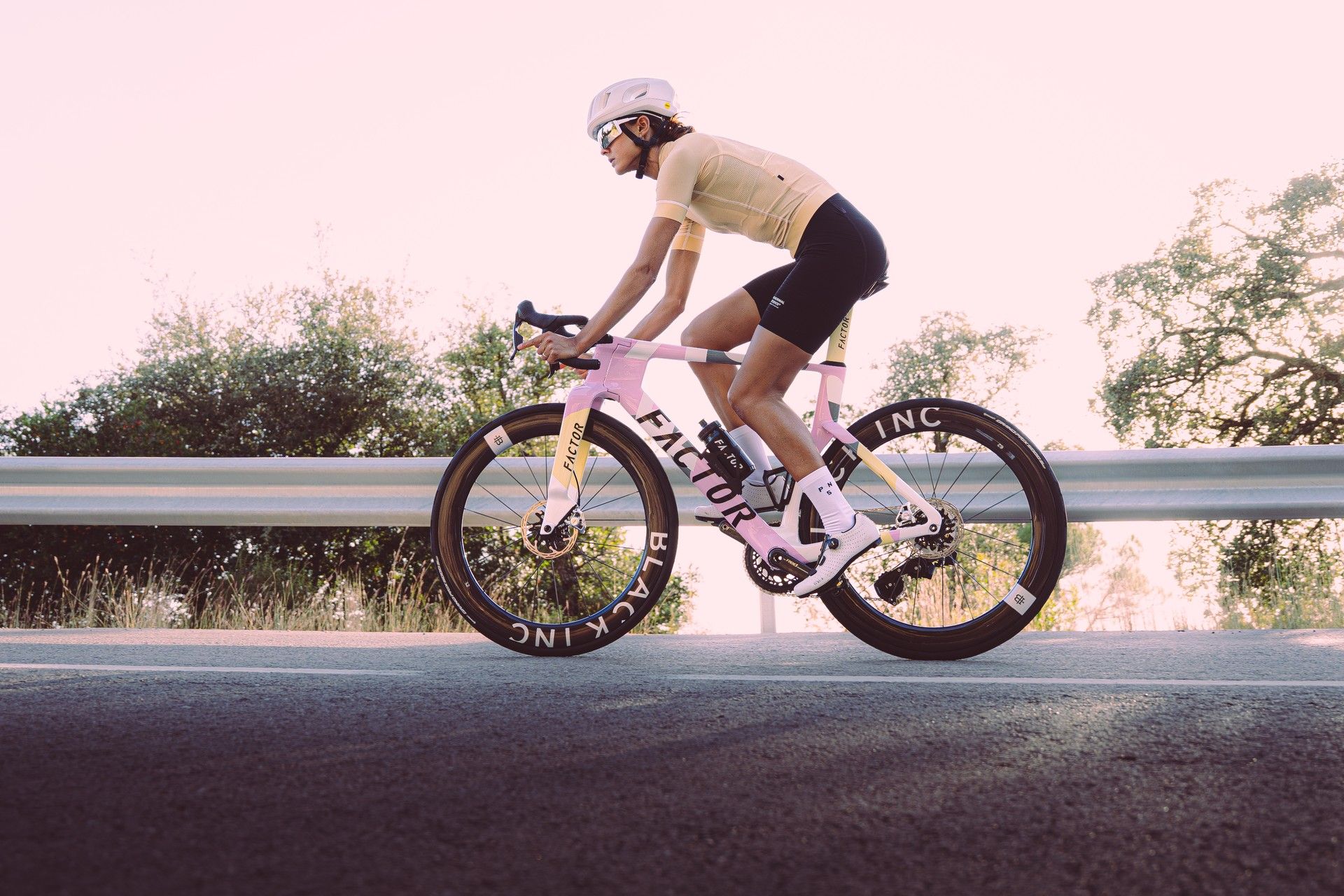
The Factor One is one of the most dramatically race-orientated bikes on the market, despite being absent from the WorldTour
"In the world of pro cycling, the status quo is to sponsor a WorldTour team and then effectively wash your hands of the marketing," Millar said. "In many ways, we've got to actually now think differently, which is positive, because it means we're going to have to be a lot more proactive, a lot more engaged and a lot more persuasive in different ways."
Star riders and sponsorship
Millar's analysis focuses on where WorldTour sponsorship value sits. He argues that general brand awareness from team sponsorship is overstated, with visibility concentrated among a tiny group of riders at the very top of the sport.
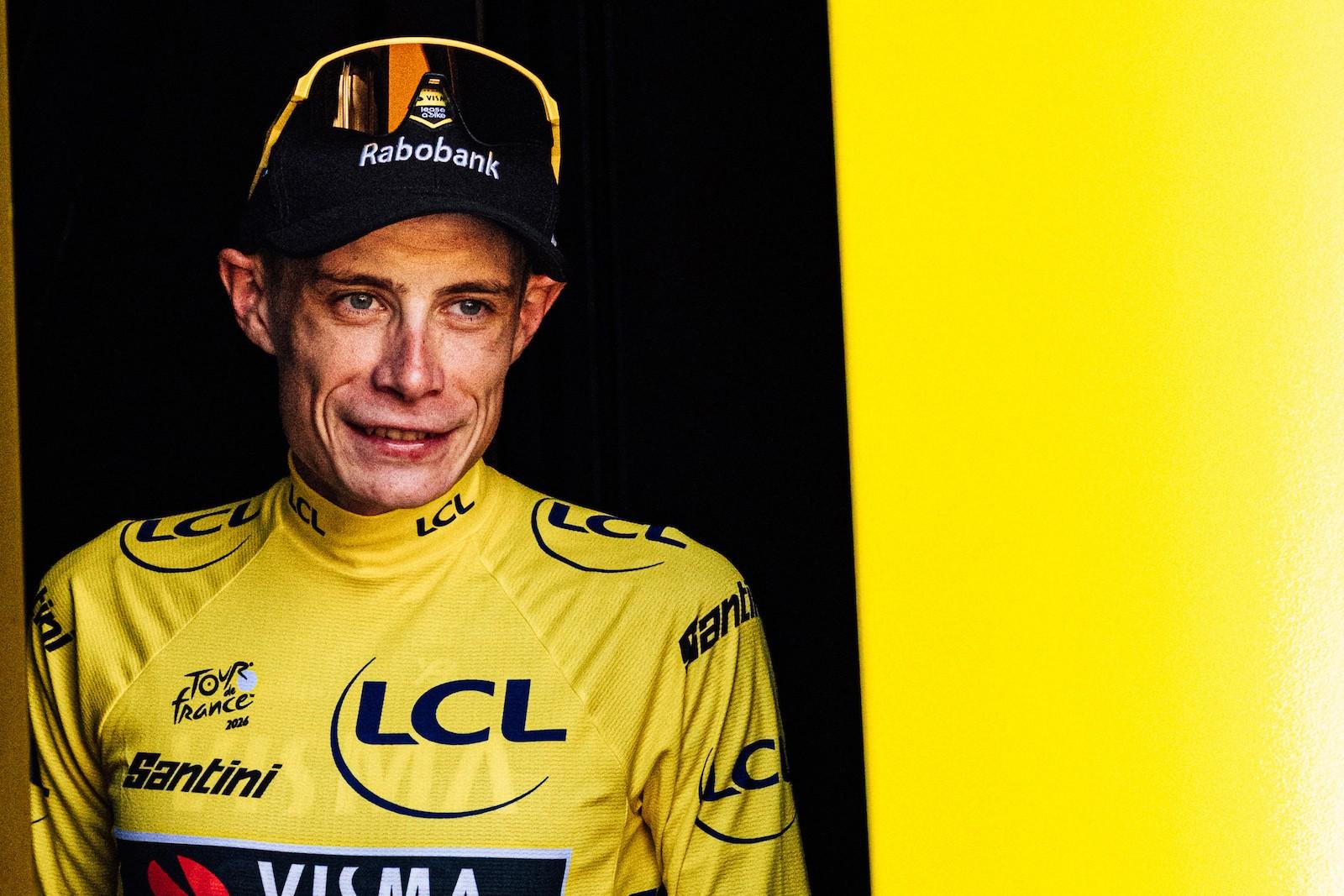
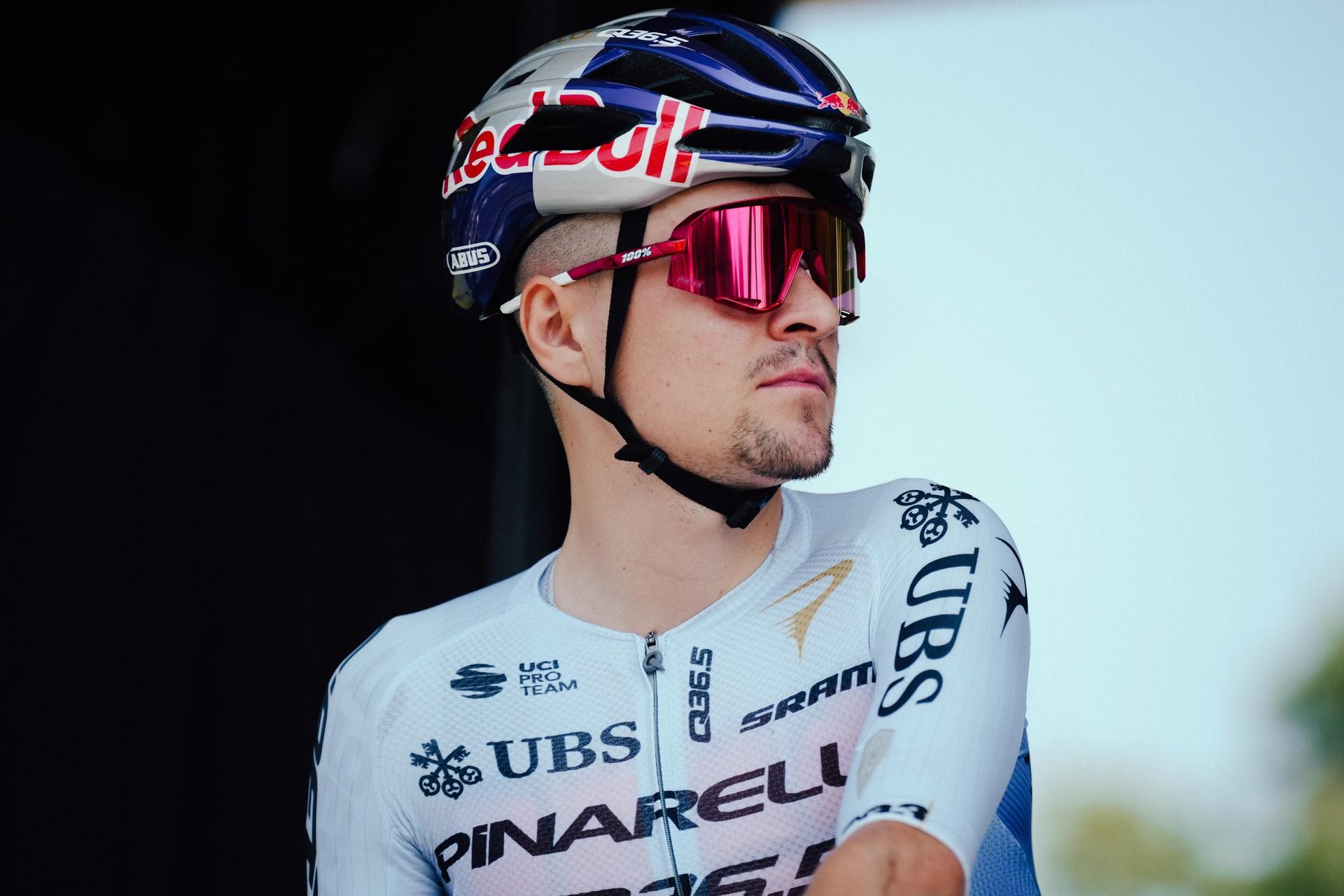
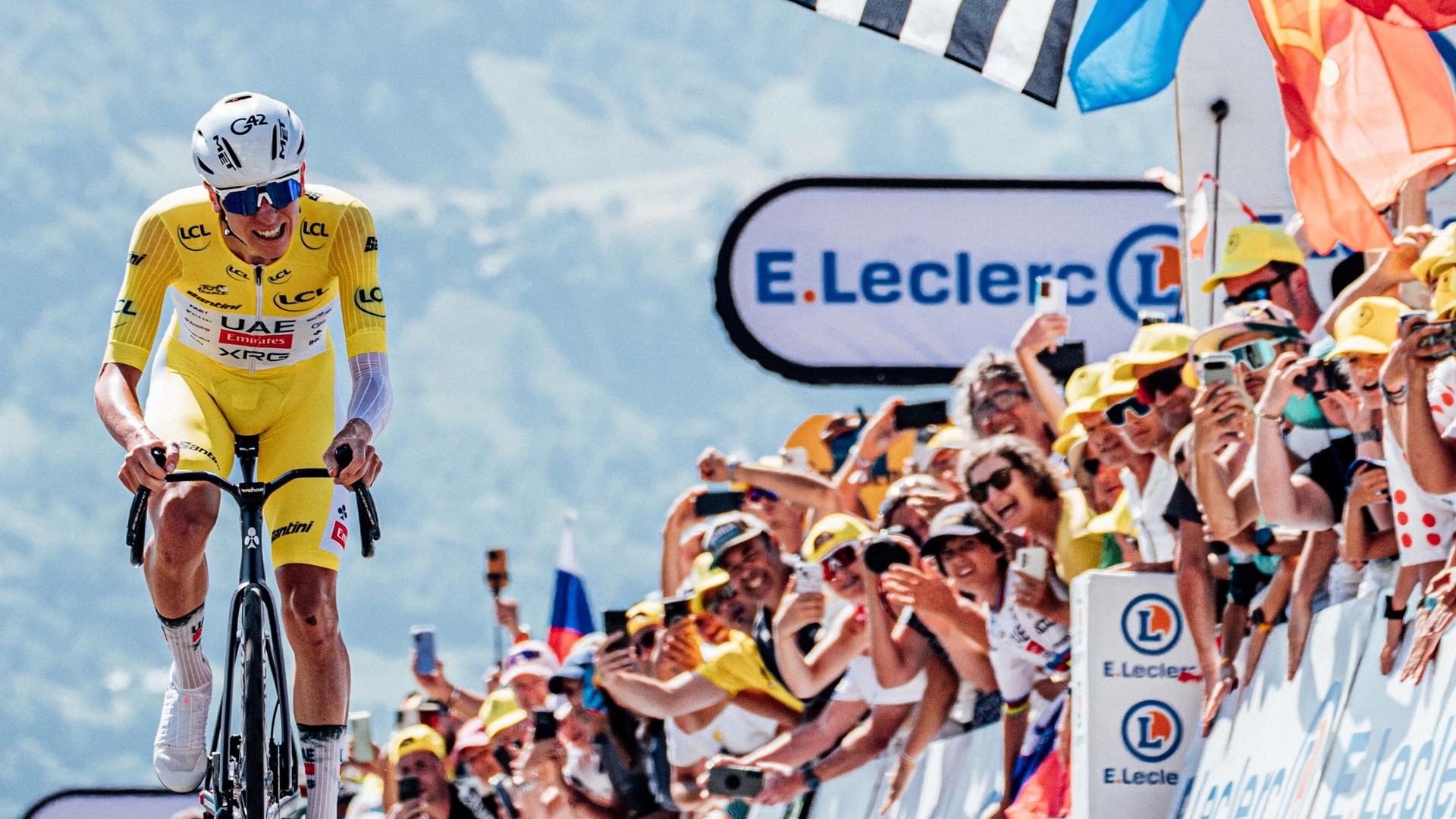
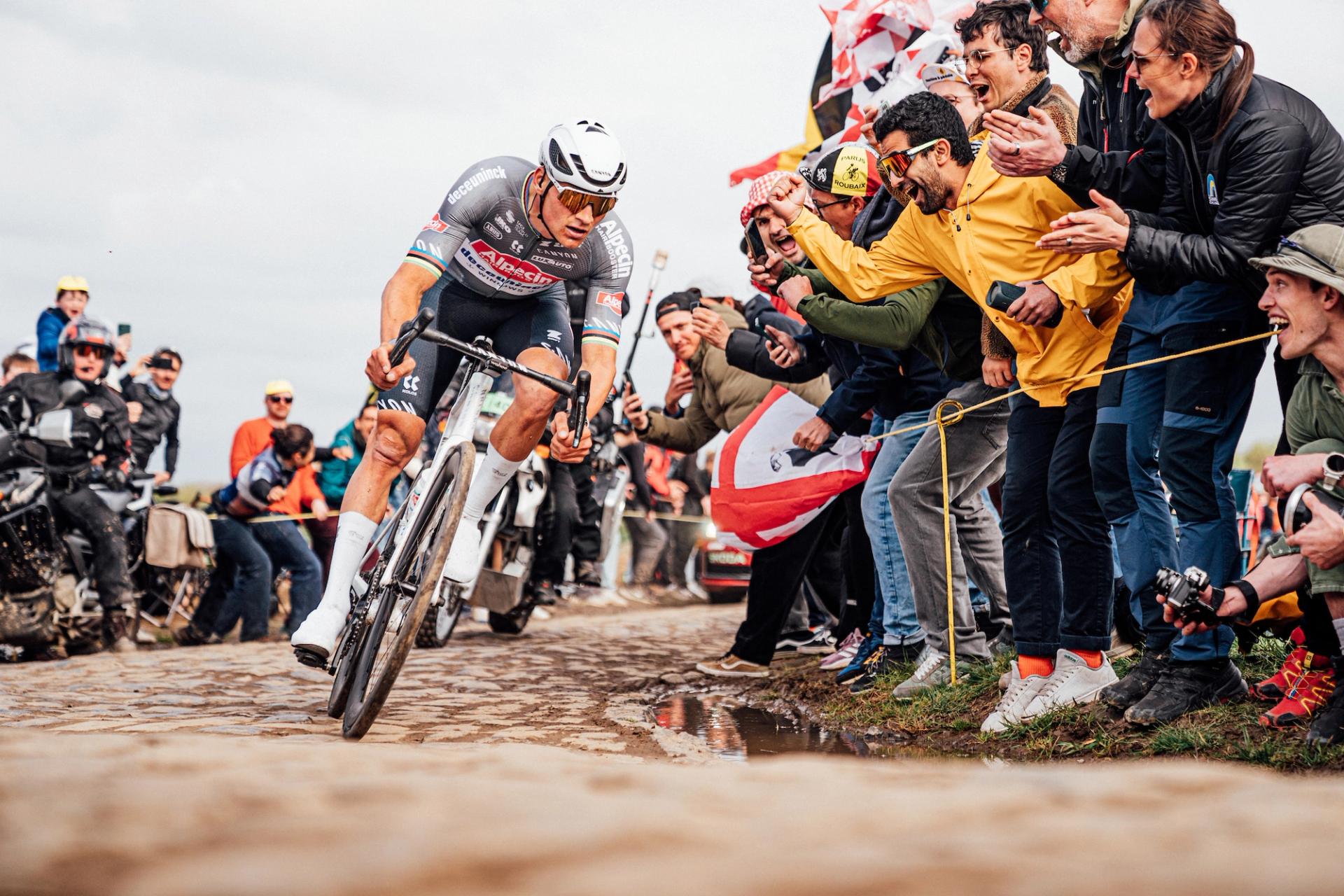
"There's only really four or five big riders that get the attention," he said, naming Tadej Pogačar, Remco Evenepoel, Mathieu van der Poel and Jonas Vingegaard. "Beyond that, even pretty hardcore cycling fans, if you were just sitting there having a random coffee with them and said 'what bike is that team on,' they'd have to really think about it."
The cost side of the equation is significant. A WorldTour bike sponsor typically supplies 300 to 400 frames plus groupsets per season. Unless a team fields one of those handful of marquee riders, Millar suggested, the return on that investment is limited.
Where WorldTour presence does matter, he argued, is at the point of sale. "When somebody's about to spend a premium price on a road bike, it's a huge amount of validation to know it's doing a Tour de France," Millar said. "For the sales people, for the people in the shops, they can say, 'oh yeah, this is raced at the Tour de France.' It's a simple case of affirmation."
Factor now needs other sources of that validation.
Millar pointed to the relationship between Pogačar and Colnago, or Evenepoel and Specialized, as examples of his view that sponsorship value often flows through individual riders rather than team logos. Evenepoel recently said on a Specialized podcast that the bike partner was one of his first questions when discussing his move from Soudal-Quick-Step to Red Bull - Bora - Hansgrohe, having ridden the brand his entire career.
“Those riders are so powerful,” Millar said, “They're also smart, they see it as a really powerful long-term brand association for their post-racing life as well."
Without a comparable star on its books, Factor is looking for other ways to validate its products.
The brand's approach for 2026 centres on what Millar described as education-based marketing, emphasising that the flagship One was designed using data and learnings from years of WorldTour racing, even if it will no longer appear in that peloton. Factor also plans to lean into its roster of gravel athletes, its own Factor Racing team, and partnerships with smaller squads.
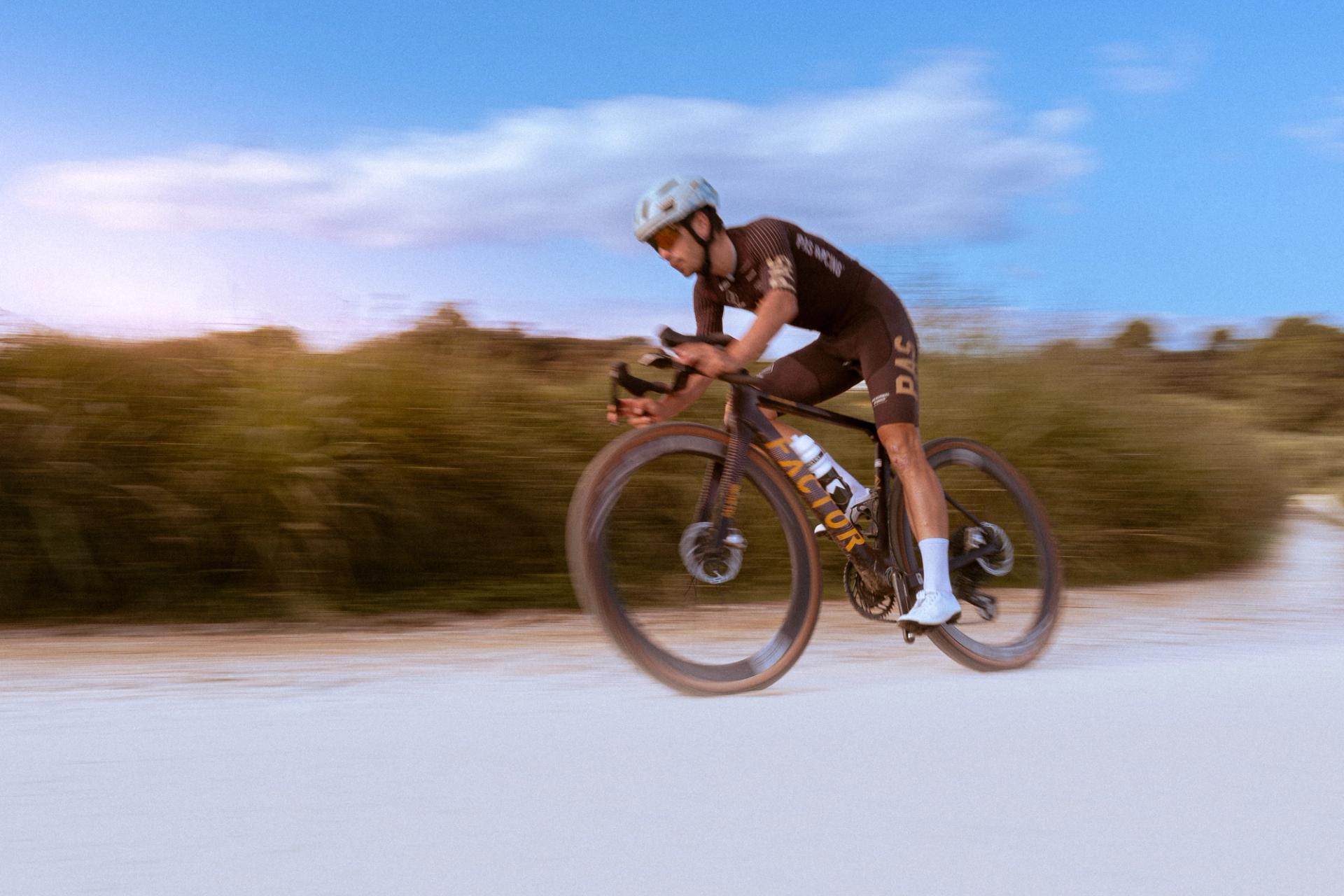
Magnus Bak is one of Factor's gravel-focussed athletes.
More recently, the brand has partnered with former sprint star Caleb Ewan as he embarks on his post-racing gravel retirement. He represents a rare example of an athlete who approaches influencer status in a marketing plan that otherwise avoids that world.
"My first thing when I came on board was I effectively ruled influencers out of our marketing," Millar said. "We only sponsor performance-minded people, because they're the only things that actually inspire us. We're not looking for raising awareness for awareness's sake."
He acknowledged the uncertainty. "It might be the case that we find out in six months, a year, that actually maybe we don't need to be in the WorldTour," he said. "But if we can get one of the marquee riders in a big team, we'd love to do it, because then we'll see our bikes at the sharp end, racing for the win in the biggest races. There's only a handful of teams that can guarantee that for you, and they're all tied in for ages."
Factor will also be sponsoring ProTeam Modern Adventure Pro Cycling, helmed by George Hincapie. Although the team has secured a Paris-Roubaix invite it will still fall short of the grander exposure of WorldTour racing.
One way or another
The engineering story underpinning the brand's pitch is anchored by the One, a frame designed by chief engineer Graham Shrive over approximately five years. Factor claims the bike incorporates aerodynamic research from the Hanzo track frame developed for the Australian national team, along with fit data gathered from Israel-Premier Tech riders.
A key design decision was to build the frame around a zero-setback geometry, responding to a UCI rule change in 2024 that moved the minimum saddle setback to zero millimetres from the bottom bracket axle. Factor's internal data showed that professional riders had already moved to extreme forward positions, using slammed seatposts on frames not designed for them.
"Nobody's built a bike for this new position," Millar said. "So we decided, if we're doing this full-on aero bike, we may as well double down and go into the modern position as well."
The broader philosophy, Millar explained, reflects a shift in the performance equation. Riders are now going fast enough, even uphill, that aerodynamic gains from adding 400 to 500 grams of material "completely trump" the benefit of a lighter frame. That logic informed the One's design as a dedicated aero platform rather than the all-round compromises that dominated the previous generation of road bikes.
In 2026, Factor will see how its engineering-focused marketing performs without Tour de France stage results. Factor's position is unusual: a brand that owns its own factory, does all R&D in-house, and can move from prototype to production in weeks rather than months, according to Millar. He noted that no other premium manufacturer operates a factory dedicated solely to its own brand, with Giant and Merida owning factories but manufacturing for other companies.
"We're not fans, we're aficionados," Millar said, citing the number of former professionals across the company's leadership, from Gitelis to the heads of global, European, Australian and North American sales. "There's no smoke and mirrors. This is what we do, this is what we've always done, and this is what we love."
The competitive backdrop is changing. Chinese manufacturer X-Lab entered the WorldTour in 2025 through XDS Astana, as a direct-to-consumer brand that could challenge premium Western manufacturers on price. Millar argued that brand identity and heritage still matter, noting that cycling purchases carry an emotional and aesthetic dimension that commoditised products do not capture.
"Cycling is more than just the bike," he said. "It's what it represents for you. It's your identity. By owning that type of bike with that name on it, it's the type of rider you are. If a Chinese brand comes out in five to ten years building an amazing brand, then yeah, that's awesome. But a random bike with no heritage, no story, no identity? I don't think it's got the same value, even if it's got the same performance."
For 2026, Factor will operate outside the men's WorldTour, leaning on engineering credibility, its gravel roster, Factor Racing and smaller partnerships instead of a team bus at the Tour de France start line.
Image credits: Factor bikes