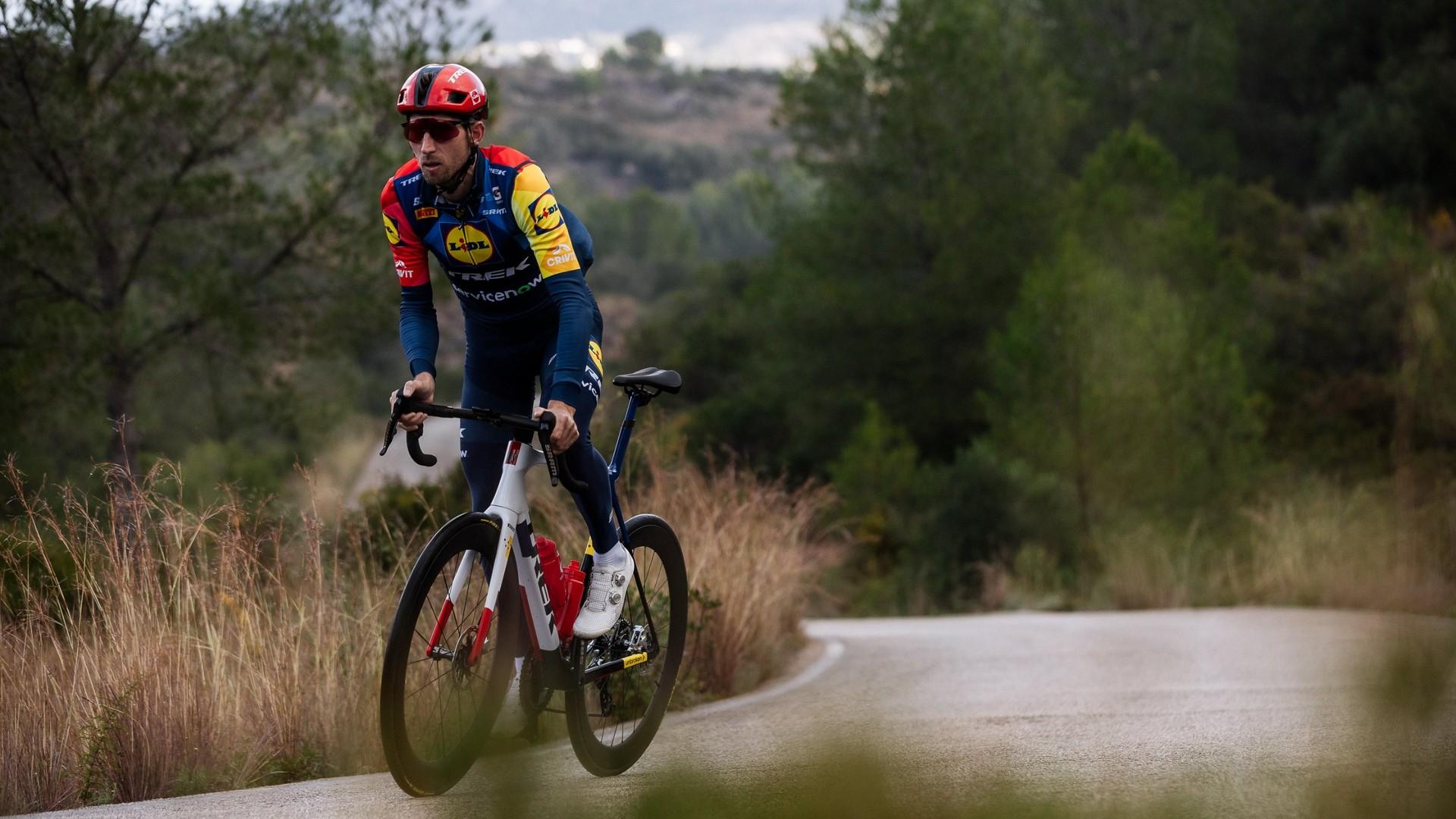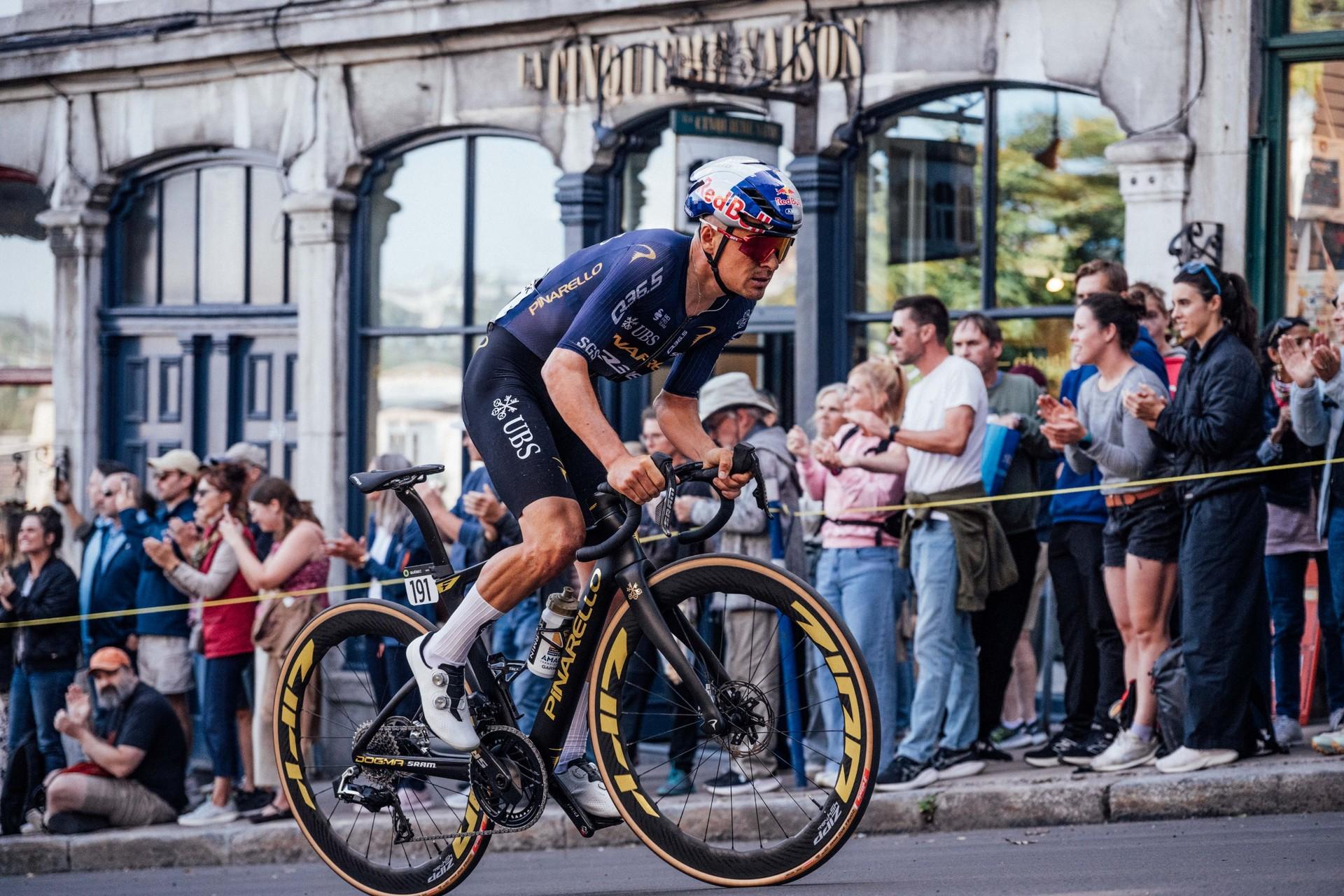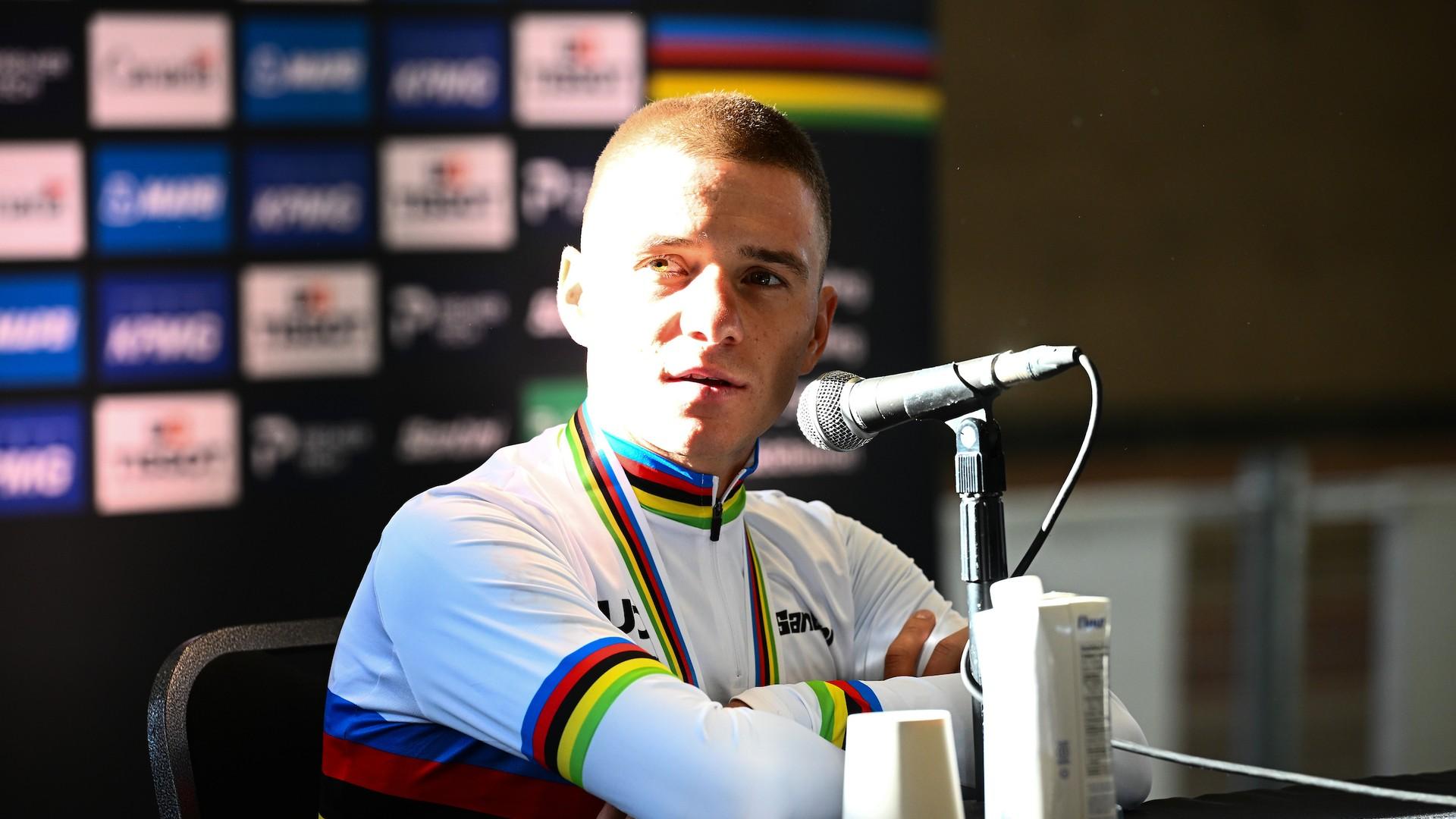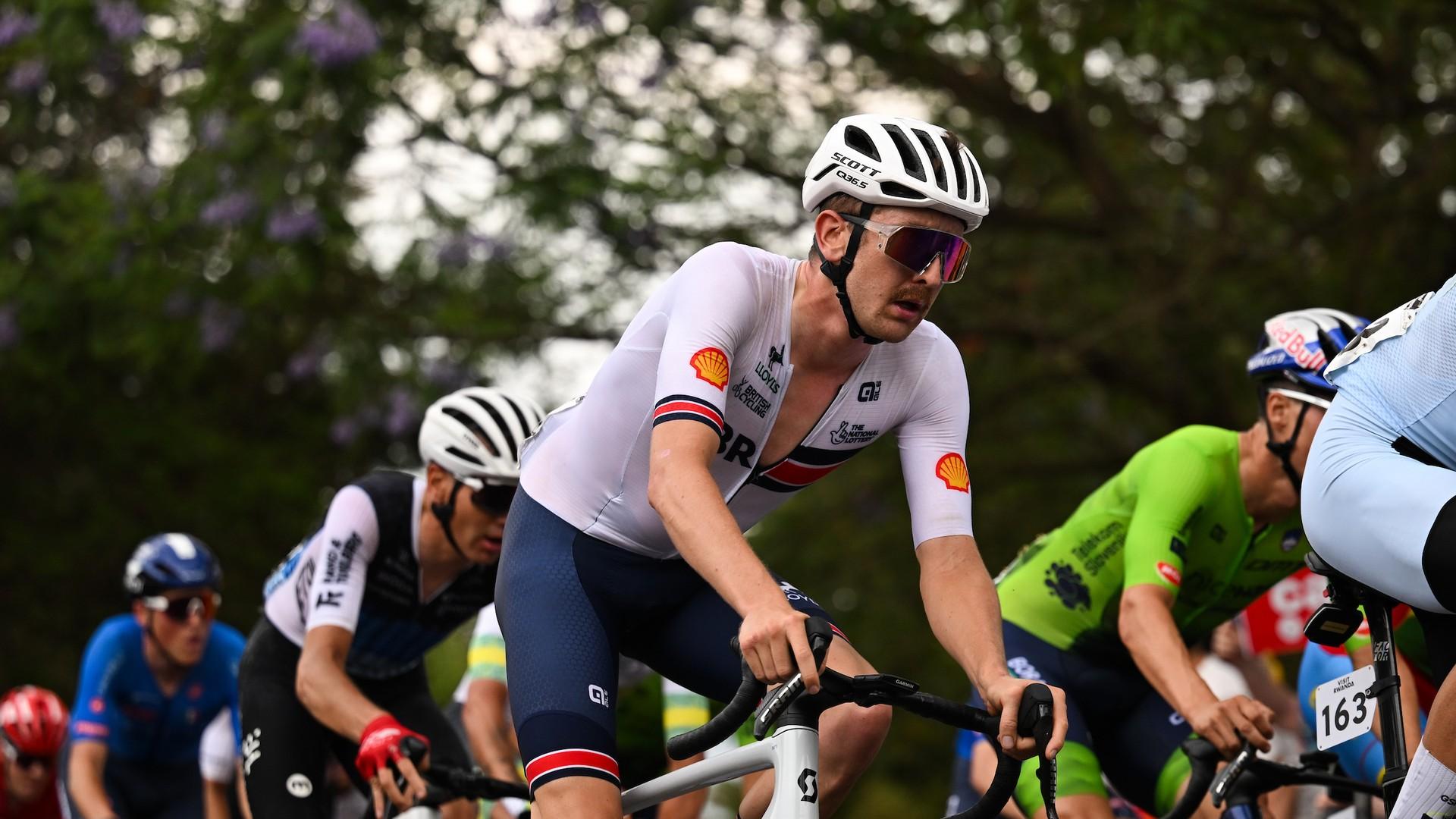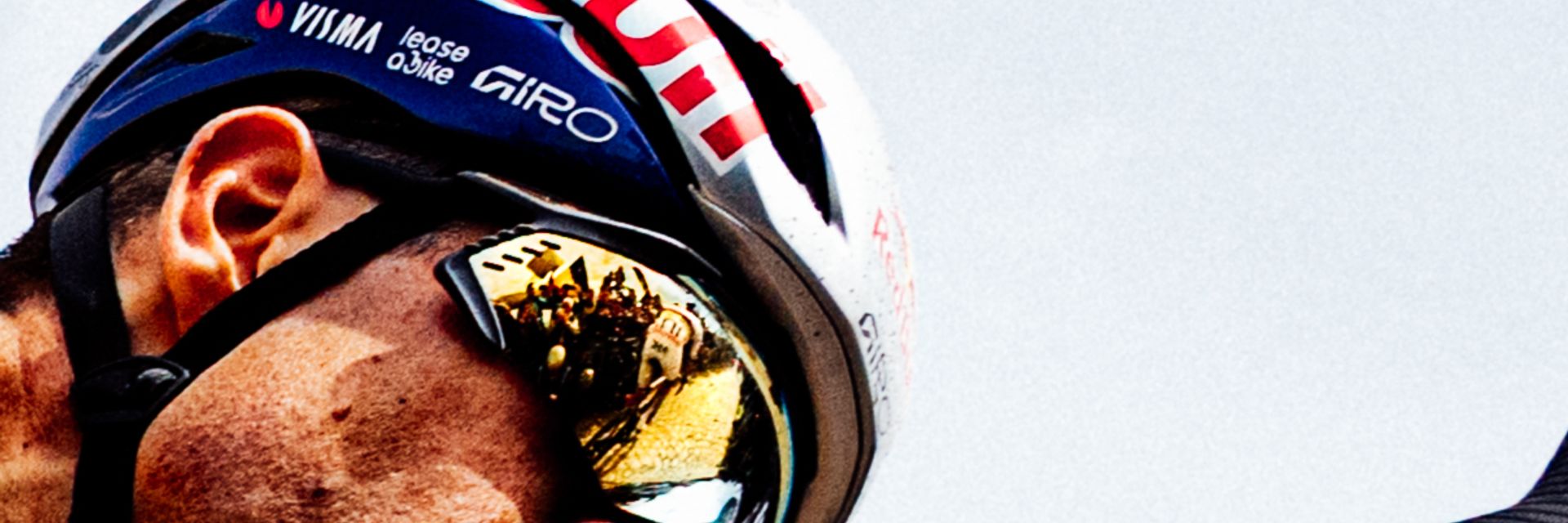
Wout van Aert (Visma | Lease a Bike) won the 2026 Paris-Roubaix on Sunday in 5:16:52, setting a new all-time speed record for the race at 48.91km/h over 258.3km. Tadej Pogačar (UAE Team Emirates XRG) finished on the same time in second, with Jasper Stuyven (Soudal Quick-Step) third at +13 seconds.
The top eight finishers, including Mathieu van der Poel (Alpecin-Premier Tech), Christophe Laporte (Visma | Lease a Bike) and Mads Pedersen (Lidl-Trek), crossed the line within 20 seconds of Van Aert. This compression points to sustained high speed from the front group rather than a slow war of attrition.
The previous record belonged to Van der Poel, whose 2024 winning average was 47.8km/h. Van Aert's 2026 mark moved the ceiling by more than a full kilometre per hour, the largest single jump in recent Roubaix history. Before 2022, the fastest winning speed on record was set in 2017 by Greg Van Avermaet, who won with an average speed of 45.204 km/h. Before that, the record speed was Peter Post's 45.13km/h from 1964, but this fell during a period when there were far less cobbled sectors on the route.
The five fastest editions have now all come since 2022.
Fastest Paris-Roubaix Editions
Top 5 fastest average speeds in race history

Rider | Speed | Year | Distance |
|---|---|---|---|
| Dylan van Baarle (NED) | 45.79 km/h (28.45 mph) | 2022 | 257.2 km (159.8 mi) |
| Mathieu van der Poel (NED) | 47.80 km/h (29.70 mph) | 2024 | 259.7 km (161.4 mi) |
| Mathieu van der Poel (NED) | 46.92 km/h (29.16 mph) | 2025 | 259.2 km (161.1 mi) |
| Mathieu van der Poel (NED) | 46.84 km/h (29.11 mph) | 2023 | 256.6 km (159.4 mi) |
| Wout van Aert (BEL) | 48.91 km/h (30.39 mph) | 2026 | 258.3 km (160.5 mi) |
Why it was so fast
Historical weather data for Sunday in Lille suggests relatively benign conditions, with temperatures around 16°C under passing clouds, 49% humidity, pressure around 1014 mbar, and a light southerly wind of roughly 12 mph. That combination typically rewards aggressive racing and tends to increase average speeds across the entire course. Dry cobbles also reduce crash risk and minimise time losses from cautious riding across Roubaix’s 54.8km of pavé.
Conditions alone do not explain the full leap. The broader equipment trend at Roubaix has been pushing speeds upward for several years. Aero road bikes are now the default rather than the exception, wider tyres of 30–32mm are standard, disc brakes are universal, and some teams have moved to 1x drivetrains for further aerodynamic and simplicity gains. Since only about a fifth of the 258.3km course is actually cobbled, aero advantages on the open roads between sectors compound across the race.
Technical advantages such as Gravaa's adjustable tyre pressure system present the opportunity of riding in a fully optimised road setup between sectors – which could further lift average speeds. The system was banned in this year's edition, on account of the company's bankruptcy earlier this year.
A new alternative system has been patented in recent months which could hit a much lower price point, but the inventor hopes to sell the patent rather than bring it to market.
Beyond the technical advantage, the likely reason the gap will be narrowed will be physiological rather than technical. As we explored in our analysis of the four-minute gap in Pogačar and Chris Froome's Ventoux ascents, the main difference in speed is determined by wattage, itself influences by leaps in physiology and nutrition.
The 50km/h threshold is now 1.09km/h away. Closing that gap would require a tailwind, dry roads, aggressive racing and continued equipment evolution. Given the trajectory in recent editions, though, it seems inevitable.
Roubaix has entered a new speed range, and the next landmark is close, though it remains at the mercy of a sport that still runs through dirt and cobblestones.