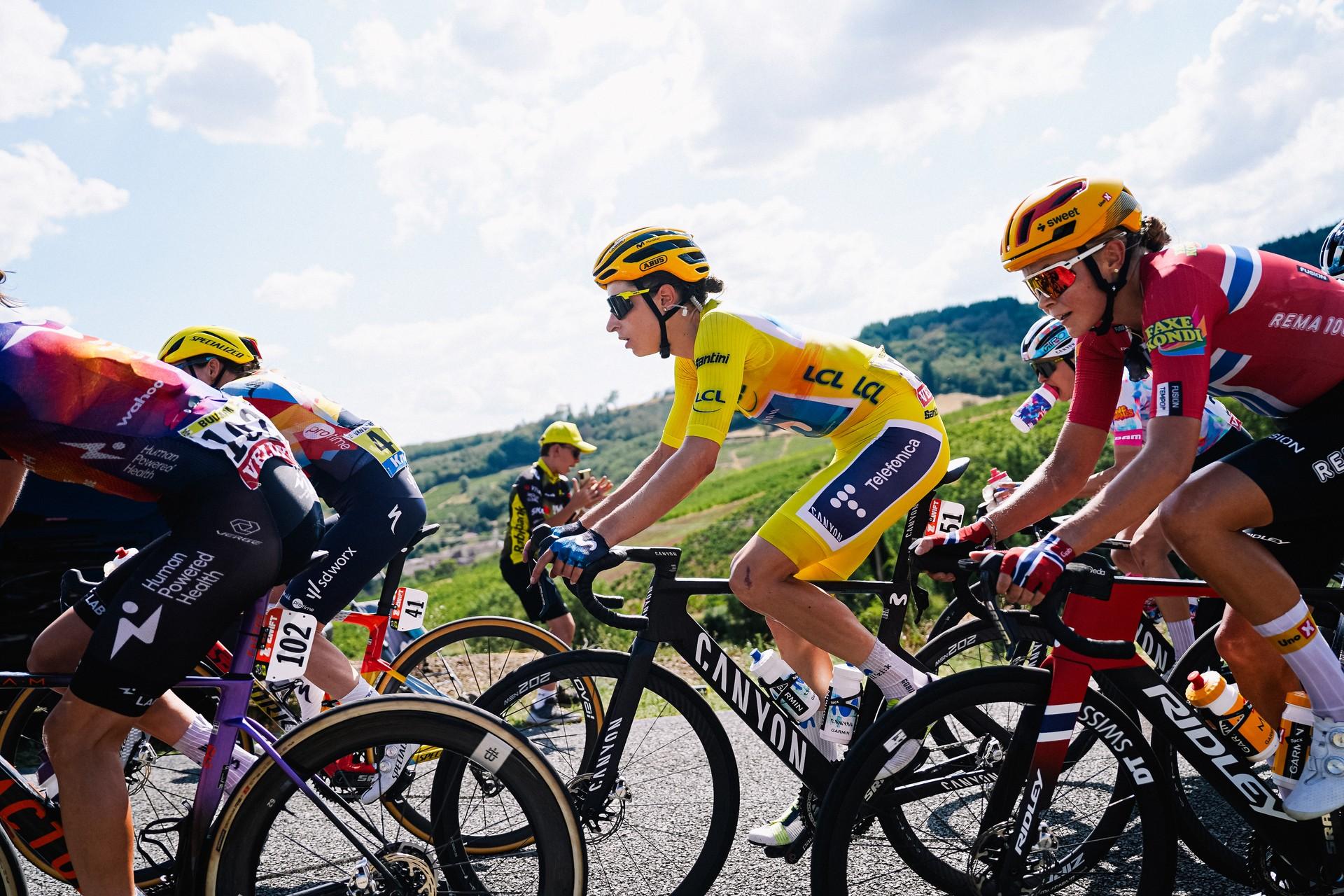
A newly published patent proposes a lower-cost bicycle Tire Pressure Management System (TPMS), arriving weeks after the bankruptcy of Gravaa, the Dutch company whose technology proved the concept in professional racing but failed to build a sustainable consumer business.
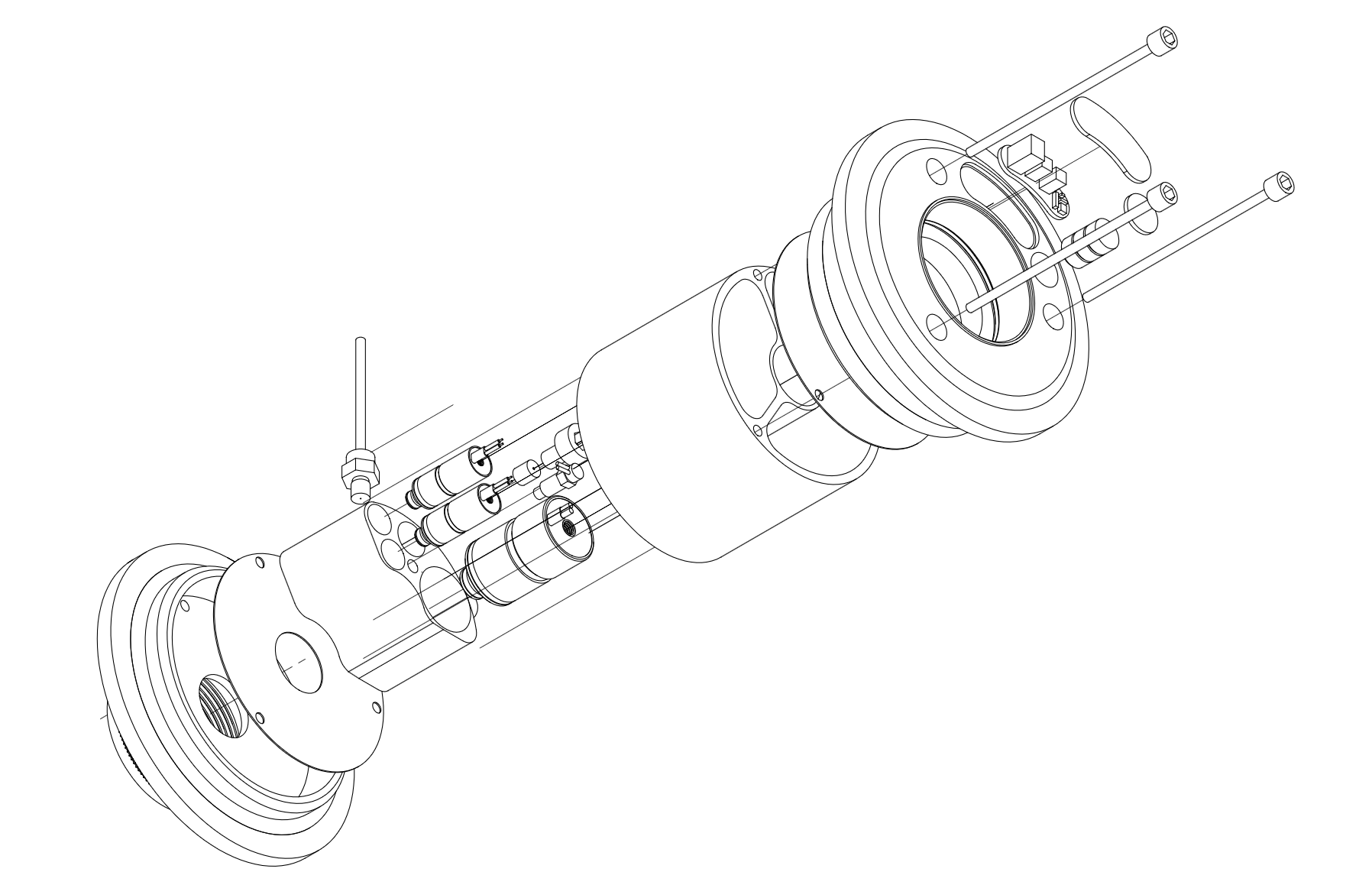
A sketch of the new patented system
Patent WO2025/261588, filed by independent Swiss inventor Bernhard Buergler and published on March 7, describes a hub-mounted device that uses a refillable liquid CO2 tank and a 3D-printed manifold to inflate and deflate tyres while riding. Buergler said the system is projected to retail at 20–30% of the price of earlier TPMS products, a reduction he attributes to the use of off-the-shelf industrial components and additive manufacturing in place of custom mechatronic hardware.
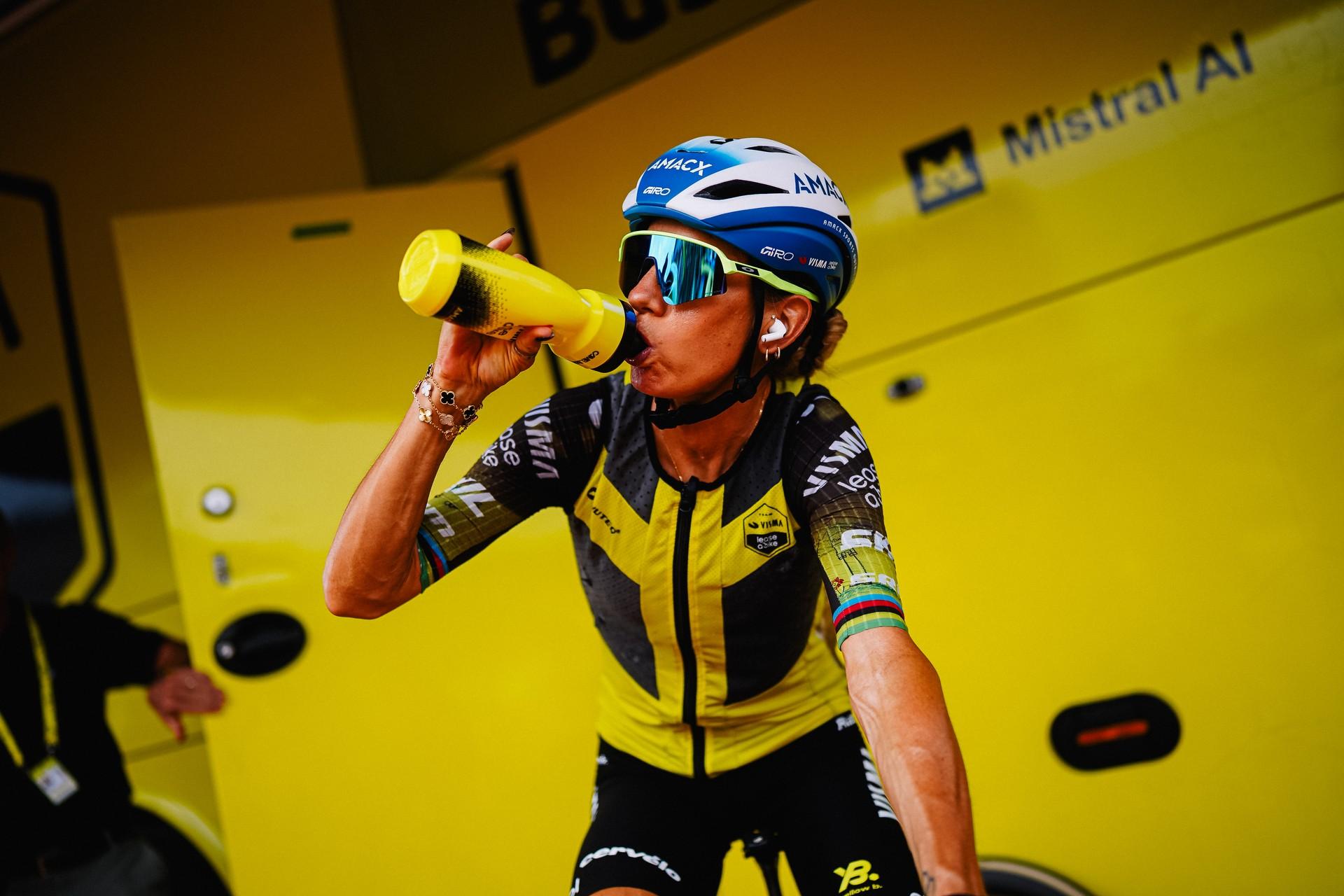
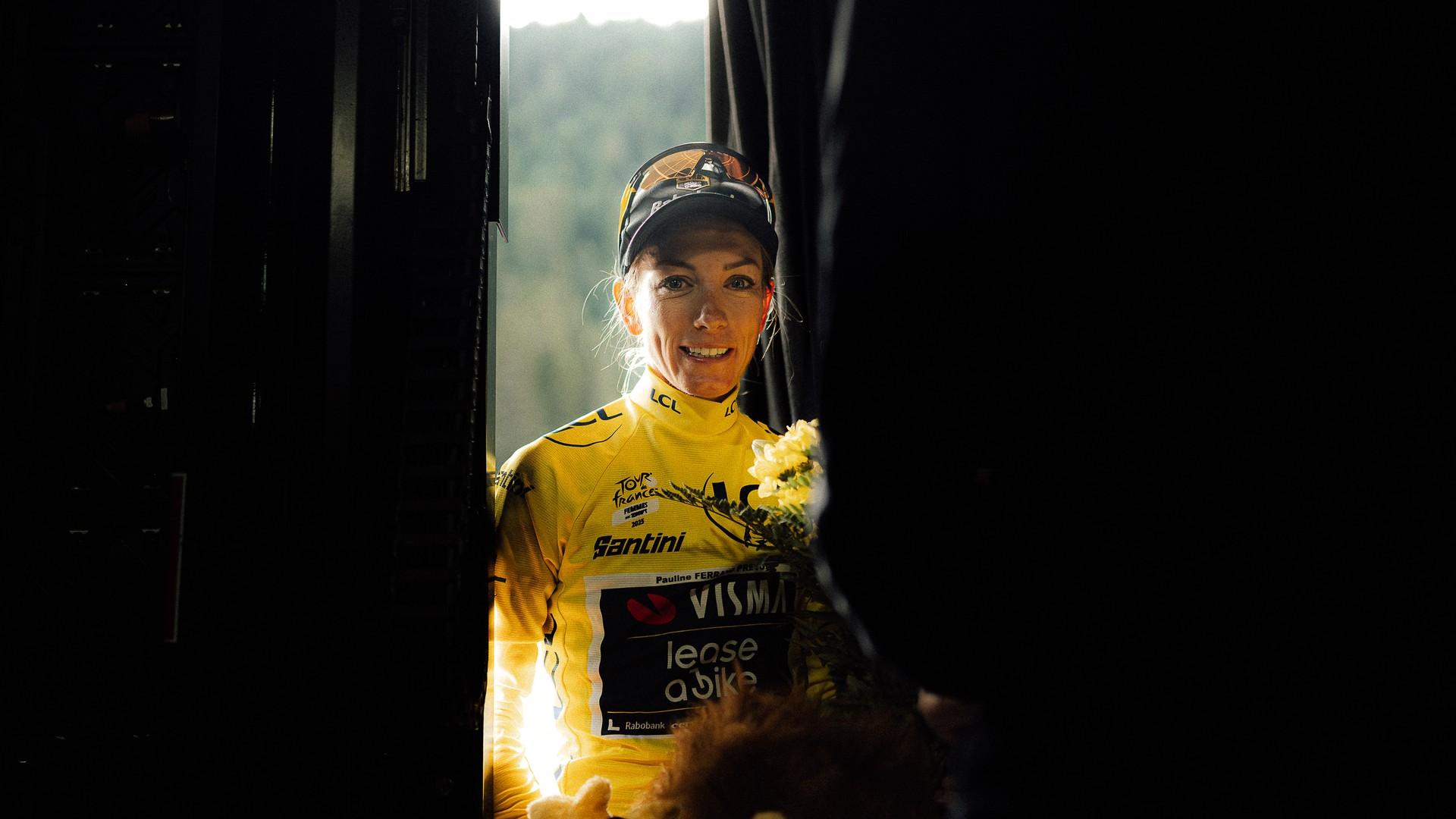
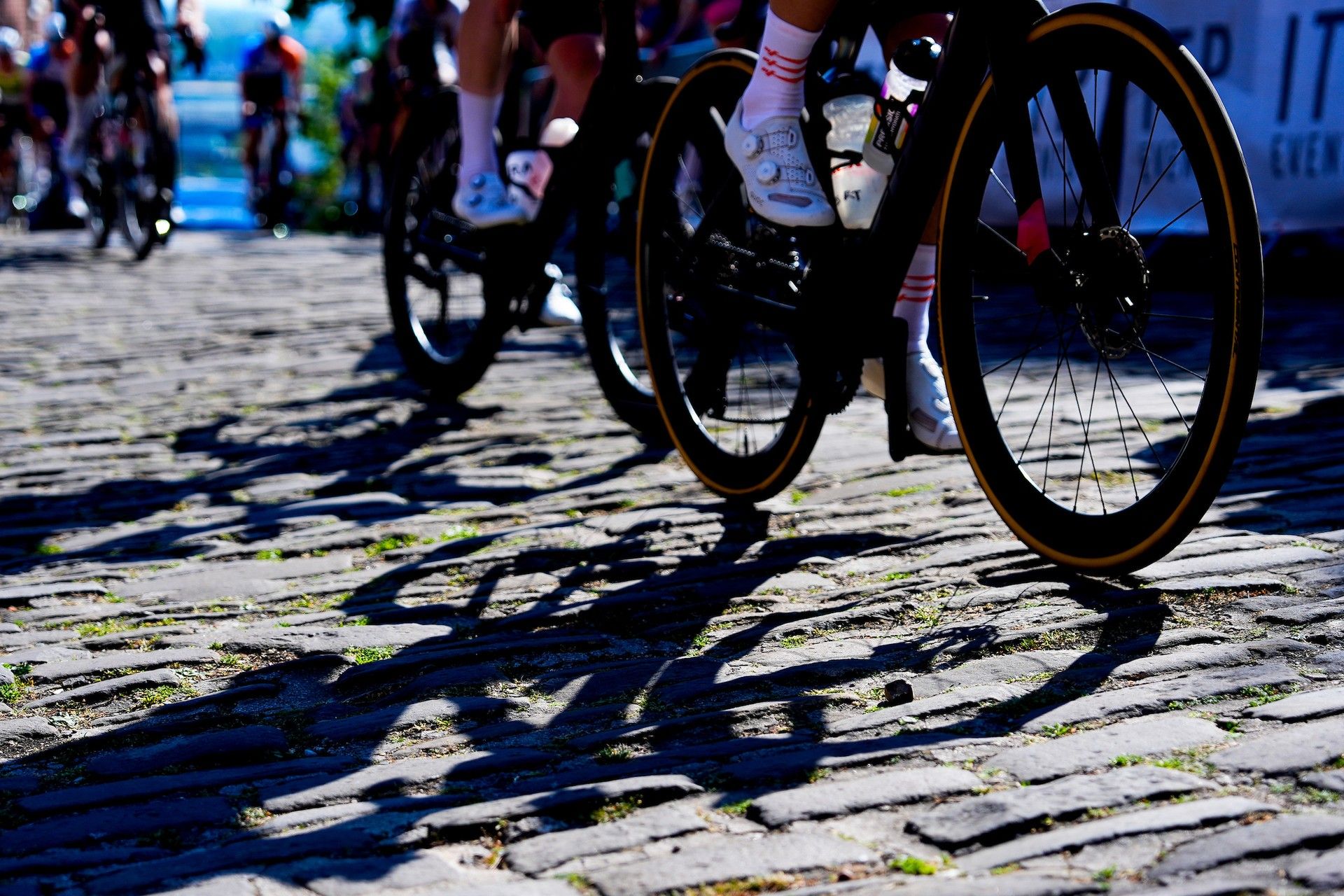
TPMS lets riders adjust tyre pressure on the move, lowering it for grip on rough terrain and raising it again for lower rolling resistance on smooth roads. The technology has already demonstrated its value at the highest level of the sport. Pauline Ferrand-Prévot (Visma-Lease a Bike) used Gravaa's Kinetic Air Pressure System to vary pressure sector by sector en route to winning Paris-Roubaix Femmes, dropping to 2.1 bar on cobbles and pumping back up to 4 bar on asphalt. "I felt like I could recover more than the competition," Ferrand-Prévot said.
But competitive results did not translate into commercial survival. In January 2026, Gravaa was declared bankrupt by a Dutch court. The Eindhoven-based startup's system relied on a miniature pump inside the hub, driven by kinetic energy from wheel rotation, inflating at roughly 0.8 bar per kilometre. It was a complex system that was expensive to manufacture.
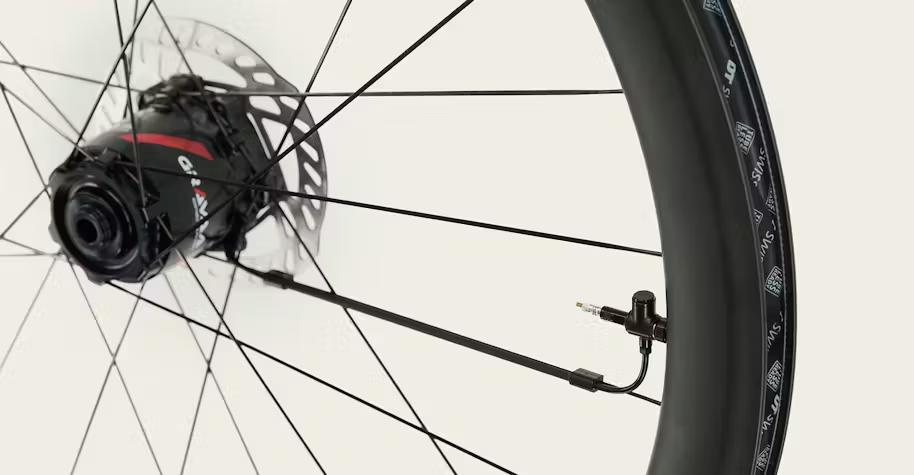
Gravaa's self-inflating tyre system, the company filed for bankruptcy earlier this year. Image: Gravaa
"Of course, the partnership and use of Gravaa by Team Visma | Lease a Bike helped us and there was concrete interest from other road teams and gravel racers," Gertjan van Ginderen, Gravaa's CEO and Founder said at the time of bankruptcy. "Gravaa was available for the consumer market as well, via our own web shop and retailers. But it was difficult to get enough orders to be able to scale turnover and make any margin."
The company also acknowledged that converting its production capability into sustained orders from bike manufacturers "proved challenging in the current market environment."
A patent, not a product
Buergler's design takes a fundamentally different approach. Where Gravaa harvested mechanical energy to power a pump, the new system stores uses liquid CO2 and distributes it through an array of micro-valves controlled via the manifold. The press release describes inflation and deflation as "instant" and achievable "in seconds," though no specific flow rates, system weight, or CO2 capacity figures have been disclosed.
Several questions that determined Gravaa's fate remain unanswered for the new design: how many pressure cycles the tank supports before refill, how the system integrates with tubeless tyre setups, what rider interface controls the adjustments, and whether wireless connectivity to bike computers is part of the architecture.
Buergler is not attempting to bring the product to market himself. The patent is listed for sale, with the inventor seeking an established company to license the intellectual property and handle manufacturing, certification and distribution.
Whether any company acts on that opportunity will depend on engineering answers that a patent filing alone cannot provide. The concept is published. The hard part, turning it into a product that works reliably at a price consumers will pay, is the step that has defeated every attempt so far.