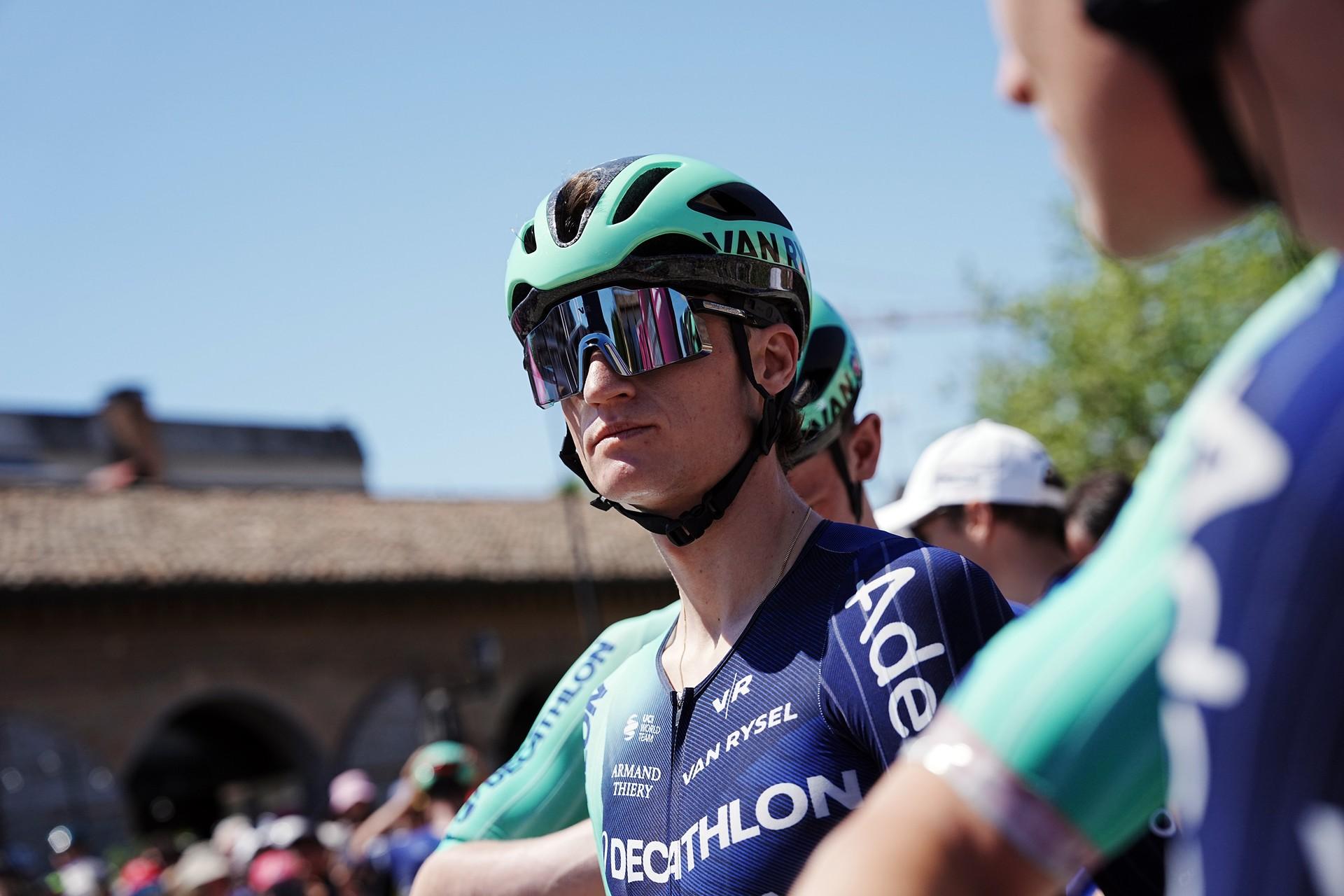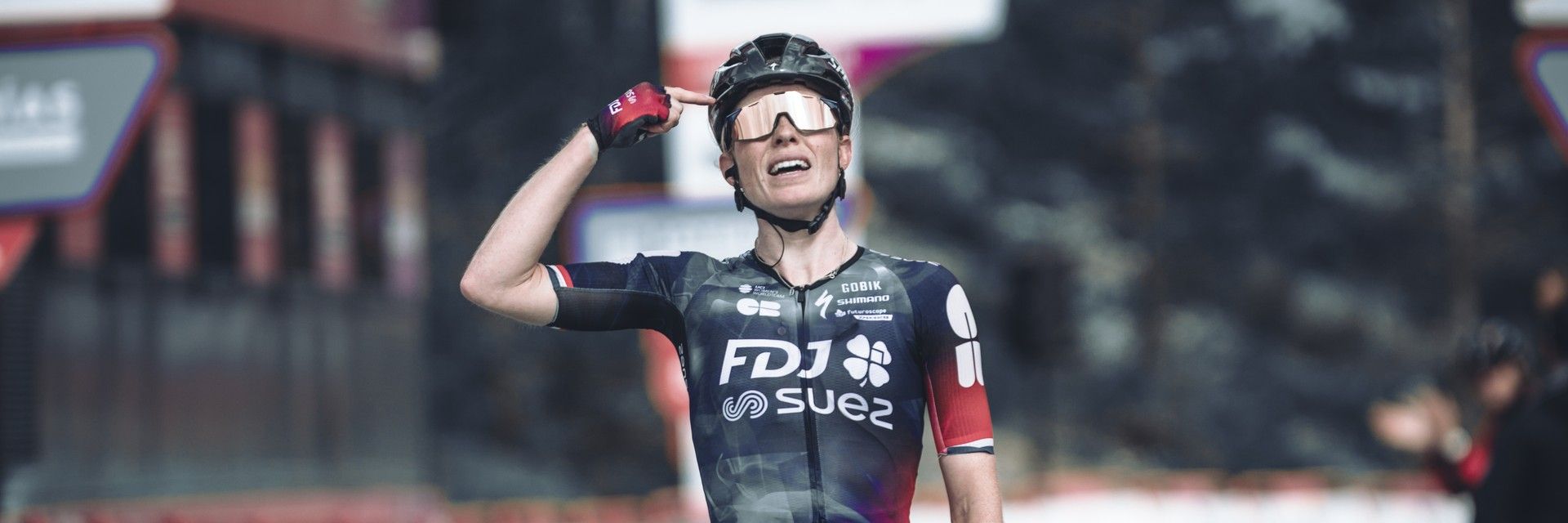
Demi Vollering (FDJ United-SUEZ) publicly defended Thymen Arensman (Netcompany INEOS) on Tuesday, posting a lengthy statement on LinkedIn after days of debate around his emotions and reduced media availability at the Giro d'Italia.
Vollering argued that athletes are rewarded for appearing "perfect" in public while vulnerability gets compressed into headlines.
"Too often, vulnerability is reduced to headlines. Emotion becomes clickbait. And nuance disappears," Vollering wrote.
The post came one day after Arensman, who was racing for a podium position at the Giro, spoke to media on the final rest day outside Milan. "Sport is tough and negativity isn’t of much use, even though it’s part of being human," he said in comments reported by Wielerflits. "We looked for a way to deal with that, and I think we succeeded."
Vollering said the discussion around Arensman had made her think again about how athletes are treated when they open up. "Last year he spoke openly and emotionally about pressure and mental struggles," she said. "This year, there is almost complete protection around him from media." She added that she understood the pressure.
She connected Arensman's situation to public treatment of athletes beyond cycling, naming Naomi Osaka, Simone Biles and Jutta Leerdam. "Different sports, different personalities, but similar conversations around pressure, visibility, vulnerability and public opinion," she said.
The access dispute behind Vollering's post
Arensman's limited media presence had already become a talking point before Vollering's post. As Velora reported last week, Eurosport presenter Sander Kleikers said he had been requesting Arensman daily through the team's press chief without success. The debate escalated when former professionals weighed in publicly.
Tom Dumoulin said post-stage media availability is "part of it" and called it "a duty." He said he understood Arensman's reasoning and even had sympathy for it, but added: "Indirectly, it is the business model of the sport. The attention it generates is also what pays the riders' salaries." Former rider Erik Breukink went further, saying: "I think they should compel him to do it."
Geraint Thomas, Arensman's teammate at INEOS, offered the team's perspective. "We made a plan beforehand with Thymen and our press officer," Thomas said. "I told him: 'We'll do whatever helps you stay focused and we don't want to drag you into everything.' From our side, there is absolutely no pressure to do it if he doesn't feel like it."
Arensman himself addressed the gap earlier in the race, saying he had not heard any media requests through the team and assumed there were none. After the stage 10 time trial he moved to third overall, and was fourth in the general classification heading into the final week.
Vollering, who has spoken openly in the past about her own emotional experiences in the sport, framed the issue as systemic and wider than one rider's availability. "Attention has become the currency," she said. "Speed beats nuance. Emotion drives clicks."
"And because of that, athletes are becoming more media trained than ever before."
She said the cost extends beyond sport. "Because the struggles high performance athletes face are often the same struggles many people experience in their own lives. Pressure. Expectations. Fear of failure. Anxiety. Self doubt."
Vollering closed the post by saying that "being vulnerable should not be seen as weakness. It’s part of being human."