The men's WorldTour minimum salary will be frozen at 2025 levels for the 2026 season, with riders’ union president Adam Hansen confirming there will be no automatic increase while negotiations focus on wider structural reforms.
“There have been no increases in minimum salary and we are speaking with the teams now about this,” Hansen told Velora, adding that “2026 is not possible. We are fixing some other items in the Joint Agreement... We hope we increase it in 2027.”
The decision halts a run of two consecutive 5% year‑on‑year rises that were written into the 2024–2025 roadmap agreed between the Cyclistes Professionnels Associés (CPA) and the AIGCP, which represents teams. With no new deal signed for 2026, the existing 2025 figures will carry over.
As we explain in our full WorldTour salary guide, for employed riders, the veteran WorldTour minimum salary remains €44,150 gross, with neo‑pros on at least €35,721. Self‑employed riders, who handle their own social charges, keep higher thresholds of €72,404 for veterans and €58,582 for neo‑pros.
The regulations define a neo-pro (neo‑professional) as a rider in their first two seasons on a WorldTeam or ProTeam contract – while being 25 or under for male riders. All other riders are classed as veterans.
Away from minimum salary, the CPA has made a shift in contract dates a priority. It wants deals to start and end on 1 October rather than 1 January, bringing them into line with the end of the road season and formalising what is already happening informally at winter camps.
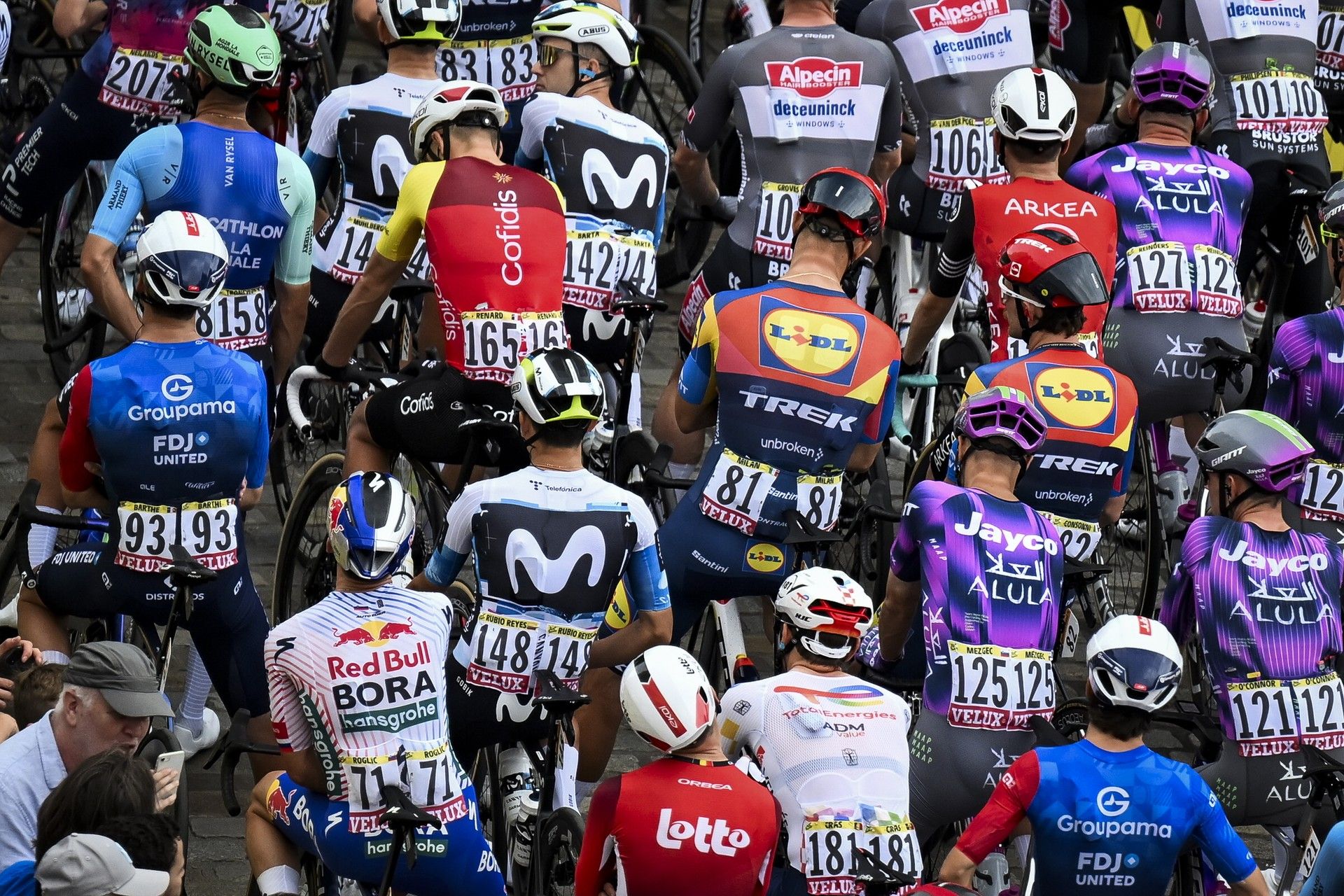
“One thing the riders are pushing for is contracts to start and end in October. It’s nuts they go on camp in black kits and are afraid to speak to the media,” Hansen said, referring to riders who signed for new teams but were under contract to their old employer until 31 December.
The current system creates sponsorship conflicts and uncertainty over insurance if a rider crashes while training with a future team before their new contract has begun. It can also worsen the impact of late‑announced mergers or team closures, which have in recent seasons left riders without contracts after most WorldTour rosters were already full.
While the men’s minimums freeze in 2026, the Women’s WorldTour continues on a separate track, as the CPA does not oversee minimum wage mandates for women in the same way. The UCI has raised minimum salaries in recent years in an effort to close the remaining gap, and Velora has approached the UCI for comment on both men's and women's salaries. Some organisations, such as dsm‑firmenich PostNL, have already equalised base pay between their men’s and women’s squads.
Talks between the CPA and teams over both the Joint Agreement and future minimum salaries are ongoing, with the union targeting a more substantial adjustment from 2027.