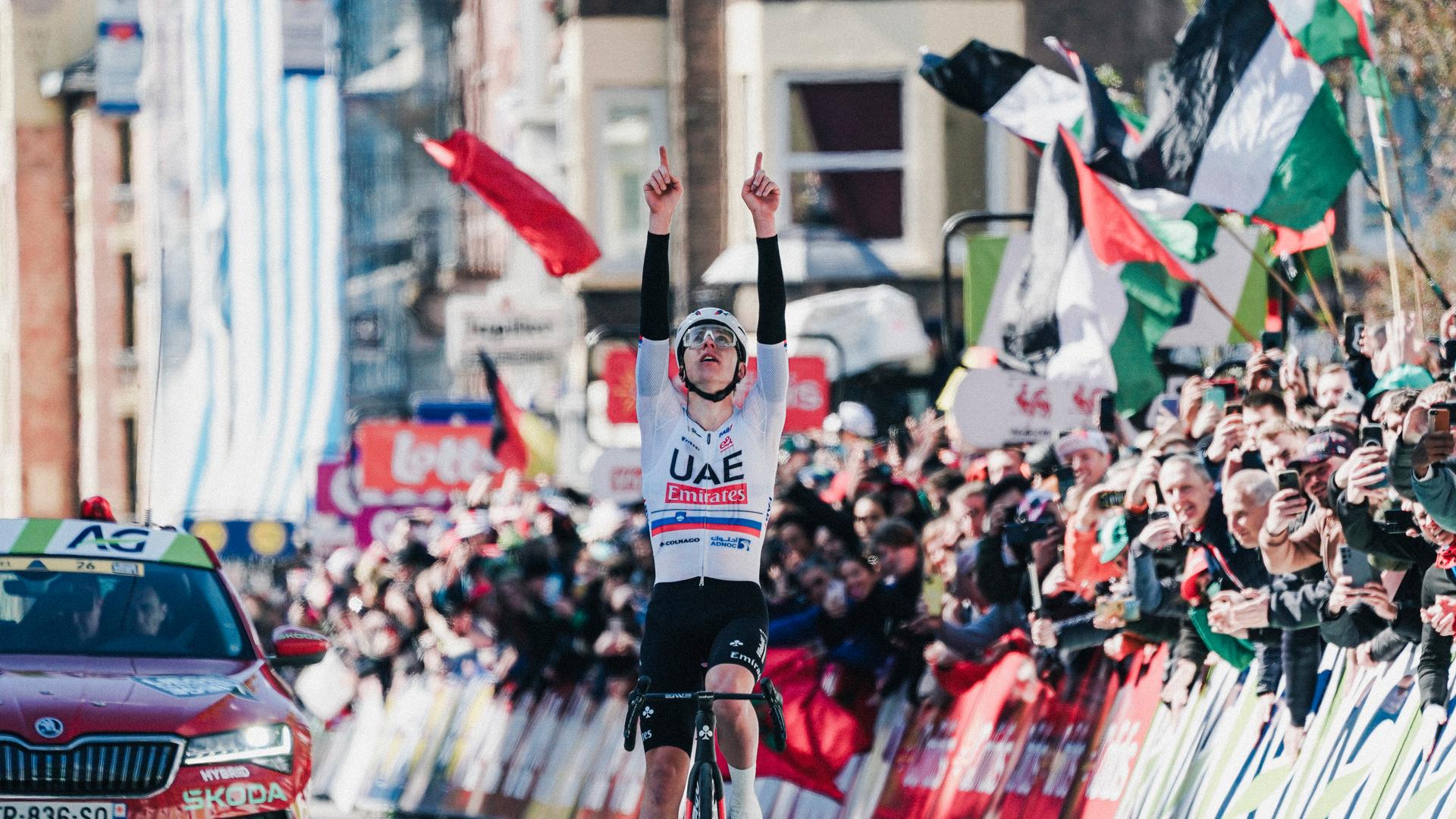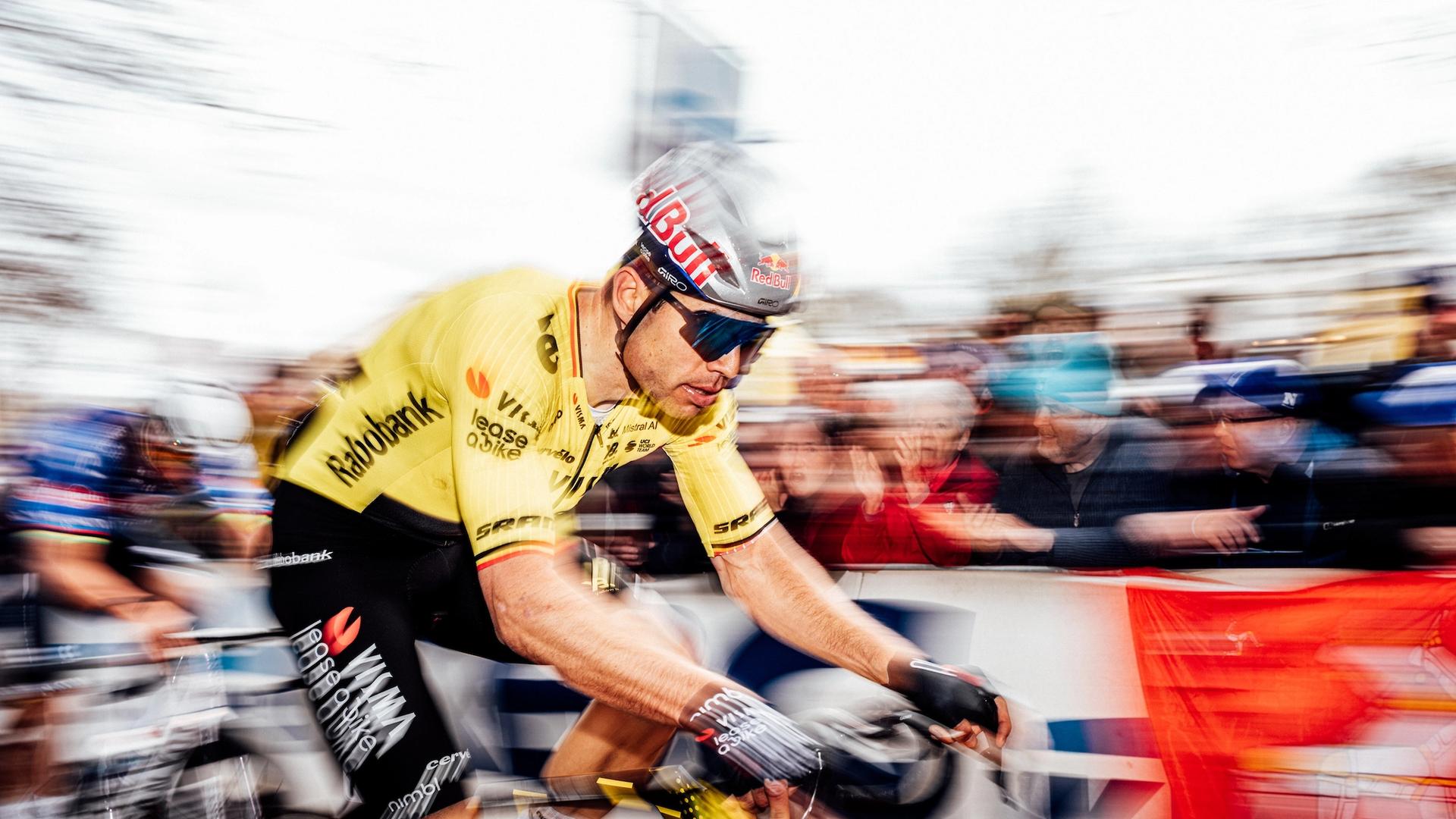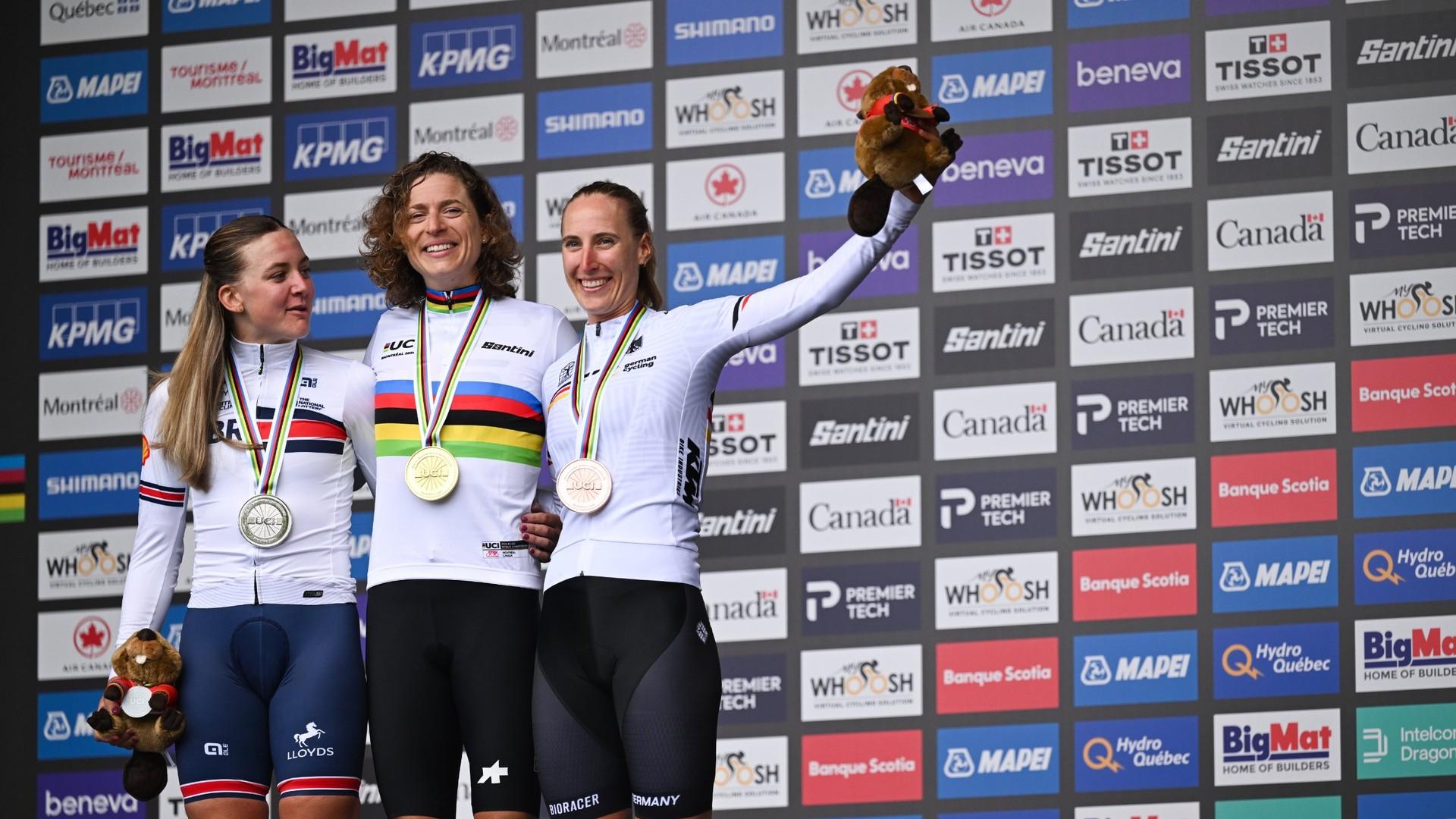
Salaries at the top of professional cycling have never been higher, with many estimates putting Tadej Pogačar's earnings up to €12m, while Demi Vollering was rumoured to be the first female rider to break €1m. For the top one per cent of the sport, the rewards from cycling have never been so good.
The more revealing question, when judging how far the sport has really progressed in professional terms, sits at the other end of the scale: what does cycling pay the riders whose labour makes those Tour de France wins possible?
In 2025, for the first time, almost all full‑time WorldTour riders could be considered, at the least, fairly paid. But the answer to what the floor is for a WorldTour rider salary is more complicated than one headline figure.
At the top level, the minimum wage is set not by teams or the UCI alone, but by a Joint Agreement between the riders’ union (CPA) and the teams’ association (AIGCP). The most recent agreement, signed in late 2023, locked in annual increases through 2025 – and quietly reshaped the economics of the WorldTour.
The headline numbers: men’s WorldTour in 2026
While the 2023 agreement locked in 5% increases for two consecutive years, that has now paused. The CPA has confirmed directly to Velora that the men’s WorldTour minimum salary will be frozen at 2025 levels for the 2026 season, with negotiations focused instead on wider structural reforms.
With that in mind, for male WorldTour riders, the minimum salary depends on two things:
- Are you a neo‑pro or a veteran?
- Are you employed by the team, or self‑employed (freelance)?
For riders on a standard employment contract, the 2026 gross minimums are:
- Veteran WorldTour rider (employed): €44,150
- Neo‑pro WorldTour rider (employed): €35,721
Those are gross figures before personal tax, but with the team also paying employer social charges on top. The minimum salary in self‑employed form looks much higher on paper:
- Veteran WorldTour rider (self‑employed): €72,404
- Neo‑pro WorldTour rider (self‑employed): €58,582
The distinction between self-employed and employed riders is probably not understood by most fans, and indeed something I discovered in writing this piece. That jump isn’t a secret tax dodge; it’s because a self‑employed rider has to cover everything the team would otherwise fund – social security, insurance, pensions – out of that higher gross.
Image credit: ASO
What is a neo‑pro in pro cycling?
The regulations define a neo‑professional as a rider in their first two seasons on a WorldTeam or ProTeam contract – while being 25 or under for male riders, and under 23 for female riders. Teams can pay them a lower minimum, on the logic that they’re still being developed and are less proven.
From year three, they age out of that status and must be paid at least the veteran minimum. That’s one reason you see teams either committing early to young riders with clear upside – or quietly moving on when the pay band jumps.
Women’s WorldTour: catching up fast
Women’s salaries have moved even faster. The Women’s WorldTour only got a formal minimum wage in 2020; since then the UCI has followed a roadmap to bring base pay closer to (and recently exceed) the men’s second tier, and ultimately towards parity at WorldTour level. The wage mandate isn't overseen by the CPA in the same way.
For 2025, the minimums for Women’s WorldTour riders were:
- WWT veteran (employed): €38,000
- WWT neo‑pro (employed): €31,768
Self‑employed women’s figures, again higher to reflect social costs, sit at roughly:
- WWT veteran (self‑employed): €62,320
- WWT neo‑pro (self‑employed): €52,000
That jump from €35,000 to €38,000 for an employed WWT veteran between 2024 and 2025 is an 8.5% rise – notably bigger than the men’s 5% increase. It’s a positive attempt to close the gender gap at the bottom end, even if the very top of the women’s market still lags far behind the Pogačars and Vingegaards.
There is yet to be a publicly shared established increase for the women's peloton in 2026, or confirmation that the minimum wage will be frozen as it has been for the men's WorldTour peloton.
Velora has reached out to the UCI for confirmation.
Why 'minimum' doesn’t mean what you think
On paper, €44k (men) and €38k (women) don’t sound outrageous for elite athletes racing 80 days a year, risking high‑speed crashes and basing their lives around altitude camps and heat chambers.
But there are caveats:
- It’s a minimum, not an average. Stars earn seven figures, but there’s strong evidence that the “middle class” – riders between ~€60k and €150k – is shrinking as teams funnel money into a few leaders and keep most of the roster close to the minimum.
- Cost of living and taxation vary wildly. A rider on €72,404 gross as a self‑employed resident in Monaco can end up with a very different net income to a teammate on €44,150 in France or Belgium, once social charges and tax are factored in.
- The floor shapes who gets hired. With a roster minimum of 27–30 riders, just meeting the men’s WorldTour baseline now represents a substantial fixed cost before a team has even paid staff or bought a single team car.
That, in turn, influences recruitment. If you can hire a promising neo‑pro for nearly €8,500 less than a veteran, you need a good reason – results, leadership, points – to justify keeping that experienced domestique around.
How we got here – and what’s next
The current numbers are the product of the CPA–AIGCP Joint Agreement that came into force on 1 January 2024. That agreement outlined mandatory 5% annual increases in the men’s WorldTour minimums through 2025, plus insurance standards and clearer rules around prize‑money distribution.
However, those automatic rises have now paused for the men's WorldTour, with a hopeful return in 2027.
Behind the joint agreement sits the UCI’s own “Financial Obligations” framework. WorldTeams must lodge bank guarantees – typically covering 25% of total salary mass – to ensure that, if a sponsor collapses mid‑season, riders still get at least three months of their contracted pay.
The benefit for riders is obvious: more of the peloton can treat cycling as a profession rather than an extended apprenticeship funded by family or side jobs. The downside is equally real: rising floors squeeze marginal teams and help explain why both men’s and women’s top tiers are consolidating around a smaller number of better‑funded operations.
In terms of riders, then, WorldTour cycling for both men and women can truly be considered professionalised, with neither peloton populated by any enthusiastic amateurs surviving on savings. In a sport that has long run on romance first and spreadsheets second, that shift might be one of the most important changes of the last decade.