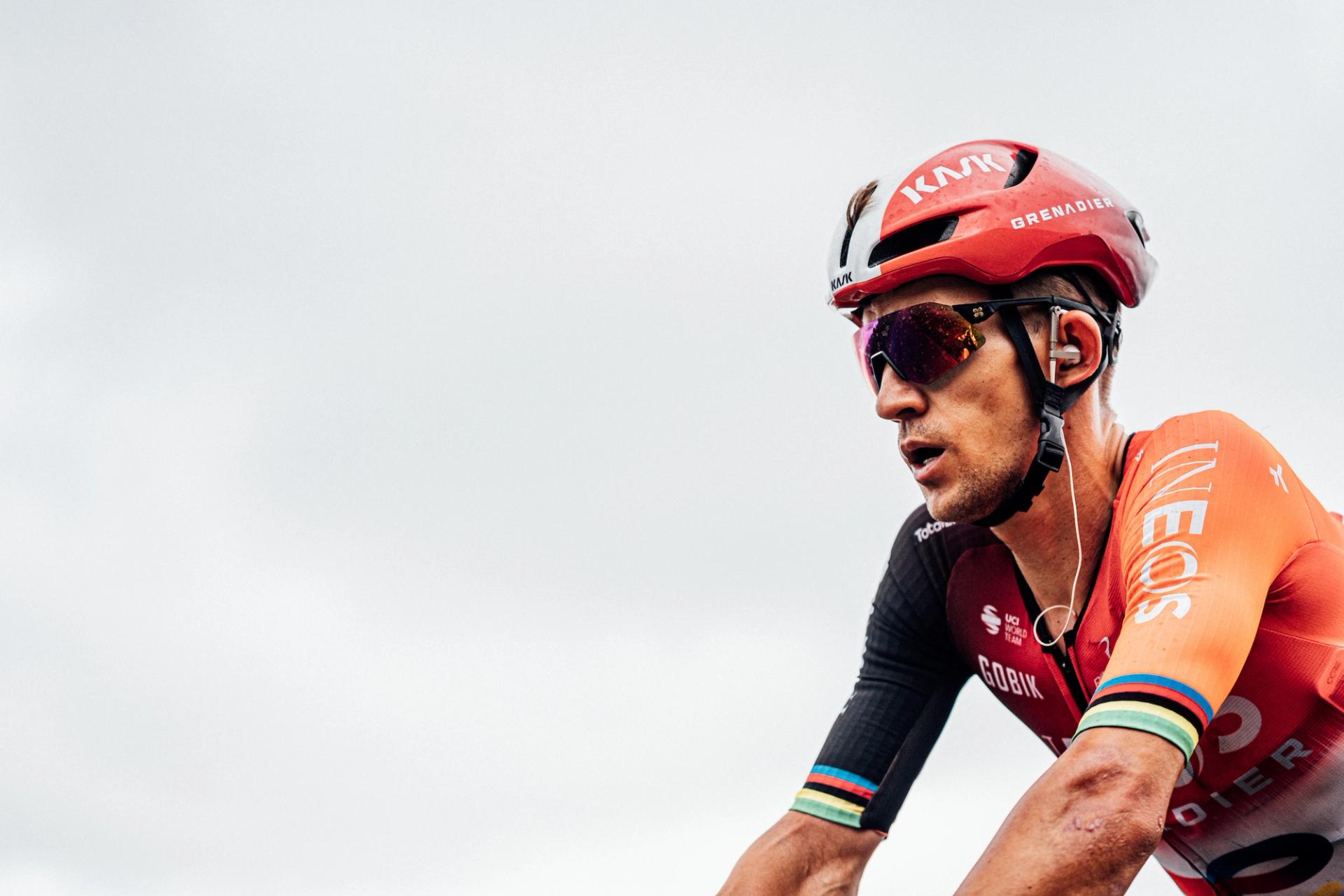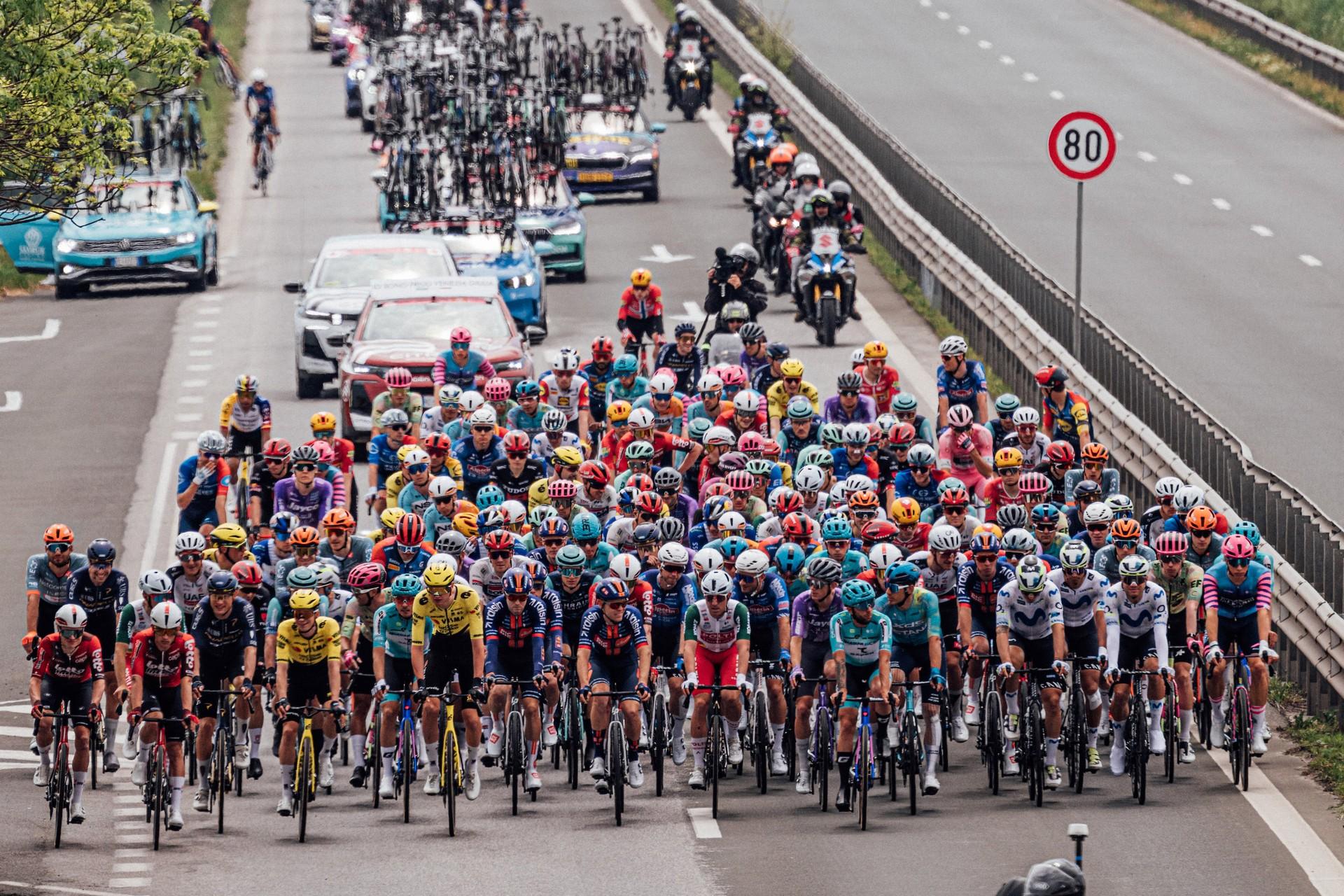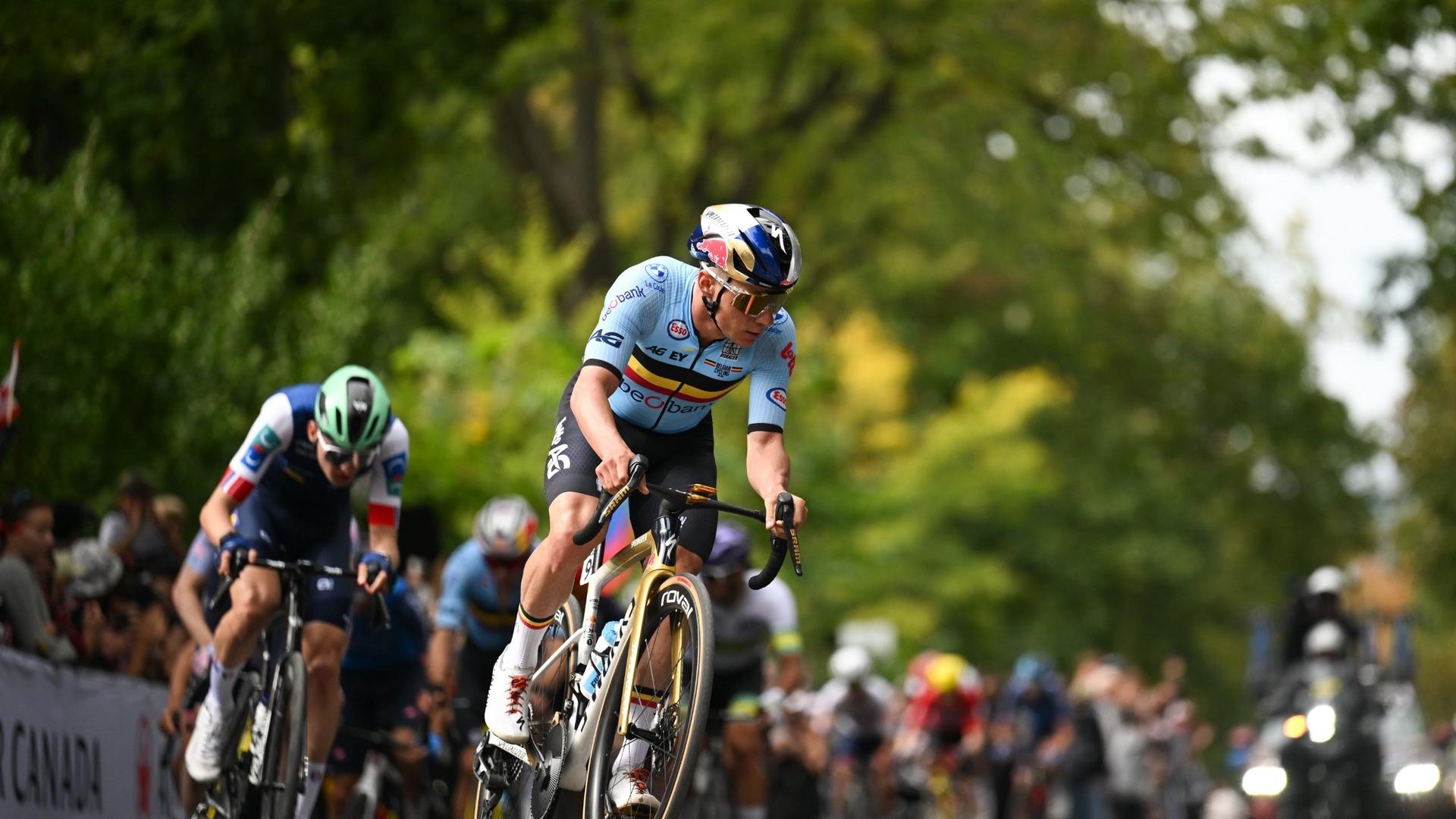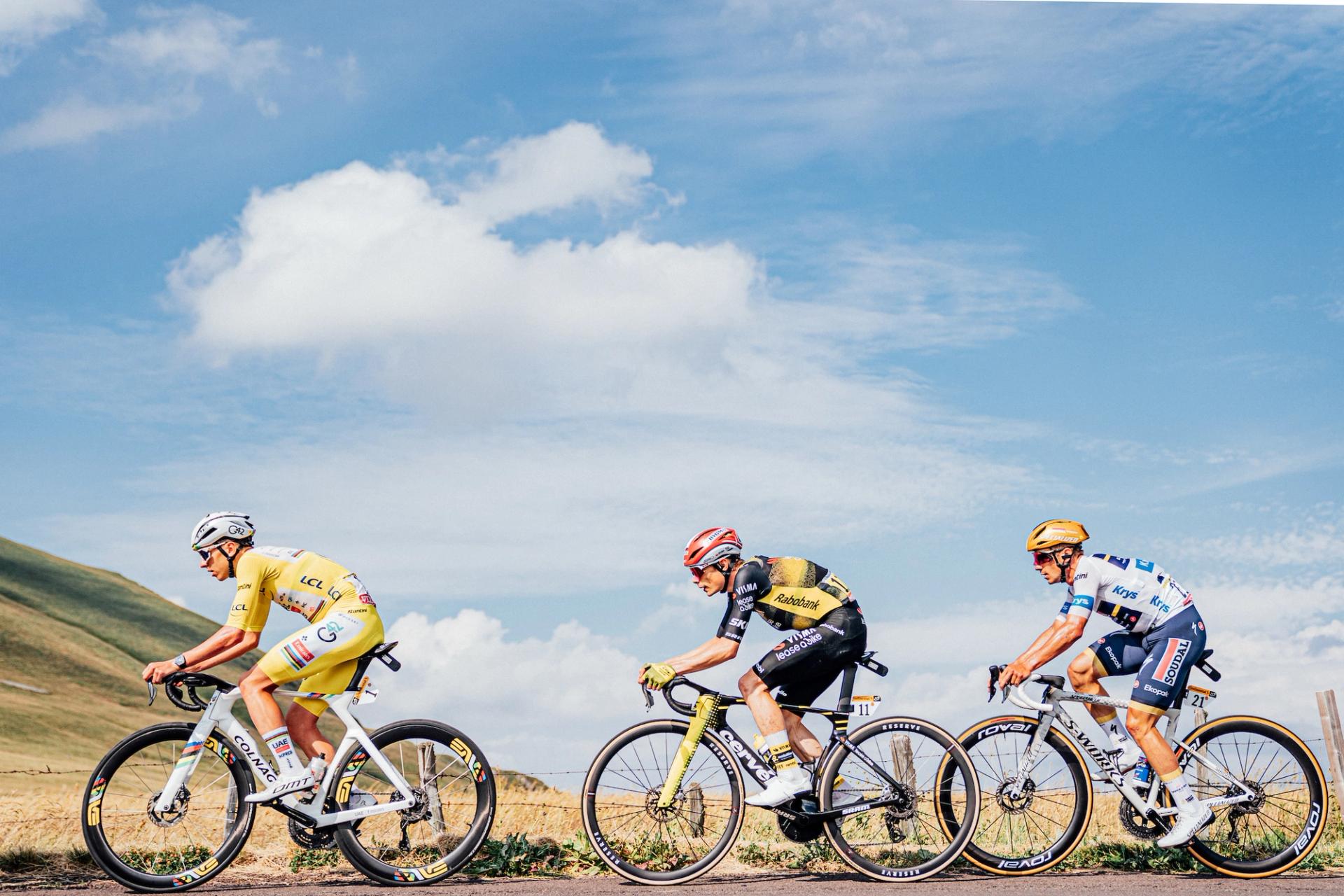
Netcompany INEOS is investigating a run of punctures at the 2026 Tour de France after Geraint Thomas estimated that its riders had suffered 10 or 11 flats since the race began.
Speaking in Champagnole on Sunday, July 19, before stage 15, the team’s Director of Racing and 2018 Tour winner said staff were recording the location and timing of each incident. The aim is to establish whether the punctures share a cause and whether tyre choices or setups should change.
“We are bringing together all the information, when and where the punctures happen, to identify whether there is a pattern and see whether we can do something to prevent them,” Thomas said in comments reported by L’Équipe.
Thomas said the total was not extraordinary by itself. The damage has come from the timing: Kévin Vauquelin punctured during the opening team time trial in Barcelona, compromising the team’s attempt to put him into the yellow jersey. Dorian Godon then punctured shortly after the start of stage 14, before Thymen Arensman suffered another flat while close to making the breakaway.
Speed and puncture protection
The incidents have placed the team’s use of Continental Grand Prix 5000 TT TR tyres under scrutiny. The model is designed to reduce rolling resistance and is used beyond time trials, but its lighter construction offers less puncture protection than Continental’s more robust GP 5000 S TR.
Godon was riding an S TR when he punctured on stage 14, however, while all Netcompany INEOS riders started stage 15 on TT tyres. Other teams also use the TT model without reporting the same number of flats, leaving tyre choice as one possible factor rather than an established cause.
Continental claims the GP 5000 TT TR construction includes a two-ply casing and a Vectran layer intended to resist cuts. The company added a 30mm version weighing a claimed 280g in March 2026.
Thomas said Netcompany INEOS had introduced “nothing new” at the Tour and was using the same tyres it had raced throughout the year. Chance could therefore account for the cluster, although the team’s engineers are continuing to assess the trade-off between speed and reliability in their daily recommendations.
“There is a risk/reward calculation to make,” Thomas said. “If the figures show that a particular tyre allows you to go faster but then you puncture once you are in the breakaway, that is not ideal. So we need to understand what is happening at the moment.”