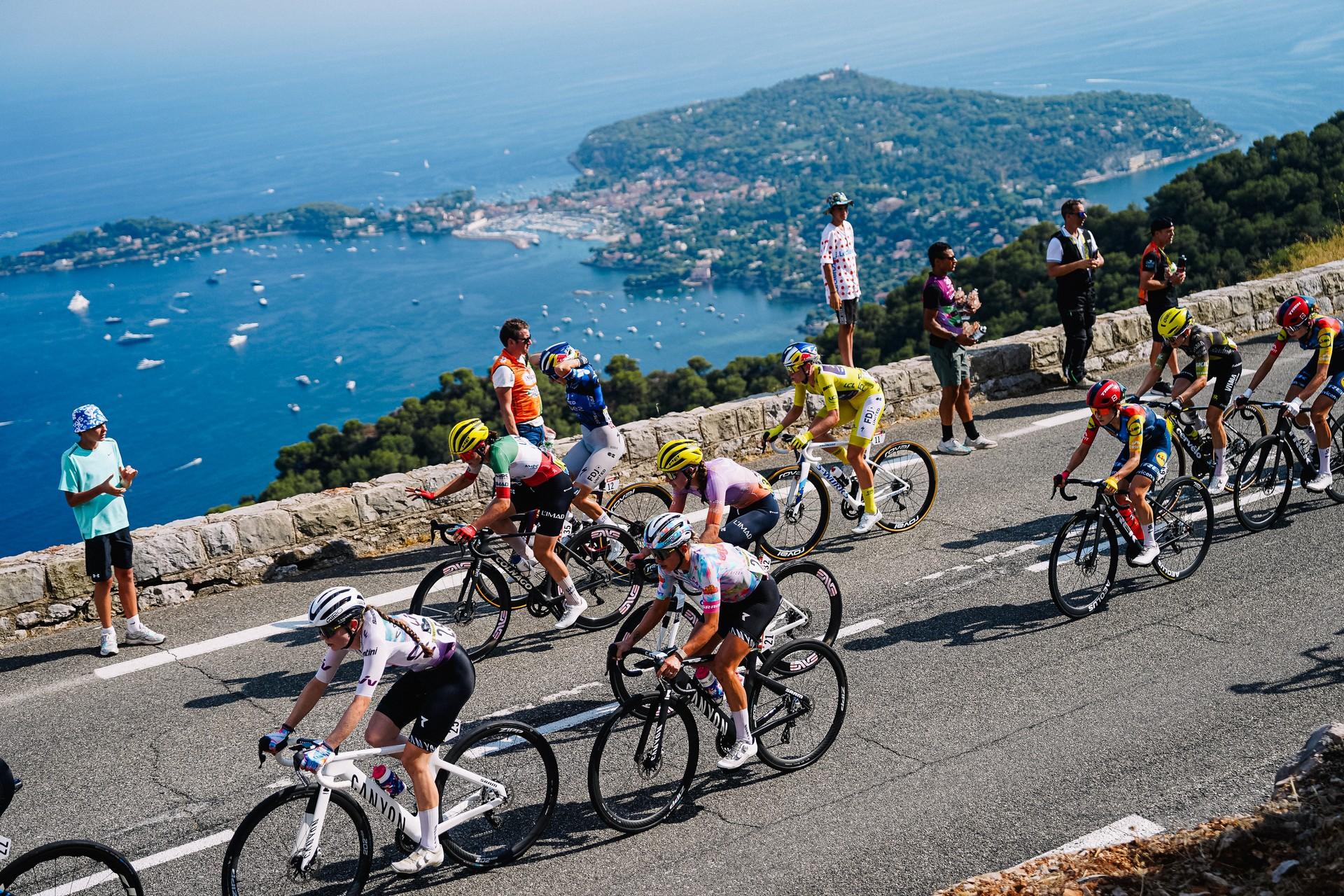
France’s appetite for cycling was on vivid display this summer. A record 45.6 million people in France watched the men’s Tour, and 23.2 million watched the Tour de France Femmes for at least a minute.
Away from the roadside and television screen, however, the bicycle business is changing. France sold 1.836 million new bikes in 2025, down 6% year on year, but repair revenue rose 13.3% to €128 million and second-hand sales through refurbishers and retailers increased 14%.
The figures, presented by the Union Sport & Cycle, suggest that France’s cycling economy is becoming less dependent on selling new bikes and more focused on keeping existing ones in use. Total market revenue still fell 4.8% to €3.11 billion, although it remained 23% above its 2019 level.
That shift follows the Covid-19 boom, when exceptional demand produced shortages and encouraged manufacturers to increase production. As demand subsided, the industry was left with excess inventory and a difficult adjustment.
The growth in repairs and second-hand sales points to a stronger emphasis on reuse. The repair sector grew 13.3%, with professional repair revenue reaching €128 million, while the number of repair operations rose 5% from 2024 and 53% from 2019. Sales of used bicycles through refurbishers and retailers increased 14%, excluding transactions directly between consumers.
Parts and accessories revenue edged up 0.3%. French bicycle production also increased 3.4% to 512,000 units as domestic new-bike sales contracted.
Patrick Guinard, president of the UESC’s Cycle Commission, described the industry as a replacement market in which experienced owners are more selective about their next bicycle. He told Le Télégramme that these experienced buyers were looking for models better suited to their needs and becoming more demanding.
Electric-assist bicycles remained responsible for more than half of French market value, but their sales fell 16% year on year. Gravel bikes moved in the opposite direction, rising 18% to 75,000 units, compared with only 3,700 sales in 2019. Children’s bicycle sales grew 2% after 12 consecutive annual declines.
UK growth meets continued industry distress
The French figures contrast with the UK, where total cycling-market value increased 5% in 2025, its first annual growth since the lockdown-driven boom of 2020. The Bicycle Association’s report covers retailers representing about 70% of the market by volume and valued the sector at just under £1.9 billion.
UK mechanical-bike volumes rose 6%, electric bicycles gained 2%, parts and accessories increased 1%, and service sales climbed 8%. Electric-bike value rose 10% despite the smaller increase in units, helped by demand for higher-priced products including electric mountain bikes.
That growth followed several years of falling sales, however, and brought the market only close to its 2022 level rather than its early-decade peak. Favourable spring and summer weather also supported recreational and family cycling during 2025, a factor that may not repeat every year.
The industry’s financial position remains more fragile than the latest retail numbers suggest. The Dutch holding company of Accell Group and its subsidiaries were declared bankrupt on August 11, six days after entering court protection, when the owner of Raleigh, Lapierre, Haibike and Batavus said it could no longer pay debts as they fell due.
In 2024, Accell’s revenue fell 22% to €1.009 billion as it faced excess inventory, weaker post-pandemic demand, restructuring costs and the recall of Babboe cargo bikes. The proposed sale to Tri Star E-Moving collapsed on August 4, shortly before the insolvency proceedings began.
France and the UK show that consumers are still spending on cycling, but they are doing so differently. New bicycles are recovering in parts of the UK market, while French customers are extending the lives of existing bikes or choosing professionally refurbished models.
For manufacturers and retailers, that points to a recovery divided by country, product category and business model. Accell’s court-appointed curators are now examining potential sales and restarts, while Quanta Capital’s stated interest in buying the group remains subject to due diligence, investor approval and the Dutch insolvency process.