The first time I wore a hydration pack on a bike it felt wrong for so many reasons. I'd always gone to great efforts to avoid carrying things on my back and bottles work fine, right? But after testing both systems across road, gravel, and trails, I can say there's definitely a place for both.
Hydration packs carry more and make drinking easier. Bottles keep you cooler and are quicker to refill. For most road rides and racing, bottles still win. For technical mountain biking, long gravel and remote routes, a pack or hybrid setup is usually better. See our best hydration packs guide to see the standout options.
The key is not which system is “right”, but which keeps you drinking enough without cooking yourself or wrecking your bike’s handling.
What actually changes between packs and bottles?
Hydration is critical, and the best system is the one that makes you drink little and often. Try out our cycling hydration planner to work out exactly how much you should drink on a ride.
A pack uses a hose and bite valve, so you can sip with both hands on the bars. Riders tend to drink more regularly like this. With bottles, you drink in bigger chunks each time you dare take a hand off the bars.
Where you carry the weight matters too. Bottles sit low in the frame, so the bike feels planted, lowering the centre of gravity and smoothing out weight transfer when cornering or descending at speed. A pack puts 1.5–3 litres of water on your back, which can feel top heavy, but it also lets you move the bike around underneath you on technical terrain.
Heat is the big decider. Leaving your back uncovered lets sweat evaporate properly. In hot conditions, that really shows in your heart rate and perceived effort.
When a hydration pack makes more sense
Modern packs typically carry 2–3 litres, compared with 1–1.5 litres in two large bottles. If you ride long, remote loops without reliable water stops, a pack solves the “I am out of water in the middle of nowhere” problem.
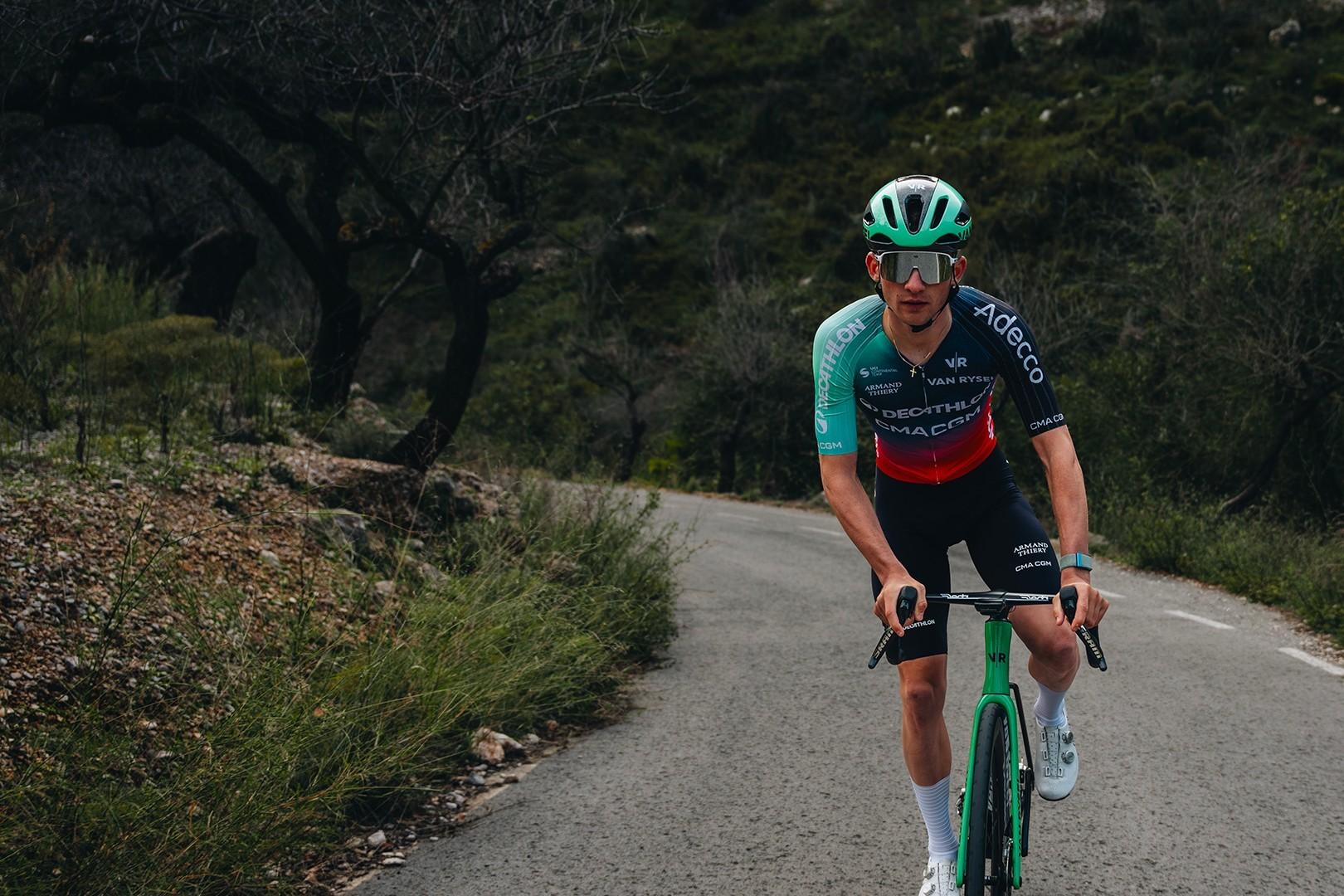
For technical mountain biking, the safety angle is strong. Grabbing a bottle on a rocky descent or rooty climb is asking for a crash. A hose on your shoulder strap means you never have to let go of the bars. There is no risk of a bottle ejecting from a cage either.
Packs double as storage. You can carry tools, a tube, pump or CO2, food and a spare layer in one neat bundle. For many gravel riders and trail riders that simplicity beats stuffing jersey pockets.
Wind tunnel work by Silca showed that some low profile packs, such as the USWE Outlander Pro, can reduce drag by smoothing airflow off your back, worth 1.3–3 watts in their testing.
The trade off is heat and faff. Your back runs hotter, your shoulders take the load on long days, and bladders are fussier to clean than throwing two bottles in the dishwasher.
When bottles are still king
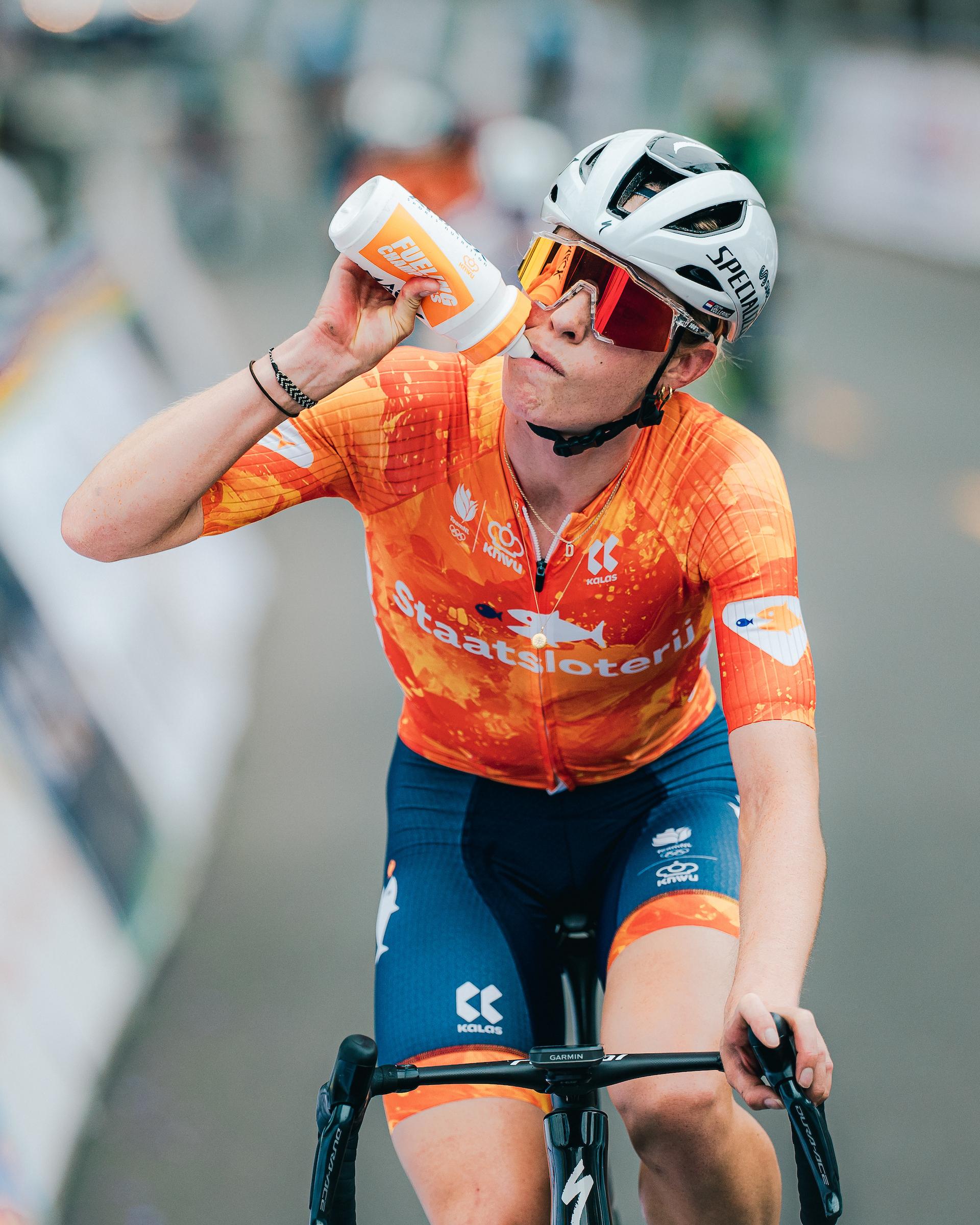
Image credit: Alex Whitehead/SWpix.com
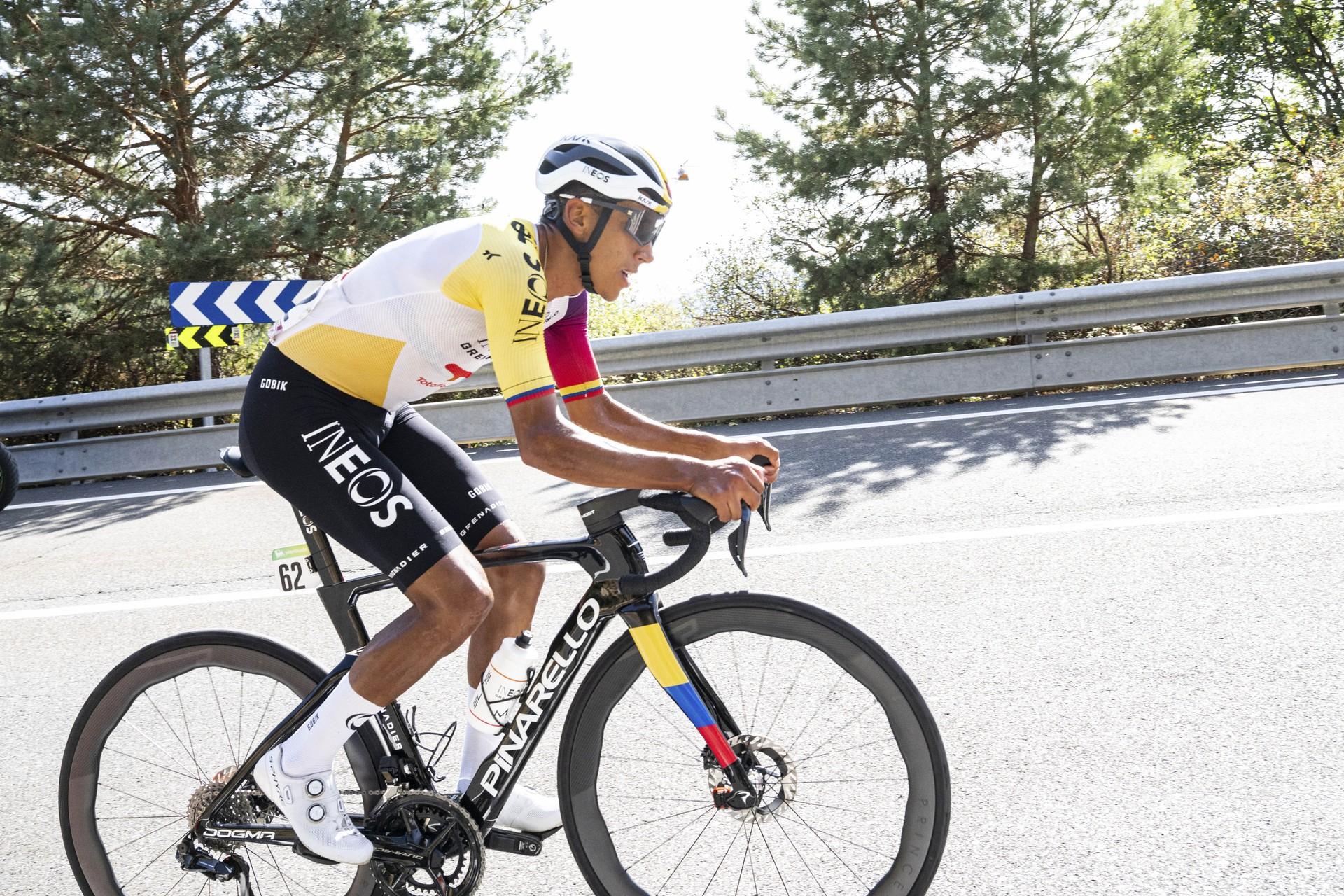
For road riding and most racing, bottles remain the default for good reasons.
With nothing on your back, you get maximum airflow and cooling. In hot weather, that matters more than any aero marginal gain from a pack. You can also tip cold water over your head, which you simply cannot do with a bladder.
Bottles are quicker to deal with. In events with feed zones you can swap bottles in a couple of seconds. Refilling a bladder usually means stopping, taking off the pack and wrestling with zips and caps.
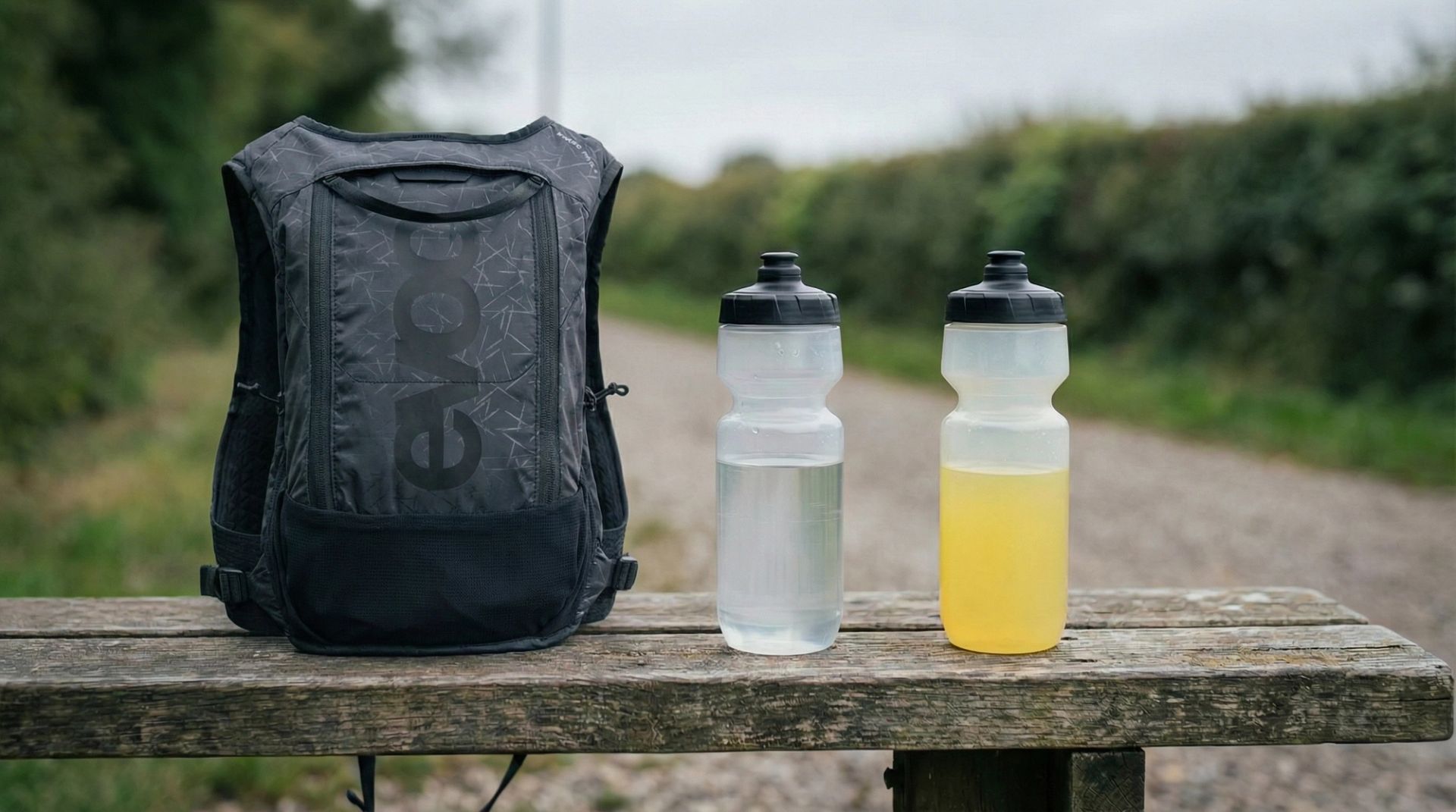
They are simple to manage off the bike. Bottles are cheap, easy to replace and easy to clean. Many riders run one bottle with plain water and another with a specific carbohydrate or electrolyte mix, which is harder to manage in a single bladder.
The downsides are real in certain types of riding, though. On rough gravel or MTB, reaching for a bottle is sketchy, and even good cages can spit bottles on big hits. Road spray and mud can get on the nozzle.
The hybrid setups most riders end up with
Plenty of riders now mix both systems. A common gravel and trail setup is a small pack with plain water plus one bottle in the frame with a strong carb and electrolyte mix.
I've used this strategy in multiple bikepacking races and it's my go-to setup. You drink from the hose most of the time, then “dose” from the bottle when you need calories. That keeps sticky sugar out of your bladder and hose, which makes cleaning much easier.
Bikepackers often put a bladder in a frame bag instead of on their back. You keep the weight low in the frame, free up your back for comfort, and still drink through a hose. Or keep the pack on your back and free up extra framebag storage space.
Short cross country races are another edge case. Here a hip pack with a small bladder or bottle gives you hands-free drinking and storage, but keeps the weight lower than a full backpack.
How to choose in one minute
Here's a set of simple guiding principles:
- Mostly road, group rides or racing, regular water stops, especially in hot weather: bottles
- Technical mountain biking or rough gravel, long gaps between taps: hydration pack
- All day gravel or marathon MTB where you want both capacity and precise fuelling: hybrid, small pack plus at least one bottle
Most hydration pack brands offer a 30-day trial period. If you run hot or ride in temperatures above 25°C regularly, test a pack on a familiar route with a heart rate monitor to see if cooling becomes an issue.