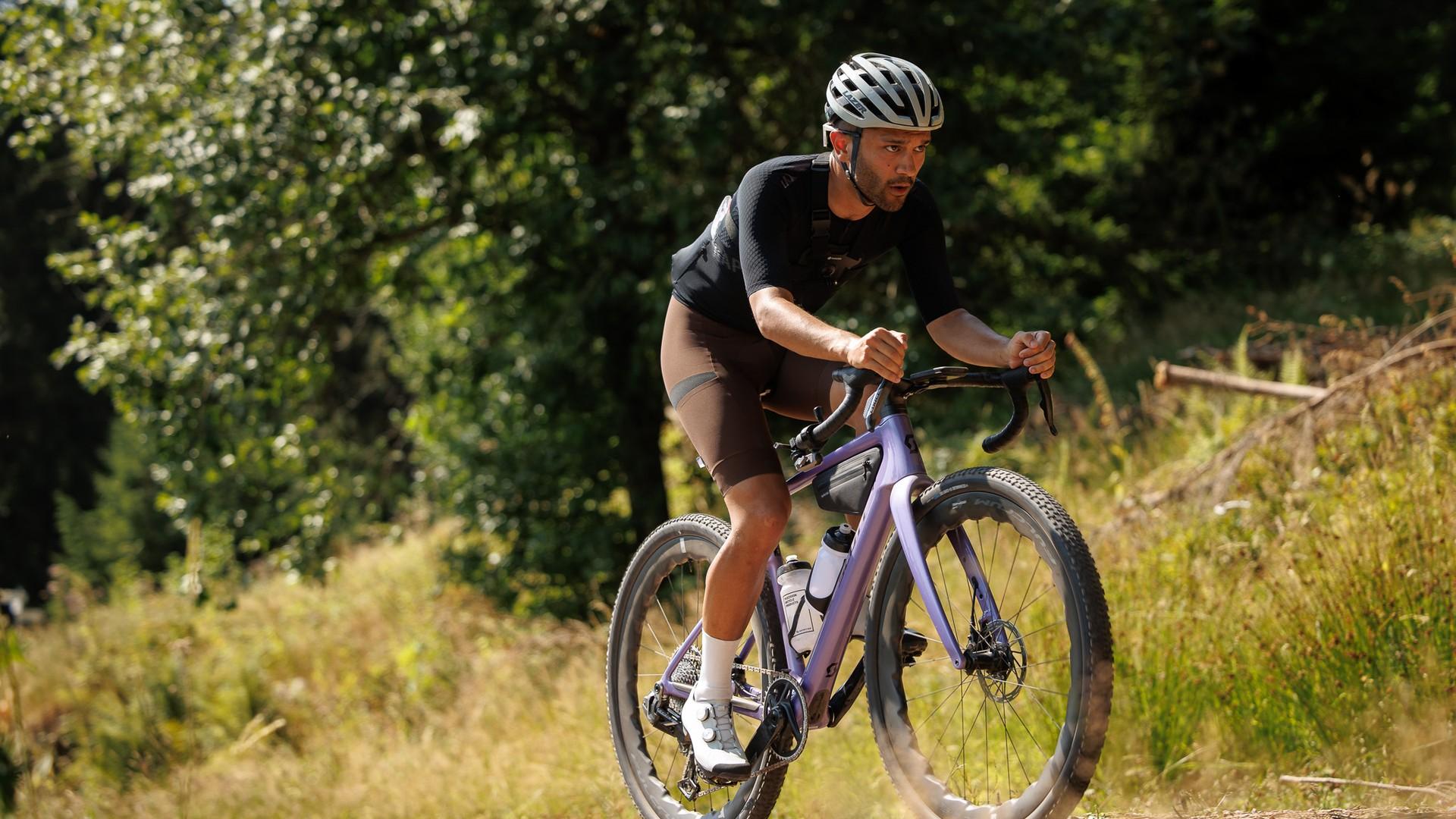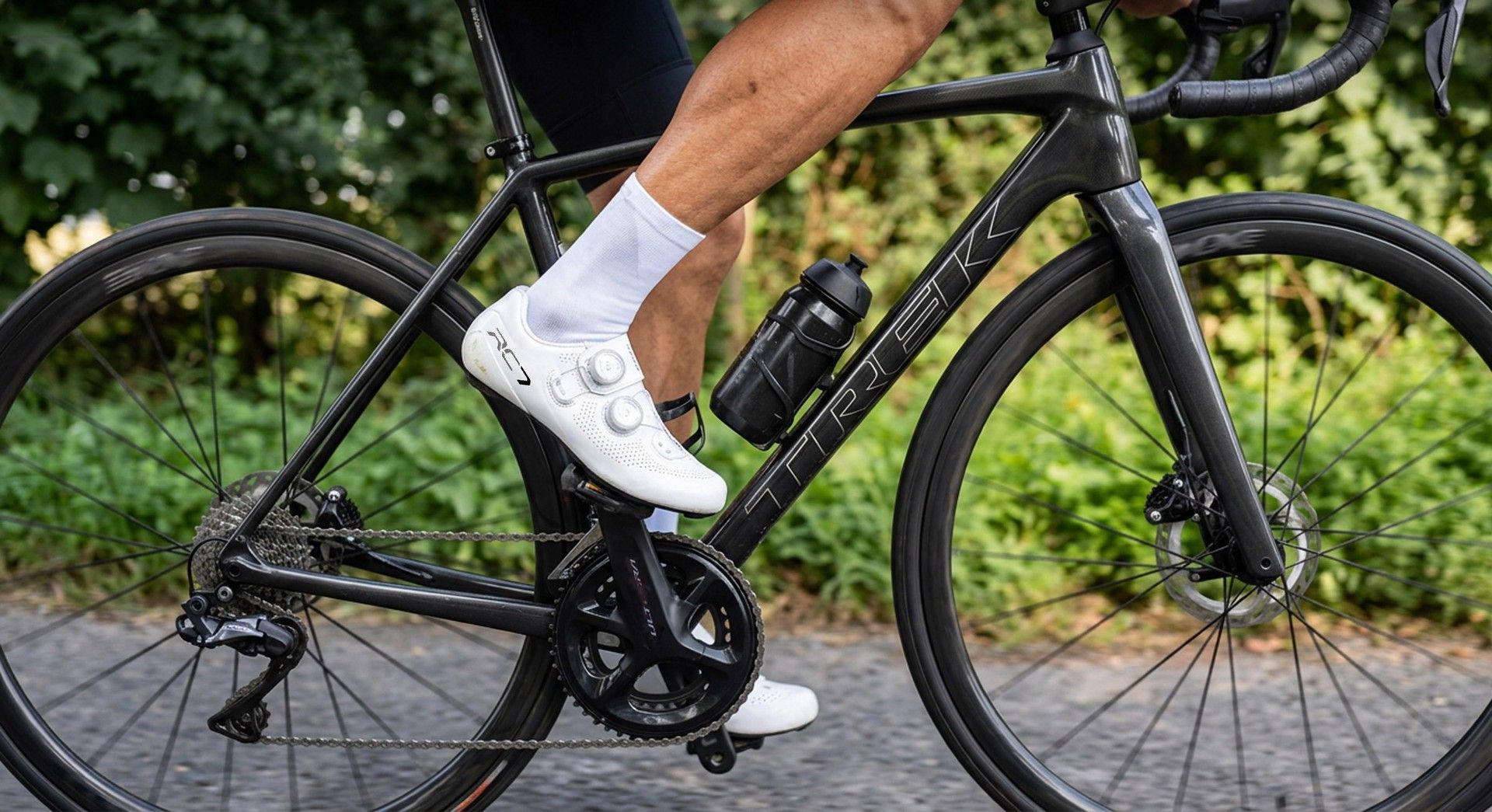
Let's address the elephant in the room. This is probably going to be the most pointless bike review I'll ever write, because it's not a bike you can buy. Not this one, anyway. Eighteen months ago I built up a custom Trek Émonda ALR from the frameset, chose every component myself, and it's been my daily rider for thousands of miles since. The number of people who'll get direct benefit from reading about my specific build is small. But the case it makes for premium aluminium – and for building your own bike, which is hugely more affordable with an alloy frame – is worth making properly.
The platform
The current Émonda ALR was released in 2023 and is available either as a complete Shimano 105 mechanical build or as a frameset. In a market where prices only seem to move in one direction, Trek has actually dropped the ALR's retail price since launch – from £1,300 to £975 for the frameset, and from £2,100 to £1,900 for the complete bike. That's unusual enough to be worth noting.
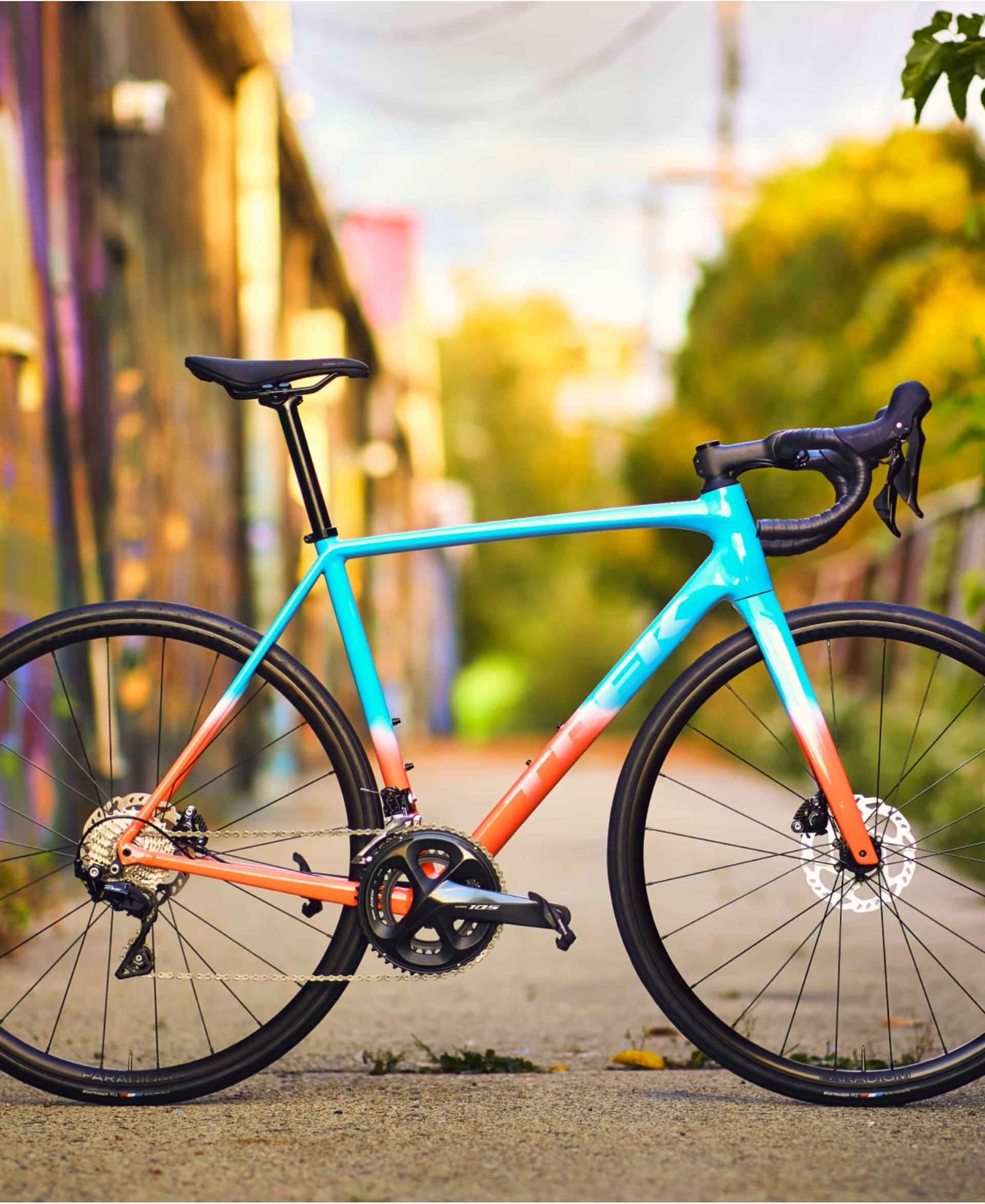
A colourful off-the-shelf version of the Trek Emonda ALR. Image: Trek bikes
The ALR occupies a small but significant niche: the premium aluminium road bike. Its direct competitors are the Specialized Allez Sprint (£2,600 for the 105 build) and the Cannondale CAAD13 (from £2,250 with 105), and there aren't many others worth mentioning. The Allez Sprint borrows its geometry from the Tarmac SL7 and leans hard into aero optimisation, with identical tube profiles to its carbon sibling. The CAAD13 takes its cues from the SuperSix Evo, with dropped chainstays and a D-shaped seatpost for comfort, and has long been considered the gold standard in the category. The Émonda ALR splits the difference – it shares race geometry with Trek's carbon Émonda range but uses shaped Kammtail tubes and Invisible Weld Technology to close the visual gap to carbon without pretending to be something it's not. At £1,900 for the complete 105 build, it also undercuts both rivals.
Alloy frame comparison table

| Cannondale CAAD13 | Specialized Allez Sprint | Trek Émonda ALR | |
|---|---|---|---|
| Material | SmartForm C1 Premium | E5 Aluminium | 300 Series Alpha Aluminium |
| Frame Weight (56cm) | ~1,250g | ~1,300g | 1,257g |
| Tyre Clearance | 30mm | 32mm | 28mm (30–32mm real) |
| Complete Bike Price | £2,250 | £2,650 | £1,900 |
Frameset | Material | Frame Weight (56cm) | Tyre Clearance | Complete Bike Price |
|---|---|---|---|---|
| Cannondale CAAD13 | SmartForm C1 Premium | ~1,250g | 30mm | £2,250 |
| Specialized Allez Sprint | E5 Aluminium | ~1,300g | 32mm | £2,650 |
| Trek Émonda ALR | 300 Series Alpha Aluminium | 1,257g | 28mm (30–32mm real) | £1,900 |
The frame weighs a claimed 1,257g in a size 56, with a full carbon fork at 406g. Here's how it stacks up against its direct competitors and Trek's own carbon alternatives:
The frame weights tell a broader story too. The ALR at 1,257g is just 12 grams heavier than Trek's own Émonda SL carbon frameset, which costs £2,950. You'd need to spend £4,900 on the Émonda SLR to make a meaningful saving at the frame level. Twelve grams of weight difference for nearly two thousand pounds of price difference – that's the data point that makes premium aluminium interesting.
My build
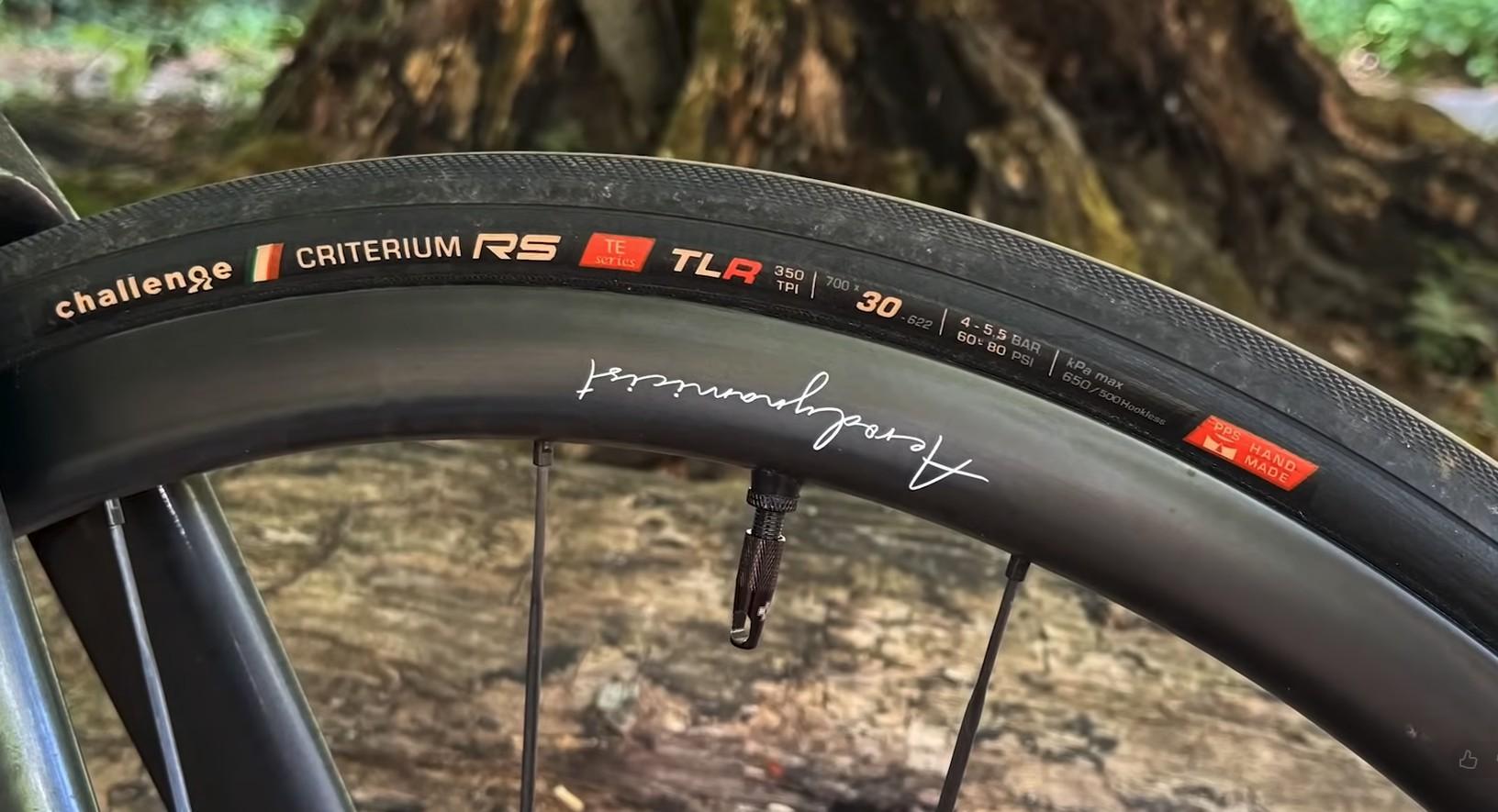
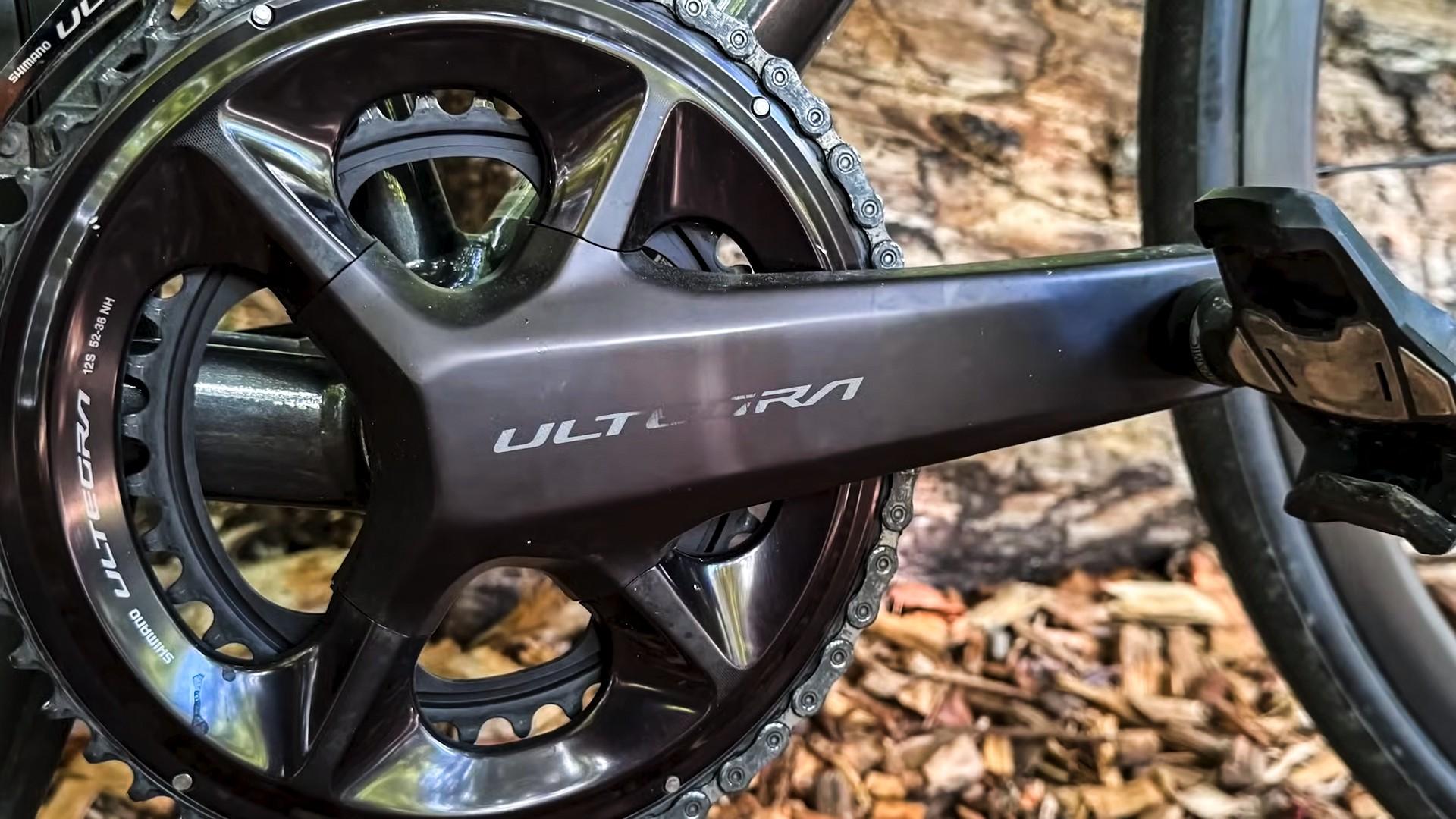
I went with a full Shimano Ultegra Di2 groupset – 52/36 chainrings, 11-30 cassette. The wheels are Hunt Aerodynamicist 32mm deep with carbon spokes, wrapped in Challenge Criterium RS tyres at 30c, running tubeless. The saddle is a Fizik Vento Argo 00 on a Trek RSL carbon seatpost. Up front I fitted Trek's own integrated carbon cockpit: 38cm bars, 90mm stem, with external hose channels rather than fully internal routing. That last detail was a specific requirement – I wanted the integrated look without the maintenance nightmare of routing hoses through the bars themselves.
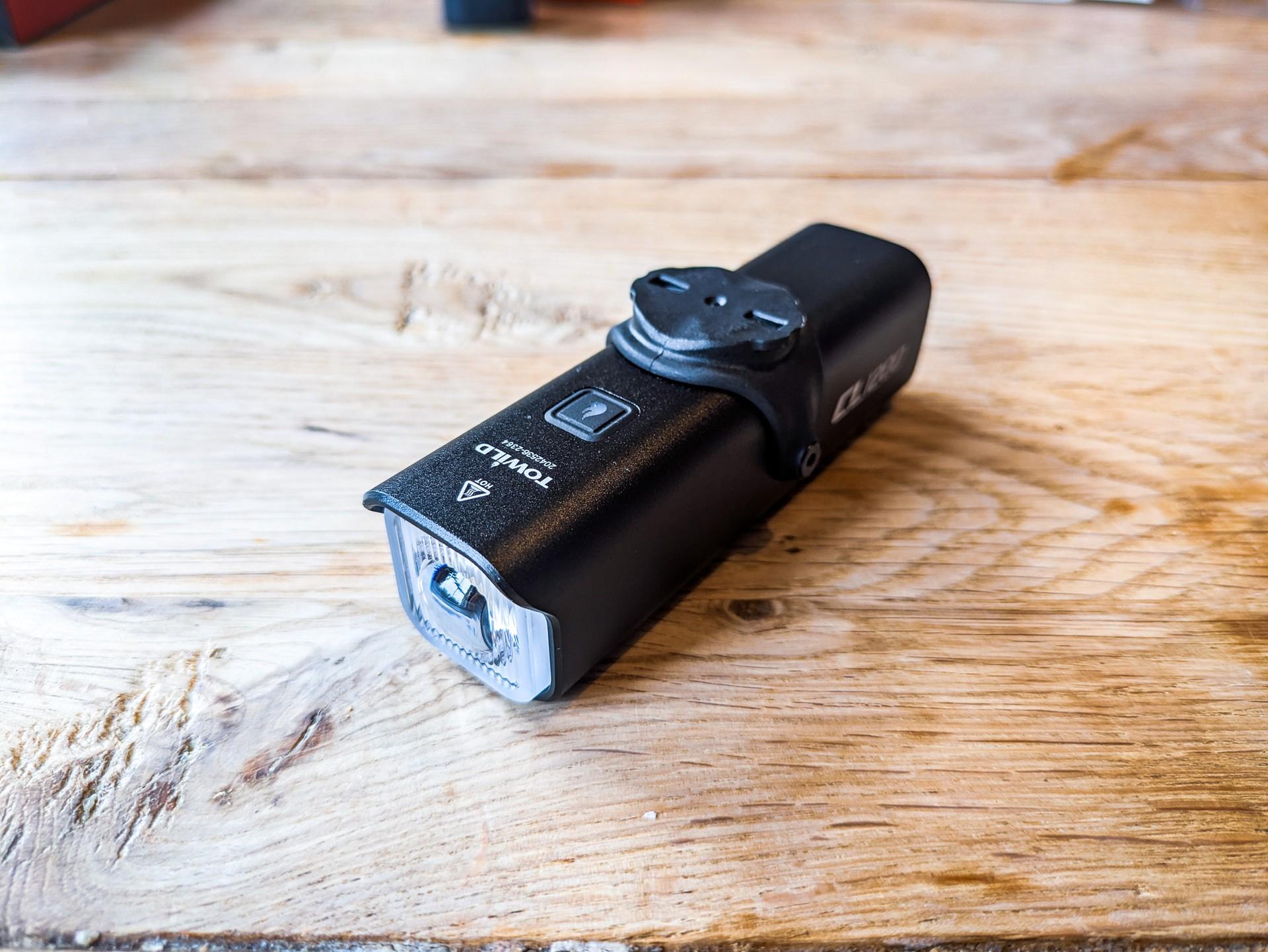
The cockpit also includes a central computer mount with a GoPro adapter, which I use in winter with an Exposure light mount to keep the front light centrally positioned under the computer. The rear gets a 3D-printed Exposure saddle rail mount that tucks the light up high under the saddle. Finished with Supacaz bar tape, Vel carbon bottle cages, and Look Kéo blade pedals.
The total build cost for someone is approximately £4,000 (I got a lot of it on loan/ industry discount). That's a lot of money, and I won't pretend otherwise. For the same outlay, you could buy a well-specced carbon bike off the shelf. The question is whether the precision of a custom build justifies the premium, and after 5,000 miles, my answer is yes – but I'll explain why.
Sam's custom bike build
Component | Spec |
|---|---|
| Accessories | Vel carbon bottle cages, Supacaz bar tape, Exposure front/rear lights, central computer mount |
| Approx. build cost | ~£4,000 (without industry discount) |
| Cockpit | Trek integrated carbon, 38cm bars, 90mm stem, external hose routing |
| Fork | Émonda ALR full carbon, 406g |
| Frame | Trek Émonda ALR, 300 Series Alpha Aluminium, 1,257g (size 56) |
| Groupset | Shimano Ultegra Di2, 52/36 chainrings, 11-30 cassette |
| Pedals | Look Kéo Blade carbon |
| Saddle | Fizik Vento Argo 00 |
| Seatpost | Trek RSL carbon, Pro Components clamp |
| Tyres | Challenge Criterium RS, 30c, tubeless |
| Wheels | Hunt Aerodynamicist, 32mm deep, carbon spokes |
5,000 miles later
The single best thing about this bike is that it fits me perfectly. And I mean absolutely, to the millimetre, perfectly. Bar width, stem length, seatpost offset, saddle width, crank arm length, gear ratios. Everything is exactly as I want it because I chose every component individually. I love getting on this bike because I instantly feel at home, and that's a sensation no amount of carbon fibre can replicate if the geometry and contact points aren't right for you.
The ride itself reinforces that. Despite a claimed tyre clearance of just 28mm, I can comfortably fit 30c and 32c tyres on the Hunt wheels with room to spare. Jumping to wider rubber transformed the comfort and made an already fun bike noticeably more enjoyable, particularly on the cratered roads we have here in the UK. When Trek updated the ALR in 2023, they also sharpened the geometry to bring it in line with their race bikes. The result is a bike that feels balanced and controlled on descents without the harshness of something like the current Madone. It finds a good middle ground between aggressive positioning and all-day comfort – as long as you're realistic about what your back can tolerate, which for me means a few spacers under the stem.

The bike is fun. That's the quality I keep coming back to. It climbs well – the Hunt wheels spin up easily and the frame responds crisply to power – and it descends with a composure that leaves you feeling genuinely in control. It's not the lightest bike I've ridden, and it's not the stiffest, but it is one of the most enjoyable to ride day after day after day, which is arguably a more important metric than either.
What it isn't
It isn't exciting to look at. I personally love the silhouette – the traditional proportions, the clean welds, the simplicity of it – but objectively, it's a plain-looking bike. Maybe it needs a respray. Carbon bikes at this price point will look flashier, and if aesthetics matter to you (they should, a bit), that's a genuine concession.
The cost is the other honest conversation. At £4,000 for a custom aluminium build, you're in territory where carbon alternatives start making a compelling case on paper. A Canyon Ultimate CF SL 7, for instance, costs significantly less and weighs less too. But paper specifications don't capture the value of a bike where every single component has been chosen by you for you. That's not a tangible metric, but after 5,000 miles on this thing, I can tell you it matters more than frame material.
I should also note that a friend of mine has the standard off-the-shelf 105 build, and he's mentioned how the weight of the stock wheels dulls the bike's liveliness. That's a fair observation and one that applies to plenty of bikes at this price — the frameset is the star, and the stock finishing kit is where Trek saves money. If you're buying the complete bike, budget for a wheel upgrade down the line.
What I'd change
Bikes are never finished. I'd like a new chainset – I applied some embarrassingly serious heel rub to the current one. A Dura-Ace crankset would be nice, not for the marginal weight saving but because the gloss finish would match the frame. I'd also like to try a deeper wheelset, something around 40mm, to shift the bike's character slightly toward aero efficiency. When those wheels go on, I'll probably switch from tubeless to TPU tubes and save myself the sealant hassle.
None of these changes would fundamentally alter how the bike performs. They're refinements to something that already works extremely well, which is about the best thing you can say about any bike after 5,000 miles.
The case for aluminium
When it comes to my garage, the Émonda ALR isn't going anywhere. While I'd love to add something lighter to the collection, this bike is too reliable a workhorse to sell. It's relatively cheap to maintain, it eats up anything I throw at it, and it doesn't cause me any issues. Any new bike would be an addition, not a replacement.
As a frameset for a custom build, the ALR is hard to beat. It offers something genuinely different in a market dominated by carbon, and the recent price drop to £975 makes it even more accessible. The frame weight is competitive with mid-tier carbon at a fraction of the cost, the geometry is proven, and the T47 threaded bottom bracket is a home mechanic's dream compared to the press-fit systems found on the CAAD13. It's one of the reasons the Émonda ALR features in our pick of the best road bikes under £3,000.
Let it be known: aluminium is great. Don't let big carbon fool you
Velora review
Trek Emonda ALR Frameset 2025

The Émonda ALR is the quiet argument against carbon's monopoly on performance. Climbs crisply, descends with composure, and rewards the rider who takes the time to build it up properly, and a price that makes it one of the best foundations for a custom road bike available.
For
- +Frame weight within 12g of Trek's carbon Émonda SL at less than half the cost
- +Frameset price dropped to £975 – undercuts Allez Sprint and CAAD13 as a build platform
- +Fun, balanced ride that works for daily use and longer days
Against
- –Custom build totals ~£4,000 – carbon alternatives exist at that price
- –Stock 105 complete build held back by heavy wheels
- –28mm official tyre clearance limits options on paper
Size